
![치매에 파킨슨병까지?! 과학자들이 경고한 미세플라스틱의 정체 (feat. 심원준 박사) [취미는 과학/ 35화 확장판]](https://i.ytimg.com/vi_webp/9Tcry58_vqY/maxresdefault.webp)



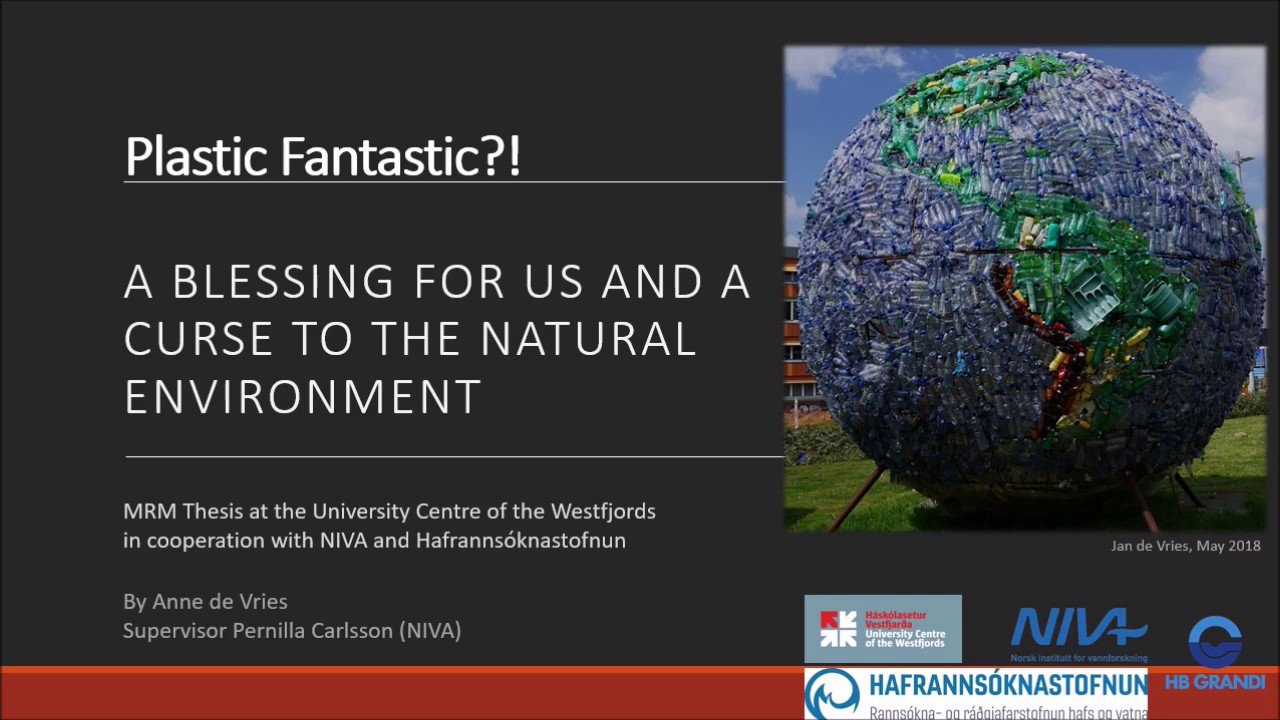



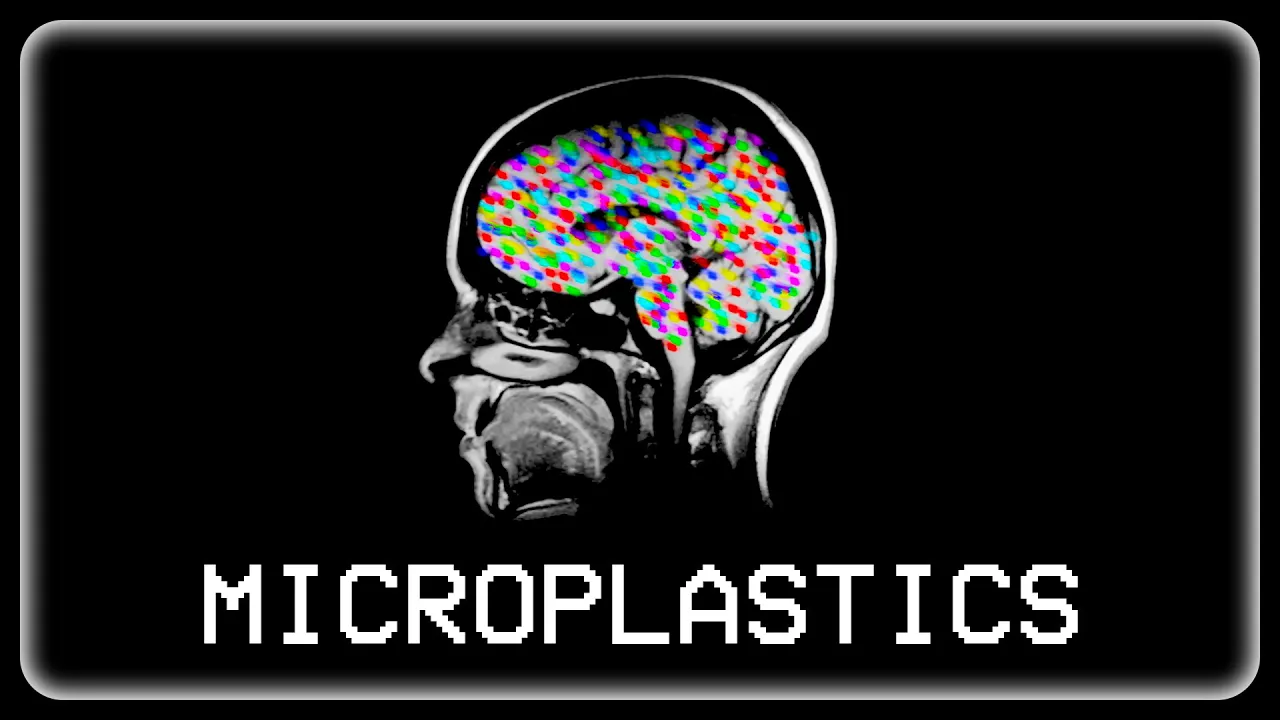






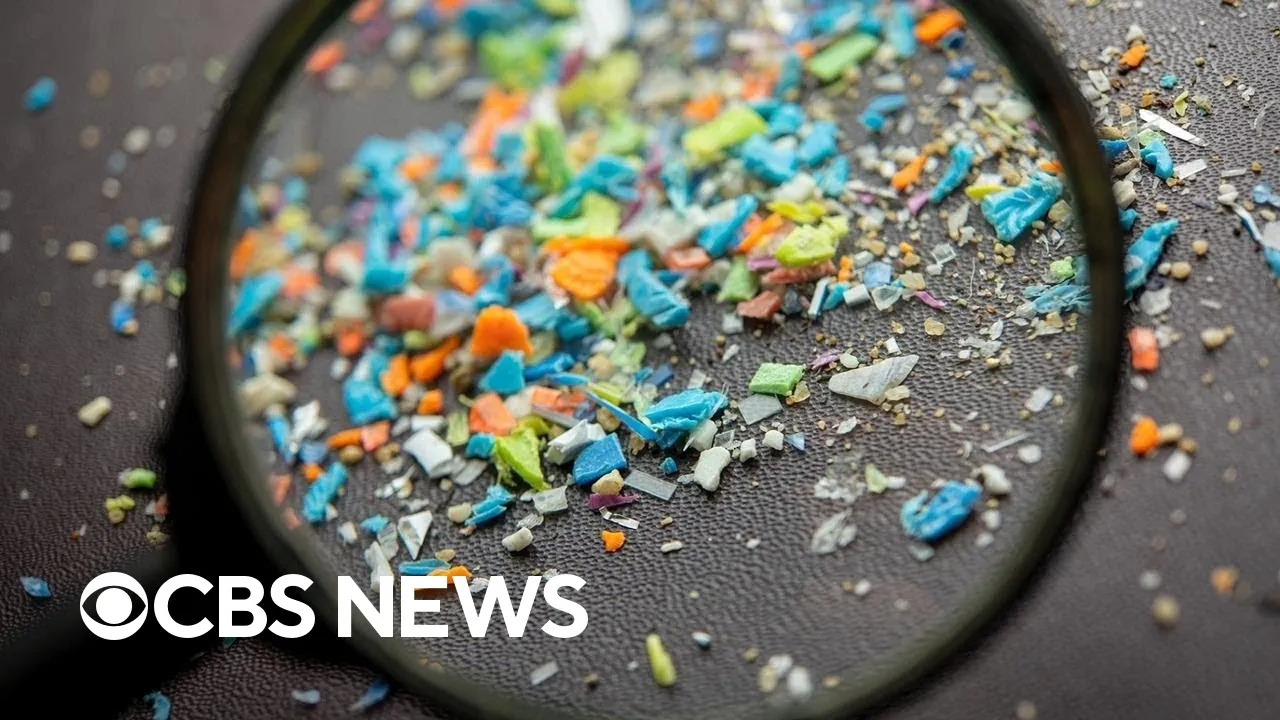

Plastic pollution poses serious health risks as microplastics and toxic chemicals from plastic containers migrate into our food and water supplies, with studies showing an average person ingesting approximately 5 grams of plastic weekly through various sources including bottled water, seafood, and hot-filled beverages, while persistent organic pollutants accumulate up to one million times more concentrated on ocean plastics than in surrounding seawater, ultimately bioaccumulating through the marine food chain to humans at the top.
How to Reduce Plastic in Your Diet and Protect Ocean Health
Added:Understanding the difference between macroplastics, microplastics, and nanoplastics, including how they degrade in the environment.
The concept of bioaccumulation and biomagnification in marine food webs, specifically how toxins concentrate in organisms higher up the food chain.
Basic pathways of plastic pollution entering marine ecosystems from terrestrial sources, such as urban runoff and wastewater treatment plants.
Fundamental knowledge of the human endocrine system and how certain chemical additives in plastics, like BPA and phthalates, can act as endocrine disruptors.
Exploring policy and legislative frameworks aimed at curbing plastic production, such as Extended Producer Responsibility (EPR) and international plastic treaties.
Analyzing the principles of a circular economy and green chemistry to design biodegradable alternatives to conventional synthetic polymers.
Studying advanced water treatment and filtration technologies designed to detect and remove microplastics from municipal drinking water.
Investigating long-term epidemiological studies and toxicological research on the systemic health impacts of chronic microplastic ingestion in humans.
3.1K views221likes1:37:30Original Release: 2021-11-04
if you will it's so beautiful well hey everyone and welcome to chef aj live i'm your host chef aj i'm so sorry when that happens welcome to chef aj live i'm your host chef aj and this is where i introduce you to amazing people like you who are doing great things in the world that i think you should know about well today's guest is broadcasting from my very favorite state hawaii so it's a little bit earlier for her and i'm so excited because what she's going to be talking about is really important we talk about diet a lot like what to eat but she's going to be talking about how to get plastic out of your diet please welcome to the show the co-founder of beach suzanne fraser i love your head gear aloha chef aj thank you so much for having me on your show it's a great honor oh well thank you because this is such an important topic and and i did watch one of your presentations and i thought you know i always think i know everything or i know a lot and then there were things you said like shoot i didn't even realize that and i think you're going to blow a lot of people's mind when you talk about the ramifications of plastic but first i'd like to get to know you a little bit you co-founded beech b-e-a-c-h and i'm sure that's an acronym for something yes it stands for beach environmental awareness campaign hawaii and we're an all-volunteer non-profit founded in 2006 so 15 years ago and the purpose of our organization is to bring awareness and solutions to plastic marine debris wow what got you so passionate about that well i i always cared about animals um ever since i was little you know if i saw a plastic bag floating along i'd get mum to stop the car and jump out and grab it because i knew they were harmful to sea turtles but then i came to hawaii to do my master's degree and ended up taking a walk on a very dirty beach and found that no one thought it was their job to clean it up and what struck me about the pollution was that it was very tiny most of it and um that's concerning because how do you clean a beach of micro plastic particles um also some of the the larger debris was very odd looking um i was looking at this basket look like a fishing basket and i'm like what's this doing in the middle of this beach a long way from any houses or anything like that and then there was some very odd-looking round things which i later on found out were pieces of buoy and cone things that are hagfish um eel cones and you know just very strange looking things and so we started cleaning it up daily on our walks and um tried to call different organizations and government departments to see whose job it was to keep the beach clean and nobody thought it was their job so rather than just start a cleanup organization we started an organization that would bring both the awareness and the solutions through environmental education so i've taught all ages from preschool four-year-olds up to senior citizens um and everyone in between we also do plastic reduction litter prevention where we're actually um taking action to bring forth new bills that will ban plastics and smoking and so on um and also give people the tools to take action on their own you know like reusable bags reusable utensil sets and so on um and also marine debris removal and research so what we're focused on at the moment is finding the sources of the debris because you've got to turn the tap off at the source and not keep putting it in and not just keep doing endless beach cleanups so um my current um work at the moment is um looking at each individual item and um identifying what is this where did it come from if we can um who used it what industry so we can develop long-term solutions to this problem so it's really more compassion that's what i tell people um is that it's not really a passion um i hate marine debris um it makes me sick literally like i i've been on beaches where i'm just about to vomit because of the smell the stench of the petrochemicals on the plastic um but i'm doing this because i really care about animals and that's why i'm vegan um is to um i don't want to do any harm to other beings well thank you for being vegan that's the same reason i became vegan 45 years ago how long ago was that for you well i became vegan 13 years ago in 2008 it was kind of the end part of my journey into becoming vegan which started when i was a child so i was vegetarian um in childhood and then i cut i think the last thing i cut out was dairy um in 2008. so interesting that that's often the case is dairy is the last thing to go when many of the doctors say that should be the first thing to go yeah yeah you know that's really interesting how you talk about how nobody thought it was their job to uh you know to clean the beach it's kind of like what we're having now with global learning nobody thinks it's their job to protect the planet you know let's let somebody else do it exactly and yet we're all responsible um because we all use plastic and and i'm not here today to tell people don't use any plastic because that's this whole plastic free idea um is kind of unrealistic in today's world i mean we're talking right now using a computer which has a whole bunch of plastic people using a cell phone plastic car parts plastic you know there's lots of plastic in our lives but there's also plastic that doesn't need to be an allies that we can cut out such as the disposable ones or when you have a choice you know if there's a choice between a plastic item and a non-plastic item um it's really important to make that choice for a better planet that's fantastic well thank you for the work you're doing i don't think people really think about the ramifications and i get criticized a lot even on my cooking show because i do use plastic sometimes and maybe more often than i should but you know what is the alternative because you you you can't just go to the store and get food like this i mean i guess you could but that'd be kind of inconvenient i mean you would need some kind of a bag don't you oh yes well there's lots of choices i mean there's reusable bags there's baskets you could bring a backpack you could bring up something on wheels you know like a trolley you know there's just a lot of different um alternatives to a plastic bag and of course we didn't even have them um before the 1980s there weren't weren't even plastic shopping bags before that time wow but it's they've done it's done quite a bit of damage already yes yes that's true well i know that you have a presentation plan for us if you'd like to start it that would be wonderful oh great thank you yes just share my screen here you might want to tell us what your crown is you remind me of this the vegan statue of liberty it's actually a laypo and um that is a um a hawaiian uh traditional hawaiian lay and it was made with two ingredients um from our backyard uh one one is tea plants and that makes the braid and the other one is lawahi um which are the the ferns and the um leaves that are um that you uh braid into the lay so i um i made this yesterday in honor of your show and to bring uh nature and hawaii um to chef aj live nice thank you how long have you lived in hawaii uh 21 years now lucky duck you a great place to live okay so um can can you see this it looks okay looks great thank you alrighty let's get started it's not moving why not um oh there we go okay got it radio well um again it's a great honor to be here and i want to just say aloha to everybody and um i hope you get inspired and want to take action because it's only through taking actions that we can really bring change to this uh major environmental problem so what i'll be covering today uh quite a lot of slides so i'll go as quick as i can um we're going to talk about plastic pollution of our planet and animal impacts plastic chemicals and health implications the migration of chemicals into food and drinks hot filling and more the truth exposed this really shocked me a couple of years ago i found out this information and um knew that i needed to get it out to audiences everywhere and had the opportunity to present about a month later at the um veg fest here on oahu it's a big vegan festival and they were the first people to learn about hot filling and this was just two years ago so um you know this is very important information um we're also going to talk about persistent organic pollutants or pups why not to eat seafood taking action plastic reduction solutions and then there'll be time left over i hope for discussion and questions and answers so this is why the ocean needs our help marine debris is a massive environmental problem um this is a photograph i took a camillo beach this is seven miles south of um seven miles uh sorry seven miles north of south point on the big island um of hawaii and um you can see all this it's like a waterfall of trash coming down there this is from the ocean it's a very isolated beach you have to drive on a very rough road in a four-wheel drive to even get there so this is not people came and dumped this this is out of the ocean um vomiting it up now this is on the island that i live on kahuku and again i didn't pile this up you know the ocean piled this up this is what came out of the ocean um this is another shot i took a camilo beach known as the world's dirtiest beach when we went there in 2007 for the first time we found the beach was actually one foot deep in plastic and this is why animals need our help they're ingesting plastic um all sea turtle species they eat jellyfish and so um a soft plastic like a balloon or a bag looks like food to them and this is what we typically find not the whole bag but just the not left over after marine life have beaten the rest this is a lancet fish look how skinny and long this is this is what was inside it this great big piece of garbage bag and that rope was in this skinny little fish and this is the contents of a sea turtle you can see that they eat a variety of different plastic things um predominantly they eat soft plastics like ziploc bags and um plastic wrap and that sort of thing but they also can eat um hard plastic items as well in hawaii scientists have found that 100 of lacin and black-footed albatross chicks have ingested plastic and how they know this and this is in the northwestern hawaiian islands is that they look at what's called the bolus which is what a young bird throws up before they take flight for the first time and all the boluses they examined had plastic inside of them and uh what happens is that the parents take turns to fly to the garbage patch and collect plastic for their chicks and then they come back to land and regurgitate that and then this is the result so you've got dead fledgling um on the left and all the plastic that one bird ate on the right hand side and you can see that there's um over a hundred pieces of plastic there including plastic lighters oyster spaces they're from the oyster industry in japan you've got bottle caps um rings around bottle caps and lots of broken pieces of plastic and they're eating mainly um red yellow brown colors um that look like their food which is squishy uh squid eggs or um sorry fish eggs or squid um and here's another picture of another dead albatross with a lot of plastic caps in it again you can see pink red orange those bright colors airsoft pellets are also getting ingested by sea birds um they're bright colored and they're small little balls um and so hawaii sits in the midst of the great pacific garbage patch and i know how much your um your viewers like quizzes so i'm gonna give them a little uh quiz right now on how big is the garbage patch a the size of texas b twice the size of texas or c twice the size of the us i'm gonna guess c c is correct so it is twice the size of the u.s this whole area um the north pacific subtropical gyre um also known as the great pacific garbage patch now um i'm sure most people have heard about the garbage patch and you would think um you know that people would stop using as much plastic right once people heard about this garbage patch but unfortunately it's just been increasing not decreasing and you can see from this graph that in the 1950s there wasn't terribly much plastic being used but by the 2015 there was seven billion tons being produced so i did a timeline about plastics um because i wanted to just uh it really occurred to me that i didn't see this much plastic when i was younger and um so i did a timeline um gathered from online sources just to find out well how long ago did this all start because we haven't always had plastic and we don't have to keep using plastic we can go back to what we're doing before so in 1977 that's when bottles plastic bottles were introduced for soda and other items in 1970s plastic straws came in that was the late 1970s 1980s burger king then mcdonald's switched to foam in 1982 was when plastic checkout bags started and by 1985 75 of grocery stores had plastic checkout bags in 1988 was when the resin identification code system was introduced that's those triangles with the numbers in it by the mid 90s plastic microbeads were being added to personal care products in 1994 pepsi introduced aquafina in plastic water bottles and then evian switched to it in 1995 and coca-cola created dasani in 1999.
so this is not that long ago that classic water bottles started um in 2003 plastic airsoft pellets started being used in toy guns in the u.s also um cascade introduced dishwashing pods in 2004 was when pvc vinyl fences started being manufactured in the u.s and just in 2012 tide pods for clothes clothes washing was launched um which is what night just nine years ago and um you know as i said why are we doing more plastic when we should be doing less plastic this is a um an area uh on this island that used to be native plants and this is what they did to it they put in plastic grass and it's now overgrown with weeds and there's nine places on our island that the council decided to put in plastic grass instead of nature and here's some vinyl fences um they're just exploding all over this island and in 10 20 years when they all wear out um they're going to the landfill because they're too toxic to burn at h power so this is what's projected um into the future is that the plastic production is going to increase not decrease um hugely and um this kind of looks like global warming you know uh this graph and um we can't let this happen um this this is just gonna be detrimental i mean we're already in a crisis and this is going to make things worse and what's going on is that oil companies are eyeing plastic because of all the electric car use they're now planning to ramp up plastic production and create more factories and all of that so you know it's so important that we all take action now um i feel that as vegans it's not just about what we eat and what we wear but it's also about what we support and what industries we're supporting because the plastics industry is doing so much harm to animals and our environment and our own health and future generations so um we can't let this happen and why because plastic lasts forever that's how long we were stuck with plastic for it doesn't do magical things it doesn't biodegrade it doesn't dissolve um it doesn't disappear somehow it just fragments it breaks up into smaller and smaller and smaller pieces it photodegrades but it does not biodegrade we're stuck with it forever and this is a very common sight um this is what i saw on that first walk where i was telling you how i got involved in this was white and blue plastic fragments on the shorelines um is such a common sight now on many of the windward side beaches um on of the hawaiian island chain and uh here's some more photos of the same thing this is fragments in the water at hanama bay which is a marine preserve so it shouldn't have all this pollution um but this is coming from the garbage patch and this is my hand covered in plastic and the water sample that we got from hanama bay and there's coral and fish and marine life there um i don't know how they deal with all that plastic and but at least the science is catching up with the problem and you might have heard about how people are eating a credit card of of plastic a week um and this is the information here um from world wildlife funds report in june 2019 that an average person could be ingesting 5 grams of plastic every week and this is how they might be ingesting it is um 1769 pieces of plastic in their drinking water that includes both tap and bottled water if they're eating shellfish that's 182 pieces beer 10 and salt 11.
this study of bottled water they tested 259 individual bottles from 11 brands in nine countries and found that 93 of bottled water showed some sign of microplastic contamination with an average of 325 microplastic particles per liter in this study from 2018 uh looking at tap water beer and sea salts they tested 159 samples of globally sourced tap water 12 brands of beer 12 grams of salt sea salt that was and of this tap water samples analyzed 81 were found to contain particles and debris was found in each brand of beer and salt indicating the average person ingests over 5800 particles of synthetic debris from these three sources annually with the largest contribution coming from tap water at 88 this is a map of the average percentage of tap water samples containing plastic fibers um throughout the world and the us comes in second so lebanon at 98 and the u.s at 94.4 percent and this study um in 2019 was quite shocking um they looked at tea bags and found that a single plastic tea bag at brewing temperature released 11.6 billion microplastic particles and 3.1 billion nanoplastic particles into the water and these levels were thousands of times higher than those reported previously in any other foods and tea i mean it used to come i mean some still does but it used to come in a paper bag and a you know paper packet um you know i was so surprised on a a plane trip one time when i was offered um one of these plastic tea bags and luckily i didn't use it um you know but uh that's just so shocking and uh this is uh what the industry has to say plastics an important part of a healthy diet you could think of it as the six food group this is the american um what's this say american plastics council uh ad in national geographic and here's here's some more green washing here um by the plastics industry this says when disposed of properly single-use plastic products often have a smaller environmental footprint than reusable items and um there's quite a few problems with this ad here and um one of them is that forks are they are they single use no they're not you can use them again you can wash them again when i was a kid uh and you know there's family gathering or something and they had to get the plastic out you know because it wasn't enough metal for everybody all of that went to the kitchen to be washed and cleaned and reused same with any plastic cups for parties and so on um but there's a lot of um i don't know if you call it brainwashing or green washing but you know saying that plastic bags and plastic cups and plastic utensils and so on are single use is zinc is just wrong and what it's doing is it's encouraging people to think wastefully and act wastefully um and and people just didn't do that in the past you know people were concerned about cost you know about not being wasteful and they were concerned about not making unnecessary waste as well so plastic is so widespread um that they're even finding it in very um isolated areas such as the top of the mountains in france and in the arctic and antarctic um and they have found that pollutants can travel through the atmosphere so not only is plastic um made from oil which is a non-renewable fossil fuel that took millions of years to form and so that's wasteful enough um but also it's made with a bunch of chemicals there's pretty much no plastic item that doesn't have something in the way of a chemical in it and those chemicals can include antimony vinyl chloride styrene bisphenols they make plastic hard dilates they make plastic soft or flame retardant so these chemicals are being added to make the plastic do things like be hard be soft be durable be flame retardant um that's why they're adding the chemicals so um one of the items i'm going to be speaking with today speaking with you about today are these clear plastic bottles um they have the number one um symbol on them and that stands for polyethylene pterothylate ethylene or peat p-e-t-e for short and this container contains the chemical antimony which is the suspected carcinogen or cancer-causing substance polystyrene leeches the chemical styrene which is toxic to the brain and nervous system and has been found to adversely affect red blood cells liver kidney and stomach and animal studies so you really don't want to be going to the buffet or going to the um restaurant and taking out hot food in styrofoam because you will be getting the chemical um styrene with your food and same for drinks like you don't want to put um hot coffee into a styrofoam cup and uh this um according to the epa 100 of americans have styrene in their bodies and the styrene content in food is mainly caused by migration from polystyrene foam containers into food um higher fat content temperature and acidity facilitate the migration and subsequently stores in human fat tissue and then number seven plastic this one um is used for other it's also used for polycarbonate um and it can contain bisphenol a or bpa which is a chemical that mimics the action of the human hormone estrogen and can leech from polycarbonate plastic so this is a really bad idea to have one of these at home or at the office because you're going to be getting um minute amounts of bpa in your water and you might be thinking well it's my nude amounts then oh that's okay then well actually it isn't because um if you've heard of homeopathics then you'll know that the more dilute it is the more powerful it is and that's the same with these chemicals that are mimicking estrogen is that they have more of an effect at a lower dose than a higher dose so avoid this um if you can and apparently they used to make glass ones so i hope they go back to glass um in this study um by the national center for environmental health um they've measured bpa and found that in the uh in 394 adults in the u.s in the urine and found that 95 percent of the samples tested positive for bpa and bpa is linked to breast cancer obesity diabetes and prostate cancer and even canned foods and drinks are lined with plastic containing bpa and bpa um has also been um associated with um obesity in children and pcos or polycystic ovarian syndrome in women now you might be thinking well my plastic water bottle or my whatever it is says that it's bpa free well unfortunately they've now started substituting one type of bisphenol for at least there's about 20 other types being used currently so it could be bps or it could be a bpf bpc bpb bpe um they're all unhealthy chemtrust um put out this report um and said that companies are putting the public health at risk by replacing one harmful chemical with a similarly potentially toxic alternative um and they're looking at this is all about bisphenols in this study in 2019 they looked at bpa bps and bpf and they detected those three um bpa was detected in 97.5 bps 87.8 and bpf in 55.2 of urine samples of children and adolescents and they had their results suggested that the bpa substitute chemicals are correlated with obesity in children so um sometimes people say that there's a safe plastic like supposedly number five was considered safe you know food grade safe plastic well a study came out in july 2011 by yang adele and they found that all numbers of plastic from one to seven including bpa free plastic bleach chemicals having estrogenic activity or ea in other words there's no safe plastic and um just quickly about the endocrine system it's a series of glands that produce hormones including pituitary thyroid adrenal and reproductive glands and the these hormones regulate various functions such as metabolism sleep growth development and reproduction influencing almost every cell organ and function in our bodies and therefore endocrine disruption endocrine disruptors are chemicals that interfere with the hormonal or endocrine system mimicking naturally occurring hormones such as estrogen interfering with or blocking natural hormones from being made or functioning and these fake chemicals can bind to receptors within cells blocking the real hormones from binding therefore stopping normal signals from occurring and the body fails to respond in other words we don't want estrogenic activity going on because it's wreaking havoc in our bodies and it can affect the brain nervous system immune system thyroid metabolism adrenal glands sex hormones reproduction and sex ratio balance resulting in heart conditions thyroid conditions prostate and breast cancer obesity diabetes lower sperm count feminization of male species in fish amphibians reptiles birds and mammals masculinization of females and triggering autoimmune diseases so since the 1970s there's been a downward trend in um sperm counts by more than 52 percent um from 1970s to 2010 and as i was mentioning before hormones have very powerful effects at very low doses of parts per trillion and endocrine disruptors can be just as powerful as natural hormones at parts per billion and parts per trillion so what causes chemicals to migrate from plastic into food and drink well there's four different ways one is um every plastic item contains chemical additives that are physically there but they're not chemically bound to the plastic therefore the plastic has weak chemical bonds allowing the migration the second way is the food composition so the more fat in the food the higher the migration also acidic foods and drinks cause higher migration as well time is a factor how long is the food and drink being in contact with the container the food closest to the expiration date has a larger amount of chemicals and the package has the least and heat heating plastic in the microwave is a really big no-no all right um also leaving plastic in the sun due to uv light and this is how you know many things travel in hawaii we get pretty much most things on a um vessels you know on boats so it's in a hot shipping container it's outside on the dock then it's on a truck in the sun and then it's sitting outside the store and then finally they put it in like the cold area of costco and you get your bottle and you think oh well my bottle never got hot well it got hot many many different times um along the way but these are not the only ways that the plastic gets hot let's take a look at this whole thing about hot filling um and you might remember that i was telling you about peak bottles or pet bottles the ones that leach the chemical antimony well what they're doing with those bottles like these this is gatorade and then you've got tomato cap chip and juices and honey and so on what they're doing with all these clear bottles is that they're hot filling them and that means that they're um heating up the bottle to a temperature of 90 to 95 degrees celsius um what did i write down how much that is in fahrenheit oh 194 degrees fahrenheit um and what they actually do is they then lay the bottle they're on its side so that the cap can get the liquid as well so they're using the heated up liquid to sterilize both the bottle and the cap and the cap is made of another type of plastic so you've got the bottle is number one and the cap is like two or four or five so you're also getting the chemicals from the cap as well these are the kinds of items that are being hot filled fruit and vegetable juices flavored waters isotonic beverages honey and nectars ready to drink teas marinades soups spreads also mayonnaise pasta sauce jams and um hot filling is also used for products that are acidic examples of foods that work they're saying that work well for hot filling includes soda i'm not saying it works well but they are um include sodas vinegar vinegar-based sauces sports drinks and juices um and this is just appalling um that they're doing this this is so shocking when i found out about this um what they're doing and with um sodas they can't actually hot fill those because they'll explode so what they do with the sodas is they spray them hot from the outside and this is what um i found on the internet it said that industry experts point to shifting consumer demand from carbonated soft drinks to healthier drinks like juices teas and enhance waters that are hot filled i would hardly agree um that they're healthier when they're being hot filled i mean you're more likely to get antimony though that cancer-causing substance and the shock didn't stop there you know when i i delved into this whole hot filling mess um i also found out that these tetra packs that look like cardboard boxes um are actually lined with a plastic the same plastic polyethylene pterothylate ethylene you know p-e-t-e is on the inside of these tattoo packs that's not good news no it isn't right because a lot of us vegans buy this stuff right in our household we had we had soup and tetra pack we had almond milk we had coconut water you know i mean when i've been presenting this talk to um vegans all over hawaii and and there was lots of shock in the audience um when i put this up on the screen um because many of us have been buying this and um this is what looks like it has tetrapak on the bottom i mean who knew that it was lined with the same plastic as a water bottle and that's it's being hot filled so it's the same thing you know it's being heated to a high temperature um to um sterilize it i guess so we don't buy these anymore and then um the other item i wanted to talk about today regarding this whole heat situation and food are packets so soft packets so as i said earlier stylates make plastic soft so this packet here it says um non-gmo gluten-free plant-based soy-free let's take a look at this one it's usda organic it says um certified gluten-free vegan and so on and so it looks like you're eating healthy um but what's actually going on is that the food is if it's being cooked baked roasted or heated in any way it's put into the packet hot or warm allowing those stylic chemicals to leach from the packet into the food so we're talking about chips roasted nuts granola snacks cookies all those sorts of things um so it's probably another reason why not to buy packaged food right um and here's a video um that went viral uh one of the employees showed how the mac and cheese was being prepared and they actually dunked a plastic bag um filled with frozen cheese and noodles into hot water um and then they cut it open and pour it into the plate uh and i've shown this to um some you know various interns and young people that we work with who who have jobs as um waiters and waitresses and they they weren't um surprised they said this is going on all the time in the restaurants they work in and it says here that it's um common at um starbucks taco bell and so on um this is how they're doing single servings is is uh putting the whole plastic bag with the item into the hot water i mean that's just awful again a plastic bag is going to leach dilates so they've actually found that people dining out have a 35 to 55 percent higher thylak levels than people eating food prepared at home and children and teens are even getting even more thylace um than adults and i already mentioned that these chemicals make plastic soft and pliable and are found in soft food packages including for baby food um so this is a really bad idea for babies um is to give them it's basically a phthalate pop that they're sucking on um just totally horrifying that that's even allowed um and dilates health effects um it causes endocrine problems reproductive issues affects fetal development causes obesity affects neurodevelopment causes cancer diabetes and allergic diseases and immune system problems so you just really don't want to be exposing yourself or your children to phthalates and you might be thinking well how's this allowed like doesn't the government protect protectors surely if it's on the shelf that means it's safe and somebody tested it and it's allowed and all of that well actually there's 84 000 chemicals on the market and only one percent have been tested for safety and exposures are starting in the womb um to these toxic chemicals and what happens is that the firstborn child gets 50 of the body burden of toxic chemicals from their mother that's one of the ways the mother gets rid of half her body burden of chemicals is passing it on to the firstborn child um and that's causes major issues later in life um you know they become more susceptible to to diseases um and also in the womb um you know babies are very sensitive and this causes intergenerational um uh disease you know because what that baby in the womb is being exposed to can then affect that um child's later on that child's grandchildren great-grandchildren you know we're talking about intergenerational problems here and today to some extent um babies are being born pre-polluted isn't that sad everything you're saying is sad suzanne what's that everything you're saying is sad i know i mean it is right i mean that's i mean gosh i mean it's important though and like you know people are saying you should be giving this talk at costco in every store in every school in every restaurant you know right i mean isn't that true i mean a lot of us have been going through life not even knowing half this stuff right i mean i didn't know until you know i started doing this work i mean i it just shocked me what has been going on and how these companies have been getting away with it and you know it's no wonder so many of us have got sick you know like um i have an autoimmune disease and uh i'm sure it's from exposure to all kinds of um chemicals that i had no clue about you know i was doing all the wrong things like microwaving plastic and eating canned food and you know in your early 20s and living on your own you're doing all these sort of things so um you know and then you suffer later so um what's going on what is being tested um is they're testing one chemical well they're not testing all the chemicals but if they do test them they're only testing one chemical at a time instead of the interaction of more than one chemical they're not testing um the situation of endocrine disruption or delayed toxicity they're not looking at multi-generational effects and they're certainly not looking at low-dose exposure outcomes they test one chemical at a time at a higher dose and these tests are completely flawed and outdated and there's so much science out there there's so much information um and they're just ignoring it um i guess because of these billion dollar chemical industries letting them get away with this so getting back to the plastic marine debris problem um plastic in the ocean becomes more and more toxic because it accumulates what's called persistent organic pollutants or pups like ddt and pcbs up to one million times more concentrated on the surface of the plastic than in the surrounding seawater which shows that plastic in the ocean is absorbing dangerous chemicals and take a look at these are called nodals actually in this picture here this is what oil is turned into a little um five millimeter these are microplastics um balls of plastic that are then shipped to companies and melted down and the chemicals are added but look at the colors here i mean the black ones were made black and the white ones were made black but look in the middle the orange and the yellow ones that's showing um that these have been in the ocean for quite a long time and have been accumulating those chemicals and they stink like i was telling you before you can smell the petrochemicals on these so i it just blows me away that companies can do this um coca-cola unveiling the first ever sea green bottle recycled from plastic washed up from the oceans yuck who wants to be eating gdg i mean sorry drinking ddt pcbs i mean this is just awful this is green washing at the highest screen washing there ever could be um all these companies that are getting on on board of you know oh i'm using recycled plastic from the ocean in my product and i sat down with one of these companies and said look you know we'll give you plastic that's never been the ocean that's been from consumers that we cleaned and all that can you please use that instead and they're like no and i said why not because it doesn't have a story it's all marketing they want to be able to say oh this was a plastic bottle in the ocean and now look what we did to it we turned it into a skateboard or clothing or sunglasses or shoes or whatever it is please don't buy these products please don't support this because it's not helping cleaning up the ocean at all it's causing more harm than good and it's it's harming you as well so um don't fall for this the screenwashing tactic of ocean plastic recycling um so this this is a big health issue um it's it's an environmental issue it's it's um a health issue for both us and the animals um this whole marine debris situation and the reason is because pcbs ddt dde bpa dilates from plastic bio accumulate in the fatty tissues of fish amphibians reptiles birds and mammals causing endocrine disruption and human seals dolphins whales um etc are at the top of the food chain and have the highest levels of endocrine disruptors in their fatty tissues and here's the evidence bottles these are bottles we've collected off the shoreline look at the bite marks from the fish trying to eat them and these are lanternfish these are the most common fish in the open ocean and these are little fish that bigger fish eat like tuna and here's one cut open and you can see the plastic in it algolita marine research foundation got 600 fish out of the garbage patch opened them up and um in 35 of the fish they contained up to 25 pieces of plastic per fish in this study from 2018 they looked at 233 fish um from seven different species and 73 of all fish contain plastic with uh one species having the highest ingestion rate of a hundred percent so all the fish in that species ingested plastic and in hawaii they found that even baby fish are eating plastic and they're eating the tiny pieces of plastic that you can't even see with your eye um and they dissected um 600 larval fish and 48 48 of them were found to have ingested plastic particles and these were um in the stomachs of commercially fished species such as swordfish mahi mahi and coral reef species like trigger fish um this is in our backyard um styrofoam in the water i mean this is just shocking um where it came from was our neighbor's roofs they were um actually they put there were 122 roofs and they put styrofoam on all of the roofs and this is all the styrofoam for one house that was going up and there's a video on our youtube channel of fish eating the styrofoam that fell in the water and we're trying to stop them from putting styrofoam on our roof um and as i said earlier styrofoam contains styrene which is toxic and plastic doesn't go away so the little fish eat it and get it into the system and then they get eaten by bigger fish and it goes through the food chain here are some recent studies uh there's one about echo coxological effects of chemical contaminants absorbed um by clams and another one about mussels another one about oysters so all these animals are ingesting plastic and even coral is ingesting plastic microplastic particles they found that um that microplastics were being indiscriminately eaten by the coral um in fact they're even choosing to eat the plastic over their natural food sources and it's not good for the health it can lead to illness and death and stress and coral's already been stressed right by warming oceans and ocean acidification and and all of the harmful fishing practices like dynamiting and bleaching and so on and the last thing we need is for them to be also eating plastic and it really doesn't stop there because this this one when i found out about this like you know years ago this was enough to confirm to me why eating fish was a bad idea and that's because they have proven and found that the base of the food chain which is plankton is eating plastic so there are plastic particles in the gut on the left hand side this is under a microscope and then on the right hand side these are the plastic particles in the fecal pellets now you might think oh well that's okay then you know the the plankton's okay it pooped out the plastic doesn't matter well actually it's the chemical contamination that matters it's not the hard piece of plastic so when you buy if you were to buy a piece of fish or capture a fish and i don't recommend of course um but if you were to open it up and see no plastic and think well this is safe uh that's not true because you would actually need to do chemical analysis on the tissues of the fish to see if it contains chemicals and i would say highly likely it does because if plankton's eating plastic those chemicals are going throughout the whole food chain so i really can't say at all that um there's any safe fish to eat at all i do not recommend you eat fish or seafood and um plastic's been getting very very tiny and the research is now looking at nano-sized particles of plastic and finding that they can be more damaging to marine species than larger size plastics um and that nanoparticles can damage cell membranes even move through the membranes um they had they found that nanoplastic particles had spread into surrounding organs indicating that they had permeated the membrane and how small is a nanoparticle well it's smaller than a red blood cell um on this scale as you can see there smaller than um dna and um nanoplastic particles um parts of the gut can allow uptake of particles which can pass through the gut into the blood causing chronic chronic exposure to nanoplastic particles alters the gut villi causing leaky gut syndrome and these nanoplastic particles can also alter iron absorption and the uptake of other nutrients now the fishing industry um our research is about finding the sources of plastic marine debris and finding solutions and so far in our preliminary results we have found that the fishing industry followed by the aquaculture industry are the top polluters uh um causing plastic marine debris in the ocean i mean there are other sources um but these two industries account for the majority and i want to talk about ghost nets and fish aggregating devices so ghost nets are nets that just keep on fishing actually i've got to find a here we go go snaps keep on fishing even after the fisherman has either lost it or discarded it on purpose and they may capture a total and then the turtle dies and decomposes then the net goes along and fishes again and captures another animal and that's what ghost fishing's about fish aggregating devices are purposefully dropped bundles of rope and net into the ocean with a satellite tracking buoy on it um so that it can make an artificial um environment where little fish will accumulate underneath it and um that's causing a lot of harm um this is another problem with uh fishing nets is this washed up on a beach that we're at on lanai and we tried to pick it up it looks really small right um but it was super heavy and the reason why was because of all the broken coral it had ripped quite large pieces of coral off the reef there is at least 20 of those um underneath that net and his coral that grew on a net um sometimes it grows in the wrong place and then of course the net washes ashore or the item washes ashore and the coral dies here's a sea turtle entangled in a ghost net and his um a on the right hand side you can see a an endangered hawaiian monk seal caught in a fishing net on that particular day a diver was there and the the monk seal got released but the very same monk seal got entangled in another net on another day and drowned um on the left hand side is another monk seal and this one's caught in an eel cone from the hagfish industry the aquaculture industry um which mainly supplies korea underwear under water um is very dangerous for air breathing and animals such as humpback whales and dolphins and sea turtles and so on because they need to be able to surface to breathe um so if they're entangled in fishing gear um and they can't get to the surface they're going to suffocate and die and sometimes the rope or whatever it is can get around their neck and as they grow they get bigger but the the plastic rope and that gets tighter and strangles them this is an animal this is a hawaiian monk seal again that we helped to rescue um it's entangled here in a piece of rope um and we called noah and they came and uh released the animal uh luckily and she survived this is a um lace and albatross entangled in monofilament or fishing line fishing line can actually sever off flippers and beaks and so on it's very dangerous um and uh harmful and here's a shark and tangle wouldn't want to untangle that would you or this a jellyfish so i want to get to solutions because i know this has been um probably a hard presentation to see um because it is very distressing and i want you guys to know that there's so much you can do to help and it's really important that everybody takes action and takes action today like please don't wait like pick one of the solutions or come up with your own solution um but please make a commitment and and put it in the chat you know what are you going to do to make a difference because we can all do something new um to make a difference and i don't want you to feel overwhelmed like that you have to do 30 different things today but just pick one thing that you're going to do and i'll really look forward to seeing those in the chat box so here's one you can do avoid all plastic cans and tetra packs for food and drink wherever possible obviously you can't always but if you can just stop buying tetra packs that'll make a giant difference i mean if there's 5 000 people watching this um this presentation and 5 000 people stop using tetra packs and tell 5 000 other people to stop using tetrabox i mean i think these companies are going to start taking notice that their bottom line is dropping right because you can vote with your dollars that that is a really um uh effective way of bringing about change um here's some safer choices for food and drinks so for reusable containers i recommend glass porcelain ceramic and stainless steel for disposable um bamboo clay coated paper 100 compostable and palm leaf plates choose fresh food not canned food and don't heat plastic in the microwave never buy or use these this is another easy one to do black plastic this one even says um what does it say made with love 100 recycled number five plastic okay now why because black plastic is made from recycled e-waste which is contaminated with chromium brominated flame retardants chlorine cadmium mercury lead antimony isn't that awful so you don't want to be cooking with these throw them out i recommend don't even donate them they're too toxic to donate put these in the rubbish bin when you get home or if you're at home um you don't want to use these for cooking anymore and which one would you choose you know if you're gonna buy this i think these containers were for mushrooms you know so we've got the compostable container on the left and we've got the black plastic one on the right obviously you'd pick the um the compostable one oh make sure you cut any rings you know like this piece of plastic that came around a container anything any rings at all like even um coat hangers you know cut them so that no animal can get stuck in them um there's hidden plastic including a chewing gum you know so the gum base can be made of plastic microbeads um president obama passed the microbead free waters act which applied to rinse off products like toothpaste and scrubs but it can still be in my um microbeads can still be in makeup so there's a whole bunch of different microbeads this is a really long list here but here's the main ones polyethylene polypropylene pmma acrylics copolymer acrylates cross polymer so if you've got like liquid hand soap at home um check your shampoo shaving cream like go look in all your personal care products after this talk and if you see any of these things in it throw it out or donate it to a school so they can do a science project on on getting the microbeads out or something but you do not want to be putting hundreds of thousands of microbeads down the drain because our um water system the sewer system it can't collect the microbeads they're just too small to collect in the wastewater system so don't use anything that has these things in it and that can include makeup and so on um now cosmetics i want to talk a little bit about that we nanoplastic particles in cosmetics are able to get into the lungs um through levon cosmetics that contain plastics such as styrene copolymer acrylates copolymer they've found there is a direct human uptake of plastic particles from cosmetics and personal care products and that's why all sizes of plastic need to be banned in leave-on products that includes even sunscreen and so on and believe it or not there's also now liquid plastic being used in beauty products so if you're if your mascara is um uh what do you call it waterproof um it's quite likely it has liquid plastic in it so look for those words polymer copolymer cross polymer you know um and any of those plastic words like styrene and polyethylene so here's some good um choices so these are shampoo soaps so you don't use a bottle um microfibers can be found well actually microfibers come off plastic clothing plastic water bottles are turned into plastic clothing like polyester and into um things like uh what do you call those those really warm cuddly blankets and jackets and so on um can be made of plastic as well so you really want to avoid um buying plastic clothing um story of stuff has some really great uh cartoons and things uh animated um videos and this is from their their um video and said it there's an estimated 1.4 million trillion plastic microfibers in our ocean again wastewater can't collect them all and uh in patagonia study they found that a single fleece oh that's the word fleece i was trying to think of fleece in a single fleece jacket um it can shed as many as a quarter of a million synthetic fibers when it's being washed okay k-cups um these are terrible wasteful single-use plastic um but also not only is that bad for the environment it's bad for your health because you're getting coffee with chemicals because you're running hot water through plastic even the reusable ones this is a apparently a reusable k-cup and it's made of plastic number five plastic i think so you're getting estrogenic chemicals again tide pods single use plastic harmful terrible idea that just came in like nine years ago um please don't use these for either the washing machine or the dishwasher because as i said before plastic does not do magical things it does not dissolve what it's actually going to do is it's going to clog up your washing machine um and you're going to have to get it repaired so if you've got any of these at home split them open take use the powder up because i don't want you to waste the product so use the the thing inside but throw the plastic out because it's made of polyvinyl alcohol a type of plastic that's actually toxic to fish and say no thanks like you can refuse unnecessary plastics like do we really need this green grass thing with in the sushi of course not or plastic straws no you know and and this this is not even green i mean this is being advertised on green earth kind of websites as being a good um alternative to um laundry detergent but again these are coated with polyvinyl alcohol so you're going to be harming fish if you use these laundry strips in your washing machine reducing so buy fresh fruit and vegetables wherever possible not wrapped in plastic and we've got so much great local produce and these are good too you know in paper bags or boxes or compostable containers these are great support it um compostable alternatives to plastic only used when necessary they contain no benzene no styrene no oil if there was a composting facility they would break down in 30 to 180 days they can be made of potatoes or sugarcane and so on but this i'm i'm not recommending this one this is also a um compostable item um but it's it's tpla and that means talc is being added to the polylactic acid and it's 30 talc and 70 non-gmo pla um so i don't think that's a good idea reusing reuse your own glass straw metal straw bamboo straw your own your reusable shopping bag your own produce bags made of um these are organic cotton and they have the tar weight so you can have that deducted from the weight bring your own bowls glass bowls for takeout food from a restaurant or take the leftovers home bring your own reusable bamboo utensil sat when you're eating out or to work of course your own containers for drinks both cold and hot and buy items made of glass stainless steel and bamboo wherever possible so this is way better for babies um than those um those soft packets that we're looking at earlier these are glass jars um wax wraps can be used instead of plastic wrap that can because plastic wrap can contain um pvc and dishwashing box this is a vegan dish washing block that you can use to clean dishes with instead of using a bottle with liquid um soap in it and this is a better alternative to those black plastic things is this is bamboo and this is how we make our nut milk at home um we just soak the nuts overnight and then put it into this stainless steel container and press go and it makes the nut milk and this is my don't drink coffee but my partner does and he uses a stainless steel um coffee filter so i suggest that along with reusing reducing and refusing that's time to redirect our support and vote with your dollars what products and industries as a vegan do you support and you know our health and that of the environment are intertwined and one affects the other so if you're making good choices for yourself for your health then you're going to be making good choices for the environment and marine life and the converse is true like if you're making bad choices that's going to be bad for the environment as well our everyday choices include what we eat and what we buy can make a difference to protecting our health marine life and that of our ocean planet so i hope you guys got inspired i hope i see lots of different solutions in the chat box and um go forth everyone and help us save our planet and marine life thank you that was the best presentation on the subject i've ever seen thank you so much you're welcome you know i just end up feeling like a terrible person though oh my god even being vegan for 45 years i realize there's more that every you know that we all can do and guys do do as suzanne said everybody type in the chat one thing we're not asking you to get rid of every piece of plastic you use or not asking you to get rid of your phone but what's one thing y'all can do today starting today so we can reduce the use of plastic so there have been lots of questions in the chat do you have time for them suzanne yes sure we'd love to answer them you know you know just the fact that it's being stored in our fat is like that's just that's terrible oh isn't it yeah you know you think about it you know those of us that are vegan we're not eating these fish so i mean right there we're getting less because if the fish the fish are full i mean it's just it's it's such a mess the first question actually was from mandy wondering if you're originally from australia oh yes i am yes uh parents are from new zealand great and then monica said what again are the plants that you use to make your beautiful house yes i um did i bring them in here oh dean would you mind bringing me that packet um and she wanted you to spell them i guess it's something she hasn't heard can you bring that do you have it i had i was going to show it to you um i think dean might be able to find it for me okay great well we'll come back to that and you know one of the things you didn't mention but people were typing in the chat it in this these aren't necessarily plastics but you know cruise ships dump everything in the ocean and in medical waste like what about that oh i know that's just appalling isn't it you know i mean but how is this allowed this is what i don't understand like why not that it's not okay but why is it even allowed are there government agencies that care about this and monitor this well exactly um map the marpol app came in the 1970s and that act um is supposed to ban the dumping of plastic overboard but what's been going on is that cruise ships military ships freight ships fishing vessels and so on once they get out into the ocean um they're just treating it like a giant dumping ground and they're not complying to the marple act and and then of course they're so far from land that there's nobody overseeing what they're doing and they're getting away with this and this is one of the issues that we're looking at as to how to um bring solutions to this problem is that this whole dumping at sea thing has to stop and you know we've had eyewitnesses tell us that they're on a cruise ship or or they're even on a military ship and they were given garbage detail like a guy on a military ship told me he had garbage detail to dump the plastic bags overboard or that they were torpedoed out torpedo tubes um we've had witnesses tell us that they were on cruise ships and saw them dump the plastic overboard after midnight when they thought no one was around so um illegal activity is going on so actually i have those things hit with me now sorry about that um these are the leaves this is the lowati plant and um and this is some torn up um tea leaf strips so you get three of these and braid them and then you peel off you tear off the leaves and um and braid them in to the lay did you spell the the the first plant's name lawahi oh lawahi ah let me write down first so i can get it right um i believe it's spelt l a u a e great thank you so are there is there such a thing as biodegradable plastic bags no no that's a whole green washing situation we actually got biodegradable plastic bags banned here in hawaii um our organization took the lead in that bill um what was going on was that one of the health food shop stores here was um putting out bags that said 100 biodegradable on them and they contained we had it tested we sent it away to california and had it tested in a lab and it came back as like something like 99 um number two plastic and one percent was like potato starch um ecm was the biofilm that was being used in it and what happens is that the the starch breaks down and biodegrades and then it looks like the bag is biodegrading but what it's doing is just fragmenting into thousands of pieces of plastic and ecm was taken to court by the ftc and um found guilty of um of uh false and misleading advertising so california took the ex the great step of banning the word biodegradable on all plastic items so uh is that the case i think you're in california right do you see anything plastic with the word biodegradable in it i don't not that i think of but you blew me away with those plant milks in boxes are there is there any box product we can buy or is it all off the table all off the table if it's a tetra pack don't buy that anymore and it will say tetra pack on the bottom if it's a tetra pack yes that's like everything well i i need to watch more of your videos because we used to buy soup all the time so i i need to learn how to make my own vegetables soup but we're making our own nut milk now which is good yeah um but we were buying that stuff for years yeah so what about picking up our dog's poop we have to do that by law i mean it's not feasible to go on a hike and carry you know a shovel right so we get that question all the time and um there are so many products that that come in plastic even our newspaper like i don't know why because they could just roll it up like i mean throughout my childhood the newspaper always came just rolled up with a rubber band on it or something but they put it in sometimes two plastic bags so we save those plastic bags um if the rice comes in a bag or whatever it is we're getting i mean we try to buy bulk wherever we can um but if you're getting any plastic bags for anything we save every single one of them um because we have uh cats so we need to dispose of the the cat poop and and use reuse all of those bags that's exactly what i do you know when any anything comes in a bag that's that's exactly what i do because i don't just i never throw it away so yeah paper bags for poop she's saying i don't know depending on the poop that might not be so easy talk about newspaper like how about a few layers of newspaper that that should work they make newspapers and anymore i haven't seen a newspaper in oh you don't get newspapers anymore wow i mean i didn't even know they still make them so let me see if there's anything um oh so colleen said what about if the tetra pack says bpa free is that just a scam no don't buy it no more tetra packs and as i said earlier bpa is it it's being substituted so put another letter after it bps fb c whatever it is they're substituting it that's washing again ah this is i'm gonna have to watch this again but it's just it is really depressing and i mean that is a compliment you know i mean you know what yo it was really hard though and you know at the height of the pandemic we could not bring in our own bags it was not allowed we had no choice i mean yeah we had the same going on here it's very frustrating um so we've got a lot of extra bags you know but just don't throw them out reuse reuse reuse you know as much as you can uh jesse wanted to know is your pres any presentations available on your website i did post a link to your website in the chat in the show notes and also a link to donate are you on amazon um are you on amazon smile yes we are perfect because that way guys if you can't donate why not change your charity to amazon smile and if you don't have a charity tip this wonderful organization anytime you shop on amazon you have the choice to go through a different website amazon.smile.com and pennies it seems like a little but a lot it adds up because i mean the charity that i take last year made like four thousand dollars because of me wow so you can i guess i shop a lot but um you can you can pick beach as your amazon smile charity that's great that you you do that we should put that in the show notes thank you very much yes we might be listed with our big long name like beach environmental awareness campaign hawaii but we so appreciate all the support um we've got a really big job ahead you know um of course we've already done a lot already but we're we're really um slogging it out on this research project to get to the end you know and get those those um results out and the solutions out and and we're going to need all the help we can get um so we can uh get these um solutions worldwide all right so how do you spend your days like what are you what i mean what what are you i mean obviously you're doing a lot but like are you are you speaking at schools are you speaking at corporations um well with the pandemic obviously um we were in lockdown a couple times here in hawaii and um and uh having an autoimmune disease and i also have a congenital heart disease um so i've actually had to you know stay out of the schools um because i'm high risk for covered um so i have done some presentations online um for universities and we do have interns coming in and working with with us and i give these presentations to them they're they're environmental studies students um my day uh every day uh consists of looking at marine debris uh examining with a magnifying glass sometimes and discerning what it is where it came from you know who used it what industry and counting and recording um that debris so that's that's a major part of my day um well you know this is one of the most important shows that we've done and i've never said this before but i'm saying it now and with your permission um anytime a guest is on the show i always write them an email and thank them and they offer them two free bottles of california balsamic vinegar which unfortunately comes in plastic however we can we do reuse them but the point i'm trying to make is i always say to the guest would you like a copy of your broadcast and if they say yes i just download it and email to them with your permission i would like to give this broadcast to anybody that wants it that will share it that will put it on their youtube channel would that be okay with you yes yes please do so guys you hear that if you want a copy of this if you already have a youtube channel and please just write us through our website chefaj.com and we will download this presentation and give it to you because we need everybody to see this and yes you know i just i need to do better it's like it's just you always feel like at the end of the day no matter how much i do it's just not enough to save the planet yes yes yes do you think you're the vega do you think the vinegar maker um could switch the bottles over to glass you know he's almost always watching and i can ask him he actually most of the it comes in a glass bottle but the travel bottles have to be in in plastic so people can get them through tf well i yeah i've come through tsa i'm pretty sure but we can ask him and um but but um you don't you know anyway so well everyone's saying they're going to share she's amazing so yeah thank you that's so nice thank you so much for having me i mean no really it was really really quite a pleasure and an honor and this is really important let's see um okay here's i just saw a question i was gonna let you go but jesse says do you think it's helpful at all to continue to recycle given its current current problems uh well depends what you're recycling um glass yes great keep recycling metal yes paper yes cardboard yes plastic um probably not um i mean it's it it never was that great in the first place um it was actually kind of a um a con by the industry i really highly recommend you guys watch plastic wars if you haven't already seen that documentary um it's excellent um it really goes in depth about this whole recycling situation um and why it was invented in the first place um was back in the 1980s when plastic came in and everybody got alarmed about it and so they decided to put those triangles on everything and make everyone think that everything's recyclable when actually only one to two percent was ever getting recycled in the first place and now i don't know it's doubtful if any of it's getting recycled um i was doing a cleanup um one day near a recycling facility and i was cleaning up bottle caps and plastic utensils and other things like that and then i came across a few plastic bottles so i thought oh well i'll just go give them in to the redemptions place and um they threw them in the garbage bin and i said oh why did you put those in the garbage bin and they went oh we'll we'll sort it out later and i thought no they're not they're not going to sort that out later um they were throwing them out so you can keep putting the recycling in your recycle bin if you want to um make sure you put the right numbers in there by the way if you put everything plastic that has a triangle in there that's just wishful thinking um it's got to be the exact number that your um recycling facility takes you know so check with your local government as to what those are um but here's the best thing you can do don't buy the plastic in the first place you know um if you can avoid it if there's a better choice if you can choose a glass bottle of vitamins instead of a plastic bottle of vitamins choose the glass bottle every time um same with you know you're buying cooking items and so on um make sure you buy the glass bottle and not the plastic bottle oh boy linda says does tofu like you know the tofu like the morinu is that a tetra pack no i'm not familiar is that the tray no it's not the tray one it's um it's this kind of shelf stable and i it's like in a it's in a box i i don't have any i'm allergic to i'm not familiar i actually um i don't eat tofu i always used to think i was such a terrible vegan because i don't eat tofu and i don't like um soy and beans and stuff so um so i don't really know about the um the tofu sorry about that oh wait somebody's saying the tofu is in tetrapak oh my god we are so screwed we're just gonna have to all live on a little vegan farm together and grow our own food and just exactly what are you gonna do well gosh think this is amazing and um i'm gonna send this to dr mcdougall in case he i know he watches my show sometimes but i know he's really cares about the ocean and the environment that's his passion now he says that mother earth is now his patient so this is fantastic you know yeah yeah yeah i wish i could say you brightened my day but but but but you are but you have you you're you're doing such important work and i really really appreciate that uh thank you thank you and so are you i mean your talks are amazing i mean so innovative creative and and simple things that people can do to make a new exciting meal like you know i'm really looking forward to diving into even more of your videos and and learning a lot from you too well thank you so much and here's the bad news judah says the tofu does say tetrapak on it so oh gosh what i mean it's just we keep on covering more and more ways that we're destroying the planet and hurting our health aren't we and and we don't even know long term what with the damage will be you know exactly exactly i mean you know and and some people say well a little bit of this or a little bit of that doesn't matter kind of a thing but it does matter you know these these changes do matter okay it's really important to take action not only saving your own health like if you're at the age that you can still have kids and you're planning to have kids then you've got to make these changes for the health of your babies and for the health of their children and grandchildren and great-great-grandchildren and then if if you're not if that's not you and and you know then you've got to think about your long-term health the planet's health the animal's health i mean i think all of those reasons are a good enough reason to take one step and and do it today you know we can't wait this is too urgent i mean that's why i'm actually a dance educator i put my whole career aside um to do what i can while i can while i'm here and we just need everybody everyone needs to step up and step up and do it today um to make a difference and you can only do it together you would think it would be enough just the fact that it's harming the ocean and the animals but but we're eating this stuff i mean it's getting into our tissues and all the things you talked about with estrogen i've had a few experts on the show like dr vivian chen that talked about dr frank sabatino about how bad that is just for our health too exactly exactly yes yes i i watched her her show that was really good dr vivian chen um question i was going to keep wanting to let you go but that would keep getting more questions okay i know we got you up early for this because hawaii's three hours earlier but yeah you're good what about disposable diapers and what about silicone baking pans i hate disposable diapers i mean they're made of plastic right um terrible idea i mean when i was a baby um you know my mom used um washable diapers made of um cotton cloth you know um that's much better much healthier less wasteful um you know choose the better alternative wherever you can and wherever it's available and and you know as i said we need to go back to things we're doing before in the past um before we had this giant problem of a garbage patch um so please please um i know it's extra work to clean them and all of that sort of thing but if you're doing it to to um you know what i think it's always important to keep in the forefront of our minds is is this wasteful or is this helpful you know um am i harming anything or am i doing good and i think in that way you don't really mind washing the diapers because then you know you feel good about it because you feel like you are doing something to save the planet and you really are yeah well you are definitely doing something thank you um the silicone did you say baking pan yeah do you know what those are there so because a lot of the people that are in the health space of veganism don't use oil and these are baking pans that you don't have to grease and they oh okay i've never seen one um but what i could say about silicone um i mean obviously it's made from sand but the only issue is what else do they put in it because sometimes there's additional additives so it would be good to contact the company and ask for a material safety data sheet um to find out what else is in the baking pan right um and then check out those ingredients and then if they're okay well then and you know should be okay well the nice thing about silicone pans is you're not you're you buy one and you use it over and over again you're not reusing it like parchment paper for example and what about feminine protection products oh before i get to that i think i would choose the parchment paper like if that was an alternative i'd use the parchment paper by the way um feminine products um well they do have some different um reusable type feminine products these days um i'm not an expert on those um i i passed that time in my life so i i've no experience of using those um but uh apparently according to some of the 20 year olds that we work with um they recommend some of those um alternative products that you can reuse and wash and so on great well thank you so much uh oh is do is there a number we can call if we see cruise ships dumping wow um you mean if you're taking a cruise i would guess but you know cruises are not environmentally friendly i mean i don't want to like say anything bad because i've spoken on the vegan cruise but you know cruises are not really an environmentally friendly way to travel no it isn't at all um i would really love the photos like if if someone sees that going on please take photos and video and send it to us um that would really help because when you're trying to get something done you need evidence all the time you know whether whether we have to collect the evidence off the off the shoreline or we have to take the photos or the video but if you see that going on the first step would be get the footage of it um get it to an organization like ours um and then we'll find out who we need to contact to do something about that because it's illegal like they're not allowed to do that yeah thank you suzanne you're doing wonderful work oh thank you yeah and thanks all of you for watching another episode of chef aj live please come back in about hour and 15 minutes we have another show today featuring another person who's doing wonderful work dr neil barnard and dr george guthrie and they're going to be talking about their new film plant wise take care suzanne it was important hello
Up Next
103:13
Florida's Coral Reefs & Marine Conservation: A Scientific Analysis
@FreeDocumentaryNature
495.1K views•2024-01-31

12:54
Triumph of Orthodoxy Icon: Byzantine Art & History Explained
@BenCallan
2.1K views•2024-08-06

9:49
FastAPI vs Flask vs Django: Choosing the Right Python Web Framework
@TechWithTim
302.5K views•2024-05-26

1:42
Game of Thrones Opening Credits: A Cinematic Analysis
@gameofthrones
46.3M views•2011-04-18
Related Study Plans & Knowledge Roadmaps
Structured learning paths in General & Interdisciplinary Studies
general-studies
Elevator Engineering: History, Physics & Cities
01From Hoists to Safety Brakes: The Dawn of Vertical Lift
02Hydraulic vs. Traction: The Engineering Physics of Elevators
03Modern Speed, Safety, and Algorithms
+ 2 more learning modules
12h5 modules
Explore Roadmap
general-studies
Rubber: Material Science, History & Geopolitics
01Origins of Natural Rubber & Mesoamerican History
02The Chemistry of Natural Rubber & Vulcanization
03The Geopolitics of the Rubber Boom & Colonization
+ 2 more learning modules
12h5 modules
Explore Roadmap
general-studies
Containerization: Evolution, Logistics & Trade
01Ancient Trade & Bulk Cargo: Amphorae to Barrels
02The Industrial Revolution & Cardboard Packaging
03The Containerization Revolution: Malcom McLean
+ 2 more learning modules
12h5 modules
Explore Roadmap
general-studies
Textile Tech: Evolution, Labor & Global Impact
01Pre-Industrial Textiles: Handloom & Cottage Industry
02Mechanization: The Spinning Jenny to the Power Loom
03The Factory System & Global Labor Transformation
+ 2 more learning modules
10h5 modules
Explore Roadmap