













Human activities including overfishing, pollution, coastal development, and climate change are causing significant declines in marine ecosystems worldwide, with coral reefs, seagrass beds, and mangrove forests facing unprecedented threats; however, collaborative scientific monitoring programs and marine protected areas offer promising solutions for ecosystem recovery and sustainable resource management.
Florida's Coral Reefs & Marine Conservation: A Scientific Analysis
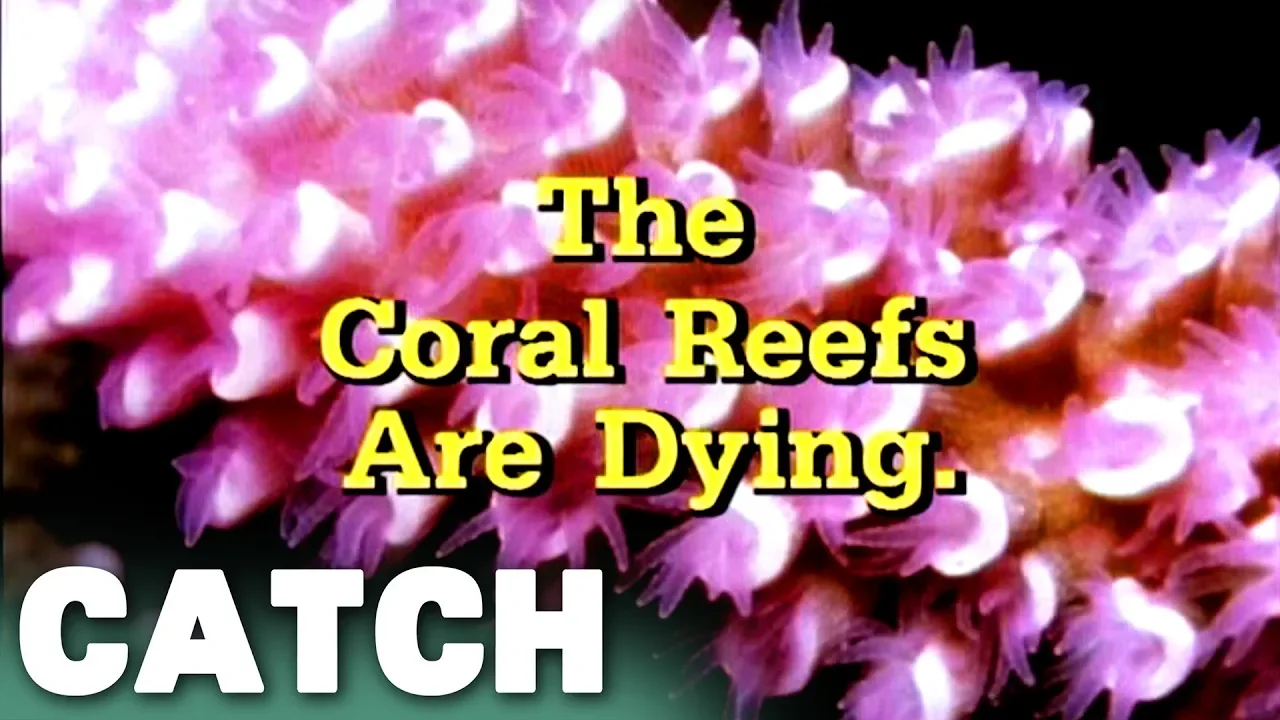
Added:The symbiotic relationship between coral polyps and zooxanthellae, including the biological process of coral bleaching.
Fundamental concepts of marine ecology, such as trophic levels, biodiversity indices, and food web dynamics.
Basic anthropogenic threats to marine biomes, including ocean acidification, rising sea surface temperatures, and overfishing.
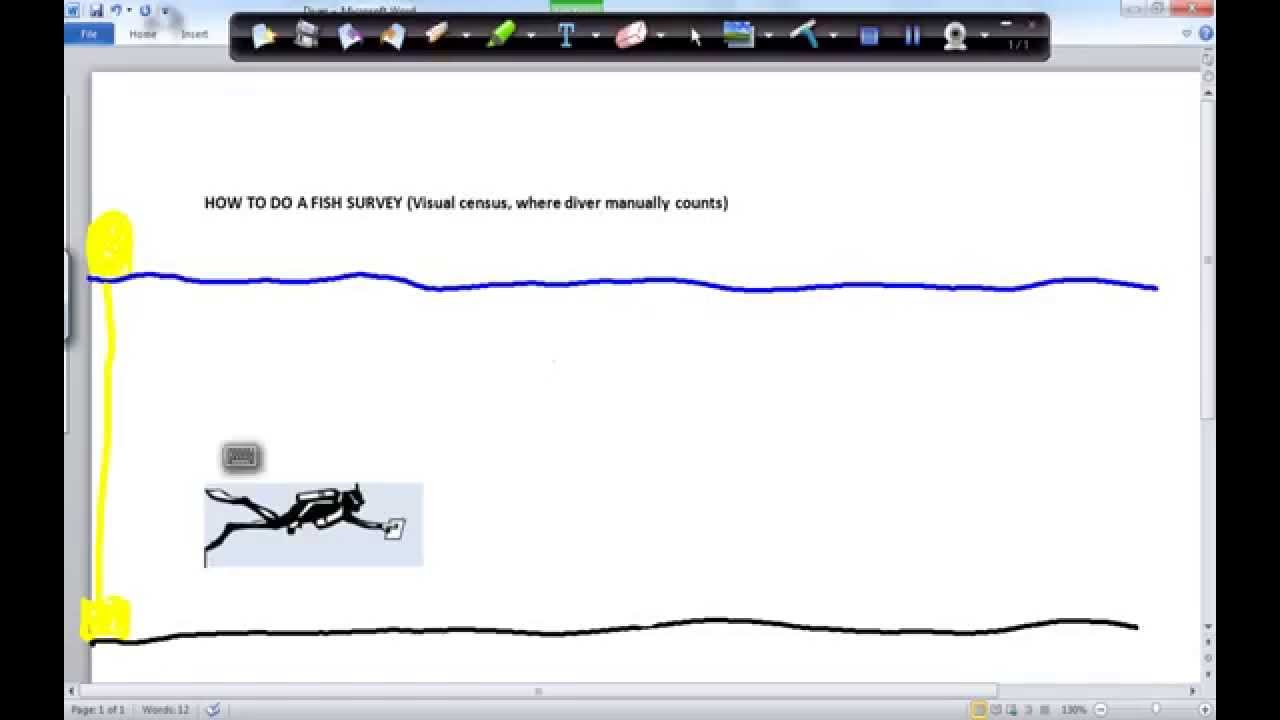
Standard ecological sampling methods, particularly visual census techniques used to estimate marine wildlife populations.
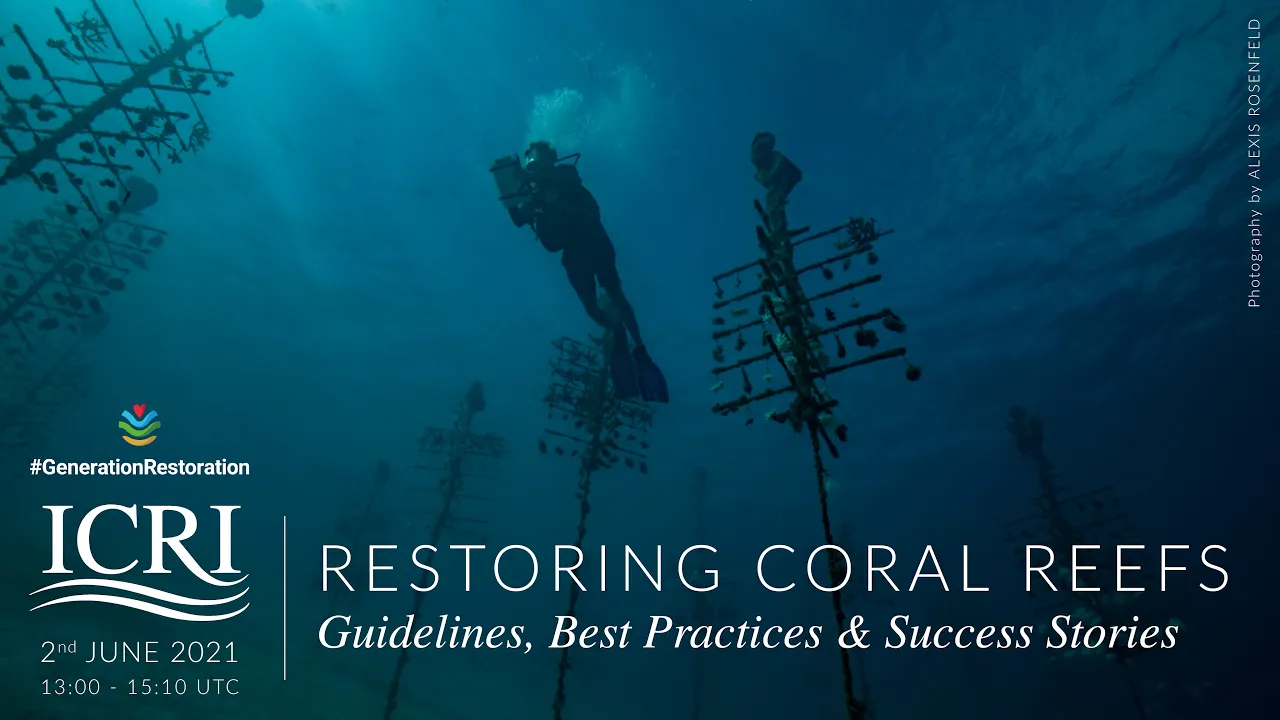
Advanced coral restoration methodologies, such as microfragmentation, larval propagation, and genetic hybridization for thermal tolerance.
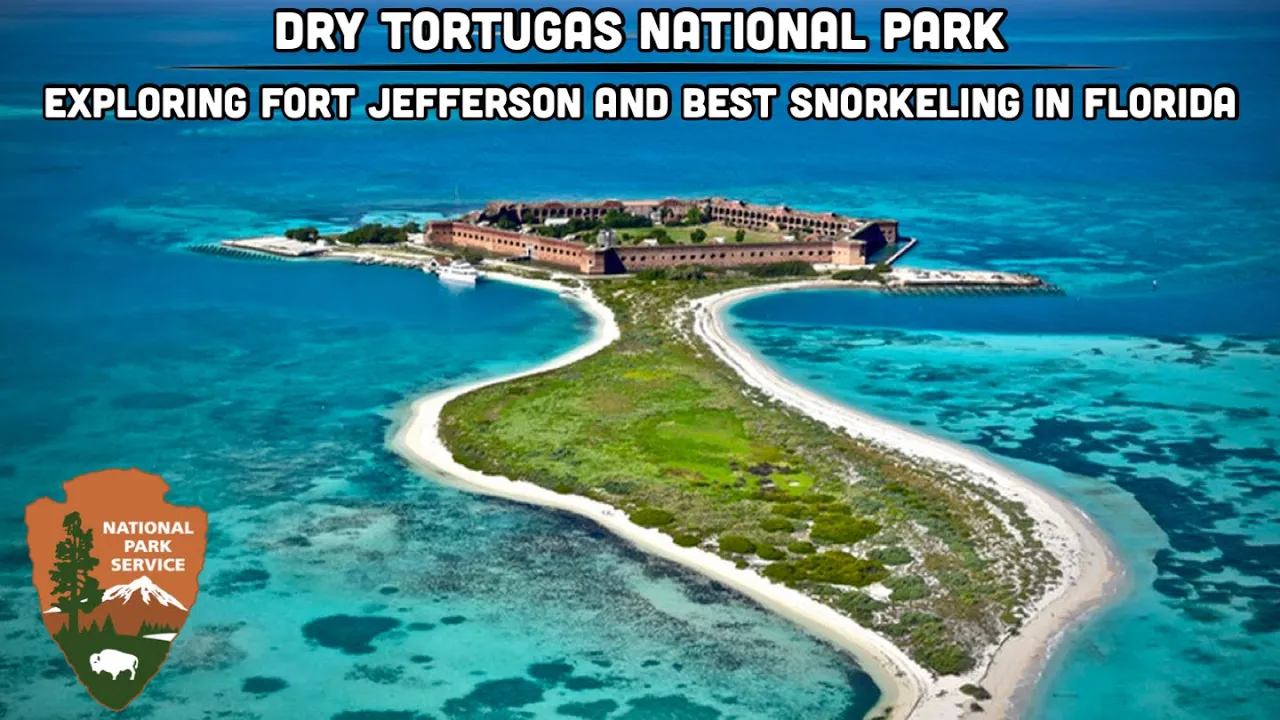
Environmental policy and governance, specifically the role of Marine Protected Areas (MPAs) and the Florida Keys National Marine Sanctuary regulations.
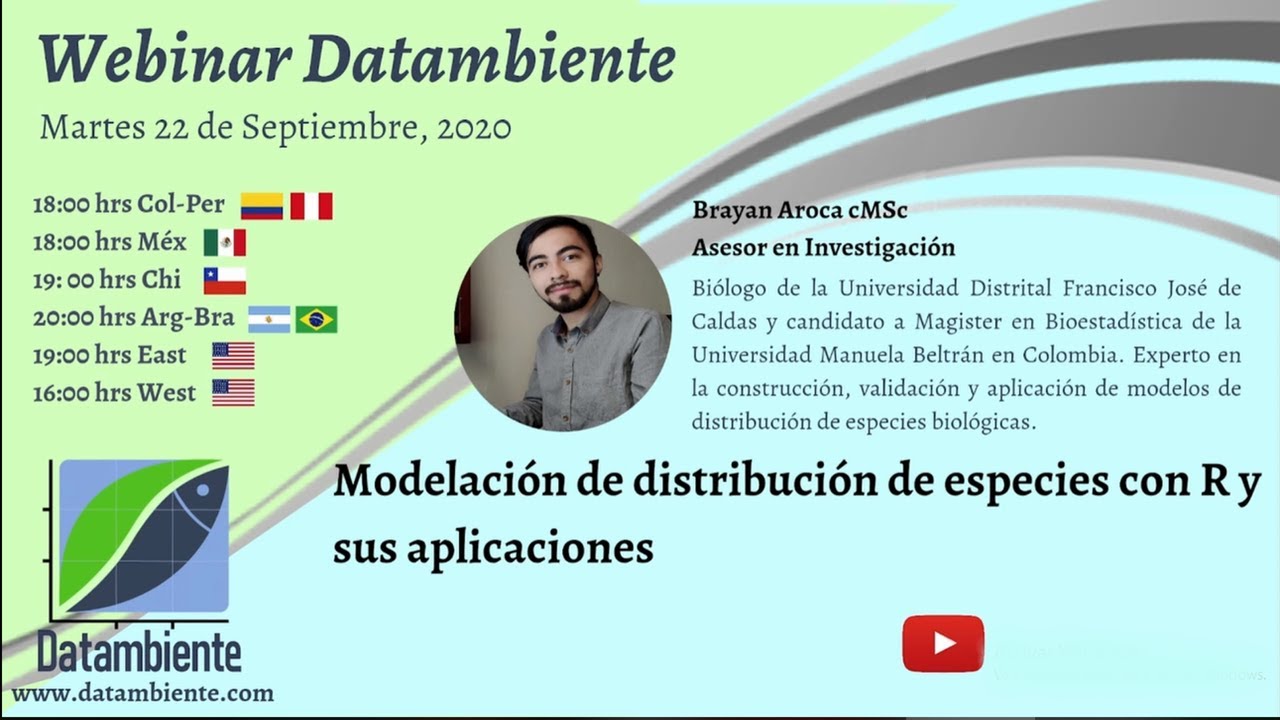
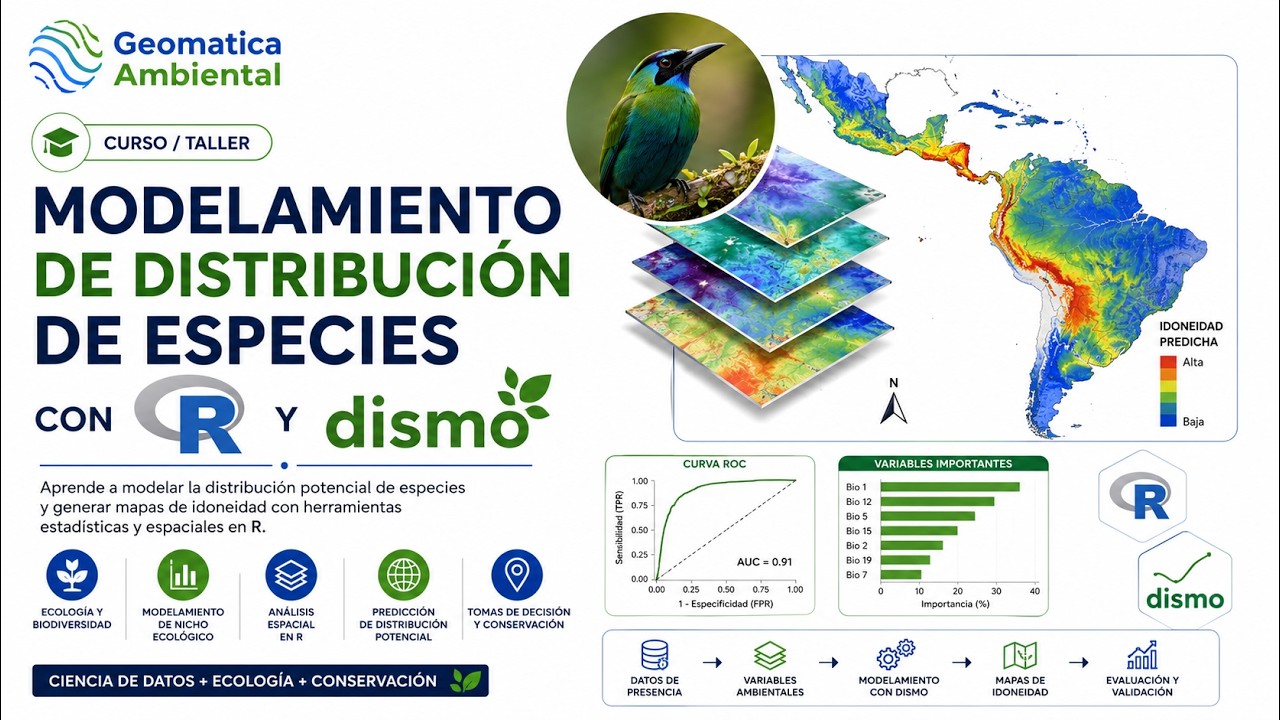
Statistical analysis of marine survey data, utilizing software like R or GIS to model species distribution and habitat suitability.
Global comparative analysis of reef systems, evaluating how conservation strategies in Florida compare to those in the Great Barrier Reef or the Coral Triangle.
495.1K views2.6Klikes1:43:13Original Release: 2024-01-31
[Music] the Florida Keys a world famous fishing and Diving destination it's the third largest ber Reef in the world it supports basically an annual economy of about $6 billion doll a year but it also suffers from significant use from a regional population on the order of about 7 million people in the three County south Florida area as Florida's population has increased the health of its coral reefs which form the foundation for the state's large fishing industry has drastically declined with it so have fish populations man loves to fish catches too many fish therefore the numbers go [Music] down to better understand how fish populations are doing a team of scientists Dives regularly to conduct a sensus of the fish that live on the reef the main reason that we're out here counting fish is really to try to get some better understanding of what's happening with these Coral ref fish populations and the best way to do that is put divers in the water and actually have them go and count and size the stuff that they're seeing to collect this data in remote locations like the Dry Tortugas scientists use a highly efficient and streamlined process go divers go it's kind of like a paramilitary assault on Marine Resources because we're doing on the order of you know 100 scientific Dives a day so the process of having a custom ship with a very skilled captain and crew with highly trained divers gives us great flexibility and latitude to sample large areas accurately and provide information really that nobody has been able to capture before what will the divers find are fish populations recovering in South [Music] Florida [Music] Dry Tortugas National Park is one of the Lesser known jewels in the National Park system it is famous for its 19th century Fort Jefferson a remote Union Outpost located on an island 70 Mi west of Key West most visitors come to the park on a day trip to see the fort the thousands of birds that Nest on a nearby Island each spring and to snorkel around the fort's moat walls but only a few visitors get to see what makes up the vast majority of the park 97% or more of this park is actually under water that's what we are out here to study the Park's roughly 100 square miles of magnificent underwater resources make up the westernmost part of Florida's Reef chain the living reef starts about kibas which is about 30 Mi north of korgo and then runs uh at least to the Dry Tortugas so about 270 km Southwest on the southwest Florida shelf the health of the reefs and the fish that live there has drastically declined over the last half century with more and more people arriving in South Florida fishing pressures increased dramatically in the early years no data was collected on the Fisheries it wasn't until the late 1970s that scientists began to analyze how fish populations were doing now each year researchers from various organizations and agencies dive in to count the fish on the reefs what we're hoping more than anything is that this research will give us some understanding about how these resources are doing when I say resources in this case I'm talking primarily about Cory fish communities particularly with an emphasis on the exploited species like Snappers and groupers to cover as large of an area as possible in Dry Tortugas National Park the highly skilled science divers have developed a unique method to collect their data they spend one to two weeks at Sea on a chartered liver board making multiple Dives each day regular sport diving Charter we typically tie to buoys where we're mored uh so the dive times are very regimented um with a group of divers like this we dive all day long we dive with five teams of divers rather than all the divers getting off the boat at one time and then getting back on the boat at one time and we do that for a couple of different reasons one is to get more dive sites in during the day and the other one is that the dive drivers can each see something different and they get more ability to count fish in different locations Captain Frank uses a commercial charting program to find the predetermined dive sites the scientists can give me a list of where they want to go and they give that to me electronically we insert it into the computer it pops up what's called a waypoint on the screen and then I can move move the boat to the Waypoint I use the depth sounder to search around for something interesting near the Waypoint be it a ledge coral reef a pinnacle something like that we don't want to just drop them in sand uh sand isn't where we're going to find our fish team five against the wall team five back on the wall pleas and it kind of works like a factory basically we have five teams each team consists of four divers so two two buddy pairs um Captain Frank takes the boat to the GPS point divers ready Roger that we have a pinnacle in 60 ft of water to the bottom 40 ft of water to the top go divers go each buddy pair has a die flag and they descend to their site they tie off the flag then they swim about 50 ft apart and each of them imagines a circle with a radius of about 25 ft so ideally those circles will be touching just at the very edge so they can still see each other so if someone runs into a problem something happens the other diver can offer some assistance but they're far enough away that the circles do not overlap so each sample then is independent so then once the divers are situated and they've figured out what their cylinders are they start counting fish takes an experienced diver takes a diver who can identify fish and then what we do is we have this extensive training program that each fish diver goes through to standardize how they estimate the sizes of fish and whether or not they're able to count the numbers of fish that that sounds easy like One Fish Two Fish Red Fish Blue Fish not so much actually occasionally you have huge schools go through hundreds of fish and you know how many fish is that you can't count each one so you have to have a good eye of you know how to estimate abundances of fish we try to start with the most commercially important species things like the big snappers and the big groupers when we see them we count them immediately and we estimate their sizes immediately because in many cases they tend to be a little skittish towards divers and are more likely to swim off quickly and so we want to capture those as immediately as we can and then go through the rest of the species um that we see in the area usually starting with the bigger things that are left moving down to the smaller species cuz the smaller species are much less likely to swim away each diver takes down a measuring stick which is called an allpurpose tool it's sort of like a t- stick that's about a meter long marked with 10 cm increments up the meter stick and then the T part is about 30 cm across with a ruler that actually has centimeters on it so we can see and we use that stick Force to help us estimate the sizes of these individual fish because size structure is very very important large fish tend to be much older and basically the number of babies that they make is much much much larger than smaller fish and so knowing that there are four fish is important but knowing that there are four big fish is much different than knowing that there were four small fish also when divers go in the water they're not just collecting information about the fish because the fish you know aren't acting alone they're responding to their environment we're also collecting data about the habitat and uh the water quality and we're looking at that data in relationship to any trends that we see in the fish populations to see whether or not it's actually something happening to the habitat that's changing the distribution of fishes that we see it's important because the coral Roes are actually the structures that allow the the nurturing and raising of juvenile fishes and allowing larger fishes to say hide from predators you've probably heard of the integral Web of Life each thing has its place once the divers are done counting it's time to head back to the surface they meet at the center where their flag is there's a GPS attached to the buoy itself at the surface so we have the exact location of where those two counts occurred and after that they all come up together BR your divers on the surface we'll go pick them up and then the boat pulls around for cover divers picks them up and they get on board and do it all over again five or six times a day lots noou again 26 ft 20 minutes 2400 lb so it's kind of a cool process that um we're just constantly dumping divers picking them up and within the course of a day we'll hit 25 sights and that's 25 sights times four divers so that's a whole lot of Dives and a whole lot of hours underwater that we get by doing this kind of cruise when a team is back on the boat they enter the data recorded on the Dives the less glamorous side of marine biology involves entering and managing all of this data so after we get out of the water people need to come in sit in front of the computers and uh and enter their data double check it to make sure that they've they've done it correctly at the end of the trip it'll go back to each individual agency they will double check it again to make sure that the data has been entered correctly and then it gets all collected and put in a a central database where all the agencies have access scientists from four different agencies and institutions are Along on this particular trip to collect data they work for the National Park Service the National Oceanic and Atmospheric Administration the Florida Fish and Wildlife Conservation Commission and the University of Miami Rosen steel School of marine and Atmospheric science one of the things that I first noticed about this particular group of divers is the cooperation level between different a agencies both federal and state is very high in other places that I've been in other states that we've worked in uh particularly along the Gulf Coast it's very difficult to get all those agencies working together to make a mission like this gel like this particular Mission does for many years the various groups were counting fish independently often duplicating their efforts so we got together and did a big meeting compare kind of the data that we accumulated through the years and decided that it will be more efficient to actually GA other forces and our crews and uh survey Al together to streamline the process and make the surveys more efficient a formal protocol was devised as a guideline actually creating the protocol document allowed us to really critically evaluate every single step of the actual method from the training from the statistical design uh from the actual inwater taking of the data all the way to the proofing and data analysis we want to be able to present a united front and have all the agencies agree on what actually you know the trends are there's a beauty in that process too one is that we're now not doing different kinds of things and Reporting different information we're on the same page secondly by adding this incremental effort in a team process we're getting a more precise estimate over a broader range of areas we've been able to to cover much more territory in a much more efficient manner so that we're getting the best snapshot of what's happening on the reef over time I'm really excited about this because it's turning out to be kind of the Hallmark if you will of a way that a Cooperative program can produce information that's relevant to Scientific decision making but also stands as a model not only in Florida but Puerto Rico uh the papano mokua national Marine Monument the cor Reef Reserve in the Northwestern Hawaiian islands and throughout the Pacific so so it's very exciting and and and making a [Music] difference all righty guys you guys ready hello Team Four ready Roger that team for is ready diving a site called Jerry's Kids Jerry's Kids first discovered in 2002 by the Spree so how did the scientists know where to dive to count the fish we have a kind of a collaged habitat map for the whole dret National Park it's broken up into little grid cells 200x 200 M each cell is classified as to a type of habitat a lot of it is not Reef so that's just not sampled at all so if it's sand or seagrass or something like that we don't we don't bother with it for this particular study scientists are only interested in sampling coral reef habitats because this is where most of the fish can be found the strategy is to try to place sample strategically in high density areas much like if I were going to go sample the US population I wouldn't spend a lot of time in the Mojave Desert because there aren't many people but I identify places like cities New York Chicago Miami Baltimore Etc where those would be because those are places I need to get more information from scientists have categorized or stratified The Reef into eight different types of habitats they want to study there's you know very complex spur and groove four Reef habitats and then there's little patch reefs that occur since it would be impossible to survey every single location within these vast Reef habitats a computer chooses random GPS points where the scientists will dive we run a random number generator routine to pick so say for instance I have a a habitat with 50 SES in it total and I want 10 of them from numbers 1 through 50 it'll pick 10 numbers so then those get tagged onto that grid cell then we create the sampling map so the idea that by doing that is we're getting a fairly good estimate of fish abundance in each habitat throughout the entire region so we get an unbiased estimate of what's going on which is extremely important for scientific credibility this approach to fisheries management is called fishery independent sampling because scientists evaluate living fish populations instead of counting the Fisher's catch rather than going counting fish on the dock what we're doing is going in the water and Counting what's left after the take historically the focus was more on yield meaning you know removal from the Fisheries as much as thinking forward about how do we sustain the resources so more contemporaneous fishery management has thought critically about what we're leaving in the water rather than what we're taking out we began to realize in most of the important Fisheries that there were massive reproductive decline stocks were collapsing when the fact we thought they should sustain themselves [Music] worldwide Fisheries have declined drastically with some estimates predicting that if business continues as usual most major fish stocks will be depleted by 2048 Florida too has seen the numbers of its fish decline over the years to some extent it's it's Death By A Thousand Cuts the um fishery has been very long term you know they've been catching ref is technically from The Reef since flagler's railroad which basically reached Key West I think in about 1912 uh it intensified significantly in the pre-war years 1930 up through 1940 after 1950 it was Katie Bar the Door along with air conditioning and access to South Florida the ref fishing was a very popular destination for a lot of folks and so the take if you will has been significant Florida's population has increased exponentially since World War II about 20 million people in the state Now by 2020 we're talking about 40 million people and it's not just the commercial fishing industry that's putting pressure on Marine stocks in 2001 Floridians owned roughly a million registered recreational boats most of which are outfitted with the latest technology to find fish I grew up in Miami and grew up fishing with my family um since I was about 5 years old and we used to go out on charter boats and we would come back with an incredible catch very diverse very large fish you know a couple of groupers a couple of Snappers you know our freezer was always stocked and over time personally um as I look back on those photos um same charter boats same locations you know the fish tended to get smaller and much less diverse so personally within my lifetime I've definitely seen the impact of fishing pressure on the resources here on the keys the closer you are to population areas of course like Miami and uh the keys with uh the the Clines have been more drastic than say out here because this is a remote area but uh across the board it is it it's declined and over fishing hasn't been the only cause for the decline in fish populations pollution Coastal development and the number of other factors all have had a negative impact on Florida's reefs in the 1990s scientists made a disturbing discovery % of the Snapper grouper complex in the Florida cor Reef ecosystem population levels were below the size considered sustainable by state and federal mandate and that sent a real shock wave through the system that conclusion led to really a series of strong management actions that were required by law to try to repair the system if you will and they involved of course uh which were habitual over time but size limits and bag limits typical fishery controls the decline in numbers also contributed to the creation of marine protected areas along the Florida Reef chain Marine protected areas give our resources um a chance to rest I think is the best way to describe it um they're free from fishing pressure free from environmental pressure and allows things to kind of grow without kind of these everyday kind of assaults on them so I think given time just about everything can recover and so I think that's what our coral reefs really need is time to recover um and a little bit of care from us on the lands side to try and ensure that that can happen it's like the bank you know you're banking your banking your fish I guess it takes time today there are several Marine protected areas inside and around dry Tortuga's National Park one of the major goals of the fish counts is to compare the size and abundance of fish populations inside and outside of those areas over time we would expect to see in places where you close an area to fishing we'd expect to see um higher numbers and larger um individuals particularly of the exploited species in this case those be things like the Snappers and copers there's also evidence from other places that suggests that even diversity uh can increase in these areas as well while most of the Marine protected areas in the Dry Tortugas region are still relatively new one area that was established in 2001 has already shown positive signs of recovery we would have expected a recovery with release of fishing mortality but technically what we were expecting was about would take about a decade to get the response we expected surprisingly in 2004 we saw recovery of a number of the important exploited Reef fishes Snappers groupers black grouper red grouper uh mutton snapper yellowtail Snapper Etc abundance was going up but also we were getting a higher number of mature fishes which is the sure signal for the future to say that we're getting if you will that that that recharge of the system that in essence is ensuring long-term sustainability protecting Marine habitats from fishing pressures not only benefits the immediate area but may also have spillover effects that help to repopulate Regions that are still open to fishing because of where dry Tortuga sits relative to the rest of the Florida Keys kind of at the very start of the Gulf Stream the G stream is moving from here to the East and then the north around the rest of the Florida Keys so there's a good deal of evidence that suggests that reproduction that occurs here in the Dry Tortugas actually will seed the rest of the Florida Keys so in that sense it could actually be a very very important place for the rest of the keys surprisingly the concept of marine protected areas is still a relatively new idea worldwide only 8% of the oceans are protected from Human pressures even though the oceans cover 70% of this planet compare that to 12% of Earth's land mass that is protected in the form of national parks and preserves Marine spatial planning um took a long time to kind of get off the ground I think now it's especially with with uh results like what we're seeing here in the in the Tortugas it's becoming a much more accepted tool for fisheries management and so we're hoping that it can be used in the future um it'll be used to ensure that the resources are available for all of our children I have a three and a half-year-old and I wanted to be able to go fishing and Diving um as much as I had a chance to do when I was a [Music] [Music] kid [Music] after 10 days at Sea the boat heads back to port in Key West [Music] in their quest to better understand Florida's reef fish populations the 25 scientists on board conducted a total of 858 Dives on 238 dive sites spending a cumulative 455 hours or 19 days underwater all the data collected on this trip and others like it will give managers the tools to hopefully make better more informed decisions about Florida's Fisheries in the years to come and to ensure gems like Dry Tortugas National Park will be around for future generations to enjoy this really is a beautiful place this is in scientist Parks this isn't Fisherman's Park this is People's Park who live in Oklahoma and if we don't Pres deserve it then in the future we've really lost the point of of making it a park this is everyone's [Music] Park they are a Florida icon smart agile and playful dolphins have sparked the imaginations of many and their undersea world might be linked with ours more than we know we look at the botom Dolphins as very good Sentinels of the health of the coastal ecosystem dolphins are a barometer they're an apex predator in environment that we all share they're breathing the same air that we breathe they're swimming through the same water in which we swim they're eating the same fish that we catch and granted we're not in the water as much as they are and we're not eating as many of the fish but if problems were going to show up we would expect them to show up in the Dolphins first [Music] for decades toxic chemicals have made their way into the oceans leaving fish and marine mammals vulnerable dolphins that have washed up in various places including the southeast United States they have to be treated as toxic waste the levels of contaminants are so [Music] high some animals show disturbing signs of immune system dysfunction and disease which may be linked to contaminant exposure they're kind of like the 400 lb miners Canary um these animals are telling us what's happening we've used the oceans as our toilet for centuries and now I think we're starting to see the effects of that through all these new health issues that are coming up so if these Dolphins here on our coastlines these apex predators they're getting sick well who's next and it's the humans [Music] [Music] bottlenosed dolphins are common in Florida the waters they are social animals which eat about 20 lbs of fish a day and can live to be over 50 dolphins have few natural Predators other than man as the population along Florida's Coastline increases so do the threats to the Curious marine mammals increased boating traffic leads to boat hits dolphins are increasingly entangled in fishing line or ingesting the fishing gear that leads to their slow and painful death and not all threats to the animals are as obvious contaminants which are lurking beneath the surface are also impacting the marine mammals long-term Health in the coastal Waters of Miami scientists with Noah's National Marine fishery service have been studying bottle-nosed dolphins for more than 15 years did you see him again yet oh there he is Joe a photo ID study helps the researchers gather information about the resident Dolphins the Dolphins get natural markings and nicks and Scar patterns on their dorsal fin we take photographs of those then back at the lab we can match animals up to the photo ID catalog and that's what allows us to follow the population over time to understand their movement patterns I think we got them pretty good huh through observation the scientists discovered that the animals live in distinct areas certain animals tended to be cited primarily in the northern half of the Bay by the city of Miami and the Port of Miami where other Dolphins tended to be more in the south towards Card Sound the northern half of the bay is close to Urban Development while the southern half is mainly surrounded by agriculture to find out if the northern group of animals has higher levels of contaminants than the southern Dolphins the experts collected small blubber samples all right the next one he comes up I'm going to take a shot we fire a small Dart with a stainless steel sampling head that hits the dolphin and has a float to keep it from going too deep and allows the dart to bounce off the dart then floats and we're able to pick it up and retrieve the sample and it's only about a centimeter in diameter it's a very small sample the biopsy samples were analyzed for a group of contaminants called persistant organic pollutants or pops which have been found in marine mammals around the world we looked at over 80 compounds um PCB congeners ddts which are pesticides and also the pbdes which are Flame retardants the pcbs historically were used in industry and things like Transformers and have been banned for from production but are still found in some older Transformers and equipment today DDT is a pesticide made Infamous in the 1960s when its harmful effects on human health and the environment became known the use of it and pcbs was banned in the United States in the 1970s but these compounds degrade very slowly transported by wind and ocean currents high levels of these toxins can still be found in the environment today in as far away places as the Arctic these chemicals are very very persistent in the environment and we're still finding them in organisms all over the world another potentially harmful group of contaminants called pbdes are still legally produced in most US states the flame retardants are currently produced today and we're concerned about those because they're very similar in structure to PCB they persist in the environment they can be toxic they are known to transport around the world in a similar way that pcbs did and they're found in our homes on a regular basis now they're in our Electronics in our furniture in our carpet in our cars used as flame retardance widely exposure to these chemicals has been linked to a number of health problems all of those chemicals have been identified as most likely endocrine disruptors they can impact the immune system they can increase reproductive success they can cause problems with the hormones such as estrogen levels and thyroid hormones they can also impact neurological development so they are definitely compounds of concern for both Dolphins as well as humans marine mammals are especially vulnerable to these pollutants because they bioaccumulate in the animals Bluer the organic pollutants bind to fat cells and so they'll be bound to particles in the sediment and then the small organisms that feed off the sediments will accumulate the contaminants from the sediment the larger fish eat the smaller fish and it continues to accumulate up the food chain because those contaminants are binding in the fat stores so the animals that are on the top of the food chain are getting much larger doses that have been accumulated through the food chain over time and that's true for both dolphins and humans there we go in Miami's biscane Bay scientists discovered that the northern group of dolphins did have higher levels of most contaminants than the Southern Group we found that the Northern Group had extremely high levels of pcbs and in fact the males in the northern half of the bay had five times higher pcbs than those in the southern half of the bay as a matter of fact the Dolphins in Northern biscane Bay have the highest levels of pcbs of all the dolphins studied in Florida I would expect higher levels of contaminants here because of a higher urban area more industrial inputs even going back in the 60s and 70s Miami was much more populated than some of these other areas of Florida since dolphins and humans eat some of the same fish several people have questioned the levels of contaminant in humans to get some answers the Centers for Disease Control is now conducting a pilot study of local fishermen in biscane Bay to test if they too have high levels of persistent organic pollutants in their bodies pops have been linked to a slew of health problems in people and according to the Environmental Protection Agency humans are mainly exposed to Pops through contaminated Foods I certainly am a lot more careful about how much Seafood I eat of various kinds the fish offer a lot in terms of health benefits but they also offer a lot of threats when you start looking at the contaminants that are found in them all right Jay you got the B line got it ready okay Dr Randall Wells heads the world's longest running dolphin research program in Sarasota Bay on Florida's West Coast the Sarasota dolphin research program under the opes of the dolphin research and conservation Institute of the Chicago Zoological Society has been based here at M Marine laboratory actually since it start back in 1970 there it is we have a span of five generations that we're currently observing serving out in Sarasota Bay as long-term residents as part of a community each year researchers conduct a health assessment of the area's Dolphins the health assessment involves finding a selected group of dolphins in shallow water and setting a net around that group of dolphins and working with each individual one at a time on a specially designed veter examination boat we take a suite of measurements a suite of samples we Mark the animal if it's not already recognizable to to us and then release it right there on site one of the challenges scientists face is determining what levels of toxins are harmful to the Dolphins Health since they can't do experiments on the animals Studies have been conducted on other species however and conclusions were drawn about the threshold levels in Dolphins the threshold level is one that was established theoretically looking at other mammals and what we find is that our males mostly are in excess of that threshold level or you begin to expect to see health problems or reproductive problems and we suspect this may be one of the reasons why we see hints of immune system dysfunction in the older males why we see the older males not living as long as females Dr well says females are thought to have a longer lifespan because they offload contaminants to their firstborn calves as they're putting on blubber in preparation for the winter they're eating a lot of fatr fish these fish have higher levels of the contaminants than the fish earlier in the year it goes into the blubber of the Dolphins it stays there until the spring when the animals start to shed some of the lipids that were in their blubber so as these contaminants are released from the blubber they either can go to Target organs and be a problem they can be biotransformed into more lethal forms or into less lethal forms they can be excreted in some cases or they can be passed on in the milk to the young dolphins and that's where one of the more serious problems occurs we believe we've been able to measure the levels of contaminants in females that have yet to lactate and they are much higher than they are in older females that have given birth and have lactated and looking at firstborn calves in Sarasota Bay we find that they have higher levels of contaminants than do the second born Third born fourth born fifth born and most of the firstborn calves don't survive coming up straight ahead botos dolphins in the coastal waters of Florida are Sentinels of ecosystem health so we should be concerned we shouldn't be frightened but we should be concerned and we should be looking as best we can at those aspects of the environment that impact us as well researchers are also studying bottle-nosed dolphins on Florida's Atlantic Coast the Indian River Lagoon stretches along 40% or 156 miles of the state's Central East Coast it is one of North America's most biologically diverse estuaries we have an estimated population in the Indian River Lagoon of between 800 and as many as a thousand Dolphins come up on him a little bit Steve mccullock is the founder and program manager of the Marine Mammal research and conservation program at Harbor Branch oceanographic Institute in for for Pierce here in the Indian River Lagoon the primary threats facing dolphins are pollution and contaminants and the water quality the Lagoon is very sensitive what goes in the lagoon basically stays in the lagoon like their colleagues at Mo Marine laboratory each summer researchers take an indepth look at the health of the resident dophins each animal receives a full physical exam the whole process takes about 45 minutes and during that time we pull blood we collect fluid samples so feal samples urine samples blow hole gastric milk if it's a lactating female we ultrasonographically look at blubber measurements to see the thickness we also take a blubber biopsy and that's a really important data point and we use the blubber for several different things we look at different contaminants we also take the skin to look at genetics and if it's anything that has a potential to cause pain they receive a local anesthetic for that area we want them to be as comfortable as possible but at the same time collect enough samples so we can get an overall picture of Health for each individual we've looked at about 240 dolphins in 5 years and found some very disturbing trends for one mercury levels in these Dolphins were 21 times higher than what the Environmental Protection Agency consid is safe for human consumption you wouldn't be allowed to eat a dolphin because the wild dolphins are so contaminated here in Florida Mercury is a heavy metal that's a deadly neurotoxin in humans that's been shown to have an effect especially um some neurodevelopmental issues which does obviously pose a significant threat to humans especially pregnant women who might be eating fish from a lagoon Mercury is released into the atmosphere from such sources as Coal Fired power plants and it eventually makes its way into the oceans where it bioaccumulates up the food chain experts say they don't exactly know yet what effects High mercury levels have on the Dolphins they do know however that the Dolphins are also facing other problems one is a skin disease called lobomycosis what's unique about this disease is that it's found in dolphins and and humans only and it's found in Dolphins here in the Indian River Lagoon and also in third world countries and humans that are getting it from their water systems it's a very challenging disease because to date we have not been able to culture it in the lab so without being able to culture it we don't know how to cure it humans The Cure is simply surgical removal we don't do that with our Dolphins because the the disease is so widespread you'd essentially have to remove an entire layer of their skin and that's just not realistic for them and lobomycosis isn't the only skin disorder found in the Indian River Lagoon Dolphins what we're seeing is lesions on their tongue and lesions in their genital area and what we know now is that it's a separate Pap virus specific to the species of dolphin what's the big deal well the concern is is that these papalas or these warts are now converting and becoming cancerous experts say the prevalence of various types of cancer has gone up in marine mammals over the years that's disturbing to me and it suggests some sort of environmental distress that something's going on in the environment that's triggering these these new things and there's one more troubling Discovery in some of the Dolphins we've studied we're seeing antibotic resistant bacteria the question is how come why these animals are not given antibiotics so the theory is that that runoff from sewage from Human sources where humans are treated with antibiotics quite regularly a lot of these medications they're not broken down during treatment so they get in the lagoon and the um communities of bacteria exposed antibiotics and eventually they do develop a resistance and that population proliferates it's a big issue with the CDC cuz potentially what you're doing is breeding bacterial super bugs these bacteria resistant to antibiotics that humans would need to take if they got sick with them problem is now that the organisms are resistant to those antibiotics so you're breeding a Super Bug into the ecosystem that could come back and impact man many of these pathogens are zoonotic which means they can be transmitted from animal to human um so they're really just telling a story about the health of the environment in general not just the health of dolphins so it's something we should all take notice of the exact causal connection between contaminants and the Dolphins illnesses are still unknown but the scientists agree that the animals health issues raise red flags if we were to take all these dolphins that we've examined and sampled almost 50% of them would be on some sort of medication if they were in a captive facility here we go again Dr bosard Who is trained as both a pathologist and veterinarian says in his experience most Dolphins at captive facilities are healthier than their wild counterparts I think a good degree of that is due to the environmental pressures um Freer ranging dolphins are under right now that these animals here are not um shifts in food supply uh global climate change shifts in water temperatures new diseases that are emerging U that we've see in the Freer ranging animals like cancer um you new infectious diseases new viruses that these animals don't see Dr boser conducts regular health checks of the Dolphins at Marin land an oceanarium just south of St Augustine Florida all right well here comes Sunny good morning Sunny we're going to do a sunny here is uh do a behavioral exam on him look at him give him a good physical using trained behaviors let's look at his teeth you get a good shot there you look for any cavities look for any fractures there's an old fracture here it's normal so again this is a very positive way to to get uh really critical health information on these animals cuz they're able to Mass signs of being ill to the point that we can't tell when they're ill so we have preventive medicine programs this goes on constantly here marine land is also the site of a new dolphin conservation Field Station a joint venture between the Georgia Aquarium and Marine lands dolphin Conservation Center researchers study the wild bottle-nosed dolphins in this part of Florida further adding to the understanding of the species I've got him we have pretty much the center part of Florida covered with the Indian River Project and then we have a small study started in Charleston South Carolina so the idea is is to connect the dots and see how the health of this species is along the entire East [Music] Coast another person who is actively raising awareness about the plight of dolphins is filmmaker Hardy Jones Jones has dedicated his career to protecting Dolphins nicknamed the dolphin Defender he has worked with them since the 1970s Jones was the first to get footage of a pot of dolphins in the wild and he brought attention to their brutal Slaughter off the coast of Japan later he turned his attention to the potential Health impacts of contaminants when large numbers of dead dolphins washed up along the east coast of the United States in the late 1980s there was a great mystery as to what was killing those Dolphins but what was known was that they had these in some cases astronomical levels of of chemicals like pcbs dioxins and things so that was a pretty shocking thing the chemical indust would say dilution is the solution in other words okay we're pumping this stuff into the oceans but it will get so diluted that is not going to be a problem but what they didn't reckon on was bioaccumulation in 1997 the issue of ocean contamination became personal for Jones when he was diagnosed with acute mercury poisoning I was feeling very fatigued and kind of muddle-headed and so I I got got a test for mercury and uh it came back with the Mercury just popping off the chart so uh I said well you know where did this come from and at the time I was eating swordfish and tuna two or three times a week I thought I was eating really really healthy food fortunately If you're diagnosed with Mercury and you want to get rid of it you just don't eat fish again and it will gradually diminish fish is an important component in a healthy diet but people also have to be aware that there are a lot of fish which are not healthy or they're not healthy in um large amounts we don't want to discourage people from eating fish and getting those omega-3 fatty acids which are really important in heart protection probably cancer protection but it doesn't do you any good to eat the Omega-3s and absorb a bunch of mercury or pcvs with it Janes suspects that it's not not just the mercury in fish that can impact human health when he was diagnosed with cancer he began to take a closer look at persistent organic pollutants in 2003 I was diagnosed with multiple Myoma which is a disease that has been on many occasions connected to toxic chemicals so what I did is I I got some of my blood tested I wanted to see you know what kind of levels do I have and I got this report which which is huge all of these things are indicating levels of toxic chemicals in my body so where did I get all this stuff and so realizing that I had it in me and that the the scientists that I spoke to Medical people said well that's not unusual I thought It's Not Unusual to be loaded with these toxic chemicals through his organization blue.org Jones started a project called a shared fate which draws attention to toxic chemicals in the ocean and their potential impact on marine mammal and human health I just started to see more and more about how these ocean contaminants are connected to disease in not only marine mammals but in humans for me this tie of this disease that I was diagnosed with to the toxins in dolphins that I studied and tried to protect and loved over all these years was kind of a striking [Music] irony dolphins are magnificent creatures loved by people around the world as modern science strives to learn more about their health one thing is clear the Dolphins charismatic smile belies the silent threats lurking in their ocean home if you care what happens to yourself and to your children and your children's children then you don't have a choice than to care about what happens to these [Music] dolphins they are an ancient species of flowering plants that grow submerged in all of the world's oceans from the latitudes of northern Alaska to the tip of South America seagrasses evolved during the age of the dinosaurs nearly a 100 million years ago and are found today in bays and estuaries around the globe in Shallow tropical and subtropical Waters these prairies of the sea link the offshore coral reefs with Coastal Mangrove forests they provide food and shelter for many marine species that will one day inhabit the reefs sea grasses and mangroves stabilize Coastal sediments and create buffers against storm surge and flooding they remove carbon dioxide from the atmosphere filter contaminants from Coastal water Waters and add value to local economies but sea grasses are in Decline globally and mangroves are being lost to Coastal development these areas are degrading right now it's not 50 years from now or 100 years from now but it's occurring right now the rate at which we're losing seagrass habitat globally could result in an ecosystem collapse from the bottom of the food chain all the way up will restoring seagrass and Mangrove communities help sustain the ecological and economic values of the oceans bays and estuaries and how will rising sea levels impact their survival in the [Music] future [Music] over the last few decades worldwide human populations have increased dramatically along coastlines at the same time seagrass have declined at a rate of nearly 7% per year a rate higher than the loss of coral reefs or tropical rainforests storm water runoff from Coastal communities and human activities along the shoreline contribute to the decline boat groundings and anchor damage add to the [Music] problem [Music] unlike the more recognizable icons of the Seas the value of sea grasses and mangroves can be easily overlooked if you just casually read newspapers and places that science stories are publish you often read about tropical forests you often read about coral reefs and and occasionally you'll even read about mangroves but you almost never read about seagrasses uh seagrasses uh are the roty danger field of of coastal marine ecosystems they really get no respect but researchers have discovered that seag grasses and mangroves deserve a great deal of respect for their many values in the ocean seagrasses keep erosion down they lock sediments into the bottom and they actually remove sediments from the water column what that happens that maintains a clear water column so a lot of Light reaches the bottom if the seagrasses were to disappear then all of a sudden they're no longer holding these sediments in place sediments get up in the water and the water comes very very turbid that's really important when you're thinking about um areas that are heavily populated where folks like to recreate where sediments can be stirred up they kind of root them down and keep them stable and they provide some hurricane protection much like mangroves do on a global scale you've got seagrasses and mangroves that break wave action When Storms Come and that also provide Nature's Way of of stabilizing the shoreline we live in an area of the world where we get these catastrophic storm events hurricanes and tropical storms and where they hit the coast they can definitely create erosion problems and what we find is that areas that are protected or buffered my mangrove forest and wetlands tend to do much better and then we lose a lot of Coastline and areas where we removed mangroves and replace them with things like seaw walls still some of the most important values of these resources are less obvious it's been shown about a hectare of seagrass which is equivalent to a roer field can use the same amount of nitrogen that would come from treated sewage from 800 people in one year and then if you're looking at the carbon numbers seagrass can fix the same amount of carbon per meter squared in a year that you would produce by driving your car 7,500 Mi just the amount of nitrogen that they pick up is worth $119,000 a year for that one little spot of seagrass and you start to look at everything else it's a associated with them you're not talking a monetary amount for Fisheries cuz you've got the shrimp industry down here in South Florida you've got all of the sports fishing as well as most of the fish from either the mangroves or the coral reefs having some sort of connection with seagrass seagrasses and mangoes provide the nursery habitat the foundation of our our ecosystem and without having a healthy Nursery habitat where fishery Industries can survive and our tourism industry thrives because we've got this industry that depends on having nice clear water and habitat where fish can grow both for sustainability and sustenance for people to eat and also for our tourism industry where people like to recreate from the basic part of that food chain up through human conception you would have really an ecosystem collapse it certainly is a crisis seagrasses are very valuable for the ecosystem Services they provide besides being just hot spots of biodiversity and beautiful places to visit I'm fascinated by seagrass habitats on the surface you look at a seagrass habitat and you see a bunch of green grass essentially that doesn't look too different from your lawn for example but seagrasses or the habitats are incredibly complex there's so many different organisms that live there there's so many different biogeochemical cycles and processes that are going on in there if you put your face up close to a seagrass habitat you'll be amazed at the number of different things that you'll see on the small [Music] scale in the subtropical Waters of Southeast Florida neighboring Metropolitan Miami biscane Bay aquatic preserve manages nearly 70,000 Acres of submerged land nearly 3/4 of that is covered by sea grass Mangrove forested islands and shorelines grow adjacent to these seagrass communities the most common variety red mangroves are found growing at the water's edge behind them black mangroves and farther Upland white mangroves historically biscane bay reive fresh water from the Everglades but in modern times the hydrology has been altered by drainage canals channelized rivers and changes in the flow of groundwater into the bay the diversity of species has also changed but it still remains an estuary where fresh waterer and saltwater meet one of the things that we do is um form Partnerships with uh local resource agencies universities researchers who are looking at what the resources are in this Cane Bay so that we can get a better understanding of what's there now but also how have things changed and how are they changing marine biologists are monitoring salinity sediments and organisms that live on seagrasses found in biscane Bay with a long-term goal of determining what effect a new freshwater Canal flowing into the bay will have on the ecosystem this project is directly related to the Everglades restoration project and what's going to be happening is the freshwater regime of South Florida is going to be changing and everybody that's involved wants to try to get an idea of what and how these changes are going to be affecting what's already here overall if you have seleni changing on a much larger scale then you start getting into chemistry a lot more how warmer waters are going to be you know acidifying with higher levels of CO2 that's going to be affecting how the sediments actually work or don't work it starts to get pretty ugly pretty quick we don't know exactly what's going to happen photo archival data of the seagrass beds is recorded with a specially designed boat and shallow water positioning system known as swaps we got a glass bottom boat so that you can see the stuff that's out there we've got a digital camera attached to the glass bottom we can move that around as we need to that runs directly through a computer goes straight to hard drive got GPS so it codes every photo with exactly where it is even if we're doing a straight line or just trying to sit in one spot that each one of these is Tagged so precis precisely that we can follow it around because seagrass doesn't grow all the time as just one big Meadow like your yard there's going to be little patches of it this gives us uh a nice snapshot of the community as it is right up against the mangroves and how that changes as it moves into a little bit deeper water and we're going out and year after year taking photo quadrats basically and so that way in the future we can always come back if we need to check for any specific organisms or any specific changes that we may have missed on our preliminary [Music] analysis seagrass and Mangrove communities in biscane Bay nurture juvenile fish and Marine creatures that feed and find shelter here some will make their way offshore to the coral reefs others will live out their entire life cycles in the bay more than a 100 bottlenosed Dolphins reside in the bay stalking fish around the seagrass beds seagrasses are a primary food source for manatees but as opportunistic feeders they will consume lwh hanging Mangrove leaves seagrasses in tropical and subtropical bays and estuaries around the world have a relationship with mangroves like prairies do to forests on land a good example of this is along the uh the mang gr Fringe down in the southern part of the Aquatic preserve near chicken key in the daring estate um you've got uh an expansive mangrove forest right adjacent to the Shoreline and then out from that um for a few miles you've got um dense seagrass beds [Music] the prop roots of man grve trees Supply food and shelter to some of the same marine organisms and fish that are found in seagrass beds because many Nearshore and offshore species rely on mangroves as a nursery when Mangrove habitat is lost Fisheries soon decline human impacts on these ecosystems are a clear challenge for resource managers in the 1960s developers acquired a section of Shoreline in the northern tributary of the bay and cleared the mangrove forest to dredge and build a marina years later the site was acquired to form a part of the Alita River State Park today it's being restored to its natural condition as a mangrove Wetland this is a red Mangrove propagule that has just started to put out some roots and some leaves um as you can see they're about six to sometimes nine inches in length and uh they come off the tree um as a very cigar shaped some people say it's pencil shaped um very long sort of uh propag seed U and they float in the system until they find some substrate and the one end is a little bit heavier than the other end and it tends to take root and up get in an upright position with and again you have to remember the water is going up and down as this is all happening uh so and then once it starts to establish some root into the substrate it'll start to grow and the mangroves grow about 2 feet a year uh they differ from one location to the other but that's a pretty good average the red mangroves will grow up to 150 ft if they didn't have impacts as far as storm impacts and in this area we've we see them 80 to 100 feet tall uh unfortunately we have our frequency of hurricane here is is great and as a result our mangroves is not as tall as some of the ones in Southeast Asia where they have a lower frequency of storm winds these Channel ways feeding into the site were designed atus 3 ft it's really been exciting in our restoration plan we not only just have a plane of mangroves but we also have these tidal creeks and channels and tidal pools and it's amazing to see the life the abundance of Life uh that comes in and it succeeds through time we've seen Fisheries that have come into areas and just the species richness or the number of different types of fish or crabs or shrimp have just gone right off the graph as far as the number of individuals and the diversity the different types that come into an area once it gets established my biggest thrill about all of this is pretty much at a stage that we're at now with this project here where we're pretty much concluding the construction we're starting to plant the site with volunteers and that's another big part of this effort is to try to get the community in to obtain a sense of ownership stewardship with the project and families come out and can plant these mangroves and come back and see the abundance of life and what they've done and feel a part of the overall restoration but balancing resource management and restoration with recreational use is a steady challenge particularly for specialists in biscane National Park located at the southern end of the bay it's a shallow water environment with submerged resources like seagrasses and coral reefs a popular recreational area but one that's frequently impacted by boat groundings and propeller [Music] scarring we're trying to put the sediment back in the holes or the scars themselves seagrasses cannot grow well into the water column itself they need sediment to grow in so until we replace that those injuries take years and years and years to recover if at all we're putting in sediment that's very fine and it can cause a very large turbidity plume in the water which is not a good thing we're actually required through state water quality standards to control that turbidity very carefully so we will put up the yellow construction boom around the site that we're going to be working at and make sure that there's really very little option for leaking then we'll bring the sediment in on barges sometimes we use um containerized sediment for example in a burlap bag and sometimes we put the sediment that's loose we use a crane some kind of crane to actually put it in the hole we have have divers in the water feeling out the surface with their feet to figure out where we need to put more you know so we can kind of place the sediment exactly where it needs to be and the other thing the divers are doing is collecting water samples for turbidity monitoring in the Final Phase of this restoration healthy seagrass will be transplanted to the site a method having great success in the Channel Islands national park off the coast of Southern California all right I'm in the rich seagrass habitats of the Channel Islands sustain an abundance of marine life offering food for some and shelter for others some of its species are found nowhere else in the world here resource managers are harvesting healthy seagrasses to transplant in damaged [Music] areas this 5-year-old restoration project has expanded the seagrass beds up to a mile away adding New Habitat For A diversity of species but it takes an informed public to share the responsibility for sustaining these ecosystems and resource managers want to engage people as well as local governments in promoting the best ways to enjoy the bays and estuaries while protecting ing the resources on behalf of Miami Dade County and this community do hereby Proclaim March 2010 as seagrass Awareness Month very [Applause] good but will human intervention be enough and in time to make a difference one of the things that is at the Forefront of of everyone's mind is we're managing these areas but what does that mean in 25 years or 50 or 100 years will be um this will be underwater this island that we're sitting on right now so it's uh it's a quandry in Southwest Florida's 10,000 Islands bottlenose dolphins Corral their prey in one of the most productive Mangrove estuaries in the world from the air the islands look much the same as they have for thousands of years but today they are Ground Zero for researchers trying to solve one of the great scientific problems of the future predicting sea level rise at Rookery Bay National esterine research Reserve scientists are trying to determine how changing Seas will affect the 10,000 Islands Mangrove forests and lowline Coastline we know uh without a doubt that CA Rises is increasing and it's actually an accelerated increase um that puts communities in Southwest Florida at risk not just here in Southwest Florida but I would say particularly so here because people who live on Marco Island and Naples and the surrounding areas are living in communities in these built landscapes in a very low-lying uh elevation a lot of the mangroves that we have around rooke Bay are actually growing on living oyster reef and if the water quality conditions are good and in most cases in Ric Bay that that is the case uh as the reef slowly expands then we can also see an expansion of of mangroves that that occurs at the same time oysters have a tendency to grow up at a certain rate off of the seafloor and if those oyster reefs are growing faster than sea level is going up the oyster reefs become emergent they come out of the water and then they become areas for recruitment for mangroves so what was an oyster Reef becomes a mangrove forested Island and those Mangrove forested Islands um have snaking like shapes dendritic kinds of patterns and it's those islands that give the 10,000 Islands their name now that sea level rise has accelerated that rate of sea level rise is faster than oysters can grow so that balance uh will shift and has already shifted and it's quite possible I would venture to say likely that the 10,000 Islands will disappear given the current rate of sea level rise which will completely change the configuration of the coast and completely change the estrine Ecology of the coast because those 10,000 Islands also serve as entrapments for freshwat that create the brackish water that serves as the nurseries serves as a place for seagrass development serves as a place for other oyster Reef development that's all likely to change researchers are studying sediment samples from the 10,000 Islands to determine changes over time in The Mangrove communities as a consequence of sea level rise these sediments indicate a shoreward retreat of Southwest Florida's Mangrove Coastline they're also finding evidence of saltwater intrusion in the freshwater marshes of the 10,000 Islands National Wildlife Refuge AR raay of circular subtitle ponds have been photographed from the air patches of mangroves are taken taking root where only freshwater plants once grew another sign of sea level rise since humans have become industrialized since humans have been recording history in history books we've been around during times of modest sea level rise rates and we have barrier islands and bays and 10,000 islands and and biscane bays and Florida Bays those are all there because a modest rate of sea level rise has allowed those features to develop now and and we again we see that in the sediments over the last 5,000 years now you know Flash Forward to industrialized world and and uh climate change and enrichment of CO2 in the atmosphere there's clearly a record in those sediments that sea level is accelerating scientists project The Retreat of Southwest Florida's Coastline if sea level should rise from its current level 1 M at a time up to an additional 9 M projections for much much faster rises in sea level over the next 100 or 200 years would suggest to us that uh the area we're standing in now will soon be under water so one may ask the question why bother protecting the seag grasses here if the coast is going to migrate away from here well uh one reason is because there always will be a coast and seagrasses will continue to respond and move shoreward as sea level goes up as long as humans don't armor the coast to such a point that uh a wall is built around human cities and they continue to go up as sea level comes up but how fast will these changes occur and will sea grasses and mangroves continue to yield their many ecological and economic values with the changing Seas for today's researchers these questions are part of an experiment in progress with the answers waiting somewhere in the future she transported troops to the battlefields of World War II took refugees to Distant Shores and later helped win the Cold [Music] War left a abandoned for years as part of the ghost Fleet the usns general hoit s Vandenberg has at last found her final resting place in the bright blue Waters of the Florida Keys National Marine Sanctuary the vandenbberg is just about two football fields long and 10 stories tall and that makes Vandenberg the largest ship deployed in any Marine Sanctuary anywhere in the world the first time I dove it I hit the deck and it was like which way do I go it was overwhelming the amount of things to look at on that R in her last mission as an artificial Reef the Vandenberg is attracting marine life as well as scuba divers and fishermen I've noticed huge amounts of uh what they call Fish balls you swim through these and they and they scatter and then they form around you again it's an everchanging canvas of marine [Music] life [Music] South Florida is home to the world's third largest Barrier Reef and many shipwrecks lie buried in her clear warm Waters we do have the three largest artificial reefs in the in the world the risk and to being the largest which is an aircraft carry off of Pensacola about 900 ft long and then vanderberg comes in a distance second at 520 ft but it's still a very excellent re for diving and then of course Spiel Grove down in kargo which is a little bit shorter about 512 ft in the turquoise blue Waters of the Florida Keys a new attraction is drawing scuba divers from around the world the usns general hit s Vandenberg sunk 7 miles off Key West in the Florida Keys National Marine Sanctuary it is the newest addition to the Florida Keys wck track there's no wreck that I've ever been on that can compare to the vandenbberg in words and I've drove on many wrecks I can say that it's one of the most unique Dives I've ever had and I look forward to it each time I want to go down one more time built in the 1940s at the Kaiser Shipyard in California she began her life as the general Harry Taylor its first mission in World War II was as a troop transport it was at that time a USS US Naval vessel and it carried troops mostly to the European and the Pacific Theaters the war ended in Europe and we're we're getting ready for the invasion of Japan and we ar we were on our way and we decide the captain decided to come across the Atlantic and go through Panama to go to Manila the second day after the bombing in Nagasaki the captain got on and made the announcement he said the men watched the bow the ship as we turning head for and we all you know you could hear a pin drop in the Atlantic because he could have said kolkat Canada whatever he said New York and here we have all these men 3,500 men on board ship and you can almost feel the ship coming out of the water for joy that we were definitely going to go home after the war the ship was briefly decommissioned and then recommissioned as the US NS Taylor its Mission during those years was as a transport mostly for people who were displaced from Iron Curtain countries concentration camp survivors other prisoners of War they came to the United States Australia and New Zealand in 1958 the tailor was decommissioned again and sent to the mothball Fleet in bont Texas but before long this world War II ship was acquired by the Air Force and refitted for Duty in the Space Age just eight working days after June 24th 1961 when the United States Air Force elected sper ran Corporation as systems manager a World War II C4 troop ship was removed from the Hudson River Reserve Fleet and started on its way to becoming in an extremely short time the most instrumented tracking ship ever conceived this first ship the General REI Ken and a sister ship the general Taylor from the Bowmont Texas Reserve Fleet were destined to become Aris 1 and 2 the first two Advanced range instrumentation ships extending instrumentation coverage of the Atlantic Missile Range to over 9,000 miles it took thousands of manh hours to convert the Vintage transport vessel into to a mobile missile tracking station outfitted with the latest technology of the time her Mission would be to provide exact data on All Phases of a missile's performance from launch through termination of flight it was during this time that she was renamed the US AFS General hes Vandenberg after one of the founding fathers of the United States Air Force after 2 years of intense work she was ready to assume her new duties bearing the proud name of General hoyes Vandenberg the second Advanced range instrumentation ship was officially inducted into service at a dedication ceremony in Baltimore Maryland it was originally the US AFS one of the few ships to carry the designation US Air Force ship she tracked ICBM launches hours and the Russian launches a lot of the operations were covert very secret she tracked the early Apollo and Gemini missions it had some very sophisticated technology for the time on board those two big univac each one had a about a Meg of memory your watch has more today but it was state-ofthe-art at the time and it was used to process all of the positioning data within a year the ship was again acquired by the Navy and recommissioned as us NS General hoit s Vandenberg the Navy took the ship back and hired civilian crew from PanAm and RCA that actually manned the technology the RCA guys that served on vandenbberg during the Cold War eras say it with confidence that they feel that she contributed substantially to the ultimate fall of the Berlin Wall her Florida connection is that she was based at canaval in 1983 after 20 years of service the ship was transferred to the maritime Administration or marid Reserve Fleet on the James River in Virginia it's where old us ships go to die because of various regulations they can't just be sent off to India to be busted up with sledgehammers and the economics of salvaging them it was such that for a good deal of that time it cost more to cut them up than you would have gained from it except for a short stint as the movie set for the film virus during which time ceric lettering was added to her Hull the Vandenberg sat abandoned as part of the ghost Fleet in Virginia eventually she was struck from the naval register until in 1999 some dedicated people from Key West decided she would make an ideal artificial Reef having the Vandenberg here for the city of Key West is good for two reasons the environment and the economy the keys being uh worldwide dived as ation and the numbers in divers was declining and the businesses could feel that so this would be a boost to that side of the economy and the other side was the ecological side the artificial reefs being a point for divers to go to and stay off of the reefs which are under tremendous stress right now there were a lot of things that made the Vandenburg a a a really Primo selection the Vandenburg had a really cool history that nobody knew about the Vandenberg had the iconic radar dishes on the top and the really cool profile we didn't want some old tanker we wanted something that was unique further we looked at how people used artificial re for recreation for fishing and Diving snorkeling and glass bottom boats and we got all of those things into Vandenburg a lot of time and effort went into selecting the ideal site where the ship would eventually be sunk we actually help Valet Park the ships and in fact we go out and select the bottom we work with the contractors that are representing the interest group that are putting the ships out and I send out um some of our Specialists that know the the habitats and we make sure we get it just far enough off the natural Reef to to not be a threat to the Natural Reef the requirements that were necessary for the site was that it was on Baron bottom and we made hundreds of Dives out there to assure that there was no live rock or fish habitat some other things that went into consideration were kind of Submarine hide on the other side of the wreck a draft clearance for cruise ships and how far away from the Ship Channel and we did a lot of Dives with handheld magnetometers to make sure there were no Spanish gallions buried in the sand underneath where the ship went so it was quite an involved process some people question whether or not shipwreck should be sunk as artificial wreaths inside a national Marine Sanctuary when the Florida Keys National Marine Sanctuary was designated by an act of Congress in 19 90 there were three projects underway by The Keys Dive Community to sink artificial reefs in the fla Keys we agreed that we would allow the three projects that were underway to continue and that we would really focus on trying to gather the science that we needed to see if these were disrupting the natural habitat and what they were doing socioeconomically to the areas where they were being placed in fact of our 14 sites the Florida Keys National Marine Sanctuary is the only one to allow ships to be sunk intentionally as artificial reefs now clearly we are the largest site for diving activity that's very important for the economy for the Florida Keys I'm not saying that it fits all sanctuaries in fact it may not fit any of our other National Marine sanctuaries once the ship was selected the long hard process of planning and fundraising began to bring the ship to Key West we dealt with you know 18 different government agencies and we had to make them all happy boy I'll tell you in the old days you used to just knock a hole in the bottom and let them go and it's that that game has changed it's breathtaking the amount of paperwork and and work that have gone into this we've had to jump through ever smaller and ever much more flaming Hoops all the way to do this everything from money to legal to accounting to the physical work of it the insurance tugboats you know they told you the Titanic was Unsinkable jeez this one here holy guacamole it only took 3 years to build it and it's taken 133 to sink [Music] a lot of cleanup work went into readying the venberg for her final mission after being towed from the ghost Fleet she spent 2 years at a shipyard in Norfolk Virginia it became very difficult to clean it up to the levels that uh we needed to to clean it up during the process of clean up the the EPA and merad came out with a joint document for best management practice IES for cleaning the ship like this so prior to that we didn't really have set methodology and protocols for cleaning the ship we took over a 100 miles of possibly PCB containing wire out of the ship we took over 70 watertight doors the ship had half a million gallons of fuel on it lots of Machinery duct work insulation we even had guys climbing in some of the big pieces of Machinery cleaning with Q-tips to clean this thing out so it was a very meticulous long process involved something over 880,000 manh hours in April of 2009 the ship was finally ready for her last Voyage down the Atlantic [Music] Seaboard once the Vandenberg reached Key West it was time for the final month of cleanup and prep work before sink day we had to encapsulate all the loose asbest cuz they didn't want an asbest Cloud coming out when it sank the Mast were cut down and welded down on the deck the dishes were lowered the ship was prepared like no other ship's ever been prepared as far as the holes that were cut to allow the water to flood her evenly Joe and his team work closely with experts from the Stevens Institute of Technology in New Jersey to devise and test a solid sink plan for the massive ship this had never been done before for but we figured that you know in order to ensure the best results that we would get the most talented people with a project that cost that much and meant that much to this community we wanted to make sure it got done right shortly before the ship was ready to be sunk good morning it was time for some final goodbyes going to see an old buddy the usns Vandenberg home for a goodly number of people for a long long time [Music] yeah there's lots of memories it's been sitting in a storage not being useful for a long time and I think uh turning it into a reef for fishing and for diving and things is a is a positive outcome it's sister went to the Boneyard in in Taiwan in about 84 85 and was broken up and turned into razor blades and small toys and stuff like that so this is a much better fate we were thrilled that where she was going she would keep her name and her place in history bu Ste after years of hard work the day had come when the venburg would reach her ultimate resting place with hundreds of onlookers and crew in place the ship was towed to her final [Music] destination the Vandenberg was sunk on May 27th 209 and there was never a better day in my whole [Music] life ship sang in right around 2 minutes [Music] it was 7 Seconds different than our modeling had said so again it wasn't perfect but within a range we could live with [Music] sink once the ship was on the bottom a team of expert safety divers had to make sure that the ship had sunk according to plan we had to confirm under state law that all of the cutting charges had detonated properly before we could open the vessel to the public who was standing by very anxiously to get on the ship fortunately all charges had detonated and the ship was standing upright in the sand this project went very very close to perfect turning this former missile track King ship into an artificial Reef was no cheap task it actually wound up to be a little over $8 million the city of Key West put up a million3 Monroe County put up $2 million uh the tourist Development Council put up another million dollars and the State of Florida picked up the rest and the maritime Administration put in about a million three what we have found is is artificial wreaths are U very much uh economic generators for the local community particularly when you look at cost benefit analysis how much it cost to put the reef in as opposed to how much benefit the community has gathered from that artificial Reef the the numbers are pretty impressive and Monroe County it was $217 of economic benefit to the county for every dollar that was put into the artificial Reef program it's hard to think of another Public Works project that brings in that kind of economic benefit to a community it didn't take long for Key West businesses to see a positive impact from having the Vandenberg nearby dive shop operators Bob holon and CC roycraft say it has exceeded their expectations it actually helped us to achieve our best year in business in almost 40 Years of business and it was attributed directly to the to the Vandenburg because the numbers were either flat or down prior to the sinking of the Vandenburg after the Vandenberg went down the numbers just skyrocketed we've had people come from as far as Brazil groups coming in from Norway from Germany just about anywhere in Europe it was really great to see the Shipwreck and um I was really impressed by by um diving there the Vandenburg is the newest addition to the Florida Keys Rec Trek which starts with the Spiegel Grove in kargo in between we have the bib and the Dwayne the Thunderbolt uh the Dolphus Bush and these are all just really great wreck Dives nowhere else on the planet can you visit so many warships in such a short area having the Vandenberg and Key West has many divers excited former Treasure Hunter Pat kleene who helped uncover the famous Spanish gallion no Westra seora de Atocha of Key West has hidden a special treat on the wreck I thought to myself wouldn't it be great if there was some other sunken treasure that divers could find and uh the more I thought about it the more I realized that it could be something from a Spanish gallion so I got a grade one coin and I purchased at the hardware store one of those U uh those tin uh boxes that you keep keys in that you fasten to your car I fastened the coin to a part of the ship magnetically where it still resides waiting for somebody to recover it hopefully somebody's going to find that and they're going to uh uh maybe just a little bit experience what I had the opportunity to experience for over over 30 years now that the Shipwreck is on the ocean floor natural resources managers are trying to determine what impact this artificial Reef has on fish populations and the health of the surrounding natural reefs just as we wouldn't go into a forest and cut a tree down and make a telephone pole and have a bird land on that telephone pole and say see there we provided New Habitat we shouldn't be doing that with artificial reath we need to call it like it is and and point out that they're placed there as a tool to attract divers from the natural reefs we're not placing them there for fisheries management purposes but we want to see them there to relieve some of the diving activity on the natural reefs two different monitoring projects are underway to study the impacts the Shipwreck is having on its natural surroundings one being a user study where we compared the use of the natural Reef system the reef and the artificial reefs in the vicinity of andberg for a year prior to the ship going in and then we are in the middle of doing that for one year after the ship went in to determine if the user pattern changes if people are actually not using the natural reath quite as much as they were before for opinions differ on whether or not the placement of an artificial Reef helps take pressure off the natural reefs the benefits have been good to most of the dive shops in Key West I think that's also telling us a lot of the divers are moving off the natural reefs to the artificial reefs the Vandenburg has been heavily promoted as a dive site and a dive attraction uh which of course brings people in that may not ordinarily be here so we actually may see a net increase in diving on both the Vandenberg and adjacent natural reefs people that dive the ship are probably going to dive the reefs as well so from that standpoint it's great economically but I don't know if we will be able to say that it's taking pressure off of natural Reef sites in the upper Florida Keys near Key Largo diving pressure on the natural reefs did slightly decrease after the sinking of the ship Spiegel Grove there was less pressure on the natural Reef by a pretty small amount about 14 % for the first year after the Spiegel Grove went down we don't have any real information beyond that first year it's too soon to tell whether the Vandenberg will produce similar results in the meantime however experts do agree that it is already attracting large numbers of fish there wasn't much there before the ship went down after the first month of being on the bottom the ship had already attracted over 40 species of fish and now we're up over 100 species that we've documented already The Reef Environmental Education Foundation is conducting the second part of the monitoring which involves diving the site before the ship was placed on the bottom followed by a quarterly monitoring over the next year and then by annual monitoring over the two years after that Reef was contracted by the state of Florida to look at the fish populations on the Vandenburg and seven other adjacent Reef areas to look at how the wreck recruited new fish and enhanced fish populations and if the ship itself affected populations of fish on the natural reefs I think what we're seeing so far is that the wreck is actually enhancing populations of course it depends on the usage on that side as well if there's heavy fishing pressure then we're going to could see a net loss because the fish may be attracted from a widespread area and concentrated on the wreck making them easier to catch but I don't think we're seeing that I think we're seeing a lot of diving going on on the wreck non-extractive activities and uh I think the wreck is serving to enhance populations at this point anyway scientists say there are still more questions that have to be answered to consider this project a complete environmental success we have to be focused on all the risk involved uh the environmental risk what happens as these ships deteriorate over the next 100 years we're not not talking about just our generation what but what about the future we can't ever underestimate the need to protect the natural habitats the coril re of the Florida Keys that's the gym that's the jewel of South Florida the usns general hoit s Vandenberg served its country for nearly 40 years now instead of its memory fading to the pages of history books it continues to attract and Amaze scuba divers from around the world it's an underwater Disneyland diving to Vandenburg is like seeing the Grand Canyon for the first time it'll take your breath away sure there are famous ones way out in the Pacific and in other places and they're fantastic but this is the one you can drive to [Music] oh
Up Next
5:11
Why UN Plastic Pollution Treaty Talks in Geneva Failed | DW Analysis
@dwnews
3.2K views•2025-08-15

12:54
Triumph of Orthodoxy Icon: Byzantine Art & History Explained
@BenCallan
2.1K views•2024-08-06

9:49
FastAPI vs Flask vs Django: Choosing the Right Python Web Framework
@TechWithTim
302.5K views•2024-05-26

1:42
Game of Thrones Opening Credits: A Cinematic Analysis
@gameofthrones
46.3M views•2011-04-18
Related Study Plans & Knowledge Roadmaps
Structured learning paths in General & Interdisciplinary Studies
general-studies
Elevator Engineering: History, Physics & Cities
01From Hoists to Safety Brakes: The Dawn of Vertical Lift
02Hydraulic vs. Traction: The Engineering Physics of Elevators
03Modern Speed, Safety, and Algorithms
+ 2 more learning modules
12h5 modules
Explore Roadmap
general-studies
Rubber: Material Science, History & Geopolitics
01Origins of Natural Rubber & Mesoamerican History
02The Chemistry of Natural Rubber & Vulcanization
03The Geopolitics of the Rubber Boom & Colonization
+ 2 more learning modules
12h5 modules
Explore Roadmap
general-studies
Containerization: Evolution, Logistics & Trade
01Ancient Trade & Bulk Cargo: Amphorae to Barrels
02The Industrial Revolution & Cardboard Packaging
03The Containerization Revolution: Malcom McLean
+ 2 more learning modules
12h5 modules
Explore Roadmap
general-studies
Textile Tech: Evolution, Labor & Global Impact
01Pre-Industrial Textiles: Handloom & Cottage Industry
02Mechanization: The Spinning Jenny to the Power Loom
03The Factory System & Global Labor Transformation
+ 2 more learning modules
10h5 modules
Explore Roadmap