

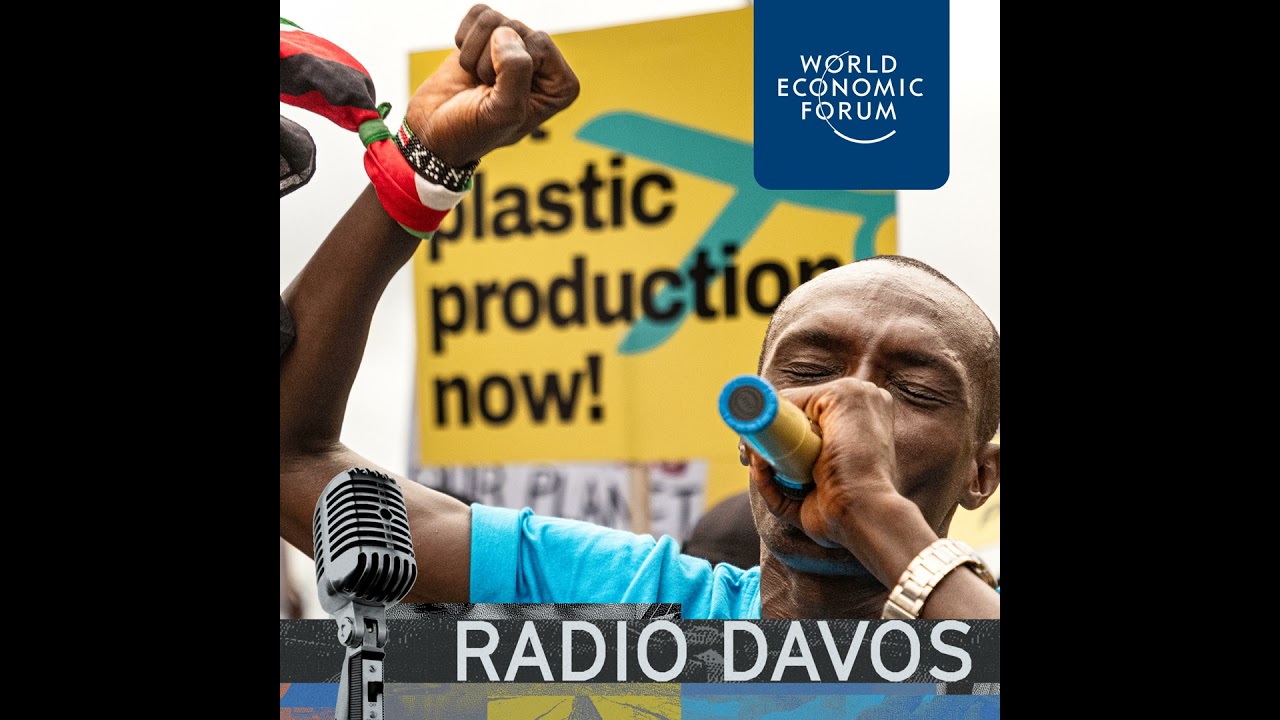





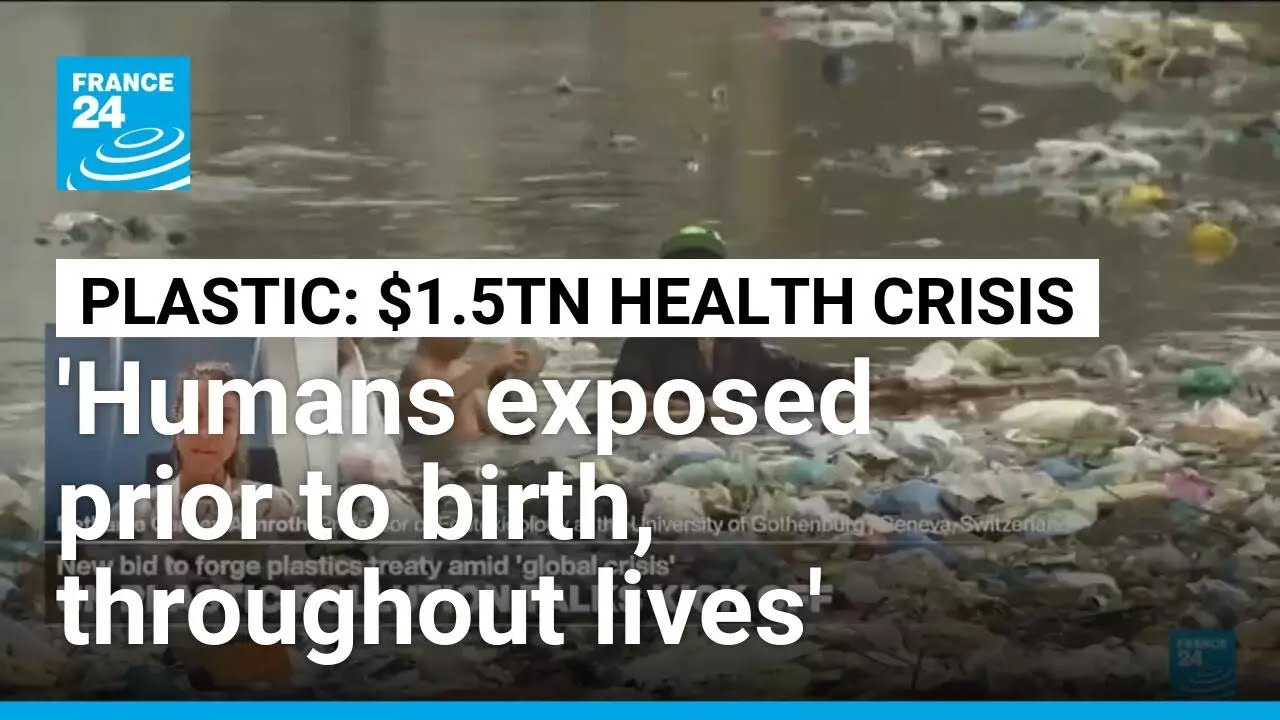


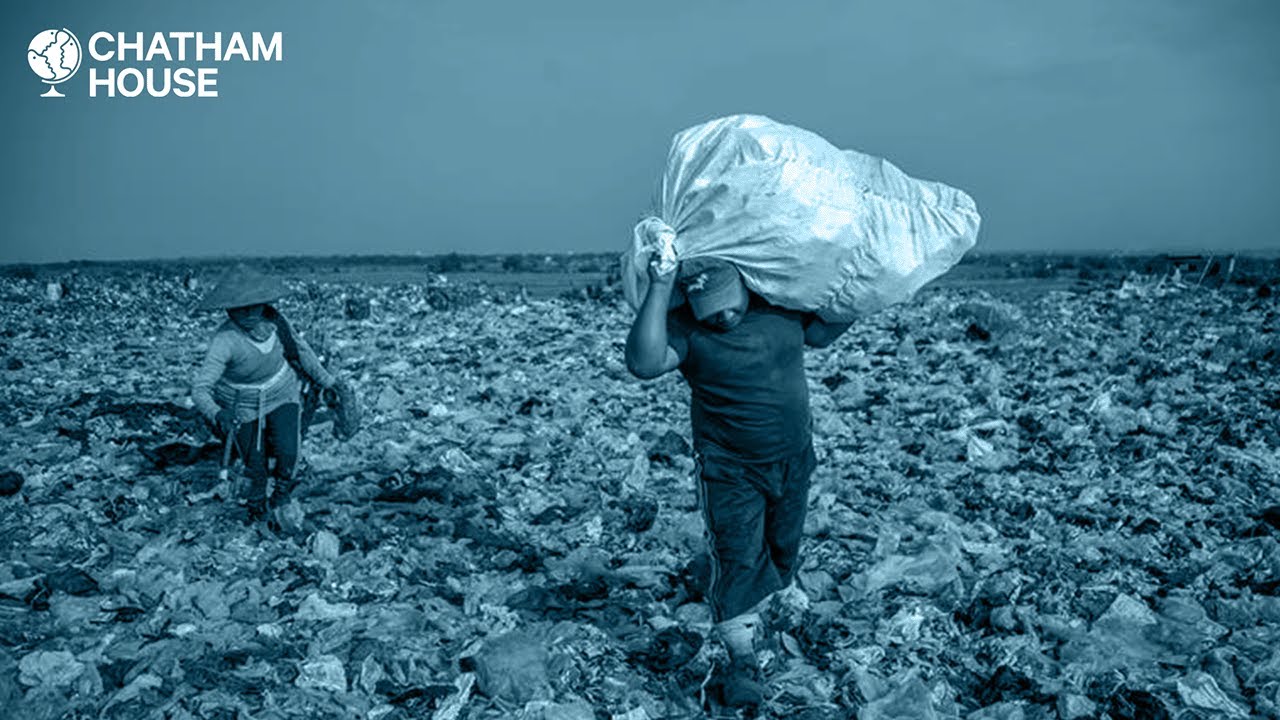







International negotiations for a legally binding plastic pollution treaty failed in Geneva as oil-producing nations and the plastics industry opposed production caps, highlighting how economic interests conflict with environmental protection goals in global climate agreements.
Why UN Plastic Pollution Treaty Talks in Geneva Failed | DW Analysis
Added:The connection between fossil fuels and plastic production, specifically how petrochemicals derived from oil and gas form the basis of most plastics.
The basic structure of United Nations treaty negotiations, including the concept of consensus-based decision-making and what constitutes a 'legally binding' agreement.
The geopolitical influence and economic motivations of major oil-producing nations (petrostates) in global trade and climate policy.
The environmental and public health impacts of global plastic pollution, including microplastics, ocean pollution, and carbon emissions from plastic lifecycles.
The progress and outcomes of subsequent Intergovernmental Negotiating Committee (INC) sessions aimed at establishing the global plastic treaty.
Advanced policy frameworks like Extended Producer Responsibility (EPR) and national-level plastic bans or taxes implemented in the absence of global consensus.
The role of corporate and state lobbying in international environmental law and how it shapes climate diplomacy.
The principles of a circular economy and the development of sustainable alternatives to petrochemical plastics, such as bioplastics and chemical recycling.
3.2K views64likes5:11Original Release: 2025-08-15
Well, talks aimed at striking the world's first legally binding treaty to tackle plastic pollution in Geneva have ended without a deal. That's despite last ditch efforts to find consensus.
More than a thousand delegates from around 180 countries gathered for a sixth round of talks.
>> The most divisive issues have been capping production, managing plastic products, and chemicals of concern. oil and gas producing nations as well as the plastics industry opposed production limits. First reactions from participants at the conference are just coming in. Here's what the Greenpeace delegation had to say.
>> There's a few countries, you know, Saudi Arabia, Russia, the United States that have just been unwilling to negotiate in in good faith in this in this space in in these final hours. And as long as they continue to hold their lines as they have from Paris and show an unwillingness for us to actually negotiate, we cannot solve this problem and we cannot the world cannot afford to let them hold us up.
>> DW climate reporter Tim Shaenbag was in Geneva for us following the talks. I asked him for his thoughts on the failed agreement.
>> Yeah, Terry, that's of course one important perspective. If uh you have a mechanism which is based on consensus and uh certain parties in this case uh fossil fuel producing countries and plastic producing countries do not really want a deal or only very very weak treaty um then it's difficult to come to a compromise. Another part of the story is also that there was yeah substantially diplomatic weakness and also from the chair. Um the processes the procedures that were applied here did not really match the needs of the delegations to really bring together two very opposing um positions here. We have we're seeing those opposing positions um for three years and um still at the end as this treaty now failed. We're seeing that there was one draft yesterday which was really in favor of favoring the the the views of fossil fuel producing countries. Today we have one which is rather in the corner of the uh ambitious countries. um and and basically those two papers we would have needed at the very beginning to then start actually negotiating where where um overlaps could be and this didn't happen and that's why we're seeing um another fail consecutive fail after Busan South Korea last year.
>> Now some 180 countries represented at the talks and as you point out reaching a consensus among all of them is uh was always going to be difficult. What sort of interests, Tim, are colliding here when it comes to reaching a treaty on plastics?
>> Well, particularly smaller countries uh from Latin America, Africa, etc., they do not have big economic stakes in plastic production, fossil fuel production. Um they want um a healthy uh planet. They want an u yeah they want to solve the plastic crisis. They want uh they want to protect their societies from from the from the impacts of uh hazardous potentially hazardous chemicals from um from plastics. And then uh there's the heavyweights in in in the room here which are which having heavy um uh economic interest and keep selling their their their resources which are needed to produce plastics. Uh we mentioned them Saudi Arabia, Iran, Russia but also the the US and and China. uh they are seeing that uh fossil fuels are on the decline due to the rise of renewable energies today and in the future. So they want to save their business model in selling these resources and one part of that is um not touching uh the plastic industry because they are buying their resources.
Just briefly, Tim, um we know that there the parties there agreed on a few things even though we didn't get a final big treaty put together. Uh is anything going to change in practical terms as a result of this meeting in terms of the way plastics are produced, used or disposed of?
>> Well, on international level, um not because there is no no treaty. What can happen potentially is that there might be measures on on national level. Um what that means is the world is producing four 460 million tons of plastic per year and this number is going to triple until60 and uh this trend is going to continue as we're not seeing a a treaty here.
There are 16,000 um chemicals associated with plastics. uh 4,000 of them are hazardous and those are will keep leaking into the environment into our bodies and into our food and water and uh that is also due to no agreement here in Geneva.
>> Tim, thank you very much. Our climate reporter Tim Shaenberg there in Geneva.
Up Next
51:19
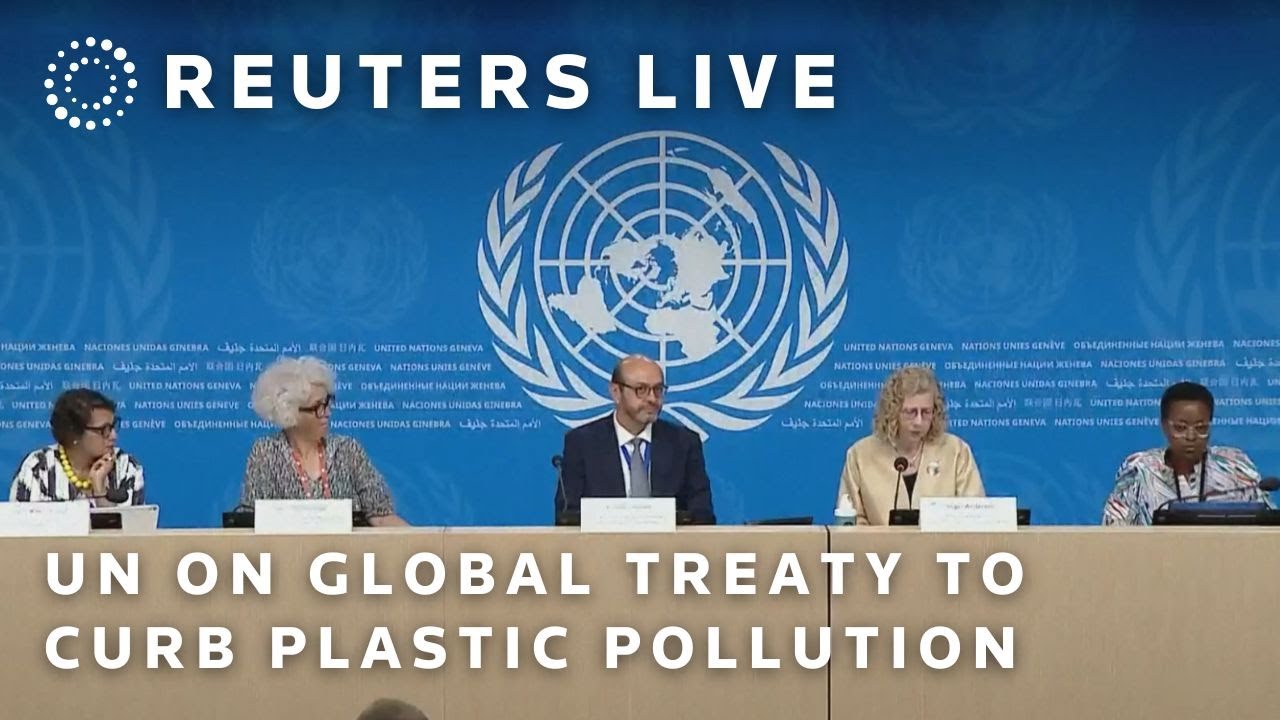
INC-5.2 Opening: UN Plastic Pollution Treaty Talks Resume
@Reuters
3.7K views•2025-08-05

12:54
Triumph of Orthodoxy Icon: Byzantine Art & History Explained
@BenCallan
2.1K views•2024-08-06
19:28
Predictive Policing: Crime Prevention or Prejudice? | Tech Ethics Analysis
@dwnews
51.3K views•2022-06-24

1:42
Game of Thrones Opening Credits: A Cinematic Analysis
@gameofthrones
46.3M views•2011-04-18
Related Study Plans & Knowledge Roadmaps
Structured learning paths in General & Interdisciplinary Studies
general-studies
Elevator Engineering: History, Physics & Cities
01From Hoists to Safety Brakes: The Dawn of Vertical Lift
02Hydraulic vs. Traction: The Engineering Physics of Elevators
03Modern Speed, Safety, and Algorithms
+ 2 more learning modules
12h5 modules
Explore Roadmap
general-studies
Rubber: Material Science, History & Geopolitics
01Origins of Natural Rubber & Mesoamerican History
02The Chemistry of Natural Rubber & Vulcanization
03The Geopolitics of the Rubber Boom & Colonization
+ 2 more learning modules
12h5 modules
Explore Roadmap
general-studies
Containerization: Evolution, Logistics & Trade
01Ancient Trade & Bulk Cargo: Amphorae to Barrels
02The Industrial Revolution & Cardboard Packaging
03The Containerization Revolution: Malcom McLean
+ 2 more learning modules
12h5 modules
Explore Roadmap
general-studies
Textile Tech: Evolution, Labor & Global Impact
01Pre-Industrial Textiles: Handloom & Cottage Industry
02Mechanization: The Spinning Jenny to the Power Loom
03The Factory System & Global Labor Transformation
+ 2 more learning modules
10h5 modules
Explore Roadmap