









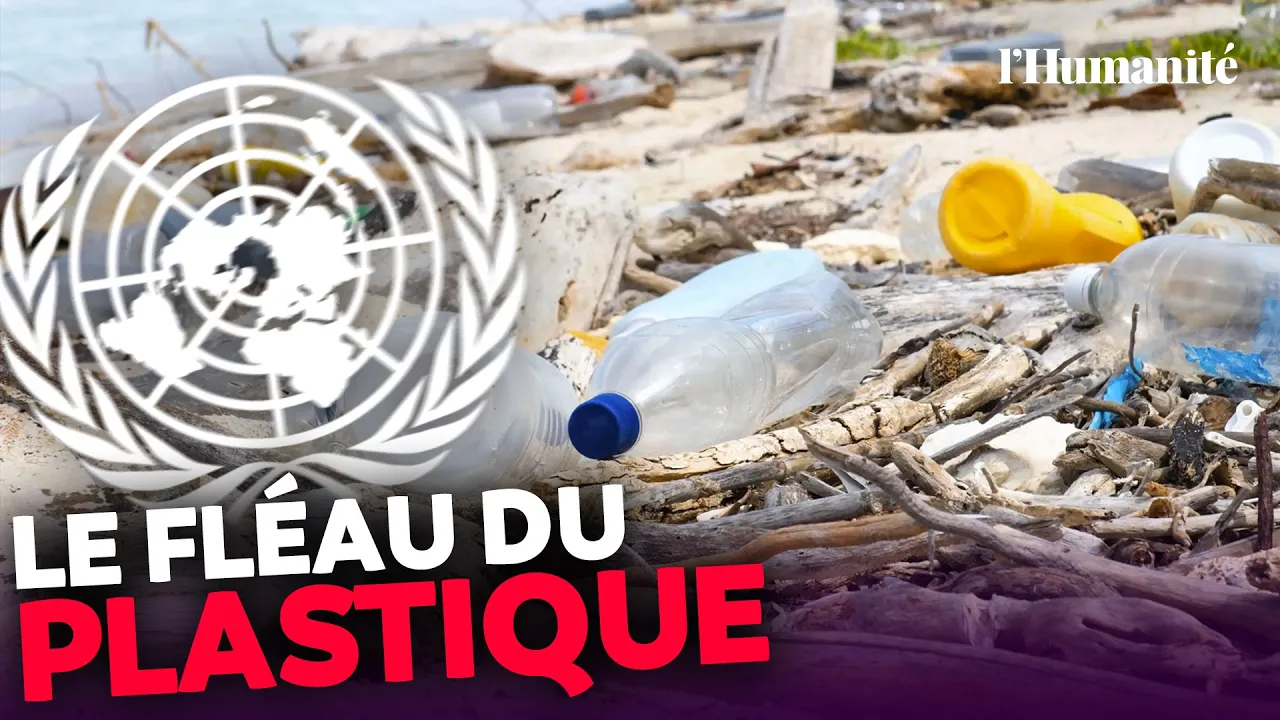
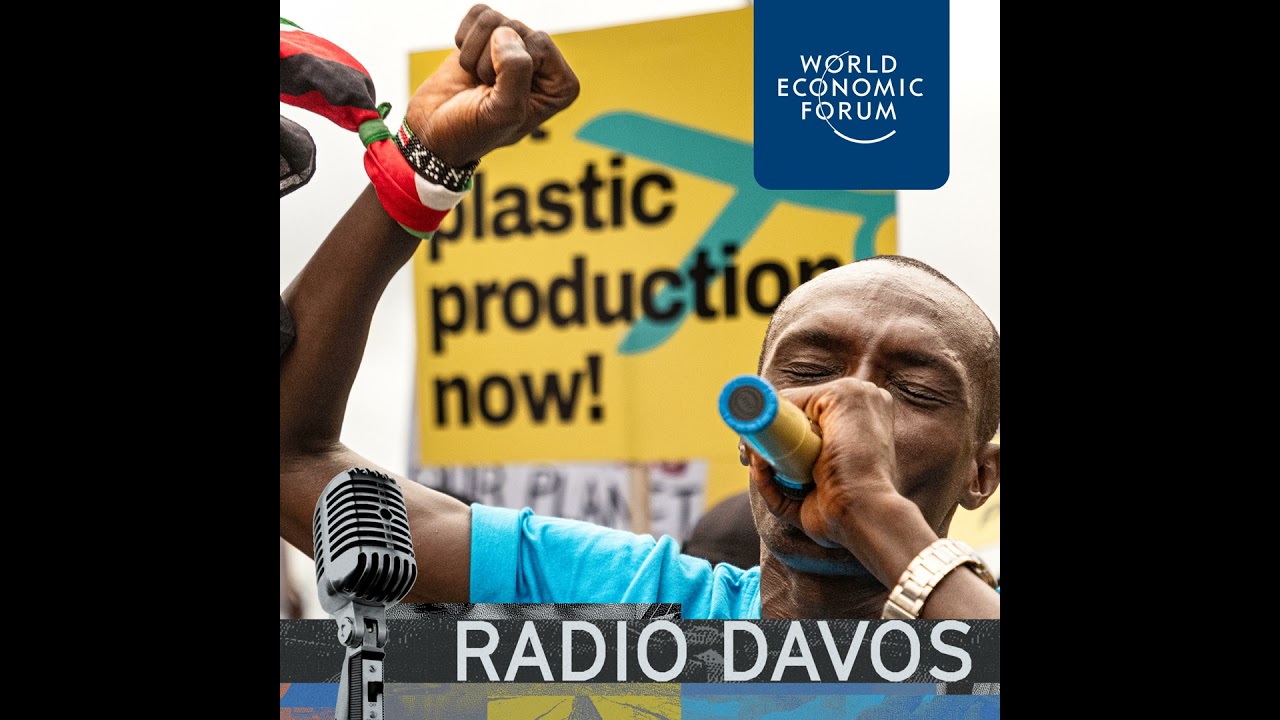






The UN is working toward a global legally binding treaty to curb plastic pollution, with officials emphasizing that while negotiations are complex, they are achievable through diplomatic efforts and multilateral cooperation, requiring a full lifecycle approach that addresses both production and consumption of plastics while supporting developing countries in implementation.
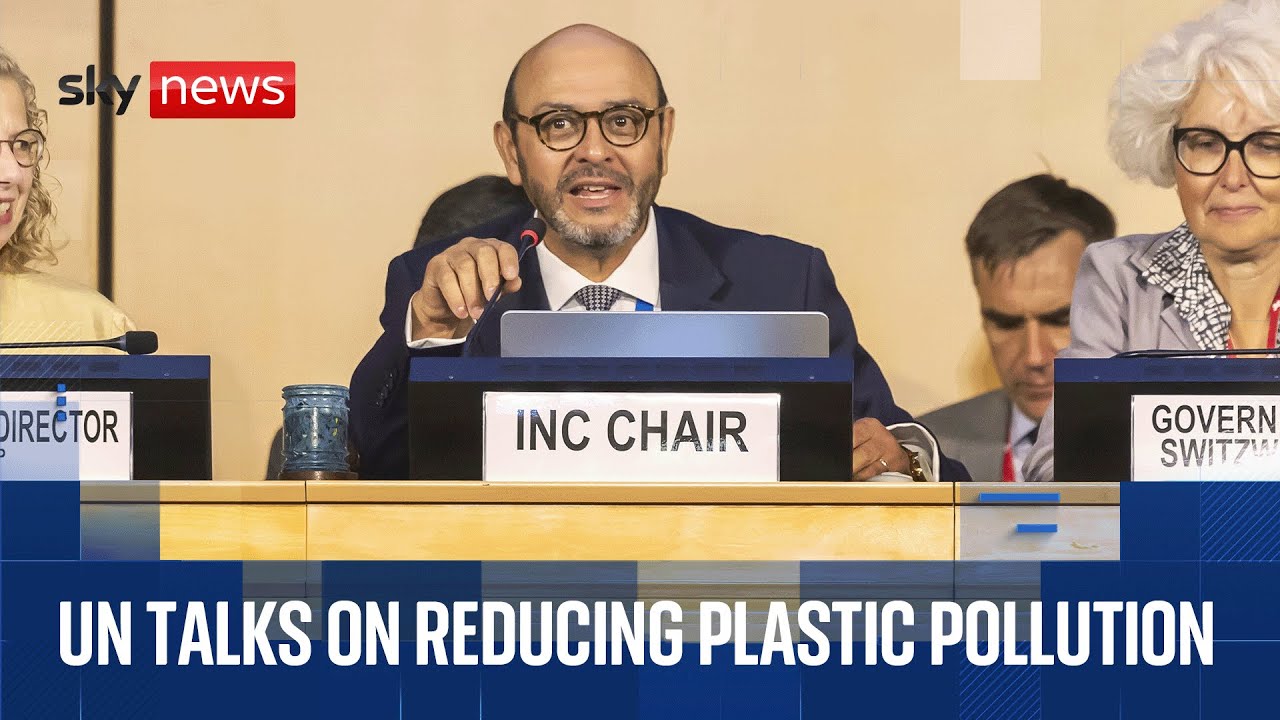
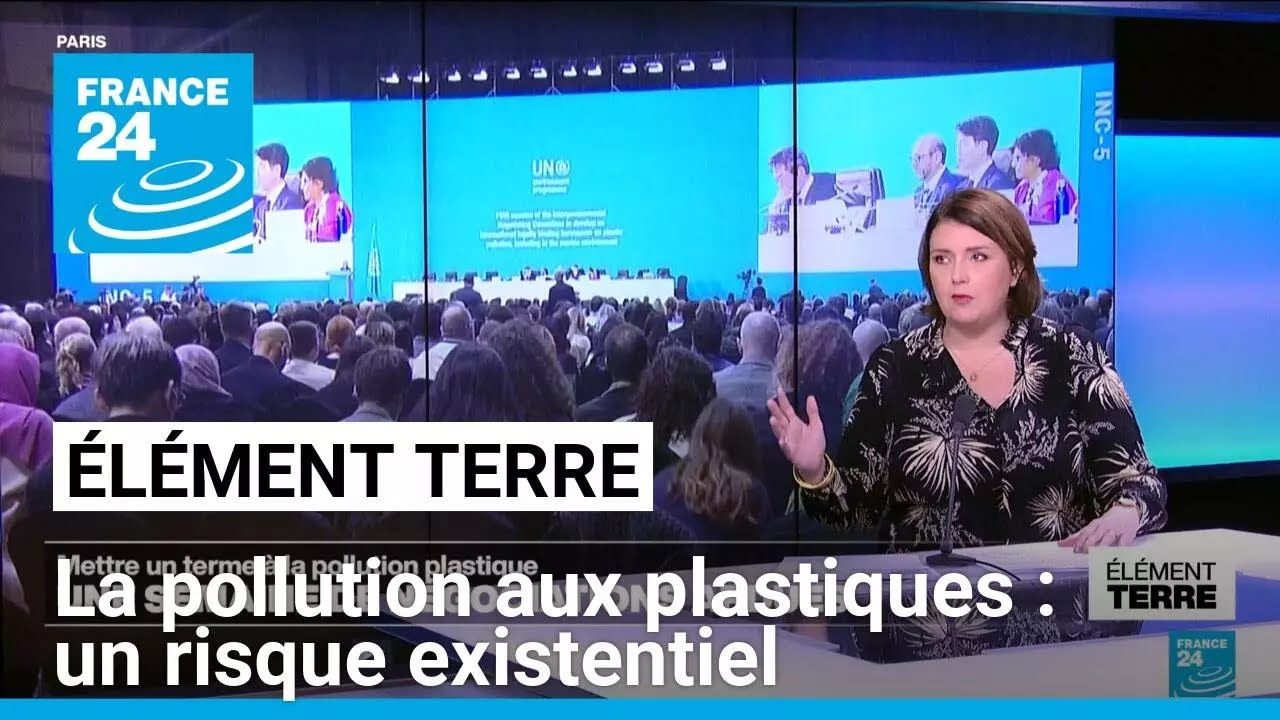
INC-5.2 Opening: UN Plastic Pollution Treaty Talks Resume
Added:The origin and mandate of the United Nations Intergovernmental Negotiating Committee (INC), specifically UNEA Resolution 5/14 aimed at ending plastic pollution.
The environmental, health, and economic impacts of global plastic pollution, including microplastics, marine debris, and greenhouse gas emissions from plastic production.
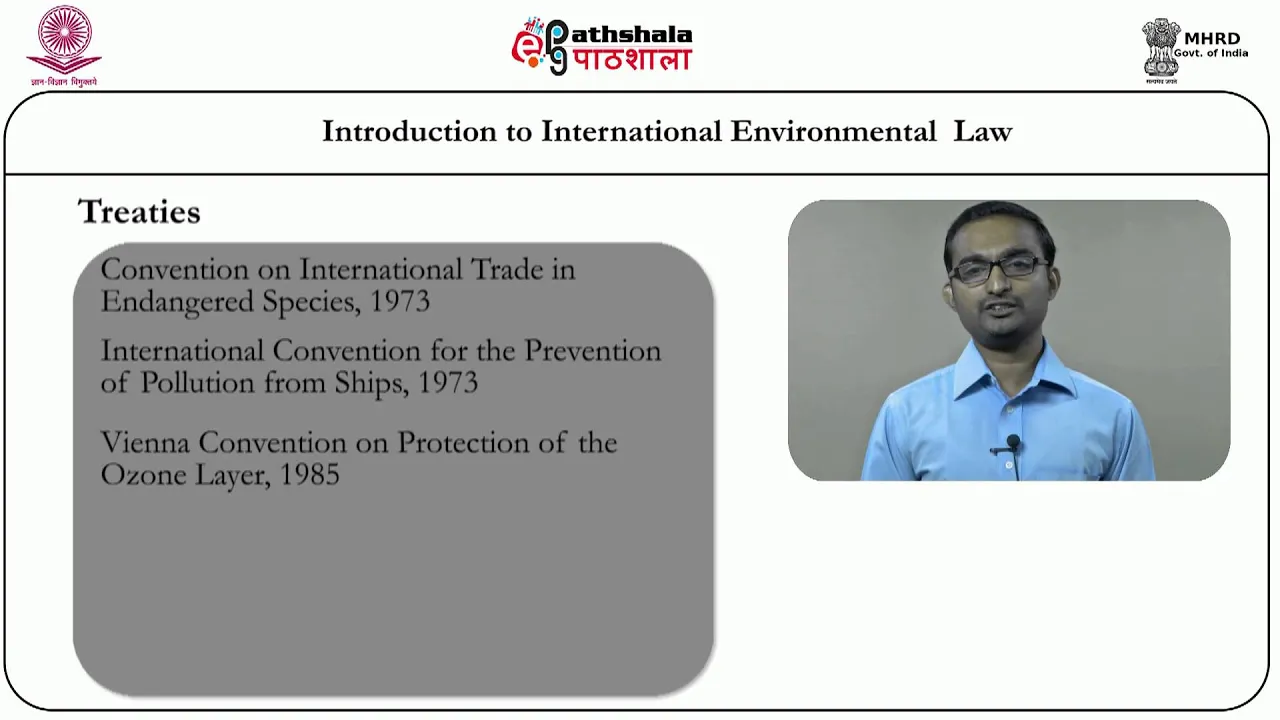
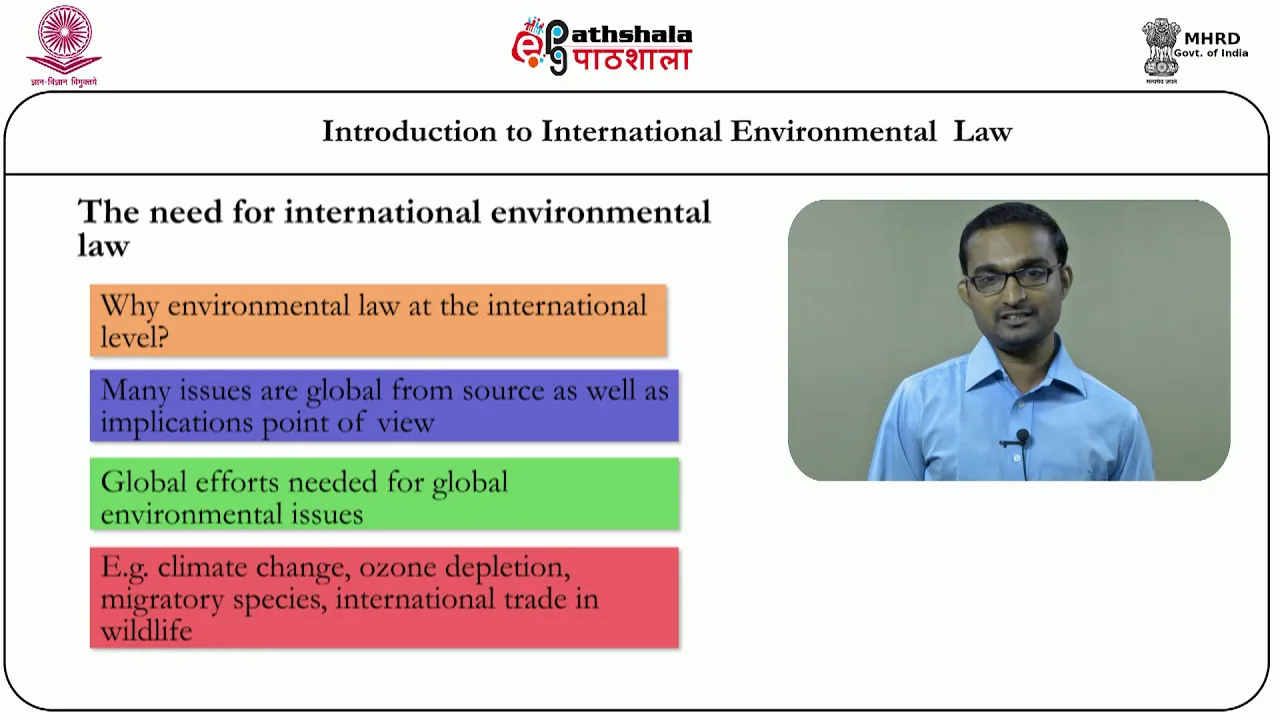
Fundamental concepts of international environmental law, including how multilateral treaties are drafted, negotiated, and ratified.
The distinction between linear economy models ('take-make-dispose') and circular economy principles regarding polymer design and material reuse.
The primary geopolitical divisions in the negotiations, such as 'upstream' measures (limiting plastic production) versus 'downstream' measures (waste management and recycling).
The role and influence of non-state actors, including the petrochemical industry, waste pickers, and environmental NGOs, in shaping international policy.
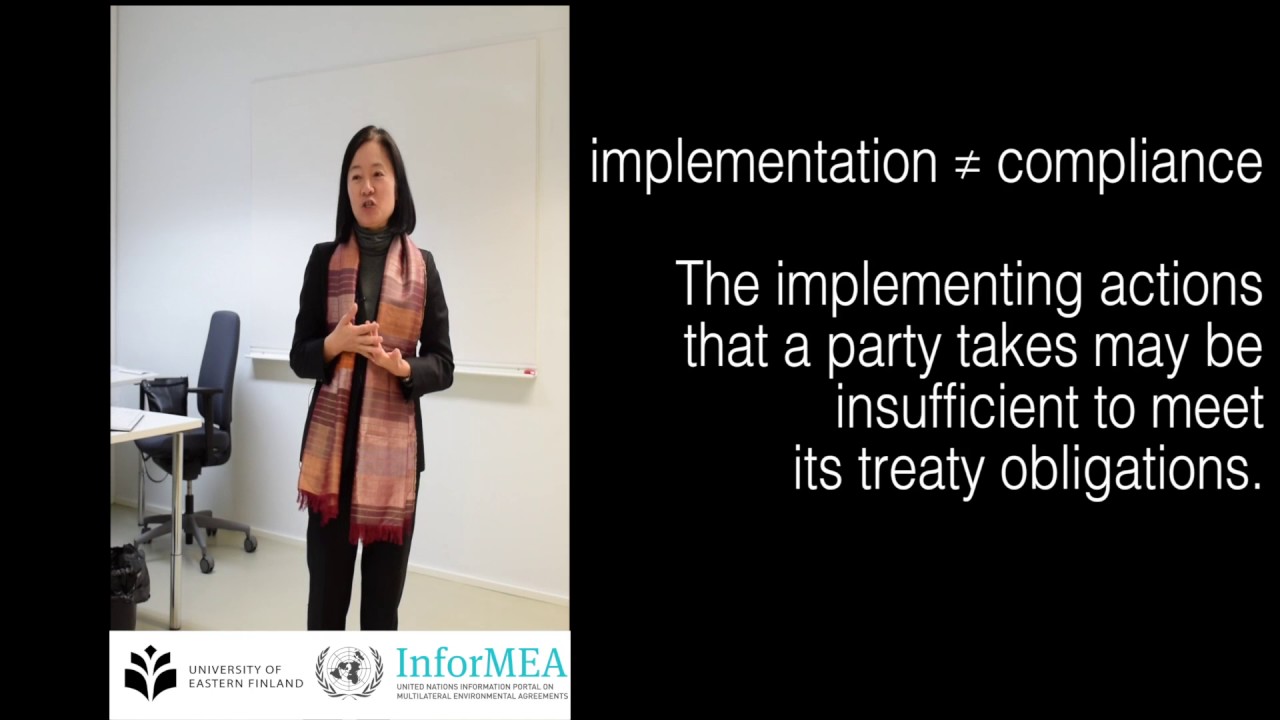
Implementation mechanisms for international treaties, including Extended Producer Responsibility (EPR) frameworks and technology transfer to developing nations.
Comparative analysis of the final treaty text (once adopted) against previous landmark environmental agreements like the Montreal Protocol or the Paris Agreement.
3.7K views71likes51:19Original Release: 2025-08-05
You are ready.
All right.
Good afternoon to media colleagues here and to everyone watching online. Welcome to this media briefing on the opening day of the resumed fifth session of the intergovernmental negotiating committee INC 5.2 to develop an international legally binding instrument on plastic pollution. My name is Kesha Rubik, head of news and media for UNIP. be moderating this short briefing. So this afternoon we'll hear some remarks from our panel who will then take a few questions and on our panel today we have Miss Enga Anderson who is the executive director of the UN environment program.
We have ambassador Lewis Vias Vald Valdivso who is the chair of the INC. We have Miss Krin Sheenberger who is the director of Switzerland's federal office for the environment and we have Miss Joti Matter Phillip who is the executive secretary of the INC. Now before we get to our speakers I'll go over a couple of housekeeping rules. We have about 40 minutes or so available and we hope to use more than half of that time for questions. The session is being livereamed by UN web TV. Now for media with questions once we move to the Q&A portion uh when I call on you uh before you ask your question please state your name and media outlet that you represent. If you are not a member of the media you're free to observe the press briefing but questions should be limited to journalists please. Now our first speaker this afternoon is Missinga Anderson executive director of UNIP.
over to you.
>> Thank you very much and good afternoon to members of the press. Um, as I said this morning, um, we have arrived here after three three and a half years of hard work and we really do see a possible pathway to the treaty. Yeah, it's complicated. Yes, the pathway may be narrow, but yes, it absolutely exists. And so we've stood at the crossroads before in multilateral settings and we know very well uh what now needs to happen. We cannot let this opportunity bypass us. And um we have a very critical role uh road ahead now in the coming 10 days for member states who are negotiating as members of this committee to land the treaty text with a strong engagement and listening closely to observers who uh wish to uh inform of their positions. I think um the heads of delegation which was arranged under our very able chair and I have to give big credit to the chair for getting us this far. Um the heads of delegations meeting which took place in um in Nairobi just a few weeks back. Everyone said clearly we are going to Geneva with the intention to secure this treaty and that's something that we uh very much took on board. Now we of course understand that nothing is guaranteed and we also understand very much that the ball is very much firmly in their court. Let me also give a big shout out of thanks to Katherine Katherine Snberger uh who's a state secretary and runs all things environmental in this country under the presidency and the u seven ministers who run the beautiful Switzerland. Let me say that we are very very grateful madame for your leadership and for the generous hospitality of allowing us to come here and for yes the financial support that you have provided. Now back to plastics. We can't forget that the world wants and indeed needs a plastic uh uh convention or treaty because the crisis is getting out of hand and people are frankly outraged. People who are living with that pollution. We know that plastic is in our nature in our oceans and yes even in our bodies and so as today we're producing around 430 million uh tons annually and as a large proportion of that ends up untreated and unmanaged in the open environment. It is clear that if we continue as we are under business uh as usual scenario uh plastic production is set to triple and we have to make a gear change. That is why we are here and that is why public pressure to get this thing done is so high. But let's be very clear, getting the treaty is not the final step. That is the first step. And so it is not the end point. Resolution 514 and UNEA in 2022 paved the way. And as the executive director of UNEP, it's our job inside the United Nations to sort of create that big tent where all member states can fit that multilateralism at its finest. And that includes of course stakeholders who are helping to secure this treaty. But negotiations are never easy, but they are doable even when multilateralism may be in wavy wavy oceans. We saw just a month ago the glling of the uh intergovernmental science policy panel on chemicals waste and pollution that is a triplet that will be a triplet to IPCC science policy panel on climate and uh IPBES science policy panel on biodiversity that was gabbled in the midst of complexity at the political level. Nevertheless, multilateralism delivered and just a few months back the pandemic treaty was gabbled here in this beautiful city as well. So since Busousan, there's been a lot of diplomacy. Uh we have seen um the the chair engage extensively. We've seen regional consultations, heads of delegation meeting and of course informal ministerials as we've done in at the sidelines of cops. We also did it at the sidelines of the Basel Roterdam and Stockholm Cup and indeed on the sidelines of the Nice Ocean meeting and I think the chair I'm really appreciate and admire that you constantly created spaces for those negotiations and informal exchanges. The agenda is very clear. This is the longest INC yet with 10 days. Uh but the opening plenary and congrats because you just got it through and we didn't get stuck on procedure.
This is very important. Uh delegations are now hard at work. Work can be done straight away and the contact groups will be starting right after lunch. And so uh the the draft text uh is really now in the ownership of the contact groups and they will do the hard work.
It is clear that there's still some areas where we will need to see convergence. That's the job of the contact groups and we hope very much that the final treaty text will be strong but also that will include clear hooks for what the future will bring. A treaty has to be for the ages not not for the moment. We UNIP we are sitting with treaties that are 30 40 years old and they have to have the robustness but also the language that enables them to evolve. Um on the ministerial we are expecting something like 25 ministers um and high level representatives Wednesday and Thursday next week. This is uh an informal session that is outside the formal negotiations and how ministers engage is obviously up to them. how they engage in the in the negotiations.
Finally, just to conclude, yes, can we get this done? Yes, it is truly possible. We can find it. Now is the time. We all know where the positions are. And I really want to say that u delegations have come here with the intent of making it happen. And so, thank you very much for that. And now, I look forward to your questions after the other speakers. Thank you.
>> Thank you, Miss Anderson. Our next speaker is Ambassador Luis Vias Valdivso. Uh over to you chair.
>> Thank you very much and good afternoon to you all. It is so nice to see you here. Dear members from the media, first of all, I would like to express my gratitude to the government of Switzerland for welcoming us here in this senic Geneva beautiful city. I'm pleased to speak with you today at the opening of this resume session of the intergovernmental negotiating committee on plastic pollution. Allow me to begin by sincerely thanking thanking you all that we know that there are more than 300 members of media from over 200 out outlets who are here in INC 5.2. So, thank you very much for that big uh presence of you here in INC 5.2. Your ongoing presence and coverage truly make a difference. You are not just documenting the historic process, but you are also breaching between this negotiation rooms and a world that closely follows our work filled with high hopes and great expectations.
As negotiations have advanced, the awareness of this process has grown significantly.
That should not surprise us. The goal we are working toward the creation of a legally binding international instrument on plastic pollution is one of the most urgent environmental priorities of our time. As such, it has attract increasing attention from the public, not to mention from policy makers, scientists, communities, youth, and civil society organizations worldwide.
We are here today to fulfill an international mandate. August 14 is not just a deadline for our work. It is a date by which we must deliver.
Erh, the world depends on us to finalize an agreement that is effective and inclusive.
One that sets clear and credible rules to end plastic pollution and one that can enable over time rooted in science and fairness. This resume session provides a unique and a historic opportunity for the international community to bridge differences and find common grounds. It is not just a test of our diplomacy. It is a test of our collective responsibility to protect the environment, safeguard human health, enable sustainable economies, and stand in solidarity with those most affected by this crisis. I sincerely thank member states for their support of sorry of our organizational work which has been carefully planned to meet the needs of the process at this critical stage. I'm especially pleased that the opening plenary this morning finished in a very constructive spirit enabling negotiations to begin without delay.
This sense of urgency and responsibility is exactly what this moment requires.
We now have a clear path ahead and we must walk it together with determination, professionalism and mutual respect. I firmly believe that with the continued support and cooperation from all delegations, the committee can complete its work by the end of the resume session here in Geneva. And let us be clear the success of these sessions will be a success not just of governments but of the entire global community.
As you know we are not beginning from zero. We are building on five sessions of hard work engagement and conver convergence. The chair's text and the structure approach to the negotiations provide us with an essential tools to move steadily forward generating the broadest possible alignment. Now it is up to all of us especially the member states whose delegations are involving in these negotiations to turn these tools into concrete results.
Distinguished members of the press, thank you again for joining us in this journey. Your role is essential. You promote transparency and share knowledge about the process, helping to keep the world informed and engaged. As we approach this opportunity, I trust that governments are currently recognizing not only the urgency but also the unique opportunity that negotiation that negotiating an international legally binding instrument in Geneva represents an effective agreement that shapes history through collective actions and measurable results. Thank you very much.
>> Thank you, excellency. And next from our gracious host country, Miss Katrin Schneeberger, director of the Swiss Federal Office for the Environment. Over to you, >> dear media representatives, it is a great pleasure for Switzerland to host these pivotal negotiations aimed at finalizing a treaty to end plastic pollution.
Today, we stand at the critical crossroads.
Plastic waste is choking our lakes, harming wildlife and threatening human health.
This is more than just an environmental issue. It is a global challenge that demands urgent and collective action.
Reaching a global agreement to end plastic pollution is essential.
Over the coming days, we have an opportunity to make a real difference by negotiating an effective plastic treaty and identifying comprehensive solutions and measures that address the full life cycle of plastic.
We are aware that much work lies ahead.
At the same time, we see a strong political will to find common ground.
Let me also clarify an important point.
Contrary to some media reports, this is no call for a production cap. Clarifying this in informal meetings was an important message to pro producing countries. Reaching a shared understanding that measures are needed on both the production and consumption sides can help unlock the negotiations.
Another helpful element will be will be uh better explain the economic opportunities of an effective treaty.
Well-designed measures can enhance the circular economy, foster innovation and research, and stimulate investments, especially from the private sector, in alternative products and sustainable systems.
As a representative of Switzerland, it is an honor to uh welcome this final round of negotiations in Geneva. We believe that the successful INC 5.2 will be critical in mitigating the environmental, social and economic threats posed by plastic pollution. It will also send a strong signal in support of multilateralism.
In this context, Geneva's expertise and existing institutional infrastructure are highly relevant. Geneva is a global hub for environmental governance, particularly in the field of pollution.
It is a city that embodies dialogue, cooperation, and a deep commitment to multilateralism.
The palenio where we meet today stands as a symbol of that commitment. A place where governments and stakeholders come together to find common solutions.
The goal is clear to end plastic pollution. This is not merely an an ambitious aspiration. It is a necessity.
The time is to act now. We will acknowledge that there is far too much plastic pollution in the world. Let's not waste the opportunity to make meaningful and effective progress. Thank you very much for your attention.
>> Thank you very much director. And just before Q&A, we will now hear from the executive secretary of the INC secretariat, Miss Joti Mada Phillip.
>> Thank you so much. And if you allow me, all courtesies observed. Uh to give you more time for Q&A. I just want to give you some logistical uh updates and uh some background on how you can follow the meeting. So this is our largest session yet. We have 3,700 participants registered and able to participate in this session. We have more than 1,800 uh participants that have from um member states that have already joined us here in person. We have 184 member states um that have registered to attend and over 619 observer organization.
Uh the live daily schedule is available on the um INC website and this also includes uh when plenary sessions will uh will take place. This is um also available through a mobile app which is called the plastics pollution uh negotiations app if you want to uh download that. uh we this session will also include a legal drafting group who will work to refine the text legally before it's adopted on 14th uh hopefully on 14th of August. Um we also have u all our plenary sessions are livereamed and interpreted in all six UN lang languages. documentation will be continuously updated ensuring that um everyone stakeholders worldwide can follow the developments in real time and I think that's all I have I can add right now. Thank you.
>> Thank you so much madame executive secretary. So we'll move to the Q&A session now. Please raise your hand and ask your question. Don't forget to state your name and outlet. Uh we'll go here first Swiss news agency. Thanks for that press conference uh question for Inger Henderson and and Katherine Schneberger because you both stressed on that full life cycle which is the target uh and you mentioned uh madame that uh the gap since Busan has been reduced with the producing countries there won't be any any production uh cap but how do you see that last mile that still has to be uh run towards this producing countries and the bunch of countries which were opposing the treaty in Busan. Thank you.
>> Uh yeah, Miss Anderson, you'd like to start.
>> Um thank you very much. Um I think where I'd like to start is with at the UN resolution itself because it was very very clear and the UN resolution speaks to um life cycle approach uh as well as to promote sustainable production and consumption of plastics. and therein lies and then it says uh through amongst other things product design environmentally sound waste management including resource efficiency and circular economy approaches I'm sure that you've read this and are well aware the magic lies within these words and it is for member states to look at those words and look at therefore what does uh national um circumstances and capability look like because that's also in the in the treaty text what is life cycle approach uh certainly the intent is very much from beginning to end of the life cycle and not part part of it and certainly uh sustainable production and consumption of plastics there in lies the issues and I think it would be uh and and that's exactly what is going on is it contact group one I believe at any rate one of the contact groups that looking at that there will be There are still uh clear views on this from a number of uh member states. But there's also an understanding that uh if we take uh the issue of sustainable consumption and production of plastics into into the definitionals and therefore how we will measure and monitor and implement this that is where the magic key lies and that is in what is in negotiations right now. Um I think uh on and on on the issue of life cycle approach I think again um there's a broader understanding what that means. It means that from the beginning to the end but different approaches by different member states um as um you may know I live in Kenya and Kenya doesn't have high-end recycling as a as a as as an example and so would not be able to do for example what is being done in Switzerland as easily as and so one would have to take that life cycle approach somewhat differently. Some will have to deal with reduction, others will have to deal with uh mechanical recycling and others will deal with alternatives. Let's see how we can get to this through the negotiations. I think there's a lot of good faith uh in the working group right now in the contact group and I'm confident that they will reach there.
>> Uh Mberger.
>> Well, thank you Inger. I mean you have mentioned it correctly. I guess uh to find a solution in the negotiations it was really important to clarify that point as I have mentioned before that we are not talking about a production cap um in order to limit the production but uh that we understand that it's the full life cycle from the production to the consumption and in this sense it's not neither production or consump assumption, but it's both both has to go hands in hands. Thanks.
>> Thank you very much. Uh Steve Doan from Plastics News.
>> Apologies. Sorry. Apologies. Um so Steve Tolken with Plastics News. I want to follow up on the production cap question to Min Minister Schneberger and the other panelists also. Um, are you saying that it became obvious at the heads of delegation meetings that if the treaty was going to have any chance of passing, you had to say this there could not be a specific production cap in the treaty? Um, obviously there were calls in the observer session for the cap and there's a lot of groups that oppose the cap.
Countries that oppose it, countries are in favor. So, was it clear I mean can you expand on those discussions when it became clear that you had to you couldn't have a cap in the treaty?
I mean you refer specifically to the heads of delegation meeting. I believe that Madame Snberger was not there. So it's not uh fair to ask her to respond to that. But just to say that there are a variety of views and I wouldn't say that this issue has been resolved and there are still some member states that look at um at at production through a different lens. However, there has been a lot of very helpful conversations um and we'll see how they end up defining uh sustainable consumption and production and full life cycle. Thank you.
>> Thank you very much. Uh over here please.
>> Thank you. Uh Laura Mercier for French media context. Can you you talked a bit about what happened between Busan and Geneva. You talked about diplomacy in formal informal settings. Can you tell us a bit more exactly what happened then? Um have you seen lines moving position shift shifting that would allow for a deal here? Why should it work here although it didn't work in Busan? Thank you.
>> Thank you very much. It's a very good question. And uh before I talk about our international period between Busousan and Geneva, I think is h also important to mention a bit of what happened before Busousan. Before Busant, I present as chair of the of the process of the INC nonpapers iteration documents that they were evolving according to the negotiations that we had yes in the previous INC meetings but also in that intersectional period between Otawagua and Busousan. H I present three non papers during the international period between Otawa and Busousand and then during our negotiations in ISC 5.1 I also present and we work with two chair uh chairs text that were presented to the members also for for negotiations in Busousan in our formal session. Erh well they are just the chair texts but they take what is happening in the in the negotiation rooms what has happened in the previous INC's and what it has happened also in the international periods that we keep working and I thank very much members states because we do work and negotiate formally in the INC's but a lot of things happens and that's why I say this is very important your question because a lot of things happen in the intersectional period informal period between each session And between Busousan and Geneva h right after Busousan, I encourage members to own the text to have the ownership of that text and it has happened so and it has happened very well also meetings consultations among member states among regional groups among also different groups of countries and also what I have encouraged and it has happened is that it's good that members with the same or similar position ition gets together also to bring suggestions to bring uh proposals but even more important that members with different uh position gets together and also work in those proposals and that has happened that has happened as our executive director mentioned uh we had an informal meeting in in Nairobi informal in-person meeting because we had also a virtual one but informal inerson meeting where we could See how this progress has been done here in the sessional period where we can we could see countries and group of countries presenting proposals to breach uh positions and that has been also our request and we have mentioned also this morning in our opening uh uh well the the resume plenary session h that new proposals should go in that light to bridge positions to find common grounds to identify landing zones that we will use and we must use here in in Geneva.
It was also important the work between this inerson meeting in Nairobi and now then I release also the scenario note of our organizational work after uh many consultations with regions and with countries and also with the heads of delegations on the organization of work on this on the s that was presented officially or formally uh this morning in the plenary meeting and it has been accepted and I'm really happy to see that H the meeting this morning went went in that constructive way went you know with the sense of that urgency to move to to negotiations. Negotiations are going on. Negotiations are going on.
H we will see in the contact groups. We have present and schedule also for the work of those contact groups. We will be evaluating day by day that work. But that has been the work between Busousan and and Geneva. A lot of work. a lot of work, a lot of pressure too that good pressure to to bring those proposals.
Now we have to deal here in Geneva formally with those proposals formally also with that negotiation that I can see it's going in this constructive spirit that will help us to get a successful uh INC 5.2. Thank you.
>> Thank you chair. Uh over there in the back in the white shirt, Bernard. Yeah.
Okay. My question is uh as please identify yourself Bernard and your news outlet.
>> Okay. Thank you. My name is Bernardo Gambo for the Daily Nation and my question is uh as you know that a lot is resting on the INC 5.2 and in the spirit of the chair that nothing is agreed until everything is agreed. So how can we build on this momentum uh to ensure that uh uh uh ambitions translate into tangible outcomes and the and that key provisions are not diluted. Thank you >> chair. I think one for you.
>> Yes. Thank you very much for the question and yes I completely agree that we have a momentum that we need to keep.
We have seen that momentum also in this intersectional period. We saw it in in our inerson informal meeting of heads of delegation in Nairobi and we have kept that momentum and we have brought that momentum and we could see that this morning also in the plenary session delegations delegates eager to to start negotiating and going to the contact groups to negotiate. We saw that we saw that flexibility also this this the this morning also the acceptance of that organization of work to start working uh nothing is agree until everything is agreed is one of the principles that we deal with in the negotiations in every process that we have or we negotiate as member states and it is so and and we need to keep that principle because in the contact groups they will be negotiating they will be negotiating the different provisions member states will be negotiating different articles that we have distributed in the four contact groups. The co-chairs has clear instructions of how to deal also with the different articles that has different level of convergence and that's important also to to have into in in in mind because with that different level of convergence we hope that we can start sending in an early stage also a provisions that are agreed or you know that it has been negotiated and agreed by the membership of the contact group. we could start sending them to the legal drafting group through the plenary and that's why it comes this principle that you mentioned because those provision that yes they have agreed on that text they go to the legal drafting group to put them in a legal manner and they come back to the committee and then is when the committee will decide to agreed uh on those texts that has been already um sent and come back from the legal drafting group. And then the committee will decide once it's back those provisions in the plenary we and and I am confident that we will do this in in in the 14th of August by the end of the session we will have a whole clean text that will be agreed by the by the members in plenary the whole text. Thank you very much.
>> Thank you chair over here.
>> Uh thank you. My name is Cristana with the German press agency. Um I would like to know are you making preparations for a vote at the end of this session? Uh are there people working on rules and procedures or would you say it's out of the question and this will be either a consensus deal or no deal at all? Thank you.
I mean obviously this is a perview of the chair so let's be very clear but uh I think that on multiple occasions member states have spoken of the importance of finding mutually agreeable solutions and to reach consensus as you just heard from the from the chair and I think the chair has also consistently said that uh he wants to have this negotiation in the spirit of consensus in the spirit of inclusive multilateralism Um now the draft rules of procedure as we heard the chair mentioning this morning continue to be provisionally applicable. Uh and this is a member statesdriven process and member states are participating here as members in these negotiations. So ultimately member states and therefore the members in the process will determine how they will deliver on the mandate. But I think the chair has been very very clear and I'll hand it over to him to again emphasize his pathway.
No.
Thank you for the question but is not too much to add after our executive director has has explained err we have worked in this constructive spirit in in the previous INC's inc 4 in Otawa when we start actually with the with the negotiations in the contact groups negotiating text you know we could see that spirit And we deal with that in in Otawa too. In Busousan the same and I have been saying and I will I will say it again this constructive spirit cooperative spirit among members it has been there and I can see very clear here to take decisions by consensus that will also strengthen this this agreement make it an international one like our mandate is to to work with it. So I see that and I can see that we can keep working in the same manner here in Geneva. Thank you.
>> Thank you gentlemen over here.
>> Thank you for the opportunity. This is Van Suzi from Dawn News Pakistan. It's just a concern that our almost entire you know our economy relies on plastic like you know from children toys to polythin bags and everything. So if this uh treaty is I mean done so how these countries like Pakistan and South Asian countries would tackle to those who are doing this? I mean they would be badly affected.
>> Um thank you very much. Um of course they also badly affected today by the plastic in the open environment. I had the privilege but also the heavy duty of visiting Pakistan right after the floods, these dreadful, dreadful, unbelievably catastrophic floods. And um debris and plastic was a big part of of the problem. And so this is why we're here to find a solution while not leaving anyone behind and while ensuring that the economic wheels will keep turning maybe on newer different solutions. Uh but certainly what is sure is that no one wants to live with the plastic pollution. No one wants it in the soils in the drink water drinking water or let alone in our oceans and in our bodies. So finding a solution that's what all member states have come together on will recognizing that this will impact yes environment economy but also people at large that's why these negotiations are happening that's why it's complex but that's also why a country like Pakistan is participating in good faith in these negotiations trying to be part of the solution uh that's the best I can say thank Uh John Halpern AET news I'm wondering uh following up on the cons just repeat the news outlet.
Are >> okay thank you.
>> Sorry. Uh are you hoping for an outcome like with the pandemic treaty that depended on abstensions and deferral on key questions to reach consensus? And before you get there, how are you working to bridge the gap between countries that call for a dedicated standalone financial mechanism to support treaty implementation and between those that prefer to use existing funds and without a dedicated financial fund to support implementation?
Do you think the treaty goals can be achieved in the countries that need it most? Thank you.
>> Thank you very much. A very important question too. Um well what I'm expecting is an effective treaty an effective treaty that will fulfill and will deliver on the mandate of resolution 514 that we are we are working for that we are negotiating to to deliver on that mandate and to have this effective treaty that will give us credible rules to combat and to end plastic pollution.
A treaty that will be alive on time too.
a treaty that will be effective now, well once that enters into force and also in the decades to come in the years to come and it has to you know we will enrich the the in the future this this instrument with science with science with if more data etc. So I am I envisage a treaty that way that effective one with credible rules to end plastic pollution and that includes a financial mechanism because yeah different provisions different uh with different positions we we are seeing and we are seeing how we are negotiating the the different articles but when we come also to a financial mechanism is something that we must have it of course in the in the text in the in the future instrument And it should be and it must be a mechanism that start working as soon as possible.
Uh we need that you have say it for the implementation because it has to be an effective text. Yes. That will get give us credible rules. Yes. But it has to be also a effective implementation of that text and that goes along with the financial mechanism. very important question and it's a it's an article that um yeah it's it might require a bit more time for for discussions, negotiations and agreement but this an article that must have this future text thank you >> thank you excellency somebody at the back >> thank you um Jeremy for the French public radio um a number of points of procedures were raised this morning by uh different delegations. Um I was wondering uh could we see that as a way to uh delay the negotiations to make sure that we don't get an agreement um at the end of next week?
I thought that very few procedural issues was raised. It was essentially one can we shuffle the cards on the contact group because it would be more convenient for smaller delegations and then there was a little bit of a discussion well this delegation is not entirely prepared for the okay but we willing to yield that delegation okay yes but we will yield we'll just consider for two minutes it was exceptionally light and very well handled um now in the beginning and the earlier uh sessions of the INC. There was a lot of procedural issues on the table because member states were not exactly clear what would be the process and the rules of the game and so on. But I thought that this was exceptionally light on procedural issues. Could we see that? I don't have a crystal ball, but I think that everybody has come here with the intention to actually get down into the contact groups and to negotiate the treaty. I don't know if you would agree, chair. I completely agree with you and uh well this morning also I saw the need also of clarity in some aspects and that we presented clarity and the need also to see in the contact groups an more effective way to work when we were talking about article one and three working in parallel. I consider that more than a procedural matter that a better way to work and be more effective and efficient in our negotiations and that's what we have done and we will be talking with the bureau in few minutes actually also to to with the secretariat to arrange that um h those work of the contact groups to be once again efficient and effective. So that's what I saw this morning and also the need yes of a clarity in one aspect that I think it was not a big uh issue. Thank you very much.
>> Thank you chair. I think we have time for two more over there. Helen please introduce yourself.
>> Okay. My name is Helen Shikanda from the nation media group in Kenya. My question is to Miss Anderson. You mentioned that there are clear disparities in terms of how different countries handle plastic waste. giving an example of Kenya and Switzerland and we've seen so many reports showing that Africa is sort of like a dumping waste for plastic waste.
So I want to know like beyond the treaty how best can we ensure that there's equality in terms of ensuring all countries have clear ways of handling plastic waste and empowered to have things like material recovering sentence. Thank you.
Thank you very much Helen. It begins with having global rules. That's really it and that's what this treaty will enable. When there are global rules around how these things are managed, investors can see the they have predictability because they know that there's a market for what they collect.
And then there will be investments because all of a sudden that thing that today's waste tomorrow will have value.
And so that is why this treaty is so important because with global rules, we'll be able to get on the recycling side this up and running. There's more to the treaty than waste management. I hasten to add and I think we all know that very well. But that's very very critical. I will say though on your statement that Africa is a dumping ground. Very important that the Basil convention uh in the plastic annex that was in uh agreed by the COP in January 2022. do I want to say but please we'll verify um because the Basel convention deals with uh illegal and transbound illegal transboundary waste across borders and um a number of plastics were actually classified as such and cannot be transported across borders and therefore dumping cannot be done of those particular plastics that I mentioned. So dumping is uh and under Rotterdam of course um free prior and informed consent has to be there Rotterdam convention which is also a unit posted convention which means that you have to say yes I'm willing to receive that thing. So the opportunity to just dump is has shrunk and much of the plastic we are seeing today in any nation's waste is is waste from that nation. uh but that's a not always because there is indeed trade but I just wanted to make that point um but let's get the treaty done with the global rules that should drive investments in infrastructure for waste management.
Thank you.
>> Thank you very much. So unfortunately it has to be a hard stop. A couple of our panelists have have uh meetings at 2 p.m. Uh so we'll have to end there.
Thank you so much to our panelists and to the media for this lively discussion.
uh will inform you of the next official press uh briefings to take place and we remain available for questions in the meantime. Thank you very much everyone.
Up Next

11:09
Arduino PWM Frequency Change Tutorial: Timer Prescaler Guide
@JulianIlett
156.4K views•2013-08-16

12:54
Triumph of Orthodoxy Icon: Byzantine Art & History Explained
@BenCallan
2.1K views•2024-08-06

9:49
FastAPI vs Flask vs Django: Choosing the Right Python Web Framework
@TechWithTim
302.5K views•2024-05-26

1:42
Game of Thrones Opening Credits: A Cinematic Analysis
@gameofthrones
46.3M views•2011-04-18
Related Study Plans & Knowledge Roadmaps
Structured learning paths in General & Interdisciplinary Studies
general-studies
Elevator Engineering: History, Physics & Cities
01From Hoists to Safety Brakes: The Dawn of Vertical Lift
02Hydraulic vs. Traction: The Engineering Physics of Elevators
03Modern Speed, Safety, and Algorithms
+ 2 more learning modules
12h5 modules
Explore Roadmap
general-studies
Rubber: Material Science, History & Geopolitics
01Origins of Natural Rubber & Mesoamerican History
02The Chemistry of Natural Rubber & Vulcanization
03The Geopolitics of the Rubber Boom & Colonization
+ 2 more learning modules
12h5 modules
Explore Roadmap
general-studies
Containerization: Evolution, Logistics & Trade
01Ancient Trade & Bulk Cargo: Amphorae to Barrels
02The Industrial Revolution & Cardboard Packaging
03The Containerization Revolution: Malcom McLean
+ 2 more learning modules
12h5 modules
Explore Roadmap
general-studies
Textile Tech: Evolution, Labor & Global Impact
01Pre-Industrial Textiles: Handloom & Cottage Industry
02Mechanization: The Spinning Jenny to the Power Loom
03The Factory System & Global Labor Transformation
+ 2 more learning modules
10h5 modules
Explore Roadmap