














![Georgina Gurney - Improving the success of conservation planning: integration of socioeconomic [...]](https://i.ytimg.com/vi_webp/RMQr25X3nYU/maxresdefault.webp)
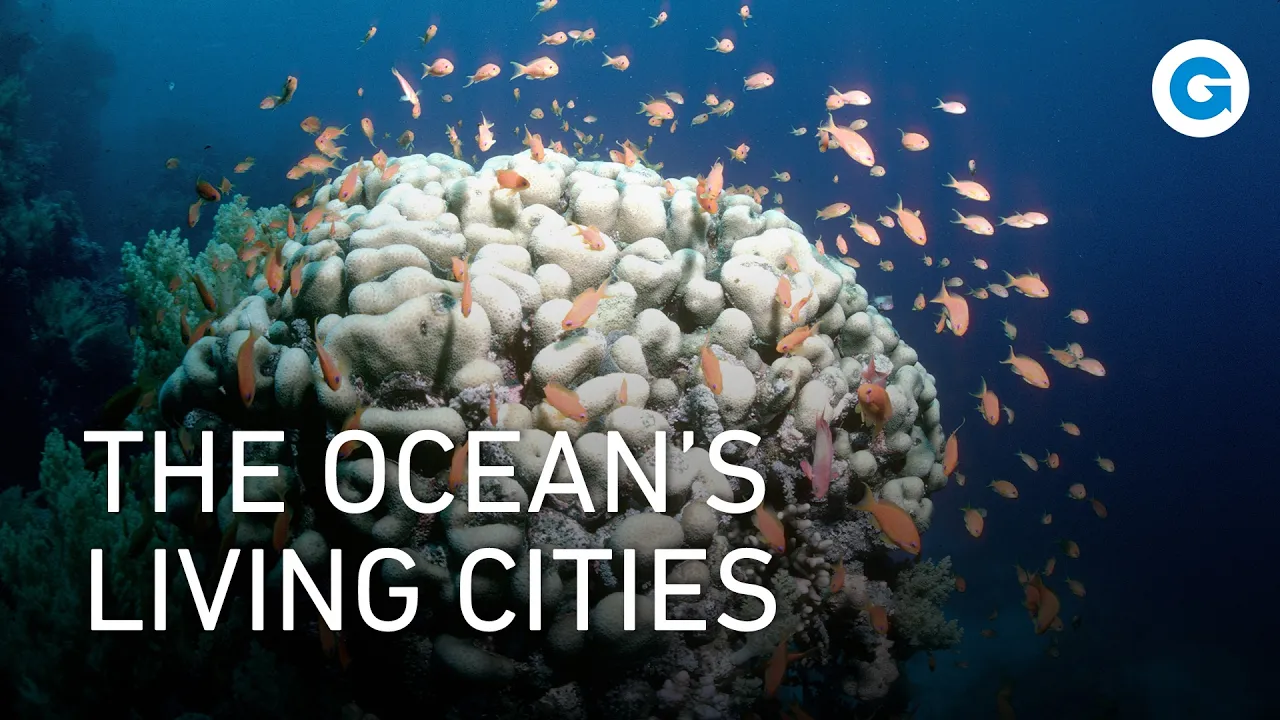


Dr. David Vaughan developed a revolutionary coral restoration technique called microfragmentation, which involves cutting corals into extremely small pieces that trigger rapid healing and growth responses, enabling corals to grow 25-40 times faster than normal; this breakthrough allows scientists to produce thousands of corals quickly and restore degraded reef ecosystems, potentially reversing the 25-40% global coral loss caused by ocean warming and acidification.
Microfragmenting: A Breakthrough in Coral Reef Restoration
Added:Basic coral biology, including the symbiotic relationship between coral polyps and photosynthetic zooxanthellae.
The ecological and economic significance of coral reef ecosystems, such as marine biodiversity support and coastal protection.
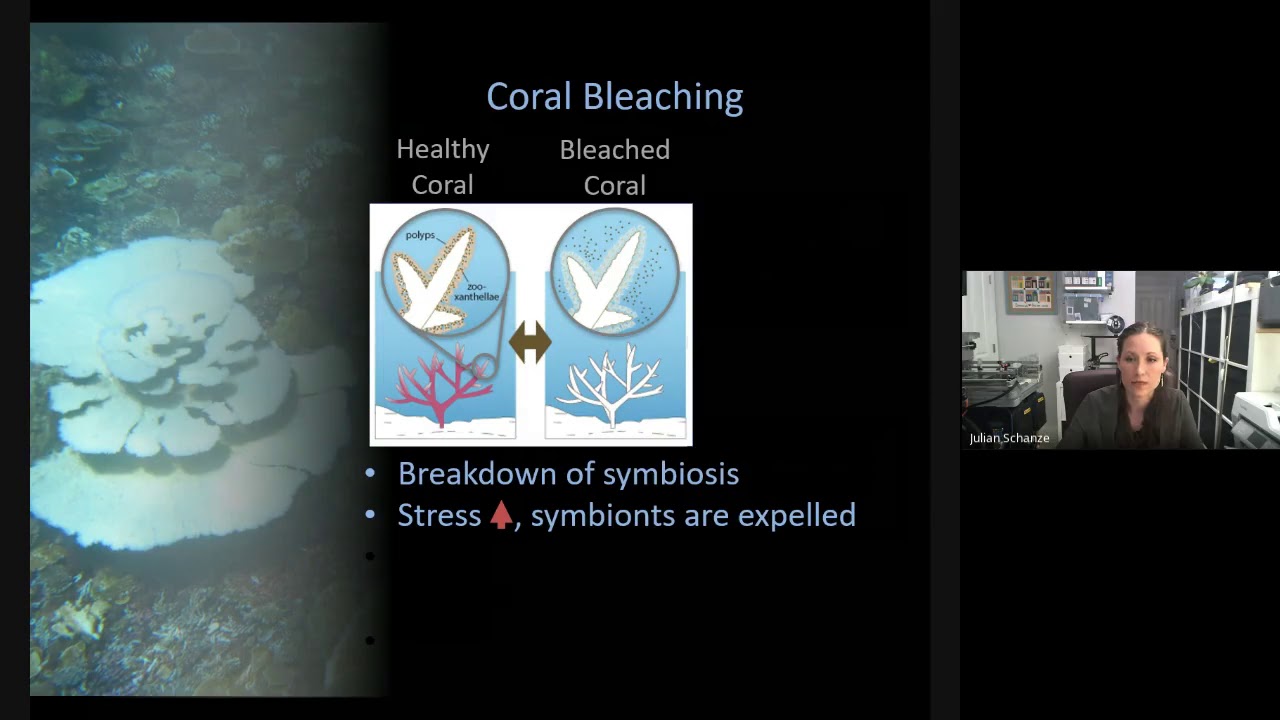
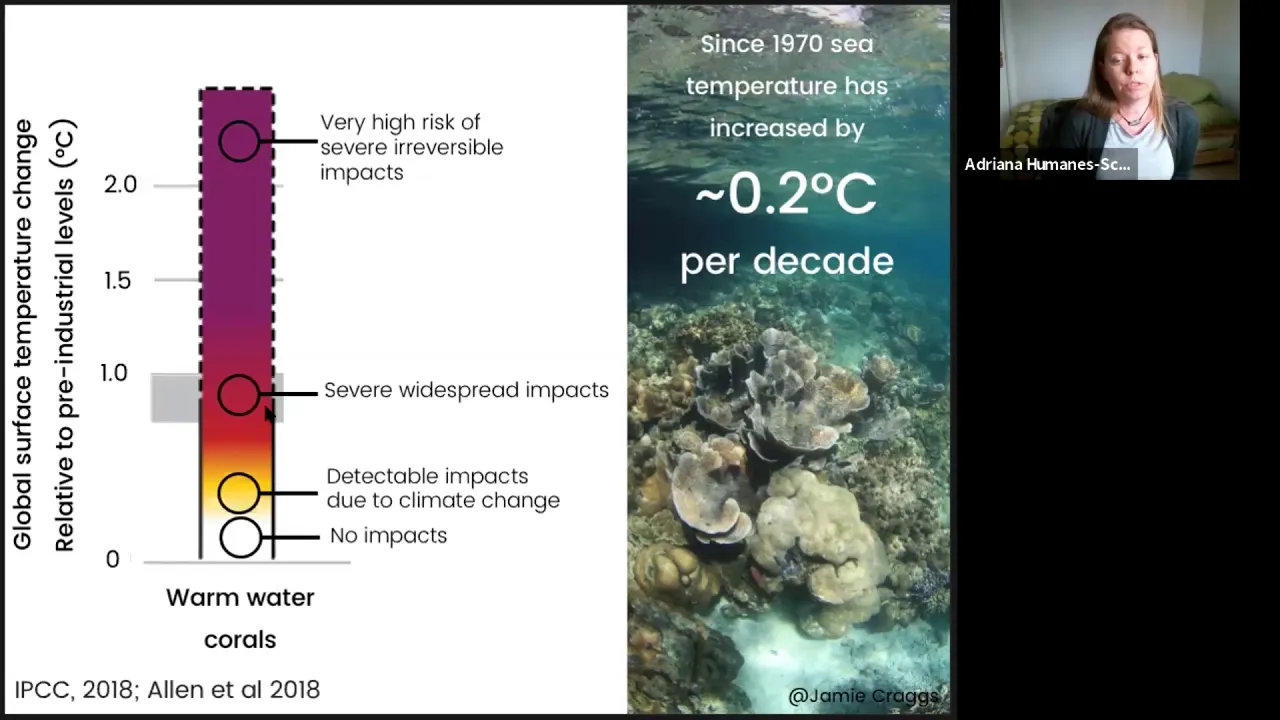
The primary anthropogenic threats to coral reefs, specifically ocean warming, ocean acidification, and the process of coral bleaching.
The natural growth rates of reef-building (scleractinian) corals and their default modes of asexual reproduction.
Methods and challenges of coral 'outplanting'—the process of transplanting laboratory-grown corals back onto degraded wild reefs.
The role of genetic diversity in restoration, including selective breeding for heat-tolerant and disease-resistant coral genotypes (assisted evolution).
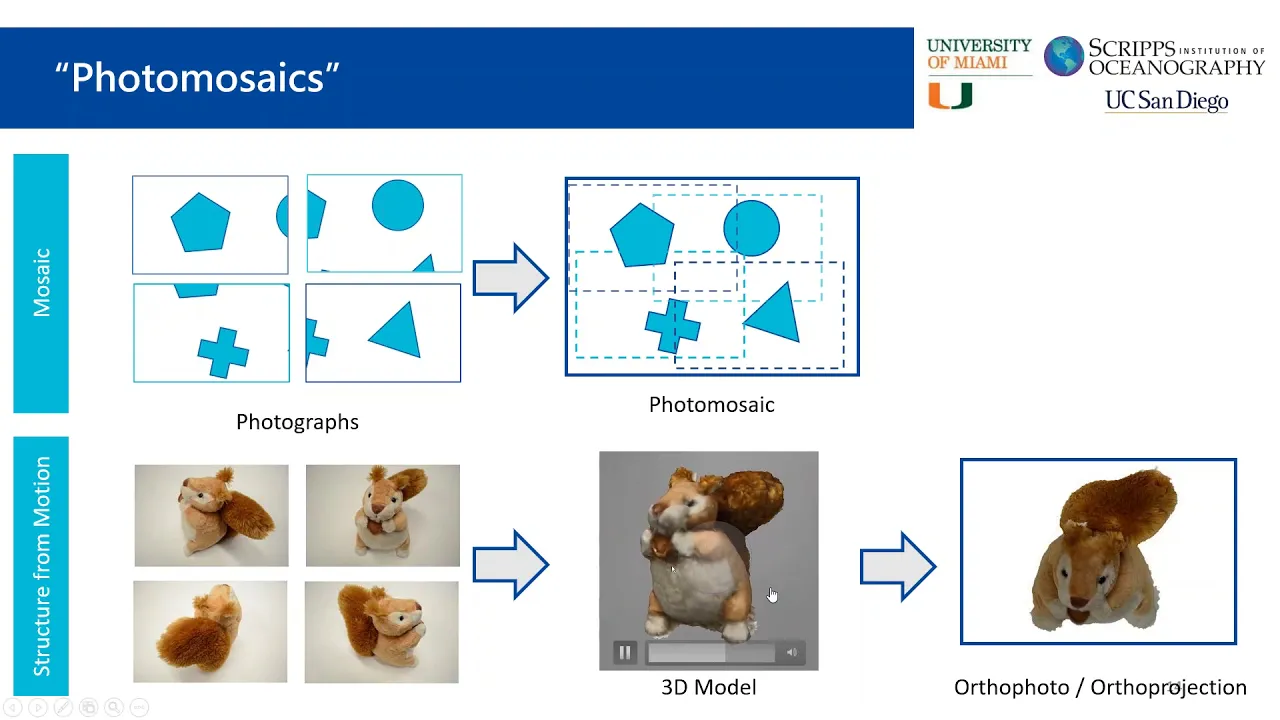
Large-scale monitoring technologies used to assess restoration success, such as 3D photogrammetry and acoustic monitoring.
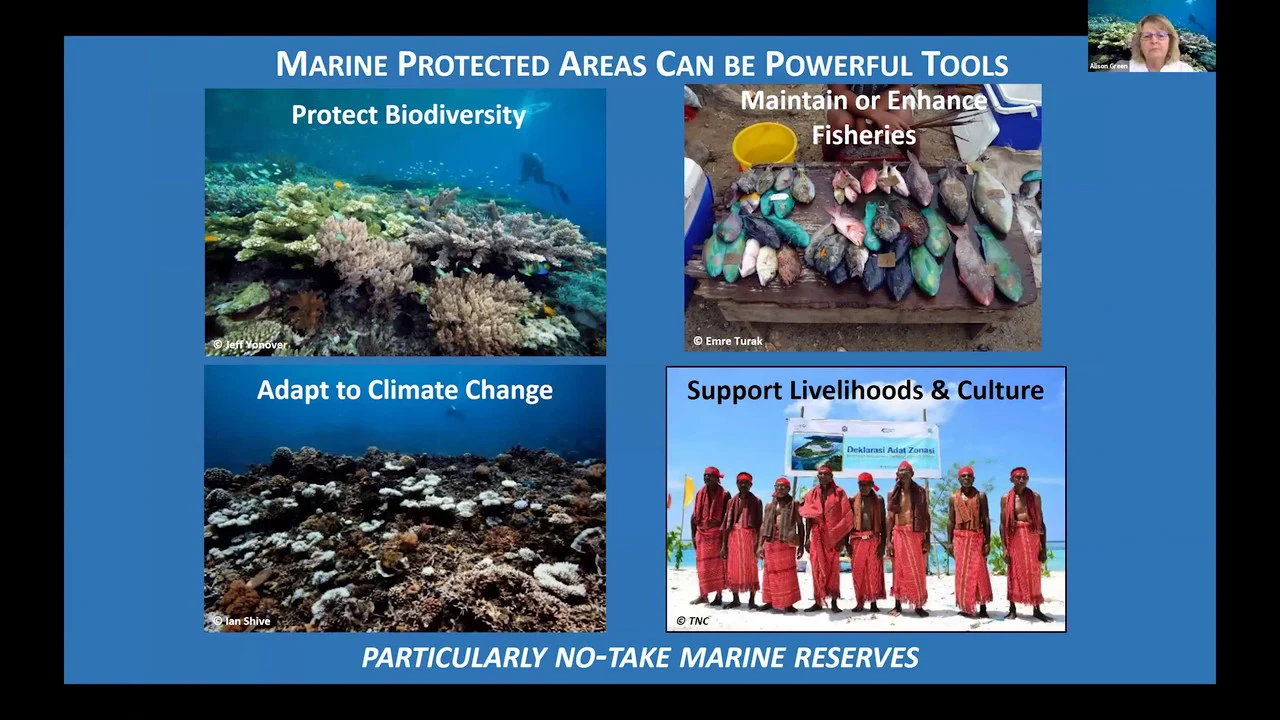
The integration of microfragmenting with socio-economic frameworks, marine protected areas (MPAs), and community-based conservation efforts.
91.6K views2.5Klikes8:01Original Release: 2016-02-22
To say that you're growing a century-old coral back to life sounds like it's science fiction.
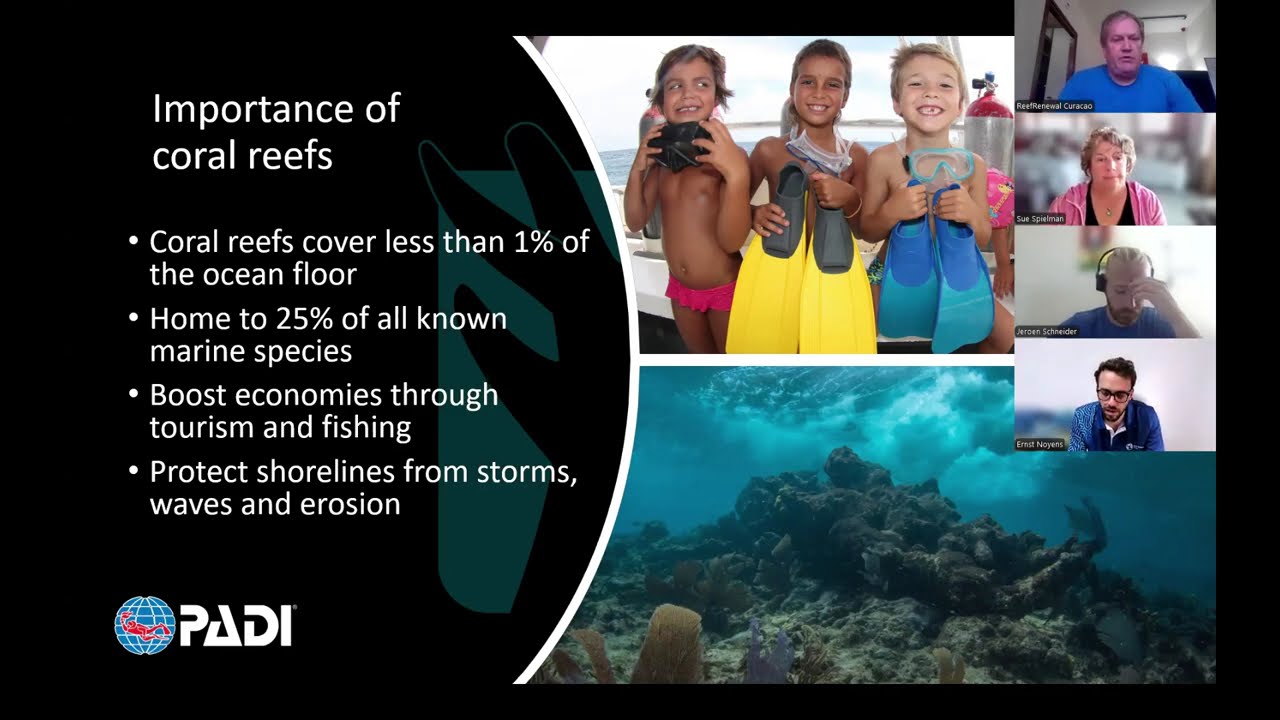
Most people don't realize the importance of the Florida Reef Tract to South Florida, to the tune that it's a multi-billion dollar value.
Coral reefs are less than one percent of the bottom of the ocean yet they account for a good portion of all of our fisheries.
It's the habitat, it's the underwater forrest and jungle.
If we lose the jungle, we lose all the organisms in it.
Regretfully, I've lived during a time where I looked at the two main corals that were out there on the reef, staghorn and elkhorn, and watched them go from 98 percent coverage of the reef to less than 2 percent.
But now we know that we can have an alternative.
There is good news.
People don't have to say it's all going downhill.
We can make it go back.
Ten years ago, I was really looking at just two more years in order to retire.
Once we saw that there is this new technology for restoration, I had to stay working and see this through.
I really feel like a gardener in a greenhouse that is producing hundreds of trees by way of tissue culture.
We're producing thousands of corals by microfragmentation.
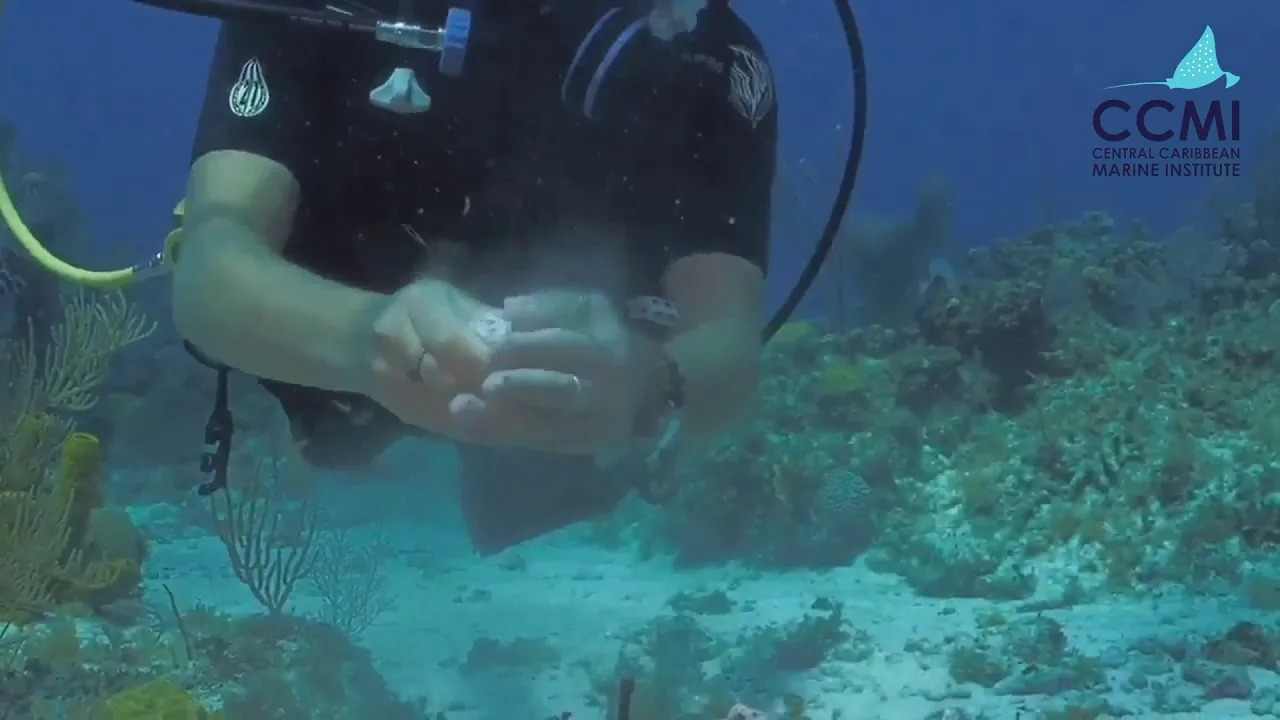
The technique is basically cutting them into as small a piece as possible.
Something happens to this coral when it's broken that stimulates rapid healing and good growth.
So each of these corals were started by starting it at a piece of about this size, and as you can see in this tank it doesn't take long before in just a few months, they're already growing and multiplying 25 to 40 times the speed that has been recorded for coral growth in the past.
Most of these are now filled out, and are ready for outplanting back onto the reef.
Most people doing coral restoration have all worked with the fast-growing branching corals, but everybody forgot the slow-growing massive corals, the reef-building corals.
Some of these are living centuries.
This one grows about a millimeter on each side, about the size of a head of a pin every year.
If this were alive and you came back next year, you might not even notice that it had grown.
Ten years ago, we almost needed a coral self-help group by scientists because things were going so dismal.
We were disappointed on how slow early growth from an egg or a larvae really is.
This disc with the pink and purple color has a couple of brown spots in the center.
Each of those is an actual baby coral that is almost a half a year old.
To see that it took three years to get to the size that we thought would be something worthwhile doing something with, that's what got me disappointed, that I literally took it off the higher level of the aquarium and put it on the bottom of the aquarium thinking that this was no longer a process worth pursuing.
And when I went to move that one, it broke.
And I thought for sure that really was going to stress and hurt that coral.
The few little polyps left behind in a pile of broken calcium carbonate skeleton.
I think my statement was: These things are toast.
They're not going to make it.
Two weeks later, I went to check on it, and the piece that had the dime-sized hole in it had completely grown back to the size that it was previously.
And that sized dime took two years to produce from a larvae.
That was incredible, so much so that even though the tank that it came from was only a few steps away, I literally ran back to the other tank where the three little polyps were left behind.
They had also grown back, multiplied to about a dozen or more polyps, and were also back to the size of a nickel or a dime.
So then became the science from the astonishment and the accident is to then cut those again, simulate that one more time, and so we basically were on the road to just say: How small can we go?
And the answer to that is we can cut it into just one polyp.
These really all are brothers and sisters.
They'll actually start growing into each other, and fusing back as one piece.
This is that same style that was started by four similar pieces that just nine months later grew together and fused into a coral that normally would have been a 15 to 25-year-old coral.
We've lost 25 to 40 percent of the world's corals in just our lifetime.
If we keep up this way and don't do anything about it, we may lose the other half of it just within the next 100 years.
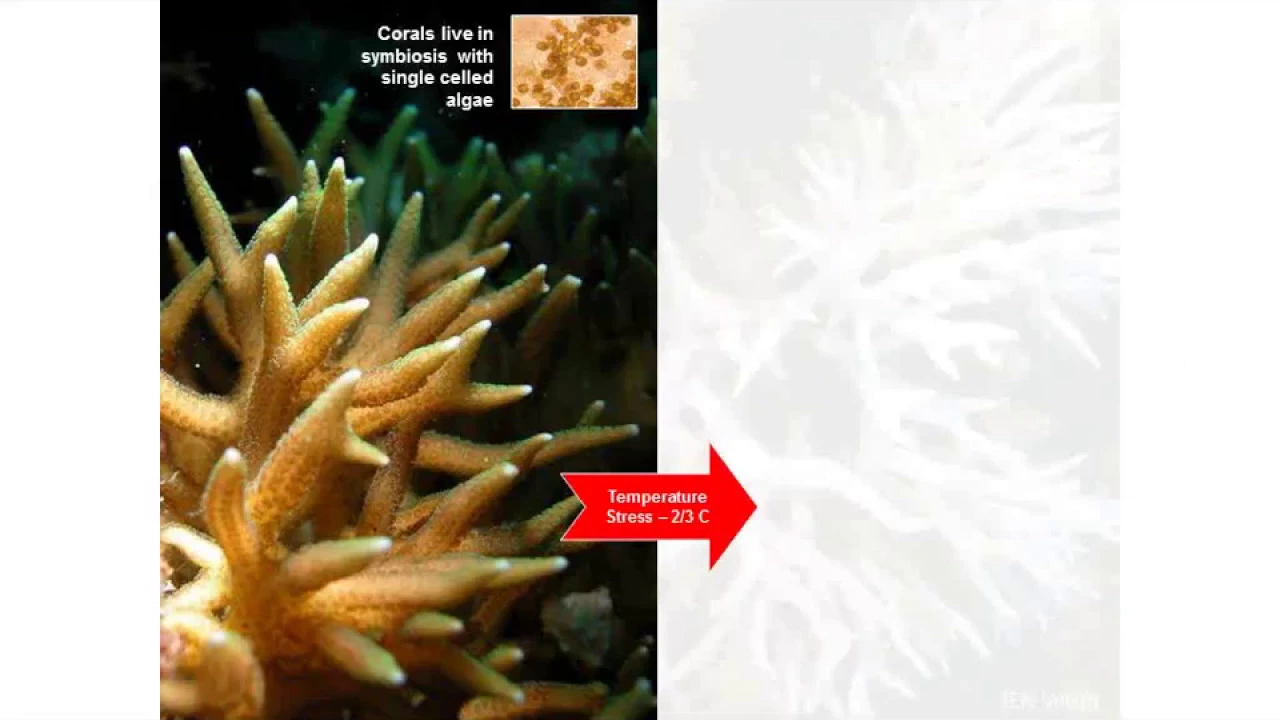
The major stressor is this elevated temperatures of our ocean seawaters, and the ever-increasing amount of C02 into the water to make it more acidic.
Those two big factors are really the factors that will make or break our coral reefs in the future.
This system actually simulates different temperatures and different pH levels of the water from what we are forecast that may be in place in 50 years from now, and then also in 100 years from now.
We'll see from the corals of the two species that are in here how they tolerate the future oceans.
We've already noticed that of the different genetic strains of each species, there are many strains that are much more resistant and tolerant of higher temperatures and therefore diseases.
So the work over the next few years will be to watch all the conditions to see which strains are the best for surviving in the future.
These 10,000 corals, if they survive for two more years will be ready to break into small pieces again and each one produce maybe another 100 corals ready to plant.
Before long, we're talking hundreds of thousands, and before long we're actually using the word potentially planting a million corals in our lifetime.
We are now producing corals faster than we can get permission to put them back out.
Somebody said now: For 10 million dollars, could you take the elkhorn corals off the endangered species list?
I'd say yes.
It can be done, and it can be done in the next few years.
How incredible?
There's no reason as a worldwide we can't replace these corals, and get our oceans back the way they used to be.
Up Next

6:05
Super Coral Evolution: Can Assisted Breeding Save Reefs from Global Warming?
@APArchive
217 views•2021-12-14
50:12
Bacterial Communication: Quorum Sensing and Biofilm Formation Explained
@JHUAAP
12.6K views•2011-06-28

5:35
Enteric Nervous System Explained: The Gut's Brain | Neurobiology Lecture
@alumniu6029
438 views•2018-09-12
7:08
Bacteriophages: Earth's Deadliest Killers and Future Antibiotics
@kurzgesagt
34.6M views•2018-05-13
Related Study Plans & Knowledge Roadmaps
Structured learning paths in Biology
biology
RNAi: Biogenesis, RISC & Gene Silencing
01Molecular Biology Foundations: DNA to Protein
02Introduction to RNA Interference (RNAi)
03Molecular Biogenesis of miRNA and siRNA
+ 2 more learning modules
10h5 modules
Explore Roadmap
biology
Mycorrhizae: Signaling, Biophysics & Ecology
01Foundations of Mycorrhizal Symbiosis
02Molecular Signaling and Root Colonization
03Biophysics and Bioenergetics of Nutrient Exchange
+ 1 more learning modules
11h4 modules
Explore Roadmap
biology
Circadian Clocks: TTFL, SCN & Periphery
01Foundations of Molecular Biology & Gene Expression
02Introduction to Chronobiology and Actograms
03The Core TTFL: Molecular Architecture of the Clock
+ 3 more learning modules
14h6 modules
Explore Roadmap
biology
Population Genetics: Math, Drift & Selection
01Genetic & Probability Foundations
02The Hardy-Weinberg Principle and Baseline Models
03Mathematical Modeling of Natural Selection
+ 3 more learning modules
18h6 modules
Explore Roadmap