






![Protection, Restoration, Resilience - How the EU can turn the tide for our seas [Ocean Week]](https://i.ytimg.com/vi/V2u8dTgleLc/hqdefault.jpg)





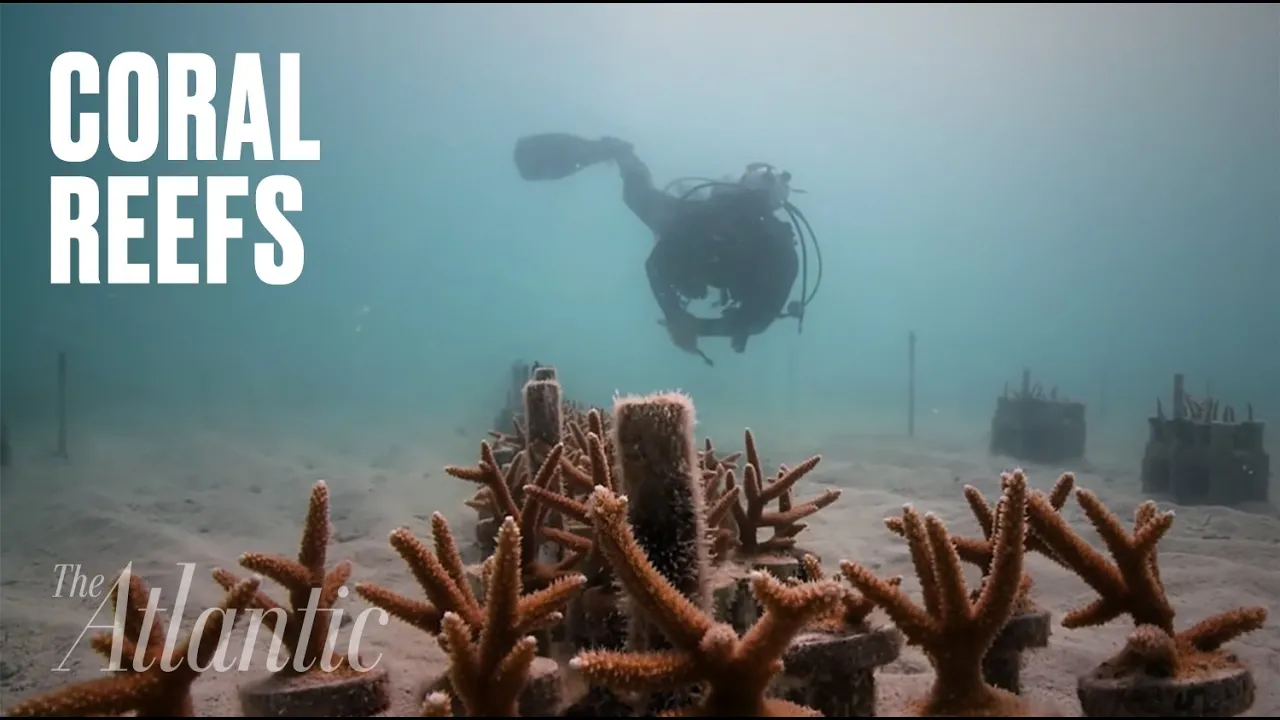


Larval propagation is a coral reef restoration technique that involves collecting gametes from broadcast-spawning corals, fertilizing them in controlled conditions, rearing the resulting larvae until they settle on artificial substrates, and then outplanting these juvenile corals back to degraded reefs; this method has evolved from being considered infeasible 20 years ago to becoming one of the most scalable restoration tools, thanks to technological innovations like in-situ cribs, improved understanding of species-specific requirements, and international collaborations that have increased success rates and reduced costs.
Coral Larval Propagation Field-Based Applications | Kelly Latijnhouwers | DCNA Workshop
Added:Basic coral biology and life cycles, specifically the differences between sexual reproduction (broadcast spawning) and asexual reproduction (fragmentation).
The ecological role of coral reefs and the major environmental threats (such as climate change, ocean acidification, and disease) driving the need for restoration.
The biological process of coral larval settlement, including the environmental cues (e.g., crustose coralline algae) necessary for successful recruitment.
General concepts of active marine habitat restoration versus passive conservation strategies like Marine Protected Areas (MPAs).
Genetic management and diversity preservation strategies in coral propagation to ensure long-term resilience against climate change.
Techniques for long-term monitoring and assessing the ecological success, survival rates, and reproductive viability of outplanted corals.
Advanced restoration technologies, including cryopreservation of coral gametes, micro-fragmentation, and selective breeding for thermal tolerance.
Socio-economic integration and community-based co-management of reef restoration projects to ensure long-term funding and local stewardship.
114 views4likes38:45Original Release: 2024-06-27
well good morning everyone uh first of all my apologies for being late I had some troubles with the flights this morning coming from Kira so my name is Kelly linow uh I work for Sor International and I'm based at the kabi research station in K sou um I was supposed to tell you guys what Sor does earlier this morning so I'll quickly give a recap on that because I missed that presentation so Secor is a is an organization that focuses on doing Coral restoration using laral propagation we basically have four big pillars that are the the we use to um support our restoration work first one being uh research very fundamental research and also very applied research for instance figuring out when corl spawn but also um coming up coming up with new technologies uh to increase the skill of doing our propagation work um another pillar is definitely U Outreach in education and more specifically training events and uh teaching other people how to do this type of um how to do this type of restoration work and then there's um technology and Technology development uh which basically links back to the applied restoration part um having that said I'm going to tell you about lar propagation and doing that in the field uh Jamie thank you so much for your presentation I'm definitely always a little bit jealous when you say that you can make calls SP whenever you want now it's up to me to make you guys feel excited again about doing this in the middle of the night with very very long hours in the field but there actually is a certain charm to it so I hope I can convince you that that's true I'm going to try to do that by yes by first taking you through the steps on how to do laral propagation in the uh some of you may have already seen this for some of you this may be new so I'll try to go through it fairly fast uh then I'll take you a little bit through the history of doing this type of work in the field because it was wasn't always as easy as it's going to sound like today and then I'm going to talk about new tools and Technologies being developed uh to increase the skill and success of this type of restoration work and mostly the technologies that are being developed by using inter island collaborations such as the ones between for instance G and boner um the coral life cycle I am fairly sure Jamie already took you through this a little bit so just very quick recap um basically I'm going to only talk about um broadcast spawning corals here because we can also do this type of work with wers but it's a lot harder to do in situ so I'm going to focus only on broadcast spawners here that's the hermaphrodites and the gor species basically they release their gamt into the water column where fertilization occurs these embryos will turn into swimming larvey they will settle back to the reef where they grow into larger colonies and eventually they start spawning with the natural population um when this entire process goes well uh this entire ire process could create a lot of new genetic diversity because every new year with a new spawning event a lot of new individuals are created but of course like with many other things on Coral Reef this is not going very well anymore so basically for all the steps of larel propagation um uh the life cycle of corals we need to give them a little helping so I have a very simplified version of the coral life cycle here because there's four main steps that we uh give girls a little helping hand to achieve laral based restur the first one being gam collection for hermaphroditic Coral species so when males and females are when when colony is male and female at the same time it's fairly easy because these corals make little sperm and egg packages that are very they're made out of lipids so they flow to the surface really easily so we can actually place these specially made Coral spawning Nets over every single spawning coral and the gambies will float up and eventually they will come through this funnel into a little tube that's inserted here I lost it at the airport this morning but normally there's a tube here and then that tube is uh where you collect your spawn then you have a lot of divers underwater with a lot of these nets so you can collect from as many peals as possible um that looks a little bit like this uh very straightforward for gor species so when males and females are separate it's a little bit harder but it's actually a lot of fun uh so the female Co corals release individual eggs into the water column and the male Co corals release sperm clouds into the water column um so how do we mix that like we can't really Place Nets on it uh because these eggs even though they're boyant are not closely as buoyant as the sper and egg packages and the cloud just dissolves into the water colum so we actually use syringes uh to collect from these corals which definitely requires a trained eye but it's a lot of fun to do you kind of feel like you're in Ghostbusters you have to hang in front of these corals and wait for them to release and you have to collect from really close to the colony because otherwise it gets too diluted into the water column and you can't use your collection in um but in the end for both uh for both types of corals you have your collection vessels whether it's tubes or syringes and you have to bring those together to goog go to the next step which is larel rearing larel rearing consists of basically two steps which is fertilization and embryogenesis which are both like the most sensitive steps of of coral spawning work um the idea is that you bring your spawn collection into a a lab setting or a bench on the beach or a boat or a pier it doesn't matter as long as you can bring all of your collected spawn into a vessel where you let feralization of your we definitely always advise to never ever put all of your eggs in one basket so we always have multiple containers where we let fertilization occur just in case on something happens to one of your containers you still have the rest to work with um after fertilization occurs um and typically by for most of the cariban species we work with nowadays we actually can reach Almost 100% fertilization so that's that process we've kind of narrowed down pretty okay then these embryos start going through embryogenesis and development and this is definitely the phase where you do not want to touch your culture um it's very important that like the moment these embryos start going through the eggs start going through cell divisions it's they are becoming super sensitive and this process can take uh 12 hours up to like four days depending on the species uh so it's a very species St approach of knowing how long you should leave your culture alone before you can get swimming larvey which brings us to the the second the the third step of Lal propagation work um which is the settlement phase now in nature when everything would be going well uh swimm in Coral larv move down from the water column to the reef and they find their place to settle and actually Coral larv can do pretty cool things they are not as as they look like tiny little dots but they they can actually do a lot so they can for instance uh s the vibrations of the reef so they can hear Reef sounds so that they know that they actually should swim towards the reef and then once they're on the reef of course for instance the appropriates need to settle really shallow whereas a variety of other species needs to settle deeper and they can actually sense lights and pressure so they know exactly with which depth they should be at and then they need to make a very very um more detailed choice about where to settle on that Reef because corals are attracted to cros coral and algae ccas and they are actively repelled by um Turf algae macro algae and other harmful organisms and they can actually smell where to go to settle on that Reef but of course with reefs degrading as they are at the moment it's becoming harder and harder for these corals to find a suitable settlements surface on the reef so we are giving them a little Helping Hand by providing settlement substrates um these are basically just uh in this case the ceramic substrates that we allow the lar to settle on and after they settle and form a skeleton we outl them back to the reef um of course when you provide a larby with something like this they're not going to settle on it uh it needs to actually smell like the things they like um so what we do is we like two months prior to a spawning event we place these in the ocean uh so that communities occupy these units and hopefully after two months they look like this definitely on top of this is also a lot of harmful harmful algae but we scrub those off it's a lot of fun you can ask Theo B um and then we provide them to set settling Coral larv uh and this works really well the larv then explore these settlement substrates and eventually settle turn into primary pops after which they need to be outplanted to reefs one of the major developments that we've went we've been through in the last decade is the development of coral rearing Inu basins or cribs and I think most of you have seen pictures of these but just a recap about this device is that we are now able to do coral larvel rearing works so basically the three steps I just talked about completely Inu in sichu without the need of landbased facilities so your gamut collection still works with these gam collectors but then after that the fertilization step occurs in in your baskets containers and then after that you bring the embryos into the crib where they develop into lar and they can settle on the seaing units or the settlement substrates that are already in there uh so basically you can take your hands off of the culture the moment embryogenesis has a CED and then from this crib you can H go to the next step which is outplanting the corals to The Reef uh the nice thing about all of these seating units is that they have been developed to not need any manual attachment supplies so you don't need to epoxy them you don't need to nail them you can just wedge them in the reef crevice which allows for very rapid outplanting with not too many people and then there's of course the most important step which is um these corals need to grow into large Coral col that eventually should spawn together with the wild population again um this is of course something that's more or less out of our hands we can do coral restoration but the stressors of re degradations are still out there um so this is actually the other than the fertilization part the hardest uh but we we have had success this this Coral right here together with its siblings is one of our most iconic goorts this girl was born in 2011 what happened to the title but uh was born in 2011 and it started spawning together with its siblings together with the wild population in 2015 so when it was only four years old cpra balada is a fast growing Caribbean species uh but overall this was a great success and this is kind of the end goal of doing restoration right the goal of restoration is to eventually not have to do a restoration anymore um so it's easy right uh it wasn't always that easy though uh I'm going to take you a little bit through history of cores spawning work and this slide says lar propagation 20 years ago but in all honesty like even when I started in this field which was 11 years ago uh this was still true uh we did make severe progress since but only like 11 years ago um everybody thought that larel propagation was absolutely not a feasible tool to do large scale Reef restoration uh there was still limited knowledge on the reproductive timing of corals the fertilization process as well as the laral rearing process was very hard and beli to be very Hands-On and uh Hands-On process that bued many many times and therefore large scale settlement and and larel rearing uh was just not not considered feasible at all and of course survival success of peals that made it to the of remain look um strange things happened with the titles I'm sorry for that guys um but um uh one of the main reasons for this was that for the longest time all the um efforts of doing coresponding work were focused on the critically endangered species such as orella fava and the CR propala H those were the critically endangered species so those were the species that people could get funding to to work on but it turns out now that we work with many more species um these were actually the hardest ones to rear we call them our princess species they require a lot more Hands-On work they require a lot more effort and they're actually really hard by now we've managed to um we know the reproductive timing and can like successfully rear and outplants over 15 Caribbean Coral species and it turns out that for instance all the brain coral species are a lot easier to work with than uh the two prin species that people used to focus on so when you start a Lara propagation project it might be easier to actually start with a Rin corals to get to know how to do this type of work before you move forward with a more with a harder species um a lot of progress has also been made in doing fertilization work it used to be that people couldn't fertilize their gamuts or it would work one time and would not work the other time it turns out every species likes different things and every species uh does different things same for L culture this would be an absolute disaster if you would walk into your lab the morning after fertilization and unfortunately this used to happen a lot uh but by now we're a lot better at it um because we figured out that also laral rearing is very different for every single species um for instance knowing that some species take 4 days to to develop whereas other species only take 12 days to De to develop was a major step forward another major step forward was actually starting to use these fat separators it's a k kitchen item a lot of spawning work is very related to kitchen items um but uh one of the things people realized not too long ago is that when you want to keep your culture happy you've got to get rid of the SPM after fertilization has appeared they didn't do that before that's why you got these kinds of cultures the morning after the sperm that has not been used actually starts decaying after a few hours so if you don't get rid of it um it will make everything die so these G separators work really great to get rid of the sperm like through the spout H and then you get completely clear water um there should have been a slide in between here uh that actually says that we have figured out this for many cariban B species so my colleague Dr Valerie Chamberland actually made Coral breeding reference sheets where all of these details can be found there they can be found on the coral restoration Coral restoration Consortium websites um so that nobody has to reinvent the wheel and we now share this information with everyone who would ever want to do R spawning work um same goes for settlement cues um again not it's a not one recipe for all the species some species like CCA other species prefer more open space on seating units so you got to have a tailored approach to get successful settlement on your seating unit units or settlement substrates um the other thing that has greatly improved is the actual um development of these settlement substrates as much as it's really nice to use small plugs or small um what whatever people can use for settlement substrates the fact that we can now outplant these by just wedging them and not needing any attachment devices greatly reduce the time and cost of outplanting um so it like um definitely increases skill which we can do a lot of propagation and then again talked about this already but uh the development of the crib uh allowed us to do this type of work without the need for landbased facilities uh which is a great step forward so by now all of the bottlenecks that I highlighted earlier are almost gone and basically two main ones remain of course there is post outplanting survival success uh that is still low because again the stressor on the reef are still there it's not that we cannot do anything and I will talk about that later a little bit um but one of the main um model necks that used to still be there in the last decade we're also actively working on working yes um and actually that went hand in hand with something fairly beautiful that happened uh about a decade ago which is there was a big shift in how people thought about this type of work uh it used to be every scientist and every restoration practitioner doing things for themselves and people actually started seeing the beauty and collaborations so up until 10 like around 10 years ago we started hosting training events uh for mostly the Caribbean bu and also some other locations in the world where these methods are now shared with with everyone um and having these types of training events now allowed a lot of people all over the Caribbean to do this type of work of course having more people do this work uh immediately um results in doing this work at at a larger scale because simply more people are doing it but it also allowed us to actually Test new technologies by having more and more people test different things test different things at the same time so it really greatly accelerated the speed at which we can develop new could develop new technologies to do this type of work um basically we've been um developing Technologies for all four steps of Lal rearings so the gam collection larel rearing larel settlement and long-term survival and for all four of those steps we been trying to increase the skill increase the transferability so like how easily applicable it is for others without the need for fancy systems as even though fancy systems are very cool um improve your success and decrease the costs um I'm going to start talking about uh the step of gamit collection which I'm actually going to highlight the partnership between Kira and boner but before I can do that I'm going to highlight a partnership that like that is actually on Pisa between C International and re C re C is like the they started doing asexual fragmentation work uh the first on the island and they are by now the biggest uh group that's doing this but they started around 2014 2015 they were trained by Francesca from Rino boner and what they did is of course they fragmented different um genotypes of appro servic warnings from all over the island which allowed us for the very first time to actually collect from this species from one side and it was the first time we were able to rear this species in hura allowing us to learn about uh uh basically everything there is to learn about this species the recruits that were made that year are still growing on the reef right now so this was a great success and that made us realize hey working together with asexual pregnation organizations uh actually has a lot of benefits uh because uh they bring all the genotypes together so that we don't have to go find corals all over the island um and that brought us to a collaboration with re boner in 2018 Franchesca visited us for a training event in curell the year after we started a a partnership which has been very fruitful um you're going to see it this this week but Francesca's out plans or like the the Outland of reef renewal boner are insane um they're very successful and it definitely allowed us to learn a lot about this Coral species um other than the fact that they were learning how to do coral Lal propagation work we were were able to um collect more from the species which we did so for instance one of the things we were testing using um the outplants of of in boner with testing all these different individual gam collectors but in a good spawning event here in boner it looks like this um so we were thinking is there really a point of placing all these individual spawning uh dents can we not make one massive tent that fits over the entire outline section so we tested that um this is basically a massive party dance but it is a it is a spawn collector it has like the the actual funneling system on top which you cannot see in this picture um it worked but it wasn't great uh it's definitely still a work in Pro in process in progress uh it would have some more applications such as for instance in Florida right now people are making Pearl spawning hubs so the last few pearls that are left on the re are brought to one spot to allow them to actually find each other when spawning occur so something like this could also be applied in those types of situations but the building of this massive spawning net for a big outplanted ticket also inspired us to think of the coral collection tree or the Coral Tree collector uh which basically is a really big spawning T that fits around uh a nursery tree uh we've been testing this in the last few years in Miami and it does work really well the only downside is that you need to let your fragments grow like quite a lot larger than you usually would before you outplant them um but it does work uh nevertheless I actually had I'm bringing this up not so much because it could work as a nursery tree collector but I'm actually bringing it up because last week someone said hey that's a great idea because with all these excessive heat waves that we are currently facing and bleaching events uh these things could actually be used as shades for the nursery trees instead of having to move them up and down in in heat waves but that's definitely something we had not considered yet definitely not something uh we have thought about before but definitely something that's worth exploring in the future um Second Step of leval rearing and second step we are developing tools for is um the laral rearing work um again I've already talked about the cribs enough uh but they have drastically increased the scale at which we can do lar propagation work uh and the next picture was going to be um a picture of uh our partners in the Dominican Republic our for from fundar they recently shared a photo with us of six of these Crips out on their reef and they can now actually rear up to 6,000 lar and produce up to 6,000 up to 6,000 settlement units at the same time that can be outplanted to the reef like is a like an incredible uh effort for that that they are doing with just 10 people so it's you know it's we're getting somewhere um step three is the larel settlement phase um and I I want to briefly talk about direct seating or direct laral seaing to reefs uh which is basically uh eliminating the step of settling larvi to the settlement substrates and up planting them to reefs and instead having your lar settled directly to reefs benefits of this could be that you no longer need to produce settlement substrates which would decrease cost uh it also um eliminates the outband time so again it decreases time and costs and the actual outplanting step of um it's it's a lot of handling and it actually has um it can have impact bad impact on your Survivor ship because you're moving Le to the reef and um we do see that handling the seing units has a negative impact on survivorship of your corals so basically they have been doing this using these mesh enclosures in the Philippines already Peter Harrison has been testing this method they've been very successful so we test started testing this in C a few years ago and even though this method did result in recruitment to The Reef the amount of larv needed to create one recruit was up to two quars of magnitude higher than using the traditional outplanting method and especially with laral Supply going down every year uh we did not think that was a feasible tool to use in curea we did however also tested here in boner last year because boner definitely has reefs where there's a lot less algae growing they have like cemented um proper C Cornus Rubble that is overgown by CCA so we did another trial here results are still pending because we need to wait until these recruits are big enough to to have an idea if it actually worked uh but we did however find something new here in Bonair which is uh SE using these seing enclosures to se to seed Coral L directly to settlement substrates uh we basically just used one of these Square enclosures and replaced all of the replac 900 settlement substrates under it and we put swimming lar into those enclosures and it worked really well I think all of those deplore 11 performance are thriving on the reef right now I hope um and you would think why I do this instead of using a crib and as much as I really love the prep because it does work really well um with the heat waves we're experiencing every year it's becoming harder and harder to re the rear larv in the surface layer of the water that gets extra hot in the crib is floating at the surface so as much as I hate to admit it we might have to start looking for ways forward to do um other types of Laro rearing at scale still without or with limited need for landbased facilities uh so this could be a step forward and we are now working on the next design of these enclosures to make this more of an available tool and then the last step which is outplanting and then long-term survival of corals um as I said right now we are outling by simply wedging these in a reef substrate it works well we can do up to 1,000 units with four people in one dive uh but that can still be faster because imagine the people in the Dominican Republic having to do 6,000 it's still going to take them quite some time and some people um so we're doing um scattering trials right now our team in Mexico is doing this where they are uh deploying seaing units from thewat column and even just from a boat um results again are pending but they are actually getting some pretty good retention of the seaing units on the reef so if that would be possible we can definitely start outplanting at at much larger scales which would be another great step forward um and then there is a very last step which is the one that is always the hardest and the the one that people are the most U have the most criticism on which is long-term survival um of course there is not a whole lot we can do at the moment these corals are on a reef um other than for instance co-culturing with razors and you outplant your Coral settlers together with grazers on Reef uh which we we'll hear more about tomorrow basically if we don't do that we leave our settlers on the reef and they're they're on their own but there are things we can do prior to outplanting to increase their Fitness uh to give them a little give them a little boost uh to give them a better chance of fighting what what's facing out facing them out there um one of the there's a lot of things you sorry rewind there's a lot of research going into this I'm not going to go into all of it I'm just going to highlight the one because we'll hear more about it tomorrow which is heterotrophic feeding and you would think of course feeding foral settlers is a easy way to give them give them a boost but up until very recently we actually didn't know that most Caribbean species can already eat as soon as four days after settlement so what you see here is aiai settler that's 4 old imely devouring Arian LPI um and an intern that worked with us JMA uh actually figured out that most of the Caribbean species that we really often work with in this type of work can already eat as soon as four to six days after settlements so that made us think we can actually start feeding BS right after settlement and feed them for a short time before we outplant them to reefs um now aremia and N are even though they are fairly easy to culture you still need landbased facilities and also aremia don't really belong in the Caribbean Sea uh so we started thinking about why not trying to feed our settlers inside a crib using natural Plankton all of you that ever did a night dive knows that the moment you turn on your night your light at night you attract a lot of Plankton um so why not use this to actually feed our settlers so we tried that inside a crib um we attracted a lot of weird Little Critters these are definitely all too big for Coral settlers to eat but the smaller ones I couldn't take pictures of uh but we uh we fed settlers using um basically just a dive light that was hanging in the crib and there's a lot of information that you don't need basically we fed them with aremia and with Plankton and after only seven days of feeding the sizes of the FED settlers were two times two times two two times larger than the unfed settlers and after three months three months post outplanting survivorship was higher for both of the FED treatments and three months is not super long term so we will definitely score this again in October to get a to get Survivor chip after a year but it's looking really promising so right now which is ongoing this week is we are actually feeding our Coral settlers inside a crib using a solar light and those settlers are nicely eating every day and this is a really easy way to uh feed your settlers for like one week two weeks prior to out planting because we don't even have to go turn on the lights the sun does that for us uh our field assistants are scoring this experiment today so I I hope to have some results about this very soon um all in all I definitely think that by now lar propagation is definitely a feasible Tool uh for restoration if not one of the most feasible tools to do large scale restoration especially with all the new technologies being developed and all the collaborations that are ongoing I think uh we can definitely start making a difference in this field of course we could have never done this without all of our partners definitely special thanks for ref boner for all the work we did here together and thank you to dcna for inviting me and be happy to answer any questions yeah as you saying in the beginning if you if you got inspired I was already a fan so I speak for myself I think that both exit2 and in2 are very important tools and way to learn more are there any questions um for the people here then we move on later to the zoom participants yeah uh thank you um how do you get the pl in the CRI like I I see how you're attracted with light have a good picture of the crib right now but it has Windows on the sides and it has a hatch on the bottom that opens so it's basically half open so the the windows are out and the hatch is open so by having the light in there all the planks you can just swim in oh don't you have predatory then um yes uh but so far we we went to check on it every day there's a few small fish inside the crib but um the survivorship is very steady so it's not like the Predators are praying on the settlers that we know of yeah that was actually also my question like what's difference if you have the net and you open it and you feed it and you have predators in it with the natural situation what are you improving U again our natural situation what are like the stresses of postmart mortality baby person um yeah so basically by you know using the light you you really attract the Plankton that's already normally dispersed on Reef you concentrated in one area to have your settlers feed uh we definitely don't know like we we are also thinking of applying this potentially to larger scale nurseries maybe even Institute nurseries for for asexual fragmentation programs but we don't know if having the light out there all the time could actually mess with for instance the spawning cycle of coral so this is something we're testing right now for settlers and we need to explore further how how this impacts uh further steps of the of the process but you do have a clue what causes post outplant mortality is it predation or is it or is it post outting mortality is is a it's a whole array of different stressors it's um one of the biggest ones is competition with algae because of ocation over fishing pollution you know the whole uh the whole um picture and by feeding settlers you make the bigger and the bigger they are the better they are competing with these LGA um predation is an issue and I feel like it's more of an issue for instance in the Pacific where there's still a lot a lot of little fish that are eating on Coral settlers we have not had severe issues with predation but there are forance little crabs that eat the corals and there's always going to be things out there that are going to be eating the settlers but it's not a big issue we're running into right now and what extent do you look at surface Curr already because you're aiming to do direct l c and that's also a problem that we face with rer that there's no se data so because we attach the the measurement to toov it's already at half a and that's not where the thing happens in this yeah um I mean Sur currence you mean just like um yeah basically currents shift right so it's it's been an issue that we run into when we developed these cribs uh the first um prototypes were square and having a square thing floating at the surface was a big issue because there's water pushing against it and it was always breaking so what we did was we made the the cribs for instance in a a boat shape with two boughs so that whatever way the current comes from it it just Swings with the with the current no what I mean for the settlage so if you if you I think you want to know what's the best place to put the crib to then release the settlers we already have an idea using a to do that or you're not no definitely not so the the way we do it right now is when when their settlers in the crib we take them out manually and we outplant them to the re manually uh when we do the direct seating uh we still take them out manually concentrate them into a bag or in a container and we bring them to a an enclosure on the reef okay yeah thanks we have lot more questions but is there any other questions the direct out bearing or whatever that like underwater on The netting so it has also Al as well yeah definitely so these enclosures are only set up like the day that the lar are actually ready to settle uh which again depends on the species uh so that the moment you add thear the net is still completely clean and then it can stay in place for 3 to 5 days before it basically becomes too dirty and the only thing you can do then is just remove it also the AL that's growing because you're excluding the the heror or no um there are still some fish in there because you can never you place this underwat so there are still definitely some herbivores and little crabs under there unfortunately sometimes will fish as well um but yeah it's it's a three to four day process and that it it doesn't completely seal to the ocean floor so things can still get in and out but we we don't scrub we in in the trials that we did we didn't scrub the ocean floor beforehand because we want this to be a feasible tool and if we're going to have to scrub um The Reef before we do laral rearing like before we do out planting it's going to be a little complicated no one else um we have L questions PE we have a question from Al onow uh which is as follow uh what environmental factors are important to take into consideration for higher seters survival once outed on the um yeah that's of course that's the key question right um the only thing so we cannot change the environments we as restoration practitioners uh ourselves we don't have a big say about policy making I mean I would say make sure that your coal one of stops and that you don't develop the the shore anymore but we don't have a say in that so we have to deal with what what there's already what's already there so we do pick our outplant sites based on that so um you don't want to go outplant in a re that is completely overgrown by macro where there's no Coral left because there's no Coral left there for a reason so we pick our Outland sites based on like seeing if there's still some recruitment around and seeing if there's actually available substrate to still outl in we're also not going to out your seting units in sand because they're going to roll around so there's definitely we still need some 3D structure and some CCA and some recuits to be able to say okay this this site actually could work for restoration thank you another question from Yun can you also give the settlers small heat stress to adjust them to heat waves um I do not know the answer to that question uh we have uh tested uh so on gurusa we actually had an interesting um phenomenon where we had a warm water ploe in front of our desalination plant and we do know that the corals that came from in front of that um desalination plant and The Offspring from the pearls in front of that desination PL were better like resistant to heat stress uh but exposing them to heat stress just for a few days and then outting them I don't know if it works we've never tested it I think it's more of a genetic thing where if the parent are resistant The Offspring will be resist but I don't know all right I'll choose one last one so to switch and you can break um does projecting blank with lights at night not depr cors in the area from um it might I do have to say that light is so bright that I think it's attracting um plank into everything uh however the crib is in the our Crib in this is deployed in a very Sandy area where there's no other corls around but that is definitely one of the things we should St take into consideration when we would move forward with something like this thank you thank you thank you so much
Up Next
13:46
Coral Reef Restoration: Growing Baby Corals to Rebuild Reefs
@TED
136.8K views•2015-12-23
50:12
Bacterial Communication: Quorum Sensing and Biofilm Formation Explained
@JHUAAP
12.6K views•2011-06-28

5:35
Enteric Nervous System Explained: The Gut's Brain | Neurobiology Lecture
@alumniu6029
438 views•2018-09-12
7:08
Bacteriophages: Earth's Deadliest Killers and Future Antibiotics
@kurzgesagt
34.6M views•2018-05-13
Related Study Plans & Knowledge Roadmaps
Structured learning paths in Biology
biology
RNAi: Biogenesis, RISC & Gene Silencing
01Molecular Biology Foundations: DNA to Protein
02Introduction to RNA Interference (RNAi)
03Molecular Biogenesis of miRNA and siRNA
+ 2 more learning modules
10h5 modules
Explore Roadmap
biology
Mycorrhizae: Signaling, Biophysics & Ecology
01Foundations of Mycorrhizal Symbiosis
02Molecular Signaling and Root Colonization
03Biophysics and Bioenergetics of Nutrient Exchange
+ 1 more learning modules
11h4 modules
Explore Roadmap
biology
Circadian Clocks: TTFL, SCN & Periphery
01Foundations of Molecular Biology & Gene Expression
02Introduction to Chronobiology and Actograms
03The Core TTFL: Molecular Architecture of the Clock
+ 3 more learning modules
14h6 modules
Explore Roadmap
biology
Population Genetics: Math, Drift & Selection
01Genetic & Probability Foundations
02The Hardy-Weinberg Principle and Baseline Models
03Mathematical Modeling of Natural Selection
+ 3 more learning modules
18h6 modules
Explore Roadmap