






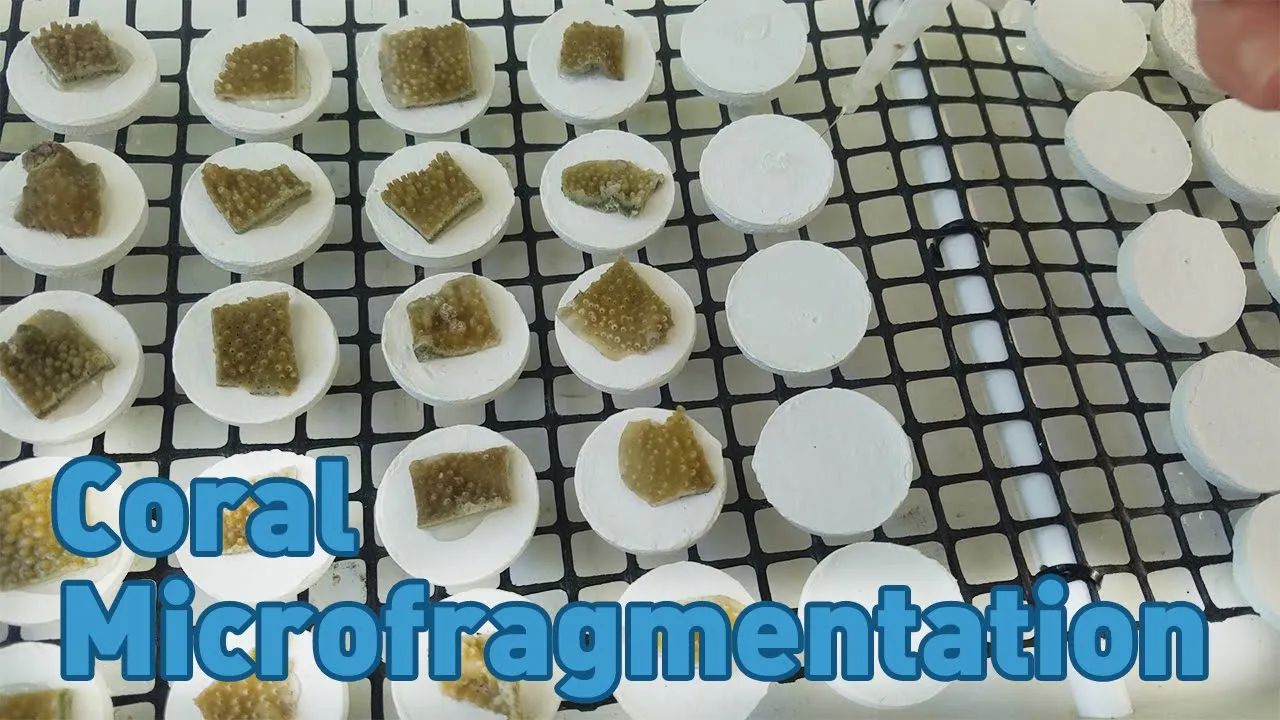




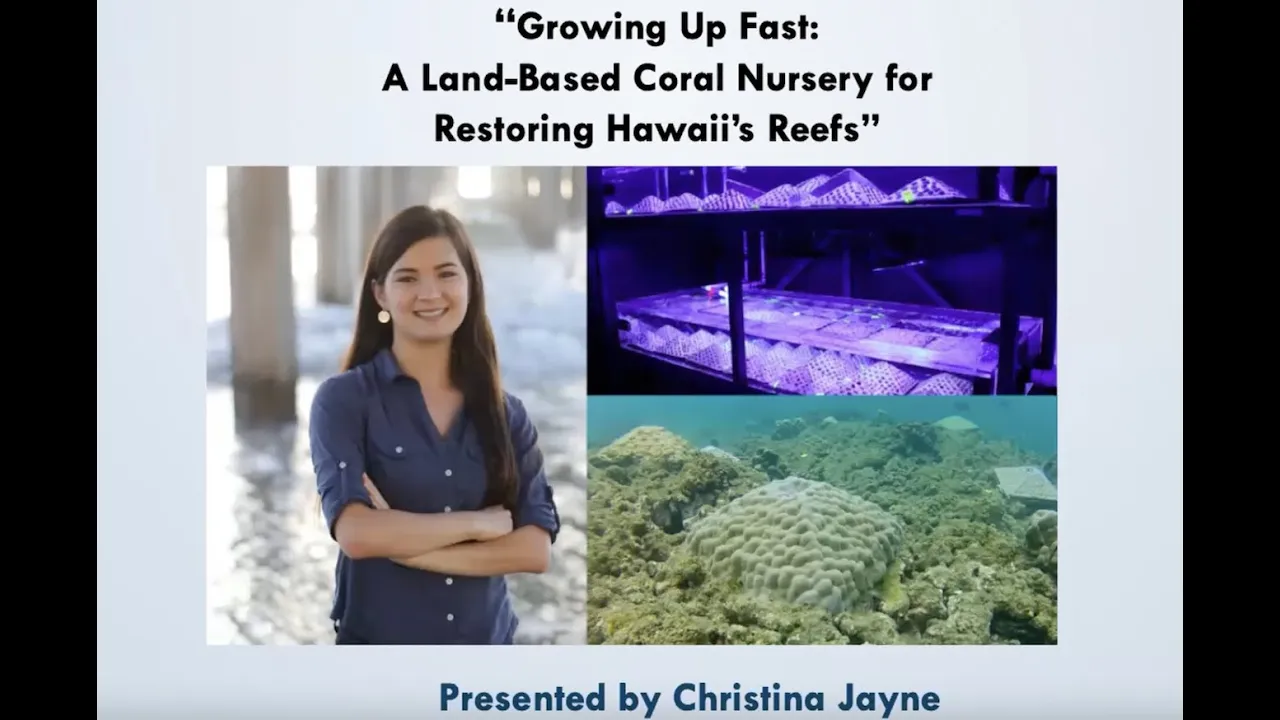
David Vaughan developed a micro-fragmentation technique that cuts corals into tiny pieces, stimulating rapid healing and growth that accelerates coral development by 25-40 times compared to normal rates, offering a promising solution to restore coral reef ecosystems facing devastating declines from ocean warming and acidification.
Coral Reef Restoration: Micro-Fragmenting Technique Explained
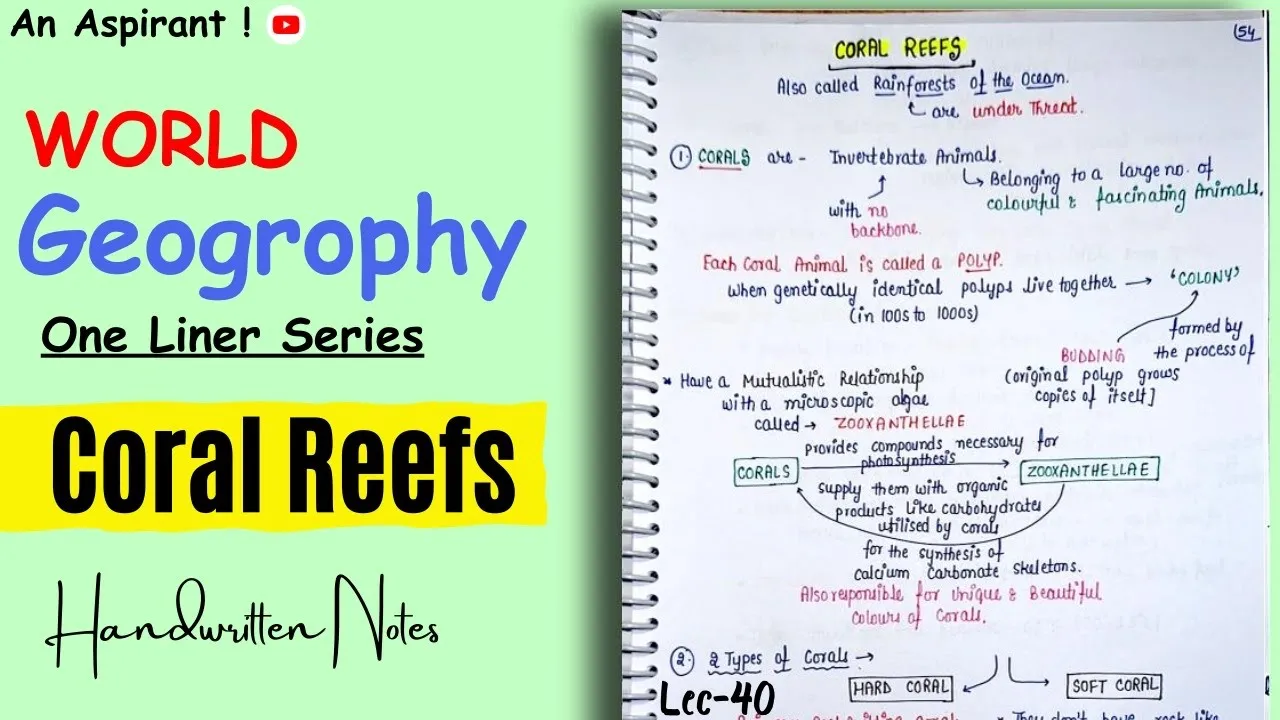
Added:Basic coral biology and anatomy, specifically how coral polyps build calcium carbonate skeletons through symbiosis with photosynthetic zooxanthellae.
The natural growth rates and reproductive mechanisms of colonial stony corals, including both sexual spawning and asexual fragmentation.
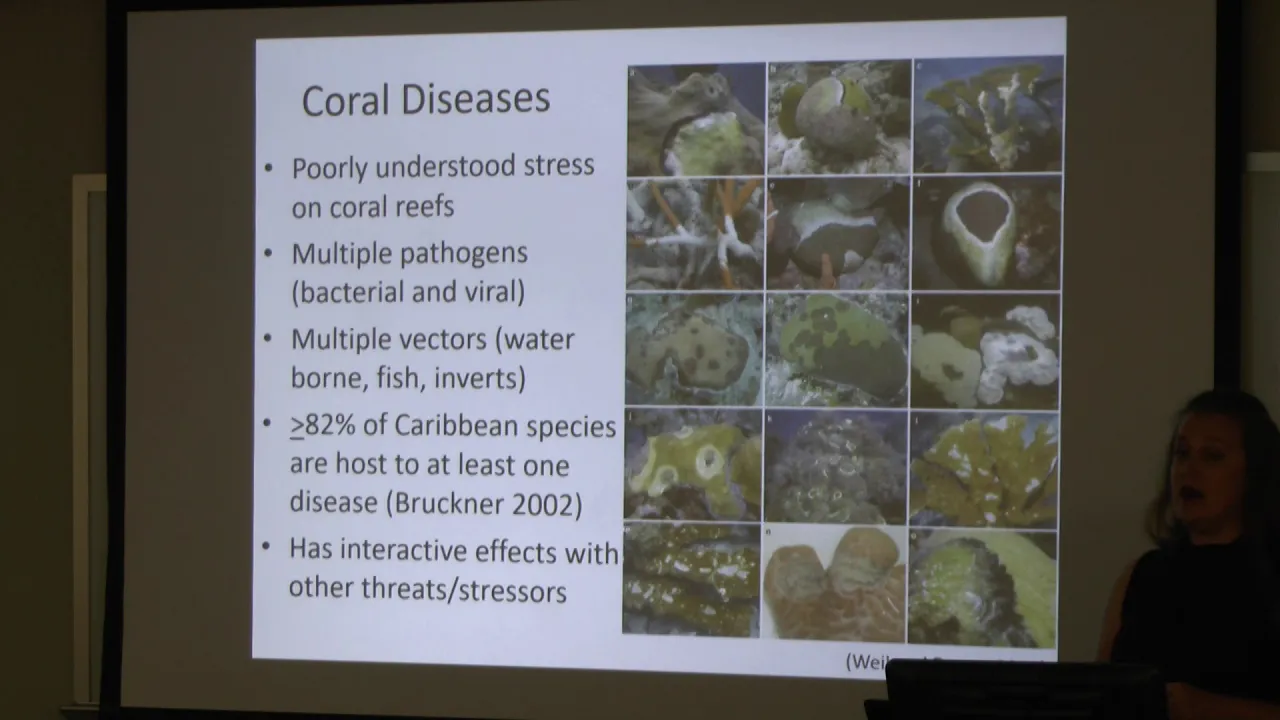
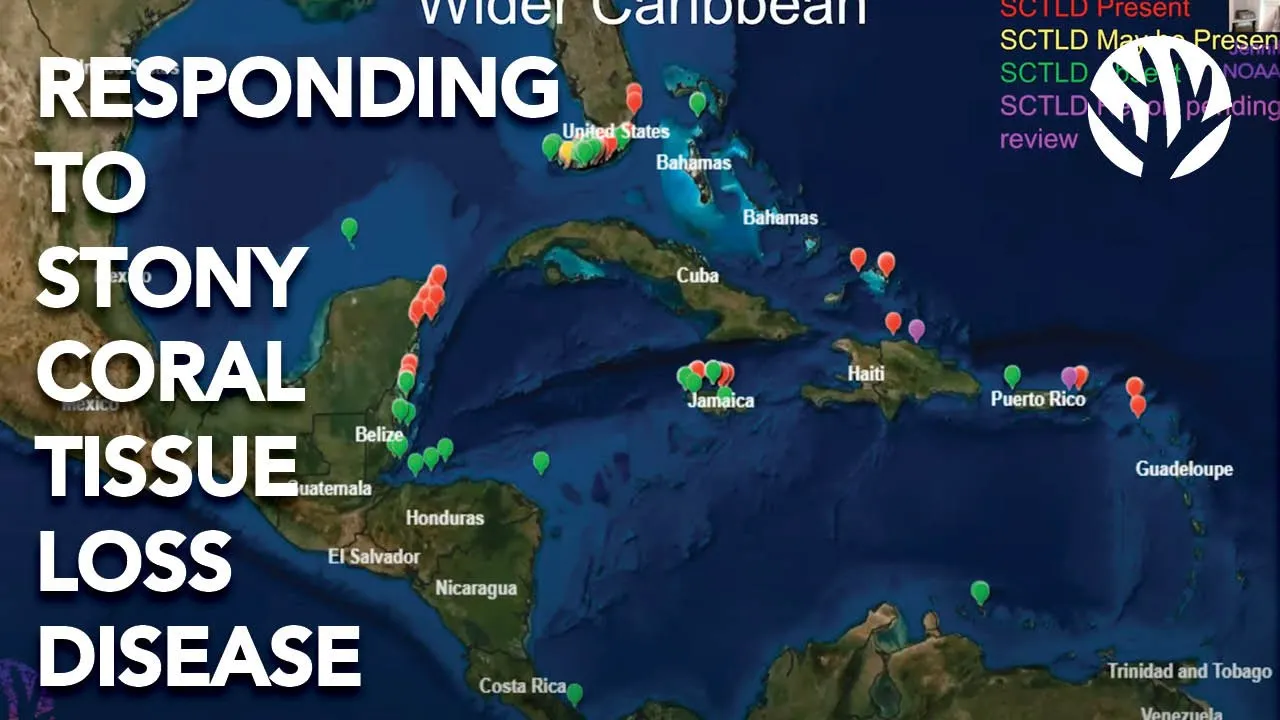
The primary ecological threats facing the Florida Reef Tract, such as marine heatwaves, ocean acidification, and Stony Coral Tissue Loss Disease (SCTLD).
The genetics of reef restoration, specifically how scientists manage genetic diversity to avoid monocultures when cloning corals through micro-fragmentation.
Outplanting methodologies and ecological monitoring protocols used to securely attach micro-fragments back onto degraded natural reefs.
The concept of 'assisted evolution' and selective breeding to cultivate coral strains with higher thermal tolerance against future climate change.
The logistical, economic, and policy challenges of scaling up land-based nursery restoration projects to achieve ecosystem-level ocean recovery.
134.1K views2.8Klikes8:01Original Release: 2016-10-18
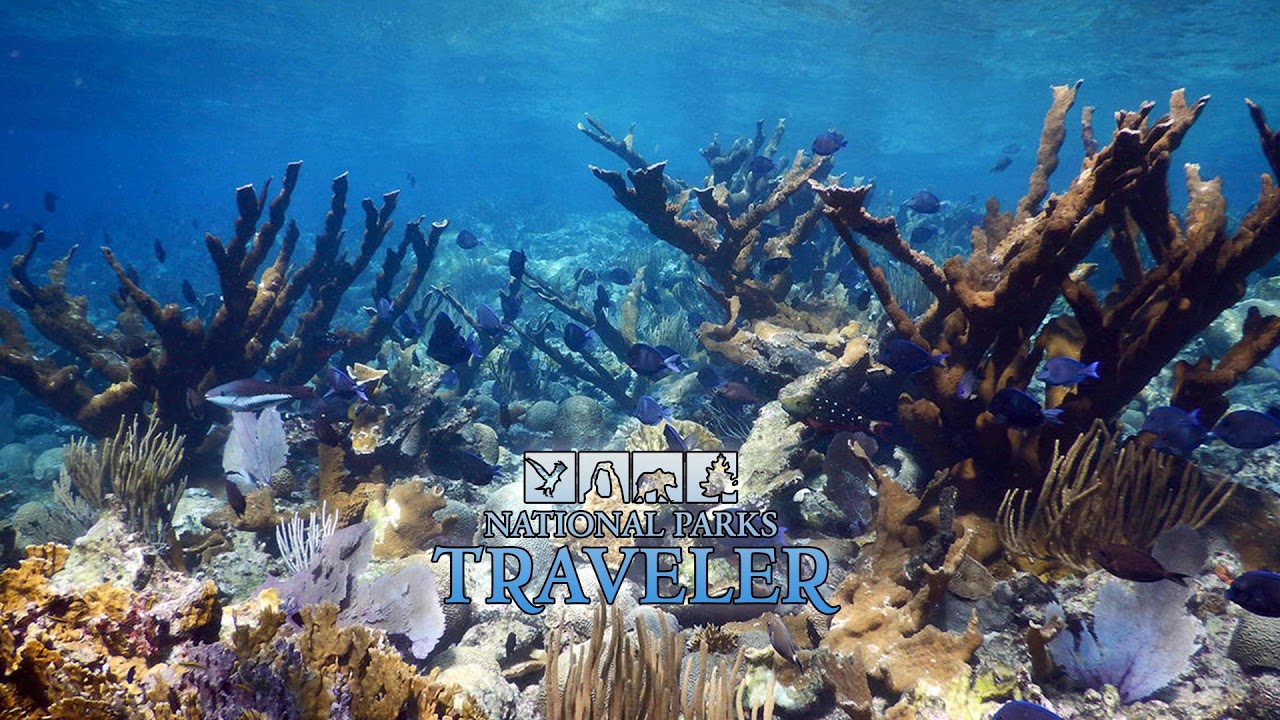
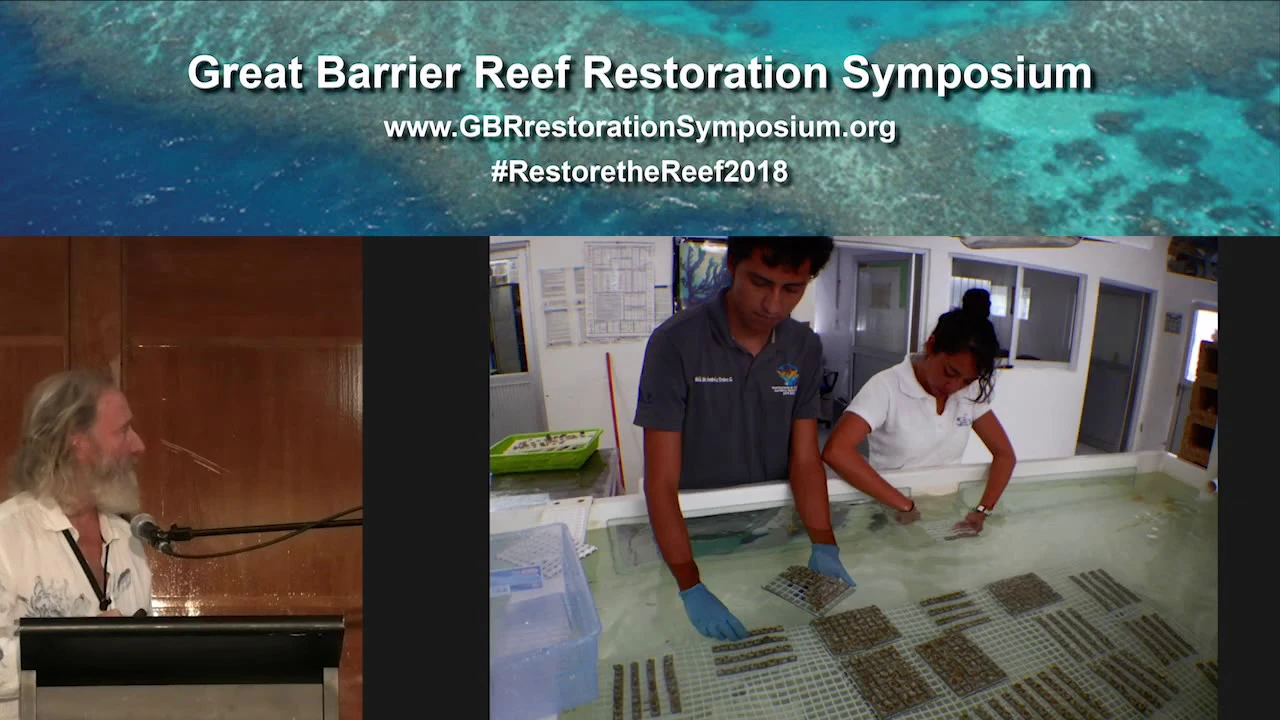
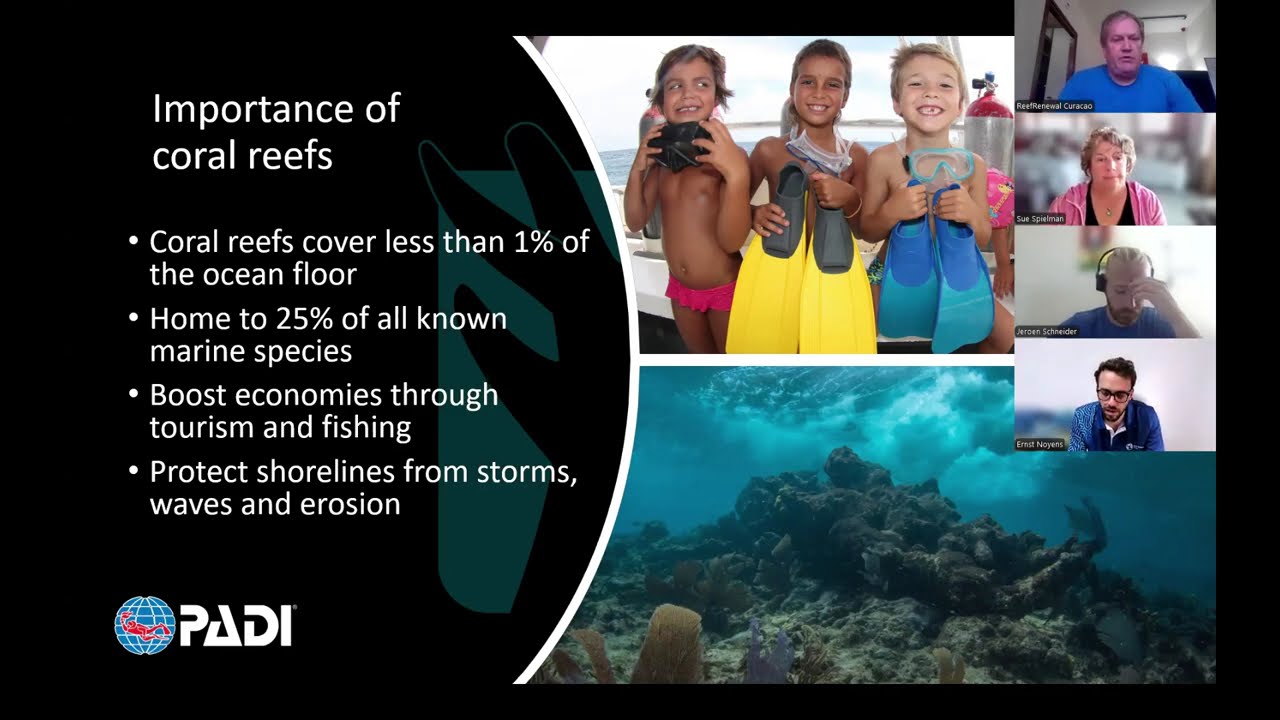
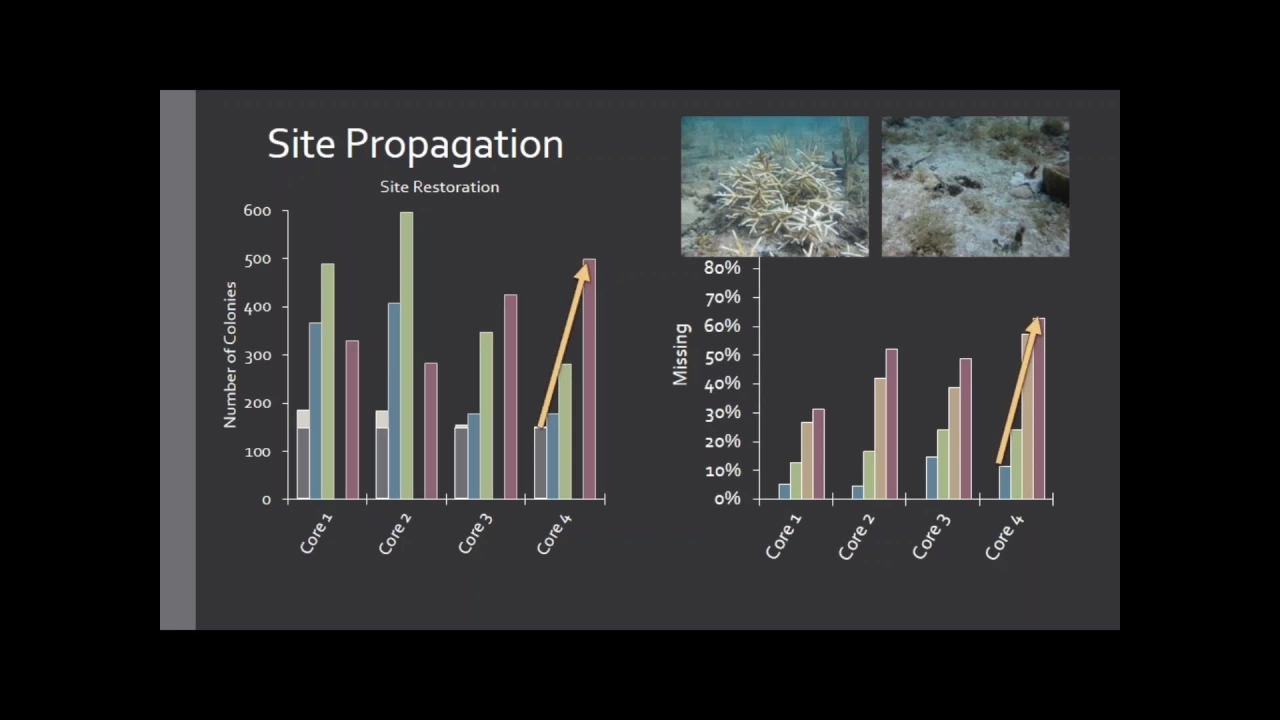
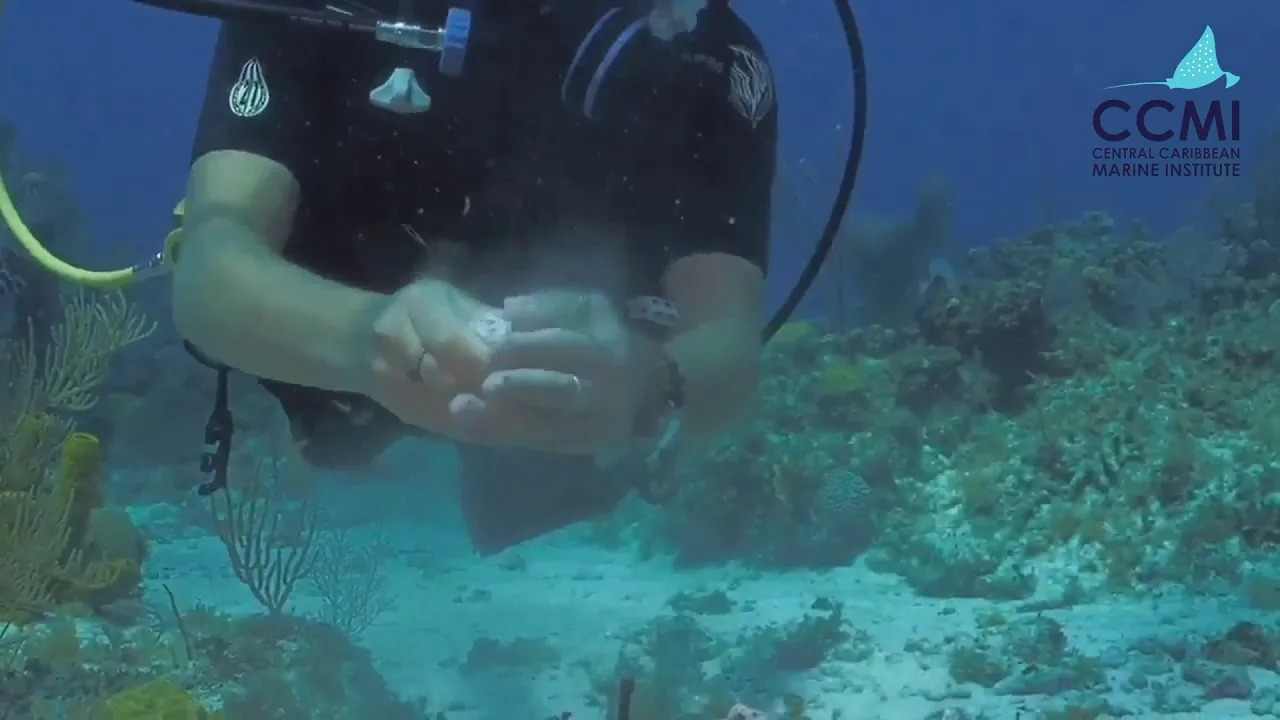
[Music] to say that you're growing a century old Coral back to life sounds like it's science fiction most people don't realize the importance of the Florida Reef track to South Florida to the tune that it's a multi-billion dollar value coral reefs are less than 1% of the bottom of the ocean yet they account for a good portion of all of our Fisheries it's the habit it's the underwater forest and jungle if we lose the jungle we lose all the organisms in it regretfully I've lived during a time where I looked at the two main corals that were out there on the reef as stagghorn and elorn and watched them go from 98% coverage of the reef to less than [Music] 2% but now we know that we can have an alternative there is good news people don't have to say it's all going downhill we can make it go [Music] back 10 years ago I was really looking at just two more years in order to retire once we saw that there is this new technology for restoration I had to stay working and see this through I really feel like a gardener in a greenhouse that is producing hundreds of trees by way of tissue culture we're producing thousands of corals by micr fragmentation the technique is basically cutting them into as small a piece as possible something happens to this Coral when it's broken that stimulates rapid healing and good growth so each of these corals were started by starting it at a piece of about this size and as you can see in this tank it doesn't take long before in just a few months they're already growing and multiplying 25 to 40 times the speed that has been recorded for Coral growth in the past most of these are now filled out and are ready for outplanting back onto the reef most people doing Coral restoration have all worked with the fast growing branching corals but everybody forgot the slow growing massive corals The Reef building corals some of these are living centuries this one grows about a millimeter on each side about the size of a head of a pin every year if this were alive and you came back next year you might not even notice that it had grown 10 years ago we almost needed a coral self-help Group by scientists because things were were going so dismal we were disappointed on how slow early growth from an egg or a larv really is this disc with a pink and purple color has a couple of brown spots in the center each of those is an actual Baby Coral that is almost a half a year old to see that it took 3 years to get to the size that we thought would be something worthwhile doing something with that what got me disappointed that I literally took it off the higher uh level of the aquarium and B it on the bottom of the aquarium thinking that this was no longer a uh a process worth pursuing and when I went to move that one it broke and I thought for sure that really was going toess and hurt that Coral the few little pops left behind in a pile of broken calcium I carbonate skeleton I think my statement was these things are toast they're not going to make it 2 weeks later went to check on it and the piece that had the dime size hole in it had completely grown back to the size that it was previously and that size dime took it 2 years to produce from a larv that was incredible so much so that even though the tank that it came from was only a few steps away I literally ran back to the other tank where the three little pops were left behind they had also grown back and multiplied to about a dozen or more Pops and were also back to the size of a nickel orine so then became the science from the astonishment and the and the accident is to then cut those again simulate that one more time and so we basically were on the road to just say how small can we go and the answer to that is we can cut it into just one poop these really are all our brothers and sisters they'll actually start growing into each other and fusing back as one piece this is that same style that was started by four similar pieces that just N9 months later grew together and fused into a coral that normally would have been a 15 to 25-year-old Coral we've lost 25 to 40% of the world's Corals in just our lifetime if we keep up this way and don't do anything about it we may lose the other half of it just within the next 100 years the major stressor is this elevated temperatures of our Ocean Sea Waters and the ever increasing amount of CO2 into the water to make it more acidic those two big factors are really the factors that will make or break our coral reefs in the future this system actually simulates different temperatures and different pH levels of the water from what we are forecast that may be in place in 50 years from now and then also in a 100 years from now we'll see from the corals of the few species that are in here uh how they tolerate the future oceans we've already noticed that of the different genetic strains of each species there are many strains that are much more resistant and tolerant of higher temperatures and therefore diseases so the work over the next few years will be to watch all the conditions to see which strange are the best for surviving in the future these 10,000 corals if they survive for two more years will be ready to break into small p pieces again and each one produce maybe another hundred corals ready to plant before long we're talking hundreds of thousands and before long we're actually using the word potentially planting a million Corals in our lifetime we are now producing corals faster than we can get permission to put them back out somebody said now uh for $10 million could you take the El coin corals off the endangered species list I'd say yes can be done and it can be done in the next few years how incredible there's no reason as a worldwide we can't replace these corals and get our oceans back the way they used to be [Music]
Up Next
3:57
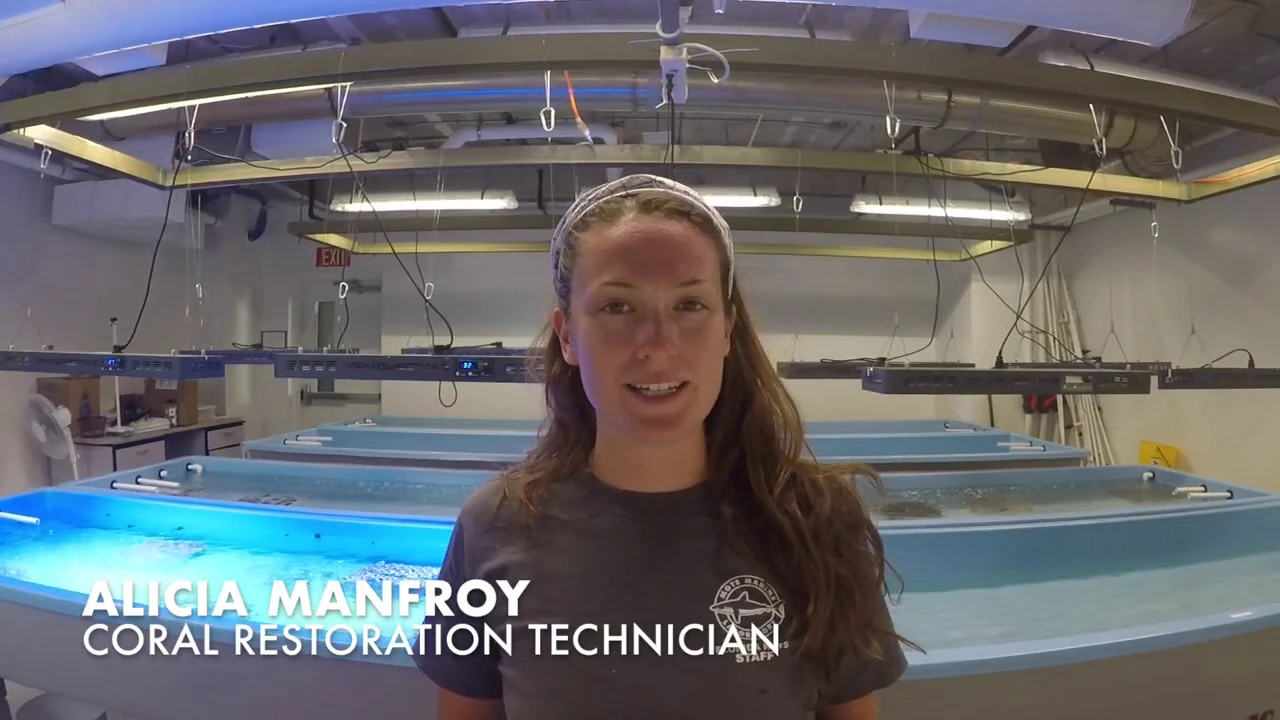
Microfragmentation in Coral Restoration: Mote's Wet Lab Process
@keyseducation5247
1K views•2020-04-23

12:54
Triumph of Orthodoxy Icon: Byzantine Art & History Explained
@BenCallan
2.1K views•2024-08-06

4:47
Understanding Over-Tourism: Causes and Solutions | The Idea File
@TheAtlantic
526.8K views•2019-12-12

1:42
Game of Thrones Opening Credits: A Cinematic Analysis
@gameofthrones
46.3M views•2011-04-18
Related Study Plans & Knowledge Roadmaps
Structured learning paths in General & Interdisciplinary Studies
general-studies
Elevator Engineering: History, Physics & Cities
01From Hoists to Safety Brakes: The Dawn of Vertical Lift
02Hydraulic vs. Traction: The Engineering Physics of Elevators
03Modern Speed, Safety, and Algorithms
+ 2 more learning modules
12h5 modules
Explore Roadmap
general-studies
Rubber: Material Science, History & Geopolitics
01Origins of Natural Rubber & Mesoamerican History
02The Chemistry of Natural Rubber & Vulcanization
03The Geopolitics of the Rubber Boom & Colonization
+ 2 more learning modules
12h5 modules
Explore Roadmap
general-studies
Containerization: Evolution, Logistics & Trade
01Ancient Trade & Bulk Cargo: Amphorae to Barrels
02The Industrial Revolution & Cardboard Packaging
03The Containerization Revolution: Malcom McLean
+ 2 more learning modules
12h5 modules
Explore Roadmap
general-studies
Textile Tech: Evolution, Labor & Global Impact
01Pre-Industrial Textiles: Handloom & Cottage Industry
02Mechanization: The Spinning Jenny to the Power Loom
03The Factory System & Global Labor Transformation
+ 2 more learning modules
10h5 modules
Explore Roadmap