




![[#벌거벗은세계사] (3시간) 전 세계 700여 곳 이상의 바다에 내려진 사망 선고💥 이젠 생태계까지 붕괴될 위기다?ㄷㄷ](https://i.ytimg.com/vi/5P9R_1TBTZs/maxresdefault.jpg)







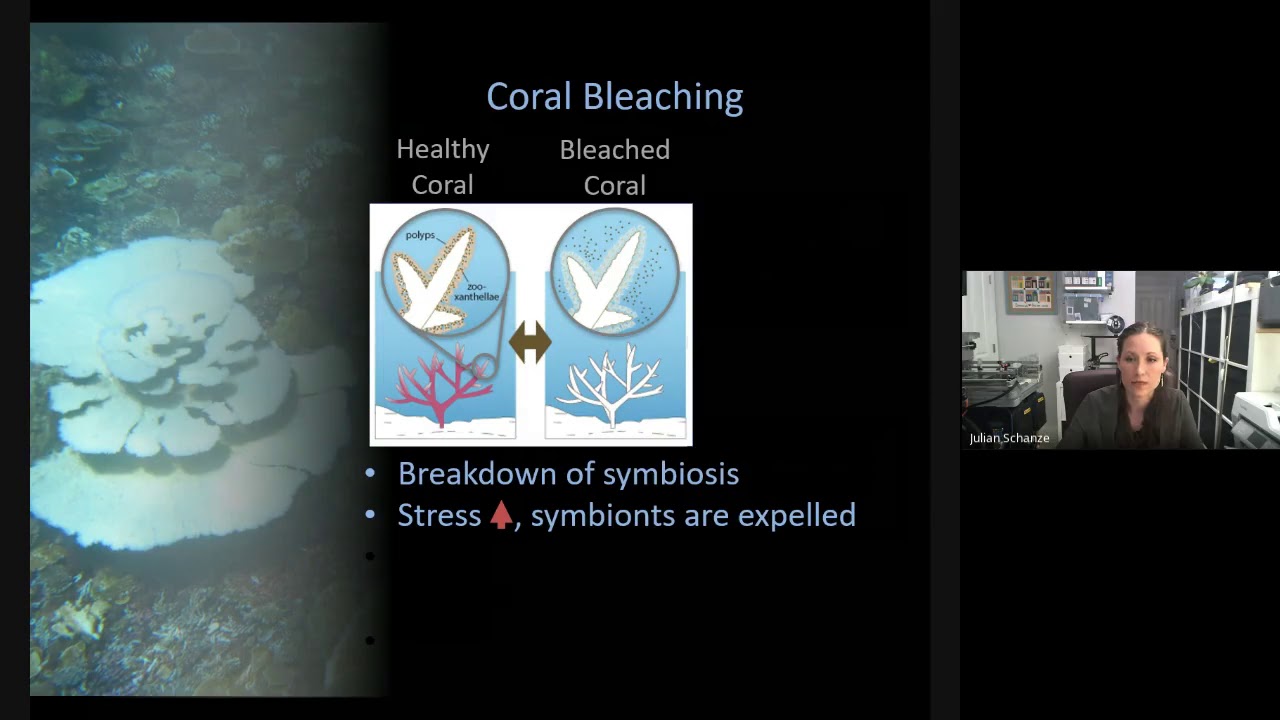


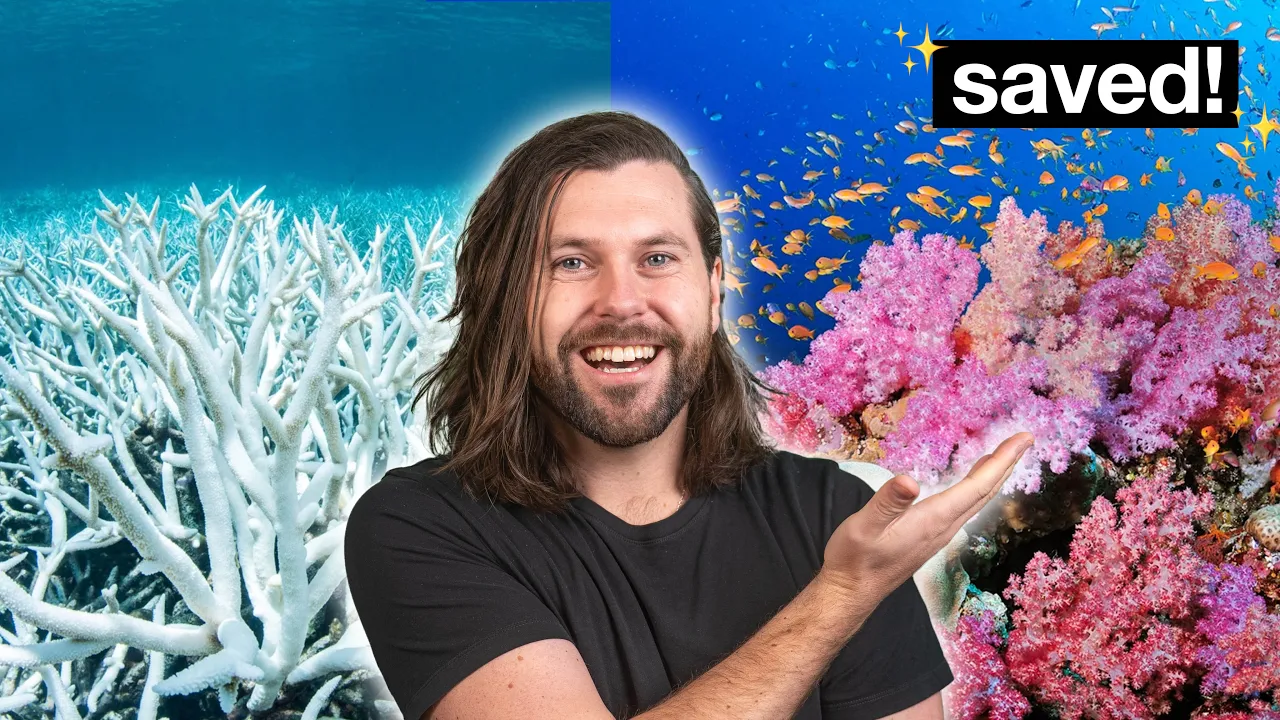




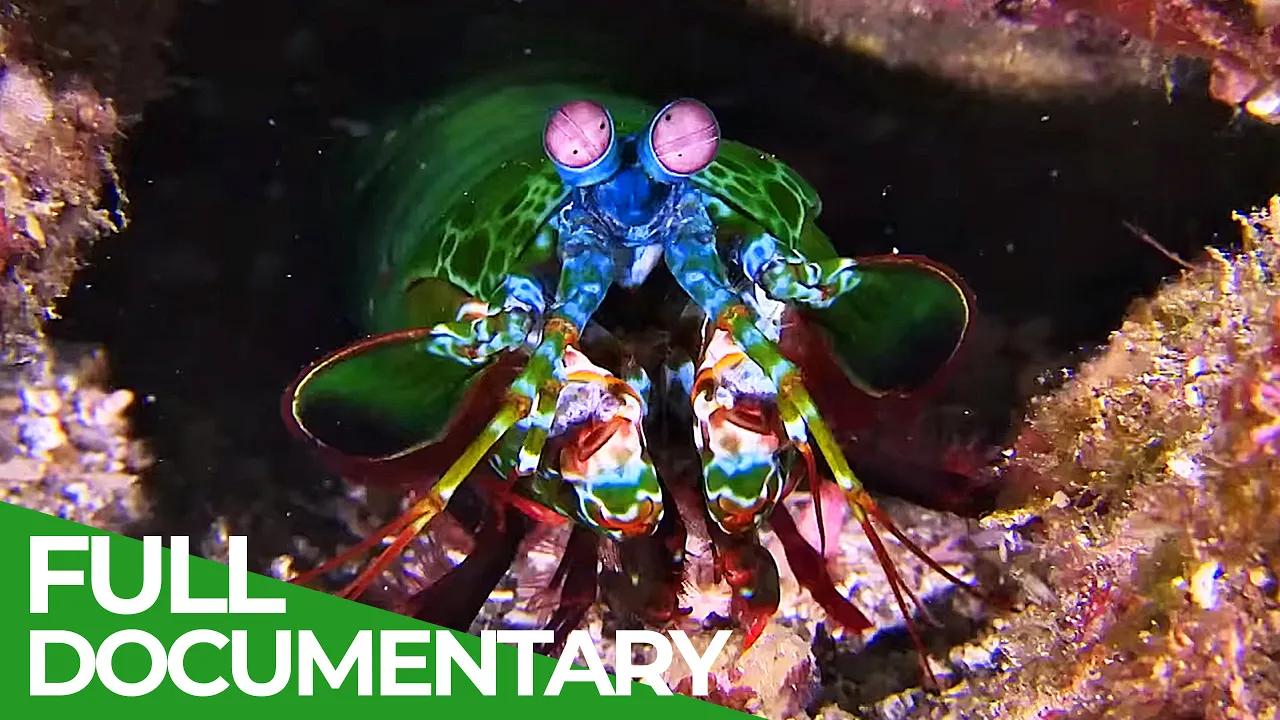


Coral bleaching occurs when elevated sea temperatures cause corals to expel their symbiotic algae (zooxanthellae), which provide their color and nutrition through photosynthesis; this happens because stressed algae produce reactive oxygen compounds that damage coral cells, forcing corals to eject them through violent convulsions called pulsed inflation. When water temperatures exceed approximately 30-32°C for extended periods, corals lose their primary energy source and become pale, often leading to mortality if the algae aren't replaced. The Great Barrier Reef experienced its worst bleaching event in 2016, with 80%+ coral bleaching in northern regions causing 50%+ mortality. Scientists are racing against time to understand how to help corals recover, as current climate trends suggest bleaching events are becoming more frequent (return time now only 6 years) and severe, threatening the survival of these ancient ecosystems that have existed for hundreds of millions of years.
Coral Bleaching Explained: Causes, Impacts, and Solutions
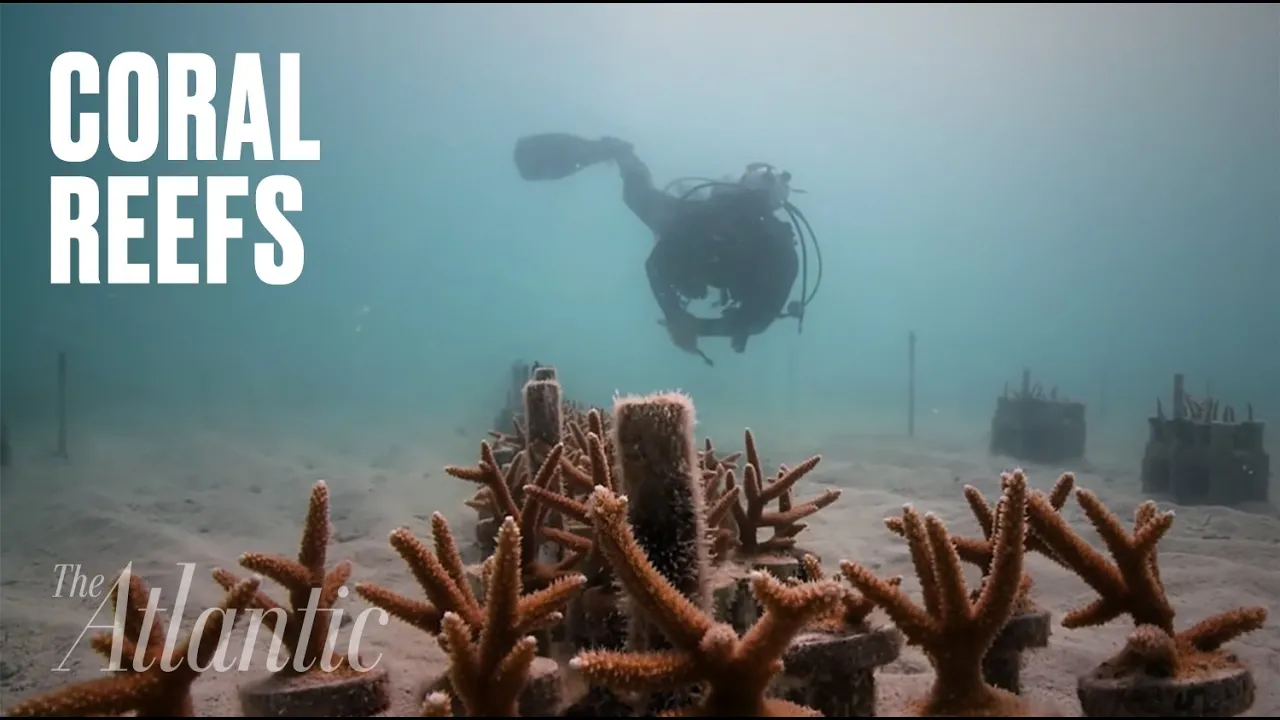
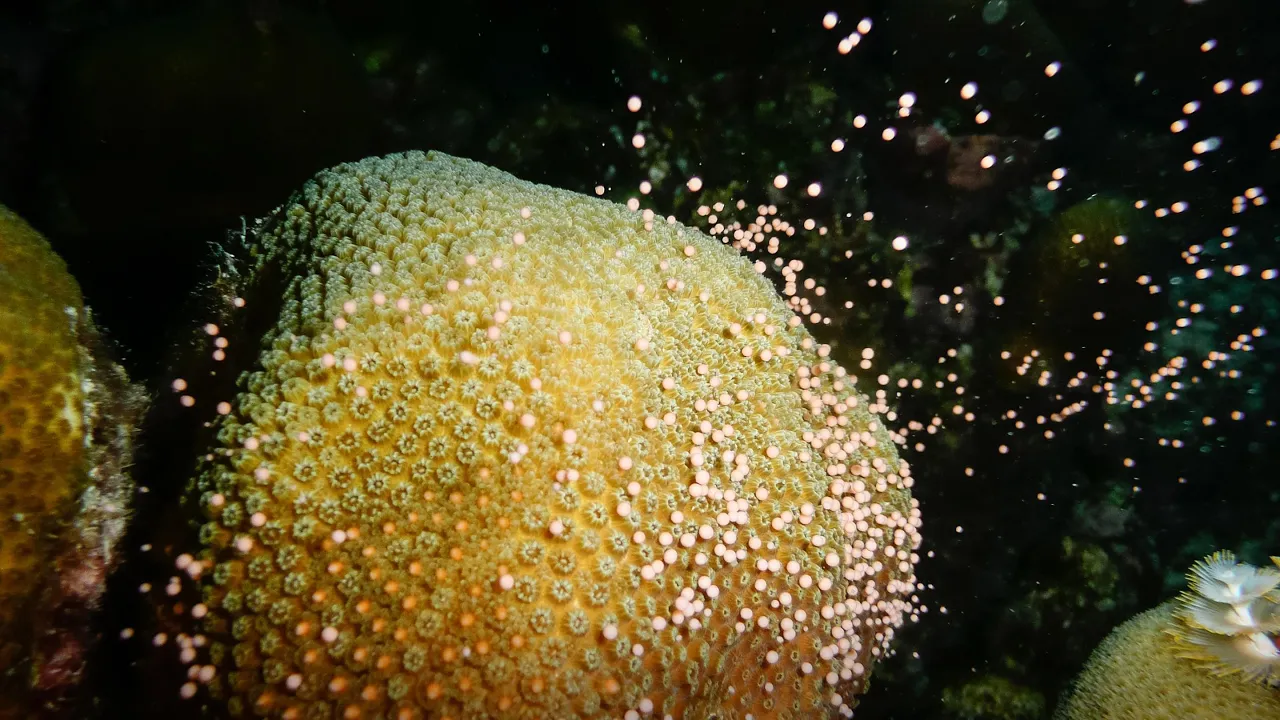
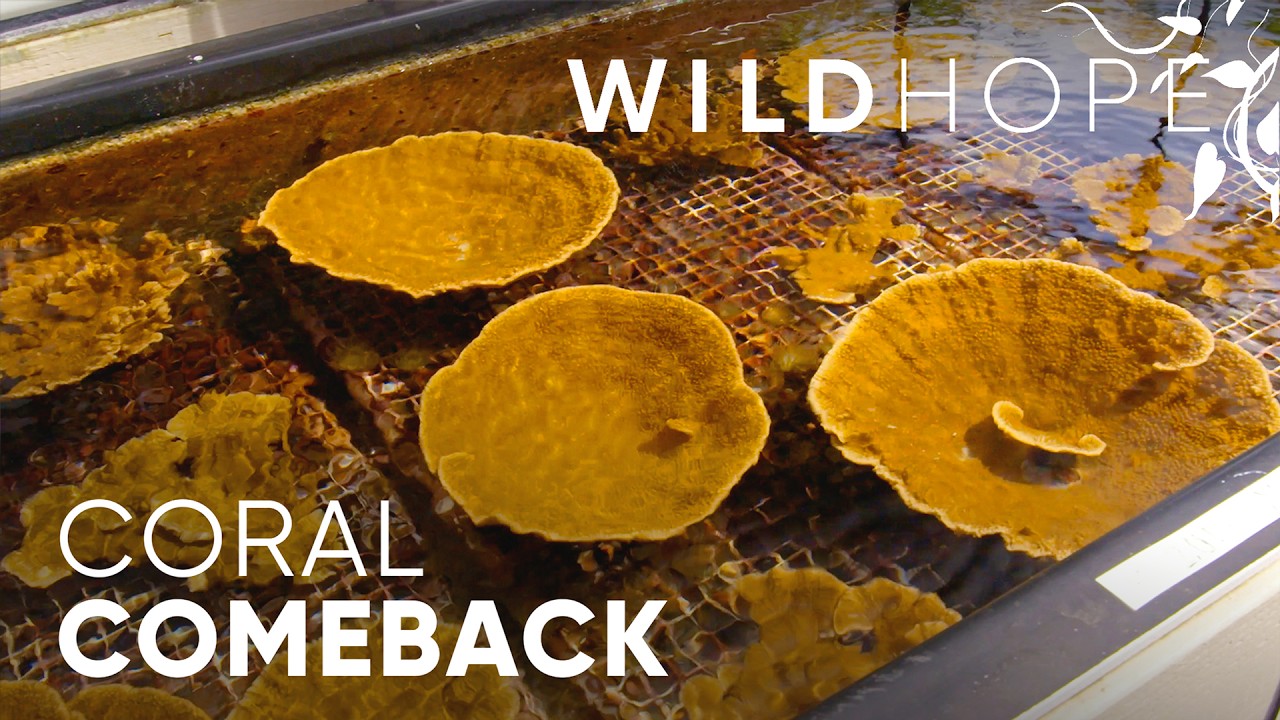
Added:[Music] the Great Barrier Reef every day thousands of tourists are thrilled by its Wild Beauty I love it it's it's kind of scarier than I thought it would be I didn't think it was going to be so beautiful just even just the car it's been on the bucket list for a while thought it was about time before it gets any more [Music] degraded large parts of the barrier reef are suffering the worst Coral bleaching Australia has ever seen personally I've been devastated i' I've um come out of Dives and broken down in tears from what I've seen our Reef like reefs worldwide is struggling to survive global warming a change of just a few degrees spells the difference between life and death coral reefs have been thriving on this planet for hundreds of millions of years but if climate Trends continue this Century could be their last as scientists Race Against Time We explore why bleaching is a mortal threat to the Great Barrier Reef and the challenges we all face to protect This Global [Music] treasure animal plant or mineral Coral is a bizarre mix of all three an upside down jellyfish called a pop that embeds plant cells in its flesh and build solar power cities from Limestone it seems so alien that Brett Lewis Muses he wouldn't be surprised if life on another planet looked like this a beautiful coral Planet why not just a whole thing just big calcium carbonate Planet his time-lapse videos reveal the secret life of [Music] corals they're not static and that's absolutely what our videos are able to show and what our research shows is just how dynamic they actually are to survive Coral needs a key partner [Music] algae microscopic single cell algae of the genus symbiodinium Coral takes the algae from the water to live symbiotically inside its own cells that's how the the polym gets its color it's a great relationship the algae or symbiance receive shelter and carbon dioxide from their host in return the coral gets most of its nutrition from sugars that the algae make through photosynthesis but there's a catch this solar powered partnership depends on temperature to work so what happens when water warms up over a week quut research Brett Lewis increased the water temperature by 4° to Peak at 32° C that's what we wanted to test see what the responsive corals were at that upper limit and see how they're going to cope after 24 hours this is what he saw it's really violent it's much more violent than we expected mushroom corals a large solitary type that don't build reefs expelled their alal symons with repeated convulsions known as pulsed inflation some of the largest expansions we' seen were 340% the size of the actual original tissue as clouds of algae are pumped into the water the coral loses its color and becomes pale corals are known for doing this to get rid of sand but getting rid of algae in this way has not been seen before this is the first time we've ever been able to document pul inflation as a way to remove uh symbiodinium from the [Music] tissue that's the reaction ction of just one Coral in a lab this is what happens on the scale of a reef early in 2016 High sea temperatures over many weeks caused Mass bleaching in parts of the Great Barrier Reef Professor Terry Hughes led a massive effort to map what happened we flew over nearly 1200 reaps between the Torah Straits and the southern tip of the great be Reef it took 11 flights about 8 hours of flying a day it was quite grueling and exhausting and and emotional because we saw hundreds of reefs that were incredibly badly damaged worst hit with the most remote and pristine reefs in the north along Cape York Peninsula it's very confronting to see a beautiful coral reef with 80% plus of its corals bleach because when that level of bleaching occurs you're looking at 50% % or more mortality bleaching doesn't usually kill them outright but if the algae aren't replaced the coral slowly starve Coral biologist Tracy anworth examines corals from the northern reefs with a laser microscope that reveals their details in fluent 3D what we wanted to do is look at what normal healthy tissue looks like and then to see see just how damaged the coral tissues have been from the bleaching event the alal symbiance show as red the coral tissues as blue and green when healthy each square cm of coral tissue is packed with around 2 million alol cells so if we look here at a normal healthy tissue and then compare that to the bleach tissue all the Sy are gone you're not seeing any of the red cells within the tissue the tissue is really thin and there's not so much Flores actually in the coral tissue that's left in previous bleaching events they've seen algal symons reduce to about 200,000 a 10-fold decrease this time in samples from the northern reefs they found barely any left at all they're the lowest densities ever recorded they're lower even than laboratory based bleaching experiments where people really torture corals you know they put them into plus 4° Centigrade the sickest corals we've ever seen when bleaching happens what's going on inside the coral the algae actually go into hyperdrive to some extent so with all that heat with all that stress they become over reactive and therefore the coral doesn't like that so they essentially just eject them out their tissues above 30° the algae start to lose their ability to convert solar energy that energy has to go somewhere and ends up creating reactive forms of oxygen like peroxide in Bleach inside the coral cells the very light a coral needs for growth becomes poisonous bleaching is immediate stress and we see a lot of mortality which is really quite tragic for the reef but there's also all these KnockOn effects so 6 months 12 months down the track we're probably going to see more disease once the health of the coral is compromised bacteria and other microbes cause infections like this this leion will move I mean up to 2 to 5 mm a day in some areas it can be seen to move centime a day and so some corals that have been infected with these lesions will be dead within weeks for corals to recover they don't just have to take up their symbiance again they have to repair their tissues they have to fight off these Invaders and then they have to select that one microbe that they need to survive in 2016 however many corals didn't get that chance what we saw at the peak of the bleaching was a big pulse of more or less instantaneous mortality due simply to the heat stress so those corals didn't die slowly of starvation because they'd lost their simb they actually cooked over a period of just a week or two because the temperatures in the northern barie were so extreme the Bureau of meteorology has records of ocean temperature stretching back to 1900 the areas of dark orange on this map around the Northern Great Barrier Reef and Tasmania are pools of hot water here the average sea surface temperatures this summer were the highest ever recorded this year we saw some locations well over 2° C warmer than they would usually experience in the hottest time of year Scott Heron works with the US National Oceanic and Atmospheric Administration this colorcoded map shows the heat stress that bleached the Great Barrier Reef this summer orange is now we're actually starting to accumulate stress red alert level one we expect bleaching of the more susceptible species and the darkest red we expect some of those susceptibles to begin to die and even the hardiest of species beginning to bleach so March was the toughest month March was the toughest month although the Great Barrier Reef was hit this year a global bleaching event has rolled across three oceans since 2014 it wasn't just the El Nino 2014 was the warmest year on record an over 100e record 2015 exceeded that record by a new margin and we have estimates of a 99% chance that we're going to break that record again if you are 30 years or younger you have never experienced a normal temperature month the worry we have is that these events are now becoming so frequent that the gap between them the return time is getting shorter and shorter the median return time now throughout the Indo Pacific is only 6 years we know that it takes 10 to 15 years for the fastest growing car SS to bounce back after a severe disturbance like a bleaching event or a cyclone so 6 years is certainly not enough for those corals to [Music] recover 9 months after the bleaching began it's time to start assessing the death toll 100 km north of cooktown off lizard Island This research vessel is heading out to identify where the surviving corals are over the last 30 years the Australian Institute of Marine Science has been monitoring the condition of the Great Barrier [Music] Reef teams of divers have been surveying Coral cover along the entire 2,000 km length of the reef for decades we as the bleaching response um we target sites that have been studied long term and that gives us the ability to detect the change and the mortality and the true impacts from this 2016 bleaching [Music] event in teams of four divers roll out a 50 m tape and swim five transects at each site one counts large fish another takes photos at regular intervals another notes the amount of coral cover and any juvenile Coral starting to regrow [Music] as the tape is wound up another counts small fish then comes the manoe where an observer is towed behind a small boat at 6 km an [Music] hour since 1985 as divers like blue Miller have clocked up more than 30,000 km over 500 different reefs I think I might have the Guinness Book of Records I've done so many I couldn't even count them but it'd be tens of thousands tens of thousands of man yeah each man to goes for 2 minutes and then we as we go along the edge of the roof getting towed behind the boat after 2 minutes we stop and write down our observations to avoid disputes over data it's important that survey techniques are standardized sections of the Queensland tourism industry worried that bad news May deter tourists from visiting the reef have claimed the bleaching results are a great white lie report will just simply continue to give oxygen to the theory that the Great Barrier Reef is dead and dying it is just simply not true if you just randomly go to a Reef location 6 months later you're going to see survivors and we hope to see surviving corals from this event but you need to have a meticulous method of assessing bleaching in a site and then returning to the site to say whether there is severe impacts of a bleaching event or not the big question is is there enough time for these roofs to recover between these impacts are you optimistic I'm optimistic I'm a glass half full guy but with what he saw from the aerial surveys in the north Terry Hughes knows recovery could take decades 800 km of the bar Reef in the northernmost section from nug guini down to Port Douglas has lost half of its Coral it's as if 10 Category 5 Cyclones holding hands have walked ashore north of K ironically it was one of those Cyclones that prevented the destruction extending the entire length of the barrier reef severe tropical Cyclone wind Winston was the strongest to hit the South Pacific in recorded history tragically when it struck fij in February 44 people were killed 40,000 houses were damaged or destroyed it came eventually to the coast of Queensland as a rain depression and it sat around the bottom half of the great Bary for a period of several weeks it brought the temperature down by about 2° Centigrade so the bar Reef was saved the southern half by the vagaries of that Cyclone coming along which brings me here to the southern Great Barrier Reef of gladston Heron Island and its research station holds a special place in my heart the last time I visited Heron Island was as a high school student way back in 1980 the beauty of that first Reef dive changed my life forever I'll never forget that feeling of a struck [Music] reverence thankfully The Reef here has been spared the damage further north a relief after this year's bleaching event that is certainly a relief it's fantastic to see such a vibrant ecosystem and it's only because of that sort of last minute reprieve that we're able to see it still in its Glory now look and and weather events like that happen to to be able to mitigate what could have been and uh it's a delight to see such a thriving place you know too right physical scientist Scott Heron and biochemist Bill leard are part of a team experimenting with the abilities of coral to recover from bleaching it means taking healthy corals from The Reef flat and exposing them to the same conditions as their Northern counterparts had to endure when it comes to climate change the big question is this how much heat stress can corals tolerate for how long and how often before they reach a Tipping Point from which they can no longer recover right so this is one of the acers that we'll be working on and we just give it a gentle tap and then we can get a small piece of him out just a love tap just a little love tap and then we can take him back to the island and he can be one of our experimental subjects how many more samples do you reckon you're going to need oh I think we might have enough now so today's the day you start we will so we'll start getting these guys settled in and then we'll start putting the temperature up and we'll see how they [Music] go the experiment will run for 8 weeks to simulate the duration of this year's bleaching event temperature tanks are going to mimic what happened on the Northern gbr this year and the two controls allow us to compare what the responses are of corals normally they're also testing how temperature and sunlight interact to cause bleaching we've got a series of Tanks here that are going to be exposed to light and then behind me we've got a series of tanks that are going to be in the shade and then after about 3 or 4 weeks we're going to switch them over and we're going to put all of these through a simulated bleaching event again how hot are you making the water in this experiment so the average for Heron island is about 28° so we'll take it up to about 32° for this experiment temperature records from the Great Barrier Reef over the last 20 s years show that most of the times water got hot enough to bleach Coral the way it warmed actually made them more heat resistant and that small pulse of temperature a little bit of early warmth and then a cool off was preconditioning the corals to respond better when the big stress came but when they model future warming those protective pulses disappear with an increase of just half a degree or within four decades at current rates without them bleaching events will become much more lethal for corals as temperature goes up the first Peak goes up then the relaxation period goes up too and so instead of it being a relaxation period that that recovery section actually moves into the stress Zone the stress responses so it never gets to relax so it never gets to relax with the climate change and the CO2 we've already emitted we're committed to seeing increasing temperatures for the next 30 to 40 years I don't think Carl are going to be able to keep up with that the future of the entire Great Barrier Reef and reefs worldwide rests on the balance between life and death inside the cells of coral this little guy here will get Express Ship down to UTS and our collaborators be able to analyze what he's doing in the [Music] lab in downtown Sydney marine biologists like Dave suet want to discover the microbes that work best for coral and why we now know that sardinium has a broad range of genetic diversity in fact as many as four or 500 species in fact the deeper we go into the genetic variation the more variability we find unexplored territory really completely unexplored territory we're really on the front line with this the question is will this genetic diversity be able to match the challenges of Environ Al change we're literally scratching the surface in terms of symbiodinium in this room we probably have about 20 species like a breathalyzer for corals this is a mass spectrometer that measures the gases they breathe in and out samples from Heron iseland are tested here to see how the performance of their symbiotic algae is affected by the bleaching experiments as they become less efficient they start drawing less oxygen um carbon dioxide levels start to go up and we again we can monitor all of that in in absolute real time and monitor or record the collapse of the symbiosis to what extent can corals save themselves by selecting new symb new solar panels if the old ones AR up to scratch when the the corals reproduce and they create baby corals or planul lari they settle onto the substrate and they're open to take up all this diversity of symbiance in nature and they do that actually we now know that they'll acquire a large number of species initially and then over time it seems to select for a species of symbiance that it it's learned to evolve to live and operate with most successfully incredibly there's emerging evidence that if they survive a bleaching event some adult corals can then switch their alal symbiance to a tougher species we can find that little trick that little trait that these simants have acquired to make them either sensitive or tolerant we can start searching for that more broadly in the ecosystems like in the Red Sea and Persian Gulf where corals live in high salinities and temperatures up to 36° well beyond what corals on the Great Barrier Reef can tolerate genetic sequencing of these species and their algae May reveal Clues to how they survive so in a way the secret to the future of corals could be here with you right now absolutely absolutely we're still starting to to learn just What secrets these algae have and really what they'll bring to the future of reefs as reefs degrade scientists are asking a tough question should we stand back and let nature take its course or step in and give Evolution a helping [Music] hand this is the national sea simulator near towns Hall the largest smartest aquarium in Australia now if we're running a global experiment on in the climate it makes sense that we need an industrial scale facility like this to see what those changes mean for [Music] Coral here corals can be exposed to the hot acidic ocean conditions that are projected for later this Century meline van oppin team is working on a big idea the main aim is to enhance the tolerance of Cs to environmental stress and mostly stress related to climate change they want to create super corals with super symbion that can tolerate higher temperatures without bleaching this assisted Evolution as they call it is Leela chakravati PhD project we are taking these Ali and we're exposing them to higher temperatures over a number of generations so it's the same as Natural Selections but we're doing it at the much faster pace so that we can get them to evolve in short time periods it takes only 150 quick generations for the algae to evolve the ability to grow faster and bleach less when the temperature goes up by 4° the next step is to get them into the coral so here is a COR recruit glowing green and these little red dots are actually the symbiodinium that we've added to the water and you know after a few days you can actually start to see that the coral has taken up these symbiodinium cells what just absorbs them so what it does is it eats them and it recognizes them as being symbiodinium so they aren't digested and then they're taken into the coral tissue where they live how cool is that very cool the bleaching of coral with the new evolved algae is compared with ordinary Coral at two different temperatures 27° and 31° we did this for three different Coral species we found that the effect of um the evolution is a bit smaller but there was still a significant delay in the bleaching of the corals that associated with the evolved alga compared to the unevolved L game it's an exciting proof of concept showing it may be possible to rapidly evolve heat resistant corals I think people describe the signs as controversial because they some say you're playing Gods because we're manipulating the constitution of the organisms if you like but we're not actually using any mechanisms that do not not occur naturally we're just trying to speed up those natural processes of evolution but if super corals can be created what to do with them while small areas could be restored Terry Hughes cautions it's a problem of scale no one has ever successfully restored a reef even at the scale of a kilometer never mind 800 kilm so prevention is better than cure the bleaching in the northern part of the Great P Reef this time around is so severe that we're losing the toughest corals the 50-year-old the 100y old carals and it takes that length of time for those corals to be replaced so the Northern Great ber Reef has changed [Music] forever out at Sea near can's though the tourists are having the time of their lives it's one of the things that y'all brag about you know that we oh man you got to make sure you go to The Reef do some diving and all that other stuff you know besides going to see some kangaroos sometimes I think we forget that the reef contributes more than $6 billion and 70,000 jobs to the Australian economy each year more than 34 of Australians regard The Reef as part of our national identity although many of us have never visited it it suggests that protecting the reef and keeping him healthy is part of what it means to be Australian however we're living a paradox we're home to the largest living Marine structure on the planet alongside some of the biggest coal deposits in the world we're part of an international agreement to limit global warming ing to under 2° yet we're also the world's leading exporter of carbon emissions 2° is enough to save corals we'll always have corals but the problem is I don't think 2° is enough to save coral reefs it seems inevitable that global warming will eventually Force us to choose between coal or coral and it leaves me wondering if Mass bleaching and reef death doesn't Galvanize action on climate change then what [Music] will the choice is whether we want to just sit back and enjoy these ecosystems while they're hanging on by a thread or whether we want to literally Dive Right In and do something [Music] proactive [Music]
Up Next
Australia's Climate Crisis: Drought, Floods & Coal Industry
@BestDoc
117.4K views•2024-11-24

Life in Biosphere 2: Sustainable Ecosystems & Human Survival
@TED
334.9K views•2009-06-16
Microplastics Everywhere: How Plastic Impacts Our Lives
@TEDx
100.9K views•2018-05-08
Ice Stupa Artificial Glaciers: Solving Ladakh's Water Crisis
@SonamWangchuk66
3.2M views•2015-05-03
Related Study Plans & Knowledge Roadmaps
Structured learning paths in Environmental Science