





















Australia, despite its natural beauty, faces severe environmental challenges including extreme droughts, floods, and fires due to climate change, while simultaneously being one of the world's largest polluters with high per capita emissions and a coal industry that contributes half of the country's greenhouse gas emissions; this environmental crisis has sparked social conflict between those who defend traditional industries and lifestyles and those advocating for climate action, with Indigenous communities and activists working to protect nature and raise awareness about the urgent need for environmental sustainability.
Australia's Climate Crisis: Drought, Floods & Coal Industry
Added:Understanding the greenhouse effect and how carbon dioxide emissions from fossil fuels like coal trap heat in the atmosphere.
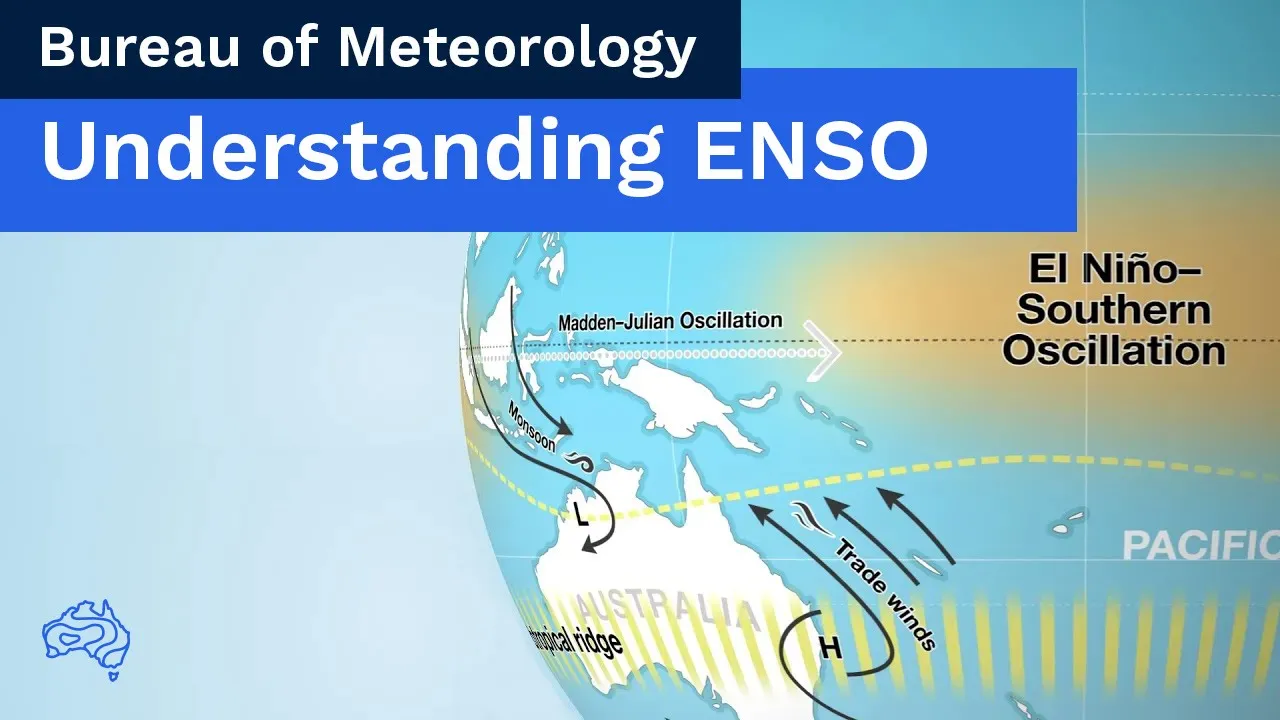
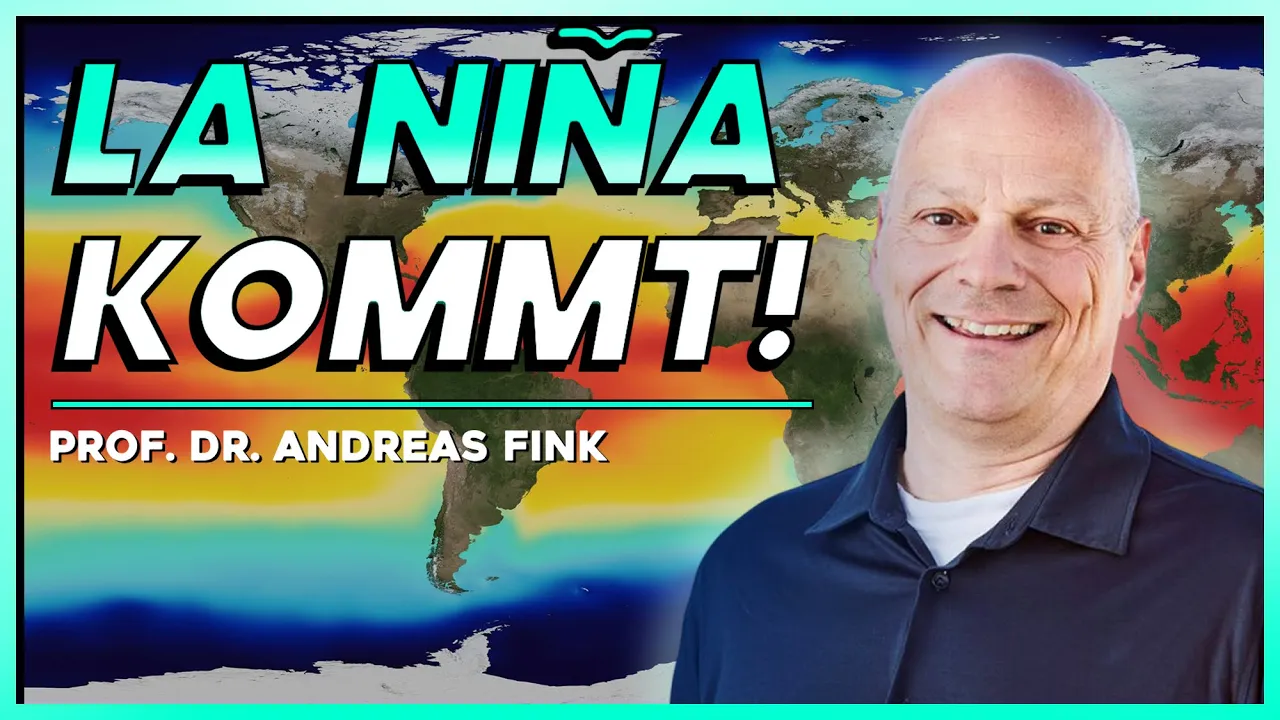
The basic mechanics of global climate patterns, specifically the El Niño-Southern Oscillation (ENSO) cycle which naturally drives droughts and floods in Australia.
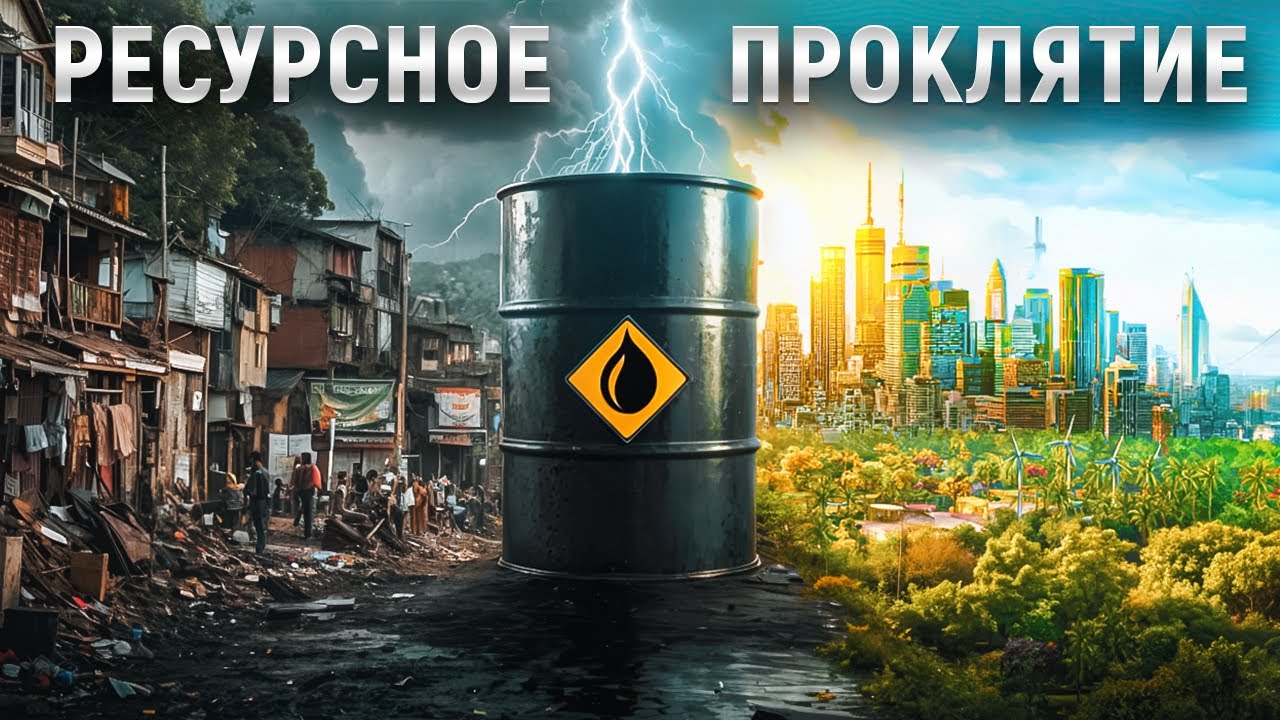
The concept of resource dependency and how national economies rely on fossil fuel extraction and export for GDP growth.
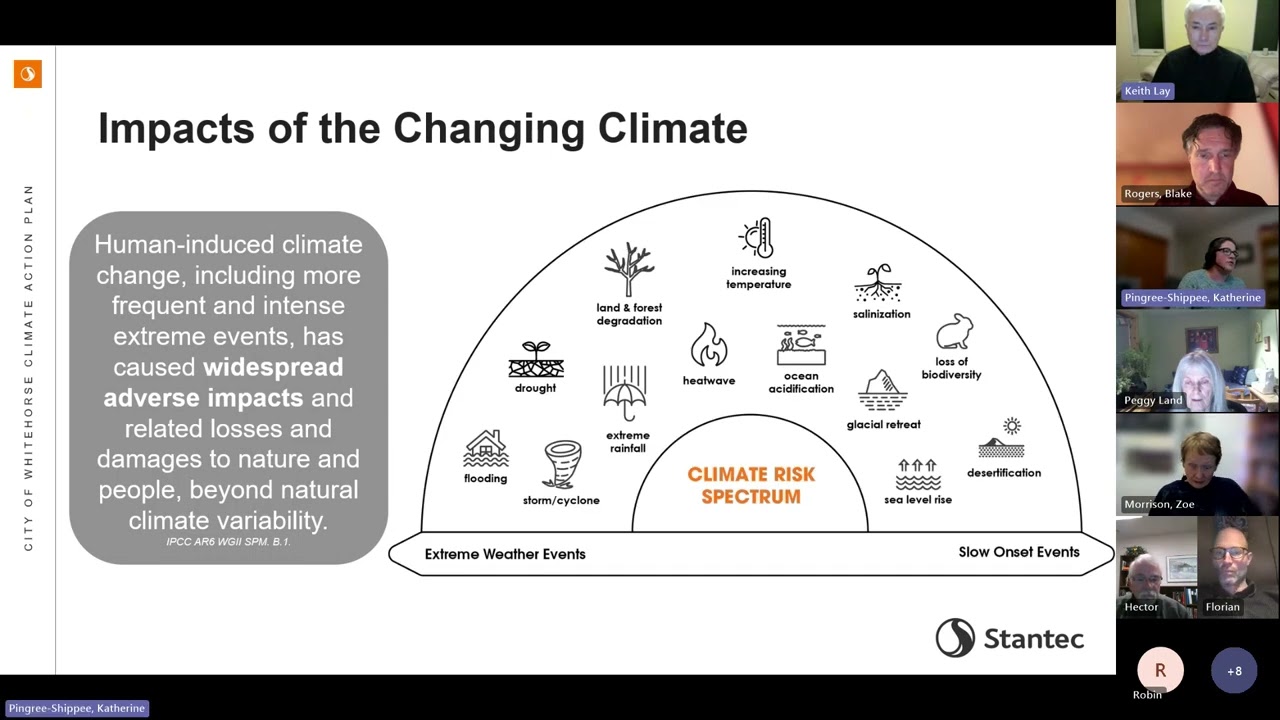
The distinction between climate change mitigation (reducing emissions) and climate adaptation (adjusting to life in a changing climate).
Analyzing the economic and social challenges of a 'Just Transition' for coal-mining communities and workers in transition economies.
Evaluating international climate policies and treaties, such as the Paris Agreement, and their specific impacts on national energy policies.
Exploring advanced climate adaptation strategies, such as water resource management technologies and flood-resilient infrastructure design.
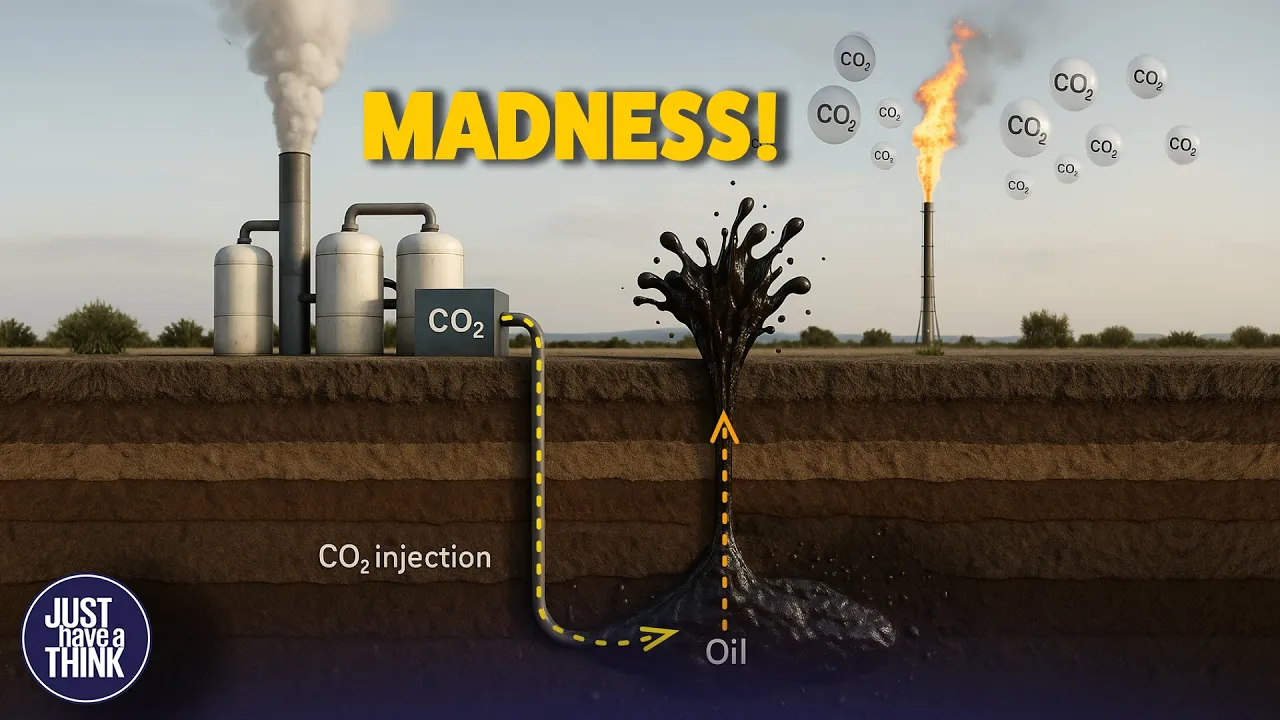
Investigating the viability and environmental criticisms of Carbon Capture and Storage (CCS) technologies compared to rapid renewable energy deployment.
117.4K views1.4Klikes59:44Original Release: 2024-11-24
in some places in Australia Nature has come to a standstill it hardly rains anymore 800 km from the coast baline is a small town that's been declared a drought zone for eight consecutive years for the past 7 years however in the name of leisure they've had this water sports base a large artificial l Lake designed for water skiing 1 km long 500 M wide and 400 million L of water pumped directly from the groundwater table which is drying up every day and to take the ecological aberration even further barline decided to organize a motorboat competition kidi come into the bank please Brad Nelson came up with the idea the starts I love the starts when everyone just stands on the loud pedal and goes that's when the hair stands up on the back of your neck and the Goosebumps hello 40 racing boats are competing powerful speed bools like David's with a 350 horsepower engine on a course like this I reckon we' probably use about 1.6 L A lap something around about that 1.6 L per lap that's 6 and 1/2 l of fuel consumed for each race it's all very polluting but Brad the organizer has it in his blood his family's been organizing races like this for as long as he can remember yeah three generations about races my dad did it I do it my kids will do it didn't have much to saying it we've pretty much filled up every every hotel in town with the power Bo rting so they're happy we're happy we get to come out here and drive like lunatics ready to go mate yeah let's go let's go Brad is not wrong col Hansen the deputy mayor is smiling go just give her a little bit today it's 36° like every day the water in the artificial lake is evaporating a pump permanently at work to keep topping up the lake so that it doesn't run dry but Cole doesn't see the problem and actually yeah they gave us the money to build it so it would be silly if they didn't give us the water to fill it $2.5 million spent by the government on a lake that has to be filled up all the time this station right next door yeah this is this is our sort of pumping station um here is the actual boore itself where they they drill the big hole down in the ground the city sits on a huge underground water table the Great artisian Basin the only major water reserve on the Australian continent it took 2 million years of rainfall to fill it but now the reservoir is running dry and the reason Cole isn't afraid to tap into these reserves is because he doesn't really believe in climate change I think it's just a cycle that the world seems to go through so yeah I'm yeah I'd take a fa bit of convincing to believe it's toally and solely climate change having that water supply directly under you so yeah you could call it a go mine for the small towns little barline is the story of the whole of Australia a country sitting on a gold mine that is squandering its natural wealth but at this rate how long can nature hold out Australia is the jewel of Oceania on the other side of the world surfers on Heavenly beaches the immense coral reef that feeds the world's fish animals found nowhere else in the world world and adventure in the [Music] wilderness the Australian Paradise is still the stuff of dreams but the picture postcard is turning into a hellscape with over 16 tons of CO2 emitted per capita compared to seven for European countries Australians are among the biggest polluters on the planet and this is not about to change if you're against FS do may as well go live in a tent and not have a car 10% of jobs depend on Mineral extraction including coal responsible for half of the country's greenhouse gas emissions it might be beautiful but it brings a lot of I guess prosperity and happiness Australia is one of the world's biggest consumers of water at a time when it's needed more than ever we do need rain water the sun and the heat is a one of the worst things indeed everywhere nature is struggling unprecedented fires 3 billion animals affected she's got Burns to her pores to her nose as well Cyclones droughts and floods climate change is producing ever more extreme phenomena some decide to resist like we're not recovering at a rate that can keep up with the amount of natural disasters that are happening I know I don't want to be part of the human race that's actually ended it all Australia welcome to a paradise that may be under threat of Destruction across the country temperatures are rising in 2022 they Rose to an all-time high of 50° in some states the heart of Australia already a desert has become uninhabitable 85% of the population lives near the coast but to understand the pioneering Spirit of the country We Begin our investigation in the Australian wild west carnegi a huge Farm of 500,000 hectar a huge private holding there are no other inhabitants within 200 miles Brendan a farmer lives alone with his wife Tess the one-year-old daughter to mave strawberries are our favorite and a strange pet straight out of prehistory Emma a 1 and a half-year-old emu it's like a [Music] dog for the whole family life revolves around one word water there is no artificial Lake here you can barely cool off in the cattle's water supply after the last drought Brendan lost three,200 cows to thirst he went from 4,000 to 800 well I think you know we're a young country and come over here with not much going on so everyone had to do something had to work to make a living and that's passed through I think everyone knows it you know you got to work hard to get something a very young country the Australians are mainly British people who landed only two centuries ago on a land that was hardly exploited like his ancestors Brendan is trying to tame nature to do this he needs 1,000 lers of petrol per month but in Australia there is no shortage of fuel so I'd say fuel is the second most and water is definitely the most important we need water anywhere we go if you get stuck without water in the heat it's not going to be good the first petrol station is 500 km away and every day the little family travels hundreds of kilometers [Applause] on a sometimes impassible track since they have to check the 70 water [Music] points only about half here so we're going to have to go fix a windmill with this old wind turbine system the energy produced by the wind is used to pump water but now the windmill is not pumping and the rain will not be enough to fill the basins despite Brendan's prayers happening here I was brought up as a Catholic we're always looking at the sky and hoping we see a cloud like that and we get excited if we don't have water the cattle can't survive if they don't survive then we haven't got a job so we're not here and no one's here so while waiting for their prayers to be answered the family settled down and got to work lot of pressure like their parents before them Brendan and Tess to teach their daughter their profession she's learning already she's learning now once she starts walking and understanding things a bit more we'll just get us straight into [Music] it first Australian Cowboy lesson risky repairs I always feel like he's going to fall off whenever he does this it's really scary watching it need a bit more [Music] wind there it is mave there's the water woohoo lesson two make mave feel in this heat how vital water is thanks to his wind turbine Brendan can pump water from the water table despite the drought but for how long straight down there this water comes from down there in the ground well one last forever but hopefully it'll lasts long enough all right one job done 1 th000 more to go the goal Remains the Same conserving a maximum of water even if it means fighting since there's competition for water uh that's that's me rifle I'm a gun that's just in case we come across something that's not good might say some camels camels were brought to this land by the British but in Australia they have have no Predators so they proliferate and help themselves to the livestock's water supply result they are systematically killed but for Brendan at the moment it's not the kangaroos which cause a problem got him too many they they breed up quick and they atat the grass that a cattle are meant to eat without water grass has also become precious kangaroo Stakes for dinner taming nature is what Brendan inherited from previous generations the British settlers for European Australia as we know it today began in the 18th century with the expedition of Captain James Cook the British then decided to make this land a prison 160,000 conv icts were sent there for almost a century Australia was a land of convicts the British settlers and their prisoners were the first Western Builders of the country they came with cows rabbits and pigs to create British style farms in the middle of the Arid steps two centuries later Brendan is still battling the elements we had a big storm Wind come in and blow they solar panels over I think we need six new ones um they're all [ __ ] a battle that seems already lost because climate change causes extreme weather phenomena that's a big willy willy big tornado changer temperature it's getting hotter now so the winds are all swirling around the climate is out of control when the interior of the continent suffocates on the coast we fight against the water because heat also causes evaporation the humidity in the air increases and when they come the rains are torrential but on dry land that no longer absorbs water floods occur this year record levels of flooding have occurred almost everywhere in the east of the country such as in Lismore one of the worst affected towns 800 km north of Sydney that must now adapt to climate change in 2022 Lismore suffered three serious floodings water levels reach 15 M never seen [Music] before 8 months later the town still seems partially destroyed 3,500 homes are still uninhabitable in Lismore Center those Who Remain have had to change their way of life a Frenchman who was lived in the country for 25 years Francois thought he was well prepared for climate change with his house on stilts mon can you show where is to there but he and his partner Tim didn't see the disaster coming our neighbor was um hanging on to the post box of the neighbor and yelling at us yeah to get out you've got to go you've got to go and we said we kept on saying just one more moment we've got to grab things he said the water was just below his knee yeah and within 15 minutes um we just walked down and um we were like our head was underwater underwater we were basically have to swim the result the house was completely devastated yeah after months of reconstruction today it's finally back to normal we have been living like nads in our home moving furniture from room to room so we're getting pretty good at this y some comfort yes the bed's been put back in its place but there are no more wardrobes from now on they're sticking to the bare [Music] necessities and so we've we've been happy to downsize um quite a lot because if we have to go through that again we don't want everything up on the street again like millions of Australians Francois and Tim get used to the new climate situation whether we stay or we go you know you can go somewhere and then there's a bush fire you can go somewhere and there's a landslide around the corner their neighbors never came back an entire house ripped out of the ground Carried Away by the water and dropped 15 M away at the back of the garden [Music] in the city center many shops remain empty everywhere people are preparing for the next one the river that used to be the lifeblood of the city has become a threat with climate change a tidal wave is now expected at any time the markers that measure the flood levels don't go high enough and the measures put in place by the city are [Applause] insufficient 10 M 60 too low for the latest floods yet like Francois some residents choose to stay on at all costs for for to live with the disasters hello I'm I would like to see Ellie is Ellie here this Association is running at full speed 7 days a week 24 hours a day and at the helm Ellie bird Municipal counselor Ellie makes up for the lack of government support as a result she provides the Necessities provides support during the rebuilding of the houses and even takes care of the admin administrative procedures and we're so tired people are exhausted Beyond exhausted so in the space of 5 years we've been disaster declared probably about seven times so we just have to think that this is part of our reality now in this new reality Everything Has Changed worthwhile jobs are no longer in offices even money has less value now you can pay per service rendered a new design Master [Music] economy Lori osteopath has his own way of paying his workers Matt uh Matt did a hell of a lot of work helping me claim so he fixes your house and you fix I do my best to try and fix him yeah indeed the house is in the middle of a renovation together with the association just guessing L's upstairs Ellie accompanies them during the Reconstruction about the submarine it is com to the submarine a house specially designed to go underwater because Lori is under No Illusion well no it has to happen again it's becoming a tropical area because of CH we didn't we've got sight we've got tornadoes now I never had tornadoes when I was a kid it's there's so much more energy and I we're only just kind of it's actually only just beginning what I need to do so to cope with the next disaster Lori has changed even the walls of his house I've taken out walls I've made all panels removable roofing screws just undrill it take all the walls off that way you don't have to wait 8 months until you can find someone get the materials rebuild you just you just get back to your house is this now two room this is against fires tornadoes and floods Ellie and Lori have no choice it's too late well I have a sense of frustration that you know the writing has been on the wall for so long we've known that this is coming and uh governments have not put in place policies or um responded to the clear warnings that have been sounded for so long it's hard to stay per permanently angry at a permanent scenario Mar you go crazy and it doesn't matter whether you vote this way or that way you're going to get call that's what you get don't cry often but every now and then it comes out if Ellie cries when we talk about coal it's because in Lismore like almost everywhere in Australia there are mines the country is at the mercy of nature but it's also to blame because coal is responsible for half of the country's greenhouse gas emissions that's what makes Australia a world leader in terms of pollution worse than oil or gas coal also releases methane that is 80 times more warming than CO2 but coal is profitable mineral extraction in Australia of which coal is a part is worth $225 billion a year 400 mining sites and 1.1 million jobs or one in 10 jobs so on the television possibilities it can create light and jobs delivering $6 billion in wages for Australians it produces steel andwers our homes as well as our economy lobbyists can run campaigns like this isn't it amazing what this little black rock can do the result Australia's natural vastness its wildlife and endless steps are being destroyed by the hand of man from the West to the east of the country coal everywhere this mine stretches for more than 70 kilometers it's the second largest opencast mine in the world we are next to baoa in rural Northeastern Australia in this small town half the families live from coal and many are true enthusiasts as in this this house Adam Burling father of four a minor and machine operator for 25 years still happy to put on his work clothes it's a good job I'm lucky it's sort of like I guess we're liking it to when we're kids playing in the sand pit with our toy trucks and that sort of thing it's just like that on a much larger scale we just play with big toys Adam loves his toys so much that he even took part in a commercial showing these huge huge machines built especially for mining the different variations your backr your lumbar support the sliding back and forth you can just get it to exactly where you [Music] want in Australia you can't get a journalist's camera into a mine the industry is far too protected So Adam shows us his playmate from the outside a thermal power plant powered by the mine next door the whole Power Station itself just hums just just I don't know like a big fan I think it represents a lot of uh a lot of good things it might be beautiful but it it's it's still it's it it brings a lot of I guess prosperity and happiness so yeah he doesn't see nature being destroyed or CO2 emissions however he's in a good position to know that coal is bad for your health um weed to cold dust uh which can cause numic coniosis in our lungs and there's a there's a there's a a fair bit of that in in some retired miners at the moment which is very sad they struggle to breathe we have to manage it of course with our um dump trucks driving on the road we have to make sure our Road's watered to keep the dust level down and and that's just not about us at the mine working that's about the neighbors that are [Music] close despite the dust and diseases Adam doesn't seem to question the impact of his work indeed when he meets his mates in the pub M they only talk about the new enemy the ecologists the call industry now yeah I hope it keep going but the way all the greens going and all the other [ __ ] hanging around it it's not looking good and cber the capital is being blamed for creating climate disasters in a laboratory with being conspiratorial is there an agenda is everything being discussed if you talk about climate change why are you manipulating the weather why have you been doing it for decades while the coal industry is all powerful in Australia the miners believe that a green Elite is out to get them you I know people like Al Gore have become very rich on selling climate change but or or global warming as he first started out with that sort of thing you know if there was no money to be made in it and there's only truth in it it would be a lot better and are you uh worried about climate change do you I don't think it exists you don't think it exist no I think it's a scam I don't think such a big deal needs to be made out of it because the Earth does change why would they make that up to kill people um yeah either way I think it's just all a moneymaking scheme [Music] another while the mine continues to Run 2 24 hours a day the next day Saturday morning Adam's family are all set for their outing we going to to visit the Min Memorial I'll take them out check out the actual site not an amusement park not a sports ground but rather a very special Museum an OD to the glory of Cole the headlamp like this is like a setup when the guys come to work yeah right so this is the charging station there you go there you go that's that's the battery so you can imagine even the helmet's heavy enough like my helmet's not that heavy the museum is partly funded by the anglo-american mining group but also helped by several coal lobbies yeah it's just a free a free paper about the uh what's happening in the coal field so yeah oh wow there you go yeah this is this is Mara the mara coal Festival happening there you go so uh the the mining industry contributed a record 43.2 billion in company Tax and royalty paid in the financial year 2020 to 21 the propaganda is perfectly fine-tuned a generous and fun-loving Industry more remarkably the Cole religion also has its Martyrs Adam comes to visit the graves of former colleagues who died in work accidents but still no criticism [Music] this guy here his um dad was in the mine as well um cuz there was a risk of the mine blowing up that they said that they won't go down there at the same on the same shift because just in case something happened to one of them and the poor young fell he um he died C morning family po Dons just like us yeah that's right manate we're just lucky that we've never lost any of you say what the memorial doesn't say is that the last big explosion could would have been avoided a miner had said that there was too much methane gas which is explosive emanating from the coal the gas that killed these miners is still seeping out of the ground here so this if if you come over here and you can actually smell the gas 11 workers were buried that day the bodies could not be recovered BHP the mining company involved at the time has never been concerned despite this Adam does not try to dissuade his children from working in the mines these guys are possibly the next generation of miners or they're just the Next Generation and and you know we just like to make sure that the uh their lost miners are never forgotten well I'm only eight I've still got many many many many years to think of yeah what job I want and I'm happy to work at the mind as long as I don't work underground the advertising campaign seems to have been successful what's yeah yeah I think he likes it I used to uh take videos of of the machinery and and show him it when I come home from work you like to work in the coal industry you'd like to yeah see see the round bits they put all teeth in there the highly profitable coal industry is protected in Australia starting with the politicians like many parties in Australia former prime minister Scott Morrison's party received millions of dollars from the coal Lobby so in the assembly he's giving it his all don't be afraid don't be scared the treasurer knows the rule on crops it's called an energy competitive advantage that has delivered prosperity to Australian businesses and it's ensured that Australian industry has been able to remain competitive on a global market after 9 years of conservative Rule and climate in action many Australians are waking up to the danger a new government was elected in 2022 and made some more ambitious announcements on the environment not enough for many the anti- mobilization continues and the coal industry still seems protected in New South Wales the law has even changed activists faced 2 years in prison and a 15,000 fine for organizing even a nonviolent demonstration Newcastle coastal city in the east of the country the world's largest coal Port it exports 165 million tons a year more and more people are getting organized here too but I'll be there in case anyone's like looking stressed or occupying Rising Tides is a highly organized peace activist group for today's action they want to Spotlight White Haven Australia's largest coal producer 1 2 3 4 5 6 7 eight Jeff is one of the old hands he's been an activist for 15 years and he's used to such methods it's always a little bit tense because you never know what reaction you're going to get from the business from the police from the public this one we have not advertised we have not told anybody we have not told the media until we actually are arriving at the office where we're going because we don't want to be stopped before we get inside the group Advocates peaceful direct action but their determination is unwavering for Oliver there's a lot of anger they were telling us on the news this is a historical flood we only get this once every like 100 years and now every 5 minutes I'm hearing of the same kind of flood if not worse in the news you're saying these are historical floods but you know for a fact that what you're doing till the land is going to increase that happening what looks like a walk is actually a Commando Mission Rising Tides is going to call the media into the office of white Haven's CEO because the company keeps opening new coal mines the event is perfectly orchestrated we just got a document that we want the secretary immediately leaves and doesn't come back the boss will of course refuse to receive them but the first policeman arrives quickly just enough time for the activists to read their message in front of the [Music] cameras I'm here because I'm angry and terrified about climate change please confirm in writing To Us by the 24th of November 2022 that you will cease violating our human right to a safe and livable future a formal not ba is pretty much asking to cease and assist new coal mines and you're mining by 2030 cuz they've planning to double it before then stop increasing production a modest request in most oecd countries this has been an obligation for a long [Music] time like the want to face this crisis I hear the voice of my great grand for Jeff the young people's speech has the air of a Handover the government will not listen to anything else rather than action this is the message they need to [Applause] give keep the ground when the police arrive the activists move into a meeting room hinder obstruct harass or do anything like that the violation of private property is immediately declared owner who is white and Co they get they can say you need to leave our property and if we stay then we might be trespassing but we're going to leave are the police still here most of the occupants will leave the premises quietly just I know you've heard it don't have you feel good to but Oliver and His Four comrades decide to stay okay Co we are journalist I'm a French journalist it's not a discussion it's a direction okay so you want to you need to leave now or you may be arrested for an offense okay all right our cameras are evacuated the arrests will be made out of sight in the office car park [Music] the young people who decided to stay are still awaiting trial their action was calm and nonviolent but they still face a custodial sentence last December Violet CCO an activist who blocked traffic for 25 minutes was sentenced to 15 months in prison of which eight months were suspended I have an issue with the government who sent him to stop this protest because we are protesting against terrible crimes we are not committing terrible crimes they are Jeff is angry because he feels hounded by the government to prove it he takes us to meet 21-year-old Zoe this young activist had to deal with the brand new police unit dedicated to preventing demonstrations an anti-environmentalist SWAT team yeah they don't have a choice saying that they just saw a bunch of people with guns in the bush and we later found out that there were police that they've been spying on us for the past few weeks there was maybe 60 police officers that rolled in they arrested I think seven people and they kept two of them in jail for 3 weeks they charged them for conspiracy to block a road so a thought crime essentially they charged them for thinking about participating in a protest where they would block a road and they were held in jail for 3 weeks I'm embarrassed that my generation is doing this to the other Generations I think it's it's an appalling crime eventually it will probably be the most serious crime in the history of Cil human civilization as he gets older Jeff no longer wants to be on the front line he's embarked on a very different project narara a village 1H hour outside Sydney which he and his friends founded 5 years ago the best energy performance in the country we're not just telling people what they should do we're Dem demonstrating how you do it by living that life here in the village 113 adults and children follow simple rules adopt a responsible lifestyle and above all use a little imagination to build houses that do not pollute yeah so I I'll show you candy for example is the air conditioning expert this tube goes under the ground a meter and a half all deep so those tubes are about 20 M long and the idea is the temperature of the ground doesn't change when you're 1 and 1/2 M deep 17 to 21° so that the temperature coming into the house is comfortable in winter it's comfortable in summer it doesn't go up and down with the outside temperature that's it all you need is a little fan and no other electricity indeed inside candies air conditioning vents work perfectly everything is designed to circulate air and the walls are very well insulated so these are the tire walls underground then on top above the ground is straw Bell is it expensive to do no it's made out of mud and dirt and tires tires cost me a dollar these houses seem to be made of bricks and mortar and yet they're Visionary next door to candies is Jeff's favorite house every House is special this one is very special this one is a work of art a hobbit house straight out of a film oops we can't waste water we have to report it to the water department will I will cared for by Linda a retired artist who has a lot of work to do with a new home no wood no concrete here materials are crucial Linda opted for bamboo well I love it it's beautiful and it's so versatile and it's very strong and I don't like cutting down trees we bamboo it doesn't matter to get them down or no it grows again very quickly in Asia they've been using it for hundreds of years the village is attracting people a 100 new people are already planning to settle there and yet here too there's a threat there is Forest all around the village and the forest will burn uh because the climate is getting hotter uh and fires are getting very difficult to control so Jeff and his friends have it all planned out if there's uh an emergency like a fire for for the whole village we come here and we can count the people make sure everybody's here Jeff is trained as a firefighter together with his neighbors they are now able to fight a fire we have not yet had to fight a real fire here but we know one day we will because the situation can quickly get out of control in Australia Rising temperatures are one of the main causes of increased fires late 2019 and early 2020 the country experien the biggest fires in its history 186,000 Square kmers burned 600 deaths about 3 billion animals affected again former pro Co prime minister Scott Morrison was conspicuous for his absence he was on holiday in Hawaii leaving firefighters at their wits end you from the media tell the prime minister to go and get from nelligan during these fires thousands of koalas died Australia's totem animal is disappearing 10,200 years ago only 40,000 koalas remain [Music] today to find the survivors we have to go to the coast on magnetic Island there's even a bay renamed Koala Bay a paradise for the school children who live there here when we leave the classroom we take the boat and there's one who always has something to say Izzy is the leader of her group of [Music] friends he's so cute isn't he for we have 11.8k wow yeah nearly 12,000 followers on Instagram while there are only 2,000 inhabitants on magnetic Island which just a little story about Eddie and how he's been going lately but the girl has a secret [Music] weapon hi Eddie looks pretty comfy she lives with the world's cutest animals her vet mother treats injured koalas who have been in accidents or rescued from fires hey so she's got burn injuries to her nose as well and so she's also lost a couple nails from that so she's not able to climb up trees and get the Leaf that she needs her claws literally melted with the heat of the the fire um she must have walked through it it's and when we we got to find her it was the saddest sight that I've ever seen it just broke my heart with three babies in the house at the moment it's powdered milk just like baby milk can you get the kettle yeah Ally and Izzy have worked to do every evening after school it's bottle feeding time probably do a bigger blanket for Violet because she's the messiest eater in the world and for more than 1 hour you right just have a little clean mother and daughter get their cuddle time assessments this week good in Australia koalas are disappearing because of the heat the leaves they eat are too dry and the forests are disappearing there's no point saving a koala if it's got no home to go back to and just stopping polluting and Plastics and all of it we've got to look after the planet otherwise there won't be a home for any of us not just koalas but all species but as long as there are koalas young Izzy intends to take care of them at 14 years old she's already able to assist in the care of koalas can you just pop your hand under her chin that's it perfect One Thing Remains complicated for the young vet saying goodbye because once the treatment is over Izzy and Ally release the koalas Into the Wild yeah she was definitely a heart to release cuz she was one that I raised yeah you did all the the hard work with her some of them really do take a big piece of you and they go and then you worry when it rains whether they're going to be okay and today it's Elizabeth's turn to leave home rescued 5 months ago she'd been violently attacked by a dog but Elizabeth doesn't really want to let go of her tree and this time sorry sorry that's oh easy that is not how to catch a koala the veterinary student doesn't do it right her mom takes charge there's no time to waste okay right do you want to open the door of the car please Elizabeth could become distressed if she stays in this cage too long the journey takes 30 minutes the aim is to keep the koalas as far away away from the houses as possible this Forest is called The Refuge on the island some inhabitants have bought this 23 hectar plot of land to let nature reassert itself and to protect endangered species this is koala Paradise for sure it's safe so this area there are no dogs allowed um lots of trees moved mother and daughter choose a tree for their koala but once free Elizabeth runs in the opposite direction there's no gratitude it's just she looks happy up there so yeah good job well done able to eventually important work but still paid for by private donations Ali is unable to get funding from the Australian government we know we're not saving um we you know limited fund and limited resour forces but um the more media and the more sort of voice we get around the world it seems people in other countries are more interested in what's going on than you know some of the people here saving dying animals and nature this is indeed not the priority everywhere for Brendan our Wild West Cowboy for example it's not Australian animals such as koalas or kangaroos that concern him lots of cattle there that's a water Point that's a tank and trough it's his cows cattle that came from Europe two centuries ago and could not survive in the Australian desert without his help big lizard on the road watch out [Music] lizard Brendan is smiling today soon they will no longer be alone on their Ranch a worker will come to give them a hand and share their Pioneer lifestyle in the middle of this vast expanse to house him Brendan has acquired this mobile home from the nearest small town 350 km from his farm but it's definitely not a highway it's a very rough track um the the person who made it called it a highway as a bit of a joke Brendan will finally get a break because fighting nature is exhausting these will be new rooms for um some of our workers at must time and we got lots of people here it's always very hard everything wants to kill you or break all the time you just got to be patient and yeah keep going we yeah let's go have a beer we've done well was a success fortunate every week this farm at the end of the world has a special guest from the city so we cook breakfast for him every Friday morning morning Richard he brings a beer so it's very important Richard the postman and 1500 C when I get home um and 15 stations I've been doing it for 27 years wow Richard brings news from the outside world far away from the desert but with a slight delay birthday card birthday card off my honey oh it was about a month ago so a bit late but it came it's good this remote life is part of a long tradition here the Pioneer story is commemorated be very hard riding over the rocks and through the sand here on a bike must have had strong legs sometimes I wish I was you know working back in them days to see how it was done I think if they could see how we done it they wouldn't believe it on the walls the face of David carnegi predominates it was he who gave the place its name he was an explorer who first come out here before before anyone was here walked around with trying to find gold he was the first person first white person through here so when Brendan speaks of the first Australians he's not talking about the aboriginals who've been there for 40,000 years and who the colonizers massacred of the 750,000 who were alive when they arrived only 31,000 remained a century later today the continent's original inhabitants represent three % of the population and speak their own dialect but their existence is still precarious and marginalized however in the face of the climate emergency these ancestral people are acting as experts for a people that survived two ice ages I think they were climate changes I think as First Nations people of Australia I reckon I reckon we must have something we must have a little bit of knowledge there you would think wouldn't we Suzanne Thompson 55 upholds the traditions of her tribe the ining we are in tabura a protected area bought by an Aboriginal Association we've got a kangaroo just up the road here and when Suzanne comes across kangaroos it's not exactly the same as with Brendan and his rle hey family wait where are you going what are you doing Mama instead she stops and he listens to her and your baby's there too not afraid they often do that you just be gentle anything I think if we're gentle with anything it does that the same as if we're gentle with the planet I think it'll look after us too with her Association Suzanne bought 8,800 hectars of land to protect the land of her ancestors she she even brought in a dozen archaeologists who got the site protected these prints in the Rock these markings and these inscriptions over 180 M long Dat Back at least five Millennia you know I can touch and feel the spiritual connection of my ancestor that left a mark but what is important for suzan is to pass on the history that her ancestors have left her this was the University teaching wall this was yeah this was the classroom on the walls depictions of the Milky Way for example for 177,000 years Aboriginal art has been delivering messages in code The Works are ODS to Nature that one must know how to decipher but there are also practical teachings such as ancient contraceptive methods there's a rule around that one boys have to learn it as girl girls have to know it if you don't want to have a baby then morning time M you be careful of your man cuz that's when he's most excited that's the most productive time is the morning so that's part of our story what we're taught in suzan's Aboriginal Association anger is rising over the destruction of Nature and a permanently pumped water table it took at least a million to 2 million years for that water to appear down there so we keep extracting to waste it in such a way is just ludicrous I know I don't want to be part of the human race that's actually ended it all Australia's First Nation peoples have an intimate knowledge of nature crush this one up crush it really up hard and smell this one isn't it amazing it's like [Music] chocolate they blame the British colonizers for not seeing what the land naturally has to offer when they arrived the British imported food animals and wanted to force an entire people to be like them at the cost of a destroyed ecosystem this land so far from home is now hanging on worse coal ports are allowed to dump hundreds of thousands of tons of dredged material right next to one of the seven natural wonders of the world the coral reef the rainforest of the oceans except that corals are not plants but small living creatures from the jellyfish family this barrier is in fact the largest living structure on the planet supporting a quarter of the world's fish and 500 million people all studies show that the coral reef will disappear in 25 years half of the corals have already died because the water is too warm the colors are fading this is called bleaching Caitlyn is a marine biologist and tour guide every day she sees what she loves most in the world slowly dying you know it's our home and it's just a really beautiful place for us to be and I yeah I really don't want to lose the reef cuz it's very iconically Australian Caitlyn works on Heron Island a small island in the northeast of the country 80 km from the coast there are definitely some reefs that are getting worse and worse as the years go on and the last time that they um released that report they downgraded The Reef from poor to very poor so they're saying that going forward in the future if we don't make the changes that we need to make the reef is really badly at risk faced with this climate emergency Caitlyn works with a research station an operation base where scientists are mobilizing for a war that seems hard to win I'll do actually tonight to talk at 6 Chris is one of the station's most senior staff having worked here regularly for 25 years accompanying young researchers such as Devin Rell who places tags on corals before putting them back in the water and then the thought is that different groups that are trying to do restoration can use species that are more likely to survive hot temperatures in the future with climate change and use those species to help restore reefs it's the same as with plants that you put in your garden you won't put a tropical plant in Paris in the garden Chris roer has been mapping all the world's coral reefs for 3 years is a photo um that's how the reef looks like at that specific point so high definition images which can then be processed and studied this one's Mitch the reason why we did that is because anybody who has a camera and has a GPS and a float can do it so more people can collect dat that's the whole trick more people need to be aware of their environment and to find a Workforce so yeah so I expect you will go out this afternoon or something oh no Chris also teaches students get a bit wet they look for a coral and it looks for the darkest part they write it down here and then it's a branching coral and anybody can do it so you need actually like many citizens an army an army to survey dying corals an absolute emergency because scientists fear that the entire food chain will be disrupted so on the moment it dies it's going to look like this it will be just rock the fish can't hide there's no food so it's really important to keep a coral reef and Stu would it be a problem for human being yeah because uh human beings need food the world's largest coal exporter is therefore also the Guardian of Life in all the world's oceans very nice I hope it also that's why I do this so important experts sent to Australia by UNESCO believe that the site is indeed in danger the scientists even point to Australia's political responsibility according to them to do its fair share the country should reduce its emissions by 75% by [Music] 2030 e
Up Next
7:32
Great Barrier Reef Restoration: Marine Biology in Action
@travelandleisure
796.1K views•2019-12-05
62:52
HUMUS sapiens: Open Soil Research & DIY Ecology | 36C3 Talk
@mediacccde
1.7K views•2019-12-29
14:30
Microplastics Everywhere: How Plastic Impacts Our Lives
@TEDx
100.9K views•2018-05-08
10:28
Ice Stupa Artificial Glaciers: Solving Ladakh's Water Crisis
@SonamWangchuk66
3.2M views•2015-05-03
Related Study Plans & Knowledge Roadmaps
Structured learning paths in Environmental Science
environmental-science
Phytoremediation: Soil Clean-Up & Plant Biology
01Introduction to Soil Contamination & Heavy Metals
02Plant Anatomy and Nutrient Transport Basics
03Biological Mechanisms of Hyperaccumulation
+ 3 more learning modules
16h6 modules
Explore Roadmap
environmental-science
Ocean Noise: Cetacean Impacts & Mitigation
01Fundamentals of Underwater Acoustics
02Marine Mammal Bioacoustics
03Anthropogenic Noise: Shipping & Seismic Surveying
+ 2 more learning modules
16h5 modules
Explore Roadmap
environmental-science
Road Ecology: Corridors, Overpasses & Fencing
01Foundations of Habitat Fragmentation and Carnivore Ecology
02The Road Barrier: Ecological Impacts of Transport Infrastructure
03Principles of Ecological Corridors and Connectivity Mapping
+ 3 more learning modules
14h6 modules
Explore Roadmap
environmental-science
Ocean Acidification: Kelp Buffering & Shellfish
01Fundamentals of Ocean Chemistry & pH
02Chemical Pathways of Coastal Acidification
03Bivalve Physiology & Calcification Under Stress
+ 2 more learning modules
18h5 modules
Explore Roadmap