



![[#벌거벗은세계사] (3시간) 전 세계 700여 곳 이상의 바다에 내려진 사망 선고💥 이젠 생태계까지 붕괴될 위기다?ㄷㄷ](https://i.ytimg.com/vi/5P9R_1TBTZs/maxresdefault.jpg)






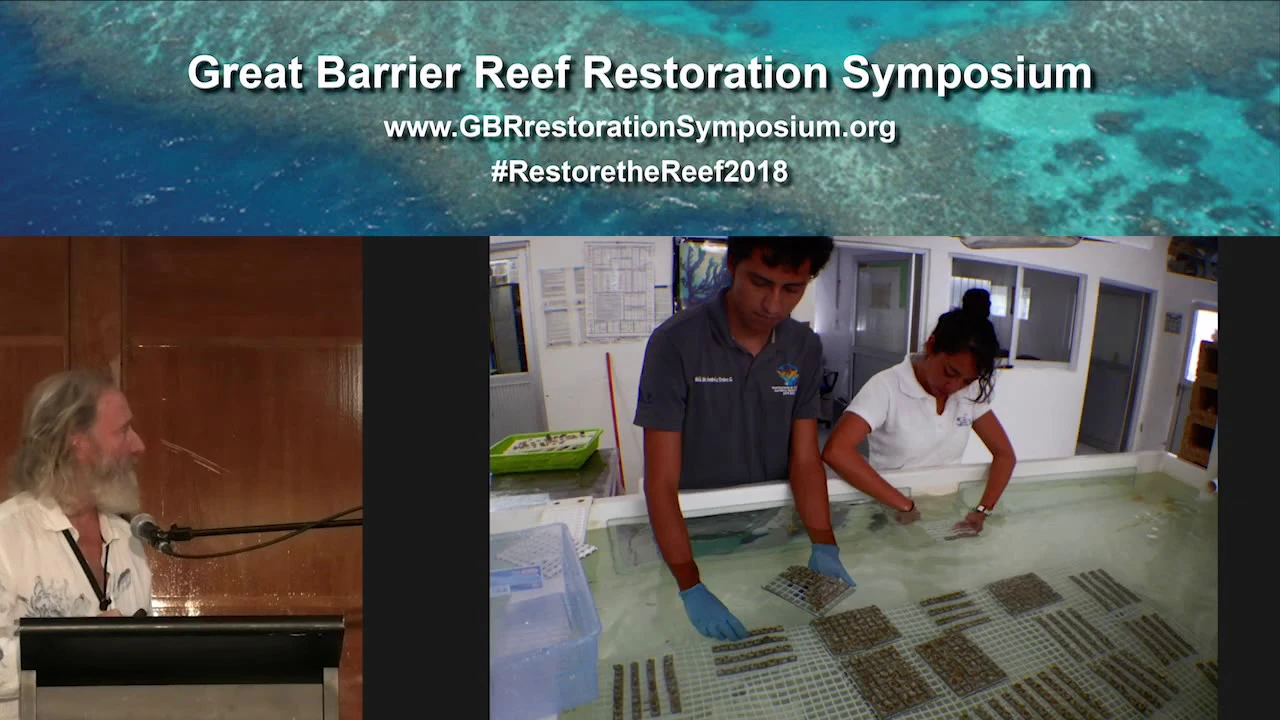






Scientists are restoring the Great Barrier Reef through two coral propagation methods: underwater nurseries where corals grow for several months before being transplanted to damaged sites, and custom-built raceways (out-of-water tanks) that use circulating raw water to accelerate coral growth; these methods help regenerate coral populations after mass bleaching events and cyclone damage, with citizen science participation playing a key role in monitoring recovery progress.
Great Barrier Reef Restoration: Marine Biology in Action
Added:The symbiotic relationship between coral polyps and photosynthetic algae (zooxanthellae).
The biological mechanism of coral bleaching triggered by elevated sea surface temperatures and environmental stressors.
The ecological significance of coral reefs as marine biodiversity hotspots and their role in coastal protection.
Basic concepts of marine ecosystems and the impacts of global climate change on ocean chemistry, such as ocean acidification.
Advanced coral propagation and restoration methodologies, such as micro-fragmentation, larval seeding, and coral IVF.
The science of assisted evolution and genetic selection to breed heat-tolerant 'super corals'.
The policy frameworks, funding models, and socio-economic challenges of managing large-scale Marine Protected Areas (MPAs).
The integration of artificial intelligence, GIS mapping, and 3D-printing technologies in designing resilient artificial reef substrates.
796.1K views16.8Klikes7:32Original Release: 2019-12-05
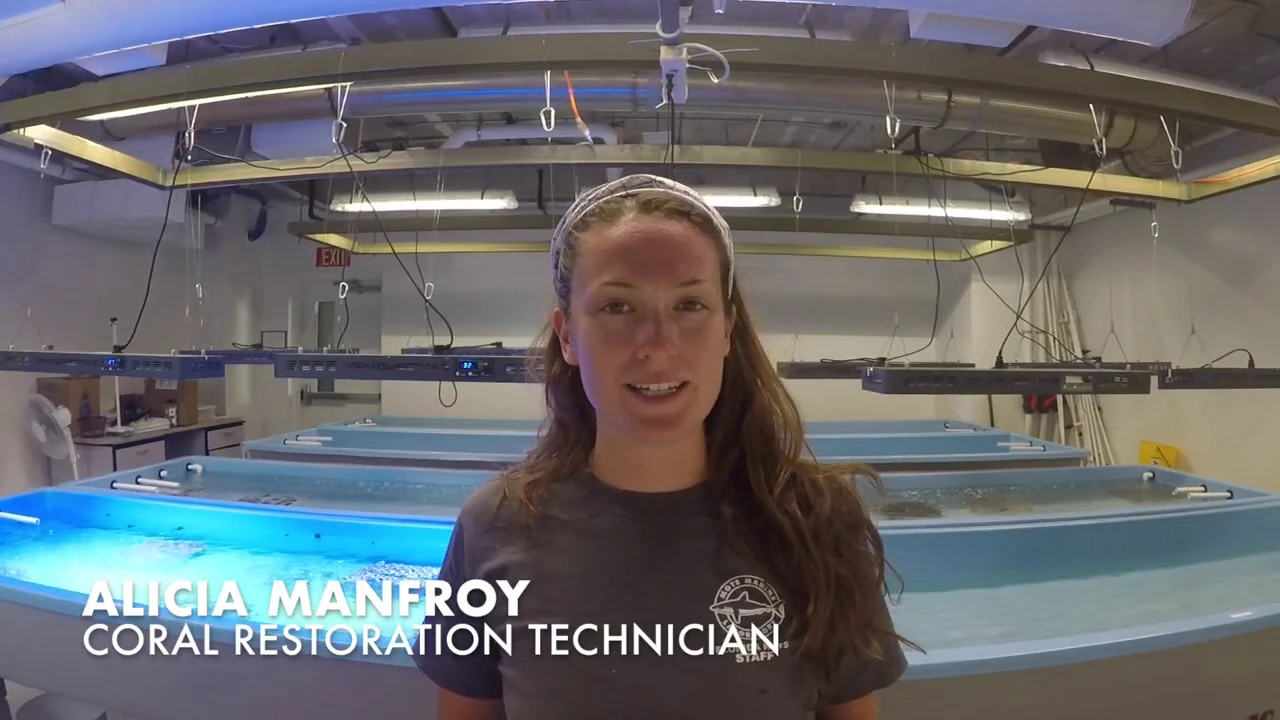
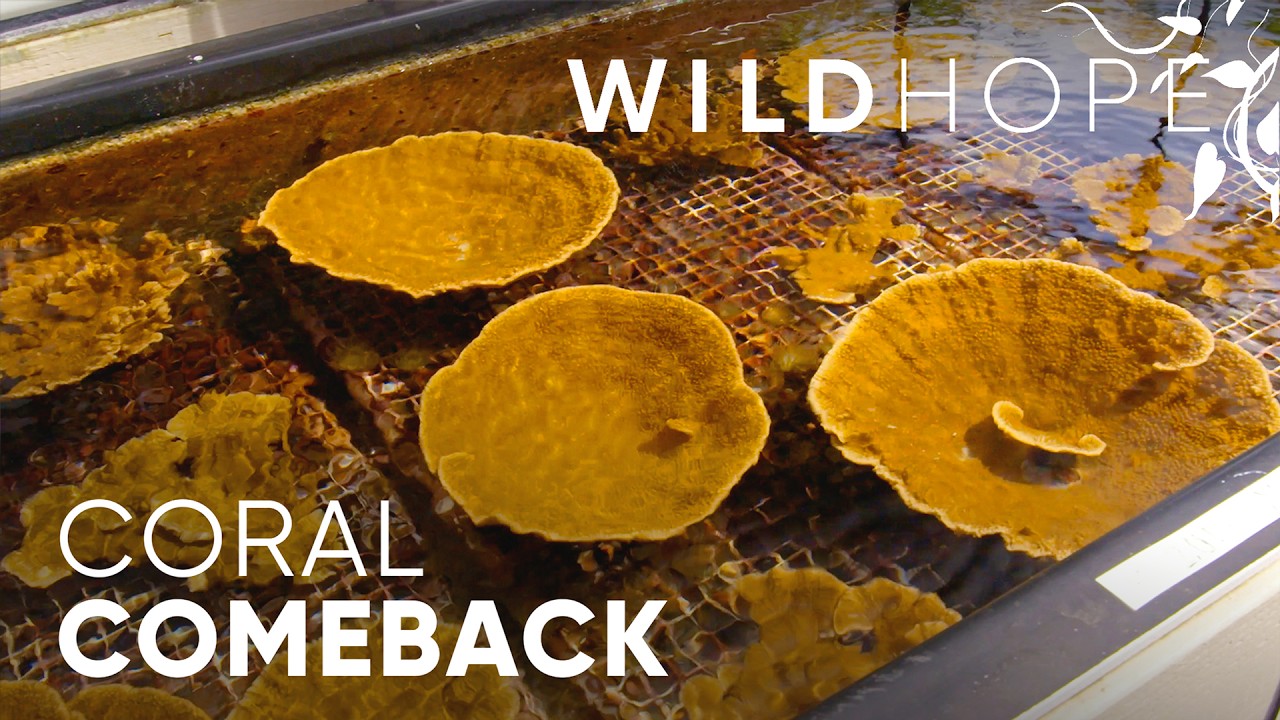
people come to the Great Barrier Reef and expect doomsday it has been publicized that the Great Barrier Reef is dead I assure you it's definitely not dead however the Great Barrier Reef is under threat there are so many animals that are relying on us we need to do something because if we lose all of this it's gonna have a huge impact my name is Johnny Gaskell and I'm a marine biologist on daydream island we got LuAnn here they're young LuAnn oops pushy I guess the first thing we do each day is head into the living room check the animals check corals check the water quality once we've done that we invite guests to come with us on educational tours to inspire people to want to protect the oceans through the connections that they make with the animals the Great Barrier Reef is the largest living structure on the planet to 2,300 kilometer stretch of coral reef so all of the organisms that make up the Great Barrier Reef colonies of animals and these little polyps excrete calcium carbonate and make these structures underneath the soft tissue and that's how you get your coral structure the color in the coral is actually an algae that lives inside the coral tissue and that's where you get all the bright vibrant colors it is very important to note that although some parts of the Great Barrier Reef are still thriving on the other side there's a lot of parts of the Great Barrier Reef that need help if something's not done soon we may lose these places in 2016 and 2017 there was two mass bleaching events and cuz it was consecutive it had a significant impact on the Great Barrier Reef an estimated one third of the Great Barrier Reef was affected by this and we did lose a lot of coral after the 2017 bleaching we were hit with tropical cyclone Debbie and that cyclone was a category four that basically sat over the whitsundays through thirty hours so we did lose a number of sites in the whitsundays - cycling damage the day I jumped in at Lover's Gove after the cyclone was about four weeks after the cyclone I really didn't want to get in because I kind of expected what was there it was stills the worst just having that memory of this underwater city just with corals everywhere fish everywhere it's so harsh that one day you got in and you didn't realize it was your last so now I just want to do whatever I can to help it get back to as close as what it was possible there's two methods of coral propagation that we're using at the moment collect coral put them onto nurseries that we've actually built under the water in the Marine Park and then give the corals time in these nurseries to get to a suitable size where we can then plant them back into the damaged sites the other method that we're trialing here at the moment is to use coral raceways that are actually out of the water these tubs use raw water that cycles through them to basically replenish whatever's in there so we actually grab the corals from the wild put them into the raceways leave them there in the raw water as it cycles in a controlled environment for four to five months till they get to that size we need and then I'll plant them back into the wild into the sites where and damage the advantage of using the raceways is it's controlled it's right there we have it in front of us and if God forbid another cyclone comes along at least then we have the coral fragments ready to go inside these raceways and the outlanding can be done much faster so this is a coral Raceway this one here I actually designed late one night some crazy idea we're really lucky that there Queensland an Australian government actually funded this project it's really good to get the support of the government and without them none of this would have actually happened it's the first time this is done in the region so hopefully in the future other places do the same thing so this is a pretty exciting moment we've got the coral raceways up and running ready to go and the very first coral is about to go in and let's do it oh the sit all right Carl Wow yeah eight months of planning and this is it the korells in this will be one of the species that we will be propagating inside the race ways to then out plant into the wild who have actually named him an annex Steve the longer we leave him in here and the longer he stays healthy the more we know that this system really works first Carol have a look at it it is thriving Kyrgyz doubled in size already you know what I actually haven't been in here since the cycling this spot after the corals have spent a bit of time in the raceways this is potentially one of the sites that we will aim to restore so I'm gonna jump in now at the camera see if the girls are gonna have a happy heart what I just saw down there was clear cyclone damage it's there's not much cover on any of the rock surfaces and a coral rubble as far as you can see with a little bit of assistance hopefully this site can come back people all over the world want to come and see the Great Barrier Reef but there are actually ways that people can come and help out with the recovery of the reef the citizen science effort is paramount to this project we want people to come to the region go to the sites that we've recovered take photos send them to us upload them and then hopefully over time we can get a an indication of how its recovered it's not too late for the Great Barrier Reef if everybody does their part then future generations will get to experience all of this you
Up Next
29:17
Soil Science Masterclass: Building Great Soil Food Web
@DiegoFooter
127.5K views•2021-09-20

15:54
Life in Biosphere 2: Sustainable Ecosystems & Human Survival
@TED
334.9K views•2009-06-16
14:30
Microplastics Everywhere: How Plastic Impacts Our Lives
@TEDx
100.9K views•2018-05-08
10:28
Ice Stupa Artificial Glaciers: Solving Ladakh's Water Crisis
@SonamWangchuk66
3.2M views•2015-05-03
Related Study Plans & Knowledge Roadmaps
Structured learning paths in Environmental Science
environmental-science
Ocean Noise: Cetacean Impacts & Mitigation
01Fundamentals of Underwater Acoustics
02Marine Mammal Bioacoustics
03Anthropogenic Noise: Shipping & Seismic Surveying
+ 2 more learning modules
16h5 modules
Explore Roadmap
environmental-science
Road Ecology: Corridors, Overpasses & Fencing
01Foundations of Habitat Fragmentation and Carnivore Ecology
02The Road Barrier: Ecological Impacts of Transport Infrastructure
03Principles of Ecological Corridors and Connectivity Mapping
+ 3 more learning modules
14h6 modules
Explore Roadmap
environmental-science
Ocean Acidification: Kelp Buffering & Shellfish
01Fundamentals of Ocean Chemistry & pH
02Chemical Pathways of Coastal Acidification
03Bivalve Physiology & Calcification Under Stress
+ 2 more learning modules
18h5 modules
Explore Roadmap
environmental-science
Ice Stupas: Glacial Retreat & Water Security
01Foundations of Glaciology & Mountain Hydrology
02Climate Change and Glacial Retreat Dynamics
03The Science of Ice Stupas & Artificial Glaciers
+ 2 more learning modules
14h5 modules
Explore Roadmap