























Healthy soil requires a balanced food web of bacteria, fungi, protozoa, and nematodes that cycle nutrients; tilling destroys 50% of soil organisms each time, and restoring soil biology requires diverse compost with multiple organic materials, proper pH management (alkaline for nitrate production), and minimal disturbance to maintain beneficial organisms like protozoa and nematodes that release ammonium for plants.
Soil Science Masterclass: Building Great Soil Food Web
Added:Basic soil classification (sand, silt, clay) and understanding of fundamental soil physical and chemical properties.
Fundamental ecosystem dynamics, specifically food webs, trophic levels, and ecological niches.
Basic microbiology, including the general characteristics of bacteria, fungi, protozoa, nematodes, and microarthropods.
The process of photosynthesis and how plant root exudates function to attract microbes in the rhizosphere.
Practical methods for brewing and applying actively aerated compost teas (AACT) and liquid compost extracts.
Qualitative and quantitative soil microscopy techniques to identify and count beneficial soil microorganisms.
The principles of transition biology: how to transition agricultural land from synthetic chemical fertilizers to biological amendments.
Bioremediation strategies utilizing specific soil microbial consortia to degrade pollutants and restore toxic landscapes.
127.5K views3.3Klikes29:17Original Release: 2021-09-20
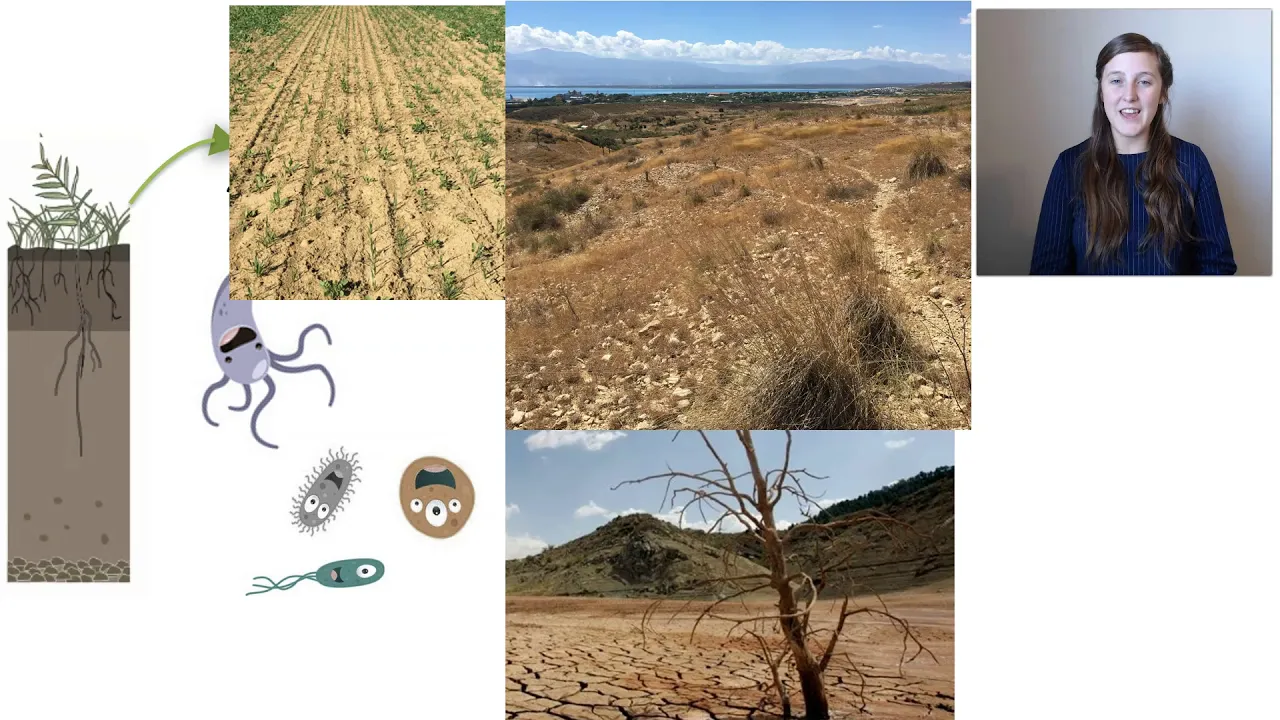
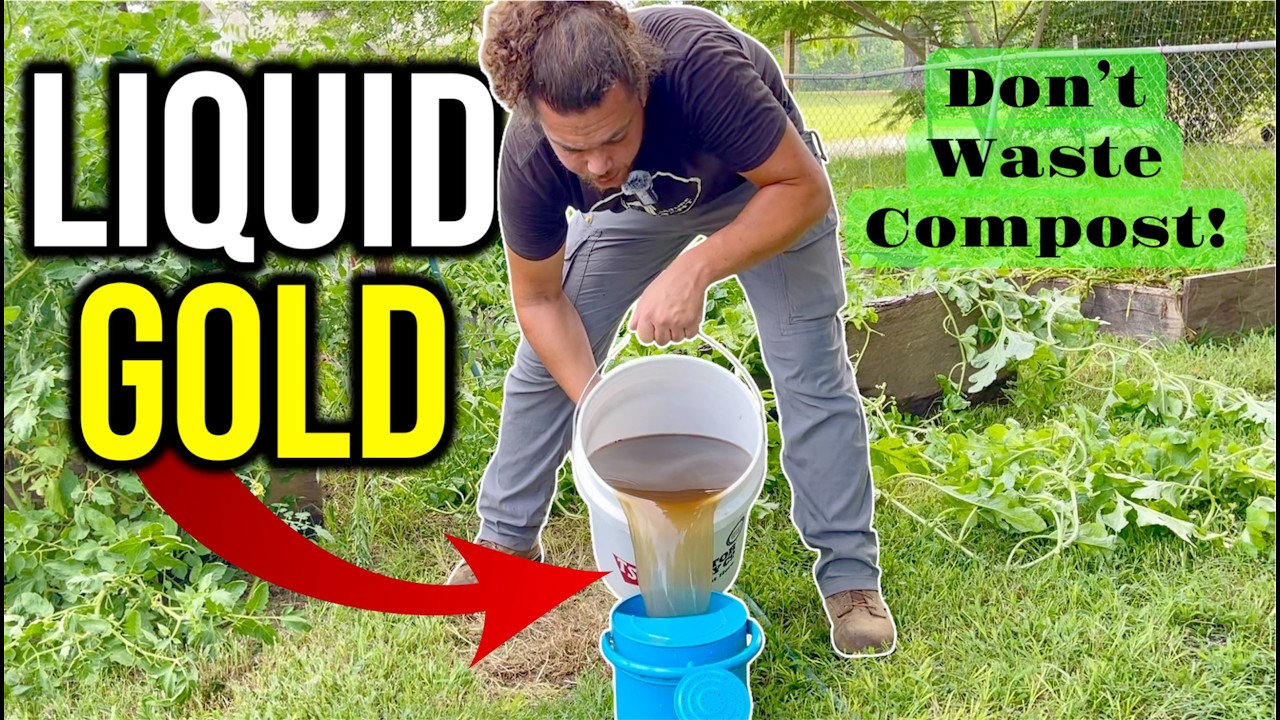
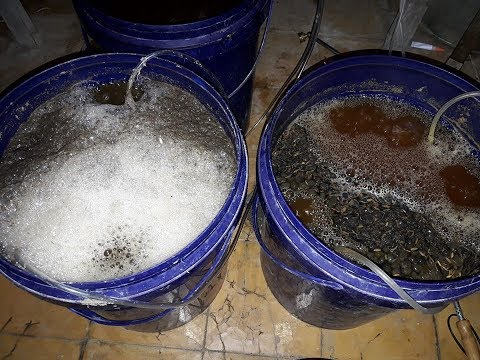
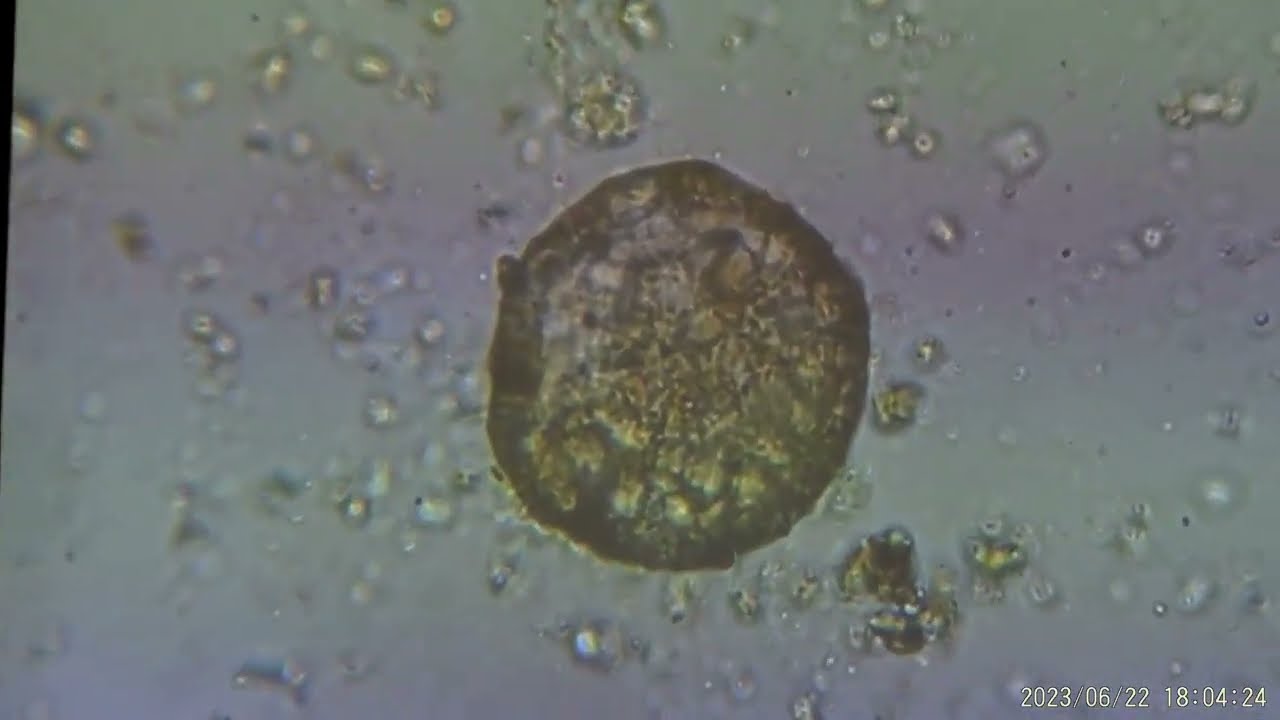
you know what why did these organisms get destroyed in our soil and when did they get destroyed well the things that destroy them is by tilling too much if you till you're going to destroy 50 of the organisms in your soil slice dice crush mash them smoosh them squish them flat and so you've lost 50 percent of those organisms well the next time you till you lose another 50 and until again you move so if you're out there tilling to uh wipe out your weeds mother nature is trying to send you that weed message telling you that the only organism you got left in your soil are the bacteria and the only way to get rid of those weeds is to get the rest of the food web back in there we've got to start balancing the nitrate and the ammonium it's a whole chemistry session i need to spend with people to explain where does nitrate come in from in your soil and where does ammonium come from in your soil but when we're looking at bacteria and fungi being eaten by protozoa nematodes microarthropods what is going to be released is nh4 ammonium and that's great for your perennial plants that's great for your trees that's great for your shrubs so that's pretty good for most of our highly productive grass plants but even your grasses your best most productive grasses require nitrate as well how do you make nitrate in your soil can't do it if your ph is less than seven you cannot do that because those bacteria that rip the hydrogens off that ammonium and stick oxygen on there the nitrifying bacteria only produce the genetic material the genes the enzymes they only produce the enzymes to rip the hydrogens off and replace it with oxygen and make nitrate they can only do that when the soil's ph is alkaline alkaline so we have agronomists out there telling you that the best ph for your grasses is 6.8 you're going to be making any uh nitrate available you're cycling nitrate producing it in your soil if your ph is below seven no so you're dependent on buying inorganic fertilizers you're dependent on putting out that nitrogen so the question is um you know she needs these organisms where is she gonna get well you know where do you where you're gonna have to compost or if you are really not a compost fan i'm gonna have to direct you to people who are in this area or wherever it is you're from i'm gonna have to direct you to people are making really good compost but if i and so i need to inoculate my compost pile they don't come from nowhere so where do the organisms in your compost come from they're floating around no most microorganisms don't flow through the air sorry the soil i'm sorry um where are the organisms in your pile come from on the surfaces of the organic matter you're putting into the pile so do you make your compost pile out of strong manure how many kinds of organisms and straw manure yeah there's a lot but you're missing some probably about 90 percent so let's put some potato waste in there let's put some carrot waste in there let's put some lettuce let's put some you know all these different kinds of food resources let's get some wood chips in there and do you make wood chips just out of pine no you need all the different kinds of wood chips you can possibly find all those different food resources all the organisms that are living on the surfaces of all those different kinds of foods up your the more kinds of foods the more inoculum you're getting in there and what if you think that maybe the stuff that you're getting doesn't actually have the fungi in there then take a hike out into an old growth forest and dig down to the o horizon uh the interface between the o and the a horizon and take a teaspoon no more than a teaspoon because we really don't want to destroy our ogre forests okay so be gentle be careful for the rest of your life you will never go on vacation ever again instead you're going to be taking an organism collecting trip it's a business right off come on you don't think the oil companies don't do exactly the same thing how about doctors who have their conferences in veil in december so why can't we do it we're going on an organism collect now here in southern california are we going to go to hawaii to collect our organisms i'm probably not going to benefit you too much plus paylay gets mad at you so are you going to go off to new england to collect your inoculum well you know if you bring some stuff back from there most of them are not going to survive here in southern california are they they're not really very used to 120 degree temperatures no humidity so you might gain a few things but make certain you always put it through the composting process so your habitat here the conditions here wipe out those things that can't grow that shouldn't be present here we've got to put things through that composting process so any diseases any pests any problem organisms are wiped out in the composting process so if you can't make your own compost let me direct you to people who are making really good compost and i would hope that some of you in this crowd would take on the challenge of starting to make really good compost for all of your neighbors and you know we drive the municipal composting operations composting operations municipal reduced waste operations we drive them out of business because no one should be buying that stuff and believing that it's compost okay there's there's exceptions so i can't do across the board but let me finish this example i'm sorry i keep calling on people and i i'm not going to call it any more people and who are done with this example okay so here we are got to do a better job of maintaining our compost through that winter time period we've lost some protozoa we have gained fungal feeding nematodes the nematodes don't like disturbance if you turn that pile if you mix that pile your nematodes are in there going oh my god it's an earthquake and they're gone they're not there anymore so now what are you going to do to bring them back you got to lure them back come back come back and it takes them a while to say is it safe is it going to happen again is there going to be another earthquake okay maybe and then you turn the pile again they're gone and now they're not coming back because they they learned that you're not trustworthy so mix turn the pile to the least amount that you can so you got to keep that compost in an area where there's good air flow where there's good oxygen you got to maintain the organism so you maintain the structure so oxygen and water can move into that pile all the way through you can't let it get waterlogged you can't let it dry out you got to maintain it so generally what i tend to do is i have a little spritz bottle with a little bit of humic acid water one gallon of my tap water one drop of humic acid goes into that gallon i got that spritz bottle and when i walk by first thing in the morning i just spritz it nice light layer put the cover back on and it generally stays really nice my organisms just get happier and happier so unbeknownst to me they took this compost and they made compost tea from it oh yeah i think there's something wrong with their tea brewer because we had well it was nowhere nowhere near this bad ratio in the compost we've lost more of our fungi than we've lost bacteria we lost both bacteria and fungi in that deep root this is one of those old micro brewers and every time the tea passed through the pump it sliced and diced the organisms as it passed through the pump so the numbers go down every time when you have a tea brewer where the tea is passing through a pump there is no way to maintain the biology in that tea brewer so what's the right tea brewer come to the class no produce also what did we else did we lose and so why do you bother putting on a tee like this what is the point it's a lot of work it takes a fair amount of electricity to brew for 24 hours at room temperature at the ambient temperature and it's not really going to give you the benefit so when they looked at the soil two weeks after applying that compost tea things are worse things are going the wrong direction we are not fixing anything so when we got these data and we did them all at the same time i was a little upset because a waste of money and a waste of time we're not going the right direction so let's keep going so here's me where you looked at the compost so i said add fungal foods so they added fungal foods we waited another week for us to apply anything because we had to let those fungal foods bring that fungal community up to high enough levels so now look at this as the fungi grow they compete with your bacteria aerobic good guys um you know but we kind of made our nematodes head for the hills because we turned this in order to add the fungal foods so our nematodes weren't gone but we improved everything else so now we make the tea from that oh darn they made it in the same tea brewer so we added a protozoan infusion because we had no protozoa in that tea what the heck is a protozoan infusion so we're going to take a five gallon bucket and we're going to put plant material where we know we've got really good sets of bacteria where we've got really good protozoa so we've got the flanges and the maybe in a dormant stage so you have to have tested your plant material before this and know that you've got these organisms sitting on the surface of that straw on the surface that add dried plant material that you're happily storing so that material just barely cover the bottom of the bucket and now you fill the bucket up with water you know not right to the top but you know so when you pick up your bucket and walk around it doesn't slosh all over your shoes so put water in there make sure that if it's tap water you have added a humic acid so that you get rid of the chlorine and the chloramine or any sulfur gases any of the problem materials that might be in your tab water because why do we add chlorine to water and guess what it works you know why do we put chloramine in because chlorine doesn't work very well anymore because we've got such nasty organisms in our piping systems in the plumbing that they have to put chloramine in now to prevent the biofilm in the pipes when they're piping that water to your house so what's the concentration of chlorine and what's the concentration of chloramine in your water it depends on where you are on the pipes if you're the last person on the pipe don't worry chlorine chloramine is gone how many of you are the last people on your uh plumbing system coming from the water treatment plant one two all this to you how much uh how much chlorine and how much chloramine is in your water do you have uh dissolved uh sulfur do you have other problems how about how is your magnesium levels oh this part of the world magnesium manganese you could have some problems so let's kind of hedge our bets maybe you're not on tap water maybe you got a well water when's the last time you tested it for excess nutrients of some kind that could be killing organisms so just hedge your bats one drop of a good humic acid into a gallon of water and we've tied up we've complexed all of these problem materials you don't have to worry where are you going to get your humic acid from your compost pile take a couple cups of your compost stick it in cheesecloth and a colander run four cups of water through there and as water comes out the bottom nice deep rich dark brown color what causes a nice deep rich dark brown color you make acid make your own so make a compost pile and extract it now it has to be passive you don't want to be shaking you don't want to be mixing because that rips organisms off those surfaces and we don't want organisms in our humic acid because they tend to eat the humid gases you know and so they can gas is not left anymore so passive movement of the water through that compost look at the color that comes out now take that first four cups and set it to the side put another container run another four cups of water too are you still getting really good humic acid yes add the first two batches together and do another four cups now how much really good humic acid do you have in your compost is this super duper outstanding compost you're going to be able to run 16 cups of water through two cups of compost and all of that will come out with really good levels of umic acid oh what what am i using as a measurement how do i know that i've got really good humic acids color color so where's the color chart do i have to go buy a one cell color chart cost several hundred dollars no go to the grocery store go to the chocolate bar counter [Music] get a milk chocolate chop chocolate bar because that's your fulvic acid color get a 70 cocoa chocolate bar there's your humic acid color so now you start running water through your compost you have good compost pull your chocolate bars out prepare the colors so if absolutely no humic acid is coming out of your well it's not compost then at least you got comfort food right there because you can always go replenish your color scale chocolate bars have not ran out of grocery store so keep going so protozoan infusion ah we got i got distracted uh humic acid in that water and now let that grow at ambient temperatures because the protozoa we want to be putting into our compost extract or compost tea are those organisms that are going to survive under the conditions that are outside so whenever we're making tea whenever we make an extract whenever we're making a protozoan infusion you grow these organisms at ambient temperatures when i first started working with a mirage hotel in las vegas we were very clear with them that the tea brewer had to be outside so we were growing those organisms that when we sprayed them onto the palm trees when we sprayed it onto the site pads when we put that onto the lawn those were the organisms that were growing at that temperature they were already used to 120 degrees okay so there was no problem in getting excellent effects of applying these organisms out into the real world fantastic job on the on the palm trees we got rid of all the fusarium all the crown wrapped gone very rapidly all the dog spots all the alcohol dumped down that lawn got rid of those spots um the end of may we went out there and did the soil so two weeks after we put the tea out went in looked at the biology in the soil it's better isn't it but is it where we want it to be no well at least we got the protozoa up there because we had the infusion so we've got good nutrient cycling but we're still selecting for the not so wonderful species that's got to keep going gonna have to do another one so here we go there we are here we are in june and if we had really good compost last october we wouldn't have to be doing all of this work okay but we didn't get the organisms up and started so okay let's do it again but now our compost has had those good fungal foods in it for about a month and a half and look at what those fungal foods have done to our ratio of fungi to bacteria yes we've got it we got our fungal community now uh have they fixed the tea brewer well look at that we do have fungal dominated tea we're going to add humic acids to that tea where we put it down around the trees around the shrubs around our perennials we put in about half the amount of humic acid when we applied it to the lawn we put no humic acids when we're going onto our veggies or into our little flowers good protozoa good nematodes applied that out there early june june 15th we took another sample of the soil in the grass look this is perfect equal biomass of fungi and bacteria and it's way above the minimum levels whoa and our grass remember what it looked like come the end of september and we didn't have to use any water because we're building the structure we got the nutrient cycling we got bacterial feeding and fungal feeding and predatory nematodes came back into our lawn from somewhere we can document that they're there but we look we're looking through the microscope around our shrubs is that fungal dominated yes around our trees yes so we managed to do it but it took us nine months to get this conversion because we had people that well of course this is good compost yeah right how do you know it's good compost microscope learn how to use it or get somebody in your neighborhood now that you can come you know wander on over you're going to bring them abroad a little good coffee and a danish and do my sample of compost or tea or extract or whatever you need get them to look at it for you because it's just it's such a short process to look at any one particular sample oh uh let's go back f flagellates amoeb ciliates the three groups of protozoa you know so really good aerobic um protozoa here uh a few ciliates okay you're gonna have some anaerobic microscience but you know um not bad enough as long as it's under a hundred ciliates i'm happy with it so when you start going over a hundred ciliates it's when you have more ciliates than you do fungi uh flagellates and amoeba that's when you're in trouble so okay at 100 if it started going over that i'd know i had anaerobic conditions in my soils and i got to work on that got to figure out where those are how do you know where your compaction layer is in your soil penetrometer and the penetrometer by any other name is a metal rod with a pressure gauge on top of it so go buy a metal rod how expensive is that you have 30 cents maybe a dollar and 30 cents these days buy a little pressure gauge maybe five bucks and now um put the metal rod so the tip is on the surface of your soil where you want to test your pressure gauge goes on top of that and start pushing and you can read the pressure that you've got to be pushing to get that metal rod to go into the soil and if you go about above 150 psi pounds per square inch if you're pushing harder than 150 psi most of the roots of your plants cannot move through that soil it's too compacted it's going in aerobic those are not happy campers you're losing your root systems at that depth now we got some plants that do do tab roots so if you've got some tap rooted plants they will be able to push that top root into the soil up to six up to 300 psi so there's a couple interesting publications from pennsylvania state university penn state where they have documented all of this kind of information what's the compaction as measured by psi that stops roots of different kinds of plants and anytime you go over 300 psi roots cannot push their way through that at all and really is it the density of that soil that's a problem or is it the fact you're going anaerobic bingo because your roots can push their way through concrete so why would a little bit of dense soil be a problem uh because you have no oxygen so he's asking what are some of the other characteristics that we could be looking for instead of using a microscope it's really hard to interpret other characteristics and you know when i have when i do the two or three day course life in the soil i go through a lot of those other characteristics and i always want to give the explanation for why and so i need another 48 hours to answer that question come to the seminar next week and i can go through all of that question um so just like this example that we went through first thing that you want to do is take the before picture please because i'm always amazed that when we go into some farmers fields when we start working with clients uh you know we're we're there with i mean it's weeds we got weed city annual problems the grass that's grown is bromas or bermuda grass and they've been told that the only thing that they can grow anymore is bermuda grass in these pastures there's no nutrients you have no ability to hold water so the only thing that you can grow is bermuda grass how many of you actually ever tried to keep a cow alive on bermuda grass ain't happening is it not too good so we want to shift that species so we want to take some really good compost we want to get those organisms so look at your compost what are the organisms in your compost is it easiest for you to spray compost so now that's a up to use you know i can't tell you if you've got the equipment to spread compost if you're making enough compost you've got access to enough really good compost with the proper sense of biology then put the compost down because not only are you putting the organisms in the soluble nutrients but you're putting the not soluble nutrients they're good organic matter so if possible i will always choose to book compost out but you know you got ten thousand acres of range how are you gonna get ten thousand tons of compost because typically we're putting compost if that's what we're doing it's one ton per acre it's an inoculum you got to make sure that you got plants growing that you got food to feed those organisms maybe you add some humix maybe you add some fish hydrolysate but if i'm putting compost out bare minimum as long as we got the good biology and i would probably be putting it out with food depending on what did we find before so i got to walk your land i gotta work with you do we need to put swales in do we need to put water holding do we need to slow down that water as it's moving across your property well okay we better be out there looking at all these things because if your water is going uh it's going to be too it's going to take too long to get the biology established properly to shut that down so let's do you know the permaculture thing so maybe you don't have a lot of compost so maybe the extract is going to be easier you got enough compost that you can be using five pounds of compost per 10 gallons of your extract water to get the biology extracted from the compost and into that water and apply that out and get the response that we want to see maybe you don't have very much compost at all you have just a teeny tiny small amount of really good compost so now you're going to make tea because we multiply the organisms by adding food step one and a t is to extract the organisms into the water and we're adding foods then to get them to grow bacteria typically multiply every 20 minutes in a compost tea as long as those are the ones that can grow out that temperature but those nutrient concentrations yeah yeah so they're going to multiply by a million folds overnight fungi multiply every four to six hours so we're going to increase the number of your fungal amount of your fungal biomass by a hundred fold overnight protozoa will multiply threefold and a 24-hour period nematodes i'm sorry it's too short a time they cannot multiply in a compost extract or compost tea so whatever nematodes are in your compost that's what's going to be in your extract or your tea so are we getting enough typically if we're going onto soil i am not ever going to use tea on soil unless i just don't have very much good compost at all so we're going to be using five times less compost to make a tea as compared to an extract so gotta know what the biology is in these in your compost to know how much compost you're actually going to have to use in making an extract or making a tea so now i'm going to put that out i want to be paying attention to where was the compaction what were the diseases we had in the past what's the fertility problems what are the insect pests get some history on that and then did we fix those problems so be measuring that over time uh if we come come back uh two weeks later after applying this we are going to two weeks later measure the soil did you get the organisms up to where they want to be if not then you're going to repeat please take pictures through the course of your remediation so at the end of the year when you have an absolutely beautiful pasture of blue grama or black grandma you can take your client out there and say see look at what we did and when the client goes oh that's how this pasture has always been
Up Next
42:41
Soil Food Web Explained: Dr. Elaine Ingham on Soil Biology
@soilfoodwebschool
106.9K views•2022-03-14

15:54
Life in Biosphere 2: Sustainable Ecosystems & Human Survival
@TED
334.9K views•2009-06-16

56:51
Fungi in Permaculture: Harnessing Mycology for Resilient Design
@DiegoFooter
82.2K views•2017-09-02
10:28
Ice Stupa Artificial Glaciers: Solving Ladakh's Water Crisis
@SonamWangchuk66
3.2M views•2015-05-03
Related Study Plans & Knowledge Roadmaps
Structured learning paths in Environmental Science
environmental-science
Ocean Noise: Cetacean Impacts & Mitigation
01Fundamentals of Underwater Acoustics
02Marine Mammal Bioacoustics
03Anthropogenic Noise: Shipping & Seismic Surveying
+ 2 more learning modules
16h5 modules
Explore Roadmap
environmental-science
Road Ecology: Corridors, Overpasses & Fencing
01Foundations of Habitat Fragmentation and Carnivore Ecology
02The Road Barrier: Ecological Impacts of Transport Infrastructure
03Principles of Ecological Corridors and Connectivity Mapping
+ 3 more learning modules
14h6 modules
Explore Roadmap
environmental-science
Ocean Acidification: Kelp Buffering & Shellfish
01Fundamentals of Ocean Chemistry & pH
02Chemical Pathways of Coastal Acidification
03Bivalve Physiology & Calcification Under Stress
+ 2 more learning modules
18h5 modules
Explore Roadmap
environmental-science
Ice Stupas: Glacial Retreat & Water Security
01Foundations of Glaciology & Mountain Hydrology
02Climate Change and Glacial Retreat Dynamics
03The Science of Ice Stupas & Artificial Glaciers
+ 2 more learning modules
14h5 modules
Explore Roadmap