

















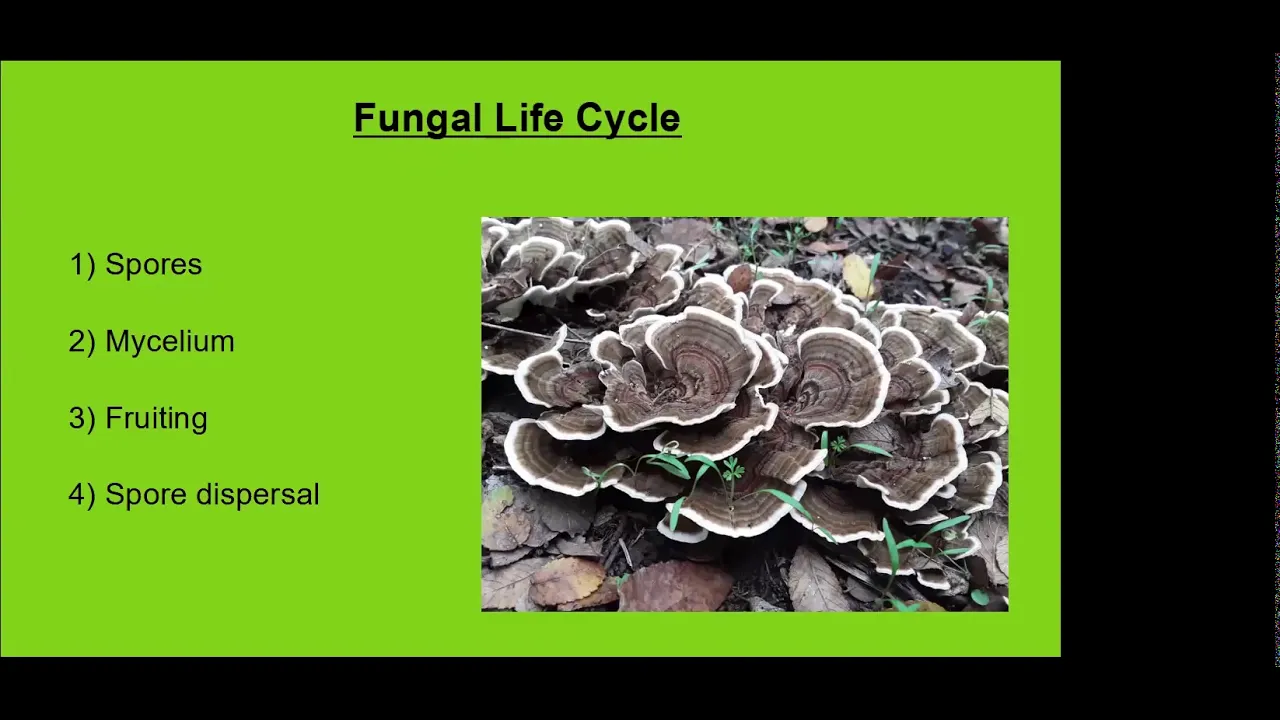

Fungi are the missing essential function in permaculture design because they perform critical ecosystem services including breaking down organic matter (responsible for 90% of decomposition), building soil structure through glomalin production, enhancing plant nutrient uptake through mycorrhizal symbiosis, and remediating waste streams. Unlike the sterile laboratory techniques commonly taught, fungi thrive in natural, non-sterile environments and can be cultivated using locally adapted strains to create resilient, self-sustaining systems that integrate seamlessly into permaculture designs for food, medicine, and environmental restoration.
Fungi in Permaculture: Harnessing Mycology for Resilient Design
Added:Basic principles of permaculture design, including closed-loop systems, ecological mimicry, and the ethics of earth care.
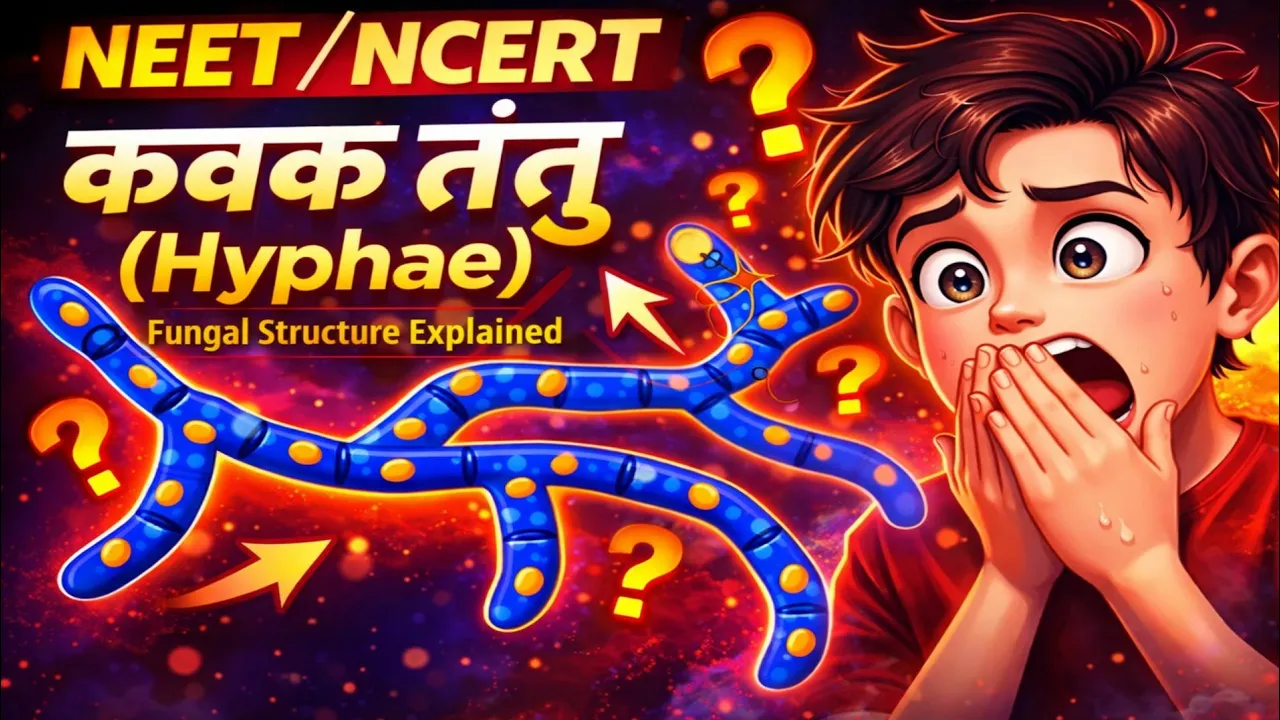
Fundamental fungal biology, specifically understanding the lifecycle of fungi and the anatomical differences between mycelium, hyphae, and fruiting bodies (mushrooms).
The Soil Food Web concept, focusing on how nutrients cycle through organic matter, microorganisms, and plants.
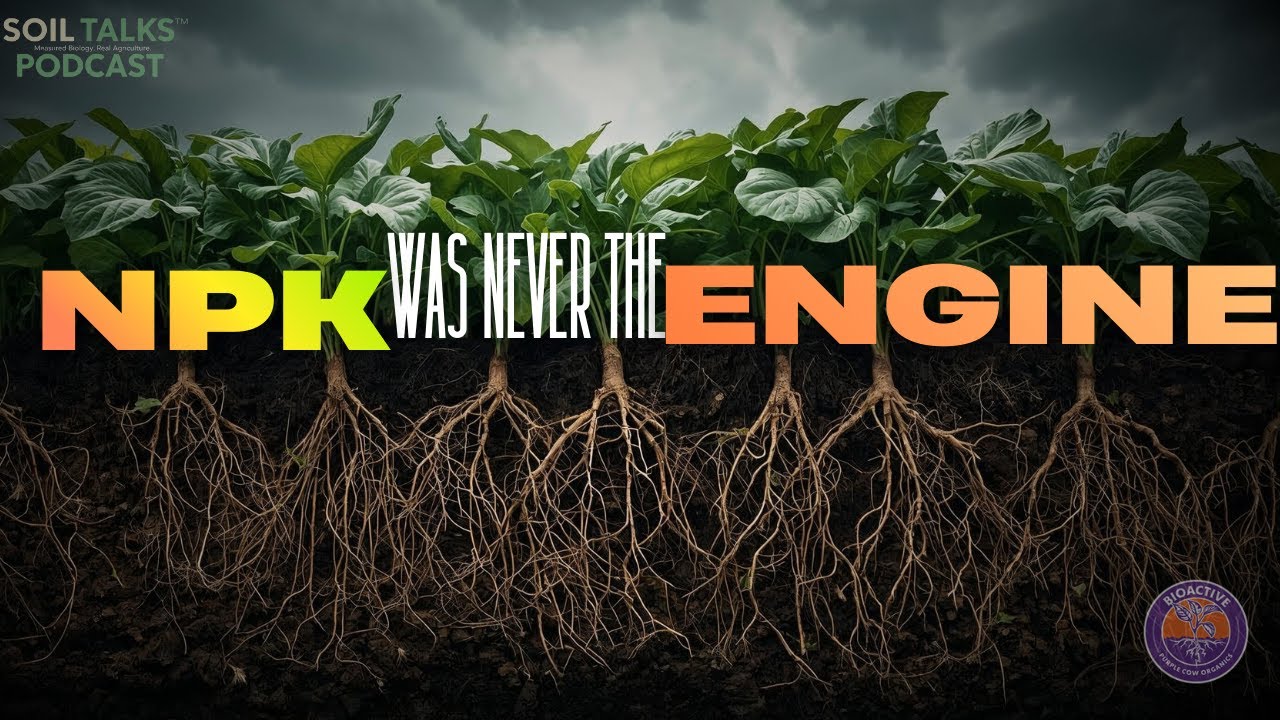
The symbiotic relationships of mycorrhizal fungi, detailing how they associate with plant roots to exchange water and minerals for carbohydrates.
Mycoremediation techniques, exploring how specific fungal species can be deployed to break down environmental pollutants, heavy metals, and synthetic toxins.
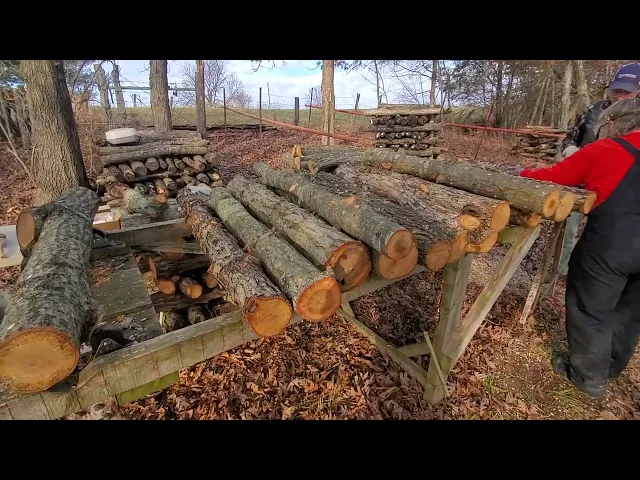
Practical integration strategies for agroforestry and food forests, such as log inoculation, woodchip bed cultivation, and guild design.
Mycomaterials and bio-fabrication, studying how fungal mycelium can be harnessed to grow sustainable packaging, insulation, and construction materials.
Advanced fungal propagation, including sterile culture work, liquid inoculants, and cultivating native strains for ecological restoration.
82.2K views1.6Klikes56:51Original Release: 2017-09-02
we will start with some you know foundational stuff but Diego asked me to sort of assume a higher level of education on this topic even though that might not be true for you hopefully it won't go over your head but I really want to pack in hopefully some some inspiring ideas and get some wheels churning in the 40 minutes that I'm going to talk it's not gonna so it's not gonna so much be step by steps this is how you grow mushrooms on logs I'll give you some resources to go deeper what I'm more gonna do for the next 40 minutes is spark some ideas as I said and then there's actually going to be 20 minutes to her Q&A and also kind of brainstorming at the end Diego asked me to do that that was really great idea because so many knowledgeable people here I'm gonna present some ideas I'm definitely you know I don't you know own abroad a core piece of property so I don't know how the things I say translate to what you do and I would love to hear that and we can all kind of brainstorm and collaborate and I can incorporate those ideas into you know future presentations and help kind of build on our collective knowledge so yeah so please just like save like any kind of extra questions you know for the end for that section if you want to know if I mentioned idea and you want to know more about it maybe we can talk about it at the end you know ask me clarifying questions as we go if you're confused you're not really getting a topic maybe other people aren't as well but yeah I just would love to try to like get through it and try to get some ideas flowing so it's a bit of a bomb that we're dropping today okay so so fungi are the missing function why do I say that well it's because fungi are everywhere we just don't see them we don't talk about them we don't think about them we don't learn about them ever in our education system from K to 12 even people have known who've taken four years of education environmental science they got a day of mycology if they were lucky it's completely absent from understanding of the world and our discussions around ecology of course with this crowds a little bit different people a little bit more up and up but by and large everywhere I go every time I talk about it you know people don't know much and that's really unfortunate so what I try to do through the work the idea work in an organization I started about 80 years ago at Alcoa ecology and we're all about disseminating open-source accessible information to my call and I'll talk a bit more about the work that we do because that because it's just uh hopefully as we'll see they're incredibly important and if we're not incorporating them into our designs and considering them as as an integral component which they are to all of life we're missing out on a big piece of the puzzle so if fungi grow in all environments you know this is a fungus from this rock is from Antarctica and that's a piece of limestone from one of the walls in the McMurdo Valley the black layer belief beneath the sandstone on the left edge there that's a fungus and below that the green layer is an algae and the round layers are an oxide from their combined acids and photosynthesis sort of like an internal lichen ization they're called crypto and no lithic fungi there's more funshine in Antarctica than there are plants there's more fungi in the world there's at least three times or at least five times as many fungi in the world as there are plants if not way more than that they can grow in desert environments and create somebody showed me a picture yesterday of mushrooms fruiting in the middle of the desert in Saudi Arabia after you know they when they get one inch of rain one rain day a year mushrooms will pop up the rest of the year it's a desert right and so they're very tenacious they've adapted to all environments there's underwater fruiting mushrooms there's mushrooms that fruit and the tundra and of course does all the molds and mildews that fill a lot of ecological important niches that we don't consider yeah I don't know volume what's that okay I will try to project low I will project more as well so just keeping that in mind that they are everywhere they're on our surface they're in her ears and her nose and her guts they they're import to all life cycles you just can't hit that home hard enough there's all kinds of fungi Linnaeus called it the Chaos Fung Gorem today we call it the kingdom fungi or the fifth kingdom there's many types of fungi mini micro fungi that we're not going to explore so much today I'll touch on them the the mushrooms right that's what people want to grow and we'll get there but I'm gonna talk about some micro fungi that are important as well roughly one point five to ten million species in the world compare that to the roughly 300 thousand plants wow there's a lot of fungi what are they doing we don't really know because we've only only studied identified five less than five percent we've barely scratched the surface of mycology in general and all the subsets that we're going to touch on we it's such a burgeoning Natural Science there's so much room for growth stamens mentioned this but I'll just show a couple more slides that our fungi that live throughout all plants that have ever been tested we conservatively say ninety five percent but every single piece of a plant that's ever been tested seems to be a whole ecosystem of fungal tissue living throughout its entire mass these are called endo FIDIC inside of plants and acidic fungi what are they doing we don't know some have been shown to breakdown plastics they definitely encourage drought resistance disease resistance and probably a whole host of other things probably producing medicinal compounds and medicinal plants because fungi are nature's chemists but we don't really know exactly what they're doing because nobody's really looking at it that much we can culture them just the same way that we culture decomposing fungi that I'll talk about the ones that we mostly grow for food medicine same techniques grow these guys who knows what advanced applications await for applying to plants intentionally to incur about drug resistance etc so micro fungi are very important but we're not going to touch on them so much another form of microphone Jia that we can incorporate into our you know holistic living systems or the fermenting fungi how many people here make kraut kimchi other bacto lactobacillus base ferments right how many people here make tempeh or miso a couple that's cool super crucial super important easy to grow their molds this is a tempeh as a mold growing on typically soybeans but we can grow it on any kind of being or legumes transforming our crops into something that's more nutritious you know bio enhance through fermentation and we can grow out the mold typically in Indonesia this the mold is stored on leaves so it's a doesn't have to be sterile this is one of things I'm gonna hit home real hard today does not have to be a sterile does not be hard to grow fungi because that's not how they live in nature but when we grow them at home we sprinkle the spores on some beans and we put it into a warm incubator and the pilot light the oven mold grows over a day pretty easy pretty quick if we let it go a couple of extra hours it'll get all black and moldy or Oh covered in spores which we can dry and harvest and we have perpetual spores very self-sustaining we have to buy that stuff which is what you're told you have to do very easy to grow your own tempeh spores great book book tempeh look at me so look into it by William Shurtleff tells you everything you ever need to know so how many people here have heard of mycorrhizal fungi awesome right how many people work with mycorrhizae intentionally whenever they plant plants and things like this awesome great so if you don't if you haven't heard of them just real briefly they connect to the roots of plants they extend the the root systems exponentially tune in creating so much more surface area than the plants can because they can penetrate travel faster have much smaller diameter than root tips yeah I got this low voice so just this happens so some plants need the micro iyslah fungi and they will not grow without them so down in the lower left those are Doug Fir trees and they just basically won't grow without their mycorrhizal partners mic Doug firs are a great example of the complexity of micro rise a because they can host over 200 different species in in one trees life and over 2,000 different fungal species are known to associate with Doug first so it's an incredibly complex soil dynamic ecosystem as I'm sure a lot of us are aware of a lot of the mushrooms we wild harvest in the forest such as chanterelles Bowl eats matsutake these are micro eyes'll fungi that have very specialized symbiosis with very specific trees and also probably multi-dimensional symbiosis with beneficial bacteria other fungi all these things signaling the fruiting of these mushrooms what that translates to to the home scale farmer or the you know rural farmer is that it's hard to grow these guys because their symbiosis is very very complex and that's why we have to buy wild harvested chanterelles and can't really grow them easily there's one technique a couple techniques you can try one that's sort of a shot in the dark but your cross and your fingers is to plant a tree of the same species next to a tree that you know to associate say chanterelles plant it there for a couple years hopefully the Bison translates to that new sapling there's symbiosis forms you can uproot that tree and then Transplant it closer into your property maybe it'll work maybe it won't hurt of mixed success I think a better a step to that would be to take some that soil make some compost he built build up the microbes that are there that are also a part of semo's and imply the compost tea when you're installing so it's an extra step you don't really hear about it's thinking about the other microbes so the mycorrhizal fungi are incredibly important they wrap around the root tips there is no root tip exposed here it's all fungal tissue that interacts in the soil environment roots are more like anchors right than anything else and they rely on the microbes to transform and draw in their nutrients in which they uptake passively mostly through osmosis so the fungal tissue is incredibly important when we don't have them we need to input a lot of fertilizers fungi micro iyslah fungi incredibly Dilys decrease our fertilizer need because they scavenge so far and wide especially for phosphorous one of those things we're really losing out on they produce a sticky protein called glomalin which is the green highlighted stuff in the background this is really what transforms soil or dirt into soil it gloms together aggregates of little particles and builds soil tilth and structure and it's really about the micro eyes of fungi that builds up our soil porosity really it is this sticky protein called glomalin very very important when the settlers came to the Midwest and across the Great Plains you know 100 plus 2 years ago and they found tens hundreds of feet of beautiful topsoil from the grazing and all the things that we also know about what they were well we also don't really hear about is that soil at topsoil that houmous was built up because of the micro iyslah fungi associate with those grasses all grasses associate with mycorrhizal fungi and again conservatively roughly 95% of all plants in the world for mycorrhizal symbiosis so it's incredibly important but when they came and cut down all those grasses and build their sod houses and planted corn they destroyed all that relationship turned up the soil killed a micro rise a the glomalin went away the soil turned dust and blew away it's a big part of our desert certification is a lack of mycorrhizal fungi something we need to incorporate into our just conversation around these huge topics is the fungi of the fungi so they are incredibly important they build soil structure they increased fertilizer efficiency it's the most studied symbiotic relationship in the world is this mycorrhizal symbiosis so there's all kinds of literature if you want to look into this this is just a summary of the benefits of working with them defend against plant diseases and infections across-the-board decreased erosion they bind up heavy metals so there's remediated function there enhance nutritional medicinal value of plants and the taste etc so they're just overall value again reduced to certification and help support managed wood Lots and all kinds of crops so basically we should be inoculating all of our plants with mike rizzo fungi a like this one researcher mycorrhizal fungi says it hardly states the case to say that Mike rise is our important ecosystem function much more accurate to say that they are ecosystem function they are so foundational to life soil right so in the fungi play a huge huge role in that and we need to be thinking about them and all the time can you tell that I'm passionate about this so so we can buy commercial mycorrhizal inoculum this is an organic one from a company that's pretty nice but we can also grow our own so there's two kinds of mycorrhizal fungi too broadly speaking the one kind that forms mushrooms are typically very specialized that only grow specific trees specific plants and we wish we could grow them right because they produce chanterelles it produced Bo elites but again as I said that that relationship is quite complex and hasn't quite been ironed out yet maybe you'll experiment figure it out and let everybody know because you're coming to it with fresh eyes and you're not stuck in you know what you've been told through you know the mycological education system where we would kind of think certain ways we always need new fresh eyes in this field because there's always new stuff coming out as we're gonna get into i'm to scratching the surfaces intro right here so but we can grow mycorrhizal fungi the Rodale Institute developed a great protocol for nonspecific what are called endo mycorrhizal fungi or what I call the glomer oh my Kota it's the file up they fall into they associate with the vast majority 80 plus percent of plants in the world they're generalists and they'll connect many dozens of species together and when the ecosystem channeling nutrients among them I won't go into the amazing properties of my crazy but they're there but we can cultivate them as a short end make our own micro razzle inoculum that'll associate with the vast majority of our plants maybe not all of our trees but a lot of our annuals and perennials and so I'd recommend just looking at the Rodale Institute my gradual knocking on they have the whole walkthrough I won't go through the details but this is a picture from their site basically you just grow grass and in the pot over a season and the soil the Micra as it grow you harvest and use it as it not going to mix it into your compost ten percent the next season yeah Rodale ro da le so the University of West Virginia has an advanced protocol that I'm not gonna get into just kind of percolating ideas of screening soil and actually quantifying and looking for what species on my cries they're present it's great way to test the health of your soil to see if there is actually even ambient mycorrhizae and then we can actually bulk up our local fungi locally adapted my grassland genuses that is inoculum our native indigenous strains you knows better than importing something from who knows where that's been under who knows what kind of conditions the thing about fungi that we'll get into is that they'd respond to stress adapt to stress that respond quickly and it's always beneficial to work with fungi that have adapted to that local site because their evolution rate is incredibly rapid so just kind of percolating that out there there's also dirty down in dirty ways to basically just scoop up dirt from an intact soil system put it into a pot and grow some grass and you're gonna grow whatever fungi are there this is more advanced to kind of quantify what's they're incorporating with biochar you know I want to hit this home too hard but basically fungi penetrate they love biochar so incorporating them with our micros a and even the two are all unlocking them so biochar holds a ton of water funded I need a ton of water to grow so even in an arid environment when you do it in mushroom installation doing heavily saturated biochar with that will provide a huge water reserve that the fungi need to grow healthily and even fruit now there are so mycorrhizal fungi that form mushrooms that we can't that are very easy to cool today there's a handful one includes the lac area species like harriet by colors one specifically that is needed and as you commonly applied to Douglas fir trees as an inoculum it will it like I said the Doug firs won't grow without the beneficial my career's easy to grow so that's one that is a medicinal it is an edible mushroom it's a featured fungi that we had at the radical mycology convergence this year because it's a very cool mushroom in a lot of ways but you can look into that so there are there we can get some sort of yield out of my graslie fungi the ones I mentioned before from the rail down Institute they don't form lush they're just soil dwellers so this is sort of trade off we don't see them but they're doing all kinds of miraculous functions on our property okay and so yeah this is the rack'em ecology Persian is just a little aside in a plug this is one of the things that I spend a lot of time on basically this is a five day donation based volunteer-run have been teaching open source mushroom cultivation remediation for food medicine resilient living strategies heavily focused on my ecology because you know if we went into everything else we'd lose the fact lose focus on the fact that people need to know about my ecology because all the other things are very interesting I love this I'm blown away by this conference by the way thank you Diego but you know we focus so heavily on my ecology because it's just this incredible gap in all of our systems at KU is that better well this the last one just happened in October in Illinois they kind of we're probably going to be doing we were doing them every year but because it's volunteer it's kind of a heavy loads probably every other year so maybe 2016 and we're not sure we're quite yet so radical met ecology convergence calm you can see the schedule for last year what kind of stuff we get into our mission statement see how we vibe so most people want to grow so that was sort of some the other fungi definitely missing from some of our thoughts perhaps but mostly we want to grow the super food medicine mushrooms right oh and delicious edible incredibly strange and interesting looking and a great conversation piece at the farmers market right and people wow you grow mushrooms a lot to talk about there so I won't get into the details of how nutritious and medicinal they are leave it at that they are incredibly nutritious high in heavy trace minerals a lot of vitamins protein some are higher in protein by dry weight than some meats so things like this incredibly medicinal rich history so I'm happy to answer those questions later but we'll just leave it that for now so the mushrooms we mostly grow for those kinds of functions food and medicine and also remediated functions are all kind of the same species roughly 20 20 to 30 species or what we mostly cultivate for all the same functions what's really incredible shiitake credibly delicious incredibly medicinal and powerful breaks down dyes and all kinds of toxins Wow powerful decomposer because these are the mushrooms that we grow we grow that what are technically called the saprotrophic basidiomycetes oh they're some fancy words for their saprotrophic basically means decomposer or Death Eater translates to and basidiomycetes as we'll see it's a certain type of fungus and it's all based of that term just comes on how the spores are produced so a little bit of technical details but these are the fungi we grow these are the ones that regenerate our systems these the ones that return nutrients to the soil fungi are the only things that can break down lignin if we didn't have them we'd be piled high in trees and nothing would grow fungi are responsible for 90% of all decomposition they can break down everything you know pretty much it's gonna broad statement but it's quite incredible plastics we'll touch on that for a second you know I really think about them less as decomposers as like everything we're all recompose errs we're taking something that something else nourished off of for a while pass it through our system and it comes out as something that something else will persist off of that's what the fungi do they're not associated with death and decay within we're all associate with death of a decayed don't we eat dead animals and plants as well bunch of just do it in a really miraculous underground interesting and very different way and so we just need to you know shift our awareness and our dialogue around it I'm sure people here are cool but sometimes you get people or weird it out so so just really briefly I'm not going to go into this the mushroom lifecycle they produce a bunch of spores this does get into what I'm gonna get to later so I do this a little side of the biology produce a ton of spores all kinds of combinations of genetics and they need to find a mate to fuse together sort of the short answer how all those different spore combinations kind like a sperm and an egg and it's just like me and you we're all the same species but different varieties are the same species right same with the mushrooms parent mushroom drops millions billions of spores a day and all the spore combinations that come of that or like different siblings and different strains of the same species with different genetic expressions potentials for remediation medicine taste quality growth yield etc ah no that's I mean I'm simplifying by just there's no there's no genitalia they're some species have 23,000 sexes so it's quite complex fungal sex is very very complex oh yeah my good friend Willoughby does a whole very interesting music performance called the sex life of mushrooms strong a lot of analogies between fungal sex and human sexual patterns so think about that so when they find a mate they fuse together they form mycelium okay this is the word you probably know by now awesome coordinating and networking tools that come from this the mycelium is the message this is something that I believe in deeply and truly you work with fungi you grow the mycelium and you learn a lot in the process this is what we grow this is what the fungus is it's this network of tissue where is really the mushroom that arises it's just a sexual stage really this is that the vast majority of its lifespan there's a very high magnification image a single my Scylla thread is 10 microns you can't see it it's a single cell thick has no defense mechanism so produces all kinds of antibiotics antifungal antiviral properties to defend itself as it's doing here against this invading mold and different strains as we see these are all different sport combinations all the different types of mycelium patterns it's all from the same species but very very different phenotypes very different expressions and that translates into different yields and growth patterns so the strain concept something I really hit home sort of like our apple varieties right so I don't you get into this cult avars very very important so called emotional cultivators emphasize my strain is the best well the best strains are part of the local strains the ones that are adapted to our climates these are the ones that are going to lead to the greatest resilience as opposed to importing something from who knows where yeah might yield great in the laboratory in a very sterile controlled environment but if we're trying to install into our landscapes we need to work with the fungi that have adapted to that climate to that condition to those substrates that we have locally substrate being the food for the fungus so learning mushroom identification is obviously a great skill to come along with that but it just naturally leads to us being more self-sufficient and it's increasing the local diversity of species increasing the biota so mushroom cultivation as we start to transition into this and the strain concept I'll bring up a quarter number time so I introduced it earlier goes back thousands of years to Japan when they first going shiitake logs and really in the last it's only up until the last hundred years that we've gotten more controlled with lab techniques and things like that but so much of it has focused in the last few years well it really the last century on these sterile lab techniques and when you read the books that have been out there for so long if that's really what you think I need to go the fungus and sterile expensive completely impossible daunting scary ways that I will never have the time to figure out or mess around with enough well does that really reflect how the fungi grow does that reflect their ability to to live for thousands of years as as they can no it doesn't so it's very backwards yes it produces high yields on a farm on a mushroom farm but for somebody that doesn't have a time the space energy to dedicate to that we need to figure out more naturalized systems for cultivation this is not an old concept that at the same time I didn't pull up a picture for it but there's a book that my friend was showing me the other day published in the US and 84 but actually was written decades earlier in Austria by this guy was Heinrich Stein Pilsen yeah mushrooms in the garden and basically you know 50 years ago he's talking about yeah I grow mushrooms all on my logs and in my woodchips and I just grow them everywhere and when you understand how the fungi grow and you you mimic nature you do micro mimicry you see that they're not that complex you know his nature nature is incredibly complex but it's also elegantly simple at the same time right same with the fungi so we need to strip away any preconceptions that it's difficult okay just kind of throw that out for now give me a benefit of the doubt that it's not that hard to grow fungi and it's not that mysterious once you understand it we just don't know about it because we don't learn about it and so it's kind of seems seems bizarre so in the last 10 years things are really ramped up though things have shift so much shifted so much mostly because of the internet the history of cultivation has really been wrapped in secrecy such such small industry trade secrets nobody wants to teach it's been really really hard for people to learn I myself struggled for years years and years trying to learn by myself I didn't know anybody that's a it's a pretty common theme if the lot of people haven't met but now things are changing there's an awareness growing the Internet has really shifted that and so now how to cultivate the concepts the principles that underlie it that are really the foundation are becoming more and more accessible so now that we can cultivate what do we do so I won't get into it but I'm gonna just say that on our website for free but also if you want to pick up a copy we have this small pamphlet I made in a video series that goes along with it teaches you how to grow a lot of mycelium this is what we need this is the limiting factor to our installations or projects is where do we go get a bunch of my cinema specialty of the species we want well that's why you have to pay 20 to 40 bucks for a bag of it and then you don't know how resilient it is to your climate etc so we want to grow our local strains and and learn this core skill I encourage you to look up at that pamphlet talk to me afterwards a little bit of you know $50 investment you mess up the first five times then you get it it's just like any skill but essentially what you do is you grow my cinnamon sugar water onto grains and ultimately put it into a bag full of sawdust like this so we pass that around for radical mycology calm well it's it's on our website it's in there there's a there's a tab culture for this as free publications but it's called mushroom cultivation for remediation but the same techniques I focus on remediation because that's where we start in a lot of ways but now we've expanded a bit just a general education because we realized the gap radical ecology started trying to teach micro mediation then we realized people don't even have a cult fate because they don't even know fungal ecology because they don't even understand they don't know about fungal biology so we gotta kind of take a few steps back and really start at the bottom to try to build up but this is really where my heart lies a lot with the ecological restoration of with fungi so you learned these skills kind of leave it at that we'll assume you've done that while everybody knows how great great spawn awesome so now what are we gonna do with it we need to have storage space so we need to pack it in to all of our corners so this is just something about my synagro slow so just something to consider all the unused corners and pockets of our greenhouses and closets and above the fridge we can we can grow our spawn it takes weeks two months depending on the species so just something to consider there pack it in pack it in we could stop at the grain stage so remember I said there's the liquid the grain the sawdust let's just take this for granted even if you don't understand exactly all that's happening here is we feed the mushroom some food at once and that my son grows and eats it okay I just sort of leave it that and that's all I'm doing it's exponential increase seeing the amount of my sitting by feeding steps so what do we we can stop at that grain stage and actually turn that into medicine we can eat that that group those grains those my ciliated grains a lot of the medicinal products we behind the store is my ciliated brown rice brown rice that was grown on my son that was grown on brown rice freeze-dried pulverized and encapsulated so we can dry it ourselves and then powder it up and put it into our smoothies and things like this and make our own super powerful natural medicine for dirt cheap fraction spending a dollar on the permaculture voices interview I talked about the money break down on that number 80 if you want to hear some of those details so we can the point is we can stop with that grain stage very very easy to grow mycelium I guess is another point to emphasize my mycelium grows itself you said it forget it you know they could do a whole lot once you get the skills down it's the fruiting stage that's the difficult thing indoors that's why we want to grow spawn and install it outdoors and let nature take its course ok so growing mycelium super easy ok so we can stop it that grain stage turn it into medicine we can also grow big blocks of it and I have this in my fridge the best picture but this is my ciliated millet spawn and I throw this into all my meals and it's it's increase the proteins fermented it right but it's produced some medicinal compounds along the way so and it tastes good then my cinema some species takes for the grain we can also form mycelium into any mold we want it can be functional and like fake styrofoam maybe we'll build a building out of it someday people want to we can build lampshades we can do they'll fill any any hole or crevice the sky is the limit so I'm just gonna leave it there and think about that we can grown off all kinds of waste streams here it's in Amsterdam been growing off of shrimp shells and all kinds of fish waste all of our waste streams can be turned into mycelium fungi can break down pretty much anything that has some carbon and nitrogen and minerals and water so here they formulated on shrimp shells the king oyster that's that's the spawn that's going around right there is the King oyster mushroom Florida syringae I taste great and grow them off of diapers hey how about that interesting I won't play this video just to keep the time up but this is a video on our website where I show how it acclimated a fungus to eat dirty cigarette filters so we can grow them off all times of waste maybe I was just oh there we go yeah we'll play I'll play a second so this is a time-lapse and I tell you very openly how I did it it's very simple to see hard to do and it's it's all based on underlying concepts of how the funds I grow and me making that I just understand that they respond to their environment when they when they're hungry they'll turn on the enzymes they need to eat whatever foods available if they don't need to turn on those enzymes they'll turn them off they're very self preserving very energy efficient very resilient same in when they're in the my vegetarian environment they produce co2 so they're swimming in co2 mm-hmm so we take that mycelium and we fruit it you know indoors if we want to have a farm a lot of Asian countries just do plain sawdust a very common practice which is what's going around commercially in the books you read you hear you have to add nitrogen and you get a greater yield that way but it increases your risk of contamination so that's why it has to be all sterile so the practices I show you reduces contamination risks incredibly a little bit lower yield if you're trying to go this route on doors but more in emphasize the outdoor stuff just for obviously for today's purpose but yeah mushroom farming is a business and you can look into that there's ways to cut costs with the fruiting environment so here's an underground old abandoned tunnel that can be a fruiting environment we need humid we need kind of cold here's a shipping you can't really tell is your shipping container buried into a hill regulates the temperatures no energy inputs we can grow all the wood loving mushrooms all of the mushrooms grow love wood we can grow them off of all kinds of waste products here's beautiful reishi Ganoderma lucidum growing off of 95% coffee grounds it's all based on understanding the mushroom nutrition which is often missing from the books and if we formulate our substrates to have the right balance of minerals and elements we can grow mushrooms off of all kinds of stuff but again we have to understand these concepts so ray she is a beautiful medicinal mushroom I'm just going to throw out these are some species that can grow the techniques that I showed in the video so I'm gonna run through them the King oyster is what's going around delicious commonly cultivated in Asia in jars so a very resilient system you have to use plastic bags like you often hear you have to just reuse the jars we can grow these beautiful delicious meaty king oysters enokitake or winters winter mushroom in indoors looks white and stringy and like noodles outdoors very different because it's melon izing and changing color cold tolerant groots fruits in the winter so we can grow mushrooms all year with the seasons depending on you know if we lever in the relatively temperate climate different mushrooms fruit of different times of the year so we can stage our cycles and have wild harvested or locally farmed mushrooms throughout the seasons if we we know they're fruiting temperatures so this is a cold cold winter mushroom very very aggressive easy to grow grows well on logs and stumps and of course indoors as I said focusing on the jars cuts a huge waste stream out of the whole production process which is these plastic bags that are so often used we can also take that grain spawn and put it onto AG waste so there's the wood lovers their primary decomposers they like wood fresh wood they get there first there's secondary decomposes it like composted stuff they get there a little later there's succession and fungal decomposition so with the the deep the secondary decomposers some of them will take just simple straw which we heat treat we pack it with the grain spawn into bags and then fruit it we can use reusable bags etc but this typically takes fuel so that's a big input right not very resilient usually propane to keep the straw and a big barrel cook it for an hour etcetera than you inoculated but we can use solar heat to pasteurize their substrates we can use passive solar water heaters we can use hot water from compost or you know run through the compost pile we can also ferment our substrates very effectively you know Stan woods talked about this people been doing it for years they pack it into reusable vessels such as buckets and laundry baskets and get incredible yields of all reusable zero-input systems so this was just with pure straw in these examples there's some mushrooms that will grow off of straw primarily are easily such as the pearl oyster the Phoenix oyster the Alamo oyster the pink oyster this is a tropical much subtropical mushroom prefers warmer temperatures very aggressive you'll spawn the the straw and it'll fruit eight days later so it's a pretty fast-growing mushroom not as tasty as the other ones but it's beautiful quit growing the oysters are quite incredible if you haven't heard this before the kind of the beginner mushroom because they're so they're so forgiving and they'll deal with contaminants so readily they grow so fast but the the oyster mushroom has been shown to be growing on 200 different plant species so it's not just straw we can use all kinds of waste Scotch broom water hyacinth you know some of the some of the biggest fastest growing you know weeds week they're incredible substrates you know Scotch broom is a great example so high nitrogen nitrogen is a limiting factor in mushroom fruiting when they run out of nitrogen they stopped fruiting the stuff is high in nitrogen so why not grow edible medicinal mushrooms off of it different substrates have different effects so this is just substrate formulation basically just showing Easter's growing off a variety of things where the rice husks they got very low yields and right above it so in the middle there paddy straw rice straw you know very high yield so just you have to learn how to formulate our substrates but we can essentially the point of showing here so we can take all kinds of Ag waste all kinds of waste streams and if we understand the principles of the right formulation we can feed our mushrooms effectively and they'll be happy and fruit well but you have to understand that environmental factors change things to temperature affects fruiting so just something to consider and also this is a part of strain and some strains are very cold tolerant need to fruit and cold weather so we work with the locally adapted stuff where we do our research and get the right strains for our or zone in subtropical environments this is a great mushroom to know the paddy straw grows off of commonly grown in Southeast Asia they don't even treat their substrates they just get it wet the stuff rips through it delicious mushroom grows but has to be grown in really hot humid environments it's a huge crop there so a lot of them grow on compost that is hot composted but we can again we can we can do a lot of that at home we can this is an industrial button mushroom farm typically growing off of wheat straw chicken manure and gypsum we can take all kinds of substrates to grow mushrooms again okay there it is okay and then lastly one last mushroom is the king stropharia so this is your go to outdoor mushroom there's just a kick-butt mushroom it'll grow on all kinds of waste it's one it's right up there with the oyster it'll grow off that pretty much anything you throw at it loves your gray water loves your your raspberry canes your bamboo whatever your toilet paper maybe have dirty filter paper but you know your paper towels just all kinds anything a little bit of carbon and stuff it'll rip through its incredible mushroom so this great beginner mushroom for outdoor work as we're about to see takes very well to this system expanded another step to a big bag full of woodchips and now we have a ton of ton of mycelium ton of what we call spawn to spawn out to our environment that will work to quickly build mass biomass that stropharia turns wood chips into topsoil in a year or two it's just an incredible decomposer and again when we cultivate these mushrooms and install them we build up our diversity the king stropharia is a pretty cool multi functional mushroom trad Carter and his book talks about putting up a fairy bed in his chicken coop the chickens poop in their feed it also get mushrooms out of it the chickens eat them I psyllium so just right there did creases the smell but we can install them you know in the pathway of our flowing rain and grey water you know I just I won't get into the details but we can imagine the mushrooms need a lot of water we have an overflow system why not have it overflow onto our mushroom bed mushrooms can be submerged in water for you know a day or two that's not a problem they're not going to choke out and they'll those wood chips whatever growing off will be heavily saturated so and they'll and some of them like Kings were very readily take to to gray water trap those oils of bacteria they love it strawberry loves bacteria so don't be afraid it doesn't have to be dirty or doesn't have to be sterile it can be very very dirty because nature's dirty and that's where fungi grow so again just percolating ideas how do we how we put the fungi into the path of all of our systems in our pathways we can our pathways can be mushroom beds you know we can make these all functional yeah yeah yeah the mushrooms Punjab will grow off of Punjab will grow off of our worms will grow up with my ciliated substrates and also the worm castings is a great substrate to grow mushrooms off of so well let's let's say that so the Q&A section we brainstorm little bit more so we run through some of these ideas but the short answer is yeah they'll bill you bill eat my ceiling for sure of course in systems like this hey what's missing a few layers of fungi stand up here so we can put our mushroom beds down here you know on the shady side of our Swale even down here kind of more high watermark even if it rises and gets submerged that's fine it's gonna hydrate our woodchips really well and it's gonna fruit a ton of mushrooms great place to put a mushroom bed I got stabilized and make sure don't wash away of course the mycorrhizae sphere we need micro eyes a all throughout this system we can inoculate our Google's fruit mushrooms through the surface lot of mushrooms we find in the forest is actually fruiting off of a Buried piece of wood that's a hula culture and of course we could put our mushroom logs in there and our mushroom bed so we need to incorporate them into all of our systems just how do we do that if you want to do logs I'd highly recommend this at least shiitake logs this will answer every single question you ever had about how to grow mushrooms on logs it's written by Cornell best management practices for log based shiitake cultivation it's free pdf just to break down they they estimate 400 logs 100 bucks of investment 45 hours of labor roughly you're looking at hopefully you know before costs and labor and things like that six to seven thousand dollars net pretty cool great mushroom it can also be grown off of straw we don't need to grow up all of our delicious mushrooms on on wood we can would do what's called training or acclimating a fungus to different foods they've never encountered before we can also work with their spores to develop strains intentionally place spores on to some food that the fungus normally never grows off of and if a strain grows on that the two spores magically have the right genetics to thrive off of some random substrate we can grow delicious edible medicinal mushroom off of very very common egg ways this gets into a whole board kind of semi advanced but not really that complicated concept of strain development so just something to think about so other mushrooms on logs lion's mane very powerful brain medicine turkey tail very powerful medicine delicious there are mushrooms that will grow off of conifer trees like Doug Fir so the brown custard would love or - ohmic abilities will grow off of Doug Fir we if you read books on mushroom cultivation you get the impression that you have to have hardwoods which can sometimes be of scarcity in the northwest we got a lot of Doug Fir this is a tasty mushroom it doesn't have a market yet but we just need to educate and build awareness you know it's more than just oysters in shiitake right there's so many species out there and nameko is another one for logs and stumps also grows in wood chips as you see here and when I'm demonstrating is another aspect that needs to be explored of plant fungal companioning where my friend accidentally planted this mushroom instead of another one that she wanted to grow with her Onias and grapes and there's a video on our website where she basically shows you that in one growing season the aronia bush grew four feet in this my ciliated patch whereas all the other same plants from the same nursery stock grew two feet so it's just this incredible and sheeting on all of her years as a food forest designer she's never seen any any growth like that so she basically discovered a companion that it never been documented before total amateur total mistake and there's a couple other companion hangs like this that are known such as the al moister with brassicas again increasing root root ball stem length and yield now there's so much more to be explored so so we can do a lot with these mushrooms this is a huge field of exploration is the complete companioning especially for this crowd we need somebody to develop a devoted piece of land - you know hundra different crops try all the different mushroom combinations with them because there's a ton of these combos that have yet to be discovered remediation is a huge thing and something that's completely under under developed me and this is a huge topic but a lot of potential there to transform the world ray one project I'll just recommend checking out if you want to really get involved with this is the Amazon Mike a renewal project something I've I've worked with I'm sort of their lead cultivation instructor that's me in the oil pit down in Ecuador those are turkey tails growing out of that oil pit and we're basically we we got these mushrooms into culture I got went down there in April set up a very rudimentary lab to get things going we got stuff in the culture they expanded a little bit more up there left and then they teamed up with a local Agricultural College another training Ecuadorians across the country to grow mushrooms whereas forever there had just been one cultivator he wouldn't teach anybody because he had an itch on the whole country where the disease and so this this this is rapidly transforming their lives because this is a whole agricultural college people come from across the country to learn you know fermentation cheese-making etc now they're culturing local strains they're growing out spawn they're learning a skill that one person the whole country had up until that point and they're learning remediation practices in the process and they are developing strains to address the remediation problems if you don't know Ecuador is the most biologically diverse country in the nation also the most polluted with the largest land oil spill after forty years of oil extraction so that's what this project is working on is dealing with the oil contaminants working with local strains of fungi bacteria and plants to develop multi-trophic bio remediation systems that are low cost and will be open source and made available to the world once we've ever refined them the Amazon micro new project is my good friend Lexi she is micro or an Amazon micro renewal project Amazon micro renewal org this is Lexi groper she was a student of mine we went down there together she was gonna only stay for a few months and kind of contribute to the project Amazon micro project took off about 78 years but not a lot of long-term infrastructure developed she's now committed herself to two years she's 28 she just turned 24 she's blowing my mind and basically organizing the whole country around mushroom cultivation for food medicine and reeling with the incredible cancer rates from these extractive processes and the remediation practices here she's working with a woman's coop this woman's coop had been wanting to grow mushrooms for four years and they had to buy spawn from that guy in Quito and he wouldn't tell them anything and she came down taught them the skills I taught her this information is getting out to people that really need it and this is what we do at radical mycology I started with this eight years ago the first thing that really got me keyed into mic I've been sitting my called you for 15 years but took a big flip about 10 years ago 8 10 years ago doing a lot of social environmental work and seeing that mycelium has all these messages and layers to that and I saw that years ago wrote about it in a zine and nobody I knew it heard it anything about that ever said it before and I saw it very clearly these connections and that's what really sparked our whole work and seeing that through the fungi we can learn so much about our our living systems and networking and of course now that ideas expanded and we're this fascist workshop or this little core conference is based on that idea the fungi do teach you that and you know that very quickly so last fall drachma ecology group went across North America for over 40 different food justice activist spaces art centers mycological Society is teaching low-cost cultivation remediation skills we have the summary on our website you can read that about where we went check out some really cool organizations across North America but some of the stuff I'm proud of one was in Detroit we worked with this urban farming teaching center they had never had a mushroom cultivation workshop in 15 years of their existence we taught them their first one growing mushrooms on fermented straw and cardboard for inner city urban farmers and they're going to incorporate it into the curriculum to be able to stack another function on there their crops their waste huge medicine the people there didn't know they only knew portabellos and buttons so we really turned them on to you know so much more and they were they were pretty pumped so I was really happy to go there the earthworks urban farm in Detroit mm-hmm yeah it's in the heart so but we can do installations on our land so here's some filtration systems that we did well on the left was on the tour this is at the radical ecology convergence this is an old ditch and in the background of behind that guy is a stream that occasionally overflows in the rainy season with silt so this is stropharia burlap you know bunker bag or bulk spawn bag system and so when the river swells with debris some of it will get diverted through this culvert or through this side channel filter some of the silt maybe it's not super effective but what it is gonna do is gonna grow that mycelium and what the landowner is gonna do is cut all of her reed canarygrass and just dump it in that pit it's a great way to take care of this you know big weed on her problem get mushroom astro failure will rip through it so we kind of had like multiple functions semi remediated if you will but also highly productive and once that spawn books out she can use that as her source to spread to beds all over her property my son is a fractal we can grow it like a fractal we need a small piece and that's what we do and the jars and the bags that's what we can do on our land take a small piece add it to a lot of wood chips five months later we have way more mice in because it grows like that in nature this is a ecoli filtration project done with the Bay Area radical mycology group so there's become high ecology groups around the country and soon to be around the world and this is they're working with the this poly utility district to filter e.coli out of some of the farm runoff so we can do this on our property as well here at the convergence we did installation this is a wood chip at oyster bed beneath where the car park strips oil remediates point-source remediation filtering that here's insulation we didn't in Massachusetts a double double tiered to mushroom system out of the septic runoff smelled really bad so this is stropharia and phoenix oyster down below at least these double terrace to filter out these nasty effluent the farmer the mushroom farmer whose property this was actually after we left he put his old shiitake blocks in front of that runoff and if you if you know she talking to basically turn into hard bricks and you basically built a retaining wall and the the filt the water went through that as well and basically rehydrated these dead these dead blocks and also fertilize them essentially and they've rooted like crazy so not that you want to eat those but just it's cool and we can also make her this is you know so this is very functional but there for me I you know I haven't I'm an artist by trade you know as my background and I see fungi is very aesthetically alluring and just mysterious and beautiful in so many ways so we can make our installations quite beautiful this is a ring around one of the many gardens at a local permaculture teaching site at Olympia we're used to live this is panellists tip to kiss that's a glow-in-the-dark mushroom so this is a ring we did around these beds you can come at night and see this whole ring glowing that place is called open Ellis tip takus yeah here's a mushroom labyrinth I designed in Portland Oregon at try onst Tryon Life Community Farm honoring the Four Seasons with for seasonal mushrooms spiraling Fibonacci into the center and yeah basically can look that up on a website so it can be it can be you know there's there's a there's so many layers to what the funds you have to offer us you know and be very meditative as well as cultivation often is and then also expanding to our communities and just enriching our communities in so many ways so here's just two examples again with our buddy king stropharia here's what the organization in Olympia where we installed king stropharia mother bed a garden raised urban bounty where they teach at-risk youth how to farm and garden and also provide free raised bed gardens for low-income families so this is going to teach the kids about growing mushrooms but also it's gonna serve as spawn for the lot of the low-income families that have very Shady yards that can't grow you know vegetables but they can grow mushrooms pretty easily all over so this they never had they've been around for a couple decades in Olympia great nonprofit never had mushrooms before so we brought that to them and here in West Atlanta a very hard hit community we're at the urban urban garden resilience oasis run by this wonderful man Imran in the red shirt back there here again installing a Kingston ferry another that he teaches gardening too a lot of the people in West Atlanta also does a lot of ecological protection work there it's quite wonderful man but here we're providing a mother bed that we use to serve a spawn and teach to the rest of the to the community so there as there's this is just scratching the surface of what I think the funds I can offer so I wanna so we have about 10 minutes so a little bit of it's okay but I just want to close by pointing out some some some industries that are very clear low-hanging fruit wherever you are there are ways to incorporate fungi and make some money doing it spawn production there's never enough of it especially with local strains emphasizing local strains and and promoting that idea not just for the ecological benefit but just the resilience and you know you can grow a species that are not normally normally cultivated that you know you might have something really special in your backyard it's a kind of local rare mushroom cultivate that and that's that's a marketing tool right you can produce micro eyes'll inoculum in bulk especially local strains and mycorrhizae again enhancing the soil fertility what's in the forest that's still intact before they bulldoze it we can at least save those fungi and bring them into our crop lands and really maintain some of that soil resilience all kinds of medicinal mushroom products obviously it's a bigger discussion but very easy to make on the stuff in the stores thousand percent markup or something it's an incredibly incredible cost mostly because we don't know what we're really buying so we just kind of take it at face value and big concept that my my good friend James Weiser talks about is kind of waste mitigation you know it's like we can reverse the paper boy the paper boy can go pick up our paper and coffee waste and turn that into MOOC food and medicine he's working at a town called Netherland in Colorado a mountain town that has to ship out all of its waste he's working with the the city the municipality to deal with all their paper waste and turn that into food and medicine right and stacking some functions okay so so many layers there to really really closing our loops and dealing with our waste the fungi do that that's what they do so and lastly just to keep this to drill this in they transform life into new life they fill our land with Chi and life force James so has a new website called carbon- agriculture basically 200 different scientific studies showing that yea biochar is great for holding for holdin carbon but it's recalcitrant it's not accessible stays 4000 years life needs carbon well if we have more fungi they'll channel that carbon through the tree holding the soil build our soil reserves of carbon that's actually labile and usable okay so it's great to get it out of the air but what if we actually made that functional once we got it out of the air okay carbon negative agriculture calm so check that out he just launched it and it's an incredible resource so I'm gonna leave it there just we have last few minutes and I you know we have a few minutes I'd love to hear some questions ideas sure yeah I mean worm castings as a pure substrate are kind of too muddy and not the best environments you need to add them you need to add other stuff to fluff it up and make it a little bit more aerobic but it is a good supplement to substrates definitely mmhmm yeah yeah definitely oh yeah basically he said he had a lot of worm castings can I grow mushrooms off of them and I said yes it's a good supplement to a substrate formula but it's not good as just the only thing you grow them on yeah yeah I mean it's yeah you can so can we inoculate stumps in a greenhouse is that basically oh yeah eucalyptus yeah there's some species like turkey tail grow for eucalyptus is a little bit more difficult because of the volatile oils yeah so some species sulfur shelf and yes we can inoculate stumps even ones that have been cut down years ago that's actually kind of surprising so yes some species have a heavy sport load like oysters and reishi and so people do develop a logic reaction but most species aren't too heavy sport producers board is going around for email sign up for the rack of my college email list I also teach cultivation courses if you want to hear about those multiple day in-depth courses so you can put a check mark for either those columns I'll also be hanging out at the break selling a little bit of merchants some of these things and stuff and some more questions but also just with a few minutes we have with the the love to like if if you have ideas about how to expand on what I presented maybe it's too much information but if you have ideas that's what I'm really excited also to hear with this crowd is pooling our incredible wealth to build on on what I'm dropping so if any may have something to that yeah sure yeah so treating so can we treat pharmaceuticals in our sewage a huge question totally I've thought about it there's a lot of you know university commercial research because it's such so controversial definitely a home scale a home remediated a grassroots buyer immediately figure out some systems I'm writing a book called radical my ecology and it's gonna basically tell you how to take a toxin and try to get a fungus to eat it and that's I want to share these skills because man there's so much that needs to be explored and we all need to know how to do this so I would I would bet a lot money there's a fungus could eat a lot of those compounds but is there paper out there telling you how to do that yet yeah in the Bay Area but my ecology group is going out into some of these fire risk zones and inoculating logs and snags beneficial edible mushrooms to not only be harvested by humans but also support the local ecology animals insects birds they all eat fungi so we can again support the whole system but yeah I mean inoculating the stuff instead of removing it I think I have three more minutes but okay two more minutes yeah yeah he's a timekeeper I just I really want to milk this I was so excited to have this Q&A session yeah so so this is great total ease for I mean I'm gonna talk about this stuff at the break thank you for that Orie any other like ideas just throw out to the crowd we're all together yeah right there you excited mmm I don't know specifically my very well been done but I don't know top ahead yeah yeah right there look last one last one I guess yeah yes and long story short yes but it's very tricky topic so basically we once we're afraid now we embrace okay let's check it out thank you
Up Next
23:01
Cover Crops for Soil Health: Top 10 Ways to Boost Agronomy
@SAREOutreach1
57.6K views•2018-03-03

15:54
Life in Biosphere 2: Sustainable Ecosystems & Human Survival
@TED
334.9K views•2009-06-16
30:30
Soil Science Masterclass: How to Build Great Soil with Dr. Elaine Ingham
@DiegoFooter
883.7K views•2021-09-13
10:28
Ice Stupa Artificial Glaciers: Solving Ladakh's Water Crisis
@SonamWangchuk66
3.2M views•2015-05-03
Related Study Plans & Knowledge Roadmaps
Structured learning paths in Environmental Science
environmental-science
Ocean Noise: Cetacean Impacts & Mitigation
01Fundamentals of Underwater Acoustics
02Marine Mammal Bioacoustics
03Anthropogenic Noise: Shipping & Seismic Surveying
+ 2 more learning modules
16h5 modules
Explore Roadmap
environmental-science
Road Ecology: Corridors, Overpasses & Fencing
01Foundations of Habitat Fragmentation and Carnivore Ecology
02The Road Barrier: Ecological Impacts of Transport Infrastructure
03Principles of Ecological Corridors and Connectivity Mapping
+ 3 more learning modules
14h6 modules
Explore Roadmap
environmental-science
Ocean Acidification: Kelp Buffering & Shellfish
01Fundamentals of Ocean Chemistry & pH
02Chemical Pathways of Coastal Acidification
03Bivalve Physiology & Calcification Under Stress
+ 2 more learning modules
18h5 modules
Explore Roadmap
environmental-science
Ice Stupas: Glacial Retreat & Water Security
01Foundations of Glaciology & Mountain Hydrology
02Climate Change and Glacial Retreat Dynamics
03The Science of Ice Stupas & Artificial Glaciers
+ 2 more learning modules
14h5 modules
Explore Roadmap