










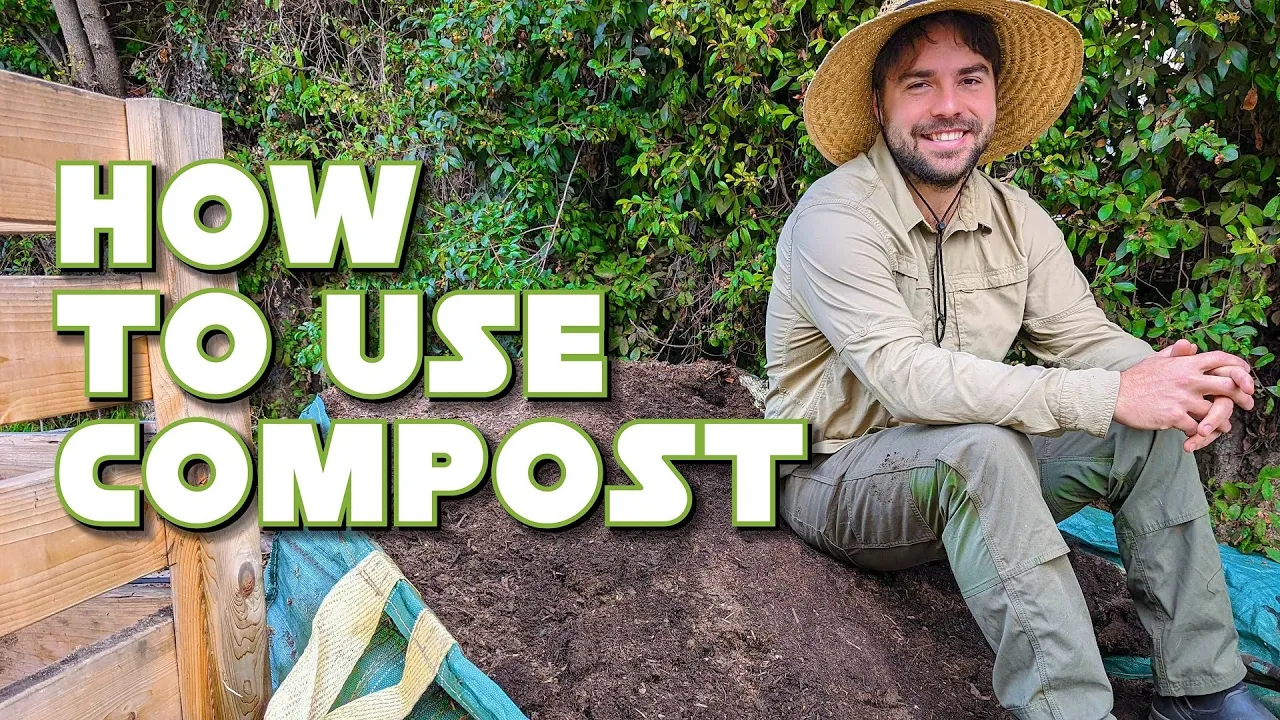





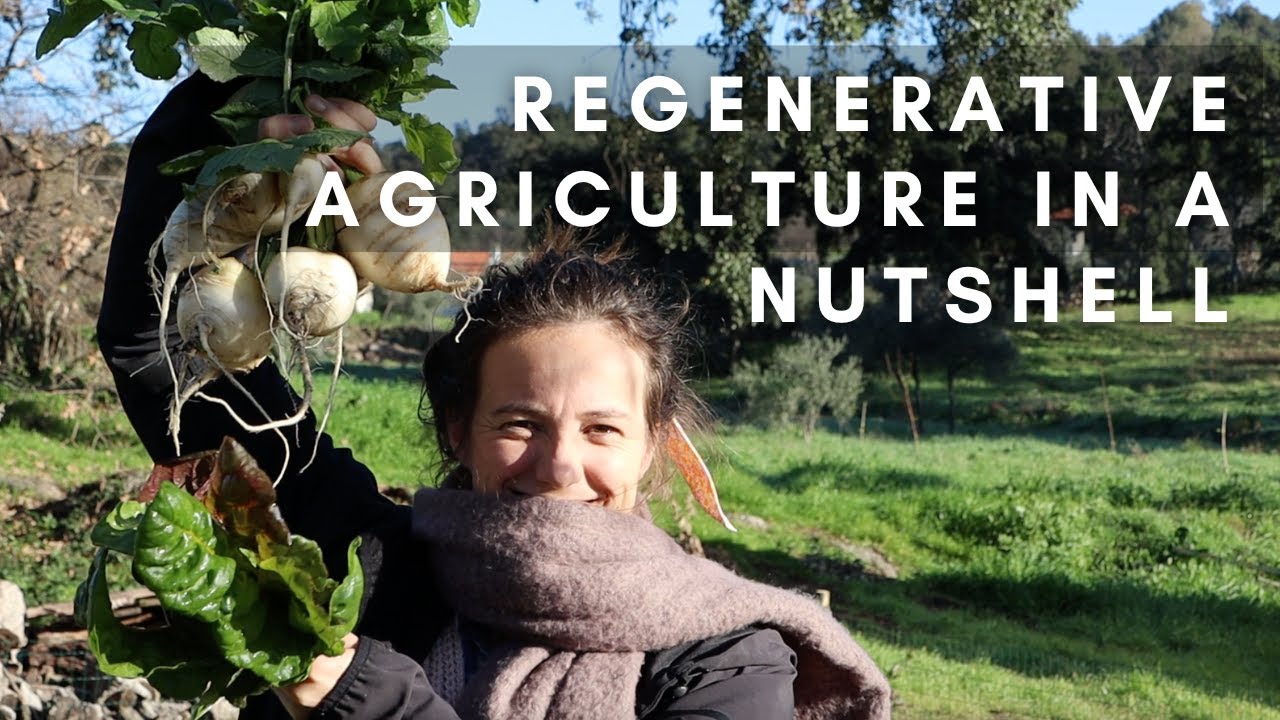

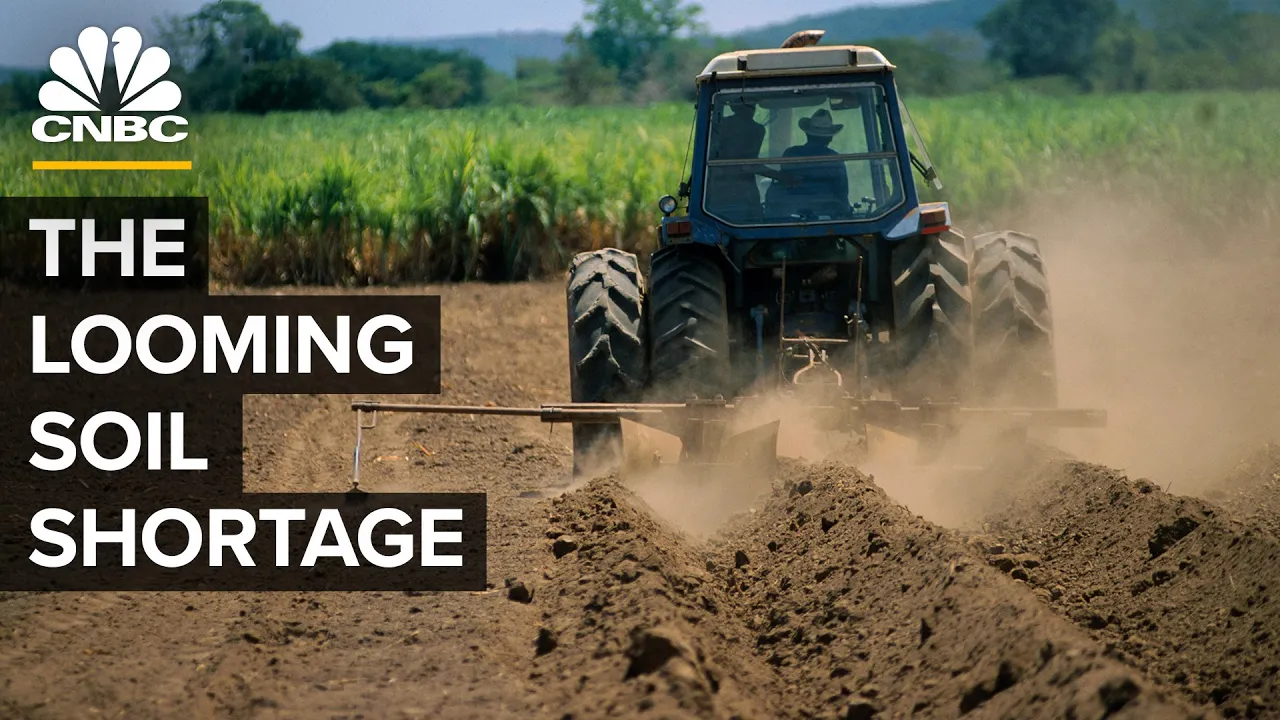




Healthy soil structure and plant nutrition depend entirely on living organisms—specifically bacteria and fungi—that work together to build soil aggregates, cycle nutrients, and create the conditions necessary for plant growth; plants communicate their nutrient needs through root exudates that attract specific microorganisms which then solubilize and release nutrients in plant-available forms, making synthetic fertilizers unnecessary when the complete soil food web is restored.
Soil Science Masterclass: How to Build Great Soil with Dr. Elaine Ingham
Added:Basic ecological concepts of food webs, energy transfer, symbiotic relationships, and trophic levels.
Fundamental soil physical properties, including the distinction between mineral particles (sand, silt, clay) and organic matter.
The basics of plant physiology, specifically how roots function and the essential nutrients (NPK) required for plant growth.
An introductory understanding of microbiology, including the general differences between bacteria, fungi, protozoa, and nematodes.
Practical methods for brewing compost teas and extracts to actively inoculate soils with beneficial biology.
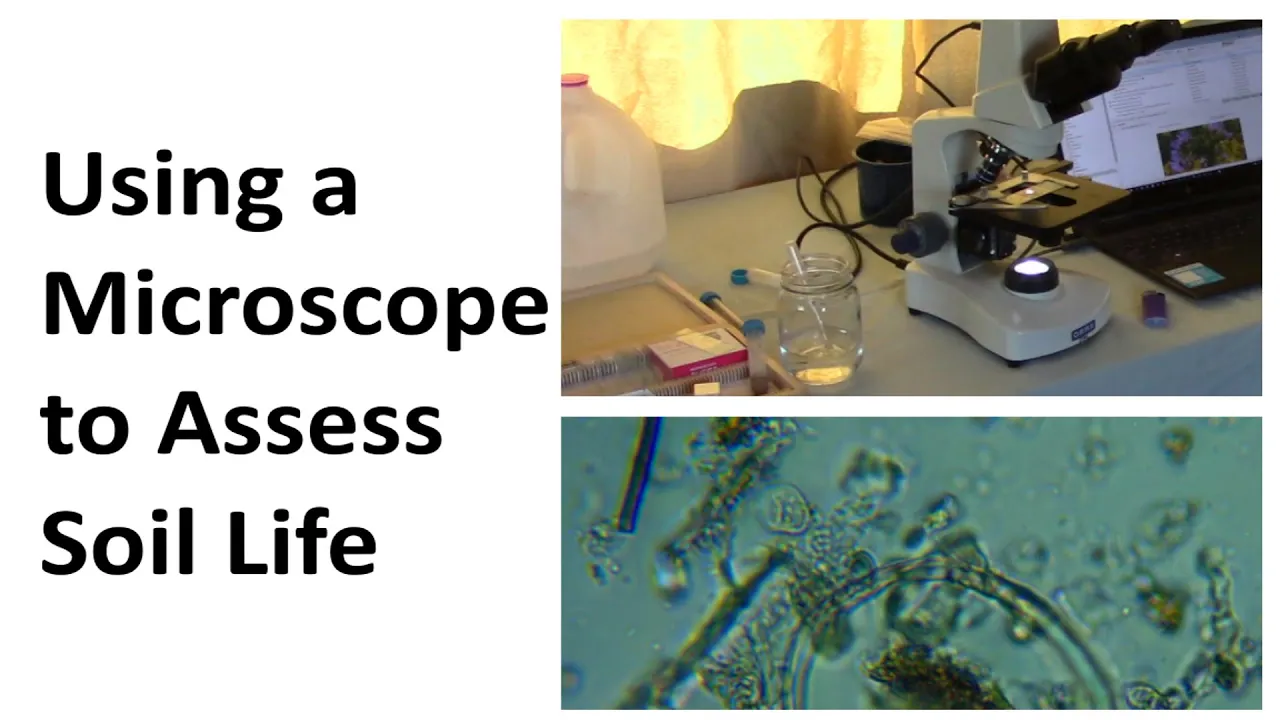
Microscopic soil assessment techniques to identify and quantify soil organisms using a compound light microscope.
Regenerative agricultural practices such as no-till farming, cover cropping, and rotational grazing that preserve and feed the soil food web.
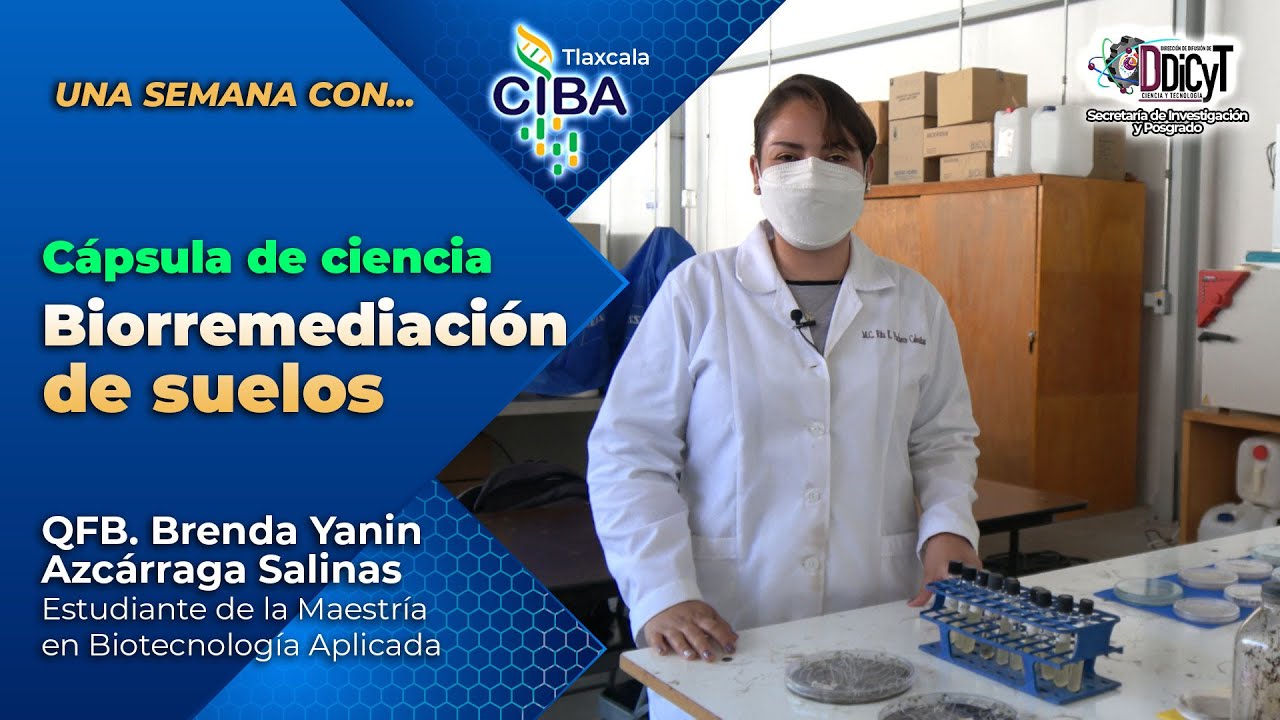
Bioremediation and soil restoration strategies utilizing targeted microbial communities to degrade pollutants and reclaim damaged land.
883.7K views21.8Klikes30:30Original Release: 2021-09-13
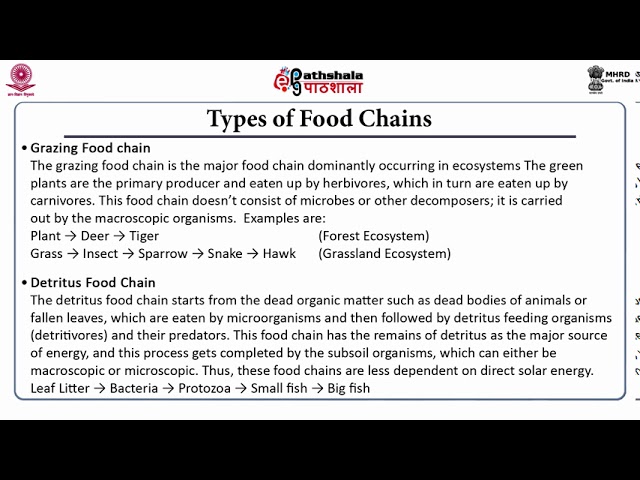
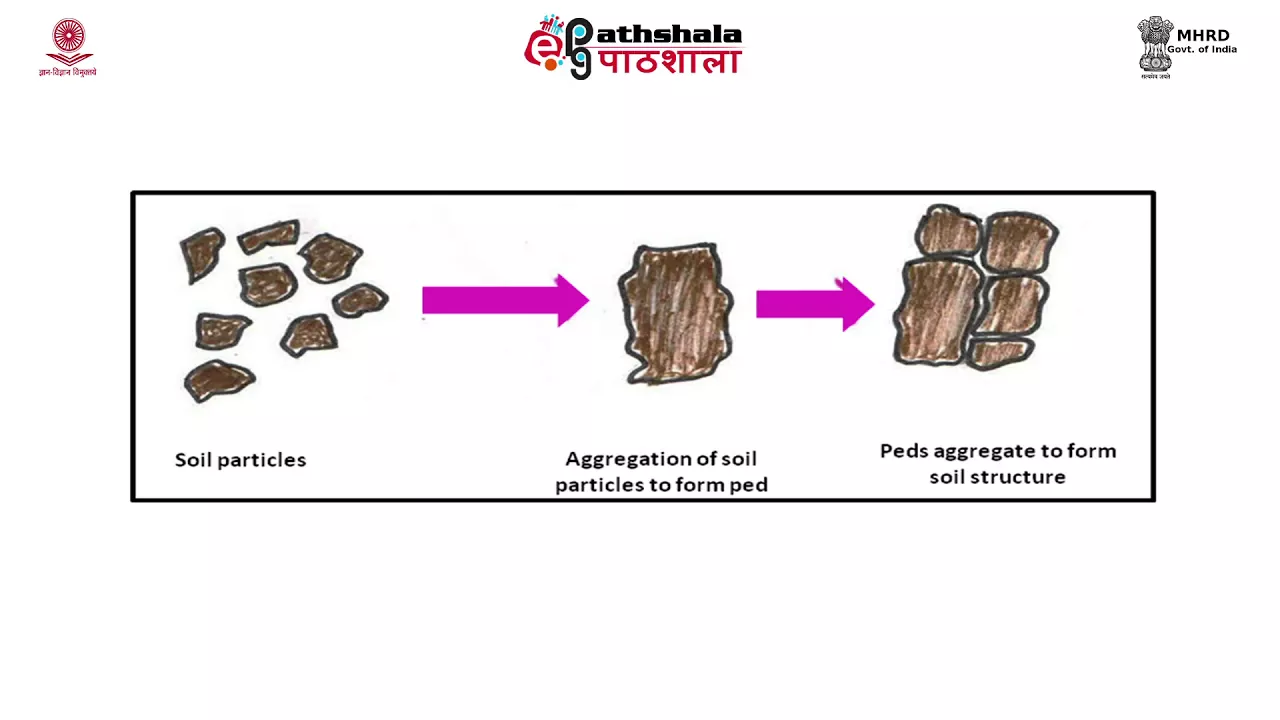
when we're looking at organisms in the soil energy comes from the sun how do you take sunlight energy and convert it into stored energy you know if the sun's just beating down on the soil that's heat we have to store that biology in some way and so how did nature figure this one out so through the process of photosynthesis and you have to remember that you know plants have only been on this planet for the last billion years relatively speaking not long at all how long have bacteria been present on our planet how long have fungi been around when we look at rocks from four billion years ago we find fossilized bacteria and the very first bacteria that existed on this planet the first sets of organisms were photosynthetic bacteria i'm sorry algae came much later so when you know dave and adam pearl is talking about the beginning of life on this planet he's only off by about you know three billion years [Laughter] so when we're looking at photosynthetic organisms evolution has happened over the years but we started out with photosynthetic bacteria they began all of this four billion years ago and it is the process of storing sunlight energy in carbon chains so when we're talking about organic we're talking about carbon chains when i'm talking about anything that contains carbon now so when you look at biochar is that organic it's crystallized carbon chains it's an inorganic inert material it takes life to convert these materials into plant available forms it's life that makes the carbon chains which is the basic basis of organic because it's that carbon carbon bonds that is stored sunlight so first thing we've got to do is have life to do that when we're looking at plants they're going to start building those sugars because carbon chains simple carbon chains are just sugars how long is your sugar gonna be well it depends on what the plant requires and and how it's going to build this but part of that 100 of the energy fixed by the plant that's going to go down into the root system if it's a weed a weed only puts 20 percent of the fixed energy that it's made into that root system roots and weeds don't go down very far but we start looking at brassicas we start looking at grasses we start looking at shrubs we start looking at trees and those roots go deeper and deeper and deeper why is it that we have the attitude that the roots of trees only go down two or three feet and then go sideways that is not normal at all that is not the way mother nature grows plants it's an artifact or the damage that we do to soil that causes the root systems of those plants only to go down a couple feet or just a couple inches and then go out sideways we've damaged the soil and when your plant is doing that only when it's roots down you're either growing weeds not going to be too sustainable growing weeds or we've got a compaction layer we've done something to compact that soil and because as water moves through your soil and it hits that compaction later water will not move from an area of one density into a different density so as water moves hits that compaction zone water is going to be held up as water puddles as water accumulates you cannot move oxygen through water as fast as you move oxygen through space and that means that that area is going to go anaerobic and now we're growing things that will kill your plant instead of helping it so when people want to talk about oh there's no problem with purely bacterial dominated soil because if all you've got in your soil most likely you're dealing with an anaerobic condition now we're making compounds that will kill your plant so how do you rebuild that structure and so we've got to get this life back into the soil the only thing that truly builds structure in your soil is life it's not a chemical interaction that's going to do that if we're trying to build the airways and the passageways to allow oxygen and water and therefore roots to go as deep as they possibly can you must build structure so bacteria in your soil first step they make the glues to start binding your sands your silts your clays your organic matter into micro aggregates without those glues you're out of luck so step one in a 12-step program is to build your bacterial community no bacteria you're not going any further so critically important to have these organisms when you start looking at aerobic bacteria when anaerobic bacteria are growing they're making these glues copious amounts of glue why do they make those glues because they're little tiny organisms and if water comes moving through that soil those bacteria are going to get washed away from their food so think about you at the dining room table if water is washing you away what are you going to do yeah you're going to grab onto the table you're going to do the things to hold you right there where your food is and bacteria are exactly the same it's the glues that holds them onto your root system it's the glue that holds them where that organic matter is they're gonna make these micro aggregates to keep them in that place where their food is and those glues that they're making when you take micro electrodes and you start pushing those micro electrodes into those places where we've got bacterial glues the ph of that aerobic bacteria is always alkaline always aerobic oh what happens when you go anaerobic oh bad nasty now we're dropping our ph down to four three two one zero blast off so anaerobic bacteria bad news and when we have people out there saying there's no problem with your compost tea going anaerobic we're going to make some really toxic things that will kill the bad guys right do they kill just the bad guys it's not possible haven't we heard this story from the chemical world for the last 100 years oh this only kills the target organism you know laugh hysterically when they say that to you because it's absolutely not true there is no way to kill just the bad guys any of these toxic anaerobic nasty compounds are going to kill way more beneficials than they kill bad so it's absolutely a wrong mindset to think about i've got to go out there and i've got to nuke the bad guys because when you're nuking the bad guys you're nuking the good guys too and if you kill lots of things in your soil who comes back faster bad guys i mean it's just like gangsters in the city right you trash some part of the city who moves back in the gangsters so same thing in your soil you destroy that beneficial life and it's really hard to get the beneficial life back in the bad guys grow really fast bad guy bacteria they're out there they're growing every 20 minutes they take over how long what's the life cycle on the more beneficial bacteria what's the life cycle on the beneficial fungi on the good guy microarthropods and nematodes we're talking about life cycles that made for example with the good guy nematodes you may not have those um good guy nematodes reproducing except for once every two years and they produce only one to two eggs so how fast are you going to bring back that beneficial community it takes a long time well can we jump start that can we make this uh move along a little bit faster and what's that material called that we can put into the soil to inoculate these organisms and get all of this moving faster bring those population numbers up so that now they grow and reproduce that material is called all together now composed yes so we can put back this life so think about these bacteria they're made the good guy bacteria making clues alkaline so if your soil is bacterial dominated what's the ph of your soil going to be alkaline it it's not a consequence of your parent material that controls ph it's the life growing in that soil if we've got fungi growing then fungi i don't make copious amounts of glue in opposition to the some of the papers have been written by the usda i'm sorry most of the balloon soil is actually made by bacteria and that was proven oh about 30 years ago by people looking in the rhizosphere and saying where are these glues coming from where is all this material it's bacterial so now when we start looking at fungi they don't produce copious amounts of glue they make a little bit tiny bit of glomalin not enough to worry about instead fungi grow as strands they are threads so think about when you take a whole bunch of small packages and tie them together with string that's what fungi are they bind things together through the strands that they make and so they're taking the micro aggregates they're binding them together into macro aggregates and now we've got bigger air spaces bigger passages bigger pores we can grow lakes and rivers and streams in our soil as the fungi start to come on and build that structure you can't grow any plant we care about if you don't have fungi in your soil so we've got to be out there looking for those fungi when we look at the fungi they don't make the glue so you know we're not dealing with that ph thing there what is it that fungi do to control ph around their bodies they're releasing organic acids and those organic acids are aerobic fungi the filamentous fungi they produce organic acids that have a ph that is between 5.5 and 7. so if your soil is fungal dominated aerobic fungal dominated what's the ph of your soil going to be it's going to be slightly acidic so when you think about bacteria and fungi how important is this balance balance thing yeah extremely important how are we going to control what plant's going to grow there all through the ph we're going to alter the kind of nitrogen that's going to be present as well and when you think about bacteria and fungi who's in control of where there's there's going to be more bacteria or more fungi then being released and of course root weeds aren't putting very much out at all but you start thinking about our vegetables you know six of them being released and of course weeds aren't putting very much out at all but you start thinking about our uh vegetables you know 60 percent of the energy fixed above ground is going to be dumped out i'm going to move down into the root system 50 percent of that 60 is going to be dumped out into the soil in the form of exudates exudates what does that mean don't you love scientists we come up with a whole language that you uh have no idea what we're talking about so that you have to come to us and keep paying us for our knowledge so what is an absolute our cakes and cookies mostly sugar a little bit of protein a little bit of carbohydrate so if i sent you into your kitchen and i say to you make me a um an exudate quite a bit of sugar a little bit of protein a little bit of carbohydrate what is that recipe so go into your kitchen here's my bowl what's sugar in your kitchen pretty obvious white sugar brown sugar honey yeah honey syrup molasses you know all those different kinds of sugars a little bit more fungal if it's got lots of good brown stuff in there a little more bacterial if it's white sugar so you know right there we can start controlling balance protein what's protein in your kitchen milk eggs so put some of that in there okay what's pro what's carbohydrate in your kitchen flour so what is this a recipe for different kinds of cakes and cookies now does your plan put out just one kind of cake one kind of cookie absolutely not because your plans putting out the cakes and cookies to feed those bacteria or those fungi that will do the jobs that your plant requires so what are the jobs that your plant requires well it wants structure so it can get its roots down through the soil and get deep we want those bacteria your plant wants those bacteria and fungi to build those air passageways the hallways the lakes the rivers the streams so any water moving into your soil is going to be stored it's going to be kept and those root systems can grow down to it so you can stop watering in the summertime you know we have worked in drought systems we've worked in deserts where if we can start building this structure in the soil we don't have to bring any outside water in and we can take a stone desert into an oasis with open ponds of water within a year we collect and accumulate oh you better do the swell thing you better make sure your hydrology is correct the permaculture information you're getting here is critical but you better marry it together with an understanding of what this biology is doing for you as well so building structure in your soil so we can hold water what's the other thing your plant needs from these organisms in the soil they have to collect nutrients so when your plant is putting out those cakes and cookies they're like little telephone messages going out to the pizza delivery guy hey i need some uh hawaiian pizza today because i need that ham nutrient i need that pineapple i need the cheese i need that tomato sauce or maybe what the plant needs is a little bit of molybdenum or a little bit of boron and so it's going to put out the message to exudate the cake or cookie that wakes up those bacteria or those fungi to make the enzymes to solubilize nitrogen phosphorus sulfur magnesium calcium sodium potassium all the nutrients that your plant requires so what does your plant require today what's limiting your plants growth today right now this second what's limiting it only the plant knows for sure right so why do we think that we know better than the plants is it nitrogen that's limiting the growth of your plant today i can probably guarantee you that 50 percent of your plants don't need nitrogen today they need something else well what other you know is it molybdenum is it boron is it zinc is it chloride is it sodium how do you know none of you have enough money to figure that one out and then by the time you send that sample into the laboratory and the data come back two weeks later yeah right that was useful so i'll put the plant back in control of its own life the plant will put out the exudates and it will grow those fungi grow those bacteria to make the enzymes to solubilize phosphorus off your sand your silt your clay organic matter any of your soils limited in phosphorus absolutely not none of the soils on this planet are limited in any nutrient required by a plant so why are you putting on inorganic fertilizers why are we putting on rock phosphate why are we putting out what's already in your soil in massive quantities why are we doing that because they can say oh look i put this rock phosphate out there and see how much my plants grow yeah because you're putting out soluble phosphate well but wait a minute isn't that what we're doing with inorganic fertilizers do we need to be doing that because your soil already contains thousands of years worth of phosphorus in order to grow your plants so why is it when we put a fertilizer out there we see a plant response because what you're missing in your soil are the organisms that do that job of making those nutrients available back to your plant what you're missing is life anytime you see a lack of fertility in your plant the message that should come back to you is uh oh there's something wrong with the life in my soil none of your soils lack the nutrients to grow plants none of them and i'll show you some data just a little bit that will document that for you so the plant feeds the bacteria and fungi depending on what the plant requires it puts out the telephone message hey feeds the delivery guy pizza send it to me so these guys they're enzymes using the exudates from the plant they make the enzymes to solubilize the nutrients but where do those nutrients go into the bacterium fungi uh oh still plant unavailable so if all you've got in your soil is bacteria you're still going to have dead plant if all you have are bacteria and fungi i'm sorry you still have dead plants because they're not going to get the nutrients that they need oh we've retained lots of nutrients in the bacteria and fungi we've grown lots of bacteria and fungi and where are those bacteria and fungi growing right next to the rib because the plant is putting out the foods to feed those organisms to get them to solubilize nutrients but now those nutrients are tied up retained in the bacterium fungi you're not going to lose any of those nutrients because they're kept in the bacterial and fungal biomass are the bacterium fungi going to be washed away by your water no so they're held they're retained they're kept there now how do we make them plant available that's why we've got to have our lovely little third trophic level organisms we don't have protozoa that eat bacteria the aerobic protozoa flagellates and amoeb as soon as that oxygen starts to go too low lodges are maybe going to go dormant stop doing their job and the bad guy protozoa wake up the cilia so start using the presence of flagellates and maybe versus ciliates to tell you when you are going over the edge into an anaerobic condition and you're going to make some of the most toxic materials known to plants nematodes fungal feeding nematodes eat fungi what do bacterial fibonamites eat what color was george washington's white horse one of those questions you know so bacterial feeding nematodes eat bacteria and so anytime one of those good guy nematodes eat one of their prey groups anytime one of the protozoa bacteria or anyone times one of the fungal feeding micro arthropods eat their prey group nutrients are going to be released but it's not just nitrogen it's going to be phosphorus sulfur magnesium calcium sodium potassium all how many essential nutrients are there for a plant i love this one because we do not agree in the world of science so when you think about nutrients how many elements are there in the periodic table and your plant needs all of them right now when you talk about think about when when i was a child many years ago back in the 1950s how many essential nutrients did plant physiologists botanist um plant people talk about three green mpk is all your plant requires yeah right how true was that so by the time i get into high school how many essential nutrients are there 18 18. okay today when we start talking you know because think about through time plant physiologists have been doing experiments and many many more experiments have been done to show that these other nutrients will limit the growth of your plants if they're not there if they're not available your plants are going to have unbalanced nutrition so today most plant physiologists that i talked to say there are 42 essential nutrients would any plant physiologist tell you that arsenic is an essential nutrient no don't have any good data but if we're absolutely lacking arsenic your plant's not going to grow it's an essential nutrient at very low levels is arsenic an essential nutrient for you yes absolutely you must have our snake or your nerves don't function you don't need much what what happens if we get too much oh yeah there's another problem no it's the goldilocks principle you have to have enough but not too much i think you know given time we're going to show that every new element in the periodic table is probably essential for plant growth very small quantities for some of them but without they don't function so balance is a critical thing so when these guys are eaten by those guys all of the nutrients are going to be released in a plant plant-available farm if your plant needs them takes them right out because where are those plant-available nutrients being made available right in the room and why is it we got more bacterium fungi right around the root zone than any place else it's cakes and cookies not different than us human beings where do most of us spend our time in the kitchen at the smorgasbord um they're no different than us so when we're looking at these interactions these guys are going to be attracted to the root system and now we got nutrient cycling going every nutrient is being released why would there be a release of nutrients from these guys because these guys contain so much of every so much more of every nutrient as compared to these predators there's too much nitrogen phosphorus sulfur magnesium calcium sodium boron everything too much in these guys so these guys have to poop it out and they poop it out as a plant available form if your plant needs it thank you now i'm going to put out the exudates to grow whatever i'm limited in to get these guys to do the solubilization so that when these guys eat them the plant is getting precisely the nutrients it needs in the proper balances when we go out and we put a fertilizer on our soil are we putting on all of the nutrients that your plant's going to require you go put sulfur out what are you doing to your plant you're unbalancing the nutrients available to it there's way too much sulfate available now and your plant's struggling to get the other nutrients that it needs because there's just way too too much sulfur there for it to take too much phosphorus too much we unbalance the nutrition of our plant and if we're unbalancing the nutrition of our plants this is taking up excess of something and not enough of something else so what are you eating weird stuff look at the unbalance of nutrients you get way too much nitrate and not enough boron getting way too much calcium and not enough zinc so because we think we're doing right we have messed things up but royally and we need to put back in the natural normal nutrient cycling system in this soil so when you think about that let the plant be in control of its life it can choose what it needs to grow what is our job in this process our job is to put back the full diversity everything all the species of the bacteria and the fungi and the protozoa and the nematodes and the microarthropods the earthworms everything in that picture we need to make sure they're there that's our job we don't have to know that we've got species number one two three four five six how many species of bacteria are there in soil lots so when working at with the people at the center for microbial ecology at this um michigan state university they are showing that in a woodlot a single woodlot in michigan we have well over a million species of bacteria and we know that the species are different when you go into the pasture next to that woodlot when you go into the vegetable when you go into the riparian area or the wetlands or the every single ecosystem you go into it's a different set of species of bacteria fungicide protozoa nematodes microarthropaths microwaves of fungi they're all so see you all have to go home and practice that i have to say it again yep so that carry finger protozoan you're going to talk about all these guys right here so now i've concentrated on these organisms building structure cycling nutrients and of course if you get the beneficial bacteria fungi protozoa nematodes microarthropods right around those root systems say goodbye to your diseases there is no way that those disease-causing organisms even know that the roots there they are protected by this massive barrier of the beneficial bacteria fungi protozoa nematodes microarthropods mycorrhizal fungi now do you need these guys do you need the higher level predators absolutely because what if these guys get too greedy we would know nothing about organisms getting too greedy [Laughter] so if these guys get too greedy they're going to overeat the bacteria and fungi and now who's going to be listening to your plant when he puts out the message saying hey get out there and solubilize these nutrients oh nobody home because these guys have to be present to keep those guys in line checks and balances okay but what if you get too many of these guys then they'll eat these guys till they're really too low and all your nutrients are tied up in bacteria and fungi and good luck your plants are dead again balance really critical so who keeps uh these guys in line well those guys who keeps these guys in line well those guys who's at the top of the food chain us our job is to make some they're all there how are you gonna go out and measure these organisms in your soil how do you know if they're present learn how to use a microscope and we've got microscopes i can train you in one day how to use these microscopes so where do you get the microscope so for three hundred and fifty dollars i can show you where to go buy an excellent microscope the um objectives on that microscope are the same quality as zeiss microscopes and so where i'll put that up on the screen here and it comes with a camera so if you're seeing something you have no idea what this is you take a picture and you send it to me and i you know open up the picture and i go oh that's an egg contract and you go wow [Laughter] yeah i thought that was an input so when you run into something wow i've never seen this thing before you send me the picture and not only do i name it for you but i explain what it does is it a good guy is it a bad guy should you be encouraging more well what plan are you growing because it depends where in the world are you because that's another thing that it depends so now that's what i'm here for and i would love to train all of you to have this level of knowledge so all of you will go forth and train everybody else that's one of the deals here now that you've listened to me you've been infected you will go forth and explain this to other people because it's so critically important that we stop killing them and we start putting them back into our soils
Up Next
37:15
The Liquid Carbon Pathway: Building New Topsoil for Farm Profit & Health
@conservationtillageandtech
81K views•2019-03-16

15:54
Life in Biosphere 2: Sustainable Ecosystems & Human Survival
@TED
334.9K views•2009-06-16

56:51
Fungi in Permaculture: Harnessing Mycology for Resilient Design
@DiegoFooter
82.2K views•2017-09-02

10:28
Ice Stupa Artificial Glaciers: Solving Ladakh's Water Crisis
@SonamWangchuk66
3.2M views•2015-05-03
Related Study Plans & Knowledge Roadmaps
Structured learning paths in Environmental Science
environmental-science
Ocean Noise: Cetacean Impacts & Mitigation
01Fundamentals of Underwater Acoustics
02Marine Mammal Bioacoustics
03Anthropogenic Noise: Shipping & Seismic Surveying
+ 2 more learning modules
16h5 modules
Explore Roadmap
environmental-science
Road Ecology: Corridors, Overpasses & Fencing
01Foundations of Habitat Fragmentation and Carnivore Ecology
02The Road Barrier: Ecological Impacts of Transport Infrastructure
03Principles of Ecological Corridors and Connectivity Mapping
+ 3 more learning modules
14h6 modules
Explore Roadmap
environmental-science
Ocean Acidification: Kelp Buffering & Shellfish
01Fundamentals of Ocean Chemistry & pH
02Chemical Pathways of Coastal Acidification
03Bivalve Physiology & Calcification Under Stress
+ 2 more learning modules
18h5 modules
Explore Roadmap
environmental-science
Ice Stupas: Glacial Retreat & Water Security
01Foundations of Glaciology & Mountain Hydrology
02Climate Change and Glacial Retreat Dynamics
03The Science of Ice Stupas & Artificial Glaciers
+ 2 more learning modules
14h5 modules
Explore Roadmap