






















The liquid carbon pathway describes how photosynthesis in green plants drives soil formation through root exudates that feed soil microbes, which then build stable humus and soil aggregates; this biological process, distinct from traditional decomposition, can build soil carbon 5-30 times faster than adding organic matter, and is essential for producing nutrient-dense food and maintaining healthy ecosystems.
The Liquid Carbon Pathway: Building New Topsoil for Farm Profit & Health
Added:The basics of photosynthesis and the carbon cycle, specifically how plants convert atmospheric carbon dioxide into soluble carbon compounds (sugars).
Fundamental soil biology, including the symbiotic relationships between plant roots, mycorrhizal fungi, and rhizosphere bacteria.
The basic components of soil structure, distinguishing between soil organic matter (SOM), humified carbon, and inert mineral fractions.
An understanding of conventional agricultural impacts on soil, such as how synthetic fertilizers and intensive tillage disrupt soil microbial networks.
Advanced regenerative agriculture techniques, such as diverse multi-species cover cropping and adaptive multi-paddock grazing, which maximize liquid carbon exudation.
Scientific methods for measuring soil organic carbon (SOC) and biological activity, including biological soil testing such as the Haney Test or PLFA analysis.
The financial metrics and economic transition pathways of farms shifting from high-chemical inputs to biological, soil-building practices.
The biochemical correlation between soil microbial health, plant nutrient density, and human nutritional outcomes.
The role of agricultural soils in global climate change mitigation, specifically focusing on soil carbon sequestration markets and international conservation policies.
81K views1.3Klikes37:15Original Release: 2019-03-16
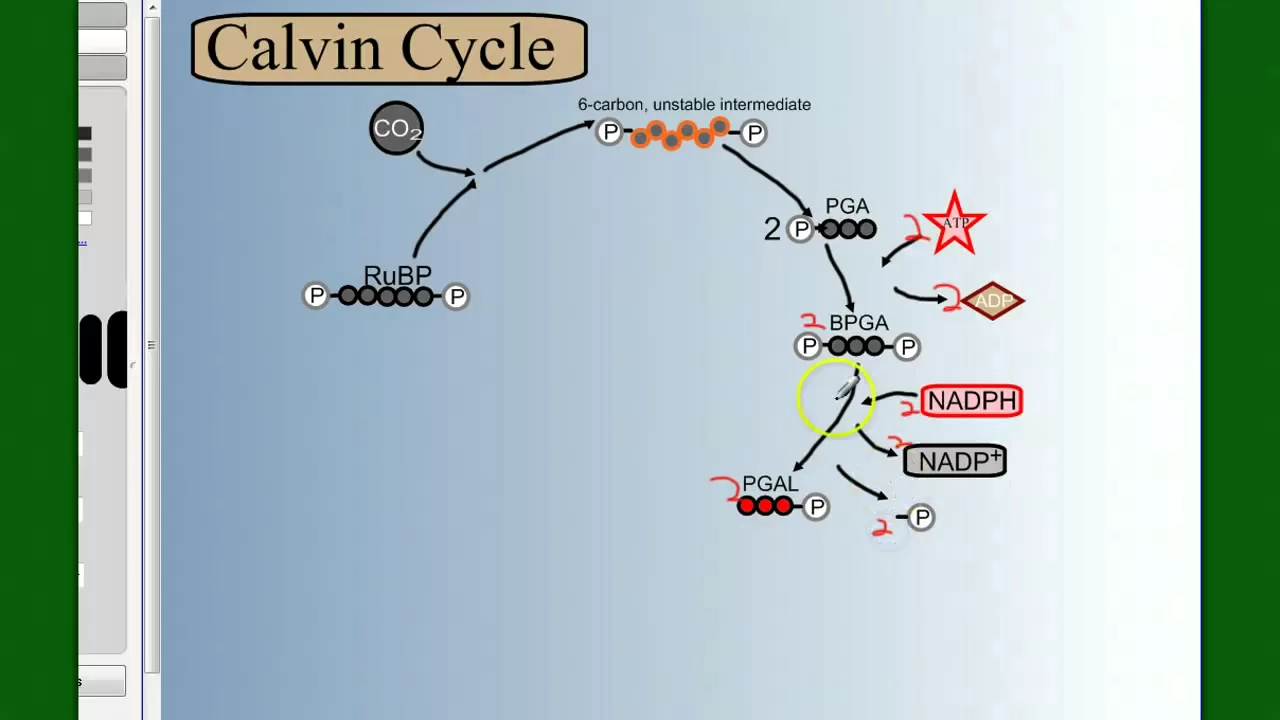
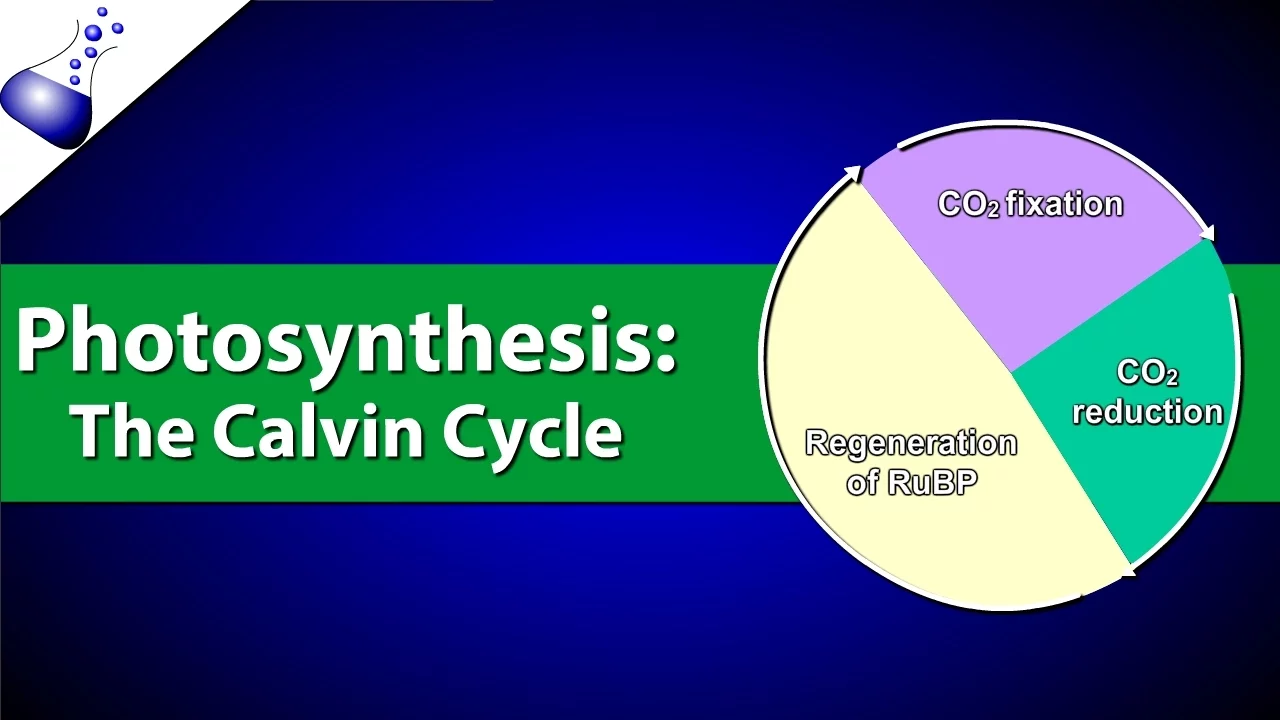
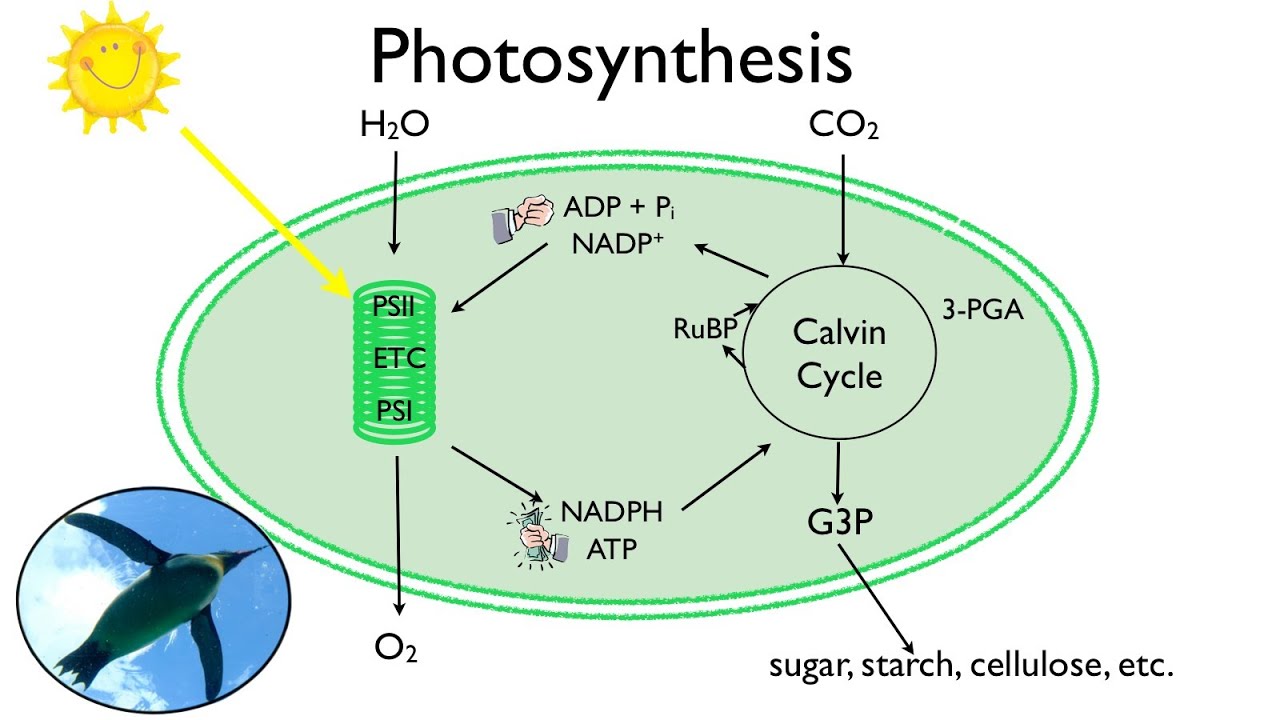
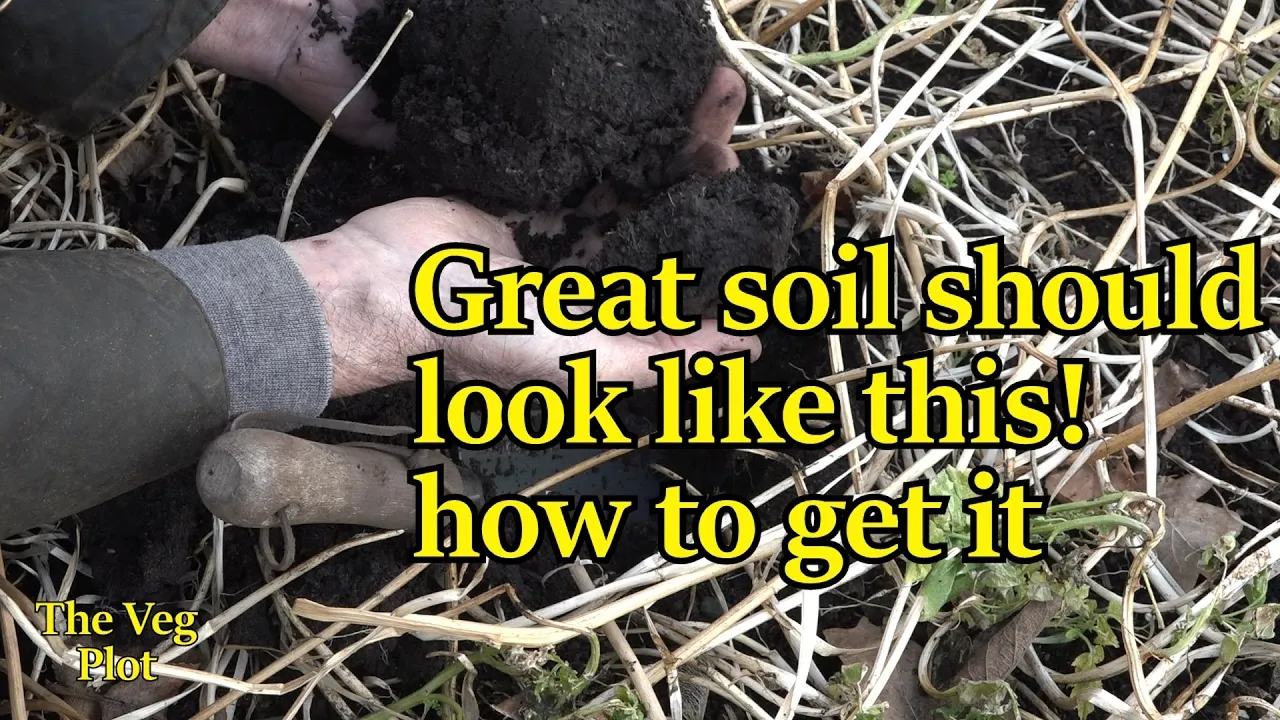
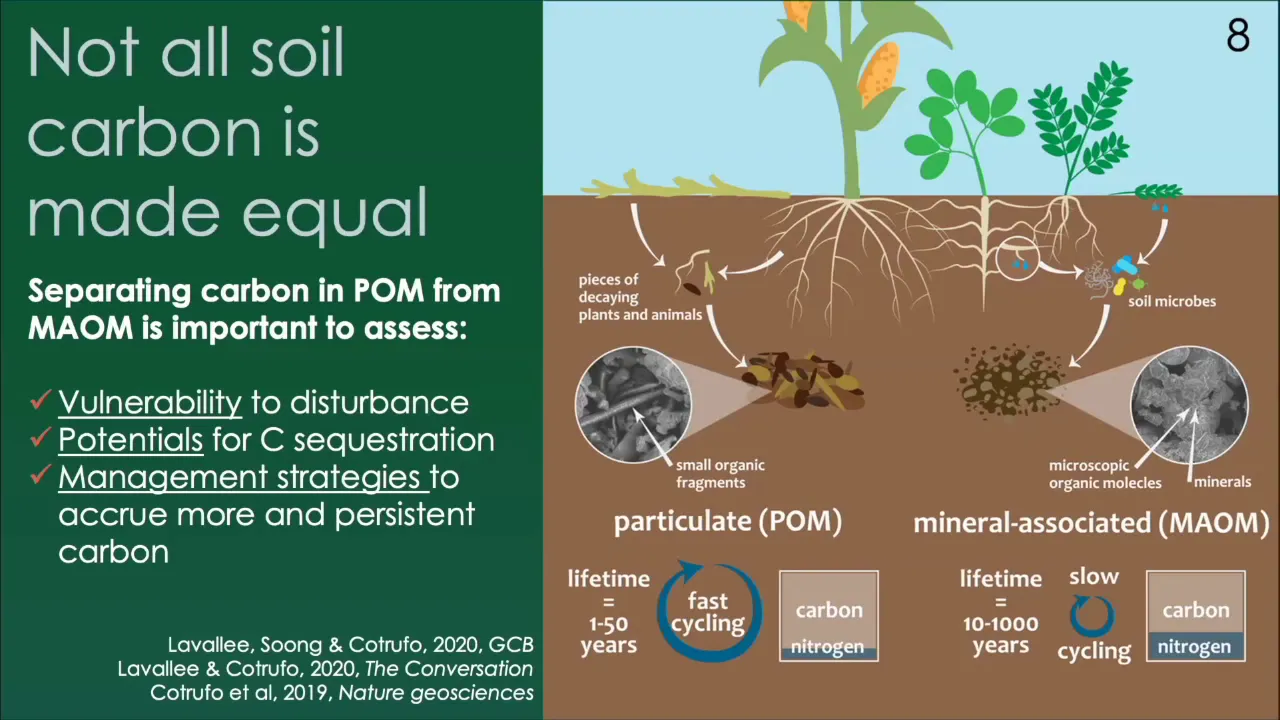
[Music] it's great honor to be here and I'm looking forward to discussing things further with people during the breaks I've got 40 minutes this morning so I've been told to explain the meaning of life I guess I think five words or less I'm going to be rushing through this fairly quickly so if you would you know want to ask questions we won't really have time this morning but this afternoon I'm hoping to allow a little bit of time in my talk to be able to feel questions or as I said you can chat to me during the breaks this is a mate some of you may have seen this down Corman's work on Canadian net farm income I realize this is a different country but I think you'll agree that the statistics are there fairly similar to what's happening here in the United States um I don't have a pointer either sorry I must no that's not wrong okay you know I do have those things in my bag I should have brought them up here but anyway if you have a look this guy's from 1926 to 2016 this a two-year period here if you look right up to about 1970 you'll see the blue line or the blue area is actually the gross revenue earned from agricultural production so it goes up and down depending on the seats and song and commodity prices and all that sort of thing we're aware of all these changes that happen to gross revenue over time the Green Line is net farm income it's your net revenue back on the farm and you'll see that up to about 1970 when seasons were good and commodity prices were good and gross revenue went up net farm income went up as well and then when things went down net farm income went down and that's the kind of relationship between gross and net that we would like to see but then after about 1970 those two lines start going in different directions gross farm income or gross gross revenue continued to go up and it is still going up but the blue or green line your net farm income has been going down and in fact in 2006 which I figure was probably the same thing here it's in the red because of the corn prices in that year so what is going on why are these two lines separating and going in different directions or if we have a look in a little more detail at this data and I have a link to this paper if anyone would like that it's very very insightful in that in the 32 year period from 1985 to 2016 that is a GU business like the input suppliers of people who use supply you with your seeds and your fertilizers and your tractors and the and the lenders and all those the service providers receive 1.3 2 trillion or of the 1.3 5 trillion dollars of revenue earned through agriculture production in other words 98 percent so 98 percent of what was earned in the agricultural industry went to input providers and today the majority of Canadian farmers are supported by off farm income taxpayer funded support schemes asset sales and borrowed money does that sound familiar well and farm debt in Canada is at a record high just under 100 billion and farm debt in the USA is also at a record high and we down under in Australia we can't point the finger at what you guys are doing up here because we have exactly the same trend happening in Australia so that figure there the Green Line is our is our revenue and our other gross value of farm production and the red line is debt so debt is overtaking our farm production and if we just look in something that I'm a little bit more familiar with we've got a lot of wheat in Australia and our average wheat yield doubled between 1980 and 2000 and in that same period farmers profits hard so I'm not pointing the finger at the United States by any means now we're repeatedly told that we need to produce more to get out of this mess but it's actually not about maximizing yield so it's not about maximizing yield it's actually about optimizing profit and we have to regenerate the resource base and we want to be producing nourishing food so I just want to dwell on that for a moment we're linking soil health and human health Lloyd Noble who was the founder of the Noble Foundation said that no civilization has outlived the usefulness of its soils what I want to add to that that no civilization has outlived the health of its citizens and if you think that's a grand statement you really need to look at the health situation here in the United States at the moment the United States states citizens spend twice as much on health care than people in any other country in the world but your health and life expectancy actually rates 17th on the list of other countries cardiovascular disease cancer and Alzheimer's are the three leading causes of death in this country and all are nutritionally related or can be reversed with a change in the diet 46 percent of children in the United States now suffer some kind of chronic disease and those of you who have children or grandchildren will understand exactly what I'm talking about the childhood illnesses are scary and they are increasing exponentially they're not infectious diseases they're all to do with with the food there's been a dramatic increase in the incidence of over 80 autoimmune disorders in recent years that's where the body's immunity is not functioning effectively they currently affect one in six Americans and the numbers are growing daily it's going to be you know one in five one in four one and three one in two very very quickly so what are autoimmune diseases they're not infectious diseases that include things like diabetes diabetes cancer autism Alzheimer's dementia lupus multiple sclerosis inflammatory bowel disease rheumatoid arthritis etc etc they're all autoimmune now all the body dysfunction and within the body most of these if not all of them can be cured with fecal transplants which indicates that it's something out of balance in the gut microbiome they're not infectious diseases they cost the United States 1.1 trillion dollars a year but that's just looking at it from an economic perspective they cost a huge amount in heartache and grieving and emotional upsets within families especially when these diseases occur in children so in the early 1900s professor William Albright said that the loss of human and animal health can be related directly to the soil that was over 100 years ago the situation is created even further in the ensuing 100 years and given the poor health of our soils which I think most of you will agree it's hardly surprising that more Americans are dying from a poor diet than any other factor because you are what you eat now part of the problem is poor food choices but even those trying to eat good food are not getting the minerals and trace elements that they need so agriculture is supposedly about food I realize that in this country a lot of a lot of corn for example goes into other avenues like ethanol production but basically we've always thought of farming as being a food production system and there is something fundamentally wrong with that food because the nutritional value of today's food is lower that at any point in history despite all the technology that we have we're producing food that really doesn't have the minerals and trace elements in it that it should we'd have to eat twice as much meat three times as much fruit and four to five times as many vegetables just to get the same amount of minerals as would have been available in those same foods in 1940 I have lots of data on that that I'm not going to go through this morning because I have a short amount of time but you will find it on my website and it's all published in peer-reviewed international our scientific journals so what has been the effect of this mineral depletion on the plants themselves well we're seeing increased plant susceptibility to pests and diseases which in turn requires the application of insecticides and fungicides that absolutely would not be necessary if we had healthy plants this reduces farmers profits and it's also adding unnecessary chemicals to the food chain which is part of the problem that we're seeing with our autoimmune disorders so just to go back to that that figure again and look at that really large blue area it's only farmers that are suffering as a result of this agribusiness in general is doing very well thank you very much so farmers are spending more and more on inputs but the situation keeps getting worse and worse so the official explanation for this lack of nutrient density in our food is the dilution effect people will tell you well we yield has increased over over the decades yields of various crops have definitely increased so therefore mineral levels theoretically fall if you produce twice as much we're told they don't we'll have half the amount in it but we don't actually see that in in crops grown in biologically active soils we see the opposite there are farmers around the world who are producing more their yields are high their productivity is great their resilience is fantastic in lower rainfall or higher rainfall years they're managing better than some of the other farmers and then the food that they're producing is a very high nutrient density as well as being high yielding some of our farmers in Australia are now procuring markets particularly in Asia for nutrient-dense food which is being segregated it's actually being kept now stored on farms so that it doesn't go into bulk storage and shipped directly to Asia and they're prepared to pay a premium for that food they're also paying a premium for food that doesn't contain nitrate so grains that don't contain nitrate and why you would think are they picking on nitrate like why not be looking at insecticides fungicides lifers say whatever you know the things that you would have imagined would have been the issue and it's because the nitrate content of the grain is directly related to all of those other factors so farmers can grow high mineral well they can't grow high mineral grain unless they're not using nitrogen fertilizer so they have to use something else if I stimulant which I'll talk about later this afternoon and those grains that don't have nitrate in them also don't have insecticides and fungicides etc because there's no need to apply them the plant is able to defend itself so people are now becoming interested in eating that nutrient-dense food because that is the solution to the autoimmune disorders that we're seeing across the world not just in the United States so dilutions not the cause soar depletion is not the cause the soil test will show you that in total those minerals and trace elements are still in the soil but they're no longer in the plants for some reason plants are no longer able to acquire the minerals and trace elements that they need even though they are there in the soil so why is that if we had time today we could explore that and have a good discussion about what what the reasons for that might be but to answer that question in a short amount of time we first have to ask several others and that is well what is soil really what is that stuff that you're using to produces food and by what processes does it form because when we understand what soil is and how it forms then we can see where we've gone down the wrong track and how we may be able to reverse that so that we can have the kind of nutrient density in our food that we would like to see we can start restoring soil health in terms of its carbon content and its soil structure and we can have grow crops that are going to be far more resilient in the face of the climatic extremes that we're now facing and also be more resistant to pests and diseases so which is what we want in farming because that means when we grow those kinds of crops that our input costs will go down and we can start having a green line that very closely follows that blue line so what is soil and where does it sit in the hierarchy of life well how often have you heard the phrase the soil is the foundation of any of everything that's probably said quite often at these kinds of conferences certainly if you go to a soil science symposium just about everybody will be getting up and saying soil is the foundation of everything I used to say it myself it's one of my favorite sayings so if we looked at that very simplistically this is how we all tend to view soil I'm sure and certainly for most of my life I have viewed it this way that you have soil at the bottom of this pyramid and plants will they grow in soil don't they and then your animals if you have livestock they eat those plants that grow in soil and then we're now crops and pastures aren't performing as we'd like then we want to add something to the soil to fix it so this is the construct if this is the way that we see the world our farming agricultural world if our plants aren't performing as we'd like our crops are producing as we'd like what's the first thing we do we go and take a soil sample send it off to the lab which will analyze the soil and come back with a report that says the soils lacking in nitrogen or it's lacking in phosphorus or potassium or sulfur or calcium or magnesium or something and you have to add that to the soil to fix it all right isn't that the construct that we've all been told this is how we see the world and this is how we deal with the issues if we think our plants or animals aren't performing as we'd like it's been our go to is like test the soil see what's missing but what is soil is not the base of the pyramid of life have we been directing our energies to the wrong thing and when you look at the input costs that we have and how much reliance we have on that model take a soil test add something and then if you plant still have issues with pests or diseases then you add other things the insecticides or fungicides is it because we've actually been looking at soil in the wrong way that we've been making those decisions that aren't leading us in the direction where we need to go and I'm sure all of you in this room would agree that there could be better ways that we could go that are going to be much more productive and profitable for you and also better for the environment and for the consumers of your food so that takes us leads us right back to wine back to the question well what is soil how many of you think about that out there when you're working with your soil what is that stuff if I had a bucket of soil here what would it have in it what is it made of and what makes it work we haven't looked time to go into that today as to actually discuss what would be in that bucket and what will be the things that would actually make that productive for you as a farmer so if we look at the definition of soil we find that it's weathered rock materials of sand silt and clay depending on what kind of soil you have it's going to probably have had different origins depending where in the world you ask sometimes it's going to be very sandy sometimes it's going to be almost pure clay or it's going to be somewhere in between and that's what's called your soil texture but it's not actually soil unless it's been in contact with plant roots and why a plant roots important well if you go somewhere in the world where there are no plants because the environment is too hostile for plants to grow in if it's too cold it's too hot it's too dry that's to something so you could go to to the top of a mountain above the treeline where there's no plants growing and you'll find weather drop materials but you won't find any topsoil you can go to the Sahara Desert where it's too hot for plants to grow you'll find a whole heap of sand you won't find any topsoil and we intuitively kind of know that but we need to wind back and look the other way well where plants have grown the best over time that's where most of the topsoil is so if you look here in the United States your prairies are your best have been your best topsoil because you had good deep soils growing where there was a variety of plants hundreds of different kinds of ground cover plants warm season plants cool season plants that were able to grow at any time of the year that it rained there was something there that was green that was actively growing and very very deep plant roots that went down in metric terms several meters building beautiful deep topsoil if you take those plants away for any length of time that's all deteriorates and the longer it goes without plants the more it deteriorates so not only do we have to have plant roots there in the past to build what we consider now to be two topsoil but we need to keep plants there to maintain the health of that soil you cannot have healthy fertile productive topsoil without actively growing green plants and their roots and we need to look at what kinds of roots they are how deep they are how many different sorts Sarah so if we look at this like in a to use an illustration the the soil that is sitting there underneath that grass has over hundreds of years probably been actually built why the presence of those of that glass plant or other grass plants like it in that grassland situation because our green plants are able to photosynthesize so they're going to capture carbon dioxide from the air they're going to utilize light energy and water from the soil to transform carbon dioxide water and light into biochemical energy in the form of glucose mainly and then that energy can be moved around inside the plant it can use some of it to build itself so it can join the carbon atoms that it's produced during photosynthesis during the production of that glucose to make cellulose which is what what its leaves are made from and to produce the starches and things that will be in the grain and the lignin that's going to be in the roots and all and the waxes and the oils and all of its plant protection compounds that it will use to defend itself from insects and and another other and diseases so in that process it it's also going to be exiting carbon from its roots to build topsoil now you would ask why with a plant be bothering to do that why would it this got this photograph here shows you what it looks like when plants are actively excluding carbon from their roots a lot of crop plants don't actually look like that and I'm going to explain why because this is the process that is going to build top soil and maintain top soil and if your plant roots don't look like this then it's not happening in your crops now what's going on there is that the plant in order to acquire the minerals and trace elements that it needs from soil has to feed the biology around its roots the plant has to have constant excitation of energy because the things that live in the soil that will make minerals and trace elements available to plants they are living and they need energy too they're going to get their energy from the light that in the same way that plants utilize light transform it to biochemical energy in the process of photosynthesis that energy which we also use we're utilizing light energy when we eat plants or we animals that have eaten plants we're basically the plant converted light energy to biochemical energy and then we consume that energy in the form of food to run our bodies for the microbes that live around plant roots they also need energy to perform the work of making minerals and trace elements available so when there's lots of energy coming out of plant roots you'll see what I call riser sheaths around the roots which is the hot spot of microbial activity and there's lots and lots of life trillions of different kinds of our trillions in numbers I mean of microbes and thousands of different kinds of microbes living in that riser sheath the rhizosphere is the area around the plant root and arise Oh sheath is when you have soil sticking around the roots which is what we want to see for all of our plants and if we if we take high magnification if we look really closely at what's happening inside that riser sheath not that one in particular but just you know in a healthy riser sheath that plant is plant root is to the left and saw particles are to the right and what you're seeing in that in that gap between the plant and the soil are the hyphy of mycorrhizal fungi and tripe Trichoderma and all kinds of saprotrophic fungi that are feeding off the sugars that come out of the plant roots producing sticky substances to hold all that soil around the plant root and there are also millions of different kinds of or millions in number I should say of bacteria and archaea and yeast and all kinds of things living in that environment so it's a very food rich energy rich very protected environment because the riser sheath maintains moisture in there and in that that's the factory that actually processes all the things that your plant needs the plant can also fix all of the nitrogen that it needs in a riser sheath so it doesn't matter what kind of a plant it is you don't have to have legumes to fix nitrogen if if your cereals for example or whatever it is have produced riser sheets and they will be fixing nitrogen if we just move back a little bit in slightly lower magnification this is in a sandy soil and in Western Australia where we grow a lot of our wheat you can't actually see the roots because that's a kind of a close-up of the you can see the fungal hyphae holding all the particles together and pulling it pulling the soil around plant roots if we look at this like in a 3d kind of a just a graphic of it the one on your left is compacted soil that doesn't have good aggregates that have been formed by plant roots and the one on the right is where the soil particles have been pulled together by the glues and gums from the microbes supported by plants to form good aggregates and therefore lots of pore space in that soil where water can infiltrate easily where air can infiltrate easily and it's of roots are going to support microbes that can fix nitrogen then we have to have lots of atmosphere lots of air being able to get into that soil so good soil structure is important for that because the atmosphere is 78% nitrogen and that's the way plants have obtained their nitrogen for millennia and if you look around at the green plants which aren't there at the moment because everything's covered in snow but in springtime when well you do have look out and see green plants most of the ones that you see like along the sides of the road or in people's gardens where they're not using nitrogen they're green but they're no one's putting nitrogen on them so even the lawn is getting all the nitrogen that it needs from the atmosphere if we don't have good soil structure I'm sure you're all aware of what happen and I saw examples of this yesterday although what I saw yesterday was covered in snow but I'm the one on the right obviously poor soil structure water lying on the soil surface it's not able to infiltrate as it is on with the one on the left so if we look in a little bit more detail now as to what is actually going on biochemically inside those riser sheaths this is a diagram that was drawn by Rudy Garcia who's within ICS in New Mexico and there's a lot of detail in there and I probably don't have time to go into that detail now but again this is on my website and you can read all about it there is an article called nitrogen the double-edged sword which has this this diagram in it but the green coming down through the center of that is a fine feeder root so carbon oxidation is more prolific around young actively growing roots and round young plants and then the green bits coming off horizontally from that are root hairs which are too fine for us to see as a general rule with the naked eye so inside that aggregate you have micro aggregates and orange areas that are formed by bacteria pulling soil particles together the macro aggregate the blue area is formed by fungi there are fungal hypha coming out of that plant root which pull all the salt particles together and so it's basically it's it's bioengineering it's it's bacteria and fungi in the soil utilizing energy from the plant to build new topsoil that's how do you top soil forms and that's the factory that it forms in so what is it that we want to see happening inside those riser sheets and micro aggregates we want to see the plants forming houmous because this is going to be the holy grail for your soil humans has very high cation exchange capacity and very high water horny capacity and it is the primary builder of soil structure this is what is going to make it much easier for crops to grow and for them to be much more resilient in the face of climatic extremes or in the face of biotic stresses from pests and diseases because they'll be able to obtain all the nutrients and things that they need humans is about 60% carbon 6 to 8% nitrogen and a little bit of phosphorus and sulfur always in those same ratios it doesn't matter what kind of soil or where in the world it's built it always has the same ratio of those components that adds to about 70% the other 30% are minerals in the soil so it's formed in situ and it's an organ a mineral complex that there's a combination of carbon and nitrogen both of which are fixed biologically and if nitrogen isn't fixed biologically then carbon cannot be sequestered in a stable form so if we add it as inorganic nitrogen it will actually reverse this process and destabilize the carbon in your soil so if we look at the humic molecule it looks something like that you can just see that well basically in its simplest forms we've just got carbon oxygen hydrogen nitrogen all joined together by microbes microbes have created those polymers the the humic polymer is microbial and the energy for joining those atoms together comes from the plant comes from photosynthesis so the more photosynthesis we have and the less chemicals we're using the more soil we can build and the more profitable and productive and resilient farming can be because this is actually the thing that underpins underpins the processes that you need on your farm to support all the things that were going to make it easier for you the liquid carbon pathway is what I'm describing as I said it starts with photosynthesis we have to have translocation of the carbon compounds formed in the leaves down into the roots we have to have aggregate formation around the roots and then humans so there are four steps involved in this process and anything can interrupt those steps at any point along the way for example if we use fungicides on our seed or apply them to our plants we're basically going to disrupt all the things that those fungal hypha can do in terms of hauling soil particles together and moving things around in the soil so steps 1 & 2 require the presence of actively growing green plants and steps 3 & 4 require a diversity of beneficial soil microbes so this fertile here miss rich topsoil we would all like to have on our farms is a product it's a product of photosynthesis and microbial resynthesis and it's a product that you can it's something that you can produce in a relatively small amount of time on your farms even those soils we know have been there for a long time we can rebuild topsoil incredibly quickly and I'll be talking about that after lunch so it's photosynthesis not soil that forms the base of the pyramid of life so our pyramid looks like this we have photosynthesis on the bottom which requires green plants like carbon dioxide and water do the basic ingredients roots and their associated microbes if we were out in the field we'd be looking at the roots how deep are they how vigorous are they do they have risers sheaths how many different kinds of roots are there and when we get a great diversity there and everything functioning effectively then we can build topsoil and as I said we can build a quite rapidly so that word photosynthesis basically means photo means light synthesis is putting together so the word means making life from light and it's a very very powerful thing that you can implement on your farm with cover crops and diverse cover crops for example to quite rapidly build topsoil but you also have to be aware of the things that interrupt that process because you can have cover crops and still not build soil if you're interrupting the process with high analysis chemicals so if we just look historically at what's happened on the major continents over time since European settlement this is a diagram that was presented to the Food and Agriculture conference in Rome last year not by me but it's in one of the publications and you see there on the Left we have healthy soil as it was when the prairies were intact as it was when our native grasslands were intact in Australia and the grasslands the savannas were intact in southern Africa etc etc and that the pampas grass lands in Argentina it's not just the United States it's around the world we have seen this change from where the ecosystem was healthy was functioning was building tops on a maintaining topsoil and then the next frame you go to the right it says at the bottom NP P decrease that's net primary production that means there's less biomass on the soil surface how do we get less biomass on the soil surface well we either over grazed or we burned it or we plowed it or we sprayed it out or we've got all these amazing ways that we can we keep getting rid of biomass we don't want plants for whatever reason to grow there we think it looks great if it's bare I don't know where that came from but what we haven't thought about is that if you have a decrease in the amount of net primary production compared to what it was prior to European settlement then the next frame is SOC decrease that's all organic carbon if you have less things growing on the soil surface you will have less carbon in the soil and when you have less carbon in the soil that takes you to the fourth frame which is soil moisture decrease which is probably not such a huge issue in Ohio from what I can gather you'd probably actually probably don't like it to be for it to be going off up into the atmosphere and evapotranspiration to be increasing as that figure shows but in most other parts of the world and in fact most other parts of the United States water is the limiting factor for production and people would really be preferring to keep more moisture in your soil but probably the big issue for you here in Ohio is we go back to the third frame which is sort of an a carbon decrease because if your organic carbon is going down you're going to have compassion issues you're going to have water laying on the surface of the soil and you're going to have all kinds of pests and diseases issues as well because it's carbon that it's actually going to drive the system and we anything that's going to reduce that is not a good thing in some parts of the United States we get the heat dome effect where we have that kind of environment if you look at the fourth fourth frame there where you've got all that massive amount of heat rising from the surface actually increases temperature regionally Jonathan Cobb who has stayed with last week in Texas has measured on a day when the ambient temperature was 105 degrees the soil surface of a bear field was 155 so what that means is that you have air that's a hundred and five degrees it's heating up on that bare soil surface and rising because hot air rises then the other air at 105 comes in and heats to 155 and rises more hair comes in heats up you're actually generating heat and creating a heat dome under a warm season multi-species cover the saw surface was 77 degrees but even if you had brown plants there like even if you had something that some kind of crop residues or something that was covering the soil surface and maintaining the ambient temperature at 105 degrees you're not going to get a heat dome effect but when you've got bare soil and you've got a hot air rising heating up and rising and they are on black soils there it definitely creates a heat dome we have heat dome effects in Australia and that's what's happening to us right at the moment that's why it 120 degrees in Australia recent we've had a massive heat wave because we have lots and lots of bare ground that we did not have before so the presence of green plants is the most important factor for climatic stability but it's also the most important factor for soil health how long have I got Randal five minutes my goodness okay just very very quickly that's a drought year in Australia there's crop failure there except for where there was a fence that farmer was has been no-till for 30 years there's been no soil disturbance it was a grassland prior to that never ever been opened up but he's it's we have wheat there for five months of the year and then over the hot months seven hot months of summer bare ground maintained with a chemical fellow has done that for 30 years this year he just took the fence line out the fence had weeds growing along it that were capable of responding to rainfall at any time of the year so there was always something green there was a big diversity of plants there there was a huge difference in that soil never been cultivated but where there's been plants growing year round compared to where there's only been plants for five months of the year look at the difference in the growth that crop that is growing where the fence line was is not showing any indicator indications of moisture stress so we have actually created a lot of the issues that we're seeing with our soil by having it bare for a long period of the time so it's because these actively growing green plants actually put the microbes it's the micros that are important and I talked about that this afternoon that create this well-structured viable topsoil that we want so photosynthesis and plant root exudates are now recognized scientifically in international peer-reviewed journals as constituting the primary pathway for soil building so why is this liquid carbon different to what we call organic matter why is it different to returning crop residues to the soil or adding manure to the soil or something else that that is actually organic matter what's the difference between with the carbon well there's two pathways for carbon in the soil and there's the well known decomposition pathway where you have something that is starts off as biomass like residues or plant roots or animal manures and then there's a liquid carbon pathway where we have active carbon excluding from roots of green plants the decomposition pathway still starts with photosynthesis and biomass production but then all of that material decomposes and goes back to being co2 or nearly all of it probably around 98% of it if you see things like this in the soil that's a really good sign that saprotrophic fungi that are breaking down organic matter and that's fungal mycelium that that's great I mean I'm not saying this process is not good for the soil if you see that it's fantastic and we know mulch is great decomposing organic matter helps to buffer saw temperatures and maintain moisture but the song on the left that's just decomposing organic matter will go to be the soil on the right it cannot stay as it is because decomposition is an active process it's an it's a catabolic process of breaking things down the microbes that are involved in decomposition keep on decomposing until there's nothing left there the other process the liquid carbon pathway is an anabolic process a building up process it's where very simple carbon compounds come out of plant roots and are polymerized by microbes into complex carbon compounds such as humors which are very stable in the soil and if we put those two pathways together you'll see there's plant in the middle there and the direct line that's in coming down from underneath that is plant root exudates so they're leading down to stop stable saw carbon at the bottom over on the Left you'll see there's some leaf litter and then this root litter as well that have often have well lignans sometimes cellulose hemicellulose complex carbon compounds that the microbes that are involved in breaking those things down do produce metabolites particularly fungal metabolites that are important to feeding into the human fication process as well so both of those pathways are important but the liquid carbon pathway is the primary pathway we now know that plant root inputs can build soil carbon five to thirty times faster than carbon derived from above-ground biomass so when we see people producing huge amounts of soil carbon in a very short amount of time it doesn't fit the standard model that's related to organic matter so people will say well if you add this many tons of organic matter you are going to end up with this much left in the soil so how could you build this much soil carbon there's this disputes all right raging all the time about well you know how do Gabe Brown for example build all that's so common because you'd have to add so many tons of organic matter that it wouldn't be possible well it's not building it through the decomposition pathway he's building it through the liquid carbon pathway and that then answers that problems because it can be 30 times faster and soil organic carbon is that one single measurable factor that tells us most about soil health I think I'm right out of probably right out of time now so I'm just going to just gonna skip over this and just tell you that just this one statistics show that 50% of the world's cropland is bare in any 12-month period actually I just need to go back thirty percent of the world's cropland has been abandoned in the last forty years due to saw decline and it continues to be abandoned at the rate of 25 million hectares a million acres a year and that's all again from international peer-reviewed scientific journals and why well because it's bet so doesn't matter what you know cultivated or zero tool if there's no green plants there then you're still not going to be building saw carbon so I think I'm going to have to leave it there [Applause] [Music]
Up Next

26:50
Soil Vault Method: Clay Soil Fertility Without Synthetic Fertilizers
@SecretRoots-w3p
132 views•2026-05-06

15:54
Life in Biosphere 2: Sustainable Ecosystems & Human Survival
@TED
334.9K views•2009-06-16

14:30
Microplastics Everywhere: How Plastic Impacts Our Lives
@TEDx
100.9K views•2018-05-08
10:28
Ice Stupa Artificial Glaciers: Solving Ladakh's Water Crisis
@SonamWangchuk66
3.2M views•2015-05-03
Related Study Plans & Knowledge Roadmaps
Structured learning paths in Environmental Science
environmental-science
Ocean Noise: Cetacean Impacts & Mitigation
01Fundamentals of Underwater Acoustics
02Marine Mammal Bioacoustics
03Anthropogenic Noise: Shipping & Seismic Surveying
+ 2 more learning modules
16h5 modules
Explore Roadmap
environmental-science
Road Ecology: Corridors, Overpasses & Fencing
01Foundations of Habitat Fragmentation and Carnivore Ecology
02The Road Barrier: Ecological Impacts of Transport Infrastructure
03Principles of Ecological Corridors and Connectivity Mapping
+ 3 more learning modules
14h6 modules
Explore Roadmap
environmental-science
Ocean Acidification: Kelp Buffering & Shellfish
01Fundamentals of Ocean Chemistry & pH
02Chemical Pathways of Coastal Acidification
03Bivalve Physiology & Calcification Under Stress
+ 2 more learning modules
18h5 modules
Explore Roadmap
environmental-science
Ice Stupas: Glacial Retreat & Water Security
01Foundations of Glaciology & Mountain Hydrology
02Climate Change and Glacial Retreat Dynamics
03The Science of Ice Stupas & Artificial Glaciers
+ 2 more learning modules
14h5 modules
Explore Roadmap