
















Soil is a complex, dynamic ecosystem containing minerals, living organisms, decaying organic matter, air, and water, functioning as the living skin of our planet. It hosts a vast biodiversity including plants, earthworms, insects, fungi, and microorganisms like bacteria and amoeba, each playing essential roles in the soil food web driven by microbial metabolism. This biodiversity is crucial for plant nutrition, carbon sequestration, and overall ecosystem health. Human activities such as intensive agriculture, deforestation, and urbanization threaten soil health through compaction, nutrient degradation, and contamination, potentially leading to ecosystem collapse. Understanding soil as a living system rather than mere dirt is essential for developing sustainable approaches to environmental protection and climate change mitigation.
HUMUS sapiens: Open Soil Research & DIY Ecology | 36C3 Talk
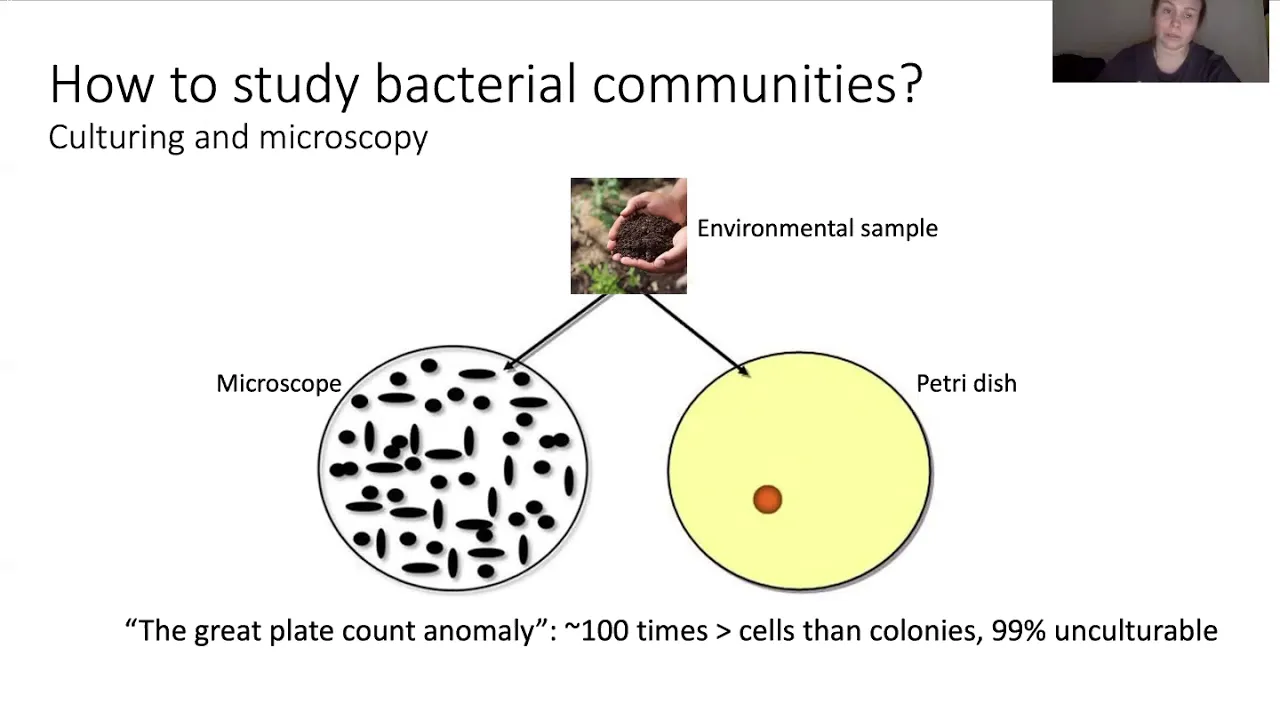
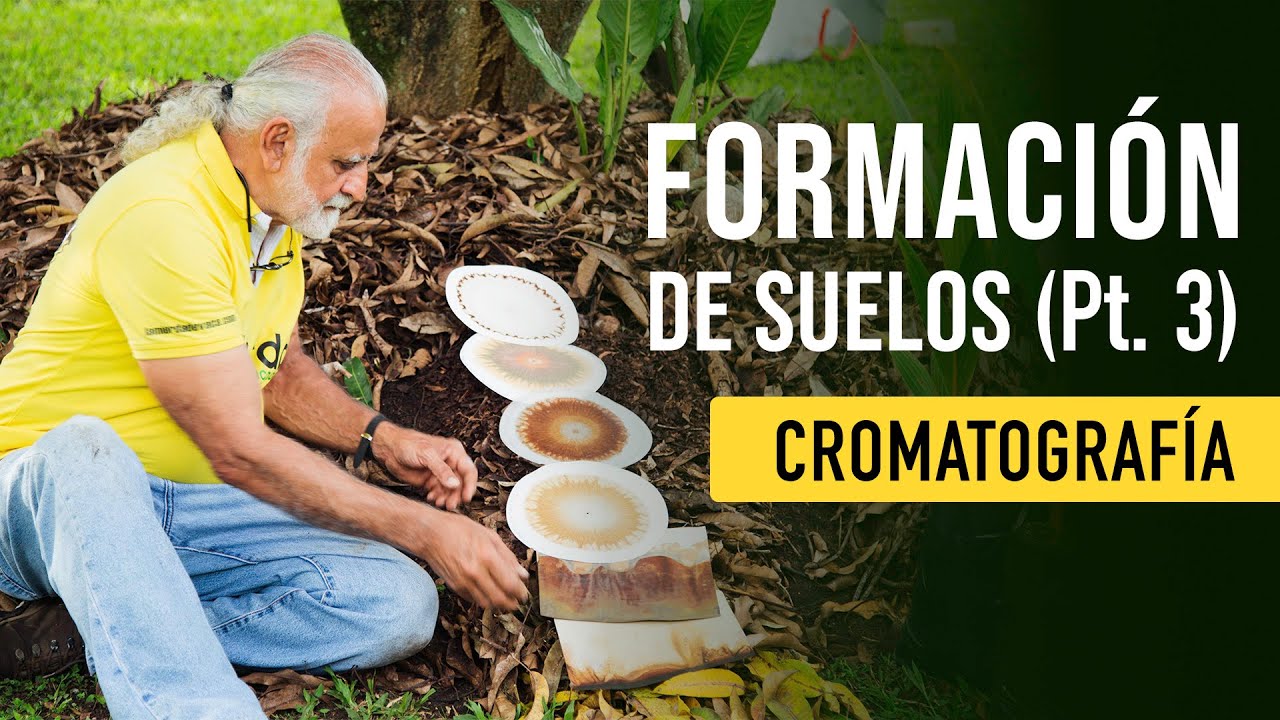
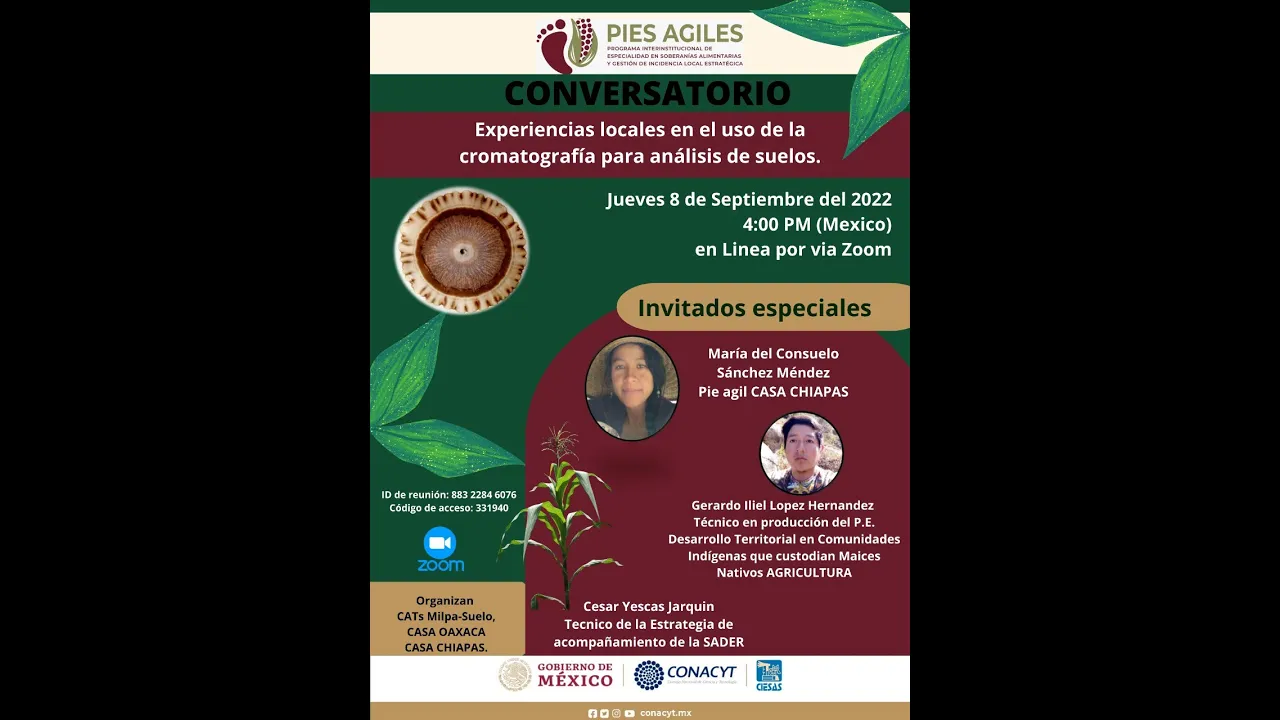
Added:[Music] so the next talk is Homo sapiens by Julia Moo it's Chalet melt Ellison and Maya Minda and it's about their open soil research please giving them a great round of applause and welcome them to this stage if you have and if you have questions during the talk from the internet please use our channels on IRC or mastodons or Twitter and just use the hashtag Eliza are you guys ready totally awesome looking forward to it thanks for the introduction and glad you all made it here today and yeah we're really excited to tell you about our project so to get started we want to summarize like I would like to give an introduction a short introduction into soil science the definition of humours and some major facts to get us all in the same page here and Julian will introduce the human sapiens project and what it's all about and after that Maya will give a short introduction of open science and art and we actually reserved 30 minutes of our time for an open discussion at the end because we think it's mostly very fruitful to have discussions rather than having a monologue on you so we're really looking forward to that and yeah first thing houmous so what comes in mind it's probably that and I can assure you it's really delicious but we want to talk today about the soil the human soil and therefore we yeah want to give you a definition of what soil actually is and there are a lot of definitions historically the science about soil arose from different perspective foreign scientists scientific research from ecological perspectives to agricultural perspectives and the perspective is yeah really matters if you define something so you can see it as a productive system for your agriculture efficiency but you can also see it as a four dimensional natural entity that contain that actually is made of sand silk and clay also a base layer of rock and soil actually develops over over time by climate influences direct or indirect and another content of soil is humors and this is what we want to talk about today and humors essentially is the dark layer that you see on the top which is actually made of organic matter and this organic matter this houmous part is also found in deeper layers of the soil so there's always a mobilization of humans by water for example in deeper law soil levels and the humans is super important for the soil because it contains the major part of carbon and nitrogen which is essential for plant nutrition and it holds a very complex and diverse multitude of species yeah fungi bacteria protozoa arthropods there are countless of individuals per square centimetre and yeah it's massively influenced by climate factors so to give you a short introduction about the complexity I oversimplified with little sketch I met it on my phone this morning to give you a short introduction of the soil food web it's actually you can consider it as a bioreactor it's a very complicated system and to just give you an idea the first stage the first level of the soil food web is the photosynthesis is you can say it the input parameter so we have organic waste from bacterial residues we have planned and that give residues from the roots but also plant matter like litter from the top and all this is processed in on the second level by the decomposes and decomposers our fungi essentially bacteria and the third level they feed on those decomposes those are the shredders grazers or also pathogens this is a protozoa or a movie in German yeah and the level for potatoes so the organisms they grow larger and then we come to a level where we have a lot of predators they feed of the smaller organisms and those nematodes and arthropods and on the next level we have for example larger animals like birds or yeah yeah different different kinds of mice yeah moles yeah so one important thing to mention is that trees act as a nutrient pump or base pump you can also say in science so if you have a soil you always have the release and the binding of carbon and nitrogen and this fixation and this mobilization that of course is very important to understand that if you have water like the rain is coming and it flows down those nutrients that are released so it's very important to have vegetation because the deep rooting vegetation is actually sucking up those nutrients and bringing bringing it up to the tree and every autumn it's falling down as leaves for example and those leaves accumulate in the soil top layer and will become Schumer's and this is very important to understand when we think about climate change and rising temperatures and the microbial activity will increase and this leads to more greenhouse gas releases and to show you why this could be a problem or already now with the rising temperatures it's important to understand that the carbon stock distribution is if you look at the latitude of the of our planet on the southern hemisphere the equator this is where we are based right now and the northern hemisphere you can see that the accumulation of carbon stocks in the deeper soil levels so we are here at 150 centimetres increasing the further you come to the north of the planet and this is due to the fact that it's quota so the microbial activity is slower so the accumulation of carbon is increased and even though that the vegetation stock is relatively low in comparison to the equator the carbon stocks are really high so if we speak about global temperature rise we have to keep in mind that we will have an increase in microbial activity prospectively and you can also see there's also the greatest amount of soil microbial mass in the northern hemisphere so another drawing for my phone super important to mention as well is that vegetation covers from sunlight it covers from wind erosion and also from water erosion so if we want to preserve the fertility of the soil the healthy soil if we want to build up humors it's very important to to protect the soil and there's a natural system that evolved over millions of years and it doesn't need any maintenance and is actually sequestering that carbon forest it's called a forest and it's actually hosting all those microorganisms in all the varieties they have and if we protect the systems that we have and we increase the number we can actually sequester quite a huge amount of carbon so there's quite a lot of studies about the topic and I just read this morning that we could sequester roughly about 20% of the carbon emissions from the last 20 years if we planned 1.7 billion trees and it's a rather cheap option to sequester all those carbon emissions and our problem nowadays is that there's not enough Drive not enough force and we have yeah we have to deal with really inappropriate land management practices worldwide and there is a tremendous amount of work we have to do and this is the reason I will hand over the presentation to you yeah now and why we started with the project thank you thank you very much Martin you can all hear me so yeah it's my honor to introduce a bit about the project itself main questions who where and what and also how did it all start here I would like to tell you a bit about the clinton biohack retreat in 2017 I see some people in the audience who have been there and it was organized by wonderful Maya Minda who will talk afterwards after me and Mike do say ye also founder of bacteria who can unfortunately not be here today and yeah so at this retreat we were sitting together and the three of us kind of developed a plan to work on soil in the future and then we had another meeting later and we decided to basically integrate what we were doing already so our own networks and throw them together to create something new and bigger so with all those projects that people were involved this is in complete summary of the of the network which was partly already there before the project and partly it grew together through the last two years of Homo sapiens so there are universities involved like Lucerne and Weimer there's also Fab Lab and hackerspaces biohacker spaces and art association and yeah some communities and and camps and yeah several things all together and yeah then we thought were so many people who are interested in these topics we should try to raise some money and we did a crowdfunding campaign we actually we also hacked it a bit I can tell you more about that later so we got a bit of money I would like to show you the video who can ablate just to give you some impression of how it looked like there in include house or the footages from from Kunta and so it's artists and hackers and biologists makers engineers nanotechnologist biochemists all sorts of people coming together there and also filmmakers so it was nicely documented several short movies came out of that and so also people with their family so kids were jumping around and we we worked with what we found there so we did the excursions in the mountains and got inspired by everything that is around and yeah try to implement it in our in our daily work and yeah a few interesting projects and also new collaborations came from that and that's also the spirit that we then integrate it into the retreats in Homo sapiens so it's about diversity interdisciplinarity and this interdisciplinary collaboration and mainly about long-term project so it's not so much about finishing something within these few days but to think about what we want to focus on in the future and who we want to work with yeah and also about having a good time together so definitely meeting interesting people yeah yeah I just yeah that we integrated some images of what is going on right now and we suggest that these two projects in the crowdfunding campaign to retreat and actually no it's not working actually we did much much much more so there's a wiki which is even incomplete with all the stuff that happened within Homo sapiens in the last two years and it's been in 2018 alone three retreats and lots of workshops and yeah I will shortly go through a bit of the where and what so three pillars of homo sapiens that I would like to introduce one is the retreats open collaborations so you already know what it's about we did one in Switzerland we were sitting at the campfire a lot which was very great but we were also working hard and soldiering stuff in the open and working on the soil respiration chamber I will tell you later and we were talking a lot and doing a lot of excursions so as you see we like to sit around in forests and we also did that in Germany a lot recently this autumn in the last retreat and yeah we also sometimes get into cities this was in Stuttgart container city in cities we like to sit on chairs and go to the local urban garden and get some samples there and yeah as I said before it's about getting together and yeah meeting interesting people and growing the networks together so this map of networks that I showed before it needs to the people need to meet in real life it's nice to collaborate online but it's much nicer to really sit together as you know here on the Congress it's the same kind of thing only a few more people so the retreats were usually about 15 to 30 people and focused on soil also mark went to Finland for for quite a while to do some projects there and together with Maya they went to Indonesia this year I had a three day workshop in Lithuania where we found this wonderful soil profile in a local park which way you can see like the picture that multi-shot before the homo Slayer and then the human waste layer and then the rocks so they were quite creative and in Flaminia maybe some of you know pith camp was there yeah but let's go to the second pillar the workshops so it's about sharing knowledge and and making science accessible basically also through open source instructions and just getting people again together to get their hands dirty and and work with soil and we also again like to do excursions and be outside but usually those workshops are more in a urban setting because that's where the participants are this was in Paris it's bit harder to find the soil there and have labs sometimes like spaces hosted us to do workshops there this was a Lucerne at the Fab Lab and this was in in Berlin and in that case we go out with all the participants and we collect samples and we just have to bring the dirt inside basically yeah to continue to work with it and we also did children workshop so it's again open for everyone and even old people sometimes join the workshops and at the end of these workshops it's usually a big mess maybe this is a bit dark but it's a table full of stuff and in this case this was in Stuttgart we afterwards just declared it to be and make an installation now so it was open for another two weeks I think and people could watch what the mess we were leaving after I said after our workshops and retreat so and third one is the open hardware you are probably quite familiar with this stuff again on soil research so this is I'm not real hardware soldiering kind of person but I actually did assemble this soil respiration chamber it has been developed quite a lot further if you're interested look at the act Iria wiki it's well-documented their stuff on github but everything is there and it works really well and it also works with a solar panel if there's a lot of Sun maybe use a bigger panel next time but it did work and yeah so I am personally a biologist so I'm actually more interested in the wetware so what about openwetware maybe if you'd like to discuss about that later or outside in the tea tent or whatever I'm very open to that now I hope I kind of clarified a few questions on the project itself and would like to give over the word to Maya so hi everybody and Maya not a biologist I'm not a geologist and not by I'm coming from the arts and I'm calling myself now a firm and Teesta so what I do I learned it all myself so I have this DIY approach I would like to give you my view on soil through fermentation which is a altered history on science as well a science which is ten thousand years old compared to academic science which is 150 years old and I want to talk about like how Homo sapiens tries to open up disciplines as well to involve the people who are dealing with the soil because we're digging into the soil and touching it to grow gardens and there's this question is it enough to grow your own garden so your own garden at home and the city you shape a carton or you have a farm and the question is is it maybe it is so fermentation being knowledge or a cultural heritage 10,000 years or people started to ferment something which is magic as well like yeast itself has a Greek origin word of machia and they did not know what they do there because they couldn't see it microbes and organisms but within those ten thousand years we developed something which is always regional adapted to the climate adapted to the soil as well and to the nature so fermenting means you become aware of your seasons in your country if your seasons have seasons or not and you become aware about what is growing where and how and how it grows better and how to preserve the food how to make food more more tasty and less toxic so there's maybe the link to the soil as well because soil needs to feed us and the question is how we're going to feed us within the next 50 150 and 200 years well so what I wanted to say is that maybe maybe can also say that we always been biohackers in that way that we always were dealing with microbes and the organisms which I also like to call the invisible helpers and through fermentation science now has started to have this approach to talk about the holo pie aunt or you can also say like the microbiome most of the people know about microbiome bakery each one carries two kilograms of microorganisms inside himself but there's also two surrounding which is around us which we carry around us like a halo which we also exchange when we talk to people and which is always connected to the environment as well so through breathing through eating we in continuous exchange with our environment within science which is mainly a male-dominated sector there has been Lynn Margulis and Lynn Margulis she came up with the theory of the endogenous certain symbiosis and the idea of like how the boycott Excel maybe some of you remember remember from biology interesting biological classes so how so he is see like the micro organisms are divided by area probe via the acharya and the bacteria so the step from the bacteria to the boy caria lynn margulis made up this theory that it was made by one bacteria eating up the other bacteria and then instead of that just digesting it realizing hey we can also live in a symbiosis lynn margulis she marked like a change of concept in biology of the history of evolution itself so when you go to Charles Darwin as well Charles Darwin he was marked by the term the survival of the fittest and Lynn Margulis his concept is by contradicting this concept when the survival of the fittest has been as well emblematic for a slogan of capitalism and hyper capitalism we could now say that within the time of entropy scene we could now maybe change back again to the idea of the semiosis as well and what I also wanted to say that we pastor we pastor he marks also this time when we started to vaccinate ourselves so his inventor of the vaccination as well the inventor of fermentation so similar G and he I always say he was a promoter of how to haunt the germs down so through pasteurization there's this start of phobia against microbes which has now been marked in agriculture how we tried to erase just everything in the soil through fungicide has pesticide herbicides and try to break down this diversity which is maybe for humans invisible but it always been here the forest as we had before as an example it always was self-sustaining and living for itself so through bacteria what we do in our workshops we try to make those microbes visible as well and we try to teach those beautiful take pictures to the to bring them to the people as well because we're still human so we have our senses and the visible visual sense is something which is very strong like pictures talk more than thousand words and so to show to people that there is much more in a drop of water and the soil makes them also become aware of this invisible force so now again we are in the interest piscine and i would maybe say let's just skip it to Anthropocene and go further I have one one interesting aspect of the entropy scene it's we can use this word entropy scene or climate change Clemmie weren't static but the what was before the entropy scene was the Holocene and there's the parallelity as well the Holocene L so it started nine thousand ten thousand year before so with the settlement of humans with humans becoming farmers as well so we just kiddin and we just get agro-industry is the biggest industry in the world and it implies 1 billion people I just skip and we just skip them so here I just wanted to show you want to show you now small projects of people getting involved into soil or microbes and our projects that those are mainly and approaches projects which have a different approach of how to bring these things back to the people and I don't want to say like the Homo sapiens is like superior and thought it ah but I I noticed is that more and more people are starting to distribute and show this knowledge in form of our pieces and practices as well so it's like similarly similar like to fermentation it started to become like a movement as well like a global movement farming urban farming urban gardens also community gardens and committee form all those projects we all get involved - yeah this was the circular soil cryptography by Amenia Ascari and this is a really nice technique which is which is based on a technique of photography sir invented 150 years ago she uses silver nitrate and mixes it together with soil probes which it alludes in water and this is the result we have afterwards after the test and what I think is the beauty in it here it combines the art with the science as well because for the interpretation of those samples you have to use the creativity creative potential of analyzing and interpretation and this is something which is still belongs to the human not as much and so it's quite a beautiful way how pictures again the pictures can help to activate human's creativity as well this is a project I would like to introduce you because it's done by a single person in the city of Zurich this person Maurice Maki he now becomes a lot of rewards for this project but he was doing this project flower Corellian since 30 years secretly and just just one person who was seeding seeding the whole city every small green quarter square meter he found he would seat new seats and within those 30 years suddenly the city of stearic had really stroked about the diversity of plants and flowers we have within the city and so this shows for me this this is the example that it shows how we might or intoxicated about all the weight and heaviness of responsibility we have to take care about against global warming and stuff but how much just one person can do with consistency and as well it's time this is another project about ok yeah so this is the last project I wanted to show you it's from Sasha's palette and she works with with mycobacteria together which is just recently scientists found out that this bacteria lives in the soil and it has healthy benefits that it can improve your immune system and can make you happy that's a wonderful finishes now okay so we like to thank you very much [Applause] [Music] thank you so much guys so we have time now for some questions please queue up by the microphones and we'll get to you thank you so much and if you want to stay in contact we have a few options for you here so the Maccoby omec website was done by mobile chile my brother sitting over there no WordPress no mage and nothing you can safely sign up to the newsletter and wiki for Twitter just write us an email whatever and if you really like what we do there's also post several possibilities to support us either through the website the donations Bitcoin lightning yeah feel free so there are some people microphone number two please yes first of all I would like to make a comment and I think it's really important also to stress that I first station is not a very good tool for carbon capture because what we're doing is removing carbon from the genic from the geo genic space to a biological space and the biological space is labelled highly level as you can see with the forest fires so I think it's really important to consider that but I really nice to talk nevertheless and I would like to talk to you about maybe building a soil moisture sensor but maybe later on there are several versions of soil moisture sensors documented as well the one funniest is in the shape of a mole you can find it on the wiki yeah but there are more serious applications the mole just make sound and blinking LEDs according to the moisture but you can also plug it to a how do we know okay great I'll have a look at that thank you thank you microphone number fee-free please maybe to the question or you it was just a comment that yeah if you want hard I said no we can talk about it but there are other people also having questions I guess yeah may be very short no did I understand the question correct you you said reforestation is not a good choice all right well it it is good choice we should reforest definitely but we shouldn't view it as a carbon capture as a good carbon capture option because by genic you know how to say fascia it's very labile and what we're doing is when we are burning carbon in fossil fuels we're taking it from the soil or from actually a geo genic source moving it to a biological so storage would you basically say is it's a fossil carbon stock that we release into the atmosphere exactly by just capturing it via the biosphere we should actually put it back into the ground that's what you're saying right yeah it's not possible which is why afforestation is still a very good option because they're not so many other options but it sometimes in a lot of newspaper articles it gives the impression that oh we can fix this we just need to plant more trees and that's just that's just one part of it it's also very real that trees are very vulnerable to storms to climate change to forest fires to land-use change all these kinds of things and what a lot of papers also don't consider is that they work with geo data of course but they don't sometimes consider who is already living on that land and a lot of recommendations for a first stations go to the global south where people actually use the land to live yeah one comment to that a narrative is horrible because the narrative just implies that we can do business as usual and plant a few billion trees yes and that's the problem but I think anyway regrowing forests makes a lot of sense and also maybe food forests that we can actually use but we can discuss about that later I think it's a too big topic our message would be that it's not only same I mean same plight planting tree but also create more Houmas so we forgot to talk about composting there's this one technique of the pie release people easy ok you know it yes there are Preta techniques where you burn like those those things you can put into compost so like citrus citrus skin and dried bread and stuff and you paralyze it and make a carbon out of it and then you can put it back to this I think there's always small ideas and creative solutions which we can use and but we're speaking about like large-scale carbon sequestration here and maybe this next question I mean it's it's a super important topic I mean just give your input I mean if you're interested in just shout out your questions I mean it should be a living for discussion right so I think it's a very very important point and we can talk a lot about that probably we skip it for later and just listen to the other questions and I think the topic will arise again and I have way more things to say about that but just around so we can do about it sure thanks a lot microphone number three please yes thank you for your talk I found your workshops and they look very interesting then you said a lot about it but I still have some no clue but actually you did could you get bit more into detail what exactly you were exploring and the workshops ordered retreats the workshops you do and also the the field explorations and stuff with all the sensors yeah so the workshops are mainly so what I call a workshop is usually like a three-hour format or something like that sometimes it was longer but that's around the shortest that I did and that's more or less science communication that is getting City people to dig in the soil and doing microscopy with it and seeing whoa it's full of life everything's going on in there and it's falling within these retreats the combinations of workshops we do is always based on the participants so it's changing every retreat is changing a lot and we start with like brainstorming we gather idea like people introduce themselves and tell about what they have to teach to the others and so it's this idea of unlearning and do it together as well so I think if you want to describe it it's science communication yeah but what kind of research did you do you have this feud explorations with all the sensors I still have no clue what you were looking for actually so what I'm interested in is the microbial life and I will just by the next question is asked put a few videos of microscopy I'm trying to get a clue with low tech equipment get a clue of the microbial diversity in the soil and activity the activity is relatively easy if you just abstract it and say it's equivalent to co2 so then you can use the soil respiration chamber and and measure the co2 and you get an ruff activity you don't get like how much nitrogen is fixed of course but we can work on that in the future and with microscopy actually low-tech microscopy you can get an idea about the diversity I'm still not sure how well it works nowadays if you talk with soil scientists I did a lot of talking with soil scientists they all say add this is old-school we all do made a genomic sequencing that's the only thing how to do it now and might be true might be also like a bit too much for what we want to do like have a simple tool for gardeners to assess the soil quality but we might also work on metagenomic sequencing it gets cheaper and easier accessible everyday basically so next year maybe we talk about this it's about breaking down science but also the approach from the other side bringing science low-tech approaches for people and community mainly community yeah I mean we're at the brink of a fundamental change how we do agriculture how we do our economics and I think where we're trying to be on the forefront of that and try to deliver knowledge try to like we're still in the process of involvement so to look okay what kind of solutions do we need what kind of research do we need to do what kind of workshops do we need to perform it's matter like it's a very organic process I would say yes and and those were fun oh and so the idea of open services everybody could make RIT yeah great thanks a lot and we have a question from the internet please are you aware of any accessible do-it-yourself methods to detect heavy metal pollution in the soil should I yeah I know of a project in Indonesia at the life patch with some collaboration partners who basically work with I don't know which species but they grow microorganisms that are sensitive to heavy metals and by doing a dilution basically and growing them you can see you can see what amount of heavy metals you have it's not specific like you can say this is which kind of heavy metal is in there but you can see that there's something very toxic in there and roughly how much if you standardize that on on some stock solutions where you know the concentration and also a smaller tip of the documents are most of the projects are documented on the heck Tyria wiki and there's also a forum which is freely accessible it's a key area forum for bacterial org and you can just ask questions inside the forum which then links to a great network of artists DIY scientists and people who are talking on this topic thanks a lot microphone number two please hi great thanks for your really interesting talk I have two short questions so the first one is what is the microorganism which was mentioned in the last or what is the exact name of the microorganism mentioned in the last project which makes our immune system active and makes us happy yeah this is the micro bacterium oh sorry let me go back to you Miko cocktail that's a but I can I can write it down from the or they call it golden bacteria also have you heard of it before but you can it's a known that yet unfortunately that's that's the thing that's why we become happy if you learn but one one one thing to that I think it's also a bit of oversimplification science always tries to get the one bacterium that does something nice like that's the one you need to be healthy and then you can buy it and the pharmacy and eat it and then you're healthy but I think that's not how it works yes but if you look at the human gut but diversity is actually the key to stability and therefore fee a stable health psychological help yeah good because health healthy food and gardening compost they're composting makes your hands dirty okay thanks and my second question is when is the why have you planned any retreats for the upcoming year when and where yes the idea to be in Slovenia sometime in 2020 came up but there's no fixed date or anything but there's a newsletter and we rarely send it like every two months or something but if we send it then there's news in there like you can you can organize one yourself or you can invite people as well so just get in touch yeah if you have a place invite us take a hint thank you microphone number three please a supporter of the project already and I would like to ask if whether they already had the experiences in a context with for example pollution from toxic waste I come from Napoli and there's a example normal incidence of certain kind our cancers and a malformation so my I tried to develop project a sort of research lab with projects similar to this for detection of low-cost distributed detection of nutrients for examples I don't know if you have previous experience with this I heard you probably this is a more general question of the one or the previous one about heavy metals so far I mean so far we don't have techniques but I know like the heavy metals how to measure them is mostly by spectrometry and that's even people are here in the audience who do they build or they give workshops on DIY spectrum which we've built like build your own spectrometer which is actually it's not so difficult you Ord we nose and small qubits and and this is the first approach about detecting them and then for sure there must be some mushrooms around which can help us the mushrooms would actually be then remediating the soil so to get all the toxic stuff out that's what the mushrooms do or doesn't don't they yeah depending on the mushroom depending on the soil it's I wouldn't say it's an easy approach excuse me well I to be honest I don't know too much sorry yeah the mushrooms are not enough he just said it the mushrooms are not enough to get the heavy metals out of the ground yes I just saw some statistic that the most use of fungicide is mainly by fruit tree plantation so like all kinds of apples pears and peaches and things and like massively use of fungicides and there are some people who say like that on the country side you have left you have less fungi stand inside the city because we are using fungus fungicides inside the city make sense thank you and microphone number two please yeah thanks a lot I wanted to ask a practical question there is a small forest in London book that I wanted to offer for us three forests because it's like it's a very sad forest that only has this key third and knowing English just need needle trees and so also the soil is like only these needles and looks very sad so I wanted to ask if it would be maybe a good idea to get a small soil samples from other places so that mushrooms can grow there or what if you have any tips there yeah in Germany what's happening right now is this so quite by timbl it's it's a transformation of our forests back from those coniferous trees or in that case pine trees to a broadleaf tree forest or a mixed forest and this is essentially the best measure you can take so by just changing the kind of vegetation you have you don't have to bring in any compost you don't know just just leave nature do the work for you so what you can do is I mean I don't know the site I don't know how the stock actually looks like but you can thin it out and plant manually or if you have broad leaf trees around your site they would actually see it and germinate if they have the right conditions but it's totally up to the stocking and the kind of trees we can have a discussion about that later this is actually my major this is what I studied so you can I also live in boats I know about those forests and I know that the problem is that the soil of those yeah Nido humans is very very acidic so there's not much life in there but just come to me after the discussion and I will explain to you what you need to do thank you but as far as I understood if you just do nothing it will transform by itself because our climate is not appropriate for those trees only the mountain climb but it wants the experience yeah yeah sure you want to accelerate the story there was a huge storm in 2008 in Switzerland which broke down many many thousands of trees and big square kilometer and by then it was a catastrophe and now 12 years later they found out that those trees which are regrowing they're by nature those are mostly like birches and trees that are much better adapted to climate warm as well so that nature is reinstalling itself then another another direction is also that people start or scientists they start to imply you know microbes around seeds so they provide the seats with natural resilient like resilient self defense as well so there's this this is the whole idea of bio virtualizer as well like how to bring back the microbes into the soil and I think for for land which is debated and you have no organic living anymore you can as well help so vermicompost as well that's the nicest thing you do you just if you have too much soil when you do produce soil through where we compost you just throw it out into the street yes yeah just bring in a lot of different topics now if you want to get into makaras a and why you have to bring in sports sometimes we can also go into that conversation I can teach you probably something about that and yeah the the storms that she was speaking about and the vegetation that is arising after that is called P via the potential natural vegetation that is actually adapted to the site and if you if you leave a conventional it's a plantation you can call it so if you if you have a pine tree forest it's it's basically a plantation of really young same aged trees for wood production wood pulp production or whatever so it's an industrialized agricultural site you can say so if you leave it it will die sooner or later insects will come storms will come and it it's just eradicating all the plants that are not naturally adapted to the site so you can just leave it I don't do nothing and everyone will complain oh my god the bark beetle is coming and it just kills all the trees but it's natural they're not adapted so yeah next question great thank you so much and microphone number 3 please thank you so much for the presentation and sharing this beautiful collaboration project I come from an art science background as well so I'm familiar with the language however from what I've seen with international environment policies and also our economic driven industries we are mostly focusing on carbon emissions and how to measure our impact on the environment through that and minimizing and our industrial impact based on this without noticing that biodiversity and soil health is more essential to planet health and our overall sustainability whatever we like to call it so I will my question is more of I would like to ask you to share your visions for example science communication how can we convey the idea to the majority of the population who are under you mentioned anthropocentric perceptions so we are fundamentally separating our human population from nature and majority of the people would still found and soil being dirt and would like to everything to be sterilized and cleaned in our human perceptions the these are what's what I am struggling in in my life because personally I love nature I love like swimming soils and fours and dust and everything so I just would like to I would like to ask you to share your visions how we can share this love for nature with others thank you some short words so sharing the love spreading the love is really nice that you say it like that we also sometimes talk about social who moves building social who moves within those retreats and it's I think the way to go is to involve your direct surrounding your family your friends and so on and start talking with them about these things and people who really never get out of the city just take them out of the city but I'm actually not that optimistic that we we just spread this love and then everything will change and be fine I think there's a much more fundamental problem deeply rooted in our capitalist society and we need really a fundamental system change and talking about reducing emissions especially talking about reducing emissions doesn't help and in reference to the soil what what I usually use are just two very simple numbers one is from the United Nations which talks about the certification so erosion and it's something really insane like 23 billion tons of soil that we lose each year due to land mismanagement praxis it's hard to imagine this number and I've still didn't come up with a good comparison but it's not that the soil gets less good and that we lose kumo or fertility no it's gone it's the ground beneath our feet is gone it's washed into the rivers into the oceans that's the one thing with the rest that is still here in our so-called developed countries we like to build things on them so in German we have a nice word for that it's called flaking for us so eating up the country and it describes the conversion from agricultural land and forests to building land and each day in Germany at 61 Hector's for that I have a comparison so the big class Hall at the center of this place here as to Hector's so about every 47 minutes this area is lost and this goes on day and night day and night cities are growing and growing and growing and growing infrastructure is growing we build logistics centers everywhere it's just quite crazy and we need to embrace a real ya D growth economy and D growth political system whatsoever how it might even look like I mean 2019 has been a good year for us at least that I think the world of climate change is the the word of 2019 and so to talk if language is the virus as well like this is coming communication about sharing ideas and thoughts and concepts and with with this phobia of dirt and microbes as well like through fermentation again you can teach to people like building up your microbiome because babies are born sterile is to let them play in dirt and this is this this basic knowledge like you have the first three years to build up your microbiome is slowly slowly likes sedimenting in society as well so this first experience as a child with nature as well as most important thanks yeah i think education knowledge is the base to understand something and to protect it I mean if you know about the vulnerability of the systems that we're living in and how much we depend on them it's obvious that we shouldn't speak about protection of nature as some yeah I don't know detached entity that we are not connected to but we should actually speak about the conservation of human living conditions or human preservation human habitat preservation or something probably we relate more to it then because if you argue about topics like that especially to people who are totally into that capitalistic world they're also they're always really detached to it and our language is also detaching us from those biospheres from those ecosystems but we're not and basically I think there's just a big lack of knowledge and that's the reason I'm working with you and because I I believe in this alternative yeah and simplified yet or yeah alternative simplified DIY hacking environment because we can provide provide the knowledge in my from my perspective that is very important that probably people wouldn't have access to otherwise yeah by enjoying and sitting inside forests on the ground or looking at white boards great thank you so much I think the discussion has to continue maybe outside we don't have time for any more questions but thank you so much my impression is that you guys will hopefully be around to just answer something out here maybe a bit more elaborate but thank you so much and please give them a great round of applause [Applause] [Music]
Up Next
Xenobiotics Recycling: Soil & Water Remediation Advances
@meabsciences4744
122 views•2023-03-22
Phytoremediation: Poplar Trees Cleaning Up Wastewater Pollutants
@SciShow
124.5K views•2025-05-21
Microplastics Everywhere: How Plastic Impacts Our Lives
@TEDx
100.9K views•2018-05-08
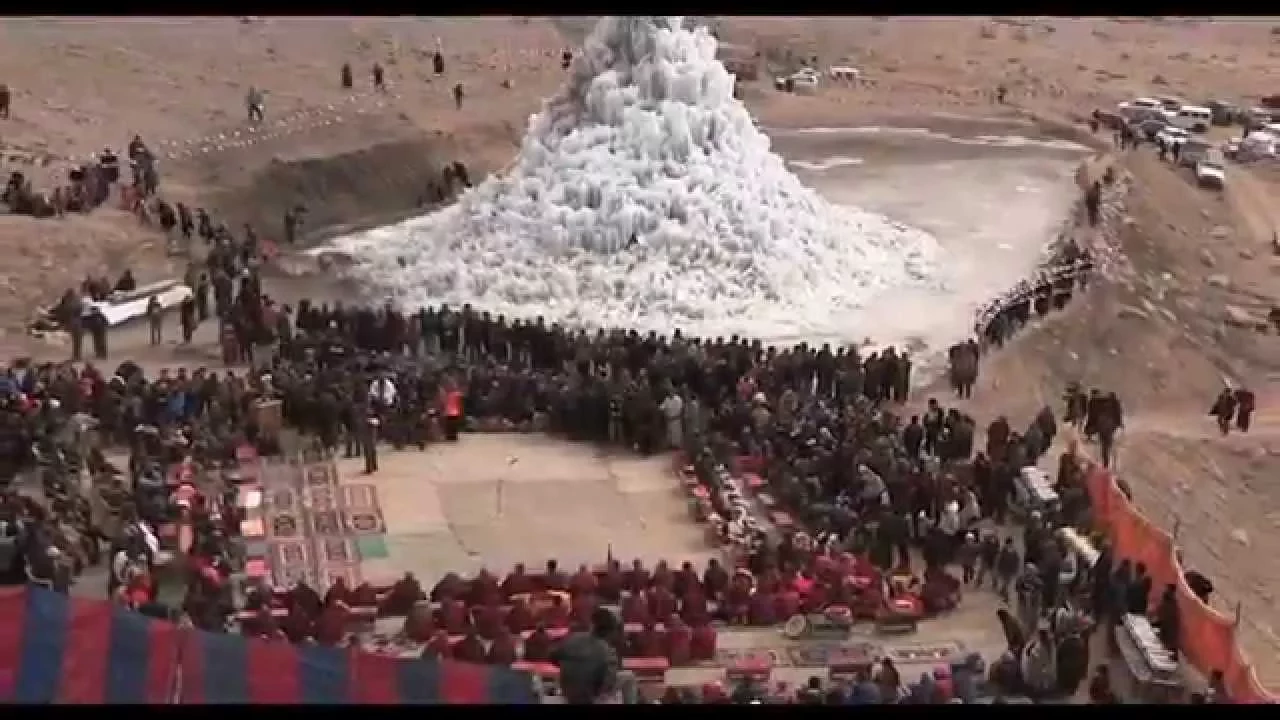
Ice Stupa Artificial Glaciers: Solving Ladakh's Water Crisis
@SonamWangchuk66
3.2M views•2015-05-03
Related Study Plans & Knowledge Roadmaps
Structured learning paths in Environmental Science