









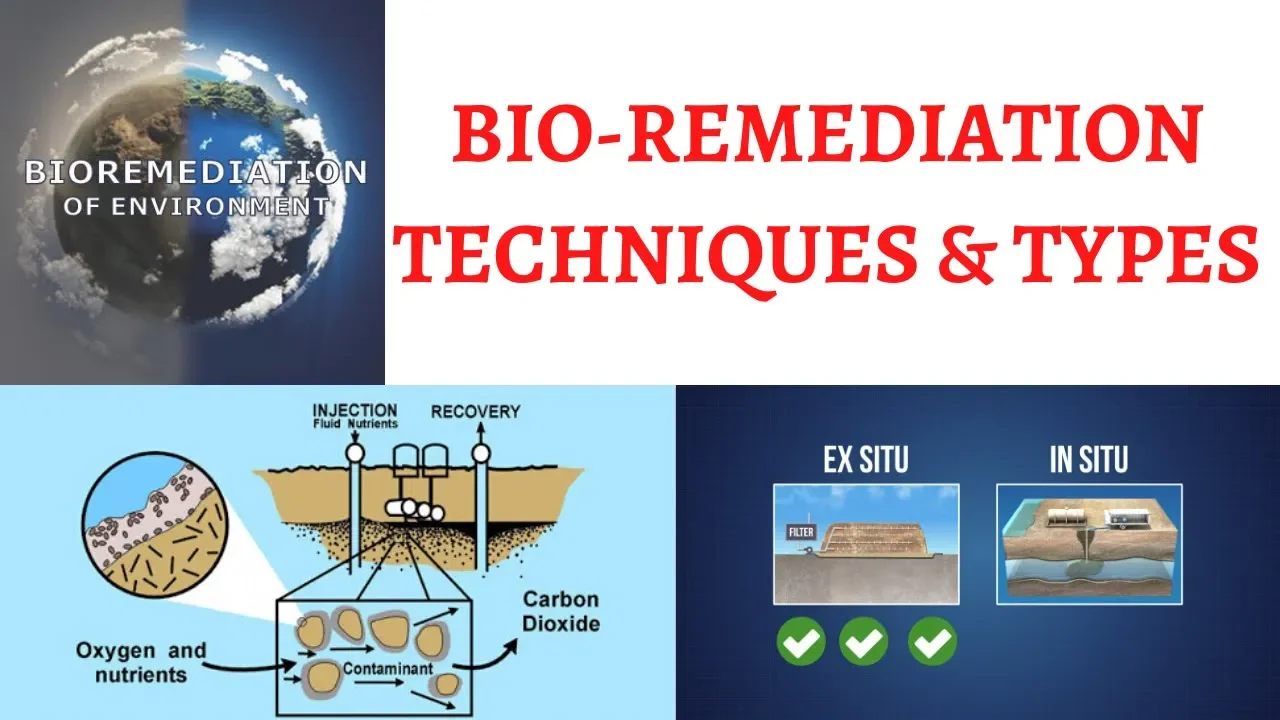




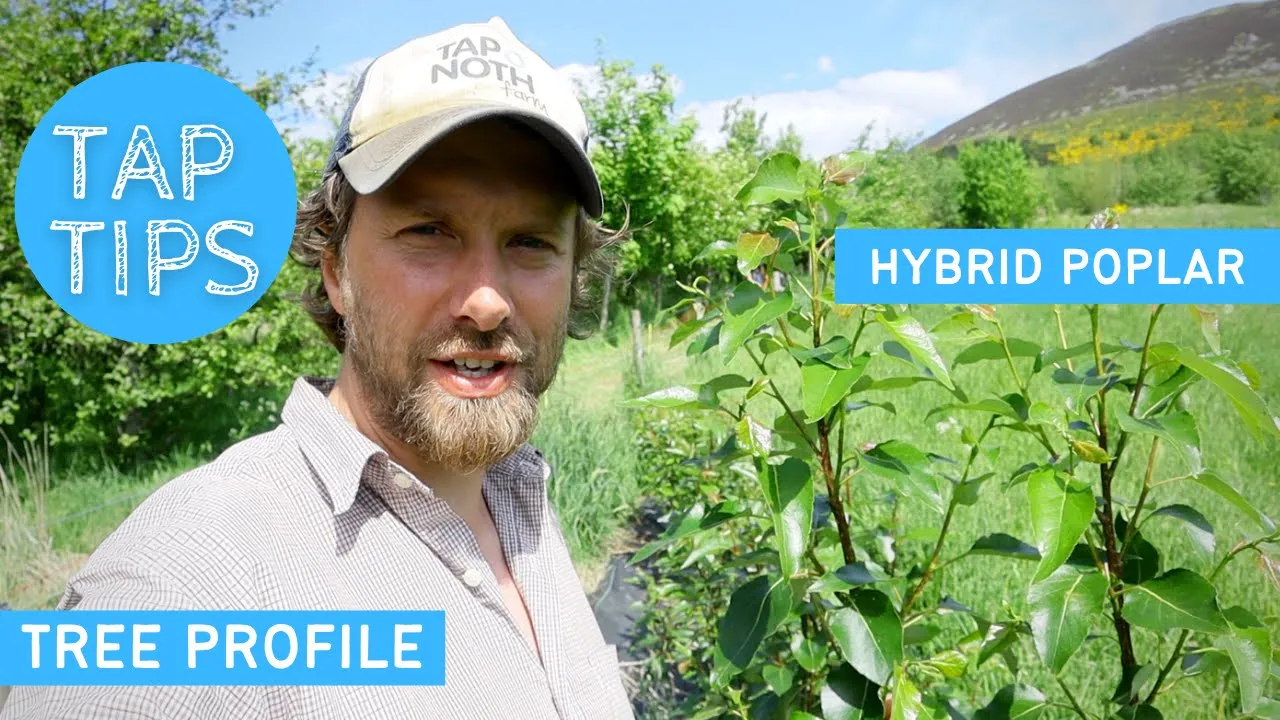




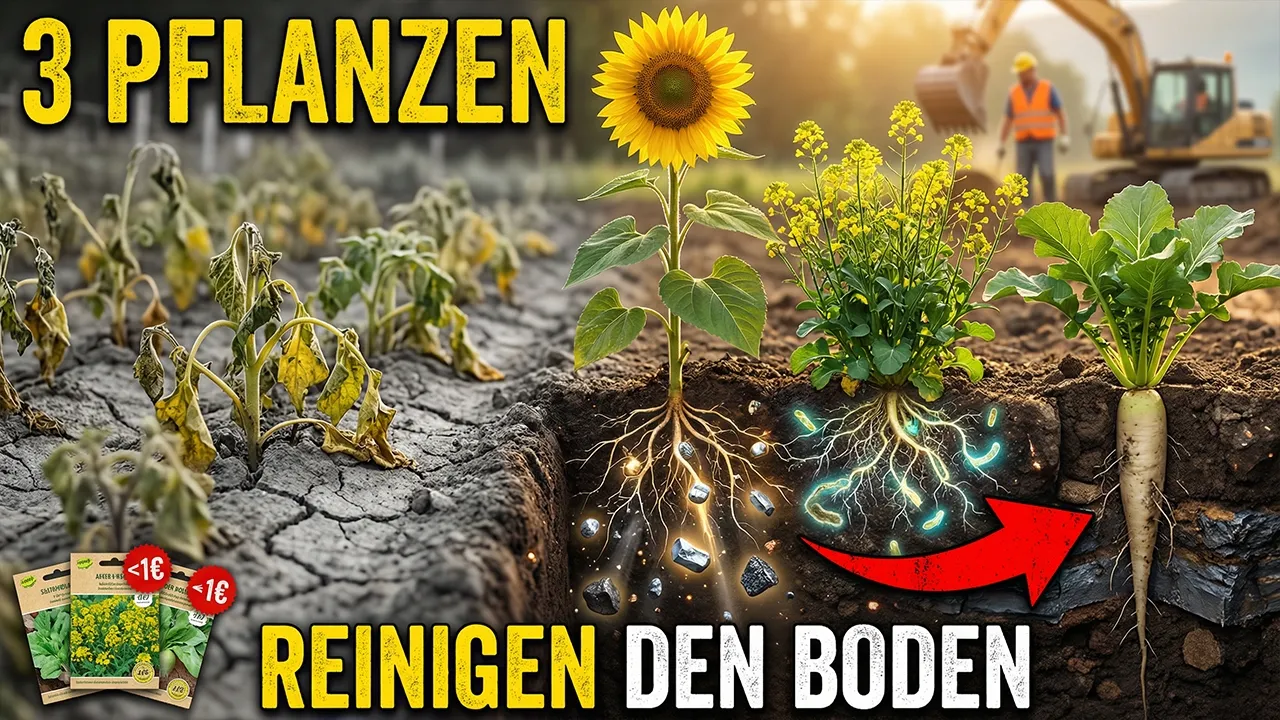






Phytoremediation is an environmental cleanup technique where plants, particularly poplar trees, are used to remove pollutants from soil and water through various mechanisms including rhizofiltration (absorbing contaminants through roots), phytoextraction (storing heavy metals in cellular vacuoles), and phytodegradation/phytovolatilization (breaking down or releasing organic pollutants); hybrid poplar trees demonstrate enhanced cleanup abilities due to heterosis (hybrid vigor), making them effective for removing excess nitrogen, phosphorus, heavy metals, and toxic chemicals like TCE from contaminated sites.
Phytoremediation: Poplar Trees Cleaning Up Wastewater Pollutants
Added:Basic plant physiology, specifically how root systems absorb water, essential nutrients, and dissolved solutes through the transpiration stream.
The fundamentals of wastewater chemistry, including why excess nitrogen and phosphorus cause ecological issues like eutrophication in aquatic ecosystems.
The general concept of bioremediation—the use of living organisms to remove or neutralize pollutants from a contaminated site.
An introduction to genetics and hybridization, specifically why fast-growing hybrid tree species are bred for specific environmental tolerances.
The specific pathways of phytoremediation, including phytoextraction, rhizofiltration, phytodegradation, and phytovolatilization.
The challenges of biomass management and hazardous waste disposal for plants that have hyperaccumulated heavy metals.
The integration of phytoremediation into a circular economy, such as harvesting treated hybrid poplars for bioenergy, paper, or timber.
A comparative analysis of the economic and environmental trade-offs between green phytoremediation projects and traditional chemical-mechanical wastewater treatment plants.
124.5K views7.2Klikes8:12Original Release: 2025-05-21
This is not a tree farm.
I mean, it is, in the sense that these trees were planted by human hands with the eventual intention to put them to economic use, but that’s not why they’re actually here.
These 36,000 poplar trees are located just up the road from SciShow’s studio in Missoula, Montana, and their job is eating poop.
I see them when I’m flying home from anywhere I’m like there’s the big weird poplar plantation People ask about it and I get to tell them More specifically, These trees are preventing excess nitrogen and phosphorus from the local wastewater treatment plant from going into the Clark Fork River, Poplar trees are one of a few types of plants that have absolute superpowers when it comes to cleaning up human messes.
Regular ol’ poo is just the beginning – there’s almost nothing these trees can’t do when it comes to pulling stuff out of the soil.
But as great as it sounds using trees to solve problems, nothing’s perfect, and these poplars might turn out to be a crappy solution.
[intro] The City of Missoula planted 90,000 hybrid poplar trees in 2014 in an effort to reduce wastewater pollution being dumped into our river, although that number is down to about 36,000 today.
In town, we call this this the Pooplar Grove, which is very funny, but might be a misnomer.
See, they’re not there to remove human waste, at least not directly.
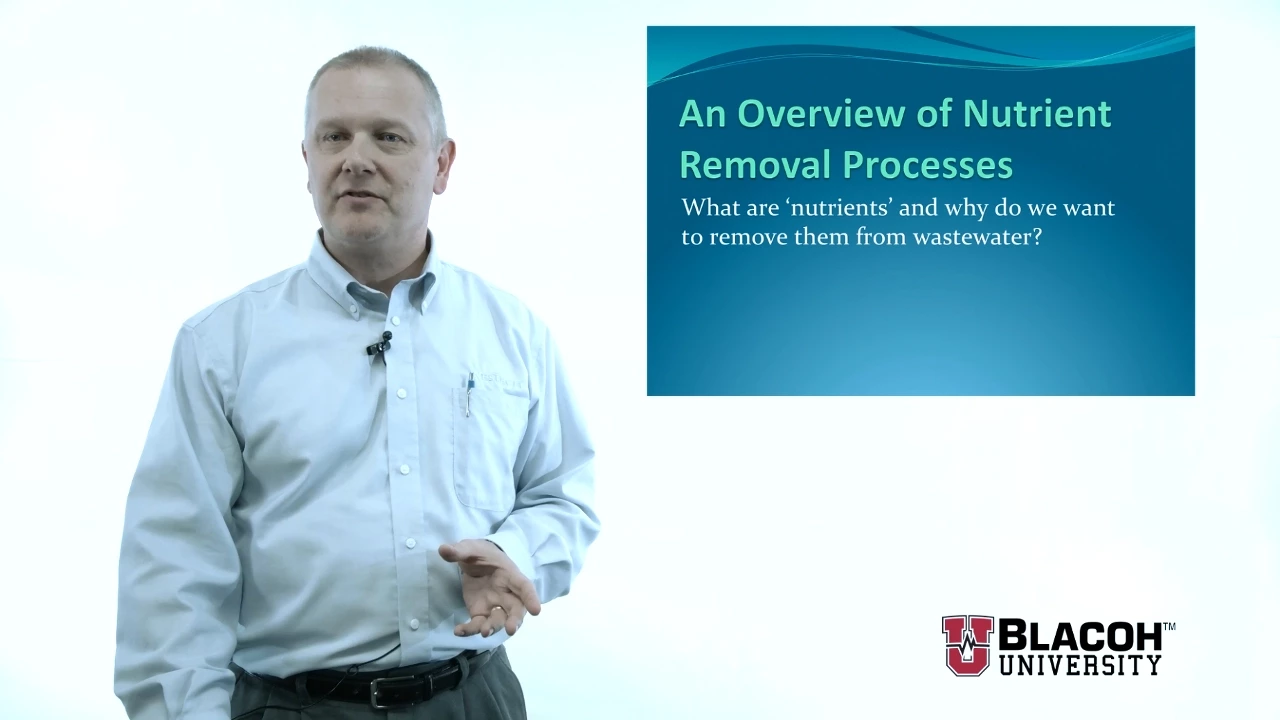
The problem these pooplars are solving is an overdose of nitrogen and phosphorous.
Although these nutrients are essential for life, it’s possible to have too much of a good thing.
Too much can lead to algae blooms and other imbalances in the river’s health.
And the pooplar grove actually is a pretty great way to help out the river.
According to the city, the grove has been able to keep almost 5000 kilograms of nitrogen and almost 300 kilograms of phosphorus out of our river every year.
Plus, there was another benefit to growing these particular trees.
The city’s plan was to grow a grove of poplar trees to help treat the wastewater, then find a way to sell the lumber when they were mature.
At the time, they were anticipating a big market for poplar wood, and even had a mill in Oregon lined up to process it.
But the trees would need 12 to 15 years to grow.
So let’s leave them to it and see what else poplars can do.
The technical term for these trees’ superpowers is phytoremediation.
It can work in a bunch of different ways, and poplars are good at nearly every single one of ‘em.
One is called rhizofiltration, and it involves the plant slurping up contaminants directly from water into its roots.
This is how poplars soak up nitrogen and phosphorus, and they don’t just do it in Missoula.
For example, a 2018 study looked at the potential of planting poplar and willow trees along riverbanks in Canada to keep phosphorus concentrations down.
And they identified a particular hybrid variety of poplar that was best at that task overall, due to its big root system and the overall amount of phosphorus it was able to store.
Incidentally, you’ll find nearly all of this research refers to hybrid poplar trees.
This is because of a really weird phenomenon called heterosis, or hybrid vigor.
Basically, when you cross a plant with another compatible plant, it gets… better.
Bigger, more productive, better at cleaning up pollution.
You name it.
It’s really common in plants, but the thing is… nobody knows why.
Like, it has to have something to do with how their genes are regulated when you mix ‘em up, but beyond that scientists are completely lost.
What they do know is that when you cross one poplar species with another, you often get a hybrid whose superpowers are even… super-er.
Which is good, because we’re just getting started in terms of what poplars can do.
I mean, nitrogen and phosphorus, that’s just fertilizer.
Show me a plant that doesn’t love those things.
But what about cleaning up heavy metals?
Poplars are some of the best plants out there for removing toxic heavy metals from the soil.
This particular flavor of remediation is called phytoextraction, and it’s pretty simple.
The plant just pulls contaminants out of the soil and tucks them away.
It can do that because plant cells usually have a large storage space inside them called a vacuole.
It’s like hey, nice cells.
Ooh, they have pockets!
If the plant encounters something that’s stressing it out, like toxic heavy metals, it can throw them in those vacuoles where they’ll do less damage.
A 2024 study at a mining site in southern China looked at the ability of different hybrid poplar varieties to clean up cadmium, mercury, arsenic, and lead.
They found that the poplars were especially hungry for cadmium, which, lovely for them.
They also found that hybrid vigor had a huge impact, especially when the cross was between different species of poplar, as opposed to within the same species.
The trees weren’t as great at picking up the other metals, but the researchers found that could be improved by breeding and choosing the right hybrid.
Which could be useful if you’re trying to clean up multiple heavy metals at the same time.
But this does not end with metals.
These trees even solve our toxic chemical woes.
Trichloroethylene, or TCE, is a solvent that was used as a cleaning agent before we figured out that it was bad news bears.
It’s not soluble in water, and it tends to seep into the soil and just… stay there, slowly releasing contamination.
Enter poplar trees once again, this time with a combination of phytodegradation and phytovolatilization.
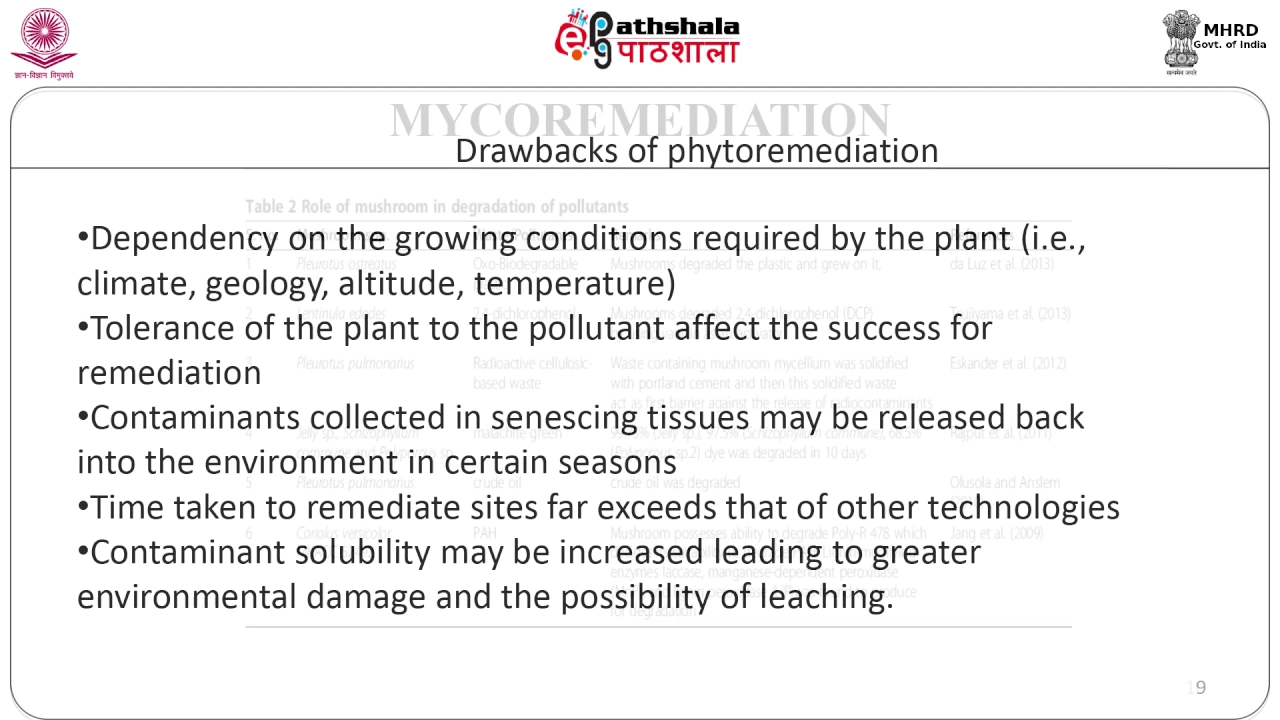
This script is so fun... there is so words much to say Degradation refers to a contaminant being broken down, while volatilization means the plant is taking up the contaminant with its roots and then releasing it into the atmosphere through its leaves.
Which is only better if you’re fine with the thing being in the atmosphere, and at least with TCE, it seems to break down pretty fast once it’s in the air.
Poplars have been shown to carry out a combination of both when it comes to TCE, although degradation seems to predominate.
They appear to be breaking it all the way down into CO2 and chloride ions, which is way better than what it started as.
But before we get into the future of poop trees, we’re gonna pay the bills with a quick ad break Thanks to Brilliant for supporting this SciShow video!
Here at Complexly we’re all about lowering the barriers to knowledge, education and wonder We’re working to make it so more people get access to lessons Made in partnership with accredited university professors And Brilliant is right there with us Brilliant is an online learning platform that helps you build knowledge through interactive lessons created by professors at Caltech, MIT, Stanford, and more.
These guys have lent their serious instructional chops to Brilliant’s lessons to help build your critical thinking skills through problem solving So while you’re learning about science and tech, you’re also learning how to think.
To try Brilliant for free, visit brilliant.org/scishow or scan the QR code onscreen or you can click on the link in the description.
youll also get 20% off an annual premium Brilliant subscription.
I’m not seeing any reason we shouldn’t slap these bad boys down all over.
At least in their native range.
Poop trees for everyone.
Well… we chatted with an official from the city, and unfortunately, there’s a catch.
Or rather – about 36,000 of them.
See, the trees are all fully mature, and the city’s previous plan to harvest the trees and have them milled in Oregon isn’t working out, on account of the mill having closed.
And there don’t seem to be any other takers.
Poplar wood has big growth rings and is tricky to mill, so apparently, not many people want it.
If you’re wondering why they don’t just leave the trees there and let them keep doing their thing, that’s not really an option either – poplars have short lifespans and some of our Missoula pooplars are already starting to die off.
Basically, the problem with growing a bunch of trees is that when you’re done, now you have a bunch of trees.
The city kind of needs to figure out what to do pretty quick.
So they’re thinking about whether to use a different plant next time that will be a little easier to get rid of – like alfalfa, which could be sold to use as animal feed.
Whatever they decide, the trees did great!
The pooplars are superstars and I am proud of them!
And I’m not mad at the city for trying to keep the river clean either because I love a clean river You cannot get in the Clarkfork without getting a little river water in your beer.
That’s just a thing that happens.
And I want it to be - not hurting me.
The reality is Cleaning up human messes is hard and no plan is ever perfect.
But I’m still on team trees.
[ OUTRO ]
Up Next
20:08
Xenobiotics Recycling: Soil & Water Remediation Advances
@meabsciences4744
122 views•2023-03-22
62:52
HUMUS sapiens: Open Soil Research & DIY Ecology | 36C3 Talk
@mediacccde
1.7K views•2019-12-29

10:04
How Light Pollution Disrupts Ecosystems and Human Health
@SciShow
1M views•2014-05-22
10:28
Ice Stupa Artificial Glaciers: Solving Ladakh's Water Crisis
@SonamWangchuk66
3.2M views•2015-05-03
Related Study Plans & Knowledge Roadmaps
Structured learning paths in Environmental Science
environmental-science
Phytoremediation: Soil Clean-Up & Plant Biology
01Introduction to Soil Contamination & Heavy Metals
02Plant Anatomy and Nutrient Transport Basics
03Biological Mechanisms of Hyperaccumulation
+ 3 more learning modules
16h6 modules
Explore Roadmap
environmental-science
Ocean Noise: Cetacean Impacts & Mitigation
01Fundamentals of Underwater Acoustics
02Marine Mammal Bioacoustics
03Anthropogenic Noise: Shipping & Seismic Surveying
+ 2 more learning modules
16h5 modules
Explore Roadmap
environmental-science
Road Ecology: Corridors, Overpasses & Fencing
01Foundations of Habitat Fragmentation and Carnivore Ecology
02The Road Barrier: Ecological Impacts of Transport Infrastructure
03Principles of Ecological Corridors and Connectivity Mapping
+ 3 more learning modules
14h6 modules
Explore Roadmap
environmental-science
Ocean Acidification: Kelp Buffering & Shellfish
01Fundamentals of Ocean Chemistry & pH
02Chemical Pathways of Coastal Acidification
03Bivalve Physiology & Calcification Under Stress
+ 2 more learning modules
18h5 modules
Explore Roadmap