Scientists are using selective breeding to accelerate coral evolution, creating 'super corals' that can withstand rising ocean temperatures caused by global warming; this assisted evolution approach involves preferentially breeding thermally tolerant parent corals to amplify heat-resistant traits in offspring, with the goal of restoring coral reef ecosystems that are threatened by climate change.
Super Coral Evolution: Can Assisted Breeding Save Reefs from Global Warming?
Added:Deep Dive
The symbiotic relationship between corals and photosynthetic algae (zooxanthellae), and how thermal stress disrupts this partnership to cause coral bleaching.

Coral Bleaching Animation— HHMI BioInteractive Video
236.1K
Reef-building corals form symbiotic relationships with photosynthetic algae called zooxanthellae, which provide 75-80% of the coral's energy needs through photosynthesis; however, when ocean temperatures rise beyond a critical threshold, the algae's photosynthetic machinery becomes damaged, producing harmful reactive oxygen molecules that cause the coral to expel the algae, resulting in coral bleaching and eventual death if the stress persists.
Click to watch →
Coral Reef Crisis: OSU Science Panel on Bleaching Solutions
102
Corals maintain intimate symbiosis with dinoflagellate algae (zooxanthellae) living inside host cells within vacuoles, involving complex cellular conversations about partner recognition, decision-making, and energy exchange. Coral bleaching occurs when heat and light stress cause reactive oxygen species production, overwhelming compensatory mechanisms and triggering host immune responses that break down the partnership. During stress, coral microbiomes typically show increased diversity as opportunistic invaders exploit weakened hosts. Some corals harbor diverse algal communities including thermally tolerant strains that can colonize stressed hosts after bleaching, though novel symbiotic combinations often prove unproductive and cause host stress when temperatures normalize. Most coral species do not transmit zooxanthellae vertically; juveniles acquire symbionts de novo at settlement, limiting laboratory-based manipulation approaches. Current research explores genetic engineering techniques like CRISPR to develop thermally resilient coral-algae combinations.
Click to watch →

Line Bay - Rapid (r)evolutions: Can reefs respond quickly enough?
293
Corals maintain an obligate symbiosis with dinoflagellate algae (zooxanthellae) that occupy their inner tissue layers. This mutualistic relationship enables corals to thrive in nutrient-poor waters by providing shelter and photosynthetic conditions in exchange for nutrients. Coral bleaching occurs when thermal stress causes zooxanthellae expulsion, turning corals white and reducing photosynthesis. This compromises coral health, increasing susceptibility to disease and potential death. Corals exist near their thermal tolerance limits, with bleaching triggered when temperatures approach approximately 32°C. Bleaching tolerance varies significantly within colonies, among individuals, and across coral species, providing the genetic variation necessary for potential adaptation to climate change.
Click to watch →

SIDDHIX 01 Test Analysis | Geography + January Current Affairs | UPSC/UPPSC Preparation | Part 2
1.8K
Corals and zooxanthellae (algae) have a symbiotic relationship where: (1) Corals provide shelter and protection to the algae, (2) Zooxanthellae provide nutrients through photosynthesis to the corals. This relationship is essential for coral reef health. When environmental conditions become stressful (such as high temperatures), the algae are expelled, causing coral bleaching.
Click to watch →

Coral Comeback?: The Coral and the Algae
172
Corals are colonial organisms composed of polyps that form reefs through calcium carbonate skeletons, and they survive primarily through a symbiotic relationship with Zooxanthellae algae living inside their cells, which provide energy through photosynthesis and give corals their vibrant colors; when stressed by high temperatures, corals expel these algae, causing bleaching that weakens them and makes them vulnerable to disease, potentially leading to death if the algae are not restored.
Click to watch →
Deep Dive
The basic mechanisms of natural selection and evolution, specifically how environmental pressures act on genetic variation within a population.
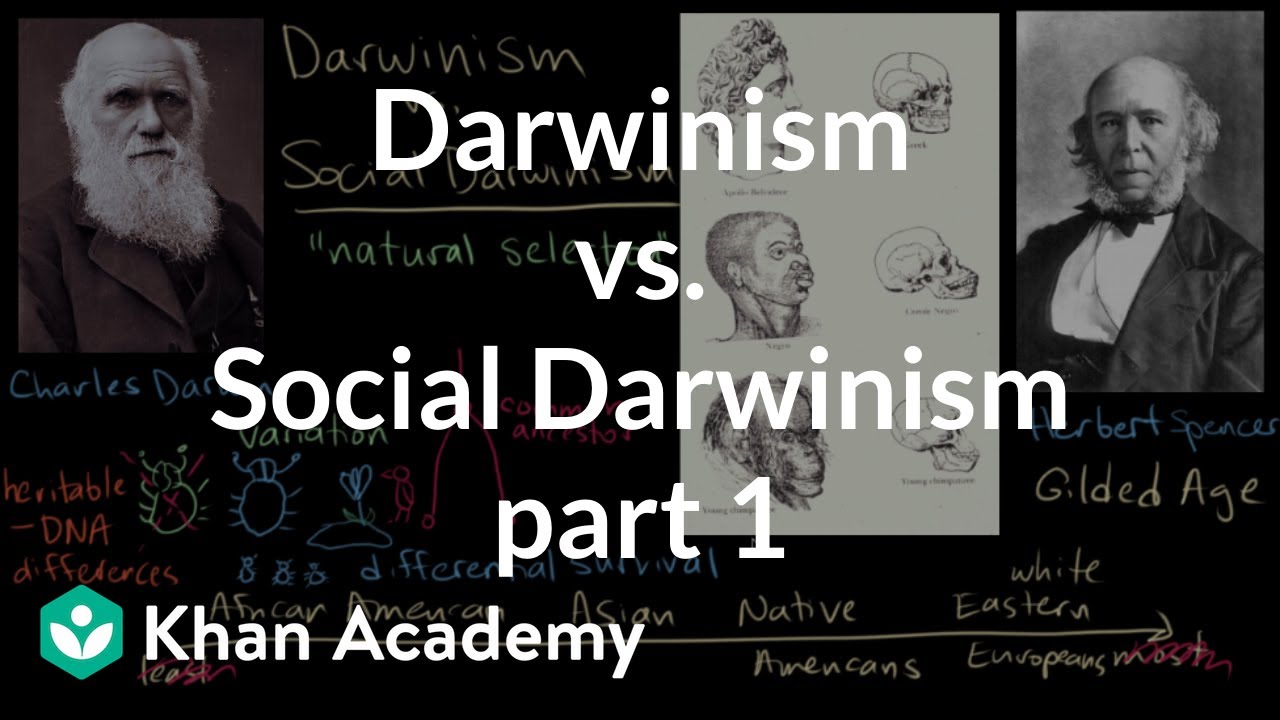
Darwinism vs. Social Darwinism part 1 | US History | Khan Academy
166.6K
Natural selection operates through three essential ingredients: (1) Variation - individuals within a population must show differences in traits; (2) Heritability - these differences must be passed from parents to offspring through DNA; (3) Differential survival and reproduction - individuals with certain traits must be better suited to their environment, allowing them to survive and produce more offspring. Environmental pressures act as filters, favoring whichever pre-existing random variations happen to be advantageous. This process leads to adaptation, where populations gradually become better suited to their environment over generations. Importantly, genetic variation arises randomly through mutations, not as responses to environmental needs—organisms do not develop traits specifically because they need them.
Click to watch →

Preguntas ICFES Genética Biología Sesión 1 + Bonus
21.8K
Natural selection acts on genetic variation within populations. When environmental pressures change (such as a new disease), individuals with advantageous traits are more likely to survive and reproduce. Over generations, the frequency of advantageous alleles increases in the population. This is the mechanism of evolution.
Click to watch →

Natural Selection
110
Natural selection is the mechanism of evolution, also known as survival of the fittest. It requires four prerequisites: variation (variety of alleles within a population), hereditary traits (transferable from generation to generation), reproduction (sufficient offspring production), and selection pressure (environmental factors that increase when conditions change). Five factors increase selection pressure: competition for resources, predation, temperature changes, disease immunity, and limited resources. Genetic variation is maintained through three mechanisms: meiosis (crossing over and random chromosome arrangement), mutations (DNA sequence changes), and random reproduction. Variation types include continuous (series of phenotypes, polygenic) and discontinuous (either-or traits, single gene).
Click to watch →

Основы эволюции. Креационизм, Ламарк, Дарвин. Осенний интенсив NeoFamily
4.3K
Natural selection works through: (1) Heritable variation exists within populations, (2) Environmental pressures create competition for limited resources, (3) Individuals with advantageous traits survive and reproduce more successfully, (4) These advantageous traits become more common in subsequent generations.
Click to watch →
H#29 Population Genetics And Conservation
1.3K
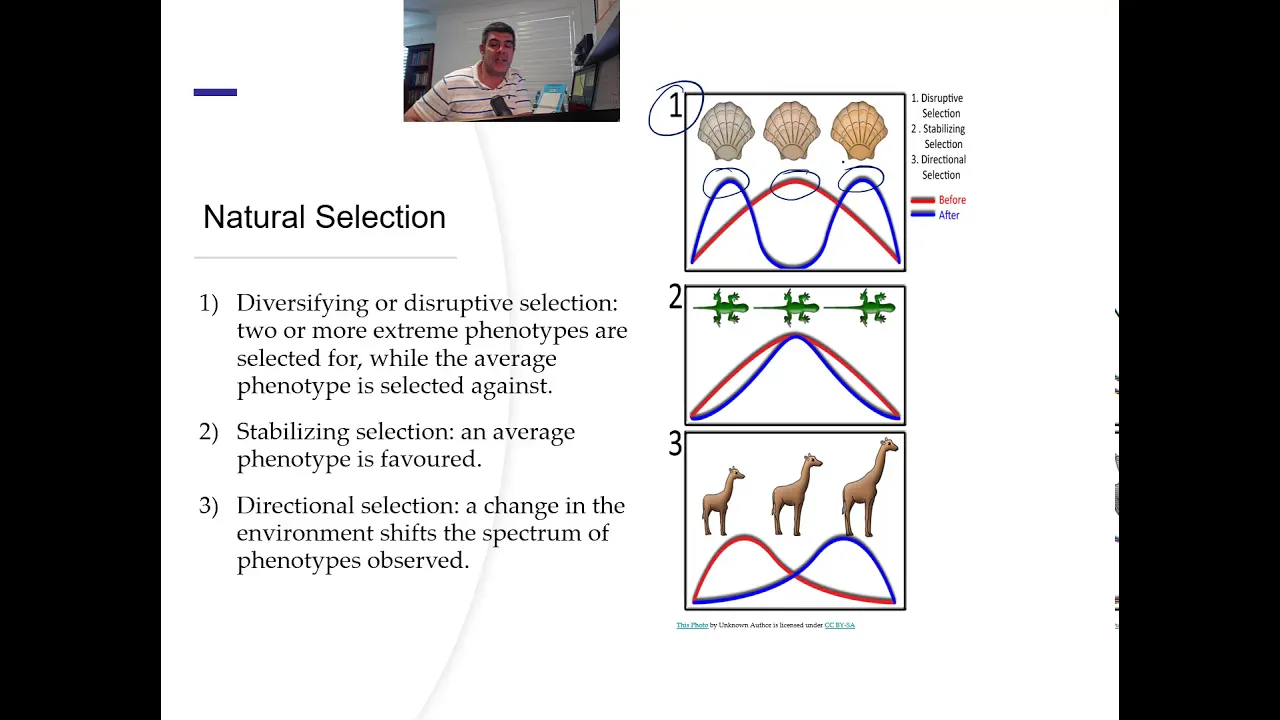
Evolution via natural selection depends on genetic variation within populations. Populations possess diverse alleles, genes, and phenotypes forming a gene pool acted upon by environmental selective pressures including biotic factors like food availability, predation, and mate competition. Multiple mechanisms generate variation: sexual reproduction, crossing over, mutations, allelic variation, multiple alleles, polygenic traits, SNPs, copy number variations, VNTRs, and epigenetic markers. Natural selection operates through three mechanisms: diversifying/disruptive selection shifts populations toward extreme phenotypes; stabilizing selection favors average phenotypes; directional selection shifts populations toward one extreme (e.g., giraffes evolving longer necks). These processes change allele frequencies, which affect genotypic and phenotypic distributions.
Click to watch →
Deep Dive
The fundamental principles of artificial selection and selective breeding, traditionally used in agriculture to propagate desirable traits.

17-9 Artificial Selection/Selective Breeding(Cambridge AS A Level Biology, 9700)
7.6K
The fundamental principles of artificial selection are: (1) Organisms must show variation (genetic or phenotypic), (2) Humans identify and select organisms with desirable characteristics, (3) These selected organisms are bred together, and (4) The process is repeated over several generations until the desired traits appear in future generations. This systematic approach allows humans to modify species characteristics intentionally.
Click to watch →
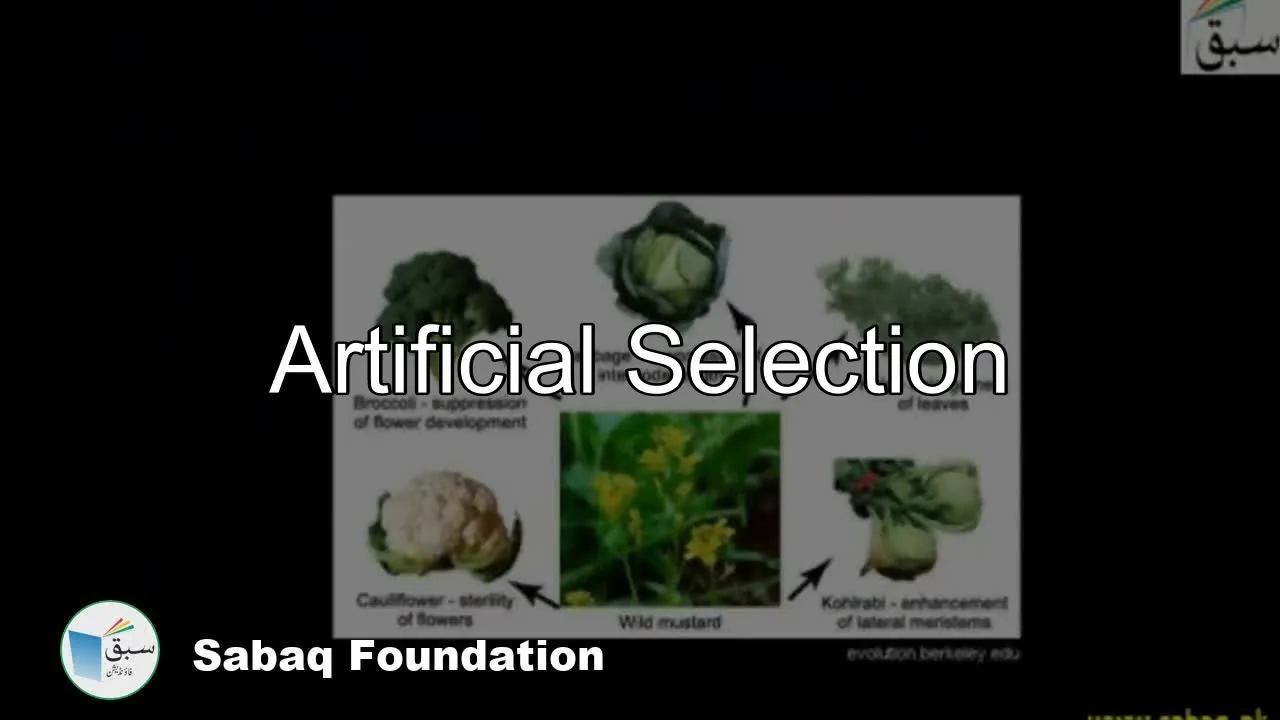
Artificial Selection, Biology Lecture | Sabaq.pk
15.1K
Artificial selection, also called selective breeding, is the intentional breeding of organisms to produce offspring with specific desirable traits. Unlike natural selection, it involves human intervention in choosing which individuals to breed. This process is widely used in agriculture and livestock production to enhance characteristics such as fruit size, yield, wool quality, and milk production. Organisms with desirable traits are selected as breeders or varieties, while those with less desirable traits are discarded. The result is new generations that carry the selected characteristics, meeting human needs and preferences.
Click to watch →

Зориудын шалгарал болон сонгон шалгаруулах аргын үндэс
137
Artificial selection is the process of preserving desirable traits in organisms through selective breeding. The process involves selecting individuals with beneficial characteristics, breeding them, observing offspring, and repeating over generations to increase desired trait frequency. There are two types: random selection without specific goals, and directed selection with predetermined objectives. Crossbreeding methods include inbreeding (same breed) and outbreeding (different breeds). Traits are categorized as quality traits (qualitative, unmeasurable like color) or quantitative traits (measurable like milk yield). Applications span livestock breeding, flower cultivation, and fruit tree improvement.
Click to watch →
KS 3 - selective breeding and natural selection
102
Selective breeding is the traditional method for improving crops and livestock by selecting for favorable features such as increased disease resistance or yield production. It is also known as artificial selection because it is carried out by humans rather than occurring naturally. The process involves: (1) deciding which characteristics are important to select, (2) choosing parent organisms that show these desired characteristics, (3) breeding these parents together, (4) selecting the best offspring that exhibit the desired traits, and (5) repeating this process over many generations. Examples include breeding cows for more milk, chickens for larger eggs, and wheat plants for more grains. This process began approximately 10,000 years ago when humans transitioned from hunter-gatherers to farmers, allowing fewer people to produce more food and leading to population growth.
Click to watch →

AULÃO ENEM 2023 - REVISÃO FINAL DE BIOLOGIA | Professor Samuel Cunha
128.4K
Artificial selection (selective breeding) is the process by which humans select organisms with desirable traits for reproduction. This process has been used for thousands of years to develop crops and domesticated animals. The process works on the same principles as natural selection but with human-imposed selection pressures. Examples include the development of dog breeds from wolves and the creation of crop varieties with specific characteristics.
Click to watch →
Deep Dive
The physical impacts of global warming on marine environments, including rising sea surface temperatures and the frequency of marine heatwaves.
Océanos y Cambio Climático. Amenazas, Impactos y Soluciones.
135
Ocean temperatures are increasing globally, with heat content rising dramatically. Marine heat waves are increasing in frequency, duration, and annual occurrence. These events stress marine organisms and contribute to mass mortality events. The ocean absorbs 30-50% of atmospheric CO2, causing acidification that reduces carbonate ions needed for shell and skeleton formation.
Click to watch →
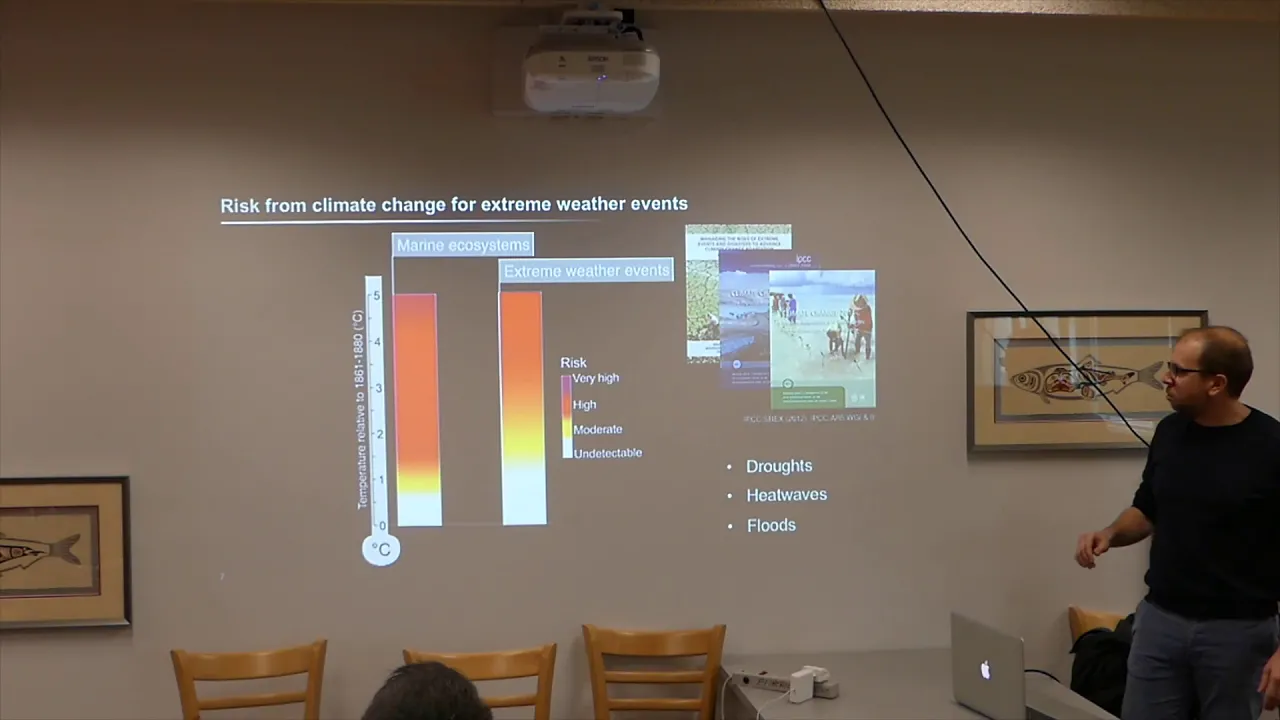
The evolution of marine heatwaves under global warming: Shifting mean versus changing variability
284
Marine heatwaves (MHWs) are becoming more frequent, extensive, and intense under global warming, with current observations showing a doubling of MHW days since 1982 and projections indicating increases of 16-41 times under 1.5°C to 3.5°C warming scenarios; these changes are primarily driven by the global-scale shift in mean sea surface temperatures, with 87% of MHWs already attributable to human-induced warming and this percentage approaching 100% under higher warming scenarios, threatening marine ecosystems and fisheries beyond their resilience limits.
Click to watch →
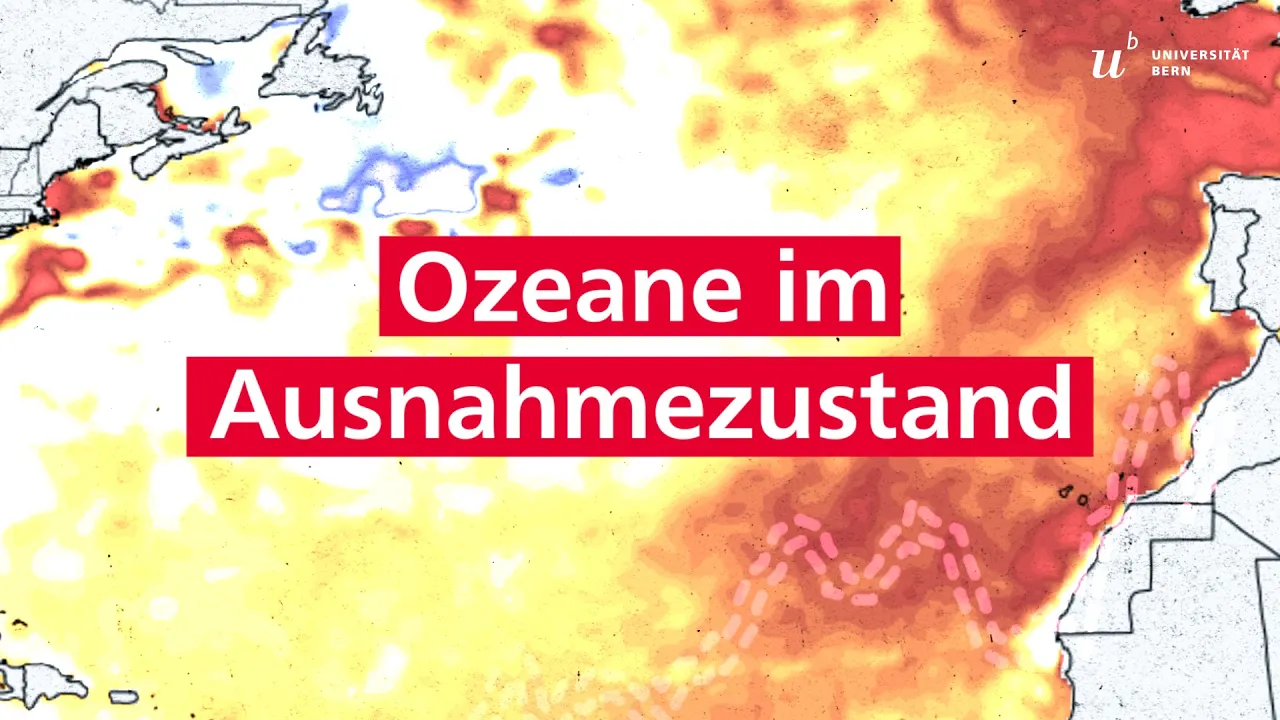
Ozeane im Ausnahmezustand
1.3K
Marine heatwaves are extreme ocean warming events that have become significantly more frequent due to anthropogenic climate change, with oceans absorbing approximately 90% of excess heat from greenhouse gas emissions; these events cause severe ecological damage including coral bleaching, increased mortality of marine species, harmful algal blooms, and disrupted fish communities, while climate models project that under a 2°C warming scenario, marine heatwave frequency will increase 20-fold compared to pre-industrial times.
Click to watch →
![[#벌거벗은세계사] (2시간) 인류 멸망 시나리오의 서막?! 2030년 북극의 빙하가 전부 녹을 것이다 😱](https://i.ytimg.com/vi/29-mtBIwRO0/maxresdefault.jpg)
[#벌거벗은세계사] (2시간) 인류 멸망 시나리오의 서막?! 2030년 북극의 빙하가 전부 녹을 것이다 😱
779.5K
Marine heatwaves are periods of abnormally high sea surface temperatures that can last for months. These events are caused by global warming and have devastating effects on marine ecosystems. In 2015, marine heatwaves in the North Pacific caused massive die-offs of marine life, including seabirds and sea lions. The frequency and intensity of marine heatwaves are increasing with global warming.
Click to watch →

Welche langfristigen Auswirkungen haben marine Hitzewellen?
249
Marine heat waves are becoming more frequent and intense due to global warming, with the number of events doubling since 1982. The Mediterranean has experienced heat waves in 1999, 2003, 2015, 2022, and 2023, causing coral and gorgonian colonies to disappear from shallow waters. Stationary species like corals are most vulnerable and grow only a few millimeters per year. Scientists recommend protecting vulnerable areas from fishing and tourism to help these species survive. Sea surface temperatures in non-polar regions have reached all-time records, with 2023-2024 being the hottest January on record globally.
Click to watch →
Prerequisite Knowledge
- Concept 01The symbiotic relationship between corals and photosynthetic algae (zooxanthellae), and how thermal stress disrupts this partnership to cause coral bleaching.
- Concept 02The basic mechanisms of natural selection and evolution, specifically how environmental pressures act on genetic variation within a population.
- Concept 03The fundamental principles of artificial selection and selective breeding, traditionally used in agriculture to propagate desirable traits.
- Concept 04The physical impacts of global warming on marine environments, including rising sea surface temperatures and the frequency of marine heatwaves.
Subsequent Learning
- Step 01The ecological risks and ethical dilemmas associated with assisted evolution, such as the potential loss of genetic diversity or unintended consequences on reef ecosystems.
- Step 02Advanced genetic technologies in marine conservation, including the potential applications of CRISPR gene-editing to enhance climate resilience in marine species.
- Step 03The role of the coral microbiome (bacteria, fungi, and viruses) and how manipulating these microbial communities can bolster coral health.
- Step 04Modern reef restoration scaling techniques, such as micro-fragmentation, larval seeding, and the deployment of 3D-printed substrate reefs.
- Step 05The limitations of biological adaptation and why assisted breeding must be paired with global greenhouse gas mitigation policies to ensure long-term reef survival.
Selective Breeding
Addressing Skepticism
Proof of Concept
Selective Breeding
0:02Playing Section
- 1
Selective breeding amplifies desired traits across generations.
- 2
Thermally tolerant corals are crossbred to enhance survival.
- 3
Larvae are reared to test future resilience under heat stress.
The Genetic Trade-offs and Scalability Limits of Assisted Coral Evolution
Critics of assisted coral evolution argue that relying on engineered "super corals" poses significant ecological risks and fails to address the root cause of reef decline. A major concern is the genetic trade-offs associated with selective breeding; corals bred for heat tolerance may suffer from reduced growth rates, lower reproductive success, or increased vulnerability to diseases and ocean acidification. Furthermore, introducing mass-produced, genetically narrow strains could create monocultures, reducing the natural genetic diversity essential for long-term adaptation. Many marine biologists also emphasize the issue of scale, noting that manually replanting billions of heat-tolerant corals across vast global reefs is logistically and financially unfeasible. Ultimately, conservationists warn that focusing on assisted evolution acts as a "techno-fix" distraction, potentially weakening the political and societal will required to urgently reduce global greenhouse gas emissions—the only definitive way to ensure reef survival.
Deep Dive
The ecological risks and ethical dilemmas associated with assisted evolution, such as the potential loss of genetic diversity or unintended consequences on reef ecosystems.

Elizabeth Kolbert: Can human technology solve unintended consequences of human technology?
12K
Coral reefs face collapse from climate-induced bleaching, where warm waters expel symbiotic algae, causing starvation. Scientists attempt assisted evolution—breeding heat-tolerant corals through selective stress and crossing. This mirrors agricultural breeding but raises questions about trade-offs and whether artificially bred corals would survive in the wild. The Great Barrier Reef may be 'a diminished place' regardless of intervention. The cane toad introduction in Hawaii demonstrates ecological intervention risks: introduced species can devastate native ecosystems. Gene drive technology uses CRISPR to make genes inherit more than 50% of the time, potentially reducing malaria-carrying mosquitoes. However, releasing gene drives into the wild raises significant ethical and safety concerns about unintended consequences and the ability to reverse changes.
Click to watch →
Ove Hoegh-Guldberg | Coral reefs: from climate victims to survivors
1M
Evidence already exists for coral adaptation to climate change, with corals in various regions showing reduced mortality at equivalent heat stress levels compared to earlier decades. Since corals bleach at 1-2°C above their local thermal maximum, they naturally evolve higher tolerances over time. Labs worldwide are researching assisted evolution to accelerate this adaptation process, though it remains an emerging field with significant uncertainties. Ocean acidification affects reef growth on longer timescales than temperature-driven bleaching, requiring consideration in long-term restoration planning. The combination of natural adaptation and assisted evolution offers potential pathways forward, though they cannot replace urgent emission reductions.
Click to watch →
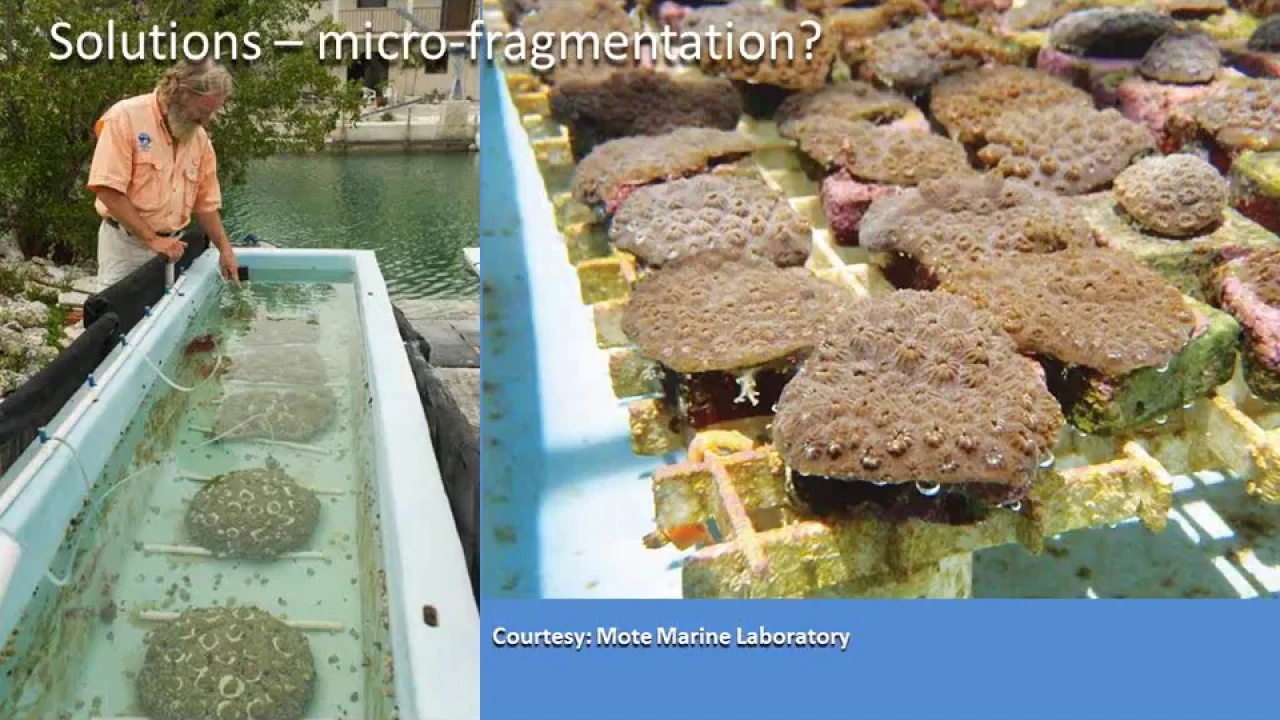
Coral reef restoration in a changing environment
726
Assisted evolution represents a controversial frontier where selection of resilient traits inherently reduces genetic diversity. For critically endangered species with 90%+ population loss, preserving remaining genetic diversity becomes paramount through batch culture approaches maximizing cross-fertilization. Developing thermally tolerant genotypes requires acknowledging trade-offs with growth and fecundity, and recognizing that heritability varies across populations. Restoration strategies must balance immediate needs for resilient genotypes against long-term genetic health, with cryopreservation serving as an important safeguard. The path forward requires global partnerships, capacity building centers in affected regions, and coordinated international efforts to translate scientific advances into effective restoration practice.
Click to watch →
Professor Madeleine van Oppen – 2024 Academy Fellow
129
Coral reefs face existential threats from climate change, particularly coral bleaching caused by heat stress that forces corals to expel their symbiotic microalgae; however, research by Professor Madeleine van Oppen has demonstrated that certain microalgae species provide better heat tolerance than others, enabling scientists to develop 'assisted evolution' techniques where microalgae are selectively bred or manipulated in laboratories to enhance coral heat resistance before reintroduction, offering a promising approach to coral reef restoration while emphasizing that reducing greenhouse gas emissions remains the fundamental priority for long-term reef survival.
Click to watch →

2017 Aquatic Sciences Meeting plenary by Ruth Gates
325
Coral reefs are critically declining, with 50% of the world's reefs already dead. These ancient organisms (over 200 million years old) create reef ecosystems through a remarkable symbiosis with dinoflagellates, enabling photosynthesis and oxygen production. The bleaching phenomenon occurs when corals release their symbiotic algae under stress, revealing white skeletons and causing starvation. However, enormous variation exists in how corals respond to stress—across individuals, species, and archipelagos. This variation is driven by genetic differences and symbiotic partnerships (nine major clades), with Clade D being thermally tolerant while Clade C is more susceptible. A coral's environmental history also impacts future resilience. Without fossil fuel mitigation, the majority of reefs will be dead by 2050. This urgency requires a fundamental shift toward assisted evolution: accelerating natural processes through selective breeding of the strongest performers, manipulating symbiotic partnerships, and challenging corals to build resilience. The Super Coral Project demonstrates proof-of-concept for these approaches.
Click to watch →
Deep Dive
Advanced genetic technologies in marine conservation, including the potential applications of CRISPR gene-editing to enhance climate resilience in marine species.
What. The. Fed. | Make Me Smart #112 | Neil Irwin
1.8K
CRISPR technology could potentially be used to accelerate adaptations to climate change. A paper published in the Proceedings of the National Academy of Sciences showed researchers using CRISPR to edit genes in corals from the Great Barrier Reef to make them more resilient to warming waters. This represents a potential application of genetic engineering to help ecosystems adapt to climate change.
Click to watch →

Science, Policy & Genetic Technologies: Episode 3 - Gene Editing, Nature, and Biological Risks
1K
Conservationists are interested in genome editing technologies because they address several critical biodiversity challenges: (1) Animal and plant diseases spreading rapidly, such as white nose syndrome in North American bats and ash dieback in trees; (2) Invasive species control, particularly on oceanic islands where mice and rats threaten seabirds through expensive and difficult poison-based methods; (3) Climate change impacts, such as ocean warming and acidification threatening coral reefs, potentially addressed by breeding corals resistant to these conditions; (4) De-extinction proposals to bring back extinct species. These applications represent a new frontier for conservation science that was not previously possible.
Click to watch →

What if Extinction is NOT Forever?
23.2K
As of the lecture, CRISPR technology has been successfully applied to approximately 20 species, representing a dramatic expansion compared to earlier genome editing tools like zinc finger nucleases and TALENs which were primarily used in humans and some plants. This rapid development suggests broad applicability across many species, including potential use in marine invertebrates facing ocean acidification challenges.
Click to watch →

Marine Biologist on Earth Optimism and Hidden Gems of Brooklyn | 112BK
247
Scientists are using genetic tools to identify genes that make marine organisms resilient to climate change. By studying the genomic makeup of resilient species like sponges, researchers aim to understand which genetic traits enable survival under changing environmental conditions. This basic scientific research provides information that could help other scientists develop applications, such as identifying whether other organisms possess genes for resilience or potentially modifying organisms to enhance their climate tolerance through techniques like CRISPR gene editing.
Click to watch →
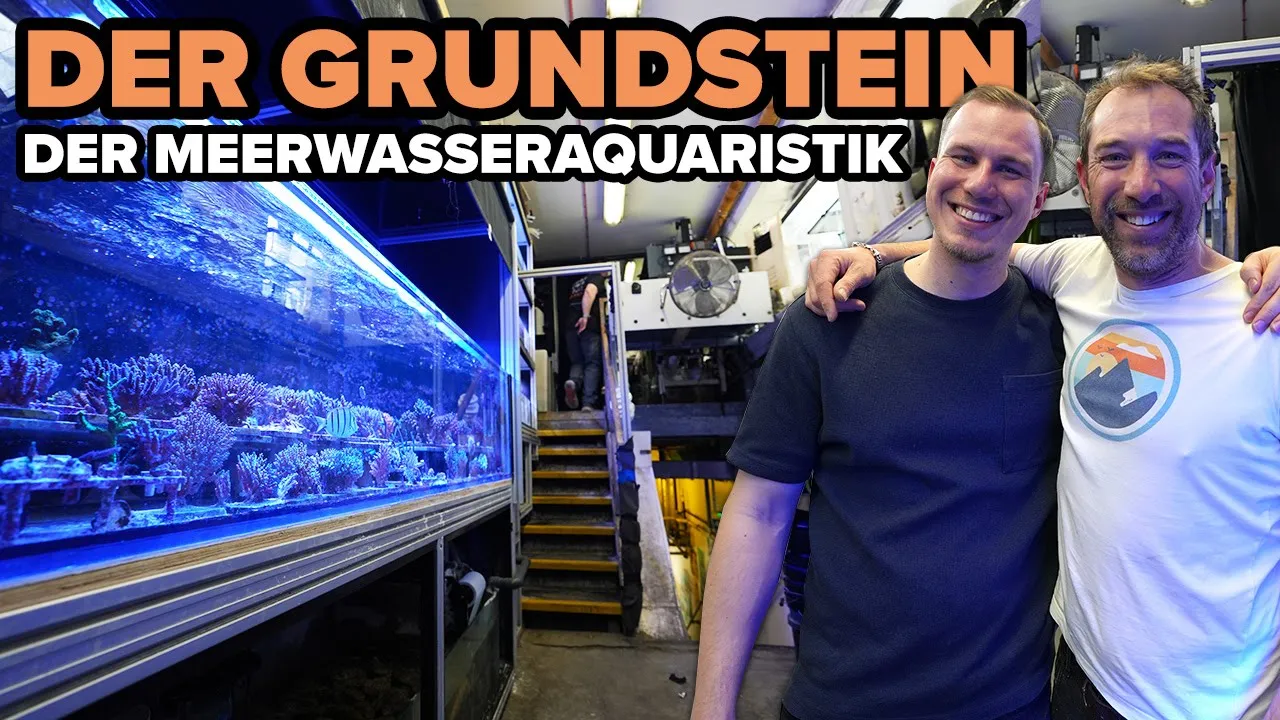
Über 1 Millionen NEUE KORALLEN! - Hinter den Kulissen von Jamie Craggs in London
9.1K
The coral spawning laboratory developed standardized systems manufactured in the UK, distributed to 16 countries with 70 systems sold. Approximately half support pure research on climate conditions and breeding techniques, while half enable restoration by producing juvenile corals for reef planting. Human-assisted evolution aims to create climate-resilient corals through selective breeding and genetic modification. CRISPR-Cas9 technology allows researchers to inject embryos and identify genes responsible for thermal resilience. This requires precise microscopic injection before fertilization. The goal is understanding which genetic traits provide resilience, enabling natural breeding programs to increase coral resilience in changing ocean conditions.
Click to watch →
Deep Dive
The role of the coral microbiome (bacteria, fungi, and viruses) and how manipulating these microbial communities can bolster coral health.
Finding Out What Lies Within Bottled Bacteria + New Insights In Coral Science | #119
5.1K
Corals function as complete ecosystems encompassing bacteria, viruses, protozoans, and archaea. Without their associated microbiome, corals die. Key threats to this delicate balance include antibiotics (which indiscriminately kill beneficial bacteria), high dissolved organic carbon from poor water changes or excessive feeding, amino acids, and improper quarantine treatments. Beneficial bacteria are oligotrophic (thriving in low-carbon environments) and grow slowly, while pathogenic bacteria are always present and hearty. The solution lies in disciplined husbandry: regular water changes, maintaining low DOC levels, and avoiding broad-spectrum chemicals that destroy the root cause rather than addressing symptoms.
Click to watch →

Dr. Dieter Brockmann: Die Bedeutung des Mikrobioms für Gesundheit und Krankheit der Korallen
1.6K
The coral holobiont is a complex biological system where corals cannot survive without their associated microorganisms. The microbiome includes bacteria, viruses, fungi, and other microbes that perform essential functions: supporting digestion, stimulating immunity, producing essential vitamins like B12, and preventing pathogen invasion. Corals contain multiple species of Symbiodinium (zooxanthellae), with over 30 described species divided into different clades. Clade C is most common but temperature-sensitive, while Clade D is more temperature-resistant. The same coral species can contain different symbiont clades depending on geographic location and depth. The coral microbiome consists of intracellular symbionts (zooxanthellae, cyanobacteria, apicomplexa), extracellular organisms (protists, archaea, viruses), and pathogenic organisms. The microbiome performs essential functions: carbon fixation, nitrogen cycling, sulfur recycling for mucus production, phosphorus cycling, vitamin production, and antimicrobial defense. Coral diseases result from microbiome disruption caused by stress (temperature changes, sedimentation, crowding, poor water quality). When the microbiome is disturbed, pathogenic organisms proliferate while beneficial bacteria decline. Prevention requires maintaining stable environmental conditions that support a balanced microbiome. Aquarium corals cannot develop a complete microbiome because aquarium environments lack the full diversity of microorganisms found in natural reef ecosystems.
Click to watch →

Мария Летарова: "Микробиологические итоги 2018 года"
13.1K
Coral diseases are associated with changes in the microbial communities associated with corals. Healthy corals have specific microbial communities, while diseased corals show altered community composition. Understanding these relationships may provide strategies for preventing or treating coral diseases through manipulation of the associated microbial communities.
Click to watch →
Dieses Video öffnet Augen! - MEERWASSERAQUARIEN & Oberflächen richtig verstehen
21.8K
Traditional nitrification bacteria are helpful but not the primary focus - the overall microbiome matters more. Healthy corals have high Flavobacteria populations and low Vibrio bacteria, while sick corals show increased Vibrio. Trace elements like fluorine, bromine, and iodine serve as growth inhibitors for harmful bacteria, similar to fluoride protecting teeth. When beneficial bacteria are reduced, pathogenic bacteria multiply and cause disease. This balance is crucial because corals cannot properly absorb nutrients or exchange materials when their microbiome is disrupted. The entire bacterial community must function together for coral health.
Click to watch →

Rappin' With ReefBum: Guests Salem Clemens/Colin Foord/Braden Tierney; Probiotics & Coral Disease
3.2K
Coral probiotics are living microorganisms that can help prevent coral disease by maintaining a healthy coral microbiome, which is the community of bacteria, viruses, and other microbes living in and on corals. The Two Frontiers Project and Project ReefLink are conducting community science research to study coral microbiomes in aquarium settings, with the goal of developing probiotic treatments that could help corals resist diseases and environmental stressors like heat. This research recognizes that corals are complex ecosystems of organisms, not just the coral animal itself, and that understanding the microbial relationships is key to coral health and conservation.
Click to watch →
Deep Dive
Modern reef restoration scaling techniques, such as micro-fragmentation, larval seeding, and the deployment of 3D-printed substrate reefs.

Hope for Reefs: Creative Solutions for Addressing the Coral Reef Crisis (Dr. Rebecca Albright)
247
Scaling coral restoration to match the pace of global loss requires technological innovation. Traditional restoration using asexual fragmentation achieves hectare-scale interventions but remains labor-intensive, dependent on divers physically placing fragments. Micro-fragmentation accelerates growth 50-fold through induced healing responses. The Coral Maker project integrates robotics and 3D printing to manufacture coral skeletons and insert micro-fragments automatically, potentially producing reproductively viable colonies in years rather than decades. Simultaneously, sexual reproduction enhancement through artificial spawning collects gametes, fertilizes them under optimal conditions, and settles larvae onto self-stabilizing substrates that remain within 50 cm of deployment. These complementary approaches—sexual and asexual restoration—aim to restore genetic diversity while scaling intervention capacity to address reef loss occurring at 70% global impact levels.
Click to watch →

Restoration Destination - Thomas Ressa, Capstone Symposium '21
154
Three primary coral restoration methods are employed: microfragmentation, discovered accidentally when coral fragments rapidly grew and fused together, now used to accelerate growth of species like brain and star corals; larval enhancement, which leverages knowledge of lunar spawning cycles to collect eggs and sperm for laboratory-assisted settlement; and artificial reefs using 3D printed structures to provide substrate for coral settlement and marine habitat. These methods represent the technological foundation of modern coral reef restoration efforts.
Click to watch →

Dr. Rebecca Albright: Addressing the Coral Reef Crisis | California Academy of Sciences
1K
Coral restoration employs multiple strategies to accelerate reef recovery. Asexual fragmentation produces genetically identical colonies quickly but lacks genetic diversity. Micro fragmentation breaks small pieces that grow 20-50 times faster than larger fragments, with same-individual fragments fusing together. Sexual restoration addresses genetic diversity limitations by facilitating natural spawning—scientists act as 'midwives' collecting gametes, cross-fertilizing in labs, and raising larvae with near-perfect success rates. Organizations like SECORE have outplanted lab-reared corals that later spawned with natural populations. To scale efforts, researchers partner with tech companies to develop self-stabilizing 3D-printed substrates that divers can scatter widely, enabling mass coral settlement without manual planting. These innovations aim to overcome the labor-intensive bottleneck of manual coral transplantation.
Click to watch →
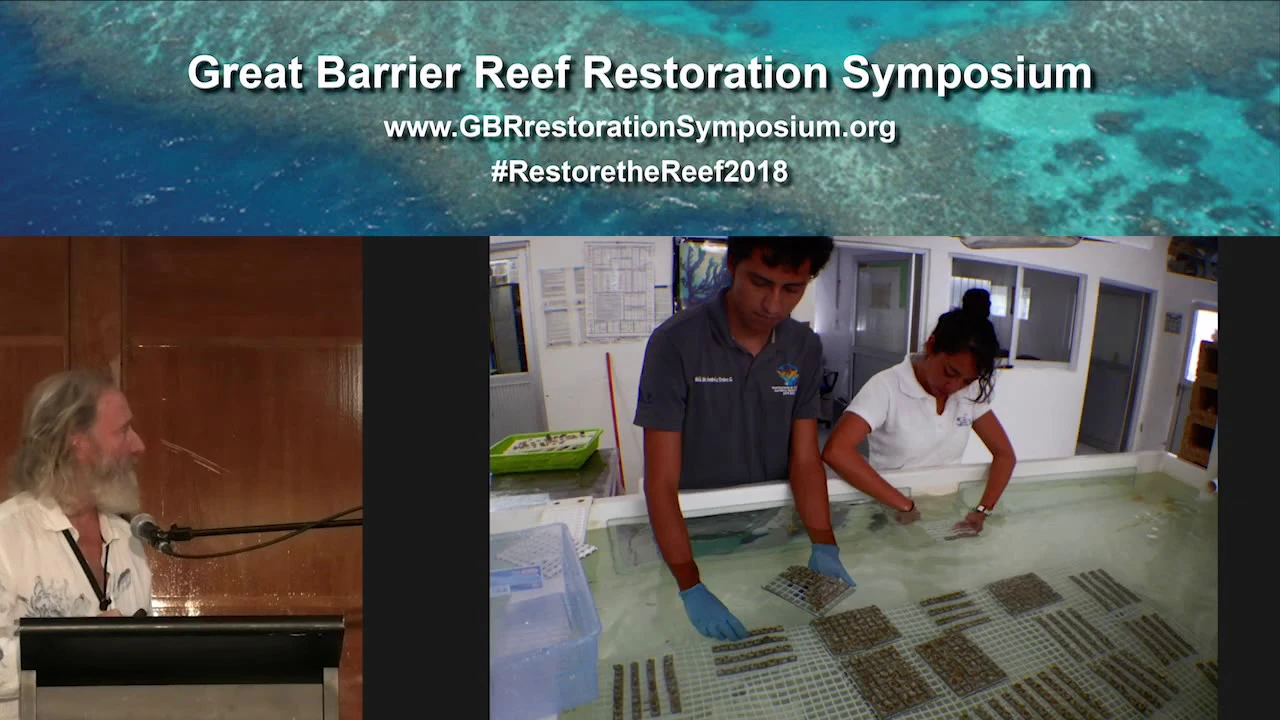
David Vaughn: Scaling up coral restoration using micro-fragmentation plus sexual reproduction
1.6K
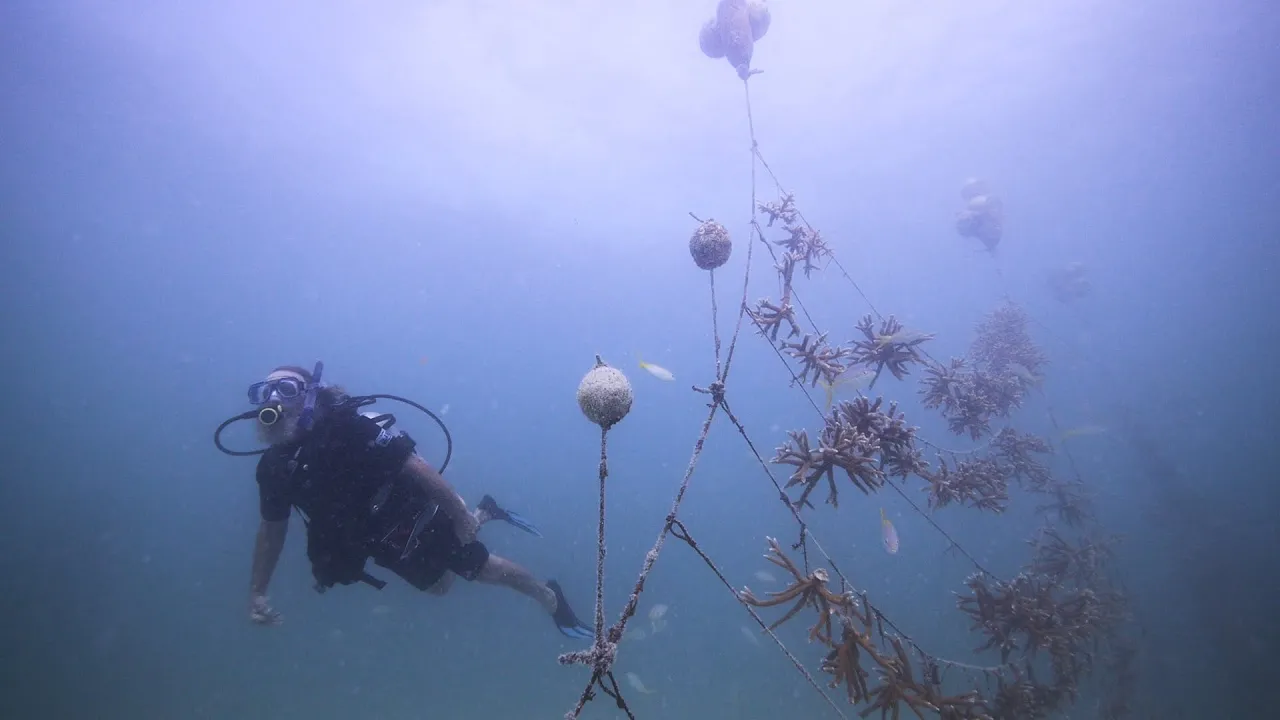
Over 15 years of research revealed fundamental limitations in coral restoration. Traditional field nurseries using concrete blocks successfully propagated fast-growing branching corals (staghorn and elkhorn) but only worked for two of 28 Caribbean species. Massive coral species face severe challenges—they grow only 1-2mm monthly (requiring 75-100 years to reach table size) and lack natural fragmentation abilities. Sexual reproduction releases ~1 million eggs per colony but only 1 in a million survives, resulting in new colonies every 100 years. The breakthrough came accidentally when researchers left coral fragments at aquarium bottoms for six months; when moved, they broke into pieces that unexpectedly grew rapidly. This micro-fragmentation technique cuts fragments into 20-100 pieces, stimulating accelerated growth across all 28 species. While traditional fragmentation produces ~600 corals over six years, micro-fragmentation achieves this in one day, enabling production of 50,000+ corals annually and transforming restoration from slow, limited efforts into scalable operations.
Click to watch →
Microfragmenting: A Breakthrough in Coral Reef Restoration
91.6K
Microfragmentation involves cutting corals into extremely small pieces, triggering rapid healing and accelerated growth responses. Corals can be fragmented down to individual polyps, which then fuse back together to form mature colonies. A dime-sized hole regrows to original size in two weeks—equivalent to three years of larval growth. This technique enables production of thousands of corals from a single parent colony, revolutionizing reef restoration possibilities.
Click to watch →
Deep Dive
The limitations of biological adaptation and why assisted breeding must be paired with global greenhouse gas mitigation policies to ensure long-term reef survival.

Louisa Evans - Limits to climate change adaptation in the Great Barrier Reef
235
Three interconnected sets of limits constrain adaptation across Great Barrier Reef industries. First, globalization and market competition drive down seafood prices and reduce market share, limiting profitability and adaptation potential through business planning, effort management, and diversification. Second, collective action challenges mean individual operator-level adaptation is insufficient; whole-of-industry coordination is required but difficult to achieve, as demonstrated by conflicts between commercial and recreational fishers who perceive themselves as low-impact stewards. Third, perceptions and reputations affect stakeholder willingness to adopt adaptation strategies, with consumers viewing commercial fishing as highly exploitative despite industry improvements, and management research perpetuating pessimistic views of reef prospects that affect tourism viability.
Click to watch →

Sean Connolly - Climate change and the projection of coral reef futures
355
Coral-algae symbiosis may enable faster evolution than free-living relatives, while phenotypic plasticity provides immediate physiological responses and buys time for genetic adaptation. Modeling by Marisa Baker showed evolutionary rescue only occurred under low-emission scenarios, with both evolving and non-evolving populations going extinct under business-as-usual trajectories. However, models omit important factors including host evolution, migration of tolerant genotypes, and potential trade-offs that could constrain adaptation capacity.
Click to watch →
Why are the Coral Reefs Dying?
389
Conservation efforts include coral farming—growing fragments in captivity then transplanting to damaged sites—which began in 1956 and expanded widely since the late 1980s. Organizations like Mote Marine Laboratory have returned hundreds of thousands of corals while developing selectively bred resilient strains. However, these interventions face limitations against global-scale threats. Success ultimately depends on reducing atmospheric CO2 emissions to prevent repeating the Permian-Triassic mass extinction. Protecting reefs requires coordinated international action addressing both direct local threats and root causes of climate change.
Click to watch →

Dr. Joanie Kleypas: How to Fall in Love with Coral
466
Reducing atmospheric CO2 is essential for coral survival as it addresses root causes of warming and acidification. Current trajectories without mitigation lead to continued warming exceeding coral tolerance. The Paris Agreement aims to slow warming rates, potentially giving corals time to adapt naturally. However, corals evolved 240 million years ago and cannot adapt fast enough to current rapid change. Scientists recommend combining emission reductions with active reef restoration, assisted evolution, and selective breeding to enhance coral resilience.
Click to watch →
Genomic Social Hour #19: Genomic approaches to understanding coral resistance & resilience
408
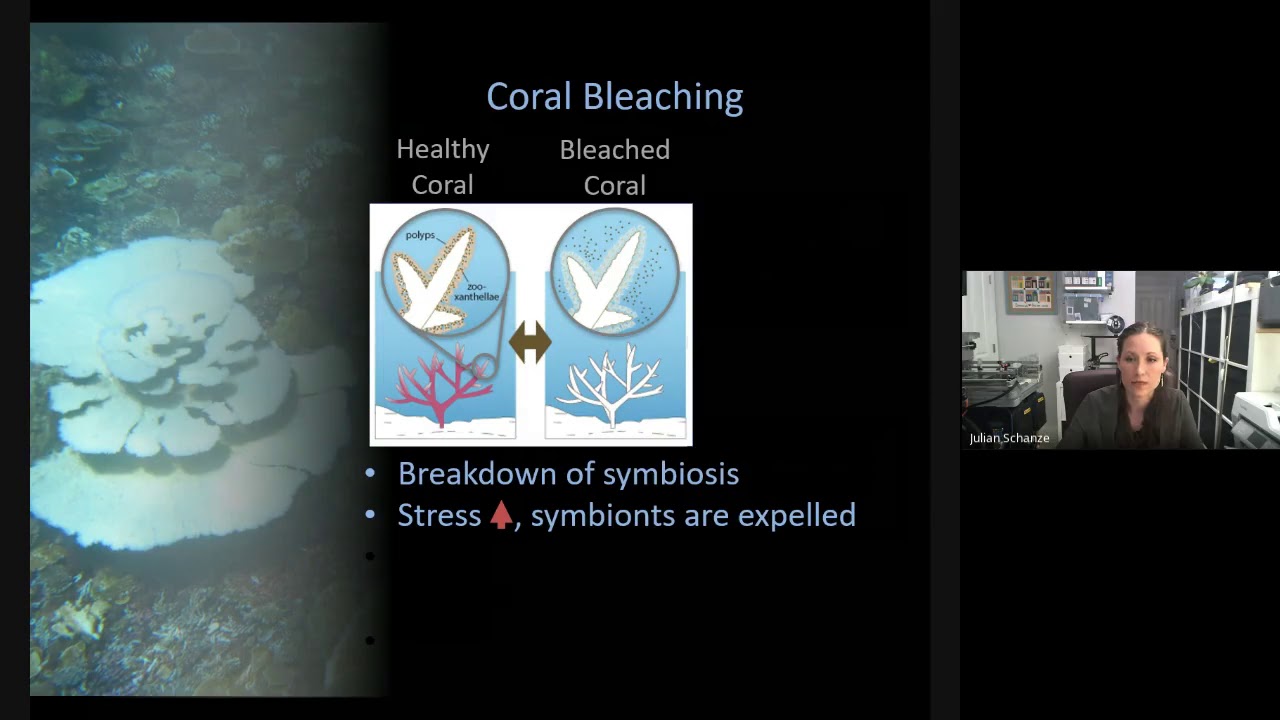
Assisted gene flow represents an intervention strategy to accelerate coral adaptation to climate change by moving genetic material from naturally heat-tolerant populations to threatened reefs. On the Great Barrier Reef spanning over 3,000 km, northern reefs experience warmer temperatures than southern reefs. Researchers collected reproductive colonies from northern sites that survived extreme bleaching and selectively bred them with colonies from cooler central regions. Experimental results showed that warm-parent corals crossed with heat-tolerant Durusdinium symbionts produced juvenile corals with 26 times higher survival under heat stress. Genomic analysis using SNP sequencing revealed that interpopulation crosses generated offspring with allele frequency distributions significantly different from purebreds, creating novel genetic diversity concentrated in genomic regions associated with heat tolerance. However, natural gene flow between reef populations is limited by oceanographic barriers. Passive particle dispersal modeling showed that larvae from northern sites remain localized by currents, requiring approximately 30 generations to travel 4.6 km between neighboring reefs and 1,000 generations to escape northern regions entirely. These rates align with theoretical estimates from population genetics, demonstrating that natural processes alone cannot match current warming rates.
Click to watch →
Selective Breeding
Addressing Skepticism
Proof of Concept
Selective Breeding
0:02- 1
Selective breeding amplifies desired traits across generations.
- 2
Thermally tolerant corals are crossbred to enhance survival.
- 3
Larvae are reared to test future resilience under heat stress.
The Genetic Trade-offs and Scalability Limits of Assisted Coral Evolution
Critics of assisted coral evolution argue that relying on engineered "super corals" poses significant ecological risks and fails to address the root cause of reef decline. A major concern is the genetic trade-offs associated with selective breeding; corals bred for heat tolerance may suffer from reduced growth rates, lower reproductive success, or increased vulnerability to diseases and ocean acidification. Furthermore, introducing mass-produced, genetically narrow strains could create monocultures, reducing the natural genetic diversity essential for long-term adaptation. Many marine biologists also emphasize the issue of scale, noting that manually replanting billions of heat-tolerant corals across vast global reefs is logistically and financially unfeasible. Ultimately, conservationists warn that focusing on assisted evolution acts as a "techno-fix" distraction, potentially weakening the political and societal will required to urgently reduce global greenhouse gas emissions—the only definitive way to ensure reef survival.
The symbiotic relationship between corals and photosynthetic algae (zooxanthellae), and how thermal stress disrupts this partnership to cause coral bleaching.
The basic mechanisms of natural selection and evolution, specifically how environmental pressures act on genetic variation within a population.
The fundamental principles of artificial selection and selective breeding, traditionally used in agriculture to propagate desirable traits.
The physical impacts of global warming on marine environments, including rising sea surface temperatures and the frequency of marine heatwaves.
The ecological risks and ethical dilemmas associated with assisted evolution, such as the potential loss of genetic diversity or unintended consequences on reef ecosystems.
Advanced genetic technologies in marine conservation, including the potential applications of CRISPR gene-editing to enhance climate resilience in marine species.
The role of the coral microbiome (bacteria, fungi, and viruses) and how manipulating these microbial communities can bolster coral health.
Modern reef restoration scaling techniques, such as micro-fragmentation, larval seeding, and the deployment of 3D-printed substrate reefs.
The limitations of biological adaptation and why assisted breeding must be paired with global greenhouse gas mitigation policies to ensure long-term reef survival.
217 views3likes6:05@APArchiveOriginal Release: 2021-12-14
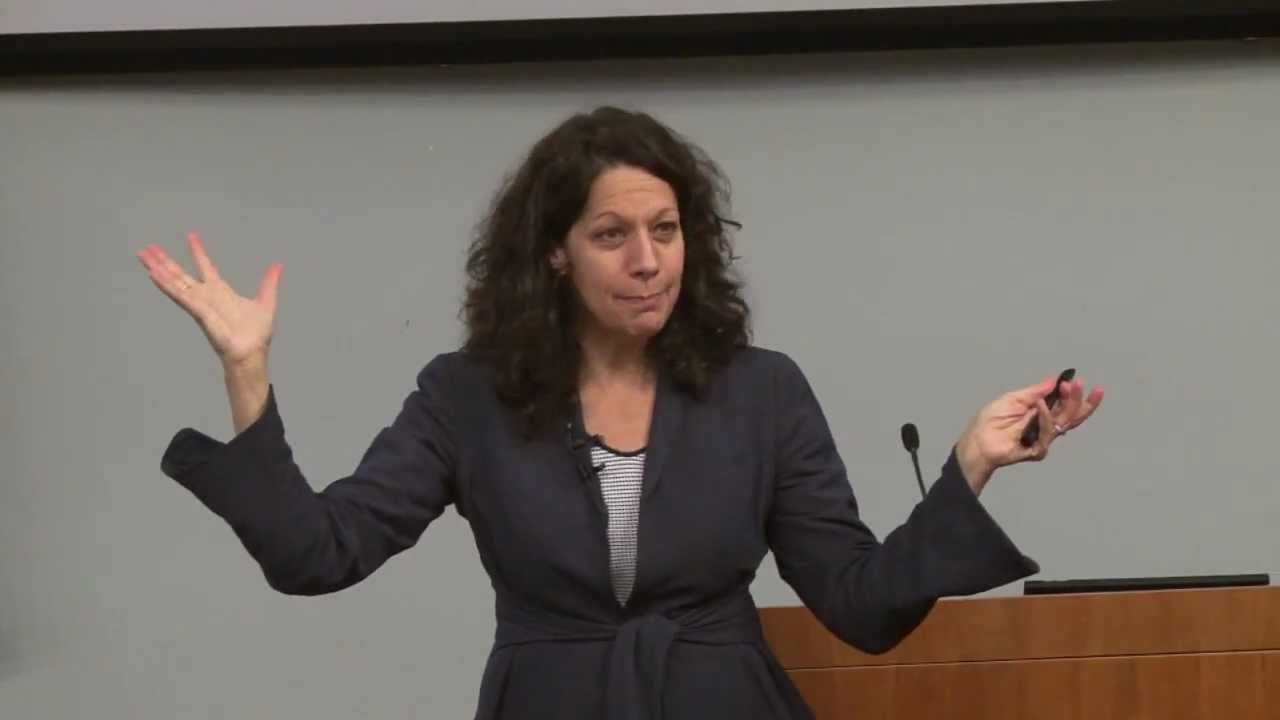
foreign so the basic idea behind selective reading which has been used by people for Millennia is that if you know a characteristic of a parent and you preferentially breed that parent that you can either amplify or increase the trait you care about [Music] corals are threatened worldwide by a lot of stressors but increasing temperatures are probably the most severe and so that's what our focus is on is working with parents that are really thermally tolerant so what that looks like for us is a variety of experiments where we have corals that we know are super Hardy and some that we know are more sensitive we try to make crosses and rear those larvae and then understand how far into the future those corals can survive yeah that wasn't yeah definitely quite a bit of skepticism when we proposed the idea um many people that focused on the the risks there we got a lot of comments like um oh you will lose genetic diversity and you will be worse off if you implement the methods that you propose there was a lot of ethical comments like oh you think you're playing God you know by intervening with the reef well we have already intervened with the reef for very long periods of time all we're trying to do is to repair the damage you know people often don't see it that way that you know there there's no part of the ocean where we cannot detect human influence so so this is where our Nursery tables are and then all along here are our tagged bleached and non-bleached parent colonies we are not proposing to introduce any genetic diversity from outside the region we're really focusing first on as local scale as possible to try and maintain and enhance what is already there and work with existing genetic variation that is already present on the reef foreign see how they're already breaking up a little bit it's pretty early for them to be doing that these are the eggs here that are a lot smaller than the egg sperm bundles assisted Evolution started out as kind of this crazy idea um that you could actually help something change and allow that to survive better because it is changing all right there are three different proof of concept ideas with that one of them was selective breeding one was acclimation or what we call kind of conditioning or training the organism and the other was modifying symbioses and we really just set out to see if it would work if any of these crazy ideas could possibly help and the the main reason we did that was because there was no other options so we're starting to realize that we have to intervene in order to make a change for coral reefs to survive into the future
Up Next
3:56
Nervous System Overview: Central & Peripheral Divisions
@Alilamedicalmedia
359.2K views•2019-09-03
50:12
Bacterial Communication: Quorum Sensing and Biofilm Formation Explained
@JHUAAP
12.6K views•2011-06-28

5:35
Enteric Nervous System Explained: The Gut's Brain | Neurobiology Lecture
@alumniu6029
438 views•2018-09-12
7:08
Bacteriophages: Earth's Deadliest Killers and Future Antibiotics
@kurzgesagt
34.6M views•2018-05-13
Related Study Plans & Knowledge Roadmaps
Structured learning paths in Biology
biology
RNAi: Biogenesis, RISC & Gene Silencing
01Molecular Biology Foundations: DNA to Protein
02Introduction to RNA Interference (RNAi)
03Molecular Biogenesis of miRNA and siRNA
+ 2 more learning modules
10h5 modules
Explore Roadmap
biology
Mycorrhizae: Signaling, Biophysics & Ecology
01Foundations of Mycorrhizal Symbiosis
02Molecular Signaling and Root Colonization
03Biophysics and Bioenergetics of Nutrient Exchange
+ 1 more learning modules
11h4 modules
Explore Roadmap
biology
Circadian Clocks: TTFL, SCN & Periphery
01Foundations of Molecular Biology & Gene Expression
02Introduction to Chronobiology and Actograms
03The Core TTFL: Molecular Architecture of the Clock
+ 3 more learning modules
14h6 modules
Explore Roadmap
biology
Population Genetics: Math, Drift & Selection
01Genetic & Probability Foundations
02The Hardy-Weinberg Principle and Baseline Models
03Mathematical Modeling of Natural Selection
+ 3 more learning modules
18h6 modules
Explore Roadmap