







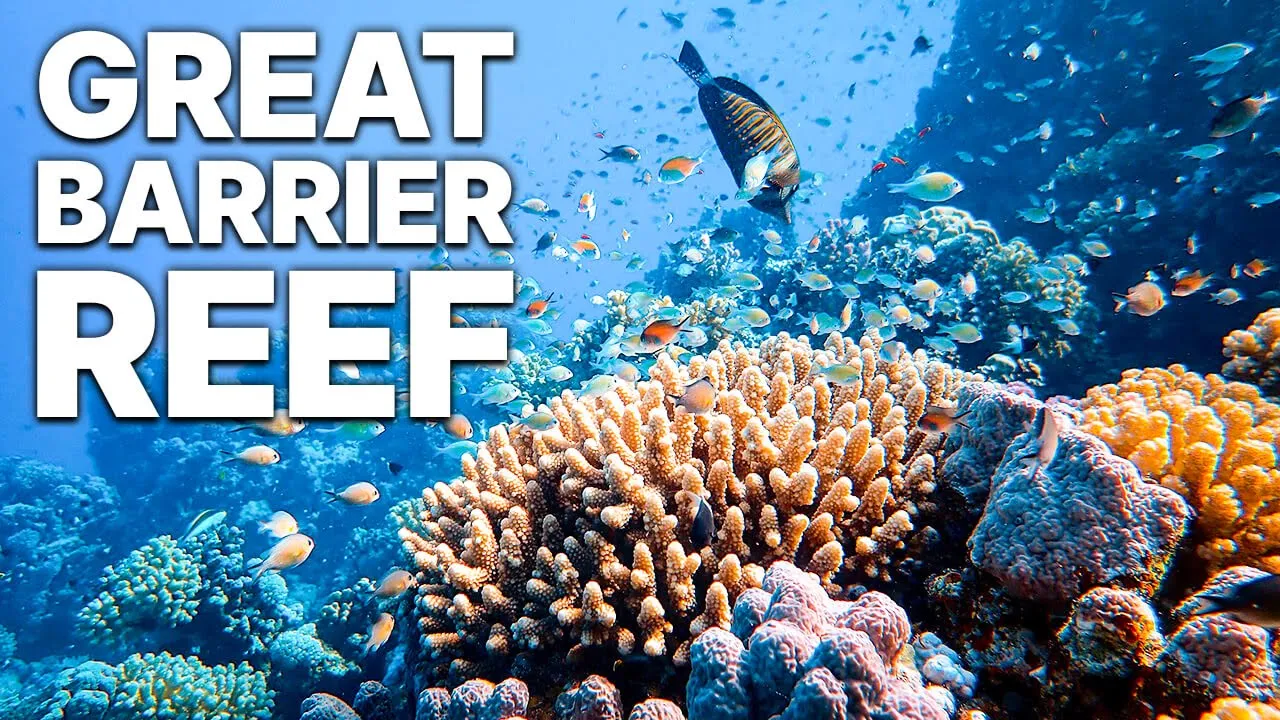
![Los últimos Paraísos - Barreras de Coral [Documental Completo]](https://i.ytimg.com/vi/DU3hBvmgdbI/hqdefault.jpg?sqp=-oaymwEmCOADEOgC8quKqQMa8AEB-AH-BIAC4AOKAgwIABABGDAgYihyMA8=&rs=AOn4CLCqPAvZWzGW4A1UjVN718vh10XYkw)




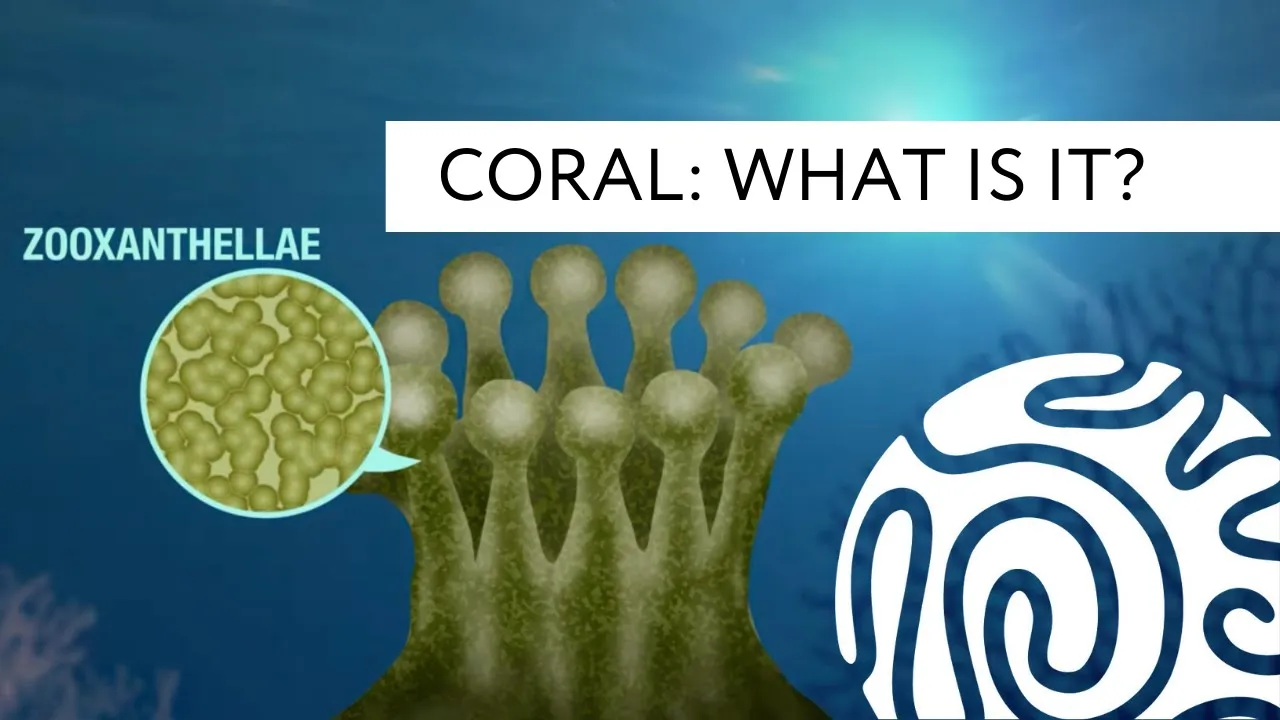


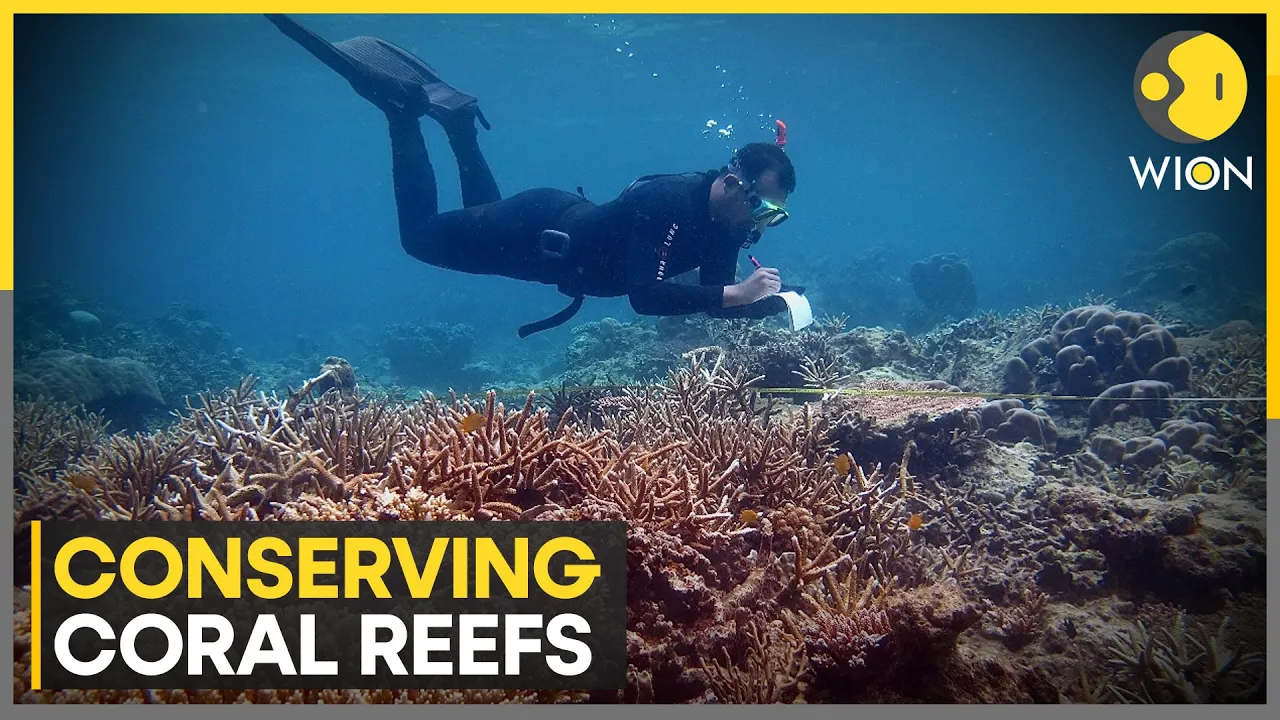

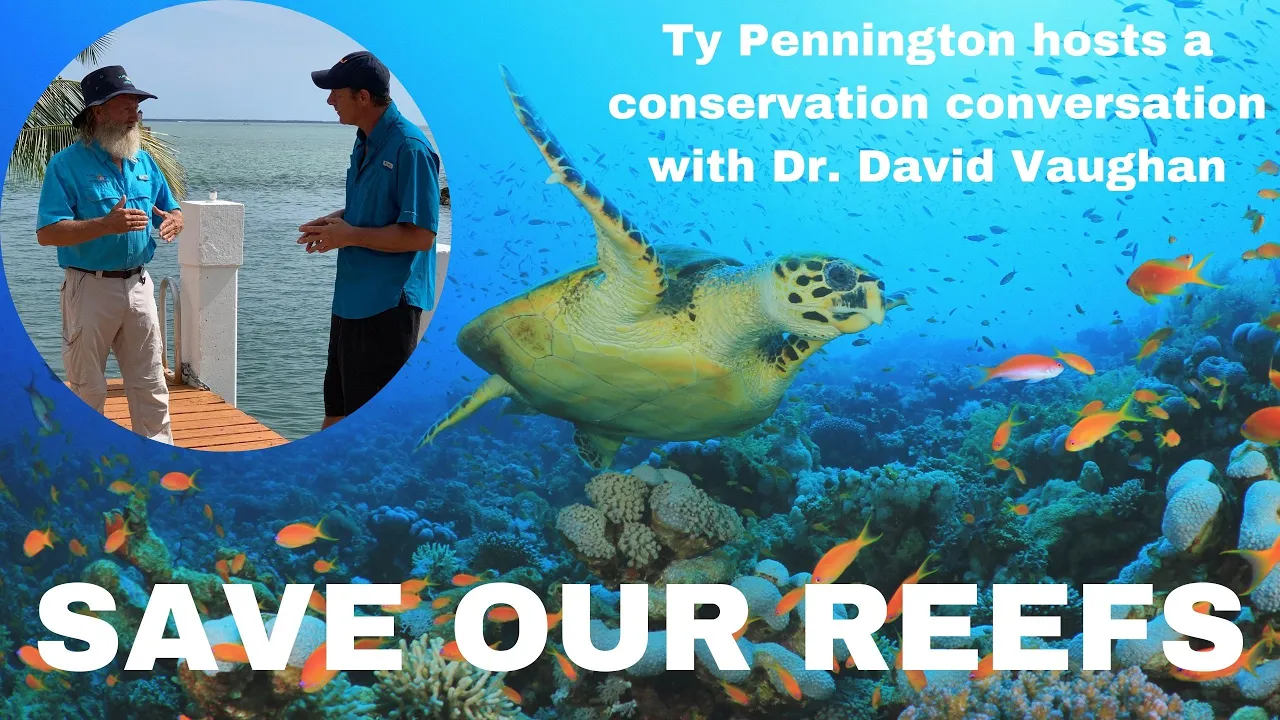
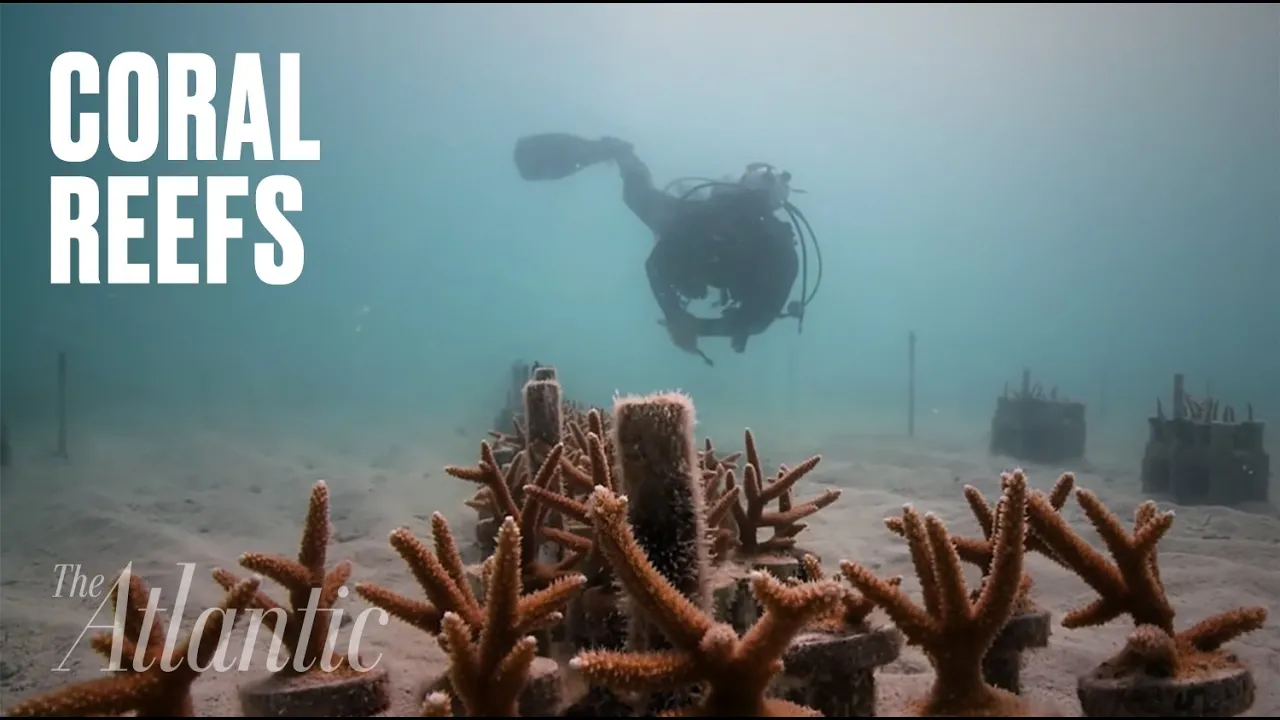
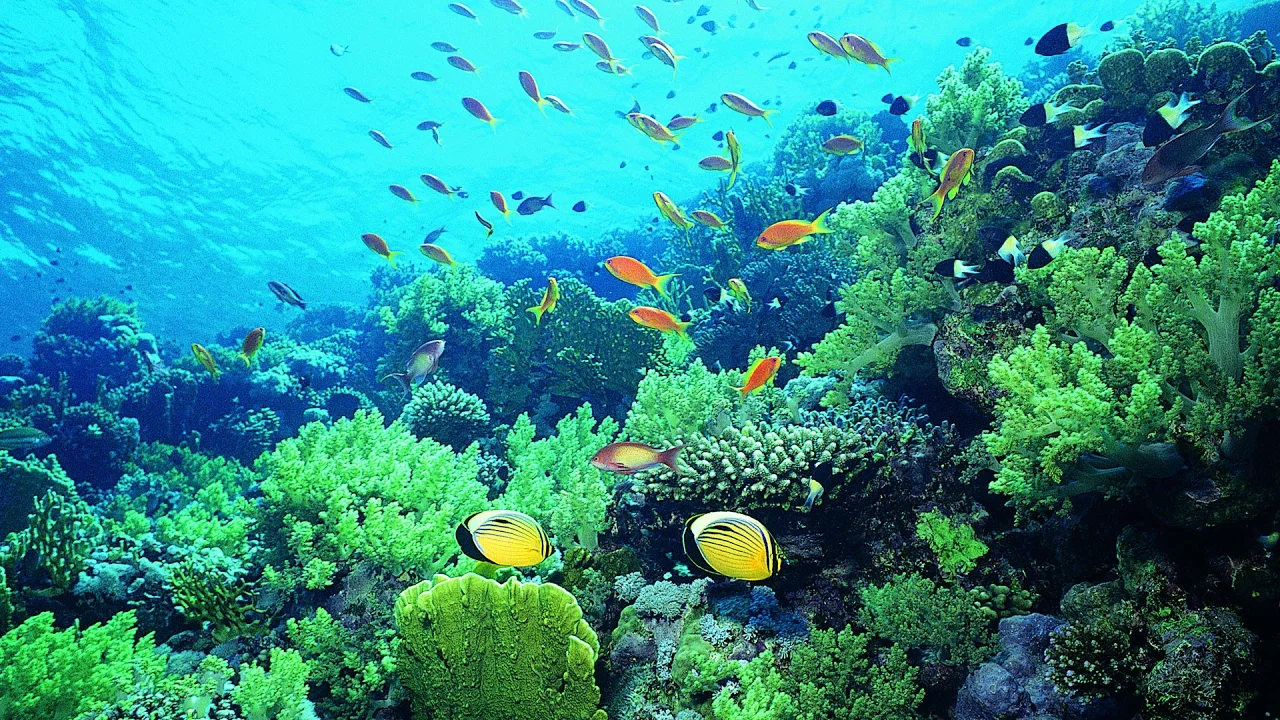
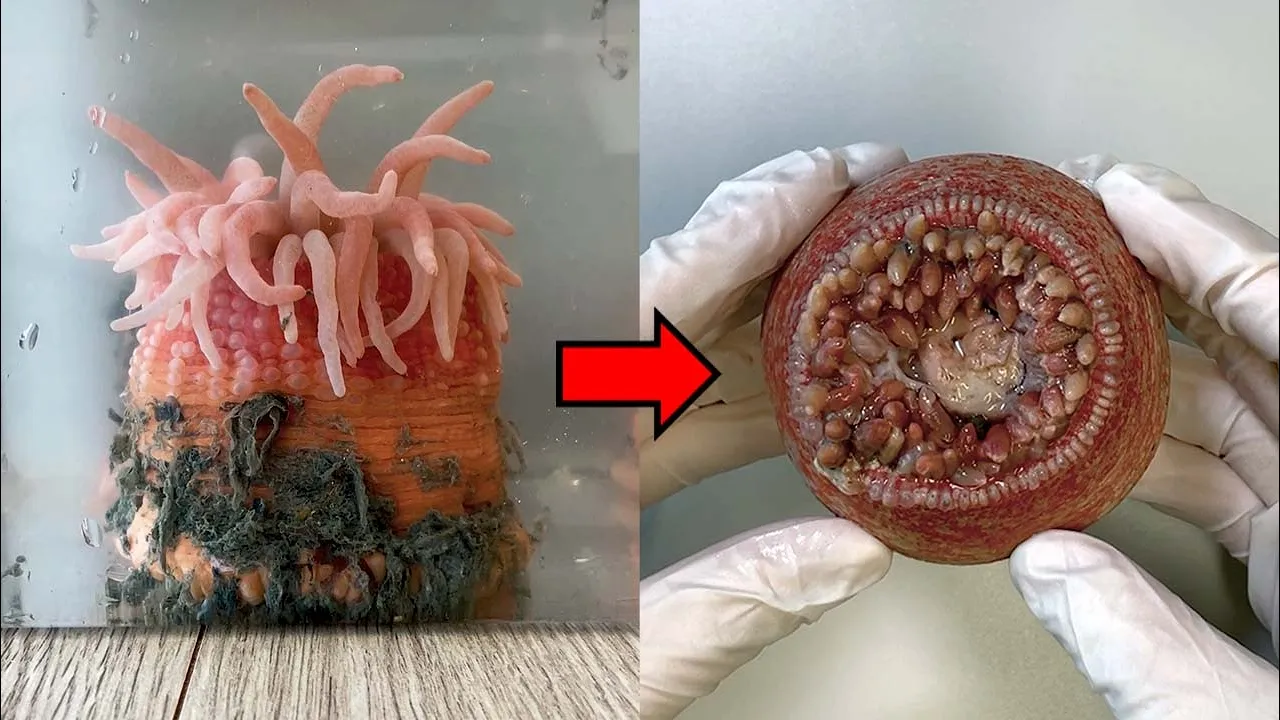
Coral polyps are colonial invertebrate animals belonging to class Anthozoa and phylum Cnidaria, characterized by their protective calcium carbonate skeleton (calyx with theca walls and basal plate), stinging tentacles with nematocysts for defense and feeding, and symbiotic relationship with microscopic zooxanthellae algae that provide energy through photosynthesis.
Coral Polyp Anatomy: Build an Edible Model | Marine Biology STEM Activity
Added:Understanding that corals are colonial marine animals belonging to the phylum Cnidaria, rather than plants or rocks.
Basic concepts of biological symbiosis, specifically the mutualistic relationship between coral polyps and photosynthetic algae (zooxanthellae).
Familiarity with basic anatomical terms such as tentacles, mouth, and digestive cavity.
The distinction between an individual organism (a polyp) and the massive physical structures they build collectively (coral reefs).
The chemical process of calcification, explaining how coral polyps deposit calcium carbonate to build their hard skeletons.
The physiological mechanisms of coral bleaching, detailing how environmental stressors cause polyps to expel their symbiotic algae.
Coral reproductive strategies, exploring both sexual broadcast spawning and asexual reproduction through fragmentation.
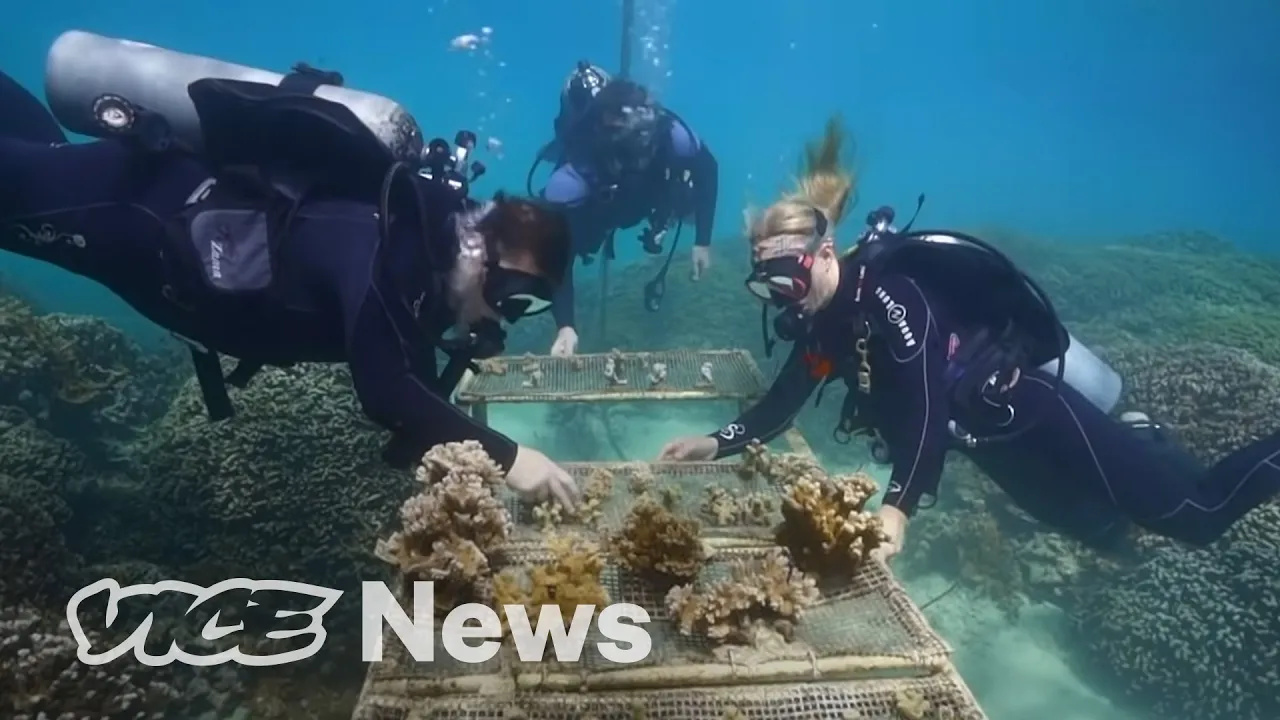
Active marine conservation and restoration techniques, such as coral farming, micro-fragmentation, and breeding climate-resilient strains.
2.6K views25likes7:55Original Release: 2020-04-16
[Music] [Music] hello again welcome to deep-sea learning with Georgia Aquarium in our education department my name is Cardin and you might remember me from the other week talking about coral polyps in their symbiotic relationship with a microscopic algae called zoos and deli today I'm also gonna be teaching you guys a little bit more about corals but we're gonna be doing a deeper dive into their anatomy and I'm actually gonna show you how to make a coral polyp model at home and the best part about this model is its edible so after you're finished making your model and learning about that Coral Natalie you're actually available to have a nice afternoon snack for my teachers at home this will touch upon some elements from the next generation national science standards ESS three and ls4 so before we begin building our bottle let's review a little bit about coral now what is coral coral is an animal and it is an invertebrate which means it's an animal without the backbone corals are gonna be closely related to jellies and anatomies and they're all gonna be part of class anthozoa and phylum Cnidaria these corals jellies and anonomys are all gonna have those characteristic tentacles and corals are going to be considered colonial animals so most of these corals that we're talking about are reef-building and are going to be consisting of very very small polyps that all work together to create one large working colony so today we're just gonna be making a model of one Paula but you can imagine that there are hundreds or even thousands of these polyps working together for one live coral colony now what are the materials that we're going to need for our model today to start with our tools I've got a knife that I'm gonna use to cut my vegetables and also gonna help me spread some of my other materials it can be useful to have some toothpicks to help make sure your model stays together I also found a straw was useful for manipulating as well and I'm also gonna start with a pre boiled potato so this has been boiled and cut and I waited to make sure it was cool enough before I handled it so you may want to have an adult with you and always make sure you have clean hands the other materials that we're gonna be using are some very very thinly cut red pepper slices I also have some sour cream and we're going to be using some green onions as well as some black pepper so I've got my black pepper grinder over here alright so the first part of our model today is going to be the protective base for our polyp so the polyp is the organism that's gonna have the tentacles in the mouth and all the internal organs of the coral polyp so it needs to have a protective base and also a way for it to connect to the rest of the coral skeleton so I've gone ahead and cut my potato in half and I'm used a knife or spoon whichever is easier to scoop out a little bit of a hole in the top to form the mouth of the polyp so this polyp is going to have that nice protective shell and it's gonna be made of a material called calcium carbonate now this cup that's kind of the protective skeleton does have a name called a calyx and we're gonna call the walls of that calyx the thinka and for today's purposes our coral polyp is going to be attached to this cutting board which is usually referred to as a basal plate that basal plates the part of the skeleton that the coral is connected to so all these polyps need to have a hard substrate that they can attached now after we've got our mouth or our base formed we're gonna have to give this coral polyp some tentacles now tentacles are going to be what make it similar to those enemies and jellies and I have some very thinly cut red bell pepper slices to represent those tentacles now when corals are feeding they typically do so at night because it's easier for them to come out safely and there's less of a risk that they might be preyed upon these tentacles do have some ways of defending themselves and we call those pneumatosis so these pneumatosis or stinging cells are gonna be connected to those jellies there those are gonna be little stinging cells that are inside the tentacle tissues and they're gonna allow the coral to defend itself and also to stun small pieces of plankton or other food sources that are in the water column floating by the corals now for our nomad assists I'm going to use these very small pieces of green onion I just cut these with scissors at home and we're going to attach them now before we do that I'm gonna spread a very thin layer of my sour cream on these to make sure my nomada cysts are sticking it's gonna have these here and I'm gonna sprinkle those mattis's over the tentacles because that's where they be on the model all right and I've actually gone ahead and inserted a toothpick into the base of these tentacles to help them stick these tentacles are gonna go around the outside of the coral polyps mouth because those tentacles are there to help bring in food and defend the coral polyps body from any unwanted predators so here we've got our base with our tentacles and you can kind of see those two mattis's hanging on top now the next part of our model is going to be the protective tissue that actually covers the coral polyp and it's basal plate and the calyx so this basal plate is actually going to be covered in a living tissue called the sino start and this living tissue is what allows this individual coral polyp to work together with all of the other hundreds or thousands of coral polyps that are part of that coral colony so this living tissue is very very thin and I'm gonna use my sour cream again to represent that tissue and you can do as late or thick of a covering as you want and I'm using sour cream because I wanted to make a baked potato but you're welcome to use a non-dairy alternative as well so we're gonna make sure this living tissue is covering our coral polyp model so that coral can work in harmony with the rest of the organism all right so now that we've got our nice very thin layer of our Cena's Ark the last step is going to be something that you might remember from that previous video where we talked all about zoos and deli or that microscopic algae that's able to undergo photosynthesis capture that energy from the Sun and help transfer it to the rest of the coral so continue building that calcium carbonate skeleton and giving energy and nutrients for that whole coral column colony now I'm gonna use some black pepper to help show you just how fine and small those those in sali can be so we're just gonna cover our coral polyp with pepper and I like a lot of pepper so I've put a lot on there but it's gonna be very very small in real life it's microscopic so it might be a little bit hard to see on your model but feel free to put as much or as little as you like and this concludes our edible coral polyp model I hope that you learned a little bit more about coral anatomy and enjoyed making your nice afternoon snack remember to quiz yourself before you dig in and review those different body parts of the coral if you're interested you can make a sweet alternative to this we have made similar models using marshmallows Twizzlers icing and sprinkles but it's up to you feel free to get creative and make your own edible coral polyp model at home for all my local Georgia educators this lesson touched upon some local standards or GSE s K L 1 and s 2 III thank you for tuning in we hope to see you next time a deep-sea learning with Georgia Aquarians Education Department
Up Next
5:31
How Coral Spawning Creates Reefs
@KQEDDeepLook
216K views•2024-02-06
50:12
Bacterial Communication: Quorum Sensing and Biofilm Formation Explained
@JHUAAP
12.6K views•2011-06-28

5:35
Enteric Nervous System Explained: The Gut's Brain | Neurobiology Lecture
@alumniu6029
438 views•2018-09-12
7:08
Bacteriophages: Earth's Deadliest Killers and Future Antibiotics
@kurzgesagt
34.6M views•2018-05-13
Related Study Plans & Knowledge Roadmaps
Structured learning paths in Biology
biology
RNAi: Biogenesis, RISC & Gene Silencing
01Molecular Biology Foundations: DNA to Protein
02Introduction to RNA Interference (RNAi)
03Molecular Biogenesis of miRNA and siRNA
+ 2 more learning modules
10h5 modules
Explore Roadmap
biology
Mycorrhizae: Signaling, Biophysics & Ecology
01Foundations of Mycorrhizal Symbiosis
02Molecular Signaling and Root Colonization
03Biophysics and Bioenergetics of Nutrient Exchange
+ 1 more learning modules
11h4 modules
Explore Roadmap
biology
Circadian Clocks: TTFL, SCN & Periphery
01Foundations of Molecular Biology & Gene Expression
02Introduction to Chronobiology and Actograms
03The Core TTFL: Molecular Architecture of the Clock
+ 3 more learning modules
14h6 modules
Explore Roadmap
biology
Population Genetics: Math, Drift & Selection
01Genetic & Probability Foundations
02The Hardy-Weinberg Principle and Baseline Models
03Mathematical Modeling of Natural Selection
+ 3 more learning modules
18h6 modules
Explore Roadmap