







![Planète Océan [FR] Yann Arthus-Bertrand & Michael Pitiot - le film Full HD](https://i.ytimg.com/vi_webp/QWn6ttf9NRg/maxresdefault.webp)
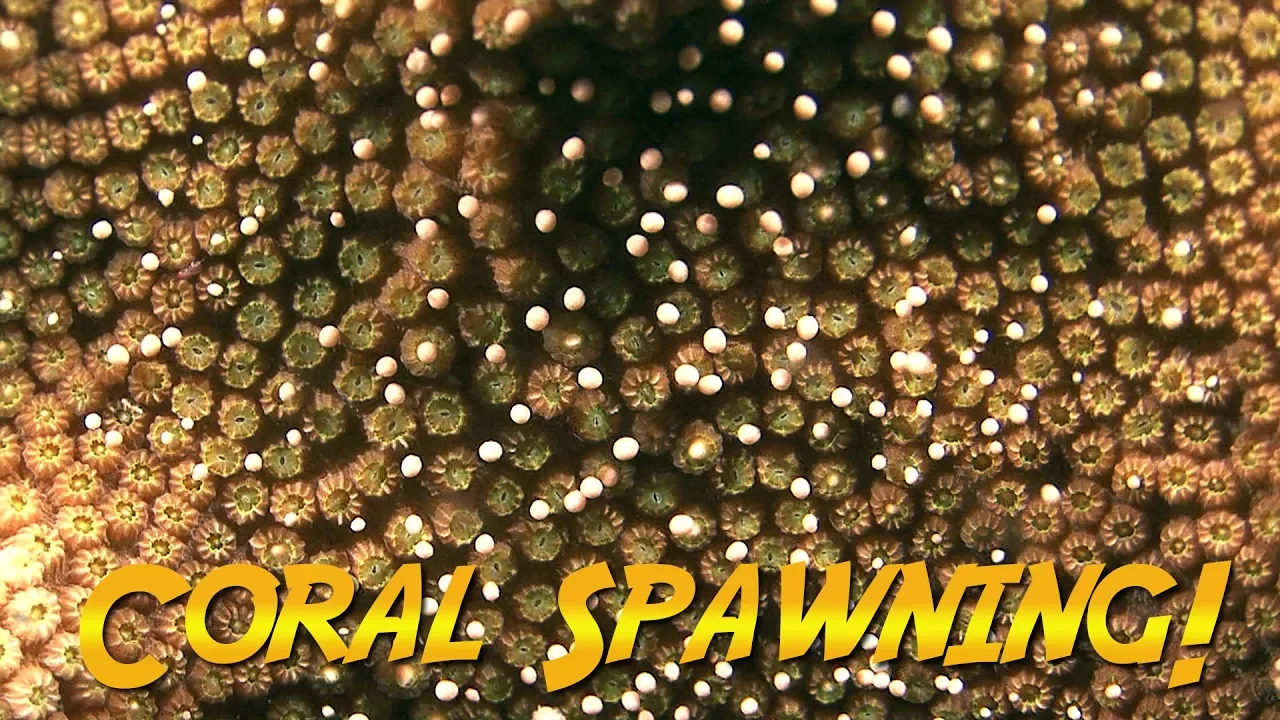

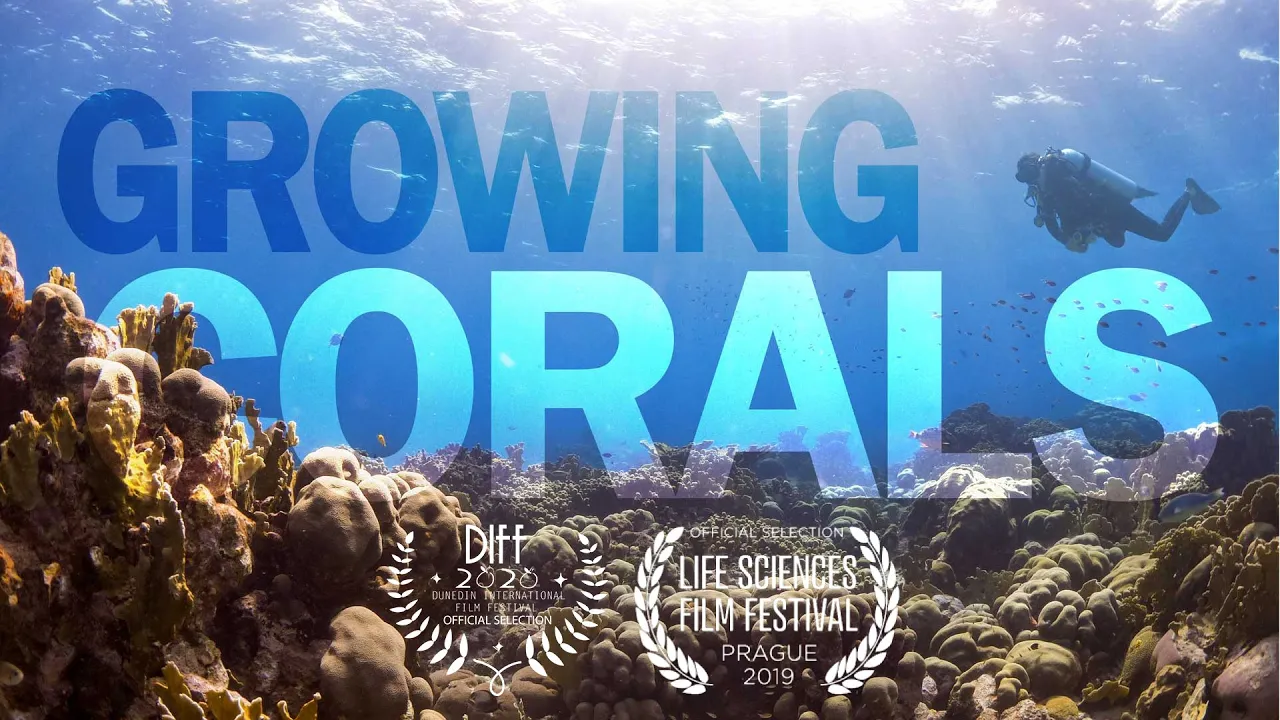
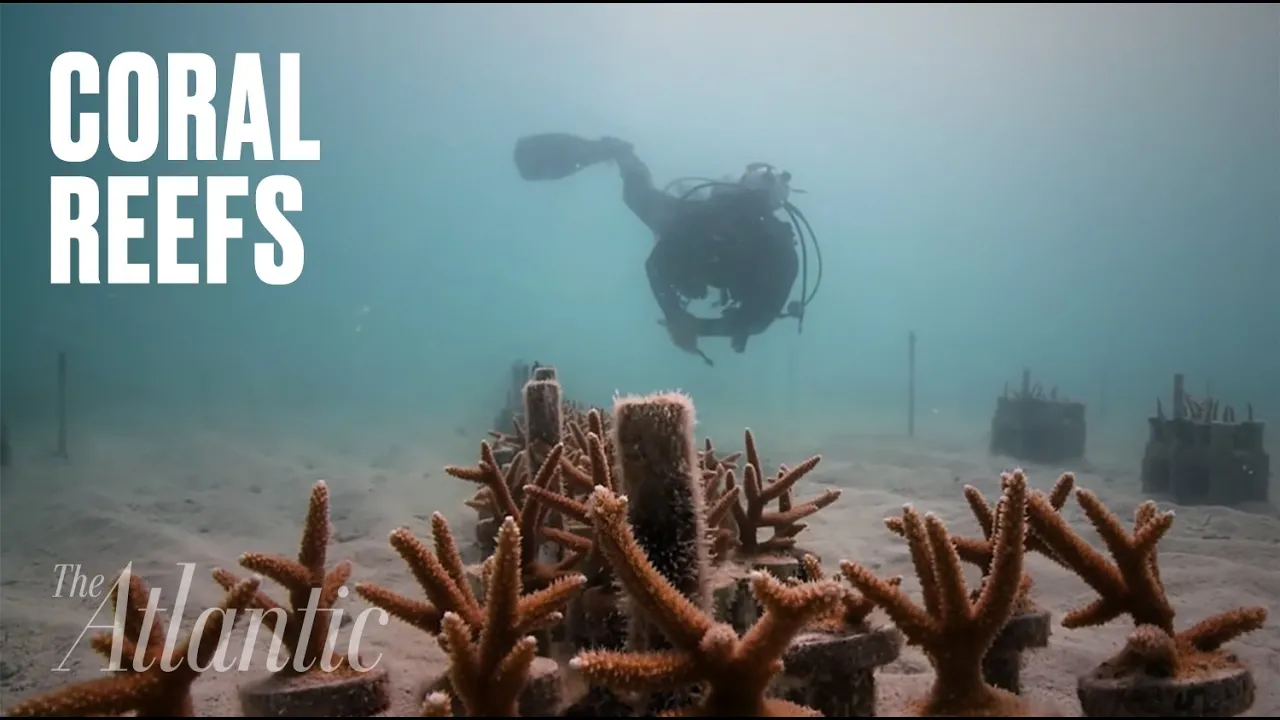



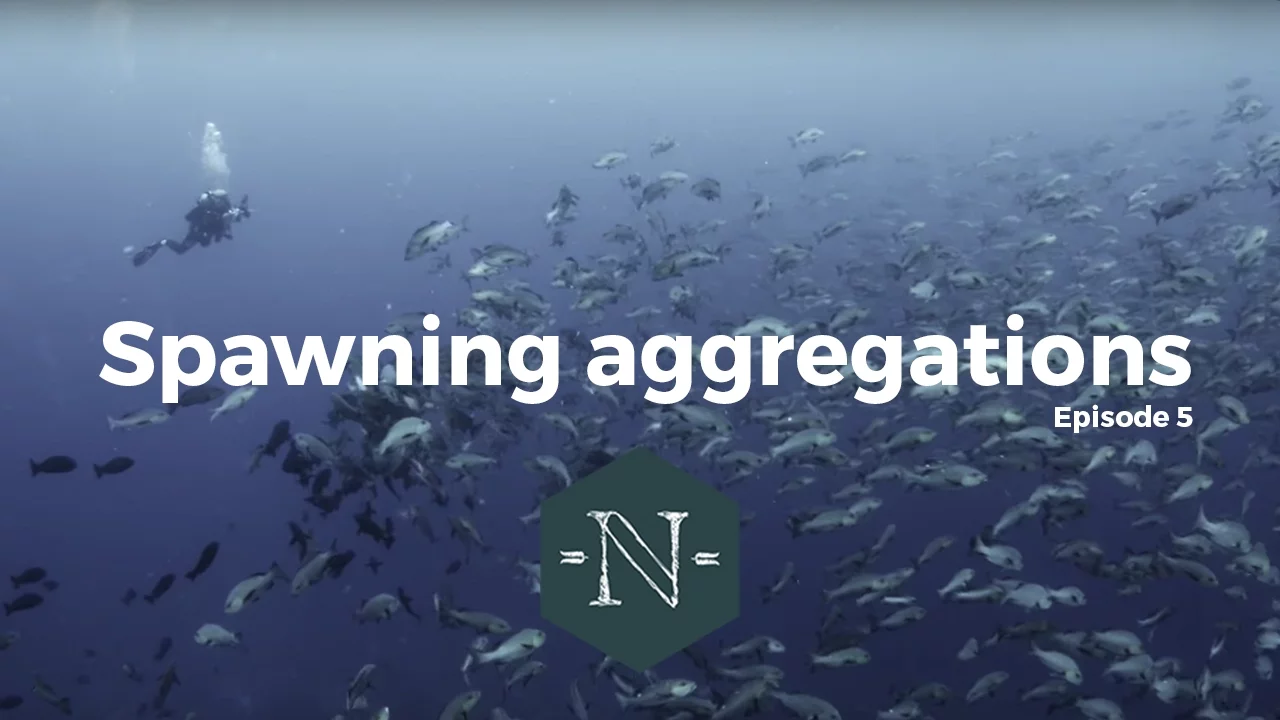


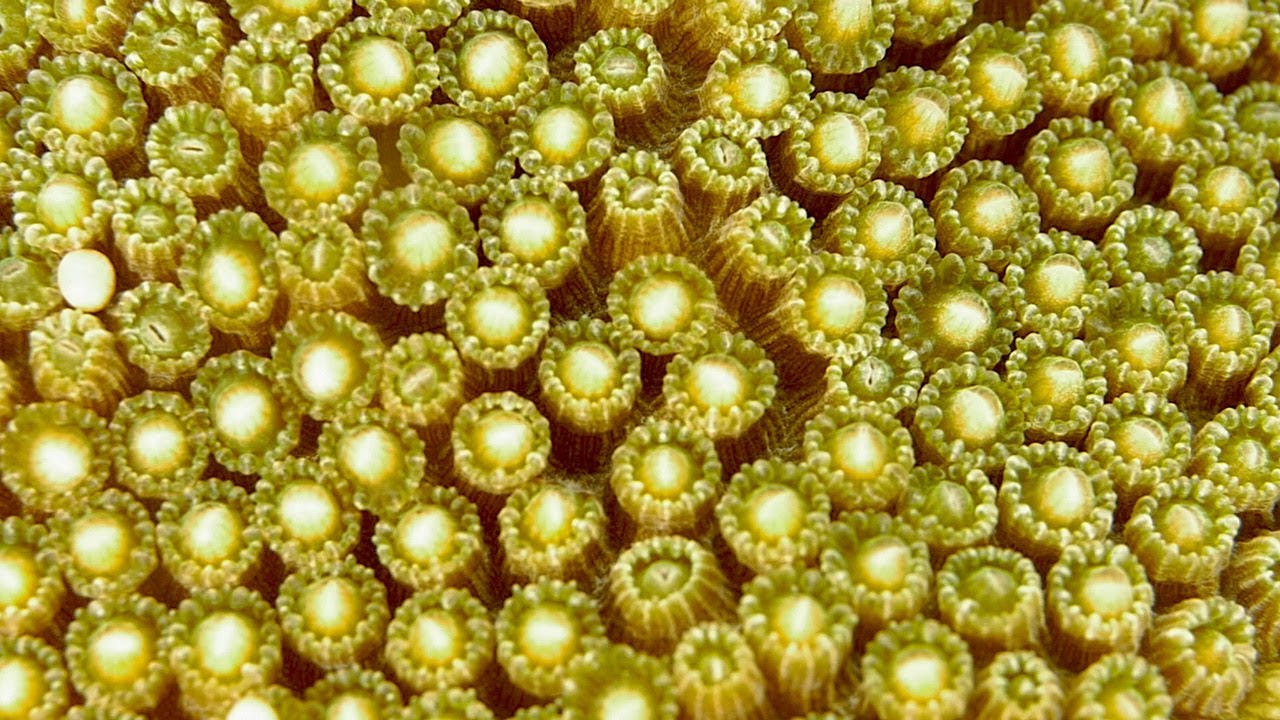

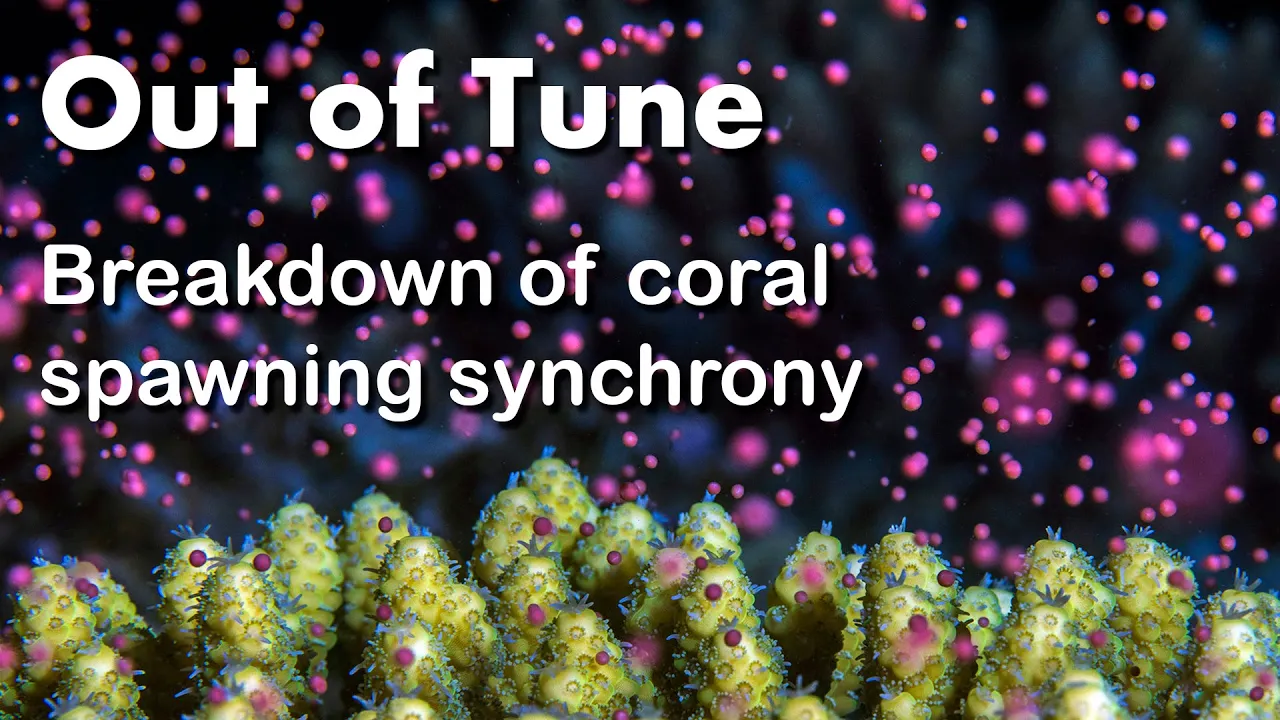
Corals are colonies of hundreds of thousands of tiny animals called polyps that reproduce through broadcast spawning, where they release packets of eggs and sperm into the water column during a synchronized event triggered by environmental cues like lunar cycles, sunset, and ocean temperature; after fertilization, the resulting larvae (planulae) search for suitable settlement spots using chemical and light sensors before transforming into new polyps that can clone themselves to build coral reefs, which serve as vital ecosystems supporting a quarter of marine life but are threatened by climate change-induced coral bleaching.
How Coral Spawning Creates Reefs
Added:Understanding of basic coral biology, specifically that corals are colonial marine invertebrates (polyps) that secrete calcium carbonate skeletons, rather than plants or rocks.
The concept of symbiotic relationships, particularly the mutualism between coral polyps and photosynthetic algae known as zooxanthellae.
Fundamentals of sexual reproduction in marine biology, including the definitions of gametes, external fertilization, and broadcast spawning.
The role of environmental cues, such as lunar cycles, water temperature, and daylight, in regulating biological rhythms and animal behavior.
The impacts of climate change, ocean acidification, and warming seas on the synchronization and success of coral spawning events.
Active coral reef restoration and conservation techniques, including larval seeding, micro-fragmentation, and laboratory-assisted coral breeding.
The ecological significance of spawning events as a massive nutrient pulse that temporarily sustains and reshapes the local marine food web.
Genetic diversity and evolutionary adaptation, exploring how sexual reproduction through spawning helps reefs survive emerging environmental stressors.
216K views9.4Klikes5:31Original Release: 2024-02-06
Thank you to Surfshark VPN for supporting this PBS video. Once a year, something astounding happens at Australia’s Great Barrier Reef. It lasts barely half an hour. If you jumped into the water at this very moment, it’d be like swimming through a snow globe, hundreds of kilometers across. But these “snowflakes” are actually packets of eggs and sperm of coral. Corals might look like colorful rocks or undersea gardens, but they’re actually animals. A coral is a colony of hundreds of thousands of tiny individual animals called polyps. Each of these flower-shaped polyps has a mouth and tentacles. Polyps secrete calcium carbonate that creates their skeleton. It gives them structure and anchors them to a rock or the seafloor. Since they can’t move to find a partner and mix up the gene pool, most warm-water corals practice “broadcast spawning.” But with such a short window to meet up, they have to sync it just right.
The warming summer waters cue the right month.
The light from a waning moon cues the right day, and the setting sun cues the exact minute.
Good luck out there! These bundles contain the coral's gametes -- its sperm and eggs. But the gametes don't mix in there. The bundles float to the surface and burst open. Sperm search out a new egg. Only one of these guys will get in. Look familiar? Once fertilized, it starts dividing and transforms into this adventurous larva called a planula. The planula swims through the sea, searching for a place to settle down. Chemical and light sensors on its backside guide the planula to the perfect spot. It wants what we want: a stable foundation, plenty of sunlight, and room to grow. The planula cements itself into place and morphs into a polyp. As it grows, it absorbs algae called zooxanthellae from the surrounding water. See these green dots? They live inside the polyps. The algae give the coral nutrition and its brilliant colors. Then something curious happens: The polyp clones itself. It grows copies right out of its side, that then bud their own clones. Through broadcast spawning and cloning, corals create the massive reefs we’re familiar with. But reefs are in danger, and that’s not just a problem for the corals. They’re vital ecosystems that provide food and shelter for a quarter of marine life, like fish, crustaceans and sea turtles. Climate change is the main culprit. When ocean waters warm up too much, stressed polyps expel their colorful and nutritious algae. This is coral bleaching. When reefs die and spawning season comes, it’s harder and harder for the eggs and sperm to find each other. So, researchers at the California Academy of Sciences in San Francisco have replicated the delicate spawning conditions in a lab. Lights mimic moon cycles, and heaters simulate the change of seasons. Their goal is to discover the best ways to grow corals, so more scientists can help restore them to the oceans.
An underwater blizzard is a thing of beauty, even more so when you consider how this snowstorm can replenish a delicate and threatened ecosystem. Thank you to Surfshark VPN for supporting this PBS video. Surfshark VPN is a virtual private network designed to keep your online identity safe by encrypting all of the information sent between your device and the internet.
Using a VPN when on public Wi-Fi can help provide safety while surfing the internet, as well as working from home.
A lot of online services use sophisticated targeting and tracking services, but a VPN can provide protection from that. Surfshark’s CleanWeb feature is built to block ads, trackers, malware and phishing attempts. And if you do a lot of international traveling, Surfshark allows clients to change their virtual location. It has over 3,200 servers in more than 100 countries, designed to help make sure you can access your home country’s features while traveling. To learn more, click the link in the description. Hi - Laura here. Want exclusive show updates, behind-the-scenes footage, digital art, merch and more? Support us on Patreon so we can keep making more videos for you! Thanks!
Up Next
29:39
Ocean Species and Climate Change: Coral Reef Responses | HHMI BioInteractive
@biointeractive
11.9K views•2015-04-08
50:12
Bacterial Communication: Quorum Sensing and Biofilm Formation Explained
@JHUAAP
12.6K views•2011-06-28

5:35
Enteric Nervous System Explained: The Gut's Brain | Neurobiology Lecture
@alumniu6029
438 views•2018-09-12
7:08
Bacteriophages: Earth's Deadliest Killers and Future Antibiotics
@kurzgesagt
34.6M views•2018-05-13
Related Study Plans & Knowledge Roadmaps
Structured learning paths in Biology
biology
RNAi: Biogenesis, RISC & Gene Silencing
01Molecular Biology Foundations: DNA to Protein
02Introduction to RNA Interference (RNAi)
03Molecular Biogenesis of miRNA and siRNA
+ 2 more learning modules
10h5 modules
Explore Roadmap
biology
Mycorrhizae: Signaling, Biophysics & Ecology
01Foundations of Mycorrhizal Symbiosis
02Molecular Signaling and Root Colonization
03Biophysics and Bioenergetics of Nutrient Exchange
+ 1 more learning modules
11h4 modules
Explore Roadmap
biology
Circadian Clocks: TTFL, SCN & Periphery
01Foundations of Molecular Biology & Gene Expression
02Introduction to Chronobiology and Actograms
03The Core TTFL: Molecular Architecture of the Clock
+ 3 more learning modules
14h6 modules
Explore Roadmap
biology
Population Genetics: Math, Drift & Selection
01Genetic & Probability Foundations
02The Hardy-Weinberg Principle and Baseline Models
03Mathematical Modeling of Natural Selection
+ 3 more learning modules
18h6 modules
Explore Roadmap