






![[#벌거벗은세계사] (3시간) 전 세계 700여 곳 이상의 바다에 내려진 사망 선고💥 이젠 생태계까지 붕괴될 위기다?ㄷㄷ](https://i.ytimg.com/vi/5P9R_1TBTZs/maxresdefault.jpg)

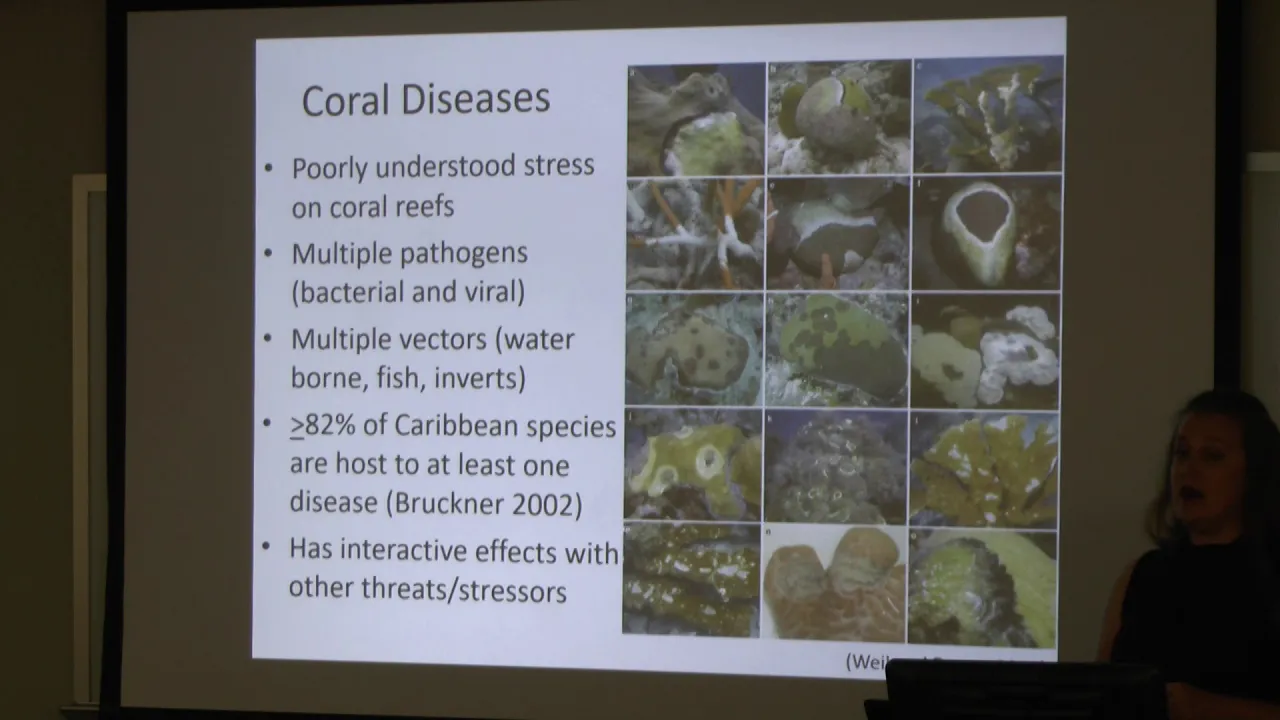

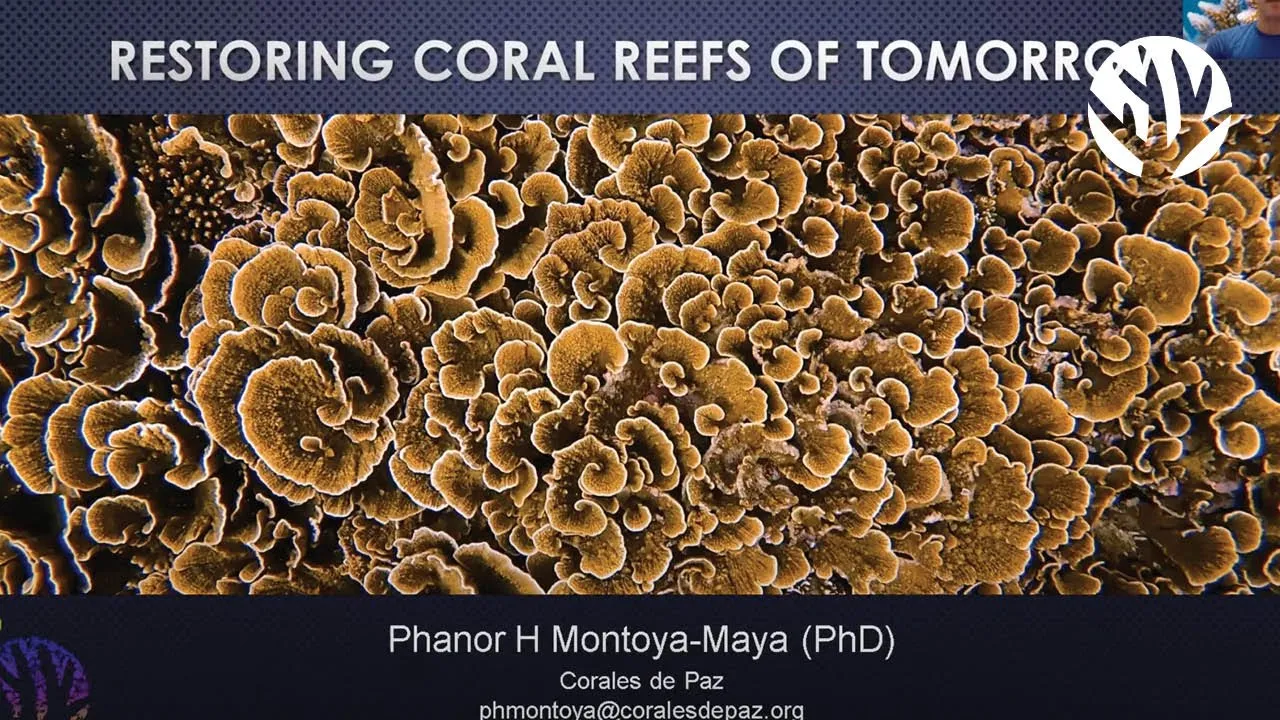

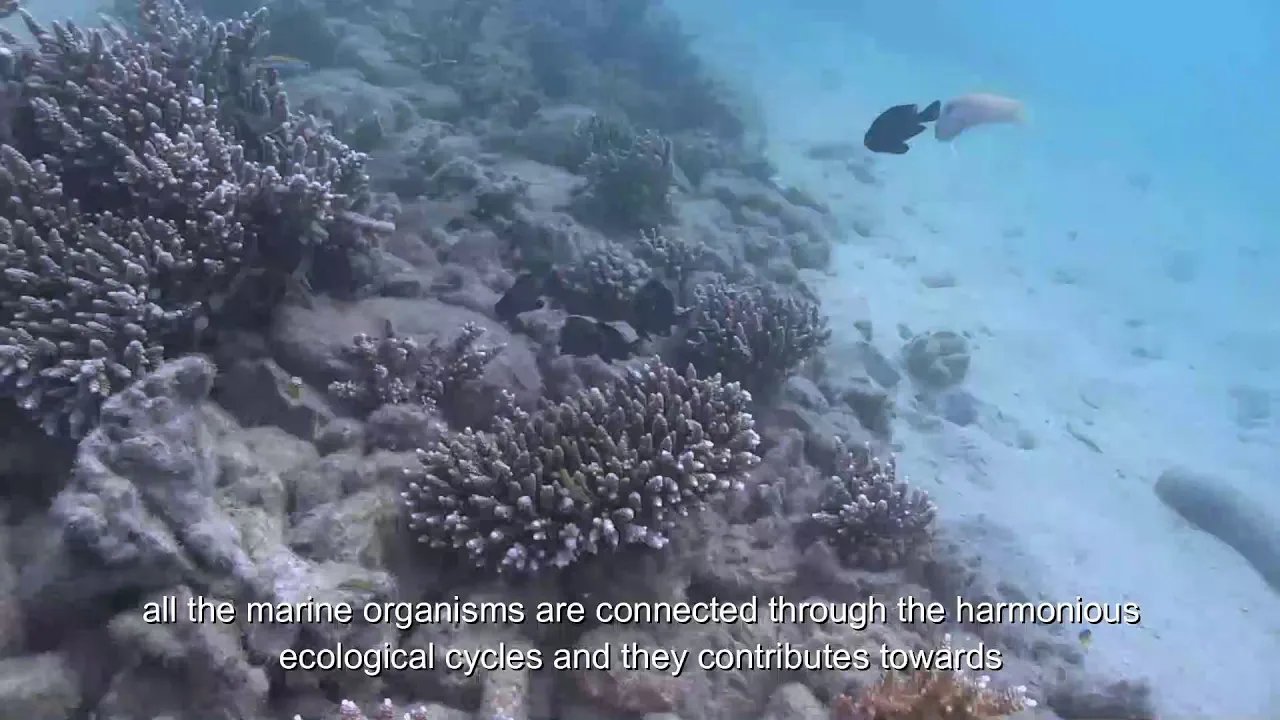

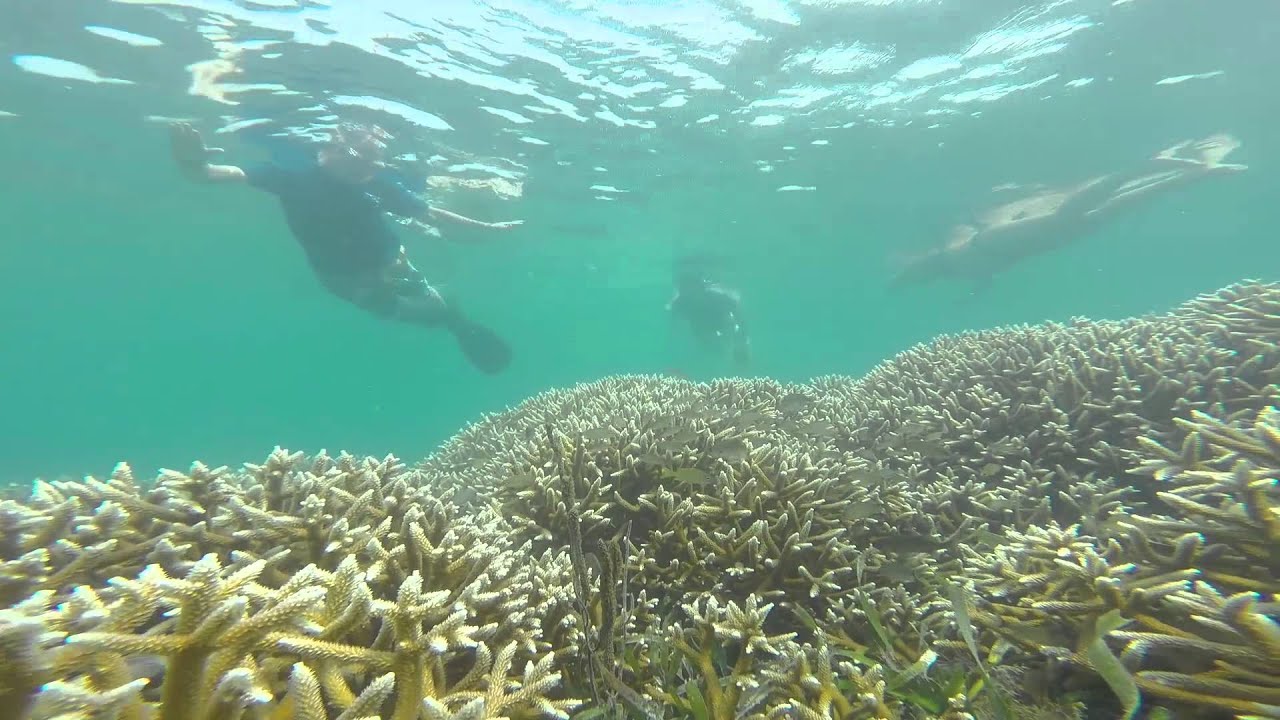


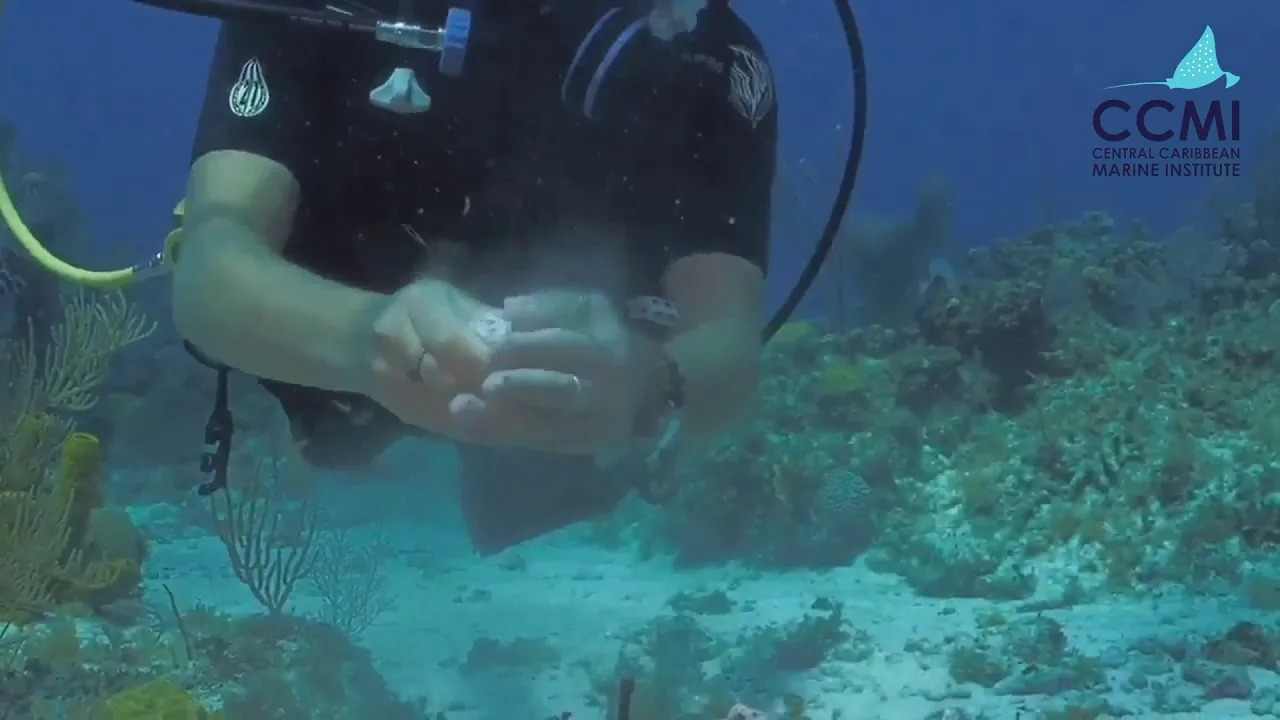
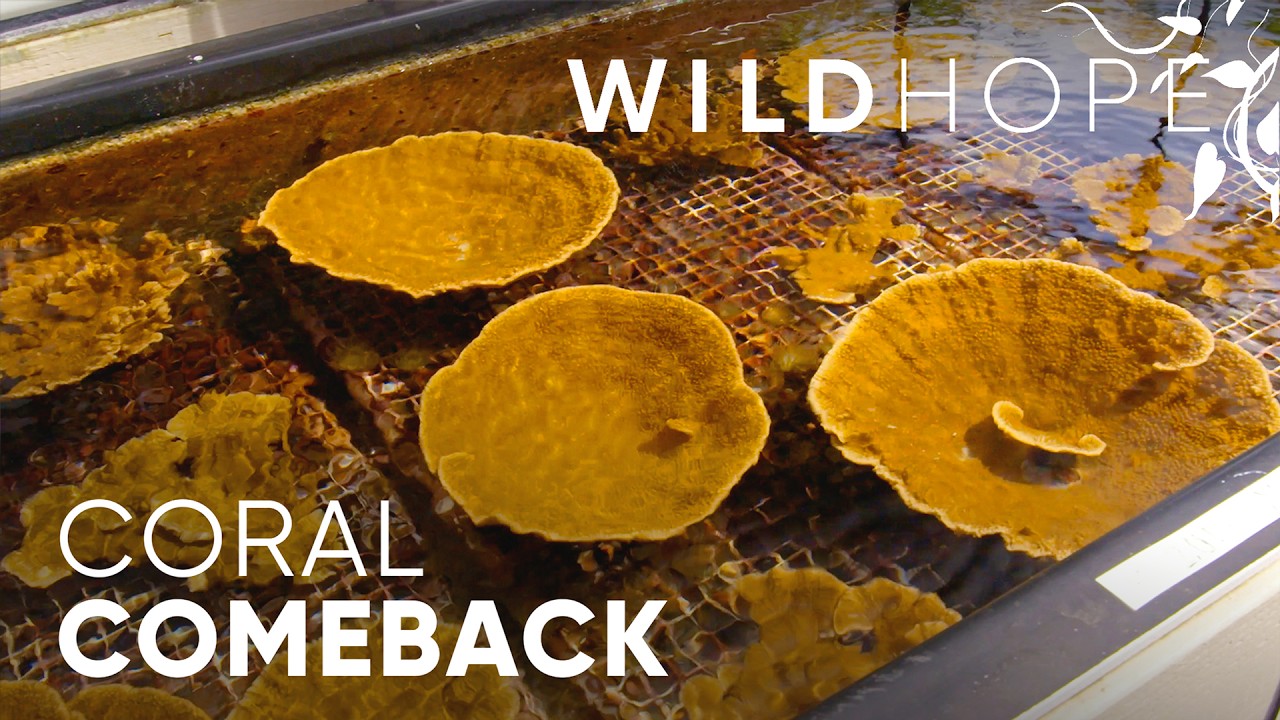



Microfragmentation is a coral reef restoration technique where corals are cut into small pieces (20-100 fragments from one coral), which stimulates rapid growth similar to how human skin heals after injury; this method, developed by Dr. David Vaughan in the Florida Keys, allows for the production of thousands of corals in mobile labs at a fraction of traditional costs, with fragments from the same DNA connecting and thriving together to restore reefs faster than conventional methods.
Coral Reef Restoration Through Microfragmentation: A Scientific Approach
Added:Basic coral biology and anatomy, including the symbiotic relationship between coral polyps and zooxanthellae algae.
The primary threats to coral reefs globally, such as ocean acidification, rising sea surface temperatures, and coral bleaching.
The concepts of asexual reproduction, regeneration, and clonal growth in marine invertebrates.
The ecological importance of coral reefs as marine biodiversity hotspots and physical coastal barriers.
Strategies for preserving genetic diversity in restored reefs to prevent monoculture vulnerability.
Methods and challenges of outplanting nursery-grown microfragments back into natural, degraded marine environments.
Assisted evolution and the selection of climate-resilient or heat-tolerant coral strains for restoration.
The socio-economic and policy frameworks required to fund and scale marine restoration technologies globally.
3.1K views57likes4:42Original Release: 2019-08-07
[Music] coral reefs provide habitat for marine life protection for our coastlines and they're responsible for much of the oxygen we need to survive but as climate change dramatically alters ocean temperatures coral reefs are dying off at a massive rate [Music] in the Florida Keys dr. David Vaughn has infused hope into the daunting task of replanting coral reefs through a process called micro fragmentation we used to take a coral this big and make two now we take a coral this big and make twenty to one hundred corals and in six months they're all ready to plant again well I think it's really important to to really understand that this is a kind of a huge breakthrough so in layman's terms explain to me what's really happening with what you're doing with the coral it's basically cutting them into little pieces stimulates them to grow very fast and in large numbers something happens to the coral to trigger it to grow faster if it's been hurt just like your skin your skin doesn't grow fast unless you fall down and break some of the skin and your skin quickly grows over and heals over in just weeks in order to accelerate how much new coral could be cloned dr. vaughn developed a mobile lab system that could function anywhere in the world what does it take to get a lab like this built well most people think about something as high-tech as being in a university or a government agency and will cost millions of dollars this is really now down to a farmer level this is a fraction of the cost and so literally we can produce a thousand corals and every one of these tanks twice a year how that's phenomenal that's a lot of light for the ocean to be created right here well it's one thing to hear about this but it's another to actually go out and experience the reef well up close and personal today's mission is simple go out to an area of reef that dr. Dave has been planting new corals he grew from micro fragmentation people restore houses like you know why not restore reefs it'll give me a chance to better understand how he hopes the plants of million corals well we're here yeah we're ready to get wet let's dive in come on let's go [Music] dr. Dave has brought me to a site where a ton of coral has died off but rather than tried to replace these large structures he's planting his new coral on top of the existing ones one of his other breakthroughs came with how the micro fragments work together typically corals compete for space but because these new corals all come from the same DNA they will actually connect and thrive growing faster atop the dead skeleton so far it's been an incredible success and one that gives hope for the future so what happens if we don't save the coral reefs the cost is really us it's a functioning coral reef it's a functioning fisheries it's a functioning production of oxygen it's stopping our ability to live by the coastline and eventually the demise of our oceans this particular coral you're talking about it can thrive in other areas besides just Florida well we've tested this on both the Atlantic and the Pacific and it works with the massive species in both oceans and so the good news is we'd be growing Florida corals for Florida Caribbean corals for Caribbean and the Pacific corals for the Pacific that's amazing so that's your dream that's what you'd like to see happen now we have a solution in a package of a unit that can go to places show people how to start up and start their own coral farm so what do you need to make that happen we need financial support to teach them this technology and let them continue their own if I say I can grow a few corals that's fine if I can grow a few hundred thousand that's even better if I can grow a million that sounds like a big task but it's actually just a good first step if I can show people around the world how they can grow a hundred thousand and they can grow a million and before you know it we're making a big influence on a giant ocean
Up Next

9:21
How Social Media Fuels Political Polarization | Psychology of Tech
@psychoftechinstitute4669
69K views•2020-10-29

12:54
Triumph of Orthodoxy Icon: Byzantine Art & History Explained
@BenCallan
2.1K views•2024-08-06

9:49
FastAPI vs Flask vs Django: Choosing the Right Python Web Framework
@TechWithTim
302.5K views•2024-05-26

1:42
Game of Thrones Opening Credits: A Cinematic Analysis
@gameofthrones
46.3M views•2011-04-18
Related Study Plans & Knowledge Roadmaps
Structured learning paths in General & Interdisciplinary Studies
general-studies
Elevator Engineering: History, Physics & Cities
01From Hoists to Safety Brakes: The Dawn of Vertical Lift
02Hydraulic vs. Traction: The Engineering Physics of Elevators
03Modern Speed, Safety, and Algorithms
+ 2 more learning modules
12h5 modules
Explore Roadmap
general-studies
Rubber: Material Science, History & Geopolitics
01Origins of Natural Rubber & Mesoamerican History
02The Chemistry of Natural Rubber & Vulcanization
03The Geopolitics of the Rubber Boom & Colonization
+ 2 more learning modules
12h5 modules
Explore Roadmap
general-studies
Containerization: Evolution, Logistics & Trade
01Ancient Trade & Bulk Cargo: Amphorae to Barrels
02The Industrial Revolution & Cardboard Packaging
03The Containerization Revolution: Malcom McLean
+ 2 more learning modules
12h5 modules
Explore Roadmap
general-studies
Textile Tech: Evolution, Labor & Global Impact
01Pre-Industrial Textiles: Handloom & Cottage Industry
02Mechanization: The Spinning Jenny to the Power Loom
03The Factory System & Global Labor Transformation
+ 2 more learning modules
10h5 modules
Explore Roadmap