




















Social media platforms designed to maximize user engagement through algorithms that prioritize emotionally charged content, particularly moral outrage, have transformed into powerful centrifugal forces that accelerate political polarization by creating feedback loops where outrage becomes habitual and addictive, making it difficult for citizens to distinguish between genuinely important issues and trivial disagreements.
How Social Media Fuels Political Polarization | Psychology of Tech
Added:Basic cognitive biases, particularly confirmation bias and in-group/out-group mentality, which dictate how humans process political information.
The fundamental mechanics of social media recommendation algorithms, specifically how they optimize for user engagement and retention.
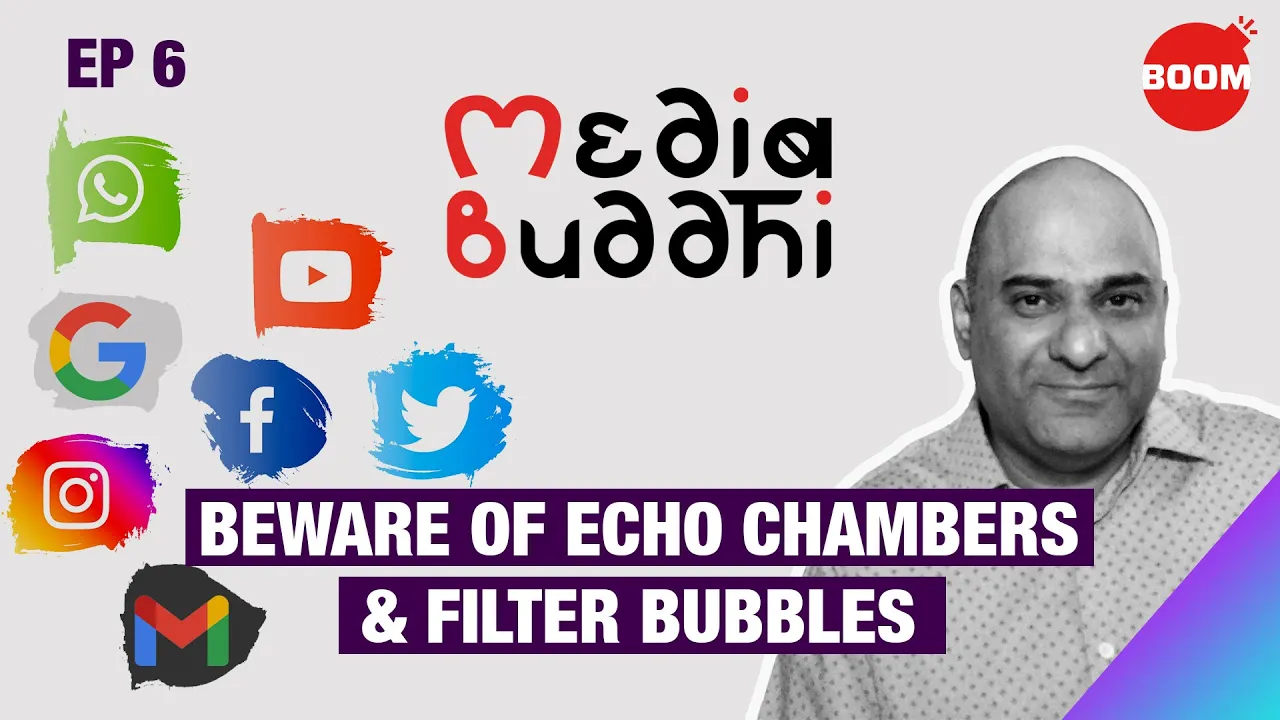
The concepts of 'filter bubbles' and 'echo chambers' as defined in modern digital media studies.
An understanding of political polarization, distinguishing between ideological polarization (disagreement on policy) and affective polarization (mutual dislike between opposing parties).
Policy and regulatory frameworks aimed at tech platforms, such as algorithmic accountability acts and transparency mandates.
The design principles of 'civic tech' and alternative, non-addictive digital platform architectures that promote healthy public discourse.
Advanced digital media literacy strategies, including lateral reading and cognitive immunology, to mitigate the emotional impact of online outrage.
The study of deliberative democracy models and how structured digital environments can facilitate constructive, cross-partisan consensus building.
69K views1.4Klikes9:21Original Release: 2020-10-29
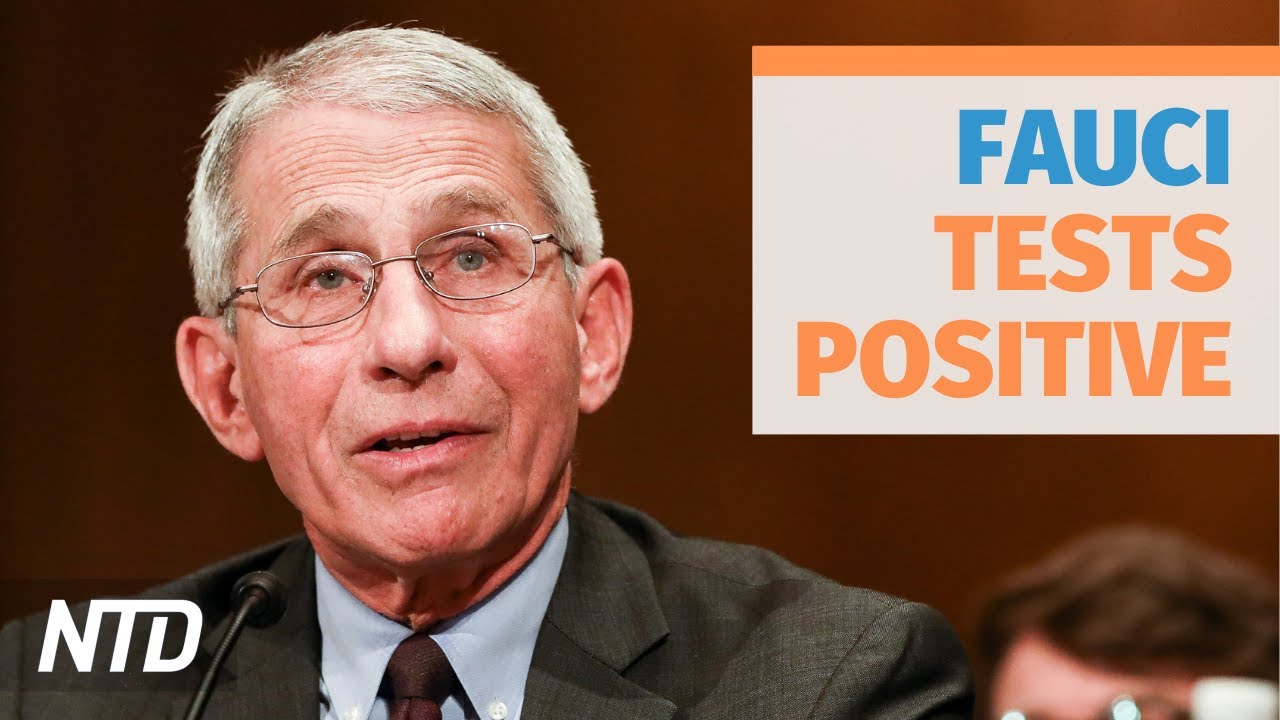
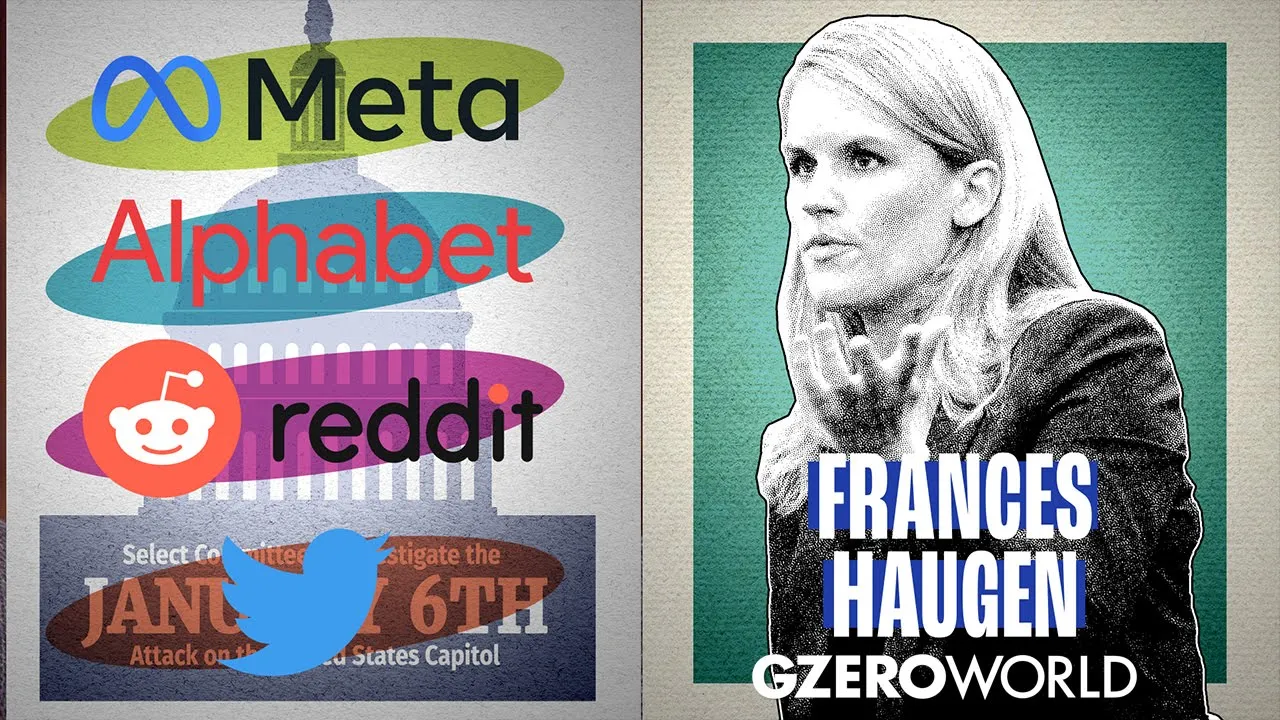
polarization it affects almost every aspect of american political life instead of voters being shaped by news news is being shaped for voters as the 2020 presidential election approaches the united states seems more divided than ever more protests and uprisings are expected in minnesota and across the country overnight police did use tear gas to disperse the crowds social media is at the heart of that story playing host to the most influential activist movements and the most vitriolic political debates but the more our political conversation moves online the faster it seems to deteriorate so how did services that promised to connect the world become some of the strongest forces driving us apart and how can we improve their design before it's too late [Music] the story of polarization is older than social media it reaches back into recent history as well as the ancient past to understand why social media affected us the way it did we have to understand ourselves and how we got here we evolved for tribalism we're primates and like other primates we live in in communities that are constantly in conflict with other nearby communities and we are all descended from the successful tribalists democracy is clearly possible we've done it successfully many countries have but i think that the margin of error is actually somewhat small making democracy work with our tribal instincts is a delicate balancing act we need enough dynamism and disagreement to make progress but not so much that we fall apart what you have to do is look at any society as having forces pulling it together let's call those centripetal forces and forces pulling it outwards call them centrifugal forces the late 20th century was a time when we had a lot of forces pulling inward the balance between centripetal and centrifugal was extraordinarily positive we were fooled into thinking that democracy is easy we were wrong there's a lot of competing forces that have converged concurrently to make all of this happen this is kami akavon executive director of the usc center for the political future he's been tracking the trend of polarization since the early 1990s the polls are getting farther apart the average democrat is more left than the average democrat was 30 years ago for the average republican same thing there was a survey that was done in 2019 where the question was asked do you think we'd be better off as a country if large numbers of the opposing party just died fifteen percent of republicans said yes twenty percent of democrats said yes and here we are social media arrived into an already polarized world but starting around 2009 a series of design changes added fuel to the fire so it was the like button the retweet button and then algorithmicizing everything those three changes convert social media to one of the greatest centrifugal forces this country has ever seen basically what we what we call an outrage machine it starts with the business model because social media runs on advertising dollars its designers will do whatever it takes to keep us engaged social media platforms make more money the longer we stay on the platform this means they have an incentive to present us with information that is most likely to draw us in to keep us engaged to keep us coming back and spending more and more time online the most engaging content is content that triggers emotions particularly moral emotions like moral outrage so algorithms built into these platforms that select information to show to us push to the top of our feeds content that is likely to trigger strong emotions like outrage tribal emotions like outrage are part of our biological makeup within the appropriate scope outrage helps bind together a moral community but just as our taste for sugars and fats didn't evolve for a world full of fast food our taste for moral outrage didn't evolve for social media biologists have a name for these kinds of triggers they call them supernormal stimuli [Music] a super normal stimulus is like a prototypical stimulus on steroids that stimulus is something that's potentially been engineered to provoke outrage and is not necessarily one that we would typically encounter in our daily lives i think a lot of the fake news headlines that we saw in the lead up to the 2016 elections in the u.s are really good examples of like supernormal outrage stimuli the outrage equivalent of junk food is addictive if it wasn't the platforms wouldn't reward it and we wouldn't keep coming back but it gets worse imagine if every time you ate a cookie your entire social group cheered you on we are connected with others on social networks this means that if you express outrage and you're getting a lot of positive feedback that might actually make the expression of outrage over the long term more habitual for a democracy the consequences of a citizenry addicted to outrage are catastrophic we lose the ability to focus on any problem long enough to solve it and trivial transgressions distract us from systematic reform if social media is just sort of indiscriminately dialing up the volume on outrage then this could create a signal-to-noise problem where if everything is worthy of outrage then effectively nothing is that it might make it harder for people to distinguish between the truly heinous and the merely disagreeable many people believe that polarization is caused by echo chambers hermetically sealed ideological bubbles that prevent exposure to the other side this suggests a simple solution just get platforms to present each side with opposing viewpoints but a 2018 study showed that mere exposure to opposing views actually increased polarization and other research suggests that the context in which we see other views online is what matters not a lack of exposure the solution of we should just expose people to more viewpoints is the solution to the problem of the hermetically sealed version of echo chambers which i think is not plausible that is not going to make you suddenly think oh look at all these great points from the other side maybe i've had it all wrong no what it's going to do is caricature the other side and get people to double down into their own beliefs popular misconceptions about echo chambers highlight the essential role of good science in solving these problems if we want to avoid the errors that got us into this mess we can't go into the design process blind so what can we do the best thing social media companies can do structurally on the content moderation side of it is to have meaningful sustained compelling opposing viewpoints presented and slow down the frequency with which we can react one suggestion for how to make our reactions less impulsive comes from tobias rose stockwell a writer on technology design he suggests that platforms build ai systems that identify content previously flagged as toxic and ask users if they're sure before they decide to post another solution in technologists hands is removing bots and ensuring that real people lie behind every account the biggest single thing i think we need to do is is we need to start authenticating identities to allow people to open accounts i don't mean you have to post on your real name but the age in which we can let anyone create thousands of fake accounts and make death threats and rape threats and and throw and basically be trolls that does not contribute to the public square those people's accounts should be closed down right now companies lack the incentive to take on these kinds of reforms in part because doing so would mean a decline in the engagement metrics that guide their every choice this suggests a role for policymakers to intervene unfortunately congress's record of understanding these topics has been less than ideal how do you sustain a business model in which users don't pay for your service senator we run ads individual users shouldn't hold their breath waiting for systematic changes for now holding democracy together comes down to us tribal instincts and all but here again better science is crucial until now most of the research into social media and polarization has been reactive responding to damage that's already been done but what if designers could consult high quality studies before implementing features that affect billions of users what if individuals and policy makers were empowered by the best research when deciding how to treat these platforms we're asking people to stand up against millions of years of evolution and the most powerful algorithms on earth they shouldn't have to do it alone [Music] you
Up Next
16:51
How Social Media Algorithms Shape Your Reality: Evidence-Based Analysis
@crashcourse
338.7K views•2019-03-12

12:54
Triumph of Orthodoxy Icon: Byzantine Art & History Explained
@BenCallan
2.1K views•2024-08-06

9:49
FastAPI vs Flask vs Django: Choosing the Right Python Web Framework
@TechWithTim
302.5K views•2024-05-26

1:42
Game of Thrones Opening Credits: A Cinematic Analysis
@gameofthrones
46.3M views•2011-04-18
Related Study Plans & Knowledge Roadmaps
Structured learning paths in General & Interdisciplinary Studies
general-studies
Elevator Engineering: History, Physics & Cities
01From Hoists to Safety Brakes: The Dawn of Vertical Lift
02Hydraulic vs. Traction: The Engineering Physics of Elevators
03Modern Speed, Safety, and Algorithms
+ 2 more learning modules
12h5 modules
Explore Roadmap
general-studies
Rubber: Material Science, History & Geopolitics
01Origins of Natural Rubber & Mesoamerican History
02The Chemistry of Natural Rubber & Vulcanization
03The Geopolitics of the Rubber Boom & Colonization
+ 2 more learning modules
12h5 modules
Explore Roadmap
general-studies
Containerization: Evolution, Logistics & Trade
01Ancient Trade & Bulk Cargo: Amphorae to Barrels
02The Industrial Revolution & Cardboard Packaging
03The Containerization Revolution: Malcom McLean
+ 2 more learning modules
12h5 modules
Explore Roadmap
general-studies
Textile Tech: Evolution, Labor & Global Impact
01Pre-Industrial Textiles: Handloom & Cottage Industry
02Mechanization: The Spinning Jenny to the Power Loom
03The Factory System & Global Labor Transformation
+ 2 more learning modules
10h5 modules
Explore Roadmap