













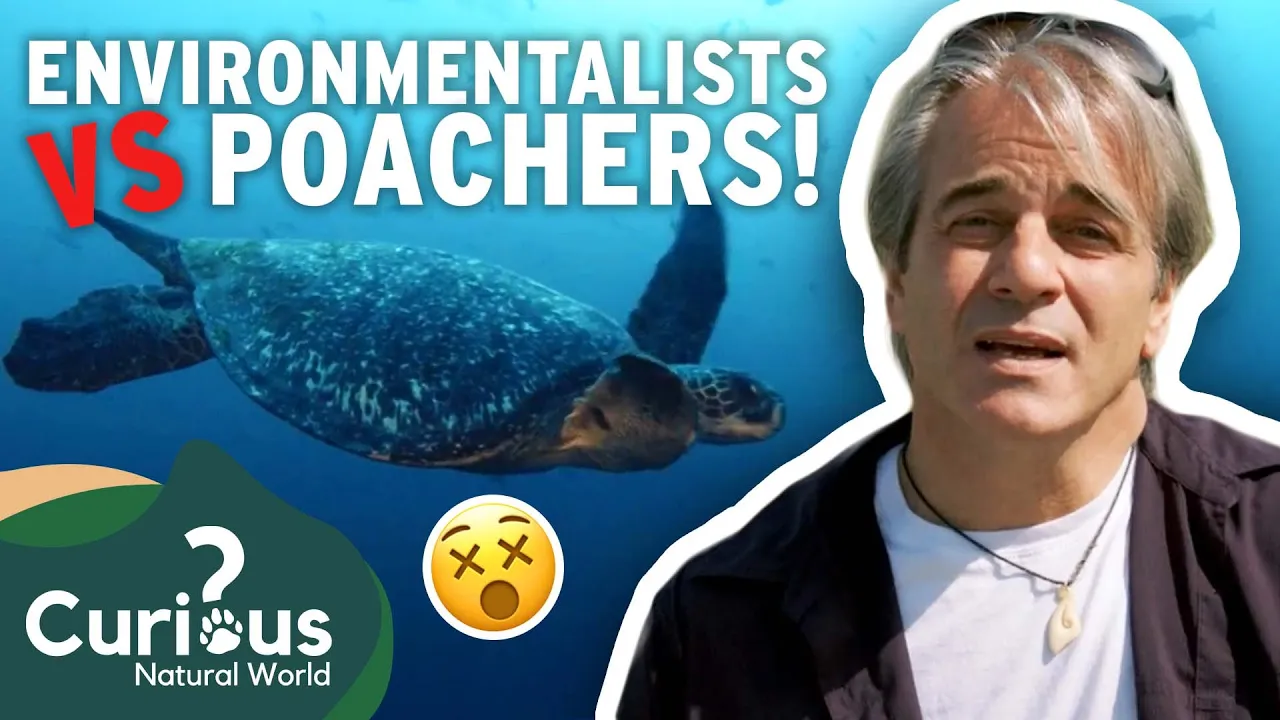



Sea turtles use a combination of magnetic field sensing (detecting inclination and declination angles) and chemical imprinting to navigate thousands of miles back to their natal beaches, as demonstrated by Kemp's ridley sea turtles whose populations were saved through conservation efforts including head-starting programs that relocate eggs to establish new nesting sites.
How Baby Sea Turtles Navigate Home Using Earth's Magnetic Field
Added:Understanding of Earth's geomagnetic field, including concepts such as magnetic intensity, field lines, and inclination angle.
The basic life cycle and behavioral ecology of sea turtles, particularly their transition from hatchlings to open-ocean travelers.
Fundamental concepts of sensory biology, specifically how organisms detect environmental cues like chemical gradients (olfaction) and magnetic forces.
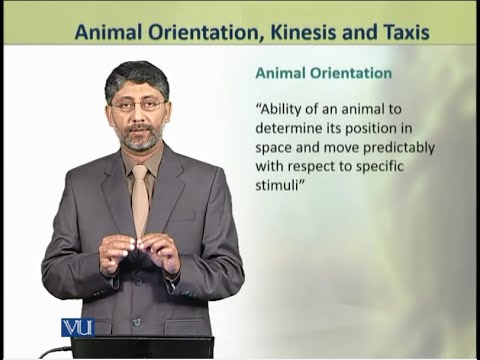
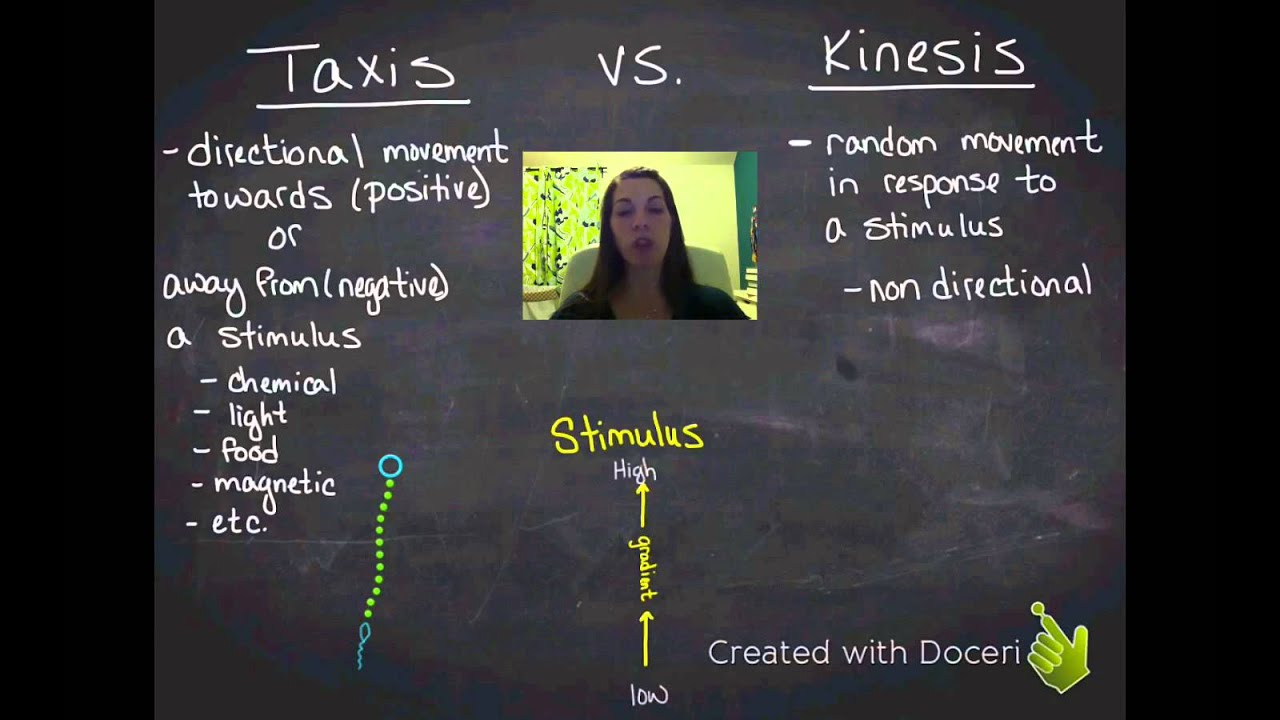
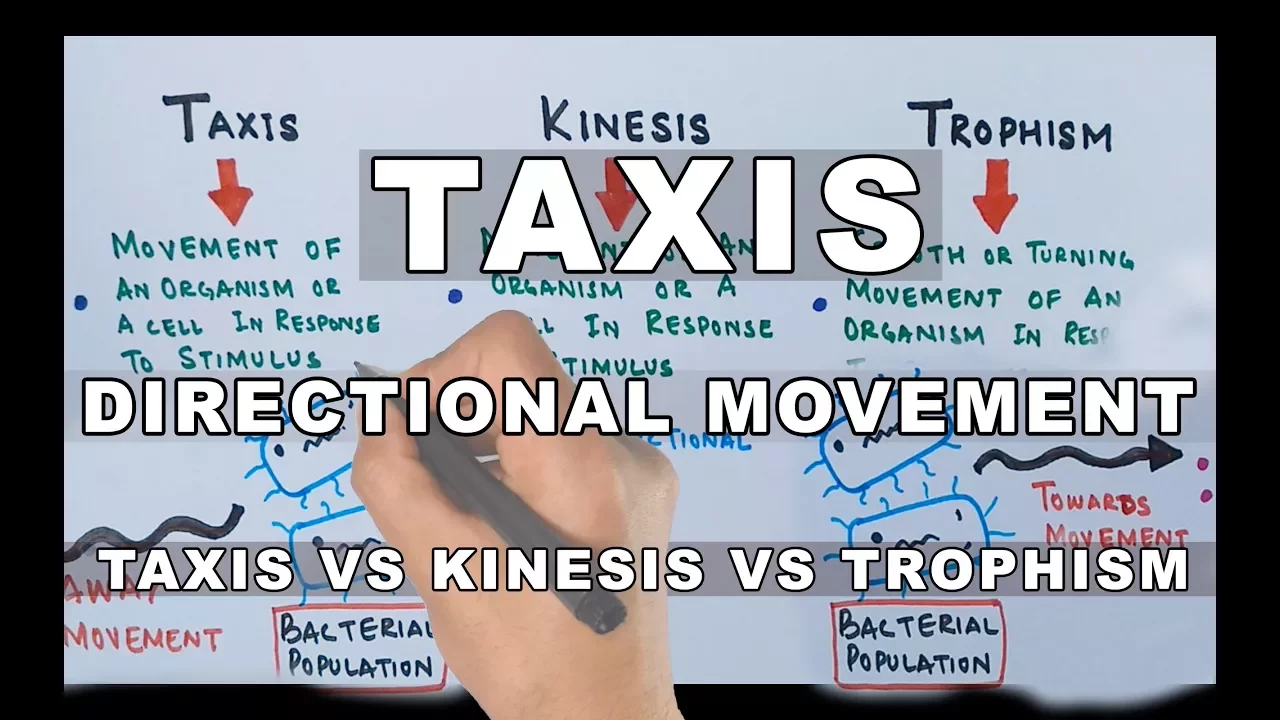
The distinction between different types of animal movement, such as simple kinesis, taxis, and complex long-distance navigation.
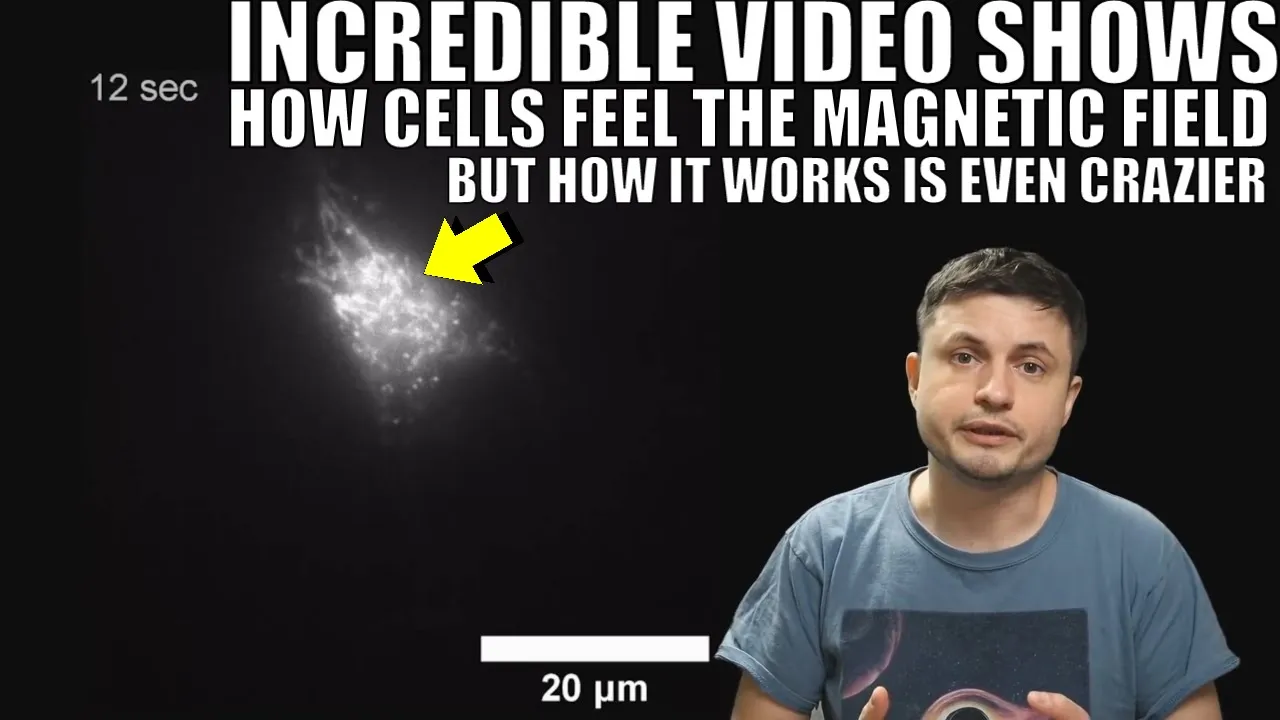
The cellular and biophysical mechanisms of magnetoreception, including cryptochrome-based radical pair mechanisms and magnetite-based receptors.
The impact of anthropogenic disruptions, such as electromagnetic noise, coastal development, and light pollution, on hatchling navigation and survival.
Comparative analysis of navigation systems in other migratory species, such as salmon homing, monarch butterfly migration, and avian magnetic maps.
Conservation biology strategies designed around navigation pathways, such as designating marine protected areas along migratory corridors and restoring natal nesting beaches.
1.6M views12.8Klikes6:25Original Release: 2016-10-17
Today’s episode is about something very important: stratospheric carbon quantum resonan… just kidding!
IT’S BABY TURTLES!
[TURTLE MUSIC] OK, you’re about to see one of the cutest things ever, but first I want you to ask yourself a question: Do you remember where you were ten years ago, at this exact day and time?
Not just the city, but the exact place.
Could you find your way back there… without a phone?
Without a map?
Probably not.
But they can.
Or at least they will.
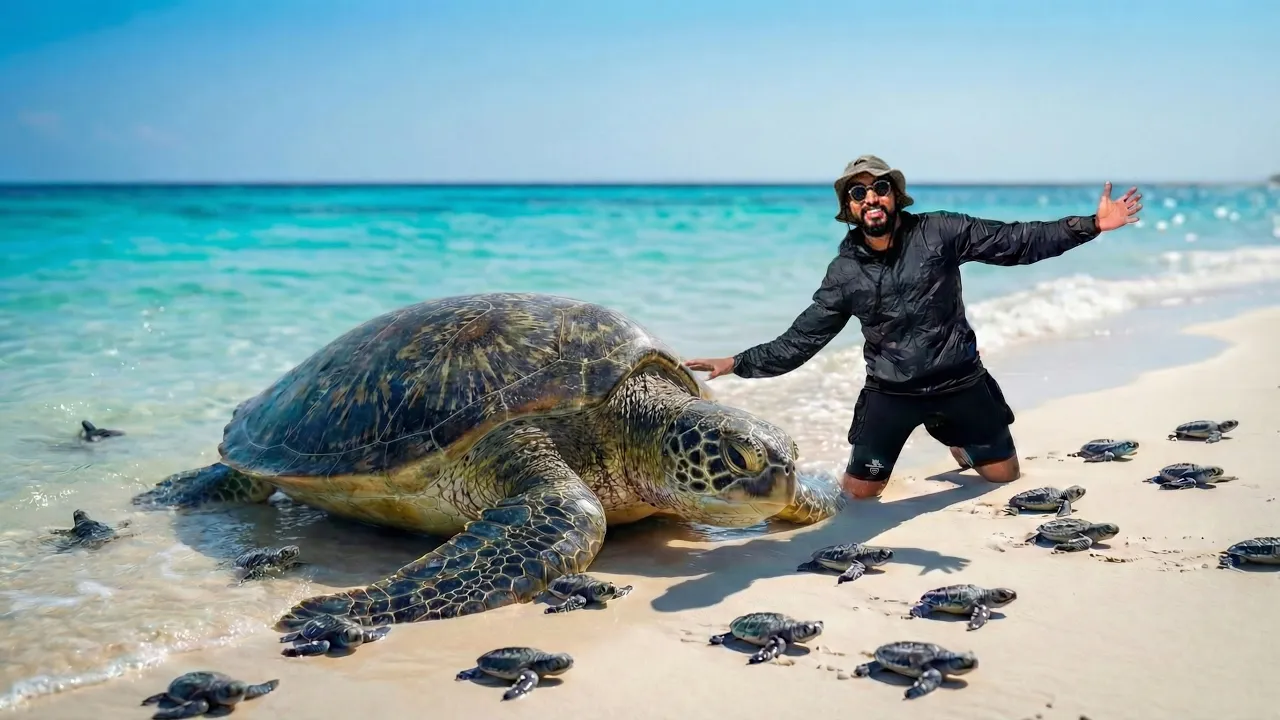
These are Kemp’s ridley sea turtles, Earth’s smallest sea turtles, just a few days old, and instinct draws them toward the ocean.
It’s dangerous out there, many won’t survive, but ten or fifteen years from now, a few lucky females will perform one of nature’s greatest feats of navigation… and find their way back here.
Sea turtles are AWESOME.
Some specis swim more than a thousand miles to lay their eggs in the same sand where they were born.
That’s like half an ocean, after being out at sea for more than a decade.
That’s crazy.
To do this, sea turtles have some tricks up their slee… um, under their shells.
So do salmon…but they don’t have shells.
Anyway, when it’s time to spawn, salmon leave the ocean and swim upriver to the spot they were born.
When they were babies, they saved a chemical “snapshot” of how their home river “smells” Scientists think baby sea turtles do the same thing, they *imprint* on the chemical cues around them: the sand, the ocean, whatever’s near shore… all that says “this is home”… not bad for newborns.
But when it’s time to come back, they can’t smell their home beach from across an ocean.
They have a different trick for navigating long distances.
One way humans know where we’re going is to use a compass.
That needle always points at Earth’s magnetic north pole.
But if we slide that compass along Earth’s equator, the needle will move as it follows the pole.
Now… imagine we rotate that compass straight up in the air.
At the magnetic north pole, Earth’s magnetic field lines are perpendicular to the surface, so the compass points straight down.
Near the equator, they’re parallel, so the compass points sideways.
You and I can’t feel this, but many animals can sense these angles of inclination and declination.
They can sense their x/y coordinates.
We aren’t exactly sure *how* turtles sense this.
Some birds have iron crystals in their beaks to navigate with magnetism, and so far scientists haven’t found anything like that in sea turtles.
But they’ve done experiments with captive turtles, putting them inside magnetic fields, and we *know* they follow some sort of built-in compass.
Now… they don’t get it right *every* time.
Sometimes turtles end up miles from where they were born.
But this might not be all their fault.
Magnetic north moves, Earth’s magnetic field shifts slightly year after year, so if a turtle’s at sea for 10, 15, 30 years… their coordinates will point to a different place.
This is why their first walk down the beach is so important.
They’re in geographic learning mode, sensing the magnetic field, smelling chemical cues, feeling the ocean currents, storing them in their brain until instinct brings them back, years later.
Awwww look at how cute they are!
But what if I told you these turtles almost never existed.
Because that’s true.
Some history… In 1880, a guy in Key West found a weird sea turtle locals called the “ridley”.
He sent one up to Harvard, and they ended up naming it after him.
But the Kemp’s ridley was kindof… a riddle.
People saw them at sea, but for almost 70 years, no one could figure out where they laid their eggs.
In Mexico, Andrés Herrera heard a rumor that thousands of turtles would sometimes crawl onto the beach on the same day, so he grabbed a 16mm camera, hopped in his plane, and on June 18, 1947 he landed on the beach at Rancho Nuevo to find this… The Kemp’s ridley nesting beach.
An arribada, more than 40,000 females nesting in a single day.
This film literally sat in a closet until 1961, and when scientists finally went to see the nests for themselves, there was nothing to see.
People had harvested so many eggs, shrimp boats had captured so many adults… the arribadas were no mas.
We went from more than 120,000 nests in 1947 to fewer than a thousand in 1978.
Kemp’s ridleys needed some TURTLE POWER or they would go extinct.
So scientists came up with an experiment no one had ever done.
It did NOT involve pepperoni pizza.
TURTLE LEONARDO VO: I got a bad feeling about this.
They moved eggs from Mexico to hatch in Texas… hoping the baby turtles would imprint there and establish a new nesting site at Padre Island.
They tagged and released thousands of turtles, and then waited.
And waited.
It took a while, but in 1996, a tagged, imprinted turtle was seen nesting on Padre Island.
It had been released in 1983.
Dr. Donna Shaver leads Sea Turtle Science and Recovery at Padre Island National Seashore.
She’s been working with ridley’s for the past 30 years.
These days, her team collects eggs from Texas beaches to hatch in captivity, and when they’re ready, the babies walk down the beach and into the Gulf of Mexico.
It’s worked pretty well so far.
After a low of 702 nests worldwide in 1985, there were more than 20,000 in 2009.
And in addition to their home beach in Mexico, turtles now nest in Texas every year.
But ridleys are still the most endangered sea turtle.
After years of growth, the population has been decreasing again since 2010, the same year the Deepwater Horizon oil spill happened right the middle of one of their feeding grounds.
Sea turtles - like Kemp’s ridleys - still have a long journey in front of them, but they’re pretty good at finding their way… especially if they’ve got a little help.
Stay curious.
Up Next
48:40
Animal Special Forces: Navy Seals | Wildlife Documentary (Ep. 2)
@FreeDocumentaryNature
169K views•2022-05-13
50:12
Bacterial Communication: Quorum Sensing and Biofilm Formation Explained
@JHUAAP
12.6K views•2011-06-28
10:16
How Monarch Butterflies Navigate Migration: The Science of Their Compass
@besmart
760.9K views•2019-04-09
7:08
Bacteriophages: Earth's Deadliest Killers and Future Antibiotics
@kurzgesagt
34.6M views•2018-05-13
Related Study Plans & Knowledge Roadmaps
Structured learning paths in Biology
biology
RNAi: Biogenesis, RISC & Gene Silencing
01Molecular Biology Foundations: DNA to Protein
02Introduction to RNA Interference (RNAi)
03Molecular Biogenesis of miRNA and siRNA
+ 2 more learning modules
10h5 modules
Explore Roadmap
biology
Mycorrhizae: Signaling, Biophysics & Ecology
01Foundations of Mycorrhizal Symbiosis
02Molecular Signaling and Root Colonization
03Biophysics and Bioenergetics of Nutrient Exchange
+ 1 more learning modules
11h4 modules
Explore Roadmap
biology
Circadian Clocks: TTFL, SCN & Periphery
01Foundations of Molecular Biology & Gene Expression
02Introduction to Chronobiology and Actograms
03The Core TTFL: Molecular Architecture of the Clock
+ 3 more learning modules
14h6 modules
Explore Roadmap
biology
Population Genetics: Math, Drift & Selection
01Genetic & Probability Foundations
02The Hardy-Weinberg Principle and Baseline Models
03Mathematical Modeling of Natural Selection
+ 3 more learning modules
18h6 modules
Explore Roadmap