



![[대한수면학회LIVE] '수면과 멜라토닌' (강동경희대병원 신원철 교수)](https://i.ytimg.com/vi/qtY4JQIJ5Kc/maxresdefault.jpg)














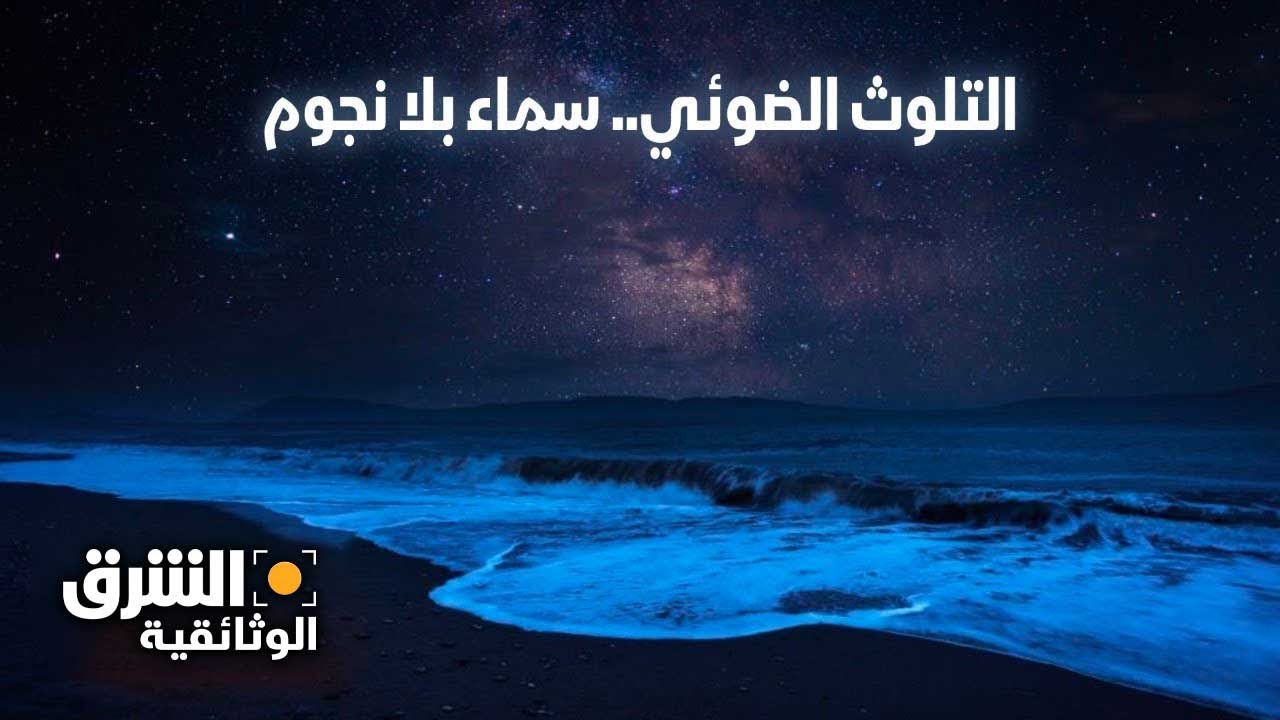


Light pollution, driven by population growth and the LED revolution, is causing widespread harm to wildlife (disrupting predator-prey relationships, migratory bird patterns, and sea turtle hatchling navigation) and human health (disrupting circadian rhythms and potentially increasing risks of heart disease, depression, and cancer); however, solutions exist through using amber lights, reducing unnecessary illumination, and protecting dark sky reserves.
Light Pollution Impacts on Human Health and Wildlife | Alyn Wallace | TEDxTalks
Added:The biological concept of circadian rhythms and how natural light-dark cycles regulate melatonin production and sleep patterns in humans and animals.
Basic ecological concepts of nocturnal animal behavior, orientation, and predator-prey dynamics under natural nighttime conditions.
The difference between natural light sources (the moon, stars, and Milky Way) and Artificial Light at Night (ALAN), including the rapid global transition to LED technology.
A foundational understanding of the components of light pollution, specifically skyglow, glare, and light trespass.
Sustainable urban planning and architectural lighting design, focusing on shielding fixtures, motion sensors, and the Kelvin color temperature scale.
The environmental policy and advocacy frameworks used by the International Dark-Sky Association (IDA) to establish Dark Sky Reserves and sanctuaries.
Advanced physiological and epidemiological research investigating the links between chronic blue light exposure and endocrine disruption, sleep disorders, and metabolic diseases.
Targeted ecological conservation techniques, such as implementing wildlife-friendly coastal lighting to protect nesting sea turtles and migratory birds.
38.7K views2.1Klikes18:56Original Release: 2019-12-16
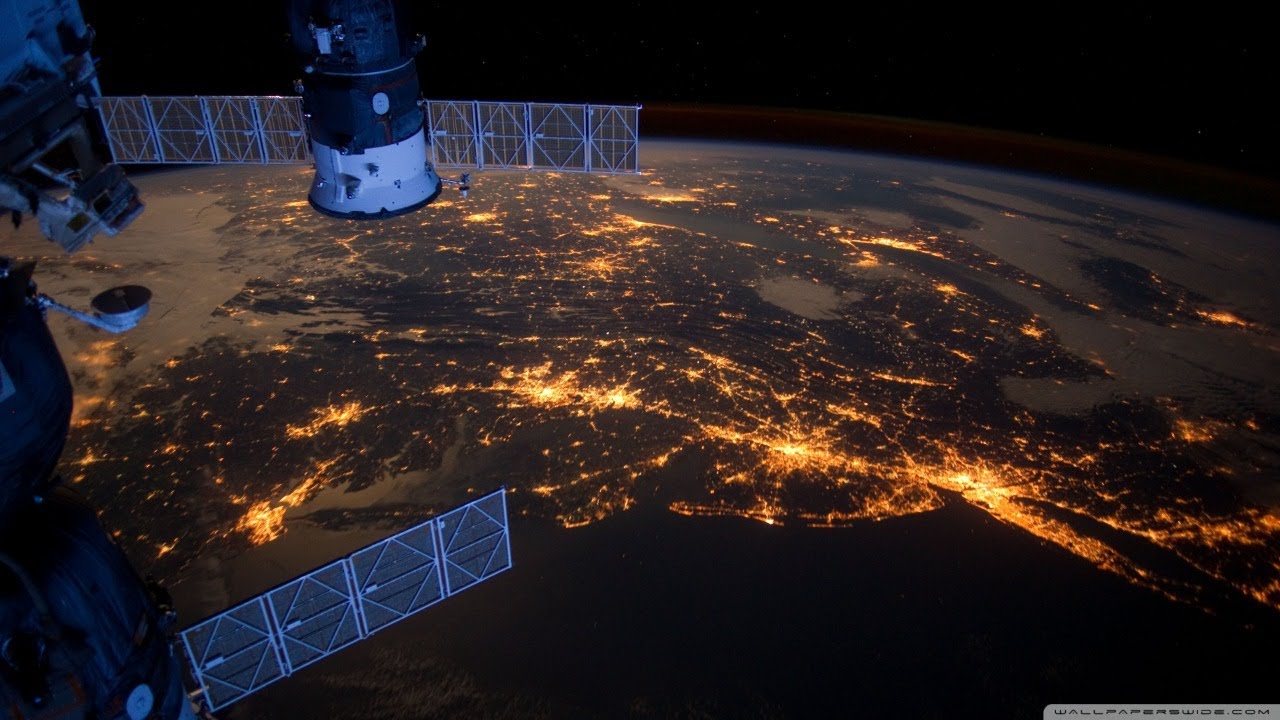
okay first of all thank you all for coming today I really do appreciate all of your time before I get into I want to start with a question to you guys or a bit of a survey and just to make sure everybody's participating I want everybody in the room to put one hand up in the sky thank you and I want you to put your hand down but yet I want you to put your hand down if you've seen the Milky Way with your naked eye keep your hands up if you've never seen the Milky Way with your naked eye if you've never seen the Milky Way with your naked eye push your hands out it's not 1/3 of you which is quite interesting the recent study showed that 1/3 of the world's population will never get to see the Milky Way with a naked eye and about 70% of the British population now live in an area where you cannot see the Milky Way I mean there's a is an observatory in London the Royal Observatory of Greenwich which seems quite baffling now because London's one of the most like polluted places in the country but just a little bit over a hundred years ago everybody in the UK and in fact everybody in the entire world could comfortably see the Milky Way with a naked eye from the comfort of their own garden if you're in North America that figure is 80 percent so 80% of Americans now live in an area where you cannot see the Milky Way and there's a funny story where in 1994 an earthquake in Los Angeles caused a power outage and the emergency services that morning were inundated with calls but we had cloud in the sky the people were terrified they thought aliens were coming but that we had cloud turned out to be the Milky Way they've never seen it before they didn't have no idea what was going on and people were terrified which is quite hilarious and if you can see that image is quite bright in here can we turn the lights off that's what this talk is about it's about turning the bloody lights off but this is a composite image it's a real image this is a sort of Photoshop creation just to show what it would have looked like on that day in 1994 but it's quite funny to be scared of the milky way for me it's part and parcel of my job to get out in dark places and capture photographs of the milky way I'm a self-employed landscape Astro photographer and this is a typical image of mine and this was taken in the Brecon Beacons my backyard as it were and so you have this earthbound scene in this case Panama and the tallest mountain in South Wales and then you've got this star-studded sky and across the Milky Way line in the sky there but it's not just the stars in the Milky Way that are on my hit list I also spend time hunting the Northern Lights and this was an image I took in Norway at the beginning of this year and I'm sure it's something that's on the bucket list of pretty much everyone in this room if you haven't seen it already other than the Northern Lights there are also meteor showers throughout the course of the year this is one of the more popular ones in December it's called the Geminid meteor shower and this photograph which I took in La Palma in the Canary Islands in captures all of the meteors I caught in the space of six hours so I left my camera taking photographs for six hours and then you can see all of the meteors in those six hours in one single photograph and of course you can see the Milky Way and I was above the clouds you can see the cloud inversion there and there are some more obscure things that you may not be aware of for example in this image here you can see a triangular diffused glow of light a very faint light this is something called the zodiacal light and it's actually a band of dust and rocks in the same plane as the planets and they reflect the sunlight back into the night sky so the Sun has just set and this band of dust and rocks is reflecting the light of the Sun back into the night sky and we can only see it during spring and autumn for an hour before sunrise or an hour after sunset and it's very very faint but there are some more even more faint objects in this image if you look just here you'll see a little cluster of stars called Pleiades commonly known as the Seven Sisters and that thing is 444 light-years away from Earth so it's taken the light from those stars 444 years traveling across space before landing on my camera sensor and you may also notice a little smudge of a disc there that's actually Andromeda our closest galactic neighbor has spiral galaxies and that thing is 2.5 million light years away so it's taken the light from that galaxy 2.5 million light million years to travel across space and into my camera and if there was somebody living on a planet orbiting a star in Andromeda looking back and photographing us they would have a very similar picture because our galaxy the Milky Way is also a spiral galaxy we are losing our dark skies at an alarming rate you can see from this image from the International Space Station you can very clearly see the United Kingdom because we've completely illuminated all of our streets and roads and cities and towns quite fortunate in Wales you can see there's still a lot of dark skies left in Mid Wales but this next fact I'm about to explain to you is well the terrifying in that in the 50 years since humans landed on the moon the human population has more than doubled so within a lifetime within the lifetime of my parents for example the human population is more than doubled from 3 billion to now nearly 7 billion and what that means of course is the towns and cities are getting bigger they're getting brighter and of course electricity now is far more accessible and far more reliable than it ever has been so we very much lose in darkness and this has many detrimental impacts on wildlife I mean if an owl can fly and silently as possible it doesn't matter because it's been illuminated by artificial lights and its prey you can see it coming from a mile away and the prey will escape and the owl will go hungry and of course owls are not the only predators that rely on darkness to hunt there are foxes there are badges that are head there are mosques there are bats or insects is a wide range of predators who rely on darkness to hunt who were now going hungry because we've illuminated the arena this pretty harrowing image here of dead birds being arranged artistically is something created by the fatal light awareness program in Toronto they do this once a year with all of the dead birds they've collected over the space of a year to bring awareness to the birds which are dying as a direct result of light pollution migratory birds are being drawn off course from the migration patterns and they being sucked into these glowing towns and cities where they face predators that they're not normally used to face in and one of the bigger problems is that the glare of the lights means that they end up flying into buildings plummet into the pavement down below and losing their lives and what they found in Toronto is that if you multiply the numbers found in Toronto alone with all of the similar sized cities in America millions of birds are dying in a year with a direct link to light pollution and that's in North America alone you've got to multiply that then by the rest of the world the numbers are absolutely staggering but it's a more sinister problem not just the sheer rate of expansion and growth of light pollution there's a new problem that we've been facing in recent years there has far more serious implications and in this area which I took from a helicopter flying over Swansea in South Wales you can see two distinct forms of Lights you have the yellow sodium base bulbs and we've been used through the past few decades and when you now see this blue almost white light coming from what we call the LED revolution the old sodium bulbs had all been replaced with these almost white LEDs now LEDs or light emitting diodes are little bulbs which are extremely cheap to manufacture they cheap to run they use less energy so technically they good for the planet because a lot of our energy still comes from burning fossil fuels unfortunately so they sound like these wonderful things and councils replacing streetlights at a pretty fast pace with these new LEDs but one of the problems we found is that they are so cheap to run the councillors are replacing one sodium base bulb with multiple of the LEDs so whereas there was one big yellow bulb they now have five or six LED lights replacing that one bulb and another big problem with these LEDs is that they are very rich in blue lights if you look at the old sodium base bulbs at the top the only emitted sort of amber and yellow light but these new LEDs are a mixture of blue green and red and it's the blue that's causing a huge problem in terms of light pollution it's far more like polluting our atmosphere our sky scatters blue light far easier than any other color of light it's the reason the sky is blue in the daytime because the blue light of the Sun is being scattered and so we find that these LEDs are more like polluting even though they're using less energy the light of the LEDs is far more light polluting and as an astro photographer I could deal with the old sodium baseballs there's a class called dyed idiom glass that was invented for glass workers who when they heat up the glass to shape it they burn and ignite the sodium inside the glass and causes this bright amber glare so they created this class called idea of glass which filters out yellow light and amber light and that way the glass worker can see through the glare and see the glass that he's working on and this glass found its way into the astrophotography world so we could stick this glass in front of our lens and this is an image from the Brecon Beacons you can see a lot of yellow light pollution on the horizon and then with the filter it's reduced you can see the yellow light in the foreground completely gets removed and so we could filter out that yellow light and get a little bit of better detail in the night sky and things like the Milky Way but we can't do that with the LEDs because they're full of blue green and red light and if we filter all that colors out we're not left with an image you might as well just put your lens cap on it's the same thing but there's implications with the blue light and wild as well there was a recent study in the University of Exeter that showed that moths are far more attracted to blue rich light compared to the amber lights and so around these white lights you'll see in a flutter of of moss and is a huge feast for bats but there's one species of bat called myotis commonly known as the mouse you'd bat which is instinctly avoiding the lights and the feast of the moths because there are larger faster flying bats in the area that prey on these bats so we see in now in areas that have switched to these white LEDs the the number of mouse eared bats is decreasing and dwindling perhaps the better understood the most the best and the stood case of blue light causing an issue in wildlife is with the sea turtles which are very much endangered and sea turtles lay the eggs on beaches and when the hatchlings come out of the shell they find their way to the sea by looking for moonlight reflecting on the waves and what we find it now is in these built-up areas that have led street lighting the hatchlings are turning around and going towards the streets rather than go into the sea and of course they losing their lives and it's quite drastic because the sea turtles are endangered and even if there's about 10,000 eggs laid on one beach only less than a hundred will actually make it to to full adulthood and it's something I've experienced firsthand in a place called Quebec in Turkey which I visit every year and 10 20 years ago there was virtually nothing in this valley but now as tourism has boomed there are more campsites and hostels and hotels and it's starting to glow like a small city at night and the sea turtles there now require a human intervention to make sure that they make it to the sea so people are keeping an eye on the eggs every night when they hatch they have to collect them into bucket to make sure they get into the sea but there was a recent case study in Florida who are the exact same issue and so they replaced all of the street Lighting's with Amber LEDs so orange colored LEDs and they reduced the power so they were nice and dim when they found that in the areas that they did this the disorientation rate of the baby sea turtles was reduced to zero so there's a direct link between the color found in the light and the disorientation of the sea turtles and it's not just wildlife as well it's humans now humans and Wildlife alike have spent millions of years evolving based on this continuous cycle of night and day of darkness and lightness and we have something called circadian rhythms which controls our hormones and what we find is that the the sensitivity of the circadian rhythm which is this dotted line here it's very much within the blue color the blue spectrum of light and these blue rich LEDs you can see with a thick black line is very much affecting our circadian rhythms and so what you find is that people who have had these LEDs installed outside their bedroom windows on the streets they struggling to sleep and the reason being is that a lack of blue light triggers the production of something called melatonin melatonin is a chemical that is responsible for making you sleepy and exposure to this blue light means that your body doesn't produce melatonin and you struggle to sleep and your circadian rhythm is completely thrown off and there are far more serious implications when your circadian rhythm is messed up within you there are links to heart disease to depression and to a number of cancers in particular breast cancer is a strong link between a lack of melatonin and breast cancer so there's some serious risks and issues with with humans as well and we're only now starting to uncover the problems because it's very much a new problem and we haven't had enough time to put the research into it and beyond just the physical health of humans it's also the psychological health of humans so the light sky has been a source of inspiration for artists for poets for musicians for writers for centuries now and a recent study in California and the University of Berkeley showed that spending a night under the stars subjects called higher on tests of scientific reasoning and they were also shown to be more altruistic less materialistic and far more kind and positive as people as well so losing something was incredibly valuable to us and something that's very beneficial to our health as well so what can be done fortunately there are some organizations the one I work closely with is the International dark-sky Association and they are responsible for a wall in the statuses of dark sky reserved to the Brecon Beacons Snowdonia National Park is now a dark sky reserve as well and the Ellen Valley is a dark sky park and so the local community in these areas have spent years reducing light pollution cutting down on unnecessary lights and measuring the quality of the sky is to achieve this status which of course brings tourism to the area it protects the wildlife has benefits for human health as well so we have these organizations who are doing what they can and we're quite fortunate in Wales in the almost 20% of Wales is land mass now is protected against light pollution so I feel very fortunate to live here in Wales and we're only set to increase that amount as well as other areas in Wales are looking to achieve this dark sky status as well the advice from the idea is to only lie to it necessary there are so many unnecessary lights out there use amber lights for obviously the reasons that I've just explained in the past five minutes and of course to reduce the lamp power you can plant trees to shield the light and of course planting trees is not exactly a bad thing to do and of course you can restrict the upward light with shields a lot of light and energy is wasted by lights that spill up into the sky and there's no need to send light up into the sky and illuminate the sky and what does that mean for me as a photographer well if you look at this image taken from chepstow of the the same an issue you can just about make out the bright stars of the constellation Orion some of you might recognize the three stars that make Orion's belt but then if you take this example from mid-wales Orion becomes lost in all of the other stars do you can see becomes clear that the Milky Way runs through that area of the night sky as well and you can see a few meteors because on that night it was the night the Leonids meteor shower and I feel that we as humans have a responsibility to protect wildlife we probably should protect our own health as well and cutting down on light pollution is good for not just the wildlife and humans but it's good economically it saves money it uses less energy and I feel that we have we owe a lot to the night sky a lot of human intelligence wouldn't be born if it wasn't for the patterns that we see in the stars so 10,000 years ago farmers didn't have watches or calendars or iPhones they didn't know what they or date it was but they knew what season it was by recognizing the rising constellations at that time of year and then they knew what time they should play what time of year they should plant their crops based on the Stars that they could see the ship fairies who traveled the world navigated by using the Stars and even today astronomers still look out and learn stuff about the universe that is extremely useful and beneficial to us here on earth and so I'd like to thank you all for coming today I hope you found it useful and educational and turn all the lights off thanks very much [Applause]
Up Next

9:48
Light Pollution at JMU: A Full Dome Planetarium Film
@JMUplanetarium
9.5K views•2015-03-24

12:54
Triumph of Orthodoxy Icon: Byzantine Art & History Explained
@BenCallan
2.1K views•2024-08-06

11:43
Indigenous Astronomy: Rethinking Space Ethics | Karlie Noon TEDx
@TEDx
15.1K views•2025-11-30

1:42
Game of Thrones Opening Credits: A Cinematic Analysis
@gameofthrones
46.3M views•2011-04-18
Related Study Plans & Knowledge Roadmaps
Structured learning paths in General & Interdisciplinary Studies
general-studies
Elevator Engineering: History, Physics & Cities
01From Hoists to Safety Brakes: The Dawn of Vertical Lift
02Hydraulic vs. Traction: The Engineering Physics of Elevators
03Modern Speed, Safety, and Algorithms
+ 2 more learning modules
12h5 modules
Explore Roadmap
general-studies
Rubber: Material Science, History & Geopolitics
01Origins of Natural Rubber & Mesoamerican History
02The Chemistry of Natural Rubber & Vulcanization
03The Geopolitics of the Rubber Boom & Colonization
+ 2 more learning modules
12h5 modules
Explore Roadmap
general-studies
Containerization: Evolution, Logistics & Trade
01Ancient Trade & Bulk Cargo: Amphorae to Barrels
02The Industrial Revolution & Cardboard Packaging
03The Containerization Revolution: Malcom McLean
+ 2 more learning modules
12h5 modules
Explore Roadmap
general-studies
Textile Tech: Evolution, Labor & Global Impact
01Pre-Industrial Textiles: Handloom & Cottage Industry
02Mechanization: The Spinning Jenny to the Power Loom
03The Factory System & Global Labor Transformation
+ 2 more learning modules
10h5 modules
Explore Roadmap