

















Light pollution, or photopollution, is the excessive, misdirected, or obtrusive use of artificial outdoor lighting that alters natural nighttime conditions, affecting wildlife, human health, and astronomical research. It manifests in five main forms: light trespass (illuminating unwanted areas), glare (visual impairment), sky glow (orange dome over cities), over-illumination (excessive lighting on landmarks), and light clutter (confusing groupings of lights). The primary causes include unshielded fixtures that emit over 50% of light skyward, poorly designed lighting systems, and unnecessary outdoor lighting. Light pollution disrupts circadian rhythms in humans, causing health issues like sleep disorders and increased cancer risk, while wildlife suffers from disrupted feeding, migration, and reproduction patterns. The American Medical Association supports reducing light pollution, and practical solutions include using shielded fixtures, cutoff lighting, motion sensors, and turning off unnecessary lights.
Understanding Light Pollution: Causes, Effects, and Solutions
Added:okay let's move to chapter two light pollution light pollution or also known as photo pollution is the presence of anthropogenic and artificial light in the night environment or the invasive use of artificial outdoor lighting it is exacerbated by excessive misdirected or obtrusive uses of light but even carefully used light fundamentally alters natural conditions the threat of light pollution continues to grow as the demand for artificial light increases each year mismanaged lighting can alter the color and contrast of the nighttime sky eclipses natural starlight and disrupts circadian rhythms the 24-hour processes of most organisms including human which can affect the environment energy resources wildlife humans and astronomy research that depend on the dark sky light pollution is not a new phenomenon over the last 50 years as countries became affluent and urbanized demand for outdoor lighting increased and light pollution sprawled beyond the city limits and into suburban and rural areas this form of pollution is now prevalent in asia europe and north america particularly in cities like los angeles new york and washington dc these pictures show the light from main city that can be seen from space in europe and in us however the most light polluted spot in the world is hong kong china in march 2013 the university of hong kong researchers named the city the most light polluted in the world these are some example of city of hong kong during night time in the night market or at the city street a study by the university found the night sky it seems chasui an urban neighborhood in southern kowloon hong kong to be 1200 times brighter than a normal urban city sky what are the causes of light pollution luminous pollution is caused by using outdoor lights when and where they are not necessary besides that poorly designed residential commercial and industrial outdoor lights also contribute significantly to light pollution these are some of the outdoor light that we can see in our area or from industrial area unshielded light fixtures emit more than 50 percent of their light skyward or sideways in many instances only 40 percent of the light emitted actually illuminates the ground or for our use this picture shows the example of the light that more that 50 percent is wasted to the atmosphere it is estimated that nearly 30 percent of outdoor lighting is wasted due to this poor design in the united states alone wasted lighting accounts for 1.7 million tons of carbon dioxide and 2.2 billion dollars in wasted electricity each year light pollution can occur in a variety of forms including light trespass flare sky glow and light clutter one source of light can result in multiple forms of pollution here is how you can identify each form of light pollution the first one is light trespass light trespass also known as spill light occurs when a light fixture casts illumination beyond the property lines unintentionally illuminating other homes businesses or areas in short to our neighbor it is a light that it's not wanted or needed spill light is the most subjective form of light pollution because there are no guidelines to determine when where or how much light is unwanted no regulation at all a common example of spill light is light from a street light coming through a window and illuminating a bedroom light from outdoor wall lights the direct light up towards the sky rather than towards the ground or light from a neighbor's flood light or security light shining over the fence and illuminating your property some example of light trespass next is glare glare is the visual sensation one experiences when stray light light in the visual field is greater than the light to which the eyes are adapted visual impairment that occurs when the light source is brighter than the light your eyes are accustomed to glare depending on the intensity can result in reduced contrast color perception and visual performance some example of glare glare can occur in the following three forms discomfort glare discomfort glare is also known as psychological glare and is the most common type of glare psychological glare occurs when lighting causes annoyance or irritation but does not decrease visual performance and physical discomfort is short-term example of discomfort glare during driving the second is disability glare disability glare also known as veiling glare occurs when stray light scatters in the eye producing a veil over the retina affecting visual performance veiling glare reduces contrast as well as color and spatial perception which can lead to unsafe driving conditions older drivers are more prone to experience disability glare while driving example of disability glare lastly blinding glare blinding glare also known as absolute glare or dazzle occurs when a light source impairs the field of vision preventing the eye from seeing anything but the light source visual performance may remain affected for some time well after the incident some example blinding glare when we are driving the other type of pollution is sky glow sky glow originates from natural and man-made sources however poorly designed and targeted artificial lights are the main cause of sky glow sky glow occurs when light is emitted directly into the atmosphere accidentally or purposefully where it is scattered by dust and gas molecules creating a dome-like orange glow that covers the night sky the glow reduces the contrast between the stars and the galaxies in the sky making celestial objects difficult to see even with a telescope light domes also affect the polarization of moonlight which nocturnal animals use to navigate glow domes are visible in cities and towns throughout the world and they appear in a variety of sizes such as large domes over metropolitan hubs or small domes above over illuminated commercial areas and sport complexes or stadiums some example of sky glow cloud coverage snow trees and the quantity of dust and gas molecules in the atmosphere can amplify the sky glow according to the u.s national park service artificial sky glow from major cities is visible up to 200 miles away in many national parks for example the bright lights of las vegas are visible in nevada's great basin national park located 295 miles west of the city and in california's death valley national park located 118 miles west of the city the lights are even visible in the bryce canyon national park in utah known as one of the darkest spots in north america located over 260 miles northeast of the city next is over illumination this often overlaps with urban sky glow and occurs when excessive light is used to bring attention to an important building landmarks historic buildings and attention-seeking skyscrapers come to mind some example of over illumination next is light clutter light clutter is the excessive grouping of bright lights that cause confusion and distract from oncoming or surrounding objects light clutter is visible on roads surrounded by unshielded street lights and brightly lit advertisements or signs this creates a hazardous environment for drivers and pilots because it competes with traffic and navigation signals clutter contributes to other forms of light pollution including light trespass glare and also sky glow some example of light cutter do you know what are the effect of light pollution luminous pollution has dire effects on our environment and resources of energy as well as wildlife ecology and astronomical research light pollution also affects the quality of life and safety of humans affected the environment the international dark sky association ida estimates that excessive nighttime lighting releases more than 12 million tons of carbon dioxide the most serious greenhouse gas into the atmosphere each year it would take nearly 702 million trees to absorb the carbon dioxide produced by wasted light light pollution may also contribute to other forms of pollution light pollution increases air pollution by suppressing a naturally occurring radical that cleans the air at night nitrate radical a form of nitrogen oxide breaks down vehicle and factory emissions at night the nightly process prevents the emissions from becoming smog ozone pollution or other harmful irritants the process only takes place at night because sunlight destroys nitrate radical however artificial lights from buildings cars and streetlights although ten thousand times dimmer than sunlight also affect nitrate radical and slow down the cleansing process energy wasted light also results in energy waste and estimated that 30 percent of all light emitted by public outdoor light fixtures is wasted which amounts to 22 terawatt hours per year of wasted electrical energy this is equivalent to the following about 3.6 million tons of coal per year about 12.9 million barrels of oil per year the total amount of wasted electrical energy each year is enough to illuminate over 11 million homes and power over 777 000 cars to wildlife luminous pollution affects the feeding sleeping mating and migration cycles of all wildlife wildlife can also experience disorientation of time when there is too much artificial light at night to mammal species mammals such as bats raccoons coyotes deer and moose can experience difficulty foraging for food at night due to over-illumination they risk exposure to natural predators and increased mortality due to night vision impairment oh they also experience a decline in reproduction that leads to a shrinking population to birds birds such as owls and nighthawks use moonlight and starlight to hunt and migrate at night artificial light sources can overwhelm natural light sources causing birds to be drawn to or fixated on the artificial lights this results in birds deviating from their intended migration route flying until they experience exhaustion and collapse and becoming prey to other animals marine birds such as albatrosses are known to collide with lighthouses wind turbines and drilling platforms at sea due to their bright lights more than 100 million birds die annually in collisions with illuminated buildings and towers to amphibians sky glow affects amphibians such as frogs toads and salamanders in marshes and wetlands the orange haze confuses and disorients them which causes a decrease in feeding and mating it also impairs natural instincts that protect amphibians against natural predators and the elements to reptiles reptiles such as sea turtles are greatly affected by light pollution female turtles nest on dark remote beaches but bright coastal lights prevent them from finding safe nesting areas for their eggs this leads the female turtles depositing their eggs in an unsafe area or the ocean sea turtle hatchlings instinctively crawl toward the brightest part on the beach which for many centuries was the moonlight and starlet ocean however excessive lighting on the beach or near the shore confuses the hatchlings and causes them wander away from the ocean the hatchlings may be eaten by predators run over by vehicles drown in swimming pools or die from dehydration or exhaustion artificial lights may also disorient other nocturnal reptiles how about insects insects such as moths are naturally attracted to light and may use all their energy to stay near a source of light this interferes with mating and migration as well as makes them vulnerable to natural predators which reduces their population this also affects all species that rely on insects for food or pollination to us human humans like plants and wildlife are regulated by circadian rhythms the physical mental and behavioral changes that occur in a 24-hour cycle the circadian clock regulates physiologic activities such as brain wave patterns hormone production and cell regulation the rhythms respond to the light and darkness around an organism disrupting these rhythms can result in a variety of health problems including sleep disorders anxiety depression diabetes cancer particularly breast and prostate cancer cardiovascular disease immunological disorders and obesity melatonin the naturally occurring hormone that regulates the sleep and wake cycle is acutely affected by light pollution the hormone is activated by darkness and repressed by light melatonin deficiency can result in anxiety and mood disorders insomnia and elevated estragon or progesterone ratio in year 2009 the american medical association unanimously supported the reduction of light pollution and advocated the development of energy efficient outdoor lighting to reduce glare and energy waste several tips to prevent light pollution luminous pollution unlike other forms of contamination and waste can be contained and or reduced by improving outdoor lighting practices remember that outdoor lighting serves a purpose to provide visibility and safety at night but lighting that exceeds its purpose can quickly become offensive to others here are some simple tips to help you reduce light pollution without sacrificing your comfort or safety one shield it you can choose outdoor light fixtures that are shielded meaning there is a solid cap above the light bulb that prevents light from being emitted directly to the sky to minimize sky pollution you can shield exiting fixtures by buying and installing reasonably priced shades 2. cut it off you can select exterior light fixtures with cutoff angles to prevent light from escaping above the horizontal plane nadia minimize up lighting and reduce high angle brightness cut off lighting emits illumination down to the ground where it's most needed and in many cases improves visibility four cut-off classifications full cut off no light is distributed at or above an angle of 90 degrees from the nadir cut off cut off light fixtures allow a small amount of up lighting semi-cut off semi-cut-off light fixtures emit more light directly into the sky and provide little control at the property line non-cut off non-cut off light fixtures distribute light without candela limitation in the zone above the max candela this picture show the difference between the four types of cutoff censor it you can install motion sensors on outdoor fixtures so they turn on when needed and turn off after a short time make sure to test and adjust the motion detector sensitivity as needed to prevent the lights from turning on and off unnecessarily turn it off turn off any unnecessary outdoor lights when you are home for the night or before going to bed to prevent wasteful dust to dawn lighting if you're in doubt turn them off by 11 pm while you're at it make sure to turn off indoor light fixtures like wall lights when you're not home or before bed to reduce energy consumption be involved take steps to prevent and reduce light pollution in your home work and community you can close the blinds and curtains to prevent light spill and can ask management to turn off or dim office lights after all workers have left the property for the day to prevent light and energy waste local business owners to dim after our signs to prevent glare and light clutter that's all for light pollution chapter thank you
Up Next

Homegrown National Park: Rewilding Lawns for Biodiversity
@ringwoodlibrary7689
216 views•2024-02-26

Life in Biosphere 2: Sustainable Ecosystems & Human Survival
@TED
334.9K views•2009-06-16
Microplastics Everywhere: How Plastic Impacts Our Lives
@TEDx
100.9K views•2018-05-08
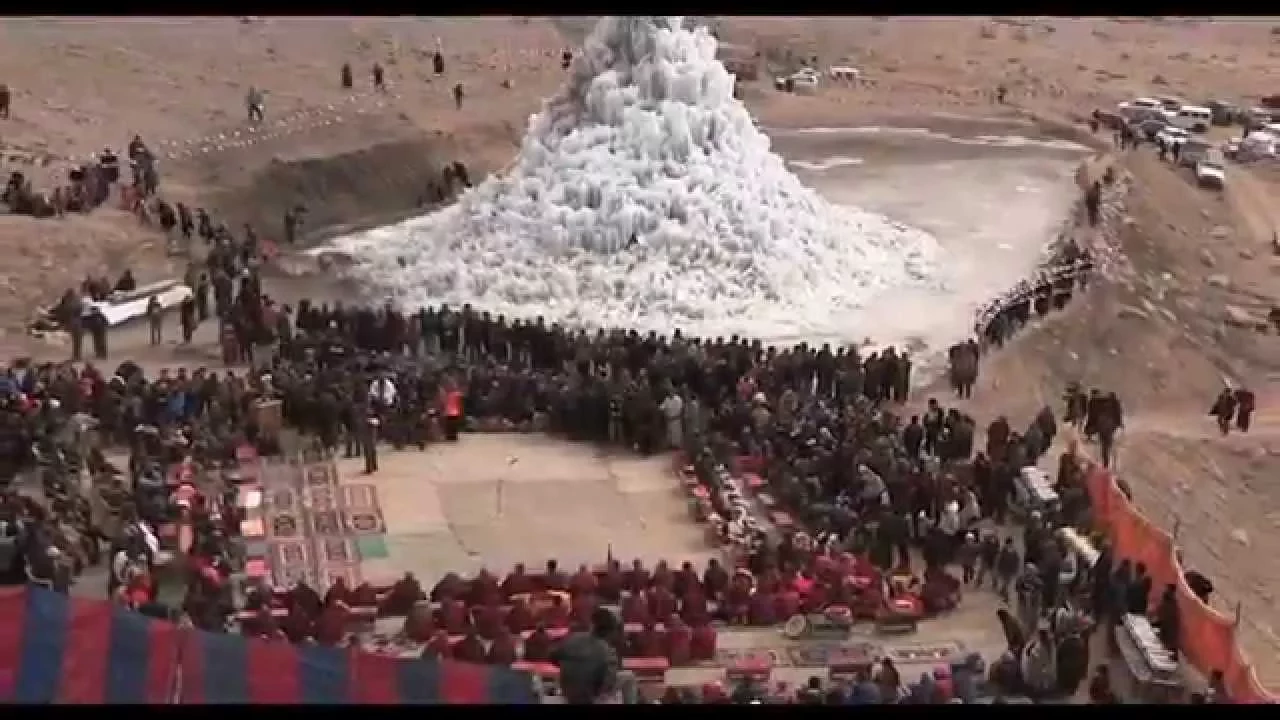
Ice Stupa Artificial Glaciers: Solving Ladakh's Water Crisis
@SonamWangchuk66
3.2M views•2015-05-03
Related Study Plans & Knowledge Roadmaps
Structured learning paths in Environmental Science