



![Jowisz najbliżej Ziemi! Obserwujemy na żywo przez teleskop i robimy zdjęcia! - [137]](https://i.ytimg.com/vi/bKwS7Keyvew/maxresdefault.jpg)

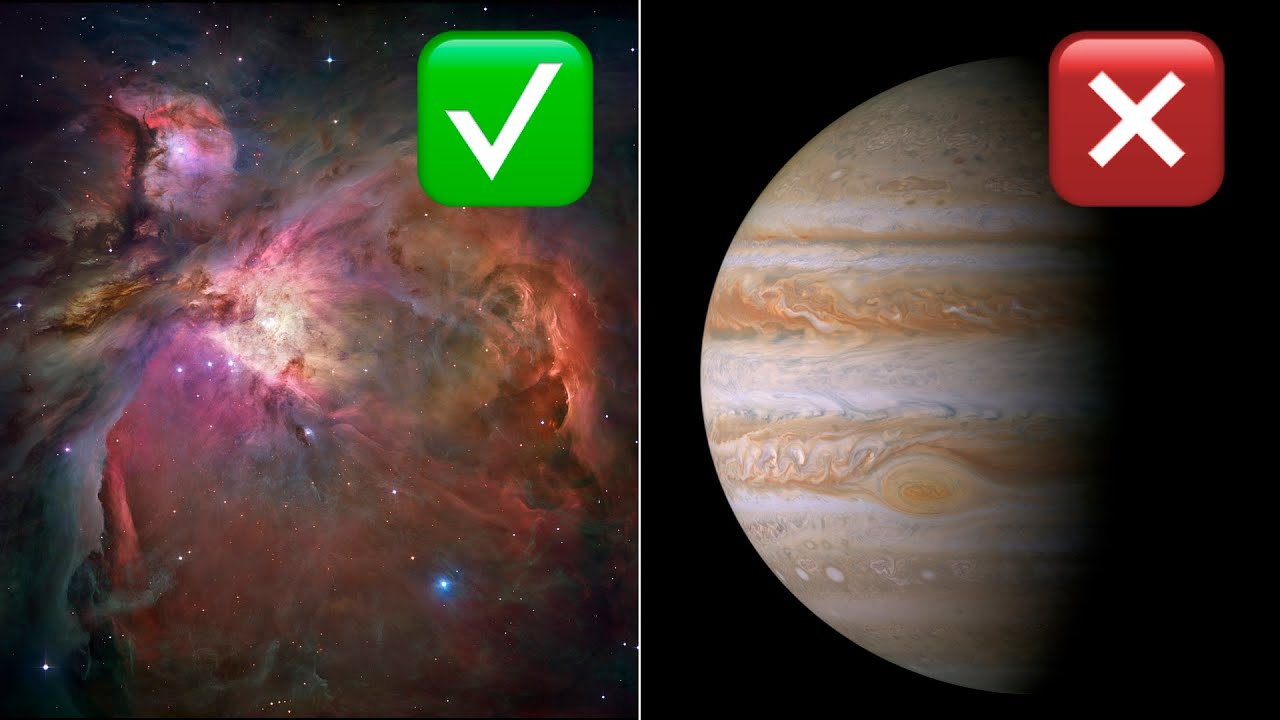










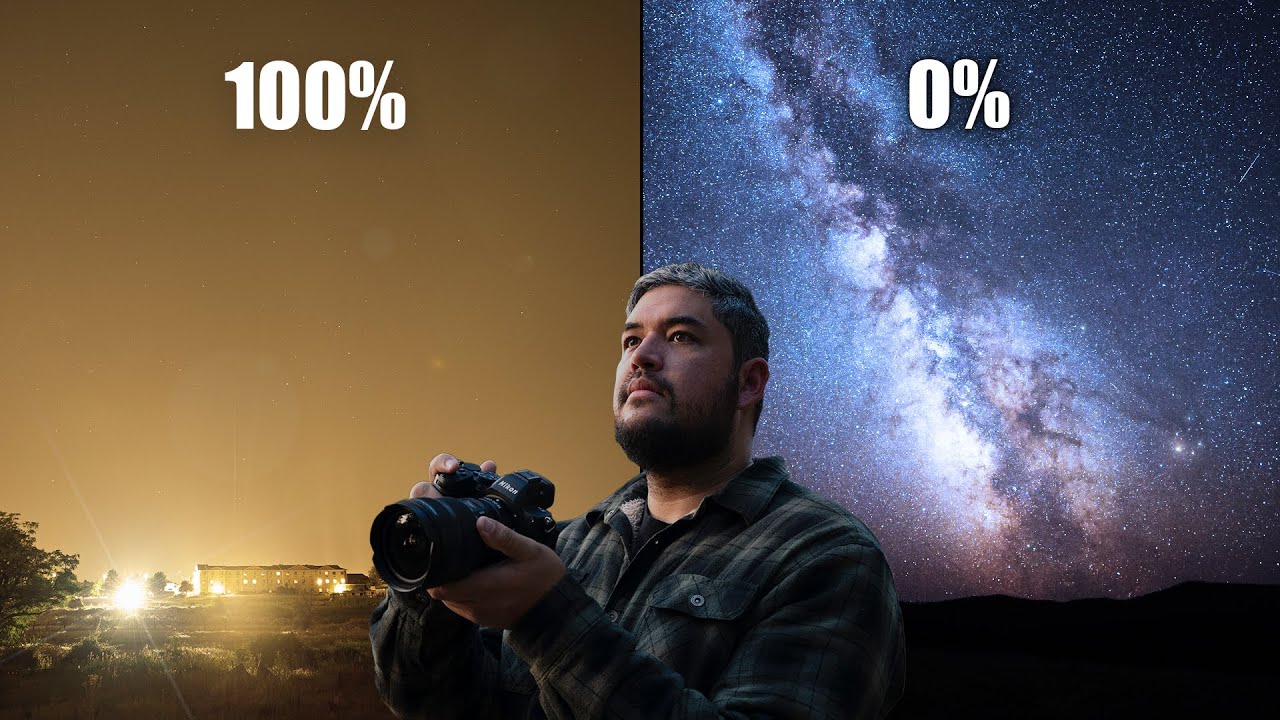


The Bortle Scale, developed by amateur astronomer John E. Bortle in 2001 and published in Sky & Telescope magazine, is a 1-9 classification system for measuring light pollution levels, where Class 1 represents the darkest skies suitable for viewing faint deep-sky objects and Class 9 represents heavily light-polluted urban skies. Knowing your local Bortle Scale rating is essential for visual astronomers because it determines which celestial objects you can actually observe; for example, in skies rated 7 and above, only the brightest deep-sky targets like the Orion Nebula and Andromeda Galaxy are visible, while fainter objects like the Crab Nebula become nearly impossible to see. This knowledge helps prevent unnecessary spending on large telescopes that won't perform well in light-polluted areas, as larger apertures simply collect more artificial light along with astronomical signals, reducing contrast rather than improving visibility.
Understanding the Bortle Scale: Dark Sky Classifications Explained (2025 Guide)
Added:foreign hello welcome back to the channel my name is Jason now the portal scale is one of those videos I wish I didn't have to make because what the bottle scale is if you're not familiar with it is a scale for measuring light pollution the bane of all astronomers lives now this is quite a it just shows you how much of a growing problem light pollution is because the bottle scale has only been around in the last few years in fact it was first published by John E bottle um an American amateur astronomer in the February edition of um the 2001 February edition of sky and Telescope magazine and he he published this article on the the bottle scale basically and it's the one that we use today now it's a simple scale to understand it just ranges or it's on like a class that starts between one and nine class one skies are basically the the darkest guys on Earth and class nine skies are the brightest most light polluted skies on Earth the inner cities now it is useful to know what your Sky conditions or your bottle um I'll get on to how you can actually find your Sky uh portal in in a short while uh but um especially for a visual astronomer such as myself and you like hunting for the Deep Sky targets now there's absolutely no point at all hunting for the very faint deep Sky targets if you live in Bottle Skies which are like seven and above um it's just not going to happen if you live in Sky seven and above there's still a lot of astronomy you can do there's certainly some of the brightest deep Sky targets that you're still going to be able to see such as the Orion Nebula Andromeda the Pleiades thing you know those sorts of brighter deep Sky targets but the fainter ones such as like the Crab Nebula and and things like that maybe even the Ring Nebula on seven and above you're going to struggle with in most you know in most average size telescopes but when you come to the mid-range of the bottle scale which I would say the vast majority of us are and that's round about the six um five maybe five and above um and it's like we we pretty much all live near or close to towns or cities and you wouldn't believe how much that really does affect the Dark Skies they may look like they mean in your local Town might or city maybe three or four miles away five miles away but that's dramatically going to affect that part of the Skies which you you've probably already found out but in the bottle uh places around about you know five and above or should I say between five and seven you're going to get your your deep Sky targets are going to start opening up a little bit and you are going to see you'll definitely see the um the Ring Nebula the crab sorry not the Crab Nebula the um dumbbell nebula we got a lot fainter and a lot more High harder to find than the obvious ones such as the around nebula which are going to be pretty easy to find like I say even in light polluted Skies but around the mid-range again you know there's no point on going for the really really faint deep stack deep Sky targets if you're anywhere above five and it doesn't even really matter if you've got a bigger telescope I'll get on to that in a short while so if we go right down to the um to the start of the scale if you like when we're going like you know four and Below these are ideal Sky conditions and to be honest if you're lucky enough to live in Bottle Skies four and a below there's not a lot you won't be able to see and I've always said even if you I mean if you take a at any telescope down to really good dark locations you can sort of add two inch of aperture to it it really does make that much difference um in Bottle Skies of around like say four and Below binoculars are going to work fantastically I mean binoculars just in normal Skies or are gray I love binocular astronomy but you take a pair of binoculars to some dark skies and I do mean Dark Skies it's unbelievable so if you are lucky enough you know that you're living these uh um darker Skies like I say Five and Below sky's the limit if you're pardoned upon and most telescopes will show you quite a lot of delights up there and there's not be a lot that you won't be able to see now we've just mentioned telescopes and aperture of telescopes and it is important if you're going going out to or thinking about buying a new telescope um to know your portal because there's no point in buying a big telescope if you've got high bottles um um class of Sky if you're above um seven or you know six and seven range don't go above an eight inch telescope because there's absolutely no point um an eight-inch telescope is perfect for all Sky conditions in my opinion in my opinion it's the perfect size telescope but if you can afford it and and you can say maybe a four to twelve inch telescope and you live in Bottle Skies of eight you're never going to get to use that telescope to its full potential the reason being is the big misconception I know we all talk about a size does matter in astronomy uh the bigger the telescope the better it the more things you'll see basically but there is a thing called aperture fever don't go too big even if you can afford it and especially if you live in live polluted skies and the misconception is that yes bigger telescopes are better because people think they magnify more in fact they don't it's the eyepiece that magnifies the image in any telescope what a telescope's job is is to gather light I've said it before on this channel but it's full of you may not have heard this before telescopes gather light so if you've got a great big light bulb buckets collecting now it's only supposed to be collecting Starlight or Planet light or Moonlight but unfortunately I'm that on light polluted Skies you're collecting all that other pollution as well that's what the telescope is doing now this is simply just going to like I said if you've got a big 12 inch light bucket light polluted Skies it's just going to be like turning the contrast way up you you're gonna have enough aperture to actually grasp that image but there's going to be too much artificial stray light coming into the telescope which is just going to drown it out the other thing about big telescopes is actually getting to use them um and being bothered to use them because you may have already found out sometimes there's only a very small window of opportunity in the break of clouds and uh a smaller telescope was so much easier to just get out and start using as we're dragging a you know a 10 12 inch big telescope about sometimes you think can I be bothered there's an old saying in this hobby uh and the best telescope is the telescope you use the most it's as simple as that and I know many people uh over the time who have had big telescopes and they hardly ever use them um you know simply the conditions don't allow it or they just like I say think well it's so much easier to just get my little five inch telescope out than it is that great old uh monstrosity in the corner so as you can see just knowing your bottle scale curtain actually save you a bit of time and definitely money if you're thinking about buying a telescope so how can you find out what your bottle is where you live well these days it's really easy a quick search on the internet and you'll you'll still you'll find it but uh my go-to app um is one I've mentioned on this channel before it's a free app I think it's available on both um IOS and Android and it's called clear outside now uh it's a weather app it's a weather station and it'll give you a good forecast for the entire evening it's the weather I use most um but as you can see if you just look at the top of that um app there um once you've inputted your coordinates you'll get your bottle and it'll just come up there so that's a really easy quick way I'll leave a link to that app in the description easy way of finding out what your bottle scale is well that's another video all wrapped up thank you so much for watching if you've watched this far I just want to say a quick massive thank you to all the uh super thanks uh you may have noticed that uh in the just below my videos there is a YouTube's introduce this new thing it's a super thanks and it's just simply if you just say I really enjoyed your video yeah they there you go Jay buy yourself a drink and it's very very much of a appreciated and a few of you have been uh doing it and you know you are and I I just want to say a massive thank you and like I say it is so much appreciated well folks don't forget um if you've enjoyed the video to hit that Thumbs Up Button uh maybe subscribe if you haven't subscribed I do do regular videos uh but to hit the no notifications I know I'm sounding like a bit of a stuck record at the minute but my videos are a bit up and down we're all over the place that I'm in it I am hoping to get everything balanced out so uh get more of an irregular thing I like to get at least a video a week out so don't forget hit that notifications Bell and you'll not miss the next one in the meantime folks take good care of yourselves and I will see you on the next one bye for now [Music]
Up Next

Restoring Night Skies: LED Lighting Strategies for Astronomy
@amateurtelescopemakersofbo2903
114 views•2023-09-23
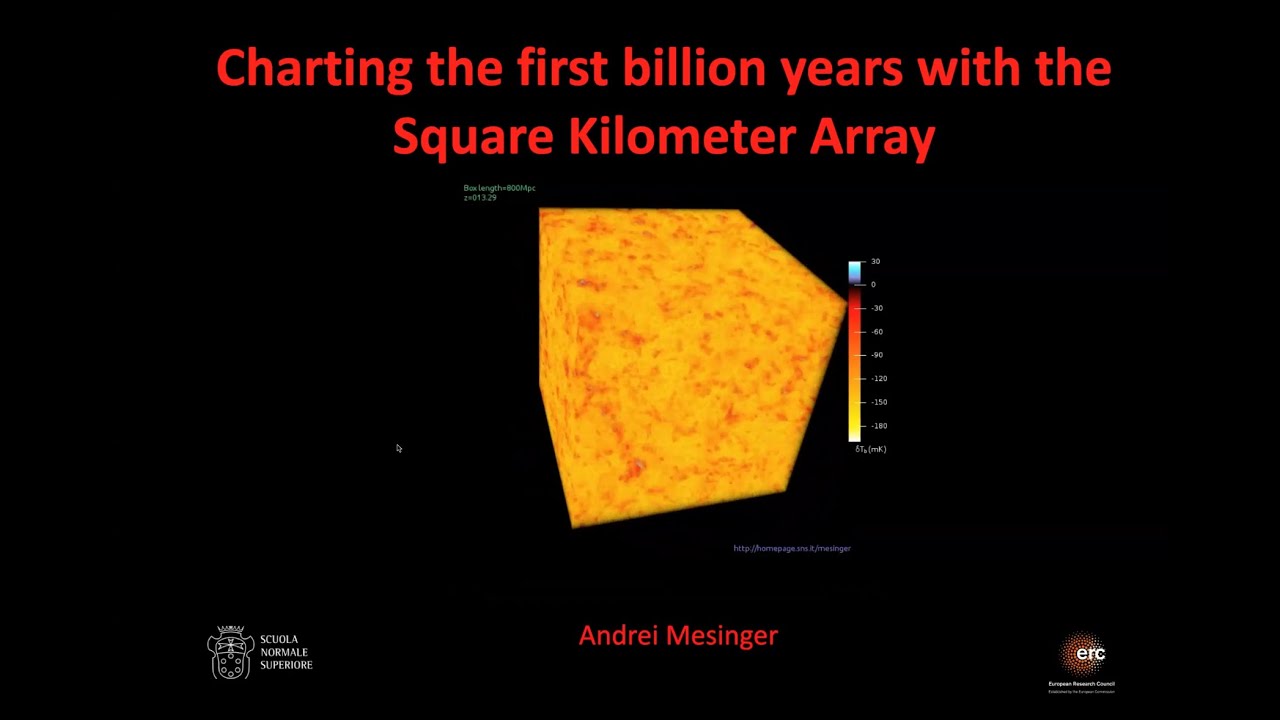
First Billion Years of the Universe with the Square Kilometre Array
@iaaudc
121 views•2022-05-26

Kepler's Laws of Planetary Motion Explained (Educational Astronomy Video)
@Peekaboo_Kidz
404.9K views•2023-02-17
Gamma-Ray Bursts: Cosmic Snipers Explained | Astronomy
@kurzgesagt
15M views•2016-07-31
Related Study Plans & Knowledge Roadmaps
Structured learning paths in Astronomy