






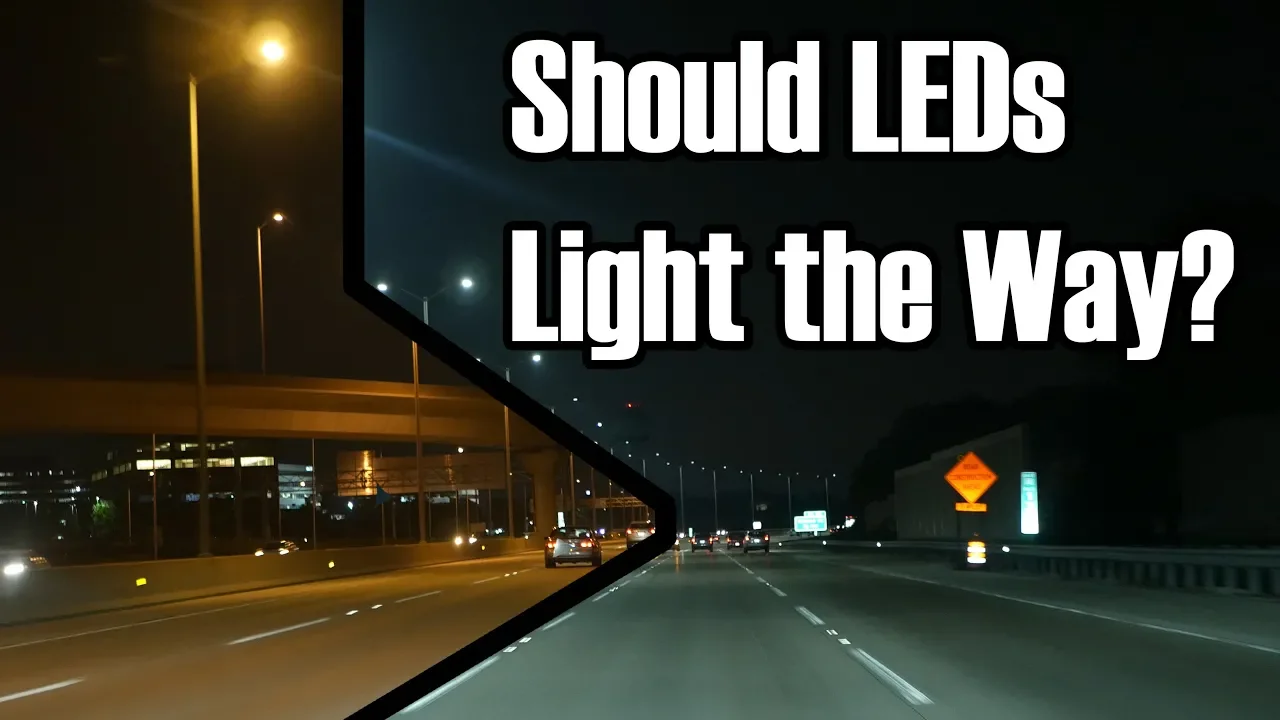









LED streetlight retrofitting following dark sky lighting best practices can significantly reduce light pollution while improving safety and reducing energy costs. A case study in Pepperell, MA demonstrated that retrofitting 50-watt high-pressure sodium lights to 30-50 watt LEDs with dimming controls achieved an 81% reduction in electricity consumption while restoring night sky visibility. The key factors for success include using fully shielded lights with 2200K-2700K color temperature, implementing dimming controls (50% during first two hours, 30% during middle of night, 50% during last two hours), and engaging with local government through committees and public surveys to build consensus for policy changes.
Restoring Night Skies: LED Lighting Strategies for Astronomy
Added:Understanding the basic causes and types of light pollution—such as skyglow, glare, and light trespass—and how they obscure celestial objects.
Basic concepts of observational astronomy, particularly how ambient ground light affects telescope sensitivity, limiting magnitude, and the signal-to-noise ratio.
The physical differences between traditional outdoor lighting (e.g., high-pressure sodium lamps) and LED technology, specifically regarding spectral distribution and the prevalence of blue light.
Drafting and implementing local municipal lighting ordinances and policy frameworks based on International Dark-Sky Association (IDA) guidelines.
The ecological and biological consequences of artificial light at night (ALAN) on wildlife migration patterns, ecosystems, and human circadian rhythms.
Advanced engineering solutions in public infrastructure, including full-cutoff optical shielding, warm-correlated color temperature (CCT) LEDs, and smart, motion-activated dimming grids.
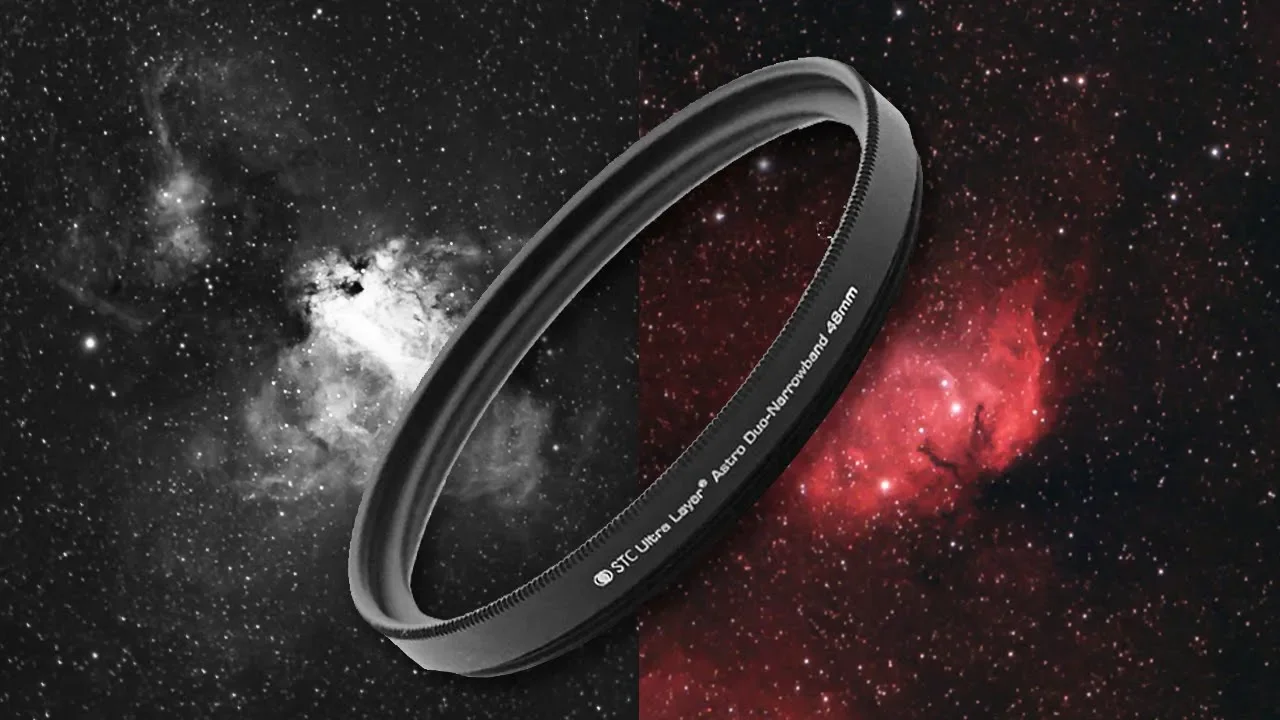
Utilizing astronomical filters (such as narrowband and light-pollution suppression filters) and image-processing techniques to isolate celestial signals from urban skyglow.
114 views0likes1:56:29Original Release: 2023-09-23
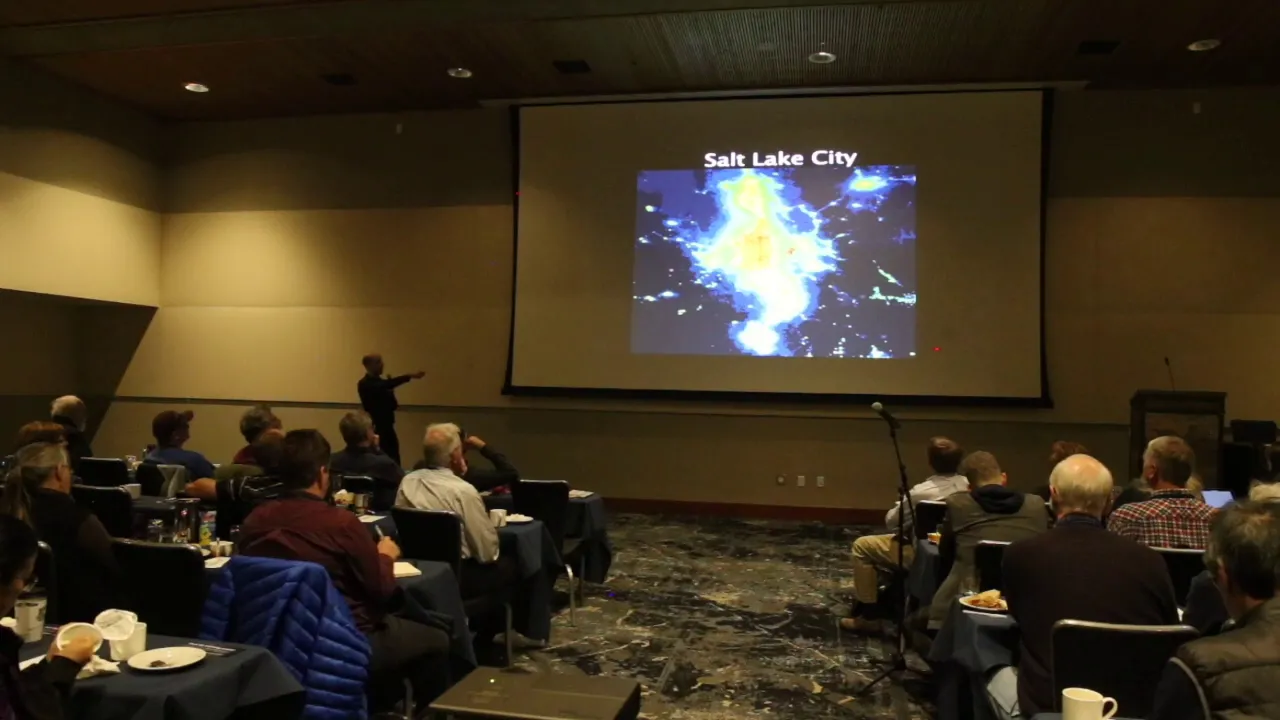
so I'd like to welcome everyone to the uh 966th monthly meeting of the amateur telescope makers of Boston our guest speaker today will be Tim Brothers talking about night sky restoration uh yes yeah it's a Glenn slider there's nothing I could do about this so um Glenn always likes to put some humor in here Glenn are you with us tonight did you thank you ever show up Glenn can you hear me okay oh he's here Glenn's here okay do you want to do the first part sure can you see everything I'm getting a kind of a bad connection but can you hear me now you can we can hear just fine so this is Glenn's uh this is Glenn's humor um sound Imaging the Milky Way in its core um pretty funny can you see that one okay we'll go to the first slide then okay you with us can you see it yeah you want to read it okay they're saying again sorry I'm having some you know the connections here at my end so I don't know if you can hear me instantaneous go ahead I'm sorry all right um our saying is from uh he's a Turkish play right nothing he may have ill then who was born in 1959 but says you need a poetic touch from outer space then you need the Moonlight that was especially set up for Romario and uh I have another one I kind of Googled him and I thought he's kind of an interest ING saying that he came up with so I was going to share this as well if you want to appreciate the Sun be a minor the value of the land and be a sailor and to long for freedom get married so here's the clubhouse observing schedule for the next couple of months and you can I'm not going to read it for you you can see it it's on the event calendar um but uh what we've what we've done for the last year is around the last quarter moon and the new moon we've set Duty assignments up to the clubhouse weather permitting of course um watch your email um to to make sure that somebody's going to be at the clubhouse um this weekend is Rosh Hashanah and we didn't put anybody down but it might be clear Saturday night I don't think it's going to be clear tomorrow night but maybe we can get somebody up there on Saturday night just watch your emails to see um when the clubhouse is open but they're all on the event calendar and I've already started to lay out uh the calendar for 2024 as well so um we're going to push forward with that um now Smith in this year um uh was able to capture uh this International Space Station transiting the sun uh just the other day uh Corey I don't know if I if I click that link will work do you think I can I can get it to go you can get that to go I just have to do a little funny with oh yeah so as you can imagine every time the International Space Station passes over the United States during the daytime there is a Papal on the ground where an observer with safe filtering will can see the ISS Transit the Sun and long ago you were you basically had to wing it from heavensabove.com and try to do some calculations and make it work but nowadays um there I'll show I'll share with you the website in a second is the see that little guy that's it there it is see how fast there you go right across Is that real time no I don't know but I can I can tell you yeah depending on depending on where the things moving depending on where the space station is you know relative to you and the sun if the Sun is low on the horizon or the ISS to Transit of course it's got to be pretty far away and those transits last for about three seconds when the sun is nearly overhead the transits last for about one second less than 0.6 sometimes very fast and the best way to see them is to again head them off at the pass be on the sun with a filter um focused ready to roll I usually set my phone timer and when there's five seconds left I open my eyes and don't blink and right across the time it goes are we back on let's get back on the uh and my ongoing um there we go so let me click this slide so here's the here's the best way for you to get information about these sorts of things um ISS Transit finder is a website you can go to um it'll Auto you can Auto detect your location based on your IP address or you can select from a map and calculate and it will give you for about two or three weeks all the transits lunar and solar for the ISS and for the Chinese space station in this particular case on uh Saturday the 30th of September um there's going to be a Transit on this path I I this slide was for uh I gave a talk on observing satellites to the Rhode Island Club and this was a slide from there but um you can find yourself you can zoom in you can find yourself on that Center Line if you want and um that's something to do you know again you're looking at the Sun so safe solar absorbing at all times right um but it's um it's just a just a sort of a thing you can just sort of do just for fun um sometimes it translates the Moon sometimes it's in Shadow sometimes it's illuminated your homework your ongoing homework assignment has been for years no one seems to turn it in um if you've never looked at the International Space Station through your telescope um I beg you to try it um the ISS just last night started making evening passes over New England and I would suggest using medium power about 30 power if it's if it's larger than an agent scope you may want to put a moon filter in to cut the glare down you do have to trap it by hand right but you can actually see the structure of the space station it's it's big it's the size of the football field and when they're straight overhead they're only about 240 miles high it seems like a long way off but how many seconds of Arc is that so 20 something seconds I think so when you look at when you look at images of the of the ISS transiting the moon and compare the the apparent size of it to craters on the moon you go wow look at that that's huge so you can actually see it and it's kind of fun to do um I like if I'm going to do it what I like to do is to catch it on an overhead pass and I I find it as it's coming up because as it's rising towards you it's motion across the sky is very large right because it's still it's far away it's coming towards you the image is small but you can see it more easily in your telescope when it's overhead it's going so fast there's no way to then you got to flip when you get over the meridian and too much of a pain but ISS Transit finder is a great way to do that so thanks NASA for sharing that with us um these are from Christine one of Venus and one of the sun nice Christine's been getting out in the daytime to look at Venus um just past um inferior conjunction back uh in August nice and that's a nice shot of the sun Christine do you want to say anything about the what you've done here the inferior conjunction was you know you got me inspired on that I've done that quite a bit but I've never aged it before boy that was uh interesting um you know that it's funny in my classroom I have those two images up on the coordinate you know and I you know kind of go through the Tommy history and stuff with them but I have the Sun up there almost in you know real and I said this you know this is where the sun is in comparison to where Venus is and so you know that seven 742 is really close um the summer shoes in a Takahashi FC uh 100 and the sun was going past the last Apple unblocked so you definitely I've used Shields you know long long long almost like a sale to cast a shadow across the objective yeah and I've also used with great success um just an aperture um I put a um three foot like a five inch box um three foot on the end you know over the Dew shield and even then it was hitting the objective itself I mean but all that really does is it causes glare and an ideal of viewing it's not gonna it's no it's not that direct sunlight's entering your IVs it's just that sunlight is falling in the onto the Optics right and that can cause a lot of glare um that's why I I like that that's a challenging image to God I got that very early in the morning it was you know nine or ten o'clock and what what date was that was that oh good so that was right in inferior conjunction yeah this was an easy one 742 that's pretty far away from the Sun I can't imagine getting it much closer than that time you know my record right my personal best 1.69 degrees away from the limb of the sun yep the unfiltered telescope look no white cane everything's good everything still works um the sun uh I I sent out an email this morning Mario took advantage of it I don't know if anybody else got there to look at the promises but they were Beauties today uh there was a big filament that was been rotating on the sun is on the limb now so it's this big giant push of promises is really pretty nice this morning but that's H Alpha stuff so anyway um Glenn always reviews the the observance challenge so for August it was uh and uh m56 one of my uh one of my favorite um message objects uh it's just a lovely star field a beautiful globular cluster that is unresolved in smaller telescopes um this is Chris was this with the um look at that huh that is just beautiful that was Chris's here's one by Doug Paul you can clearly see it's a globular cluster again in backyard telescope smaller backyard telescopes it's just a misty glow in the in the uh in the uh the star field but I love it it's so pretty and there's Mario 32 inch yeah this is what you can do with the 32 inch a quick comment sure the well you can see Mario's image looks a lot denser than mine yep by adjusting the compression in your processing you couldn't do you basically control that so you can come up with either image depending on how you process oh nice nice beautiful work you guys nice I'm amazed at what images can pull out of the sky and here's Glenn's um here's Glenn's sketch of it was a little bit of resolution um Glenn typically likes uses three inch telescope so this may be with a three inch foreign yeah go ahead yeah the connection's pretty bad here so um but they this is for the 10 inch and even then there was just a little bit of um resolution it's a small globular and the easy way I found to locate it by startup and you just look about midway between gamma Lyra and alberio yeah and then just they just telescope a little bit closer just to a low power Suite but it does look like a comet uh with low power and with a small telescope but this sketch is made with a 10 inch scope so you can see a little bit of resolution now there are some stars that were sprinkling out that's awesome Glenn um observing highlights for the month coming up um on Friday September 22nd Mercury reaches greatest elongation West at 17.8 degrees you couldn't want for a better elongation right on the on the on the day of the Equinox um these are this is a morning Apparition with Mercury standing fairly high above the Horizon at Sunrise um Venus is right there with it of course and uh Venus reaches greatest brilliancy uh on the 18th and 19th of September usually about 36 days prior to and posts inferior conjunction Venus presents its greatest uh extent it's greatest brilliancy so that's something to look forward to and again try observing it in the daytime Jupiter is rising in the mid evening with opposition on the third uh on on Sunday August 27th San reached opposition with a ring tilt of 9.2 degrees still a little bit low in eastern capricornus but try and see if you can still see the Cassini division you need pretty good scene to do that because the tilt of the Rings is pretty it's starting to close up uh pretty much but that's something you can try for um Neptune Neptune is at 97.8 Uranus is at Rising with Jupiter at 5.7 so those are some things you can look for I decided that we should go forward with um a variable star of the month and I know Glenn's favorite or one of his favorites is algol uh beta Persei um two point uh two days and 20 hours where eclipses uh this is an eclipsing binary uh the eclipse is the last nine hours and 40 minutes and in the next month or so there are a couple of good opportunities to um to watch this um on September 16th minimum occurs actually 112 in the eight in the morning on the 17th when you can watch it Saturday night on the 16th uh this Saturday night drop in brightness and then on Monday October 9th minute was at 11 42 if you good night out you can watch the whole eclipse and it drops um Glenn is it about a magnitude it goes from uh I think it's something like 2.2 to 3.4 it's all for magnitude it's very noticeable yeah it's a naked eye sort of event so it actually changes in real time almost so that's a very the variable start of the month the double start of the month is Russ I'll get um Jeffy uh Alpha Hercules which is uh struva 2140. I was looking at it the other night I was like can I get a I'm gonna start looking at more double stars because they're really cool to look at and with light pollution being what it is especially with the Canadian Wildfire smoke overs have you guys noticed how horrible the sky's pen yes the daytime sky looks clear the nighttime sky looks milky white because that smoke is reflecting light down back at us um but this is a beautiful pair of stars and the challenge is to determine you know what colors you actually see um the the primary star is an M5 so an orange star with a G5 secondary which a lot of people claim look either greenish or bluish it's probably just a difference in color but 360 light years away that's a pretty nice double star easy to find still in the summary Skies so there's that um of course on whoops on Saturday October 14th is a little ahead of our next meeting it's just beyond our next meeting um we have the annular eclipse of the sun anybody traveling to the Southwest to see it Mario good you'll have a nice report for us uh in November right um here in the Boston area about 27 of the sun will be covered 29 29 in Boston okay um maybe that's Framingham but there's the path of annularity so um that's something to to we have no Outreach events planned for that day but if you're going to share it with your neighbors make sure that you really are careful with safe solar observing never ever ever leave a telescope an unfill the telescope alone in the daytime where people might inadvertently pointed at the Sun not knowing um a full aperture filter is ideal I always tape mine down if I'm going to show people you know just to just because I just don't want to risk the thing falling off the telescope I like to use the herschel's wedge I was using one this morning to look at um to look at sunspots um and also you can use H Alpha if you have a scope like that um but yeah please be careful absorbing the sun it is very dangerous to do that um the September observing challenges NGC 6891 is the planetary in delphinus this is Doug Paul's very close-up if you look carefully I don't know if you can see it in the slide yes you can essential star and a little bit of that inner structure this requires to see it like that lots and lots and lots of magnification so that's a 400 of the internship in scale okay I'm going to bring that out yeah this one's a very bright it's it's bright but it's small and so and it's a nice color too you'll like a color on this one um but that's the object of my Ms Mario's image of it right there but it is very tiny and like with all planetaries they had it's it it's um the view is enhanced with uh oxygen 3 or UHC filtered that's right yeah here's Glenn shot and there it is in the middle can you see it this is it right here this little tiny thing again can you can you hear me because the connection here is pretty bad but I can hear you uh what I caught here this is where the 10 inch scope and what I caught was just the bright central part I didn't catch any of the auto parts the whole thing is about 16 to 20 Arc seconds across but probably I saw the middle 10 and because it was so small I needed the O3 filter I just splash it back and forth and the field star with dim while this object Remains the Same brightness so that's how I was able to confirm it was a planetary nebula just remember if you're going to use an oxy 3 filter they're such a narrow band pass that you do need a little bit of aperture to drive the light through the filter if you use a small telescope and then oxy-3 filter it's almost like looking down a black tube so just bear that in mind if you uh if you have one thanks Glenn um the October challenge is NGC 70 27 a planetary nebula and cygnus and again Doug that's your picture as well look at how tiny that thing is right that's a full print almost a full frame now these planetaries are they are intrinsically small objects maybe a light year across and they are typically pretty far away I tried to show enough context to help people find some stars to hop in on but there's as you can see there isn't much yeah it's a tricky one to get to I think it's relatively easy to see but it's a little bit although it's near dinab as you can see in this picture if you use if you use starhub you can get to it a go-to telescope will take you right to it but again it's tiny and it responds well to filters and again I'll jump in we can get back to that slide yep yeah I checked it out with a 10 inch again and I did it by star hopping from I think it's uh new Sydney just a little bit to the the lower right in that particular sketch there that particular chart and uh it says it's about the same brightness as 68.91 but I it looked to me to be much brighter definitely larger and it's a beautiful sight it was very blue that high power I checked it out about 204 power and I still use the 03 filter needed to confirm this object was definitely a planetary nebulance that's a beautiful object to look for so again I encourage you to go check out 6891 and then this one just to compare the two and as I say always keep looking up and I hope I'll be back next month with a better back take care be well done there's also a pair of brightest stars I think around ninth or tenth magnitude but they're they're cropped out of my image number close enough to use to Starhawk right uh possibly I mean they're about a half degree away or so they're to the off to the upper right outer frame here I know Steve Harvey likes this object so if you're up at the observing site and we're all out there observing ask Stephen if he'll pop it on to 70 27 he loves that one so that's coming up and again just to give you some stats on these things um keppelin Center the Knight observers handbooks um m56 has got four stars um three uh four for the September object in November's objects only got three stars um and um yeah there you have it pretty good they're pretty interesting objects to look at so with that we'll uh introduce our guest speaker Tim brothers and his talk is about the night sky restoration so Tim Brothers is an observatory manager at mit's Wallace after physical Observatory just down the hill from the clubhouse and a technical instructor at the department of Earth atmosphere and planetary Sciences he also co-founded the Massachusetts chapter of dark sky International where he is primarily focused on outdoor lighting policy in the region Tim was recently awarded a minor planet designation 28992 10 Brothers 2001 mw28 reporters so Tim's talk will be about in this recent case study of an LED street light retrofit in Pepperell Mass which followed dark sky lighting best practices and the encouraging results of the retrofit could provide a good template for many more towns across New England so please welcome Tim foreign [Applause] hi everyone uh good to see many of you some of you have seen quite a few times before mostly in the dark so if they don't recognize your face that's probably why I know I'm sure this crowd is used to it uh so today I'm going to be talking actually I I ended up deciding to split this talk into a few different subjects uh because I have a lot to talk about and so the talk is a little bit all over the place but bear with me uh but Wallace Observatory uh your friendly neighborhood Observatory at MIT right next to you guys in the same property uh about what is it about one kilometer away um has reached its 50th anniversary in 2021 but of course you know we've had covet and a variety of other things going on and so uh but we didn't stop observing we kept going in fact we never really missed a beat we never canceled the class uh we continued doing our research and we did that because we had really invested a lot in in automation which is going to be the second part uh part of this talk so I'm going to focus mostly on light pollution and the case study we did in nearby Town Pepperell which is not too far from the Atma Clubhouse but I'm going to talk a little bit about Automation and also where this Observatory we see where we see it going in the future over the next 50 years and and some opportunities I think that will lead to more collaboration and one of those groups where it looks interested in collaborating with more with is admob so I'll get to that in the very end but there's some real science opportunities that we have now that we've we've sort of kicked the tires in this automation system that we've been working on okay so uh This Crowd as opposed to the usual talk I give unlike pollution I think all of you are well versed so I'm going to skip all of the rudimentary what is light pollution try to boil it down the way that it's sort of a narrative form and how I made some change actually happen in the town of Pepperell and some other places that we're looking at working with and also some sort of not so hidden dangers that are coming down the pipeline near both of our observatories so the thing that I think has gained the most traction is that um well we all care about the Stars we're all passionate about it the light pollution angle you really need to boil it down to something that is understandable and tangible and people really care about and that can hit a few different groups with two words which is energy waste and anytime you're wasteful you're also wasting something else money that's a really good tool to convince policy makers change because frankly you're not going to get a Town Council to change your Town's laws because of stars we've tried that it's not the selling point what it's going to sell is focusing on your message and down is some something that's digestible and simple and that you can actually move forward with and one thing we have to remember too is that little things can make a big difference so this I always show my students because we took this during class into September class that we'll be actually starting to teach on Monday again as we always do and this is just with your typical Canon Rebel DSLR and tripod there's nothing special it's just the stock lens and it's a decent view of the Milky Way when we could still see it at Wallace um but of course we see this this red banding on the side and I have no one to blame but ourselves because it's just a little 25 watt red incandescent bulbs we have in our Dome that did that off axis so little lights can make a big difference uh when we're observing uh what I do want to focus on is the concept of Sky glow so the thing that everybody in this room cares about in terms of seeing these you know for example the beautiful nebulas that you guys were just showing uh this part really matters a lot and it's been studied fairly well now and we think we know the causes and so if we know the causes then we can start to Target what the solutions actually need to be in the real world so the department of energy is actually studied this quite a bit now and so they have lots of nice easy easily readable reports and and this sentence here I think sort of pulls it together what's really contributing which is uh the influence of Sky glow is mainly from spectral power distribution which is a fancy way of saying what is the the color content of the light the total Lumen output so that's the the overall brightness the output of the light bulb itself in the distribution where is it pointing but the most important thing is the uplight the percentage of those lumens that are pointing up into the atmosphere and and then it gets a little bit more complicated depending on the angle and so on but let's just sort of think about those four things as we go forward so this this is an image that you know if you've been to our website uh every so many minutes I think this old camera this was an old s big colorized all Sky camera that we had up there for about eight or ten years and it would post these images um pure athlete where I'll show you the new version uh soon but you know even back then you could see um evidence that the Sky low was changing even quantitatively we could start to measure it and we could start to see that certain things were changing so I started in 2009 at the observatory and certainly there's people still working there that have been there much longer and we always had this towards the east east right so Lowell and Chelmsford um you know Nashville is up here but it was always sort of Darker from due south over towards the West so Groton Dunstable pepper is kind of way over here uh acting and and then you started seeing significant changes uh right after 2010 2015 in that area uh when the car dealership came in and all the strip malls and another strip mall and then movie theater and so on and so we lost all of this um the ironic thing about me getting this asteroid which was super cool and I really very much appreciate um even with our 24 inch plane wave telescope I can't see it so at 19th magnitude I can't see anything in here anymore and that's devastating because we're a planetary science department so we're the you know astronomers are smeared across the campus and MIT we don't have an astronomy department so we have a planetary science department we have a physics department and a few other departments and so I think we're actually spread out over maybe five departments now but we focus in our group on planetary science so everything we look at so I'm here of course in the South and we're losing day by day Stars objects Kuiper Belt objects asteroids and so on and so on there are things we can no longer study that we could when I started there so being astronomer very aware of that but then what really hit home was that we lost the Milky Way it's it's gone now we can't visually see it anymore and so that's sort of startling twist because we also do education we do Outreach and that's just sort of sad um the good news I think we have a path forward so what I'm going to focus on is the town we live in because sometimes you have to start at home because you understand the terrain the politics and uh there was an opportunity here that we seized upon uh so a little bit about Pepperell for those who don't know it's a small town about 12 000 it's still mostly rural uh there's a lot of farmlands 16 of our land is used directly for farming uh that's probably actually increasing a lot of people have been more and more into farming um but it is under threat we have several wild and federally designated wild and Scenic Rivers just like the other I think 15 towns around us the Nashua squandercook which are all very high right now in the flooding uh and we also did some studies when I first came to town they were working on a new master plan so this is another opportunity to make change uh every 10 or 20 years of town will develop a new master plan and one of there was a lot of surveys that went out to people who live in the town in 84 percent of the people that live in town wanted to keep a rural character and one of the components that was cited for that rural character was our Dark Skies so regardless of politics people really like the Dark Skies we can disagree about how to keep them but that was an important thing parallel to that we were swiftly losing those dark skies uh taking some some archive data and then some sqm data on my own I came up with a rough number that in general for for this geographic area uh sky blue was increasing by about six point eight percent a year which sort of makes sense if you've seen the recent reports in science that says you know rural areas or maybe nationally on average I think it's about 10.1 percent per year so that sort of made General sense that the scary part when I actually projected those increases that we would be losing Milky Way in about five years when I first looked at this so you can see just qualitatively here's purple Center and by Center I mean there's nothing open in the middle of the night April is generally shut down by eight o'clock but there's a lot of Lights downtown and then I live kind of a darker end kind of over here but even that you know the the darker areas you know I think when I moved to town it was about 20.7 magnitude in my backyard and I live in a Main Street um so just a couple hundred feet back from the road it was about 20.7 which is pretty good uh and then it started you know I think a few years ago is 2023 so it changed significantly and this was by the way we have lots of conservation land this is one of the darker areas this is looking at the Milky Way um I think this was August or September and there's lots of sky goes so this is the North Middlesex High School that has all of its lights it's a massive campus on at night even no one's there same thing for the Hannaford Supermarket that's right behind it so we had our challenge cut out for us and then the thing that really pushed me over the edge was all of a sudden driving home from the observatory as one does at three in the morning I was startled to see this so this is on Route 40 right down the road from your Observatory my Observatory uh Grand you know just like many towns seemingly overnight you know it takes a few days to change it down street lights now I said what's that where did that come from I couldn't see anything and and I'll tell you anybody who drives this road at night there is always a deer right there yeah let's just kind of point out that's a bad light because you can't see past the light yeah so so there's there's no contrast here for objects in the Middle Ground you could have someone lying in the road you'd run them over yeah and there's been numerous times I mean I'm sure people want to drive me off the road I think they do but I drive 20 miles an hour because you can't see anything with these lights now and so it's super dangerous never mind Stars it's just super dangerous um and then in inclement weather so this is you know a few months later I took this picture this is uh when you get onto 119 you go into Groton Center which is now completely over lit it looks like daylight in the middle of the night uh and the same lines these are 4000k very importantly shielded overly bright um and what you can't see here is a crosswalk right here there's a crosswalk sign if someone was entering and honestly with your eye it's even worse than what this image shows you would not be able to see someone in front of you with the glare so that's a that's a super big problem and that's where I started to think okay maybe I should actually stop complaining and do something and so my first attempt was our first Town Administrator back in 2017 right after I saw these lights and I I tried it I think I I made me more than taco and berated him and that was not the best approach um so what happened is you know yes he took my meetings but then we put in more lights and so what happened is the state with good intentions tried to subsidize cutting energy and this is what we got in town and and I could go on I could show you a million examples of all the towns in the area it's all the same stuff um our library got lights where they didn't have them before they're mounted about 16 feet in the air half the light shines up into space um by the way we have a pollinator Garden right behind here with the wall packs that shine right into it uh this is our fire station uh some of these are on actually what happens is it sort of like it looks like a UFO in the middle of the night some of these lights blink in different uh speeds and so they're blinking all over the place you can't see anything and notice the hard Shadows The Untold by the police the purpose is that uh to prevent people from stealing things from the fire department well you're not going to see anything with this kind of glare um so where did I go wrong with this right I made all these meetings that I thought we came to an agreement that we weren't going to do this well the problem is I only met with one person so you need to build a consensus you need to build a team my messaging was too dense too much jargon it was not digestible for the average person and again don't talk about stars uh Focus too much on the cost of bad lighting I I didn't talk about the benefits of good lighting so new strategy do-over um the idea here was that keep getting out there keeping the activist on one side getting the paper convince your allies build your army but when you deal with the town act like a consultant talk about saving the money talk about saving the money and talk about saving money talk about increasing safety try to find the people who actually make the decision in one meetings with them and then and then from there build on to the other committees um has to be part of the team a lot of times these decisions for what lights are going to go in are casually decided and meeting by one person just because the salesman says this is probably your best option but they're not lighting Engineers neither was I I had to learn a lot along the way but getting those meetings find out what they're actually proposing and try to slow things down that's probably my best advice slow things down yes Mario in Gloucester in 2008 I got the mayor to appoint me to there's a freebie to a lighting commission and energy committee on this out of town times we're always looking for volunteers volunteers one night a month and now you have direct input and you are the decision maker that's very good advice and that's actually you're skipping to my next slide thank you Mario okay but um before we get to joining committees um this is the kind of thing you want to arm yourself and don't try to digest everything that's on this is a dead slide but the point of this slide when you show policy makers is showing examples of how you can save money with the thing you're trying to change so for example uh I got this publicly available slide about how Cambridge Mass which is one of the first cities in Massachusetts to dim their street lights while I wouldn't say their lights are perfect they did Dim them and it sort of showed as a path forward at least that you can save a lot of money using the dimming controls and then you can look at other things because tall buildings also have a huge impact on light pollution deaths of birds and and you know migrating animals and stuff like that so things like this which shows occupancy sensors can save you 90 of your electricity and it really comes down to just showing them there's you know try to explain really simple words there's this thing called a seven pin controller it looks like a cup it just goes on top of your light and it plugs in and then magic happens and you cut your electricity and you save money so try to really boil it down to something simple and use those words it's simple what does that controller do yeah so a seven pin controller can do a lot of things and so this is sort of the neat thing about uh LED street lights so initially when LED street lights came out they were pre-programmed to a certain wattage and if you wanted it then they had to be dimmed in the factory and then you couldn't change it again so a lot of places just didn't do it at all but these new controllers they are either connected through Wi-Fi or 5G or other types of 4G signals and they can talk to each other or they can talk to the town hall and you can control all of them or individually with a phone app essentially and there's other things you can go on there you can stack them you can add so you can control what the light does but you can also add things like 5G Wi-Fi for neighborhoods that don't have internet access you can add and you don't need starlink right you can add traffic sensors you can add security cameras you can do all sorts of neat things but we're just going to focus on light for now so just that little thing now that it does cost money and the town would have to invest in that they'd have to pay for a service but as opposed to saving maybe 50 60 of your electricity now you can start accessing um 80 90 savings so that's really exciting so to Mario's point I did join a committee um this is one way to do it uh we had a standing committee accountant called the light air and noise bylaw committee so we started with noise we developed a noise bylaw we tried to pass a light bylaw it failed by seven votes but along the way that gave us a lot of time to over a couple years meeting together sometimes with people who opposed us some of those people are on the same committee we developed some things that were sort of common sense that we figured out what the town could handle in terms of changing the policy changing what the lights were and then it sort of gave us an excuse to start documenting things and also gave us an excuse to make an official Town page that even our detractors couldn't mess with right because now it's public record so we just dumped everything available on the web um I'm not sure if it's still there but it should be and um we started examining different things like maybe some people were really interested in Dark Skies but maybe some people are more interested in pedestrian safety or maybe there's even an endangered animal so it turns out there is an endangered animal and it's on actually the property where element is well right it's The Landings turtle and that is a great tool to pushing again light pollution because we know things like turtles are super susceptible to light pollution so that gave us sort of a a wedge right to say wait a minute let's throw a thing down let's talk to for example the Conservation Commission let's see what they think and start pulling together different groups of people that were like yeah that's that's probably a good idea and that gives you support when you go to the bigger meetings before you start dealing with the well these folks um because this is going to happen uh you're going to get people that are going to push back on you and they're going to say lots of things um so be prepared for that have questions written down that you think they're going to ask and start answering them be prepared so that you don't sort of seem caught off guard because what they're going to say is well you didn't really think this through maybe we should table this that happens all the time we saw in Pepperell we're seeing it right now in Amherst Massachusetts where we're we have quite a fight against a bylaw um and so literally I mean these are things people said I mean I'm not joking people said bears that bears will eat my children if you have a life by love so people are going to say crazy things but just be prepared for that learn the statistics dark sky Massachusetts can help you we've gone through all these these things and and we've got quite a bit of experience and documentation that we can help you with uh one of the biggest things was that it's gonna cost more we definitely proved that wasn't true we'll get to that um there's lots of studies about you know whether it's safe or not um and also that a lot of people say that well there's just no good light that's not true there's plenty of good bites the other thing is be prepared for how to deal with when the sales team comes because this is how this actually works right so either it's going to be a utility that comes to your town or it's going to be a developer or it's going to be some big company that wants to sell your town on lights and that's fine you know that's we want to save electricity we want to cut our carbon but you have to sort of understand what you're looking at and you know sort of understanding that you know we got to look for the wattage we gotta look for the savings we came prepared for our meeting with a list of Demands and we were really worried I sort of made a big list and thought well maybe they're going to scratch three of these out and I'll get three of these and it will be a victory when the lighting designers looked at this they said oh that's no big deal so we were really worried the Town Administrator was convinced we weren't going to get any of this he's sort of humorous by letting us go to the meeting but he was sort of like privately telling us like you know I'm not going to do any of these things it's going to cost more you can say what you want to say you're not going to stifle you but we're not going to spend a dime more on this just so you're clear Mario yeah just what I tell Town administrators all the time is the lighting companies are looking out for their bottom line yeah bottom line tracking that companies want to make money off you shocking right so so what we see often we're still seeing this so at this point I think around 70 percent of the towns have now converted their street lights and street lights is just one component of this but that's sort of the pun intended the glaring example right it's the easy one um so the rest of them what are they getting peppered with sales calls right now because places like for example National Grid have warehouses of crappy lights frankly and they're trying to dump them on small towns throughout the rest of the state and so we get people calling or emailing us all the time at darkscale Massachusetts saying well the National Grid just came up with this proposal and they show us the lights and yeah we know those slides so those are the terrible ones no one else wants right they're they're high glare they're 4000k and they're and they're not going to dim them at all so that's that's what they're dumping on people and so we're trying to create some education but also there is a way for it you can still save energy you can still save money and restore your night sky and this is the next part so this is when they come back they do an audit of your town they come back and then they present the products and honestly when I looked at this I said I have no idea what I'm looking at here uh so there's a bunch of models I don't know what those are so we had to ask them for the model numbers and actually look up what are these things so the thing I can tell you for sure because we've seen these all over the place um so the the vendor is on the left but then the actual name of the company means ADL Autobahn terrible terrible terrible lights uh we've seen these all over the states I believe that's the same ones that are in Groton um they're very few LEDs so all of the lumens are sort of being admitted by just a few LEDs so you get really a lot of glare out of them um the neat thing was because they didn't push back um on any of the demands they came back with all 2700k street lights so 2700k is the same color as incandescent now pretty close 2200 customer to 2700 still has 15 blue okay it's pretty close it's better than three thousand yeah it's a heck of a lot better than four thousand but it's one it's definitely Bluer Than incandescent well LED's a little funny we can agree on now that it doesn't it's not a true rep you know analog but um to just get people a general idea that's what it sort of marketed as let's put it that way Tim one or two crossed out uh there was a so one was like uh I think it wasn't available and then one of them ended up being not cost effective for some reason so they cross those out for us there was some issue and they helped us narrow down and then we had five and then late in the game this was sort of the interesting interesting piece that I was sort of saying great we've got some big wins here we're going to get 2700k We're not gonna have the 4 000 part they're fully shielded which not all the lights were and uh our Our Town Administrator was on board with getting dimming controls so that was pretty cool um I think we're gonna come out pretty good the thing that we didn't expect was Cooper Lighting had just come out with a new product a 2200k which is sort of more of an orange and amber color it's actually designed to mimic the high pressure sodium color they had just released it and they were willing to sell it at the same price as the 2017. now that's the deal yeah and I like never mind that their price to begin with was beating everybody else now I have no idea what the light looked like but we sort of looked at this and said what about a demonstration and I I figured that was going to be a lot of money I think I've seen the bill I think it was in the order of something like five thousand dollars it's not a lot of money when you think about several hundred thousand dollar project to get a demonstration of what you're buying first right so that's what we did sorry on the previous slide what was the bug number but the bug ready was that none of the values so that's so he asked about bug rating so that's backlight uplight glare okay and um that's a whole other subject but basically it quantifies it puts in bins the different scale so a lower number zero basically has zero to a tiny bit and one is like a little bit and then once you start getting two it's very noticeable on any of these numbers um they go all the way up to five by the way uh and so we we tried to have a rule that said none of the numbers can be above one but we really want the uplight to be zero if possible and that by definition points to fully shielded by item okay so here's what we did we set up a blind study uh two poles of each light so um here's those Audubon lights these are all 2700k by the way so this is to my point um just because you get the right CCT doesn't mean they're a good buyer that's another issue so we have the Audubon we have let's see a laotech uh here's another one he's Coopers this is the 2700k we threw in the high pressure sodium as a control we didn't tell people what it was we just left them there um so everyone assumed that was her LED I believe and here's the Cooper 2200k and a laotech this was a special one that had like a little bit fancier Optics to try to distribute the light better um so I actually liked you know I I was able to figure out which one to switch this was my preference but I didn't tell people which one was which so we tried to keep it as one as possible um this one was also very nice but this one was significantly higher cost um I would have also been very happy with the Cooper 2700k these two were terrible these two were like what I was showing before even though they were 2700k they were that sort of Warm White the objects weren't good and this is what we ended up with so this is an example actually Bruce Berger took this this photo um this is a 50 watt high pressure sodium this is on our Main Street Center town right near our library and this is the Cooper 2200k um and so we did one week of this at full blast 100 so matching the original lumens for the high pressure sodium and one week at 50 damn um those are saying exposures I believe so I'd have to ask Bruce but I belongs it doesn't make any sense yeah I did this more to show the color okay yeah photographing lights is incredibly hard um I've tried it um we have better pictures but this is just a nice in terms of color yeah but the the Eye adapts to the amount of light so it's perfectly valid to change the the exposure to what the eye would see I think what you can definitely see is that a lot more light is going up and you can see a lot more of the glowing part from uh 50 years yeah so anyway um this is what people chose and I want to dive into some of the surveys because we also did some surveys as part of this to get some feedback yes is the dimming constant it's not like motion controlled or anything like oh no no it's it's constant it's actually you can set it on timers you can set different rates at different times they're actually very flexible now and we'll get into what we did with that as well so we asked a lot of questions I'm just going to show a few of them just to give you an idea um so for example what did you think of the existing street lights this was the high pressure sodium um notice how you know most people did not think they were too dim in other words they didn't think they needed to be brighter and in fact a lot of people had either the comment that they were too bright most people or they just had other sort of verbal comments about you know they just didn't like them they thought they were too glaring um and so on so they definitely weren't happy with the old ones which ones had the least amount of glare so this is now you know the safety issue well this is the Cooper 2200k right here interestingly enough this green one the control there's a high pressure sodium this was the Leo check Comfort View so the ones that without telling people a lot about what glare is they could certainly identify it they could certainly tell which one was better and which one wasn't and the A and B remember I told you they're terrible so that's the red and blue those slivers are are uh are small for both whether it's glare or which one provided the the best visibility so clearly people without a lot of lighting education if you give them you know just a basic description they can probably figure out what's the best option for themselves and that's much better than leaving it to one administrator in the town hall which one had the best color preference so this is just a matter of preference now uh generally most people prefer a lower color temperature so these two are 2200k these two these four are 2700 So a slight favoring of generally amber color um overall this one was the clear winner and this was sort of an interesting situation where the Town Administrator still could have overridden us we didn't have any power here other than now we have public sentiment and it was public record and guess what I ran the survey out of my own account he couldn't bury this because I had the records I had the spreadsheet and I made it public immediately so now everyone can see ah these crazy lighting activists they're onto something and we don't disagree with them so that gave us a little bit of Public Power without having a formal vote to say you can't really push against us now this is what people want and it's the cheaper option that it was too hard to go against us at that point so here's the Spectrum um so now I'll take a one step back when that company real term which actually turned out to be a really great company to work with came to us they did their I would call sort of a typical cookie cutter design which is there's not really a design what most design firms come in looking to do is well we're going to do 4000k in the downtown area and then we'll maybe do 27 or 3 000 everywhere else on the side streets Without Really sort of like thinking about it's just sort of like that's what we do so this is what we're going to end up with right this is what most towns end up with this big blue Spike this is what we ended up with so we really squished it down and then when we start employing dimming we're actually removing blue light from it from the environment so there's actually like a band from 405 to 5 30 that's considered and there's different studies depending on you know which one you look at but generally it's it's sort of in that region of the the 400s that that's the band you want to get rid of or minimize and that's what we did so we actually have less blue light than when we had high pressure sodium save less high pressure sodium that's what you say Yeah by dimming we actually in terms of the actual photons that are out there we actually reduced it and that's pretty exciting but it's not just about the Stars we also have these remember we have Landings Turtles we have these Rivers we're supposed to be stewards of um so it's good to get rid of that stuff and this is you know what you end up so when you're looking at these cut sheets for the Optics uh you know they made these lights if you can pull up what your town is installing or about to install you can look this up it's easy to find and it's going to say things like what is the Watts what is the lumens what is the bug rating the lumens for what um you do get a little bit of a hit for efficiency as you go lower in CCT that is getting better of a time uh it's better than I thought it was going to be it's about 105.
I think we ended up with uh generally 30 to 50 watt LED street lights but then we cut them down significantly um so initially we did the 50 dimming I'll get to you one second what we ended up doing is something a little different We Do 50 of the first two hours in the last two hours of the night in the middle of the night we do 30 percent guess how many people noticed it's zero in our life the I adapts to I adapts exactly and we saw the same thing in Westford so when Westford installed their street lights we were able to get to them in time in Webster installed 3000k fully shielded and they bought the dimming controls and they didn't use them we'll get into why they didn't use them later this has to do with the state issue but they didn't use them for the first year and then we really really pushed our heart on them and said you know look we're the observatory can you at least churn the ones that are long Route 40 down to 50 for us and try that months went by they didn't do it and I called them and I'm sort of puffy and puffy about it and I said you know you promise that you're gonna at least turn a few of these down I look at them at night and I can't they're definitely not dim so I've redempt all of them two months ago I've been Young and I'm the astronomer so I think that goes to show and no one in town knows except this one administrator can push the button you can't tell when Again by 50 you also can't tell when to get down to 30 so in mine I have one right in front of my house when it goes from 50 to 30. I can't tell but people say they can see better now [Music] just because contrast like that because the contrast is better now exactly Mario and we just went why is the contractor okay so consequently just like that first father we showed you have this intense line on the ground and it's flat Beyond it okay when you and so the natural the average person's responses well we got to put up likes beyond that because we kind of see the correct response is to dim the light have it spread properly the contract is better you can see better and your pupil isn't constricted to one millimeter so you can see down the road it's the exact opposite of the white people one more time less is more if you care about reducing carbon because you know the world is on fire right now uh we went from 68 Watts to 12.9 Watts on average throughout the night that is an 81 reduction in electricity and what did their proposal tell us originally it said 71 percent they said that was the best we could do with 71 we're saving 81 now so we cut a bunch of carbon too is that pretty cool um and guess what there's no increase in anything negative so according to our police chief this is also a really important data point because this is something we've been trying to figure out we've always been told more light will be less crime or you know less accents and according to his survey of his night shift officers they state that their roadway visibility is improved Polaris reduced and he is not aware of any additional roadway safety or criminal activity associated with the new lighting system be able to say Hard Sell to most police departments unless you show them an installation where it's actually better everyone assumes that it's known that if it's dark it's bad it's bad and more lights when you now have high contrast you just got to have more lights it's obvious right it's obvious except if you don't know so that I had a funny so before I talk to the police chief I called the police station to try to I I had gone around a few times and I do these in the night surveys I'm the only person awake besides police in the middle of the night sometimes either doing astronomy or because we have some really great places to do astrotography but also sometimes I just measure the sky quality and doing the survey so I sometimes I talk to the officers and they'll they've all been big fans they can see deer on the side of the road better they can see the skateboarders where the only the other people that are awake in the middle of the night uh besides myself and they're happy about that so they don't run them over and the other funny thing is I called the police station one day and I said I was talking to the sergeant I believe and I said I was trying to ask him explain you know this light project and ask them you know what he thought just can you tell me on the record or off the Record he said well I like them better because they're brighter and I can see better I said you like them because they're brighter and he's like yeah they're definitely brighter and I can see better now it was contrast that was better he just didn't know the right word but he thought they were actually he was seen better because they were brighter they weren't they were dimmer there's only a third of the white dude how did you do the survey of people and look what percent but how many how many were in the survey oh that that Google survey I did yeah so I think something around 2025 per week so it wasn't I I wasn't the numbers that I was hoping for um some people had a hard time figuring out online surveys that would that was a learning thing too like we should have done things like QR codes and made a couple things easier um but it was enough to give us an idea I think and certainly I would really like to do this again in another town and do a few things differently and get more people to survey to flesh out the statistics a little bit better but I think it gave us some some pretty interesting Clues the other thing is now I haven't published this yet I'll give you guys the the raw numbers um sort of some ranges what I've been I did do a pre-installation in a post installation the trick was because of the time of year we installed them which was it lasted a couple months it was like in August through October um what happens in October thank you well the season changes what happens when fall happens the leash law when the lease law has a huge impact on the sky though so I realized quickly I couldn't do the after so I had to wait a full year and wait till the same moon phase make sure I had clear skies and make sure there's still leaves on the trees within the same rough month or two month range so I did that and actually I'm about to do a third year in the next few weeks to see a year later did we jump back on that train of 6.8 percent which I probably that was sort of assumed that we do um but we know that we actually restore the night sky so it actually got darker and it wasn't just one location I sampled about 15 different locations and I'd say about 14 or so look like they significantly got darker in a normal school percentage beyond that the systematic air of the instrument did you calculate any kind of payback you know like return to investment yeah there is an Roi calculated by the real-term energy it's some amount of years I think it's in the single digits I want to say it's like four to seven years and that ranges is not long it's kind of typical it's like comparable to like solar panels something like that um so so that was another thing you know we're already our electricity bill has already gone down significantly uh we'll pay that it'll it'll break even in a few years so we're already a few years into this and then um we pay like so one thing we did have to increase our cost is now you because we bought the lights so we own the lights we have to pay for the maintenance versus that being buried in your bill sometimes the LEDs left so long that's fine but they last longer but guess what they're going to last even longer because we dim them because there's less heat in the system because a lot of these lights the other towns are operating 100 they're not lasting 30 years you've seen them either turn purple or they burn out or flicker they're running too hot and they only last five or ten years so hopefully ours will last quite a bit longer that should save us even more money yes you've been putting in an awful lot of work on this and it sounds like you're gonna continue to document um have you do you have planned to submit this to any online journals and I I don't know what journals are out there that this would be a good good input to that was a question I had because you know I I do astronomy um they work on asteroids and exoplanets and you know Automation and things like that that's actually what I do for a living uh this is not this is not what I expected me spending the last five years of my life on um so that's partially why I've been putting so much time is I'm trying to bring it to completion I'm hoping to submit something by the end of the year and get it peer-reviewed and and we're we've had a couple suggestions about what kind of journal to put in maybe a sustainability Journal um so you know we're always open to suggestions but there's a little bit more I want to do and there's still a lot of um calibration I need to do on the data to adjust for you know what time of night it was and some other little details I've got to fiddle it but it's it's it's coming along it's a magazine called led the lighting Engineers read that I'd like you to put it in that one that would be a good one so they actually featured LED magazine we actually got the cover for this um so they did a sort of a narrative version of this because that'll hit the engineers and they're the ones who need you can't talk converted here you need to get the engineers who don't know any better that's a good suggestion I mean so maybe I should go back to them and show the quantitative part because that part I held out because I wasn't sure about the numbers at that point um but it's looking pretty solid and so you know what we're talking about when we say percentages like that we're saying like you know a tenth to a third of a magnitude something something like that that's pretty good right because you know we lost that and that was getting close to losing the Milky Way and um after that so keep in mind so on my back to about 200 feet from a street light um I took this picture this is not the center of the Milky Way this is the outer rim the tail um and so that's why I get off my back deck with 20.6 and and that's what we got after we started dimming after midnight so I'm pretty excited about that because that means I can still do cool stuff at home and my kids can grow up seeing the stars and I have fireflies and nighttime pollinators and moths and all sorts of cool stuff um I have a question yeah uh it's Charles Wright here uh so I just put them in the chat but I'll ask them uh verbally so uh two questions one uh what is fully enclosed mean is it the same as full cut off and um the lights with less glare are they basically lots of LEDs behind a diffuser or um versus a single or very bright LEDs is that how that's achieved yeah so the first question is is fully shielded the same as full cutoff they're slightly different definitions I don't want to get into the Weeds about the percentages and angles and things but um if you went to a lighting designer came to your town and said you wanted full shielding or full cut off I think they would know what you're looking at and you could just sort of say I want to make sure there's no lumens going up in the sky but generally fully shielded is more the preferable term now um your second question is exactly right so you want more individual LED elements so more actual LEDs populating the board and you want some sort of Optics package so nowadays they're getting you know it's not just a board it's not just a flat board anymore there's curved Optics inside there's diffusers on the output side and uh they're pretty impressive I mean they're getting a lot better um you know early generation ones that you see on the streets around here um they're 4000k they're fairly glary they could be worse they are dimmed after midnight um but they've come a long way and so you know if you drive just on Route 40 um from from The Observatory on my end at Wallace which is the 3000k fully shielded then you get to the Groton side of Route 40 uh 4000k very poorly shielded and keep driving a bit further towards Capital you can see three different kinds of Lights in in about 10 minutes and and you'll get the picture pretty quickly um okay so I want to point out some other data so we've been running excuse me one uh one other point on that yeah is that it's my understanding that low power LEDs are actually more efficient than the high power ones so a larger number of small low power LEDs uh versus the equivalent uh light output from high power LEDs will be more efficient that may be true I don't know specifically it may have something to do with the heat generated and causing some other issues I'm not really sure I can go in down if you know what he wants I've done a lot of LED work so we'll talk about it later yeah I'd love to learn more do you have the answer to that um okay I do want to get to the other thing so so we have an sqm we've been running it at Wallace and trying to you know record this and I just sort of it's I let it run but I haven't done a lot with the data until more recent years and so um this sort of proves the point so we started running it in 2013 um in our summer months you know we could certainly see the Milky Way right because it's above 20.2 that's what you need to see the Milky Way that's what this red line is here for uh but then we started seeing over the next several years these really dramatic spikes sometimes there was nights where it would actually drop by three magnitudes and you're like what the heck is going on um and it didn't make a lot of sense and until like right around here you can see they started dropped off because I figured out what they were instead our friendly neighborhood radio Observatory was Illuminating the inside of the radome with lights in the middle of the night so they could see where the dish was moving and back then they had these giant like there's some sort of sodium lamp yep it took like a while this was like for it to make like you know noise when they power them up and it looks like this golden yellow and turned the whole thing into a light bulb so then they decided Hulk reviews you know those aren't very efficient let's be efficient we'll change them all to 5000k LED and that's what they are now and so all right I've actually wanted to this is actually one of my other like thoughts someday if I ever have enough time I want to do an experiment where I I time them so I actually there's a programmer like a little you know little timer that controls all the lights half a million lumens inside of here like a small City compacted into a very small area so it's essentially like a small City living inside of a light bulb wait this is just so they can visually tell that the dish is moving where they want it to move to yeah and I said to the guys I was like did you ever think about security cameras because those have IR LEDs you can see hundreds of feet I mean we have them all over Wallace so we can see where our telescopes are remotely um and they're like oh geez I never thought so that answers the question whether radio astronomy is really astronomy don't get me in trouble Martin um no we did talk to them and notice those spikes went away so sometimes it's just a matter of you know having those the MIT has electric bills too and so they'd be susceptible to the same arguments well with the other things that they're running there honestly they probably didn't notice the difference that the amount of megawatts that they takes to run all their radar systems focus on the positive yeah our Observatory will see better so so anyway I think the point is you know we figured out sometimes you need data to figure out what the problem is um because this when I showed this to colleagues and they're like there's something's wrong with your instrument or you and um you know it was real it just you know it needed to be dealt with but now you know we want to try to figure out like what exactly is the trend here so let's remove that and then we get a little bit more realistic pictures so um we're seeing generally over the last 10 years something like a three percent growth in Westford or light pollution uh and then it started to get better so what happened in 2019 well that goes back to that story I was telling you uh around June 2019 is when they started dimming Westward street lights I think my my theory is that that had a very slight impact on improving it and then covid development sort of slowed down so it maintained it and then covet went away and I I'm pretty sure people in the area spend a lot of their stimulus money on lighting because driving home there's an awful lot of trees shrubberries Rock balls and sides of homes they're illuminated at three in the morning there's even a house on Route 40 that is now a UFO that like has like Raceway LEDs that blink in different colors it races around and you can see it probably for miles away it's pretty wild um so anyway there's a lot of that going on in the area and you know where are we going I'm not sure but we're definitely getting worse over the last year so I kind of expected that unfortunately that means that you know visually what we're seeing is quantitatively real we have lost the Milky Way Again okay so that's sort of depressing but remember we figured this out already um the other thing to watch out before we move on is um LEDs are not all the same so you know here's compact fluorescent so these are this is a spectrum I actually took in the lab we were trying to figure out what exactly is inside of these lab these these different types of products that are on the shelves um so here's a warm white this is what it actually looks like this is a 2700k LED here's the old red incandescence where I showed you those in the first slide we still have them to cases of these things um so it's a big red Spike and um now just so you know I didn't normalize all of these so this isn't perfect but notice the red LED so this is what we started replacing all of our lights around the observatory it's got a massive loose bike so I've actually started putting back in the incandescence yeah it's the manufacturing process some are better than others yeah and the re-radiation sort of for our next phosphate coating some do it good job some don't do a good job and it depends on how much blue escapes so these These are the telltale signs of the phosphate coated right you get the blue Spike and then the secondary hum right but then you've got these guys what are These Guys these are RGB LEDs this is different this is a whole different ball game um so this is you know mixing and matching different three different four different LEDs inside and this is my favorite one of the Philips Hue brand what's the name of this setting Starlight it's it's pure blue light which is terrible for astronomers which I found amusing so you know quickly again just to sort of summarize you know start at home practice some solutions make public comment go to meetings I mean this is really where the action is it's not always exciting to be honest but going to meetings particularly the hot place right now is zoning board meetings why because there's something big going on in Groton have you guys heard of the development next door so it's called Heritage Landing uh so here you guys are I'm over there and this whole thing is going to get developed if they have their way with this about 45 units um keep in mind this blanding's turtle spawning areas like all throughout here on these areas um I look you can see publicly their lighting plan um so a typical street light just for you know in terms of aluminum so this is the light that hits the ground uh is it is usually measured in foot candles or blocks so we'll just use foot candles um below a street light you're talking about one or two foot candles maybe if you Dim them down maybe a half a foot candle some of these lights are nine ten foot candles what are they there for couldn't tell you there's no houses there but there's a ring of really really bright lights in the center of the neighborhood what's there nothing it's a sandpit but that's that's what they're doing and all these these are all flood lights pointing outward away from the development and then you know totally I I figured out I forget how many but there's I think a few hundred thousand limits coming out of this little neighborhood now people can have porch lights I get that and all that stuff but you know whatever is going on with all these post lights ballast lights there's lights in between lights so these are just the post ones there's one in between all these um there's floodlights that point out this way none of the lights in this development are dark sky compliant blue we had talked to them you talk to them you didn't work out so now it's a code requirement for that well guess what so this is called a 40b development which means by Massachusetts state law they can circumvent by they go right around it so Tim I I just want to make a a little bit of background to a boost here's suggestion and a challenge I chaired a little Conservation Commission for 17 in my 22 years um there and I was a strong advocate for down lighting and for reducing lighting so um planing boards and zoning boards are generally not your friends because they're dictated by local ordinance concoms are not though they're dictated by state law and they do have authority to override a zoning in a planning board as well as the city or town engineer so in most Hong Kongs are either appointed or elected mostly more appointment and most most people on concoms are tree Hunters I will tell you that right now um so it's not just endangered turtles it's all Wildlife that they have jurisdiction over and if it impacts their ability to do if it impacts their nocturnal abilities that's that's your step in and that's what I use most developers are represented by environmental engineers at these meetings it's not the developers that are appearing their lawyers will be there but they're just doing an introduction they are not the experts who are speaking it's an environmental engineer they know this stuff but they might not know this the concoms do not know this and but they will take this to use it as a reason to turn things down um they will gladly take this information zoning boards and planing boards probably won't because they're following city engineer guidelines and lighting guidelines and stuff like that and that's hard but concoms can go over them and they can safely turn it down most developers will be happy to do this if it's going to save them money they're just doing they just don't want to pay their lawyers anymore basically that's what it comes down to if they have to keep going back to meetings to get approvals so they generally take the least path of least resistance um I had a lot of success requiring developers to turn the lighting down to turn the lighting off or to eliminate it it goes from reclaving parking lots over a certain size I'm not talking driveways I'm talking development you know Shopping Center parking lots when they go through the gentleman we place the lighting because it's easier when they be paid just take everything out repay and then build new it's a lot cheaper for them to do that and generally they put up bigger better brighter lighting because they think that's what they have to do until you say hey you don't need to do that and they're like okay because this is going to save them a lot of money um and so having this information in front of Comcast is a great idea is a spot this is Groton yeah well it doesn't matter right you know it could be anything I mean we should if we have a club member right we should get them to go to town um but and my challenge is join me in Hong Kong you know I think that was a wonderful summary and I 100 agree with you we have had a lot of in fact I would say that's that's the Great one of the great committees in various towns we've tried that we've had good luck with that was sort of gave us gave us a voice and a foothold before we went on to things like that or sometimes adversarial like the planning boards right and so on so they're um sometimes um agricultural commissions as well are have been very supportive because there is documentation now there's scientific proof that light pollution reduces crop yields so things like that um so I have to be a little bit careful because I mean by the way they have cons um do have advisory over 40b developments too day 40b developments have to go in front of Hong Kong's um they can't circumvent the state regulations they can circumvent local bylaws so the the city of tongrat may have a local Wetlands by law but the state Wetlands act still applies and the concom is the Arbiter for that the local concom is and 40b developments cannot get around that so they still have to abide by the state regulations which the local Hong Kong controls that that's wonderful insight and I would love to talk to you uh offline more about this because I I think that was one of the we did have a cons come person approaches after one of these meetings on the side um and top mentioned the wetlands protection act and that might be a tool um we're in a little bit of Uncharted Territory uh you know regulating light pollution is a little bit you know new in terms of regulations but I think this is sort of this is sort of the exciting part is that we could actually make some change here a little Beyond um if we could start tying these things together because the science is there but can we start connecting it to actual policy so that we can actually start protecting because these species are just as sensitive to light as they are to say an oil spill or anything else that's going to happen there so have you thought about moving this up to the state level well MIT I have to be a little careful MIT does have a legal situation they're involved with we have lawyers and and we're dealing with it as much as we can deal with it I've gone before the zoning board I'll be going back in um a few weeks to give our recommendations that's about as far as I can go um in terms of what I can do um because in this case I'm wearing my MIT hat but people who live in Groton should definitely show up to these meetings because you have a lot more weight that's the most effective way um you need someone in Grime who's a member yeah the town meetings and certainly we're going to be presenting more to the cons com and we're having those discussions because it's not going to end here like every town in this area is doing 40b development because frankly we need affordable housing and I'm not against affordable housing we have to find a way to give people a place to live it's just when we do it let's just do it so it doesn't negatively affect the nighttime environment um so I mean the IBM facility I believe is being converted into 800 units um there's another I think this is 45 units I think there's another 200 unit development going in Groton pepper was planning somewhere between 200 and 400 units every time he's got this going on so we you know the key is get the developers early it depends on the developer too this is a different kind of developer the other Groton developer much more agreeable different situation so it depends on who you're talking to the point is get in early if you can get the design work settled early then you don't end up in a position wherein zba is not a friendly place to do business let's put it that way okay so what can you do if if you're not behind the eight ball already you can pass local regulations so we just released this in the past week this is the official dark sky Massachusetts contemporary outdoor lighting bylaw this is essentially replaces the mlo which is the modern model lighting ordinance uh I wrote most of it uh it was also edited by Kelly and uh Glenn highmiller who actually did the street lights here in Cambridge uh and so we have this available on our website I can I um be happy to send this to anybody um this is meant as a general bylaw for Rural to Suburban communities it's not meant for cities uh well and down the road we'll come up with something for cities where I live next video as a dark sky policy and it talks about all of this stuff and I just recently saw the chairman of the board of Select Management I was walking down the street I observed from Summerville I can you know I can see first magnitude Stars that's about it and uh yeah so uh he's he's trying to find out right now what do we follow because uh some of it was going through lots of development yeah you know you know the assembly row yeah I do so I live right next to that okay so um and he asked me a question if people just turn their lights down would that have a significant effect they said absolutely yeah I said yeah if if if everybody everybody and I'm talking about people that live in houses they shut their front porch lights off when they're not using them that would have a profound effect he knows that I'm an amateur is fine he has seen some of my pictures and maybe that's bad because I've figured out ways of getting around this stuff yeah sometimes I think that's the bad news of how accessible astrophotography is it all these cool pictures make it seem like yeah for anybody but it's a lot of work it is a lot of work and time a lot of work we know that and I can't really see anything until I image stuff right and if I had darker skies I could do this a lot better so feel free to me pass this along to them if they're looking for policy I also saw just this morning that mayor Wu is um opening up a zoning discussion for Boston I think that's really exciting and my hope is to send this to her office tomorrow and and say you know maybe even chunks of this could get Incorporated yes they're gonna start somebody now he has that built into their zoning bylaws but we don't know if it's being followed or being enforced with no construction I've I've heard we've gotten feedback in our chapter that that it's generally not being enforced but I I don't I don't live there anymore so I used to but um I don't know exactly what's going on and the way it's written is it's only on new lighting fixtures yeah it's from the date of installation of the fixture not the ball you follow that I do okay so in other words uh if you have an old fixture yeah it's grandfathered so and that's what's tough that's why we didn't bite off on on cities yet because it opened you have to start dealing with breaking things down in zones and it gets a bit more complicated so we're going to get there eventually but hopefully they can at least use some of this stuff um I don't want to get in too much the only reason I included the slide today is because um you know for things like sometimes people ask you know where do you come up with these numbers like um 0.1 foot candles um or 0.05 depending on your environmentally sensitive area for light trespass that has to do with the full moon um and the average in New England is about point zero one foot candles for a full moon and so you know we're saying 0.1 which is significantly above uh but like the full moon and anybody who knows a full moon knows you can like literally you know hike in the middle of the woods and see fine um so that's when people say like point one sounds really small that's going to be really hard to deal with it's a fair amount of light uh the other thing is is I'm sure you've heard from Mario and Kelly lightning legislation there is still time to get involved uh there's actually going to be a house hearing on October 31st for Halloween um we just had the Senate it went really well um it's a joint committee but they just happen to because long story short they have separate hearings now so thus the house hearing will be on October 31st we're hoping we can get a vote sometime after that I think realistically they probably won't vote until early next year but we really want to have a good impression so it would be wonderful if atmob could either write a joint letter or individual members submit testimony anybody can submit a testimony anybody can show up on the hearing just note that if you want to speak you only get three minutes but it does four things I'm sure you've heard of it about this through the club but it limits uh State you know publicly funded lighting to less than 3000k it limits up light and over lighting it limits the amount of light uh and so this is all publicly funded this is not a commercial or residential does but this was sort of what we thought we could bite on um and one of the other things is this part here this is the boring thing I never thought I'd want to understand but tariffs this gets to the wattage that I was explaining so when you start dimming you're getting down into the teens in terms of Watts okay but National Grid is allowed to charge you a minimum 25 watts so what does that do it disincentivizes one pounds from dimming because there's no payoff so already even though we're dimming down into 12.9 Watts we're still paying 25 watts [Music] we're still paying that and that's fine by the state apparently so this law would fix that it wouldn't Force the utilities to come up with dimming rates to charge you just like you are at home for what you're using the crazy thing is the state has carbon targets right yep and this would like Factor right into that this is the low hanging fruit yeah exactly you think about the other things that when we do these efficiency earrings there's like 20 30 50 other bills and they're all about these giant subsidy projects billions of dollars going to subsidize things like heat pumps and new furnaces for people and all these things things that cost a lot of money and that we're all paying for a taxpayer dollars these things are already paid for and subsidized by the state and then we're giving a subsidy back to the utility I think that's a little crazy um and we're also the only state in the Northeast without light pollution a discussion so because we have an efficient legislature very efficient Mario's been at this for about 300 years now um it's also important I feel like to pick on your own home team so I'm going to pick on MIT for a minute notice all these lights that are on and what time of day is it five o'clock maybe they shouldn't be sure you know at the time of year that I was doing this I think it was in Fall you know they really shouldn't be going on until like 7 7 30.
um so this is just an example you know this is also bike pollution this is energy waste right here um and then I stuck around that night on campus and this is also what you see um we've got all sorts of neat little globy lights in weird places creating hard Shadows half the lights going up into space yeah that's a great example do you know do you know why they cluster them when they design them no idea because 90 of the light of those go sideways or up so in order to get any light in the ground you have to put multiples okay so just add more lights just keep hitters if you just turn them upside down you only need one or two to get the same amount of light yeah increase your service interval like five or six of them burn out oh yeah and this is the I took this picture because all of them still have bulbs in them I mean there's other ones that have one or two or three and they're all pointing up yeah yeah and so there's lots of stuff this was a light supposed to be Illuminating this bike area to make it safe instead of it's pointed horizontally and then you can't see if someone was hiding the Shadows you'd never see them and this really killed me because our you know our this is next to our astronomy building and look at all these lines guess who's in there nobody this is at you know 12 at night there's nobody there um so this is another form of light pollution right um so we have to do better MIT we're just about done with the there's a building here now that's this going in our new headquarters for the climate Pavilion and this is what's in front of it by the way um so what I'm hoping to do is take this picture now that they've sort of unveiled the designs because they're going to re-landscape all of this use it as an opportunity to say okay now you've got this climate Pavilion why don't we fix the light so we're not killing the climate right outside of the climate building and so those are the kind of things you do it makes people feel uncomfortable but you have to kind of you know be a little funny move into these meetings how long you can turn one of those upside down seriously um I don't know where we are in time now um but I'm just gonna keep talking and telling you until you tell me to stop um so the other thing I want to talk about is the future Observatory and um so like I said we were designed in 69 we were built in 71 during covet we had some time in our hands and I started drawing and so I thought well in our next 50 years we're really out of space the place is sort of frankly falling apart um despite we're super super busy busier than we've ever been but we really need better space in more space um so we've been we've been drawing and this is your you know this is the original design Wallace was supposed to be about two and a half times as big and this this part was supposed to be astrophysical then it was supposed to be geophysical um the geophysical ended up halfway between our two sites it's a bunker in the woods if you've ever seen the show Lost it's like a literally a hatch in the ground that goes two stories underground um the new really serious and that's what we ended up with that's the original Wallace Observatory and then years later we added the shed which has four 14-inch telescopes um and then we started also looking into you know yeah it'd be fun to have a new building but do we really need it and this was sort of interesting to look at you know what exactly is our night use per year so this is um not necessarily a number of nights but night uses so even if like two different entirely different projects are running let's say like one with you know the new laser com station we have and one with you know actual astronomy those would be two uses um and what we found is we had this really you know super busy time the late 90s it was a really Intrepid bunch of astronomers that were out there every also the weather was more consistent right so we've also had this change in the weather cycle uh but then we started doing something else right around here we introduced more automation so uh we had a strong group of undergraduates coupled with automating or telescopes which means we're observing even when they're not physically there and so now we're using the site more and we have more people taking our classes so our classes over the last decade uh enrollment is going up in fact we're turning students away regularly now um this year I think we had about 30 students wanting to take our fall class we can only accept the team so that's that's where you know that's a good thing but we want to make sure those students can take our classes so this is what we have now um essentially my office is here the directors is there um this is our control room our Lounge area our kitchen our classroom all in about you know 600 square feet or so um and and we've we've worn that out so it's also not ADA Compliant which is really important to us we want to make it accessible to all uh there's only one bathroom which means even having events there is really difficult um Beyond enough sleeping space we want to have straight you know we have the first telescope automation conference we'd like to start that up again but we don't have a place to do it uh we want to have you know more future astronomers show up um but we don't have this you know the bathrooms that to do that so I started sketching this was our first pass um you know I thought at least like an office out of this but we want some entryway space we want an actual classroom we get a daytime seminars for local school students uh I don't know if you've seen on the property there's a new shed out there um this is the click shed it is a laser communication station it communicates with satellites or being in low earth orbit shoots lasers at them and shoots lasers back uh and so we've we've gone through this whole process we're actually down to the final step now which is we've designed it and we are actively fundraising and I'll show you some of the design choices this is the basic designs thing good choice because there's no bad choices um so this is the smaller version uh at least get a classroom and a separated control room from the kitchen which is essential it's the outside View nice little overhang so we just about connect to the Elliott telescope so this is the Elliot 24 inch this is the new plane wave this is the Wallace 24 inch telescope and there's our classroom to shut out there so the telescopes would stay uh this is the better design uh we get a little bit bigger classroom we get a second floor observation deck so there's stairs and a little see this view is a little bit easier to understand so you get a little elevator stairs and bring it up here and you have a little observation deck foreign so far um this one has more quarter space we have little Museum entryways exhibits and things uh control room more storage space a nice really really nice spiral staircase entryway a machine room a more separated Lounge more resting area so we could actually hold six students so like two bunk beds for um it's like a proper Observatory um so for example like this summer we had seven full-time students so literally they are there 40 hours a week at the observatory so you know that's me plus my boss that's nine people never mind visitors so it's a lot of people living in a space you do need your own corner so to speak um so this is this is another version of the the best designs you've sort of a catwalk and an observation area the idea with this is to get our Spring Class which is the entry level class where we have them set up tripods then we move them to basic equatorial telescopes teach them how to pull their line do basic astrophotography we're doing that essentially in the dirt right we want to get them off the ground have a stable platform in some place that makes sense um so that's that's essentially what we're fundraising for now at this point um we're plotting along I don't know exactly the timetable uh if you know anybody who might be interested uh one of the options is that um as MIT does what's realistic is probably we're gonna have to demolish the whole original building uh we'll leave all the telescopes in place and continue operating classes outside until the new buildings built um but in that case we would be renaming The Observatory so there's also a naming opportunity um and the other thing we're looking at this is sort of this was part of a grant but we're still sort of holding on to the idea because we like the idea uh this is for a national park system Grant it was actually the study light pollution the idea was that build an ADA accessible entryway uh to an outdoor Pavilion where we could do sort of like a planetarium show but with the real sky and we would have seating and accessible areas where you know we have wheelchair access and so on and then a lighted walkway where we can adjust the lights and do also experiments with lighting to figure out what would be that actual minimal amount of light for an observatory um part of the reason that the national park system was interested in that is because they're um their biggest draw at the national parks in our astronomy program in terms of ranger-led programs so they they put out a few of these Brands to try to figure out how do we actually configure an observing space in a outdoor environment and so that's kind of what the idea was we didn't get the grant we came in you know close second or something but we still kind of are thinking strongly about that because there's such a demand I'm sure you guys feel it too for outreach point so and there's nothing really around in a permanent space the final thing I want to talk about and this is what involves you guys is our autonomous Observatory so I think some of you have probably seen some of my talks about this we've been trying different programs and different configurations uh we were trying ACP for a while let's just say it didn't pan out um but I think we found this this past year what we're looking for so we've switched now we've switched some equipment we've also switched to a different observing package called Voyager uh it's been running pretty darn well I have to say especially with some of the newer versions the newer builds and here you see this is this is just a screenshot of what it looks like internally but you know there's all sorts of different objects you know exoplanets there's projects for different students there's astrophotography running and for the most part it just kind of runs I mean I think I Let It Go without touching it for three four weeks um we have lots of redundant weather sensors which makes you feel a little bit safer about it um but in the spring once the class was done we just you know we happened to get contacted about something I normally don't care about which is supernovas and I said hey you know we've got the time this telescope can do it let's see what happens so we did Four Color photometry uh Sloan filters g-r-i and z and we monitored that Supernova for for a few nights and we got a little mini publication here this Telegram and we said geez you know this seems to be working out so even things maybe we don't necessarily actually study we could collect data for and then send it so this actually went to the physics department side of MIT and they were super excited because they care about supernovas because they're more than astrophysics side of MIT but mainly what we're really interested in is for automation this is sort of why we built this up so much is the tests follow-ups and this is where I think that Mom can work with it so now you have your own the 17-inch I know it's running ACP which is fine but we can do potentially things like some of the the calls for some of these targets of interest you call for two filters because they're looking for things like chromaticity or um you know various trying to like eliminate you know pollution from say up on a close binary or something like that and they need simultaneous observations in two different filters and my thought was what if we tried some type if we so we actually have an uh somebody one of our our students built an app that actually pulls from the test side every day and it pulls the best object for our area to observe uh with the deepest Transit and it has a bunch of qualifiers and then it also gives you an estimated exposure time because that's that's kind of the pain about doing leg curves ahead of time is if you take an exposure time and so we've come up with a predictor system and it gives you an object and coordinates and what the exposure time is and my thought was what if we observed with our 24 inch say like in Z Prime and you guys did like G Prime which is you know sort of balance things out and we could try submitting together a white curve and two colors and I think that'd be pretty cool um and then we also have just about done a uh that reducer packet essentially at the pipeline so then we just take this like raw data with all the calibration frames it does all the reduction in the analysis and light curves on its own so it just spits out like curve on the out and then we submit it and then we can really start being productive right because you know the nights that nobody's there not doing visual or photography you can use this for science and we could start pumping out you know at least a couple times a month publishable science that somebody might use so anyway that was one of the thoughts I had is that you know uh Alan Felicity and others have asked me like you know how can we help you guys I think this would be a good test project because they're doable we already sort of pre-sort them to know what's like realistic exoplanets are a little tricky um not all of them are observable sometimes the predictions are stale but if we pre-screen them then we're not wasting everybody's time and uh we could potentially do something pretty neat uh the other thing we're working on I had heard that you guys have an all-style camera too we've been developing our own um it's almost done it's uh I took it down for a bit to improve it it's back up there now it's all based on Raspberry Pi so it's very low cost um and the idea is that we are going to actually not just use it for like you know observing decisions we're also going to use for outreach there's some nice overlays with like um you know related constellations you can do star Trails kilograms all sorts of neat stuff uh but you uh I'm working on uh patch that will actually take the data from sqm and then we can actually do all sky photometry and then my goal is to actually triangulate where these sources are coming from so I've already got about three built and so you know literally I can start pumping them out we have a 3D printer Raspberry Pi is pretty cheap and uh you know for some amount of money we can we can throw these out all over the place and start quantifying how things are changing over time and it would just create some a little bit of awareness about what's in the sky tonight so um anyway that's that's just about what I have to talk about here uh as a final note in terms of uh fireflies um our fireflies went away for a few years then we started working with Avalon Owens at Puffs she's now at Harvard here she taught us a lot about fireflies and we worked really hard you know keeping the light down more making sure we left Deadwood at the edge of the tree lines they had a place to plant their larvae for next year making sure they stop spraying for ticks and things like that and uh she came back last summer all these little dots are fireflies and then she dissected them she she caught him and dissect them with five species now so pretty excited hopefully that holds but uh anyway I just want to end a little note of hope that you know a little bit of effort goes a long way and uh I think we can do this so thank you foreign [Applause] so I'm happy to answer any questions or if you also want to go home I understand that too those are my two emails if you want to email about work stuff or science my MIT one is preferred uh but if you have like dark sky stuff like policy stuff email me at the Astro Brothers one yes a tricky comment that I believe incandescent bulbs last phone or if you burn them face down thereby a motivation for those balls being face down instead of having an inverted really from way back but we still have a bunch at Wallace so uh that's delighted there's no question I'd like to thank you that was a phenomenal talk it's a lot of excellent information on very practical guides and other approaches and actually make good progress with your local town be the change you want like you said and a lot of these documents will be available in the the uh it's not Ida anymore it's dark sky website so um and if you want to you know talk about it feel free to email me how accurate do the The Source discovery of your camera is so sorry to triangulate light pollution as well um we don't know yet you know I I've got one that um I literally put some finishing touches on this morning that one you saw was sort of a prototype and um you know they should they should be able to clone them pretty easily so you know I'm hoping this ball to get a few out there and you know I I think it would start on the property like I was even thinking like if I put one in app mob and then one at the haystack we could at least try to you know could we triangulate some individual sources you know even if we just put them up as a you know somebody with a light on a stick it could be could we see something yeah sorry what a seven pin interface there you go so so we'll see um you know a lot of I'm not the only one who's trying this there's other people are trying it in different ways um my other thought was maybe we could use them to actually track the fireflies and count them so that was another thing that sort of inspired me when I was talking to Avalon was like geez she's trying to count all these things like maybe there's a better way to do this and we have some ideas um but you know this is what I do in my spare time I can't think of mice that's actually reattractive fireflies usually when they're gone they're gone so I'm impressed well she did tell me just to not you know tutor on horn too much she did say that last year was a good year for fireflies in Massachusetts so you know I don't want to take away from that but you know the fact that we have a bunch I was pretty excited about so and they were back this year so it wasn't like a one-year thing um so we'll see we'll see how that goes um the trick is to get the other side of the property right not you guys but you know you know what I'm talking about there's radio guys um and and the Lincoln lab part you know that because the other idea long term I was thinking is this wouldn't take much like we're talking about 20 30 lights maybe to fix we could potentially get the first designation in a state as a dark sky not a community because we don't have a policy but there's certain levels of dark sky places and there is one that you don't need to have like 21st magnitude sky so we could potentially actually get a designation we just need to fix if I read the rules correctly like 20 lies and at least have a policy going forward that we're not going to do bad things I've flirted the idea you know it's always a battle but um you know you guys already had a success story right you got one life fixed no one died right yeah that's a good data point no one died like change so you know if we could clone that maybe we could just start because that would be a really great like thing when a town does something we can say look we're a dark sky place they don't want to mess that up right I will mention uh last week they gave a talk to the Houston Astronomical Society uh went very well and there were a lot of people on because they invited other uh local but Debbie Moran who's a real Firebrand down there yeah uh just contacted me the other day she spoke to someone she knows who's now the head of a nationwide Police Association police Chiefs so she's uh wants me to speak they're going to have a conference and I'm going to speak to them and hopefully if we can convince the police Chiefs that everything you said is correct and that more light isn't necessarily better and it's slowly coming around to that because in many pounds they're the main obstruction they think well we need lights everywhere so we can do our work at night so we can change that attitude hopefully that'll lead to less resistance that would be that's a wonderful piece of the puzzle the other thing that we're seeing change is um the the lighting you know whether it's the IES or some of the other lighting handbooks the the federal one that just came out um Leo was just explaining to me that um the re I knew about the research but they've actually incorporated into policy now which is to say that the latest handbook actually for years of fighting me if that's the CCA May report actually is very close to what the AMA recommended in 2016. of course they're now six years behind the timed but it's okay as long as they get there in the right direction yeah we're getting there and you know now there's also a thing about you know do we even need street lights period so there's actual real research now this is in the federal handbook that I think it's if you're below 30 miles per hour you don't need street lights because headlights are so bright now so think about that we're retrofitting things that don't even need to be there in the first place they were there because the Lesser companies needed to keep the turbines turning in the middle of the night right I mean a little known fact why do we have three lights because in the 1950s we had coal power and you couldn't shut off a coal plant at night right so the the power plant phase went the streets to cities and said we'll give you free electricity at night we need an electric sink right everything got illuminated and then people grew up thinking well that's the way it's got to be prior to the fact that we had coal plants no one had streetlights and no one cared yeah and new developments unless they put them in privately don't get new street lights they don't they no town I talked to was out in a street light other than like maybe one or two at a dangerous intersection since the 1970s while New Hampshire is better because they achieved they don't lock them anyways yeah so um and I think I think we're getting it we're getting where to go we just we've got to get out there so let's hope is to reproduce this and sure thank you you've met this man after you've been doing it's a excellent support result it's very encouraging it has been alive [Applause] but I'm I'm starting to get a little bit more optimistic where we're going
Up Next
12:02
Life Cycle of Low-Mass Stars: Hydrogen Fusion to White Dwarfs
@crashcourse
1.4M views•2015-08-20
61:17
First Billion Years of the Universe with the Square Kilometre Array
@iaaudc
121 views•2022-05-26

6:25
Kepler's Laws of Planetary Motion Explained (Educational Astronomy Video)
@Peekaboo_Kidz
404.9K views•2023-02-17
6:10
Gamma-Ray Bursts: Cosmic Snipers Explained | Astronomy
@kurzgesagt
15M views•2016-07-31
Related Study Plans & Knowledge Roadmaps
Structured learning paths in Astronomy
astronomy
Reionization: Pop III Stars, IGM & 21cm Line
01Foundations of Cosmology & the Early Universe
02Population III Stars & Cosmic Dawn
03Physical Mechanisms of Reionization
+ 2 more learning modules
17h5 modules
Explore Roadmap
astronomy
Planetary Rings: Dynamics, Roche & Resonances
01Foundations of Gravity and Orbital Mechanics
02Tidal Forces and the Roche Limit
03Structure, Composition, and Collisions
+ 2 more learning modules
10h5 modules
Explore Roadmap
astronomy
Asteroseismology: Stellar Waves, Ages & Cores
01Foundations of Stellar Astrophysics & Wave Mechanics
02Stellar Oscillation Modes: P-modes and G-modes
03Mathematical Framework of Asteroseismology
+ 2 more learning modules
35h5 modules
Explore Roadmap
astronomy
Adaptive Optics: Physics, Engineering & Control
01Foundations of Wave Optics and Wavefronts
02Atmospheric Turbulence & Optical Distortion
03Wavefront Sensing Technologies
+ 3 more learning modules
35h6 modules
Explore Roadmap