


















Light pollution policy requires addressing urbanization trends through comprehensive frameworks that include EU member states' regulatory approaches (such as Croatia's 2021 Light Pollution Protection Act and Germany's 2022 Insect Protection Act), Dark Sky International's Five Principles of Responsible Outdoor Lighting (useful, targeted, low-level, controlled, and warm-colored light), and standardized municipal templates that provide actionable, enforceable measures for communities to reduce light pollution while accommodating population growth and urban development.
DarkSky Policy Engagement: Strategies for Light Pollution Control
Added:Understanding the primary categories of light pollution, specifically skyglow, light trespass, glare, and clutter.
Basic knowledge of how Artificial Light at Night (ALAN) disrupts ecological systems, wildlife behavior, and human circadian rhythms.
Familiarity with the fundamental principles of environmental policy-making and the legislative structure of international regulatory bodies like the European Union.
Basic concepts of lighting physics, including color temperature (measured in Kelvins), luminous efficacy, and the mechanics of shielded fixtures.
How to draft, propose, and implement localized Model Lighting Ordinances (MLOs) within municipal zoning frameworks.
Integration of smart-city technologies, such as adaptive outdoor lighting, motion-sensor streetlights, and real-time monitoring systems.
Conducting post-implementation environmental audits to measure the recovery of nocturnal ecosystems and local biodiversity.
The socio-economic impacts of dark-sky preservation, including the development of astrotourism and securing Dark Sky Place certifications.
195 views7likes1:13:38Original Release: 2024-11-18
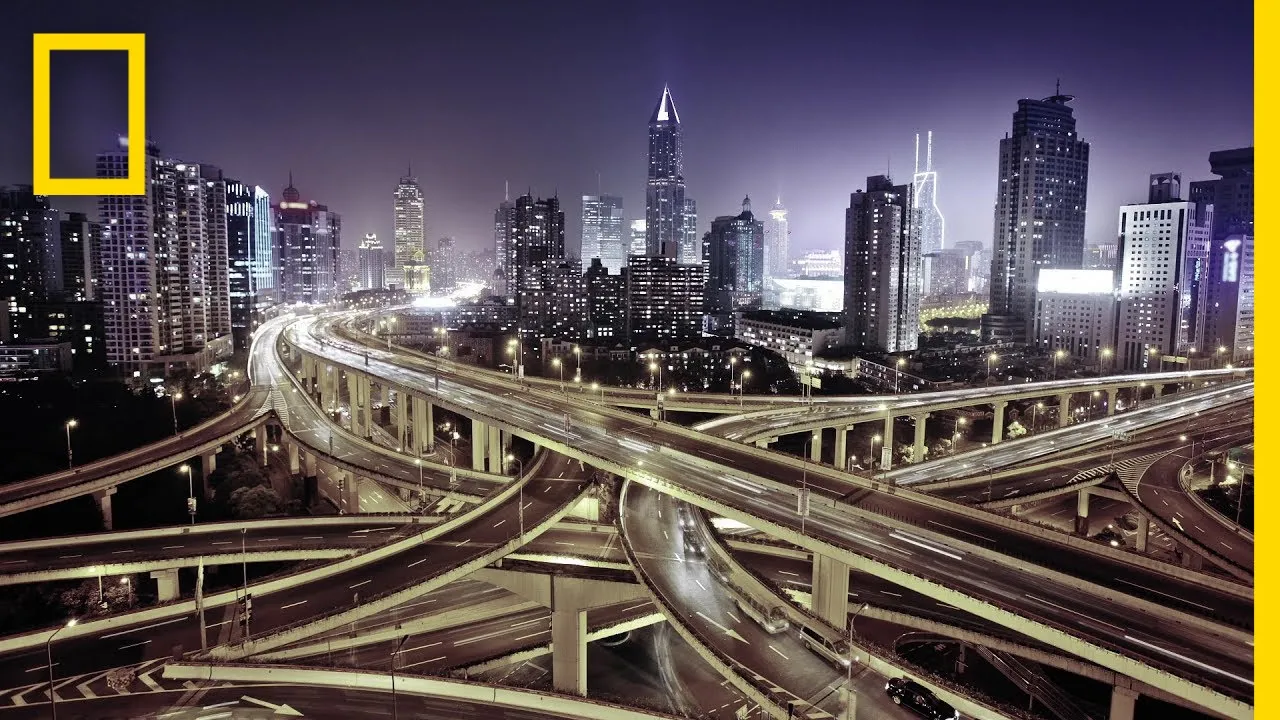
for it thank you everybody thank you all for attending I really appreciate your attendance in this session this is the U session on dark sky policy engagement today we're going to have three speakers uh talk about some of the needs and uh desires and how we move forward with engaging people in policy we're going to start off with Rick uding rexers is a senior outdoor lighting adviser for Clinton and Associates you can War winning lighting design and engineering firm based in Boulder Colorado Rick also serves as the vice chair of the illuminating engineering Society society's outdoor nighttime environment committee and as a policy adviser to dark sky International next up we'll have Jana yosa she's a distinguished lawyer researcher and educator in dark sky protection in space law Jana is pursuing a PhD at the University of gent where she contributes to the plan B project helping shape policies that address light pollution as a critical environmental issue as Deputy executive director at the space Court Foundation she also oversees Global regulatory initiatives initiatives like the big book of space law Jana has collaborated with prominent organizations the EU commission including the EU commission dark sky International and the international astronomical Union advancing legal Frameworks for protecting dark and quiet Skies she's also a board member of living night Belgium's dark sky organization ation and I'm Brian leel I'm the dark sky Chief programs officer my job is um responsible for brainstorming and putting together dark sky uh implementation programs that promote responsible lighting to preserve and protect Dark Skies I've been in the lighting profession for 35 years with lighting design education research standard development program development experience so with that I'm going to turn it over to Rick to have him introduce the topic for us Rick take it away okay thank you Brian and um thank you dark sky International for having this event uh great opportunity to bring Advocates and and professionals together uh and thank you everyone who's on this call today um as Brian mentioned um part of my uh daily weekly and monthly job is to help U municipalities and um legal organizations with their policies and so what I can tell you is that you The Advocates absolutely are moving the needle you are convincing city council members and um legislators to take action so keep up the good work thanks for being on this call and I'd like to um share my screen with you and share some some slides with you so let's go with this okay Brian can you confirm if my screen is visible you are you are good Rick it all looks good excellent so everyone today um I've titled my portion of the presentation uh the climb and I will start by telling you that I'm really excited for this weekend this weekend is a culmination of about 13 months of work that Brian and I have put in on creating some new uh legislative and Municipal policy and so um we're really excited to be able to share with you today so Brian's going to be the star at the end of the end of the show so I'm Jana and I will will move through some some really good precursor stuff but I I've titled my presentation The Climb because obviously what we're facing is that uh light pollution can continues to climb and it seems as though every corner we turn we encounter new challenges and new obstacles and so for us uh The Advocates we are also experiencing a bit of a a climb to be able to to solve some of these problems so what I want to do today is I want to dive in and talk a little bit about some of the root causes some of the facts and data that we are all facing and one of those is just plain and simple that urbanization continues to happen worldwide okay now what is urbanization we'll dig into that as a as a definition and and how it uh uh challenges us and what we do so we're going to start with global population and I will kind of tell you that um we'll pick the year 2000 and as our first Milestone but back in the 1960s global population was growing at greater than 2% per year uh that number has consistently tapered off ever since to the point where by the year 2000 global population was growing at about 1.3% annually that number has since tapered off to uh uh 1.1 and is now for the first time actually just starting to show signs of dropping below 1% annually so if we talk about that just for the moment um um with light pollution growing at upwards of 10% annually global population itself cannot account for all of that um um increase uh it's a portion of it so the population is growing people need to have places to live and work and so outdoor lighting expands so this is maybe one small component uh of what we're facing but uh here again potentially some good news is that the projection is that the global population will continue to decline uh in growth rate to about a point 85% annually to the point where um since 2000 we've gone from six billion people on the planet to 8 billion uh people and by 2050 we'll be at about uh 10 billion people and you can see that the projections are that the growth rate is is slowing and and that will start to taper off but this is a key component to uh the statistics we look at CU where these people going where are they living where are they working well they're going to Urban environments the worldwide Trend and you can see here probably makes sense to everybody but uh countries have X amount of land and property to deal with and so as their populations grow or change um people are finding Urban environments to be a convenient way to uh share some of the resources uh you know share Transportation share housing share um you know uh food distribution and so you can see uh Japan the United States China and the world average uh people more and more people are living and migrating towards uh Urban environments and so this is in itself potentially a good piece of news that people are willing to share as opposed to urban sprawl or just this continue PR proliferation of of developing what what was once vacant land now we're we're actually concentrating the population into areas a little bit so what that does is that creates something that I call the 100% corner so this is an area in the urban environment where property owners and landlords want to be because this is the area where the people the population want to be therefore they are customers therefore landlords can rent out uh space and store owners can um set up their shop and it tends to be where landlords can charge the highest price because it's such a popular area and so the 100% Corner in an urban environment is very very important uh to the extent where uh in this picture this happens to be New York City and this is Bryant Park and what was basically the 100% corner and now New York has probably three 100% Corners uh three areas where developers have been able to create uh outdoor public space which is very desirable for people uh who live in urban environments so the 100% corner is an element of um urbanization that we need to pay attention to and we need to pay attention to it at night the productivity of the human day has expanded into night because of our ability to um have lighting uh we can we can do more throughout the day including hours of night and so these outdoor spaces in the urban environment are becoming really really popular not only during the day when people traditionally worked from 9 to 5: in their office job but now very much so at night and so we have to ask ourselves what does the urban environment look like at night and if we can spend time focusing on those areas we are potentially affecting not only the major portion of the global population but the trend of adding more to that uh segment so this is a reality that everyone should understand that we are are facing now this happens to be uh a United States model here um but I got to believe that this somewhat exists internationally so governments and landlords and developers pay attention to this model so on the left hand side there's something here that's called The Healthy Growth cycle and the idea here is that uh down in the lower leftand corner you see this influx of positive net migration you're adding population to an area now that could be just through uh birth rates or um uh people moving but the bottom line is that there's uh growth in population so if you can create economic vibrancy for that population a you might actually attract the population or B when the population arrives they have jobs which means they're paying tax revenue so now the territory the state or the municipality has more people who are paying tax so they create more Revenue well now if they have more Revenue they can add more public investment they can create outdoor spaces and amenity and hospitality and services for people and then that cycle comes back around to you've got this really thriving Community where people want to be and so more people move there and so it's a very healthy cycle of um attracting population this is a thing that states and cities talk about is how they can compete against another city or state to attract population a certain kind of population and create this healthy environment okay the the converse of that is an area of depressed growth where you have people leaving you have jobs leaving you have tax-based leaving and now the state can't really do anything and they're not creating services or spaces where people want to be and it's a very negative cycle so you can imagine the passion and the competition between cities to attract this population so how do they do it what are they doing well what we see is we see a continued interest in people wanting to connect with the outdoors people will look for um Urban environments that have some connection to to Nature Green Space areas of community and um like in this picture you can see it's it's just a a highly developed uh public space with uh amenity and Landscape potential U entertainment uh spaces and so architecture landscape architecture are called in to to really start to think about the urban environment so now we want to eliminate uh unwanted spaces you know this picture is the area underneath an elevated train system which previously would be thought of as something that was dark or dingy or scary or a place that you wouldn't want to be and so now they're developing these areas to be parks and rest areas and places that people want to be uh rooftops we can develop rooftops now to be much more elegant than they used to be they can fully landscaped with grass and trees and and rest areas and beautiful areas and and again all of these outdoor spaces are needing light at night because the human day extends into those hours um designers are being asked to create unique experiences uh this is a photo of the Highline in New York City and for those who don't know this was an elevated train system that was destined for demolition all the paperwork was signed uh it was a dilapidated isore that for the most part everyone saw it should just go and in the final hour people reimagined what it could be and it is now a completely landscaped walkway that traverses through the city and it attracts 5 million visitors a year this is a bigger attraction than many national parks or um destination places and so isn't it interesting the passion that people had who live in that City or visit that City to get outside and experience an environment they may otherwise not have the opportunity to in that region people want to be out by outside so bad that we will build eagloo and Bubbles out in the uh colder environments so that we can dine and have a great experience out amongst the the mountains in in the cold environments okay so this is how badly people want to be outside and as urbanization continues and as the competition for population continues these places are going to uh appear so the design Community again a photo from the Hudson River New York city where the Hudson River Park has been asked repeatedly to convert old inoperable defunct peers into usable land spaces so in this particular case we're looking at unusable space where we can now develop and create an Island an island for people to go walk and visit and experience nature in an area that previously they couldn't do but we just added more light okay so I want you all to just think about this this this climb of of urbanization and the development of outdoor space and how important it is to the the the city and the competition and and it's what people want so the question is our challenge is how do we accommodate urbanization responsibly and I think that's what today is about that's what what Jana and Brian are going to talk about is it's probably not going to happen naturally and organically we're probably going to need policy we're going to need help from City councils and government to help us uh do this so thank you for listening I I hope I've um set the stage a bit here for Jana is that uh Jana are you ready to go yes uh thank you Rick it was a wonderful introduction to make us think what we can do with our Urban environments uh I would like to start with thanking dark sky International for having this amazing event and for inviting me to contribute to this amazing policy uh panel let me share my screen okay can you see my screen okay perfect uh today I would be talking about like R already started uh what we can do with our Urban environments and that a lot of people are going towards nature we have this City fatigue and I will be talking about what is going on in Europe and weirdly enough during the last five years the protection of nocturnal environment started to get more and more political attention I will not say that it's very big but we're going very slowly but steady towards more and more strict protection currently we can say that we have 16 out of 27 member states of the European Union who has adopted direct regulatory measures to address light pollution or to protect exteral environment and here I want to indicate that not obviously not all the countries has strict light pollution laws right like we are all aiming for but a lot of countries started to have this regulatory measures to basically at least address the tension to the nocturnal environment in their policy action like they have awareness raising or they highlight the role of astronomy for example so how do we do that there are two main approaches how countries at the EU started to address the problem of light pollution the first is to indeed adoption of light pollution law so this specifically indicate the whole Global problem of light pollution with all the different impacts the second approach is basically changing the environmental framework and the introduction of Allen measures there and then here you can see on the slide the example of three countries from the EU which adopted one these approaches and one mixed approach which was taken by France so I would like to start with Croatia Croatia adopted um the strict light pollution Law act on the protection against light pollution in 2021 and they also adopted three ordinances I will not focus on the specific measures I just wanted to indicate that this is law aimed to address the various aspects of light pollution from the environmental concern Health concern and the need to protect nocturnal environment in general and they do have different Norms related to that basically like our five responsible outdoor lighting principles what is important here that Croatia is divided into different lighting zones and for each lighting zone They indicated the maximum permiss permissible parameters for lighting which I I think is very important and there is a very major step towards the light pollution reduction we cannot assess yet how um how well this law can be implemented because it's very new but I think it's a great step towards the solution of the problem the second country is Germany Germany took the environmental approach and in 2022 they changed the general environmental legislation by adoption of the insect protection act basically they said that light is a major driver of insect Decline and it requires the specific measures and their biodiversity and environmental legislation again it's very nice action and it's a nice complimentary approach to basically recognizing light as a pollutant and which allow us to implement the environmental strict regulations to the problem right and we can enforce it way better when it's just in political action and I wanted to highlight here uh in the lower part of my slide similar action was taken by Austria very recently in the summer of 2024 Austria adopted upper Australian Environmental Protection act and they referen the lighting standard which was also changed and they included a lot of light pollution measures there so this also highlights that we also should put more attention to standards because when they're referenced in the legislation they can become binding that way and this is what we use in practice when we're developing our cities right and the Third Country which I want to give you example is France and France took the mixed approach so they have decrees which specifically address light pollution and they also change environmental legislation as well what is important for France they uh all the regulations will become biding from 2025 and they also have sanctions for non-compliance with these regulations which is very important for the potential enforceability of this regulatory measures and recently uh France also have National biodiversity strategy by 2030 which consists a lot of a lot of targets and goals how we should what we should reduce to protect nature and biodiversity and they have light pollution there which is very important for us they indicated that they would like to reduce 50% of light pollution by 2013 however my question is we don't have yet like measured how much light pollution France have now so how do we know that by 2030 they reduce 50% so this this is the main problem with policy action so why this legislation and the policy action of the member states is important because when member states at their National level start to address a certain issue it will bring attention of the high levels of the U level regulatories fields and in this case EU bodies they can um harmonize and adopt the more effective reduction of light pollution or over like Europe so they can enforce member states who don't have any action on light pollution to adopt something and they can also unify the approaches which are already implemented so this is why the EU action is important now I'm going to discuss what is actually going on here so before I move forward uh for those who are not in the EU maybe it will be important to explain we have the Council of Europe and we have presidency of uh the council so council is when you National ministers meet gather to discuss and adopt EU laws and policies and make the direction and then we have presidency of the council which is basically the country is responsible for chairing the council for six months and it rotates between the member states why presidency is important because it brings attention to a specific topic which can be taken by the EU government B is further and what we're trying to do here we're trying to push the subject of light pollution or protection of nternal environment within the presidencies of the EU Council so it's all started uh back in 2022 when light pollution has been chosen as one of the uh ministries of the environment of Czech Republic priorities for the presidency they H host an international workshop on light pollution which was attended by experts from 19 member states and also experts from other organizations such as European commission uh dark sky International European environmental agency and also experts from lighting industry which is very important because we have to also communicate it to the lighting experts as well right they also have to know that lighting can create certain level of problems not only the Comfort we're at that level now uh this meeting resulted uh in Bruno appeal to reduce light pollution in Europe uh why this document is important it's explained why light pollution is an issue and what European Union can do to reduce the problem at the EU level so they called EU to to uh to take action to reduce light pollution this appeal was communicated to the commission so it was the first step to raising political awareness of the issue uh at the EU level The Next Step was the Spanish presidency and last November in 2023 there was meeting on light pollution challenges and responses for monitoring um this meeting was organized by Spanish Ministry of Science and Innovation and it also includes different representative from different member states and also different organizations this uh meeting was specifically dedicated to the problem of monitoring measurements of light pollution and also how should we shape the regulatory framework to address it again the result of this meeting was successful and we have drafted Manifesto for tackling light pollution and proposing EU light pollution monitoring I will come back to the manifesto a bit later in my talk to explain main points of uh of it and then all this action also was follow up by the conference on light pollution which was organized by czechia as well this year uh it included more than 80 experts and then the discussion was taken by environmental ministries of different countries and politician basically highlights that we have to change our attitude to lighting and we have to start thinking how we actually can protect the external environment so again we are slowly but moving into the direction of the EU action another aspect of the EU action is that European Union funds a lot of uh project if as you may know and I want to highlight one project which started in January this year it's Plan B project uh which with the main goal of like basically we have three main outputs the first output is the creation of knowledge database so we trying to collect the information on what do we know about light pollution impacts on the terrestrial by diversity and ecosystem services and what are the gaps and it's not only important for the researchers but also for decision makers because potentially we can use this database for environmental impact assessment the second aspect of the key outputs is regulatory framework so we're developing policy briefs how to address light pollution uh like we will support the previous action of the presidencies we will highlight the action which is going on worldwide which you are guys doing which is amazing so we can show the commission that is actually a major concern nowadays and the third action we're developing the handbook of Solutions on how to reduce light pollution the solutions of five different categories including biology social regulatory Technical and other Solutions which you can think of and another project which is our sister project is aqua plan and they're focusing on aquatic environment and we are working together because if we talk about light pollution it's a pretty like concern which touch different environments right so I want to come back to Manifesto and bring your attention to light pollution Manifesto which we drafted during uh Spanish presidency so it has three main points of it which and I want to highlight that you can use this manifestor not only to communicate for the EU level but also at the national level or the local level because it's pretty generic in my opinion it has three main points that night is a part of the natural environment here is pretty easy when we talk about the current protection of our environment the measures are mainly focusing on the daytime activities if we don't include any light pollution measurements right so in this case we are not protecting half of our environment which is night as a half right of the normal functioning of the ecosystems and therefore we will never be able to achieve the political targets which different National governments has so this is a good point to highlight when you are communicating the political action the third point of this Manifesto is the light pollution is a form of environmental uh pollution here is very easy not a lot of governments would like to majorly change the legislation or policy and by indicating that it's environmental pollutant we can actually allow the implementation of the existing environmental Frameworks which you have in every country right and the third point it's Manifesto specific we called for light pollution um measures at the EU level to unify the approach so this Manifesto again bring political attention and raises awareness so feel free to use use uh the text for your government it proposed the action for the EU and the member states so again it has National aspect to it as well it indicates it highlights the legal and political recognition of light pollution as environmental concern as essential aspect for to address the problem and we will take this Manifesto and we'll communicate it for the future presences like upcoming presidency is Polish presidency and we're working to again to have this meeting to be able to invite the speakers from the different countries and to talk about the problem and again to bring additional document to the commission to expand the attention further okay uh we actually need your support uh together with dark sky International we are currently working on the website where you will be able to read the text of Manifesto and then also sign it uh or endorse as you like and then we will need it like in June 20 2 uh Plan B project which I mentioned earlier uh we will H we will create the policy brief it's one of our deliverables and I would like to indicate there specifically how many people across different countries has supported the action already so we really need your help here okay thank you for your attention and I hope I gave you a good overview of the European action and now I'm hanging the floor to Brian for the the action which dark sky International does thank you thank you Jana thank you very much let me share my screen now okay is everybody seeing my screen okay uh so um dark th International has embarked on this as Rick mentioned uh we've been looking at this for a year about what we can do to create some templates for uh local Municipal codes and Regional laws and one might say well um you know what why are you doing this well the main reason there's several reasons one is we know at dark sky and as has been mentioned here is that one of the few ways that we can really get action taken is by uh implementing policies that are effective and actionable but also we at dark sky are constantly being asked for guidance on how to create these kinds of um laws and ordinances and state statutes uh many of the proposed and existing laws that we see H are flawed and quite frankly as Rick discovered when he was doing his research on this what we found is Once A law is enacted and it may be flawed it gets copied into the next law and so it's just exasperating some of these things that really haven't been um well informed sometimes sometimes they have wrong units and they just uh they really aren't kind of getting at the heart of the matter that we think needs to be done and real guidance requires collaboration with light with the lighting professional so uh in during the course of the last year we collaborated with many lighting professionals and individuals from manufacturers and government agencies to create these templates there are two templates one is a regional template for States and territories and provinces and the second template is for municipal uh cities towns counties and townships so that you're addressing two different sectors of government one which has an overseeing kind of capacity broad based things and the other is the more um in Intimate for the community at large the templates were uh written around us governance uh we'll say that right at the get-go but the intent is for everyone uh internationally to take a look at these and see if you can formulate these reform them for your own type of government structure because the lighting principles all still apply so once again the idea is here you have a regional kind of law for States and territories it's broad high level it's sets the stage for municipal laws uh generally speaking in the United States the government laws for States um which are going to be the overarching uh legislation they uh address state-owned property they say government funded property they might not go to the level of actually controlling over private property that's most common and so what happens here is we the state would or what our templates are for is it gives the state broad kinds of principles on which to put in their laws from which then the municipalities um Can refine and fine-tune towards their communities and so these municipalities might be cities they might be counties they might be homeowners associations or certain districts so they can govern themselves and create these lighting policies for themselves the objectives of these templates in terms of what we put together as language these are very sort of simple implementable step-by-step kinds of things um they must have reasonable actionable and effective measures that means that nothing is out of line nothing is going to be too cost prohibitive it has to be actionable in other words you can do it it's not impossible to achieve and effective means it must achieve the objectives of reducing light pollution or mitigating light pollution and reaching Quality Lighting standards it must be understandable and concise if it gets too complicated it it really won't go very far in legislation or at state level it needs to have accurate terminology and definitions and they have to have options to fit the needs of the local municipality whether that's the state or the territory whatever we' built it so that um you can use these templates and create your own options generally speaking the criteria is we want these things to get past and oftentimes what we've noticed is as people start getting into these things and trying to create them um if they get too complicated if they get too um verbose if they don't meet these objectives then oftentimes they won't get pasted so we have a great format we have a great platform on which to launch this thing and it's called the five principles it's really simple we light has to be useful it has to be targeted we should keep it at the low level and not overlight it should be controlled so it's turned off when no one's there or dimmed when it's uh when there's not that many people there and it should be warm colored because we know that blue light scatters more and causes more light pollution those are the five principles so how do we take that into the next step of saying how do we formulate policy keep these things simple messages no uplight that's not useful uplight is not useful it's not useful for the birds up there up that are flying up there in fact is harmful to them that's a simple principle avoid light trespass in other words keep your light on your own property don't intrude upon mine everybody kind of gets that don't overlight because it's unnecessary and it wastes energy turn the light off when it's not needed again it's unneeded it's not necessary keep it warmer to reduce light pollution and create and better for the environment if you keep these messages simple then the people in the cities and the states what are they going to object to these are all positive things these are all responsible lighting measures that should be followed um and then the next ask question is well why is this important you're improving the quality of light you're promoting protection against light trespass again you're keeping it so you're not disturbing other people that's a good thing it promotes a healthier environment for humans plants and animals it preserves the dark sky for the community and and bordering areas this is really important for uh communities near National Parks or reserves or uh places that have naturally dark skies because every city has an impact on that where I live in Florida as an example if I go to Everglades National Park I don't get that dark of a sky why because of the skyline in Miami and the east coast of Florida so that to have a sort of environmental Consciousness uh statement for cities to know that they aren't impacting other areas especially if they're tourist areas is important and then finally a lot of communities would like to be um uh tourist uh places for people to go and uh we had the tourism session last night which I thought was fantastic uh and so many cities want to promote dark Sky uh ordinances to keep their Skies dark to engage tourist and bring them into their um communities so we emphasize all of these things as responsible lighting for people and the environment so I'm going to go to just a couple of the highlights just to give you some teasers and we're go to the how you get them uh light distribution we're calling out in in our templates fully shielded no light emitted at or above the horizontal plane but we're also putting in limitations for high angle light lighting between this 80 and 90° anything in that zone is actually wasted light we've done an analysis on this and if you're out at 80 degrees going all the way out here the amount of light actually reaching that surface for human need is negligible there's really no need for that so we're saying that you have no more than 5% of the total light output in that zone and nothing above think about it this way if you're H having light coming out at the horizontal plane or just slightly below that and if you're in a desert environment that light will continue to go on forever because it won't be stopped and we've seen instances like that where national parks are being infected by communities 100 hundreds of miles away uh next thing we talk about is light trespass basically we Define that so that we we understand that what we're talking about is a vertical illuminance at 1 and a half meters above the ground putting limitations into designated Wilderness of 0.1 Lux and coming into or out of residential property at one Lux light level no more than 25% over the lighting standard whatever that might be we're calling out in these uh documents to look at the Anis standards because that is the ones that are used in the United States but wherever you are if you have other standards it would be the same thing uh there's really no need to go above that level in most cases because the standards are based on consensus values and um going above that is generally not necessary because um they already are built on some level of assurance for safety in that case when the consensus bodies decide them controls call for the establishment of nighttime hours and non-essential lighting to turned off during the nighttime hours the color the maximum CCT is 3,000 we encourage it for warmer ccts and residential areas there are some exceptions for sports and safety needs these are kind of the barebones of what these things have there are more details in the municipal ones but at the state level these are the simple ideas that come out of the five principles um two other things that we add for in the municipal codes actually the state code uh territory does for sports lighting as well uh we're not exempting them we think that sport sighting needs to be included in whatever ordinance or law that's being projected because it's fairly easy to contain the light in this case for sports sighting we're emphasizing containing the light onto the field and a little bit around it and also turning off when it's not in use uh by having those into uh regulation or code you're doing a lot to help neighborhoods uh that are next to sports facilities and we all recognize that sports facilities are an important part of communities um we do allow higher CCT for them but again it's balanced by the stricter targeting and uh turning the lights off and then we have a provision for residential lers in the municipal template uh that um if you if you have lighting zones and we really do promote communities and uh selecting lighting zones coming with PL then we have a measurements or a requirement in here that depending on the housing density and the lighting Zone the end and there would be a total Lumin allowance for each residential unit in that U Zone there are supplemental modeles in the municipal uh template for seasonal lighting and illuminated signage and Coastal Marine turn Turtle sensitive areas those aren't part of the base because they may not necessarily be part of the base uh code that you're trying to enforce but there are options you can incorporate those if you'd like so far these things have the uh endorsement from the American bird conservancy and Scenic America and uh finally we have the dark sky recognized program which is a program we've uh established so if your enacted law meets requirements of the templates then it can become dark sky recognized uh dark SK has this program in which we will as you're working on it if you'd like dark sky to review the work that you're doing to make sure that it's following uh the template then we can do that and then once it's adopted we can take a look at the final U code that's been established see if it meets it and then you can be dark sky recognized officially once it's inative so with that I'm going to move to the website and show you how to get to these when you go to the dark sky website you'll say no thanks to the popup ad first and then uh you're going to uh there are two places on where you can get this either what we do or get involved if you go to what we do you'll see that under advancing responsible outdoor lighting we have view codes and statutes that gets you to this page creating codes and statutes the other way to get there is get involved as advocates that might be the way you think about it so getting involved you go to create codes and statutes and you will end up on the same page so once you're here you'll see that there's a um some general information up here we talk about creating Municipal law we have step one how to get involved step two getting prepared uh step three taking action step for these are just some general informational things the bulk of the information that's here is going to be in these two areas one is we've created these uh videos that are helping you understand the topic not just you as advocates for what you're doing but also you can have your city council people or people at the state legislature take a look at these so they have a better understanding of what these uh issues are so we have one on targeted Lighting on light levels on lighting curfew on correlated color temperature which is going to be a building a build a library of more videos that are going to be coming uh second uh big important thing is that where you can download the documents you'll see as you scroll down the same thing is going to be here for creating state laws uh with those descriptions and downloading those documents so this is the page where you'll go to to start your downloading of the information uh when you click the download the first thing you'll see is a u use agreement and so this uh is necessary for us as dark sky to make sure that when you download these things you have two choices one you can download it as an edible editable format document so you can use it to incorporate in whatever language you're working on on and um and therefore once you start editing it it's it may or may not follow our templates and therefore we can't say that this is at that point the same thing as a dark sky template you can use it as much as you want but it won't necessarily be the same as our CH because you're editing it so this is agreement basically say you understand that and you uh can't represent yourself as a dark sky represented it unless you get written Authority from us and a few other things but basically it's just an agreement to how you would use this you sign up for it uh in this little form here once you sign up for it it comes to dark sky we will then email you the link to where you can download the um when you can download the forms so um so once you get to that and we send you the email you'll be brought to that email will give you the link to this page and so this page has the actual um codes and statutes templates on it and uh again the description of them with the municipal ordinance and the state ordinances you'll see that here are the municipal ordinances with the PDF the word document and the um supplemental items for the state legislation you'll see the PDF the word document and there's an introductory letter that's been crafted uh it's pretty targeted towards State officials here uh but you can take a look at this and see how it fits for your government it's a way of introdu this into the higher level government people so they can see it it's a two-page thing it's very brief and it introduces the topic very well we think that's really important to kind of get your foot in the door uh because a lot of time the people who are en acting these laws they don't have a lot of time or they just want to see the sort of the brief on it to see if they have an interest in it um so let's take a look and I'll just show you uh a bit about how to navigate these this is going to be the municipal ordinance template and and uh once you get in here you'll see there's some introduction work that talks about what it is table of contents and these are things I want to point out so when you first see it you'll understand how to use it you'll notice that there are things in red brackets and in those red brackets are the things that you will fill out with your city council people or whoever is going to be writing this thing to fill it out towards a language that is specific to your needs um so you fill in your municipality's name whether it's a law it's a statute it's a code Cod it's a it's a whatever it's going to be and so the red is that then you'll notice blue writing in here and the blue writing in here is really just guidance language it's telling you possibly what your options are it's introducing material that follows below it's just uh extra language to help you navigate through the document and make choices in some cases so we start off um with the general things that we have in the United States which is that the purpose why you're doing this basically they called Rec sometimes um why the community might be doing it where it applies um we then have the list of exemptions from there we have a list of prohibitions things that are going to be prohibited uh once this thing is put in place um and then we get to the real meat of the the the um language here which as you'll notice these are the requirements uh for the municipal um ordinance template it's one page it's very simple and very direct it follows exactly what we were talking about when we started this thing talks about light level it talks about light distribution talks about light trespass curfew controls and Spectrum simple direct achievable and actable we then come up with sections on the residential use and here is the table that we talked about in terms of the Lumen allowance total Lumen allowance for residents based on the lighting zones as well as the housing density um and then uh a section here for non-residential use in terms of light trespass how that might be looked at and then there's a section on Sports lighting which gives three choices on how to deal with that uh from one being a sort of a base level which is the 85% containment up to and including getting dark sky certification which has much stricter uh requirements in terms of the light that's coming offsite than that um then uh working with your municipality or your state in this case municipality you'll work on the administrative requirements these are the general things that we see most often and then the enforcement and penalty Clauses those are going to be very much worked out with your uh local uh government agencies and how they want to work on that again we put in there the things that we see most often and this is a template for you to use as a model the other thing though is it's really important our definitions these definitions have been fine-tuned uh to try to make sure that the language that is used is proper that they generally accepted lighting and Engineering terms um and uh these are you want to stick with these as much as possible um I've seen codes out there and statutes that have come up with some of the craziest terminology uh you'll ever hear that make absolutely no sense stick with the terms in here and use them properly and it will go a long way towards being able to be in forced and having standard uh definitions and terms is really important uh we then have an example here of how one might do the lighting zones in theal so I just want to go through this with you to show you uh why we did it what the general gist of it is how to go about it where they are what they look like download these take a look at them start thinking about how you can become active in your community to get these um ped and enacted and um and we're very happy proud to be getting this out into the world um and I want to make special notice of Rick's tremendous work as well as many of the other people in the lighting community and profession uh that have helped craft us but um we're very happy to have these out there for everybody to use now and with that I think that that's the end of my Spiel uh we'll we'll have have questions Chris take it away we will get into the Q&A portion thanks to our speakers Jana Rick and Brian for sharing such engaging information and a lot of new resources for maybe some of us I know I'm excited to explore more of those policy and templates and folks if you do have any more questions please do submit them into the Q&A portion of your screen we're getting a lot so we probably won't get to all of them but we will save these offline we can send them out to whichever speaker you want to Target now like good dark sky fans we're going to start with the fast ball here for Jana are the measures being taken by EU Nations actually showing results in actual light pollution reduction either locally or nationally I'll be very brief because I know we don't have enough time but in overall it's very difficult to assess yet because laws started to be adopted in The Last 5 Years and some of them were like finally adopted like like this year so we're also in a transition stage as I mentioned about France like the new regulatory requirements will be enforceable from the next year but we do have some good example for example Greece they had changed the lighting regulations relating related to Coastal lines to protect sea turtles so if you go to Greece you will see some lighting installations switched off or they have different direction or they have very warm lighting so it's generally worked for the specific area and then maybe a good example is La Palma canar Islands in Spain and they have Sky law which specifically protects the Dark Skies for astronomical observations and they do maintain pretty low levels of flights and I've been there I can also confirm but however we don't have overall measurements of how much light pollution is emitted for a specific country so I hope I briefly explain what's GRE yeah I think that's great I think it's going to take some time um now this one uh maybe Brian we'll start with you Rick Jana feel free to jump in this is of course about Kelvin and CCT the question comes up that the 3,000 Kelvin standard had persisted yet some Advocates find it challenging pushing for lower CCT that truly reduces light pollution how might dark sky lead efforts to encourage lower more effective standards in this regard yeah so I I'll start then either of you pile on here with this um we have been working on this for quite a while and we talked about the CCT issue for all of the course of this time the 3,000k is a is a good starting point to go from and if you have a community that wants to and will will go lower then absolutely by all means try to do that we certainly don't want to see 4,000 5,000 and higher um the resistance to go lower in these templates is partially due to um commercial manufacturing uh standards and Norms in terms of what is available and If you limit it to something that's lower than you are taking out a large part of the marketplace that's one aspect of it the other is the resistance from other people in the lighting community and so if we were try to mandate lower in these templates what we think and we think we have a pretty solid basis for saying this is that they would be they would be um objected to by quite hardly quite readily by some of the people in the industry and therefore would not have a chance of passing what we encourage communities to do especially if the communities are in more rural environments or more environment s environmentally sensitive environments absolutely by all means if you can uh work with them to see about using lower ccts especially in the residential areas uh we did put that in as a note residential street lighting areas absolutely uh consider that then um work with the cities to see what what you can do Rick you've had an experience with this so please go ahead and make any other comments on that well I would like to share my learning experience with everyone else and that is that the five principles are actually listed in rank order of Effectiveness and so CCT being principle number five is pointing out that um it alone cannot solve your problem uh and here's a thought-provoking question for for everyone on the call if you believe in visual science that uh people can actually uh perceive things break quicker uh at 3,000 Calin than they can uh 2200 Kelvin ask yourself what would be more important to you lowering the light level of the 3000 Kelvin to get the benefit of the visual performance and using a lower light level but maintain 3,000 or increasing the light level at 2200 to have the same visual Effectiveness and that's a question a lot of people can't answer right now there's um discussion about redoing some research but I personally I'm very excited about the idea of try and use the five principles together holistically and not rely on any one of them to do the job Brian you put want the five principles are a process yes right and Rick Rick is right if you I mean if you think of it from the idea of you have a a light fixture that's out there if it doesn't have any control of it and you can take all the light that's going up and and redirect it down and Target it that is the number one thing and the number two thing is to keep the light levels as uh as low as possible and not overlight those two things alone are the majority of the issue and the problems even in the uh work with the biologist I know they're working with the animal life it's spectrum is a part of it but light level is the more predominant Factor that's uh having negative effects on the environment sure and that's something where the lighting zones might come into play then yeah great so Todd asks even when M municipalities pass legislation the rules are frequently unenforced do you have any suggestions for improving compliance and enforcement I think go ahead Jana who wants to start okay I can start I I thought about it because the main problem with light pollution regulations is actually first of all and my opinion it should be we should Define competence so we should indicate which government body is actually responsible for light pollution control then we also may have sanctions for non-compliance which can include fines or suspension of the use of the lighting then it may be also the permit procedure so you have to get the permit for the lighting installations and maybe the fourth point is include to include artificial light at night into public procurement so when we're talking about the future projects we can already think about the lighting which can appear in the cities this would be my main four four points so I would add to that uh Chris the idea uh the power that Advocates have um code enforcement lives more at the local level because that's uh financially where staff can be hired uh complaint-based uh phone calls can be addressed and they own light meters and they have the ability to investigate um non-compliance factors and issue citations as Jana was saying and so the reality is as an advocate to not let up on your city uh staff in terms of U addressing non-compliances okay uh city council members are politicians they want to make everyone happy and no one upset and they often look for the the the the negotiated balance and so you The Advocates have a tremendous power uh to be able to point out things that are uh not meeting the requirements of the law Brian anything to add there I think they did just fine and folks I do believe we're running over but you know we're in charge here so we'll keep it running a little bit I know our next session isn't until um the 30 Mark of the next hour so we do have some time for a break in between we'll do a few more questions if any of the speakers are willing to get in contact with any of our attendees today please do post your emails in the chat and uh folks can reach out that way now the next question comes about Maritime or water areas uh Gary Jerry says are there proposals coming up to address Maritime areas for example in Port Angeles Washington our light pollution comes mainly from the maritime operations and industries and Andy also says in Santa Cruz any tips for strengthening our ordinance taking into account the um River waterways and limiting light onto a river that is home to an endangered species well uh you you take the big one Brian and then maybe I'll take the same one okay so um we do have uh one of the provisions in terms of light trespass has to do with the limiting the amount of light that enters the uh Waters of America which is a recognized uh protection area so that is in there um if you are you know if this is an town and an area that is particularly sensitive for um to that then there might be other Provisions to consider I mean we do have the sea turtle thing as an example that is for that uh type of thing I'll also let you know that the dark sky right now we are working on a recognition program or a dark sky approved program similar to sports lighting for ports specifically and in this case this program will uh be even somewhat more limited uh than than this ordinance is because you will not be able to have allowed any light above 80 degrees under this program and uh then it has the light trespass requirement based on the light that might get projected into the water uh over the edge of the birth Edge and so forth so we are working on a program for that uh through the experience that's being uh sponsored through T Port Tampa Bay um there's the ones that have uh helping us with this generate this pilot program so that's what I have to offer at this point um Rick and Yan if you have anything else to offer please yeah I think you nailed the big one but uh just in terms of Santa Cruz I know they've been toying around with drafting some proposed language and and uh I will just reiterate that uh trespass into Waters of the United States or habitat is is expressed uh very clearly [Music] on that I can just give some there are some European countries which indicate the specific Provisions in the leg environmental legislation to prohibit uh lighting into the surface of water which also basically related to specific protection of marine biodiversity I know that came up on a previous Advocate action call with our oceans expert so it's great to hear there's been more developments Cindy asks do you define that are installed indoors directly by glass or other see-through materials as being included in the rules of these ordinances boy that's a big question um we have we are certainly been talking about this this last year uh let me just say for my part how I look at it every window is a light fixture at night so if you have your shades open and you have the lights on in your house or your building then that light is going out into the sky and and being another cause of light pollution if you think that when you see the satellite images and you see the city of New York if you think all that light pollution is coming from the street lights I have another story for you it's the buildings that are causing it and so that then starts leading you down into a totally different pathway of how do you regulate interior lighting for the sake of the outdoor environment and that becomes a whole different issue I can say that we are talking about it um this first stab that we have on this policy is for outdoor lighting specifically but we do expect to evolve and start working our way into that discussion because there's another related topic which is light coming out from green houses um and so we we are very well aware of that and I think that this is kind of a first step towards us moving in this direction for policy um but it is a very good and complicated issue yeah I'd like to add uh build on what Brian just said we're very excited about the format of these policies because they're expandable uh they're modular so the ability to add future guidance on green houses exists uh the ability to add future guidance on areas surrounding Observatory exists but we have some really great partners and so I think it's worth saying that the American bird Conservancy currently has some really great guidance regarding glaz bling and window treatments to prevent bird collisions and we would like to point to their guidance as much as they want to point to our guidance similarly uh the uh American Astronomical Society has some uh preliminary guidance on Observatory lighting and as much as they want to point to uh our work we'd like to point to their work so uh just keep that in mind that um as Brian said this will be a continued uh Dynamic Evolution and expansion of guidance great well we'll do one more question and then wrap up um starting with you Jana if I was a new Advocate just getting started in my dark sky Journey where would you tell me to go and what are my first steps at the beginning I don't know I think you have to get acquainted with dark sky International websites to see what are the main resources what is the main research aspects about how light pollution impacts different fields because we're not talking about environment right because the main subject of our conversation was environment it's also human health indigenous communities astronomy and then when you get some basic knowledge you start talking to your closest people this is how I did it I just started to talk to my closest friends partner and my family about look guys this is an issue and then these people start to pay attention to light and then you get more knowledge and then you start giving local workshops which are very interesting because you get people who sometimes know absolutely nothing about the problem or never thought about it so this would be the path yeah Rick same question if I'm an advocate wanting to get started changing my local ordinances where would you tell me to start well I'm very excited about the new dark sky page because um it very clearly says step one how do I get involved step two get prepared so if you want to get prepared with your local government learn who they are how they operate when they meet and if you even have a local ordinance already in place you can find that online with some minimal research and then step three is taking action to contact the city council member is relatively easy and to let them know that you might have a concern about language in the existing ordinance or that maybe one doesn't exist at all that's what these templates are for you can literally download them put in some language that you feel is appropriate for the local environment and turn it over to the city council member and say this is what I'd like to see our city do and if you have friends that you can add to the list of this is what we recommend that pressure forces the city council members to bring it up to their meeting and discuss it and I've seen it this is what I see on a weekly BAS basis on a monthly basis is that this is the thing that gets it on the agenda nice I like that Brian I'll just add I'll just add one thing to that and that is when you look at your city council or whatever governing body that you're looking for see if you can find some background on them to find out which one is going to be the best Champion for the cause um because if you can find somebody that's on that board that really does believe in it that that can really expedite the process um you know oftentimes when you see their web pages of the board members you'll see that some of them are possibly going to be more environmentally geared towards others maybe some of them you know uh in your seder are dark sky Advocates you never know but I think it's really important to just kind of look at this as a a personal thing because often times it is and if there's a personal connection to a a board member that's going to be helping me that decision that can that can do nothing but help yeah you're working with people you're engaging with people you're relying on people it's a relationship it's relationship business local government that's great very great Insight speakers um let's go to order Brian Rick Jana any closing thoughts before we end it today well again I really appreciate everybody attending the session um please take a look at these templates please start using it please start spreading the word um these are we hope something that'll be very productive for everybody to use um and we're looking for feedback of course as these things are developing um so and thanks for attending yeah I'm just going to say thank you to everyone again I can't stress enough that people on this call and dark sky International uh putting this forum together this is how it begins and this is how change happens I see it every week and for me also thank you everybody for being here with us and thank you dark sky International again for this amazing insightful uh panel and for me also don't forget about the European Manifesto which is not as detailed as your ordinances but it brings just some generic points for initial discussion I think thank wonderful well thank you again speakers thank you everybody who is in attendance today hopefully we'll see you at the next session which is our dark sky um awards ceremony starting in about a half an hour followed by the dark sky Awards virtual Social Hour uh which you get to engage Network connect with some of the award winners and then in about two hours we'll kick off our closing keynote with uh you'll see Nani again Ruskin and our closing keynote speaker Travis novitzki so I look forward to seeing you all there have a great day and we'll talk soon thank you all thank you bye
Up Next

15:20
Understanding Dark Sky Parks and the Importance of Protecting Night Skies
@NationalParkDiaries
10K views•2023-07-03

12:54
Triumph of Orthodoxy Icon: Byzantine Art & History Explained
@BenCallan
2.1K views•2024-08-06

50:32
International Dark Sky Week 2024: Preserving Nighttime Natural Beauty
@DarkSkyInternational
314 views•2024-04-04

1:42
Game of Thrones Opening Credits: A Cinematic Analysis
@gameofthrones
46.3M views•2011-04-18
Related Study Plans & Knowledge Roadmaps
Structured learning paths in General & Interdisciplinary Studies
general-studies
Elevator Engineering: History, Physics & Cities
01From Hoists to Safety Brakes: The Dawn of Vertical Lift
02Hydraulic vs. Traction: The Engineering Physics of Elevators
03Modern Speed, Safety, and Algorithms
+ 2 more learning modules
12h5 modules
Explore Roadmap
general-studies
Rubber: Material Science, History & Geopolitics
01Origins of Natural Rubber & Mesoamerican History
02The Chemistry of Natural Rubber & Vulcanization
03The Geopolitics of the Rubber Boom & Colonization
+ 2 more learning modules
12h5 modules
Explore Roadmap
general-studies
Containerization: Evolution, Logistics & Trade
01Ancient Trade & Bulk Cargo: Amphorae to Barrels
02The Industrial Revolution & Cardboard Packaging
03The Containerization Revolution: Malcom McLean
+ 2 more learning modules
12h5 modules
Explore Roadmap
general-studies
Textile Tech: Evolution, Labor & Global Impact
01Pre-Industrial Textiles: Handloom & Cottage Industry
02Mechanization: The Spinning Jenny to the Power Loom
03The Factory System & Global Labor Transformation
+ 2 more learning modules
10h5 modules
Explore Roadmap