























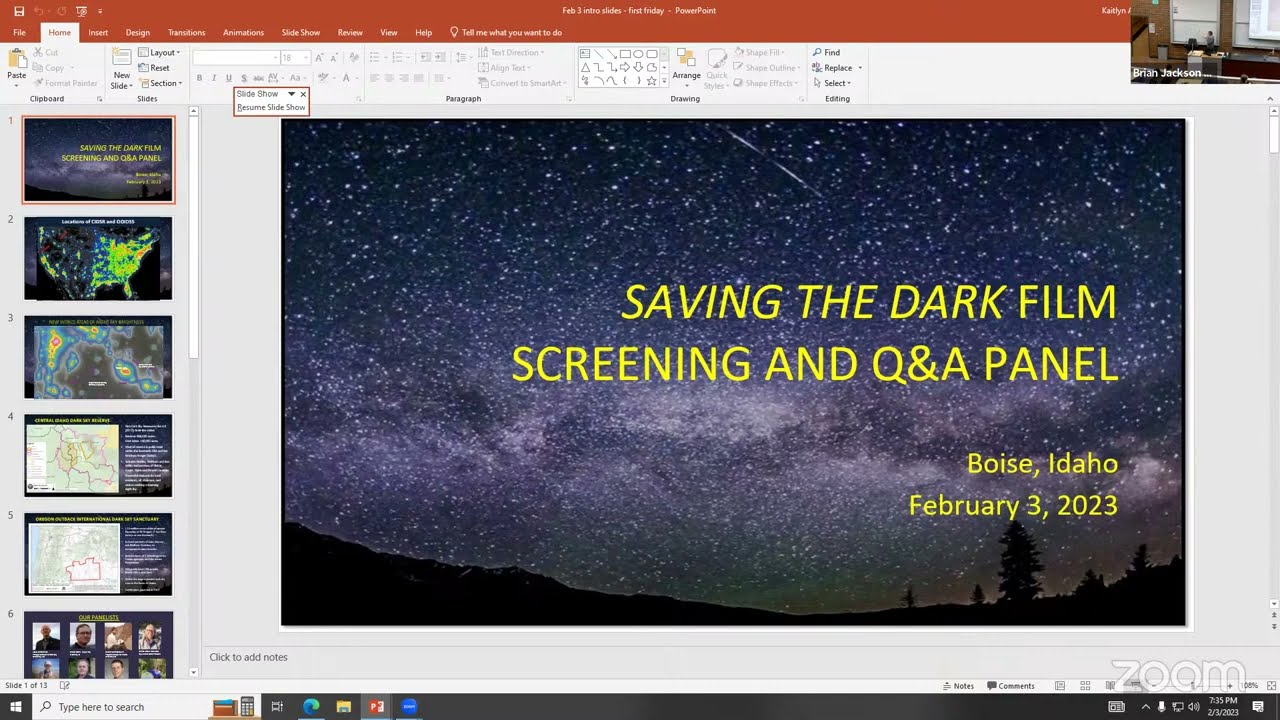
Dark skies are a vital natural resource that parks protect, comparable to air and water quality, as they support ecosystems through natural day-night cycles for wildlife navigation, reproduction, and survival, while also benefiting human health by regulating circadian rhythms and melatonin production; International Dark Sky Parks are designated by the International Dark Sky Association through a rigorous certification process requiring parks to demonstrate baseline darkness (Milky Way visibility), public accessibility, educational outreach, and comprehensive lighting management plans that reduce wasted energy and preserve the night sky for future generations.
Understanding Dark Sky Parks and the Importance of Protecting Night Skies
Added:Basic understanding of the electromagnetic spectrum, specifically visible light and how artificial illumination scatters in the atmosphere.
The concept of circadian rhythms and how biological organisms rely on natural day-night cycles for behavior, reproduction, and survival.
An introductory awareness of light pollution, including its primary components such as skyglow, glare, and light trespass.
Basic principles of environmental conservation and the general purpose of protected wilderness areas and national parks.
In-depth study of sustainable lighting design, shielding technologies, and International Dark-Sky Association (IDA) compliant fixtures.
Analysis of environmental policy and local governance, specifically how to draft, implement, and enforce municipal dark-sky ordinances.
The physiological and neurological effects of artificial light at night (ALAN) on human health, melatonin production, and sleep architecture.
Advanced observational astronomy and astrophotography techniques optimized for pristine, low-light environments.
The socio-economic impacts of astrotourism and how dark sky preservation can drive sustainable economic development in rural communities.
10K views753likes15:20Original Release: 2023-07-03
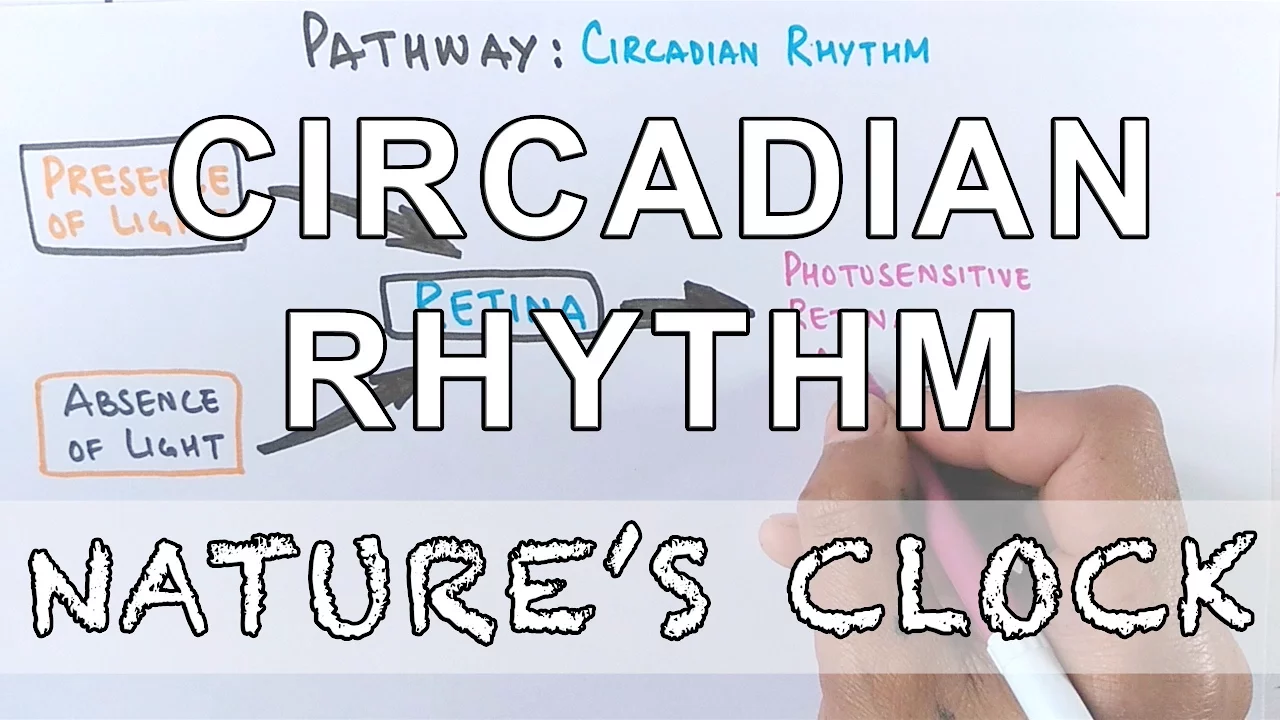
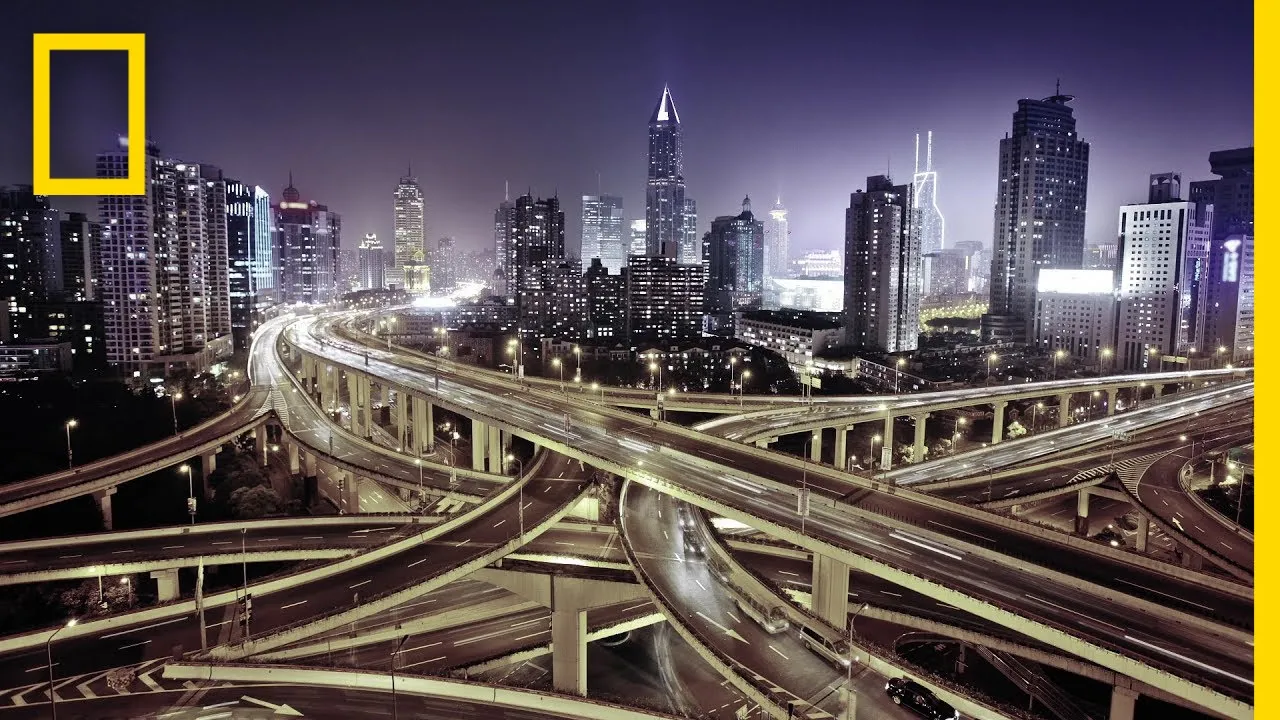
International dark sky Parks that's what we're talking about today this is a supplemental designation that goes on top of a Park's existing designation so National Parks stay national parks national monuments day national monuments State Park stay state parks etc etc they just have this added title as a signifier of what these parks are protecting which is a resource that all of these Parks share in common but which is frequently overlooked Dark Skies all about dark skies and dark sky Parks coming up next [Music] hello and welcome to national park diaries my name is Cameron and this is a channel dedicated entirely to telling engaging educational stories about National Parks public lands and protected areas my goal here is to make parks and park issues more accessible here on YouTube and there are a couple ways you can help me out with that if you would like first all the YouTube stuff the likes subscribes the Bell thing commenting all the usual stuff that helps tell YouTube that people actually like what I'm doing here that all goes a long way and is really much appreciated second I do have a patreon if you are interested in supporting me more directly this channel is entirely fan funded and my patreon goes a long way to making sure I can keep this thing running there's lots of good stuff over there and I think you'll find a lot of value in it so that's patreon.com national park diaries if you are interested now let's continue on with dark skies I first want to start by laying out why dark skies are important and worth protecting in the first place we maybe don't often think of them this way but dark skies are just like any other resource that a park is tasked with protecting light pollution is a problem just like air and water pollution and preserving Dark Skies is important to both human and natural landscapes let's start with nature for eons organisms on this planet humans included have been adapted to the Natural day night cycles caused by the Earth rotating on its axis depending on where you were on the surface the length of your days and nights would have changed but still by and large you would have been adapted to some form of light and dark schedule you've probably heard of this with sea turtles which use Moonlight to navigate back to the ocean but many migrating birds use the night sky to navigate as well in both instances artificial light can attract these species off course and put them at greater risk for injury or death and thus inhibit that species long-term survival then there are frogs and toads which use the cues of the night sky to begin their mating calls artificial light disrupts this reproductive process again threatening their viability think of plants and how Reliant they are on cycles of night and day then of course some animals are completely nocturnal they are active only at night so that is when they forage search for Meats avoid Predators raise their young pollinate plants this is when they live their lives our earliest mammalian ancestors would have fallen into this category so in some ways we have the night sky to think for our existence it's only recently in our evolutionary history that humans have extracted ourselves from this natural cycle of day and night as we've introduced more and more artificial light into our lives and made our relationship with Darkness a thing of the past and this is having adverse impacts on our health see our circadian rhythm our own internal biological clock is adapted to cycles of night and day as well the onset of darkness is responsible for the production of certain hormones like melatonin the regulation of our body temperature and the overall maintenance of many of our body's basic metabolic functions in other words we require Darkness to live a full and healthy life and the continuing intrusion of artificial light into these natural bodily processes is associated with increased rates of obesity cardiovascular disease depression diabetes and cancer as well as decreased motor and cognitive function as well as reproductive Health we can take a different angle and talk about this from an energy use perspective as well especially in a time of climate change artificial light of course uses more energy and the way we use that light can lead to large amounts of it being wasted 30 percent according to the international dark sky Association we often put artificial light in places where they are not needed and use them at times when it is not necessary the Ida also estimates that artificial Outdoor Lighting in the U.S uses 12 terawatt hours of electricity annually enough to power New York City for two years so yeah we're just wasting a lot of energy by putting artificial lights everywhere and finally there's some more philosophical reason for protecting the night sky the night sky is something every human being to have ever lived has been able to share the night sky Sparks a sense of awe and wonder there's even a term for this it's called Nova lunosis these are Universal emotions and provide a Common Language across which every little kid who's ever looked up at the Milky Way can speak in the United States 80 percent of people will never be able to do this so while we may be divided by geography language culture and politics the night sky is something that unites us those of us living today and those who came before it Sparks a sense of Discovery and passion invites us to learn more about the world we live in and the universe we occupy the night sky is a great connector it connects us to our cells each other and the natural world but we're losing this night sky or rather our ability to see it some estimates Place light pollution as increasing at a rate of roughly two percent per year and this is where dark sky Parks come into play all those things we just talked about are all problems that dark sky Parks can solve Parks especially in remote areas are the last bastions of the night sky they're the last places where the true benefits of a night sky can be realized so these are places where plants and animals dependent on night skies can Thrive where humans can go to rekindle our relationship with the dark to mitigate some of the effects artificial light is having on our bodies some Studies have found that just two nights spent in a natural cycle of day and night can help increase your melatonin production so yeah that quick weekend camping trip is really doing wonders for your health after all and that's all possible in parks that protect the night sky but how does a park become a dark sky Park and how does one protect the night sky well light pollution like other forms of pollution is something that can be addressed it can be fixed and the international dark sky Park designation is one way of addressing it the process of earning this designation is pretty involved too because it has to be dark sky preservation requires a commitment to protecting night sky resources just like any of the resources a park protects this isn't something you just get the slap on your social media profile and call it a day it requires an independent third-party certification There are rules and regulations for that process it requires an ongoing commitment to dark sky preservation all sorts of stuff let's start with the certification that is overseen by the aforementioned International dark sky Association they set all the rules and regulations they're a non-profit organization and a recognized Authority on light pollution they are the ones who issue the certification in the first place making sure a Park meets the dark sky requirements and they follow up to make sure the park is maintaining its Dark Skies properly as of the time I'm making this video there are 117 dark sky Parks certified by the Ida and again this is not a replacement for a Park's current designation just something that is granted in addition to that designation for example Bryce Canyon is certified as an international dark sky Park but it is still called and managed as Bryce Canyon National park by the U.S national Park Service the Ida does not take over any management responsibilities or funding or anything like that this is just a supplemental designation aimed at holding Parks accountable for maintaining dark sky resources they have a whole set of criteria for how to get and maintain this dark sky Park status I'm not going to list everything because again it really is an involved process so I'll give you an overview of how to become a dark sky park and if you're interested in the full thing there's a link to some of the Ida's documents in the description so first and foremost you've got to have a dark sky to begin with there is a base level of Darkness that is required for a park to become a dark sky park that is just unavoidable like Central Park isn't going to be getting dark sky Park status anytime soon sorry Central Park generally this means you can see the Milky Way with the naked eye there are no artificial light sources with significant glare and there are these things called light domes which is just like the sky glow you see around heavily lit areas those have to be dim not widespread and must be close to the Horizon the Ida does have actual like numbers and measurements that correspond with these conditions like their measures of brightness and stuff I'll spare you the details again they're in the description next the park has to be publicly accessible as much as the dark sky designation is about preserving Dark Skies it's also about public Outreach and public availability the Ida wants people to be able to come out to these places and enjoy the benefits of dark sky resources in addition to protecting those resources this means that for the most part dark sky parks are well public parks national parks national monuments state parks public forests things like that technically you can have private land certified for a dark sky designation but there has to be a commitment to Public Access also in the spirit of Public Access a dark sky park has to commit to outreach and education efforts for dark sky resources again this designation is designed to increase public awareness of dark sky resources so Parks have to provide this element as part of their certification this can include nighttime Ranger programming interpretive signage social media post or anything else that helps inform the public but it is mandatory for the designation then there's the lighting management plan yes lighting management plan these things are intense and heavily detailed links in the description again this is perhaps the biggest commitment a part has to make to become dark sky eligible parks of course will need lights around campgrounds near visitor centers places like that so it's not about not having lights but rather incorporating them in dark sky friendly ways so that means reducing the overall number of Lights uh shielding is a big one which just means covering the tops and directing the light downward instead of having it filter up and out for no reason it could include timers or motion activation as well again Parks can have lights they just have to use them properly as part of the lighting management plant and as a contingency for their certification Parks must have two-thirds of their lighting fixtures be dark sky friendly at the time of certification plus commit to 90 within five years of certification and 100 within 10 years yeah this is a big one artificial lights kill night skies and adopting a proper lighting management strategy is a key component for dark sky certification and finally this is not a one-time thing you don't earn this designation and that's it there has to be an ongoing commitment to dark sky preservation which even includes incorporating dark sky maintenance strategies into the Park's official management documents this is a future proofing Criterion to ensure Parks remain committed to preserving their dark sky resources so as you can see again becoming an international dark sky Park is nothing to be taken lightly there are strict criteria to be met and Parks must commit to dark sky preservation for the future and there's a reason for this stringency right these parks are the premier dark sky destinations in the world if they don't maintain their dark sky resources we might not have many places left to not only go and view the night sky but to learn about its wonders and experience them for ourselves in this way dark sky Parks preserve and maintain Dark Skies yes but they do so in a way that allows us to reconnect to Our Roots as a dark sky species okay that is everything I have for you about Dark Skies thank you so much for watching um be sure to like subscribe uh hit the little bell thing leave a comment have you been to a dark sky Park uh I think the best dark sky Park I've been to is probably Canyonlands that area of Utah is just so empty and the night skies were so vibrant comment down below with your favorite dark sky Park uh and do be sure to check me out on patreon if you're interested in supporting me more directly and you can follow me on Instagram if you would like that's where I post uh Channel updates uh pictures from my Park adventures and it's also the easiest place just to get in touch with me so follow me on Instagram if you would like thank you so much for watching I'll see you next time goodbye
Up Next
45:37
2018 State of the Town Address | Fountain Hills Mayor Report
@FountainHillsArizona
140 views•2018-01-18

12:54
Triumph of Orthodoxy Icon: Byzantine Art & History Explained
@BenCallan
2.1K views•2024-08-06

9:49
FastAPI vs Flask vs Django: Choosing the Right Python Web Framework
@TechWithTim
302.5K views•2024-05-26

1:42
Game of Thrones Opening Credits: A Cinematic Analysis
@gameofthrones
46.3M views•2011-04-18
Related Study Plans & Knowledge Roadmaps
Structured learning paths in General & Interdisciplinary Studies
general-studies
Elevator Engineering: History, Physics & Cities
01From Hoists to Safety Brakes: The Dawn of Vertical Lift
02Hydraulic vs. Traction: The Engineering Physics of Elevators
03Modern Speed, Safety, and Algorithms
+ 2 more learning modules
12h5 modules
Explore Roadmap
general-studies
Rubber: Material Science, History & Geopolitics
01Origins of Natural Rubber & Mesoamerican History
02The Chemistry of Natural Rubber & Vulcanization
03The Geopolitics of the Rubber Boom & Colonization
+ 2 more learning modules
12h5 modules
Explore Roadmap
general-studies
Containerization: Evolution, Logistics & Trade
01Ancient Trade & Bulk Cargo: Amphorae to Barrels
02The Industrial Revolution & Cardboard Packaging
03The Containerization Revolution: Malcom McLean
+ 2 more learning modules
12h5 modules
Explore Roadmap
general-studies
Textile Tech: Evolution, Labor & Global Impact
01Pre-Industrial Textiles: Handloom & Cottage Industry
02Mechanization: The Spinning Jenny to the Power Loom
03The Factory System & Global Labor Transformation
+ 2 more learning modules
10h5 modules
Explore Roadmap