

















Effective community governance requires collaborative partnerships between local government, business organizations, schools, and residents to achieve sustainable development goals including infrastructure improvements, economic growth, and quality-of-life enhancements.
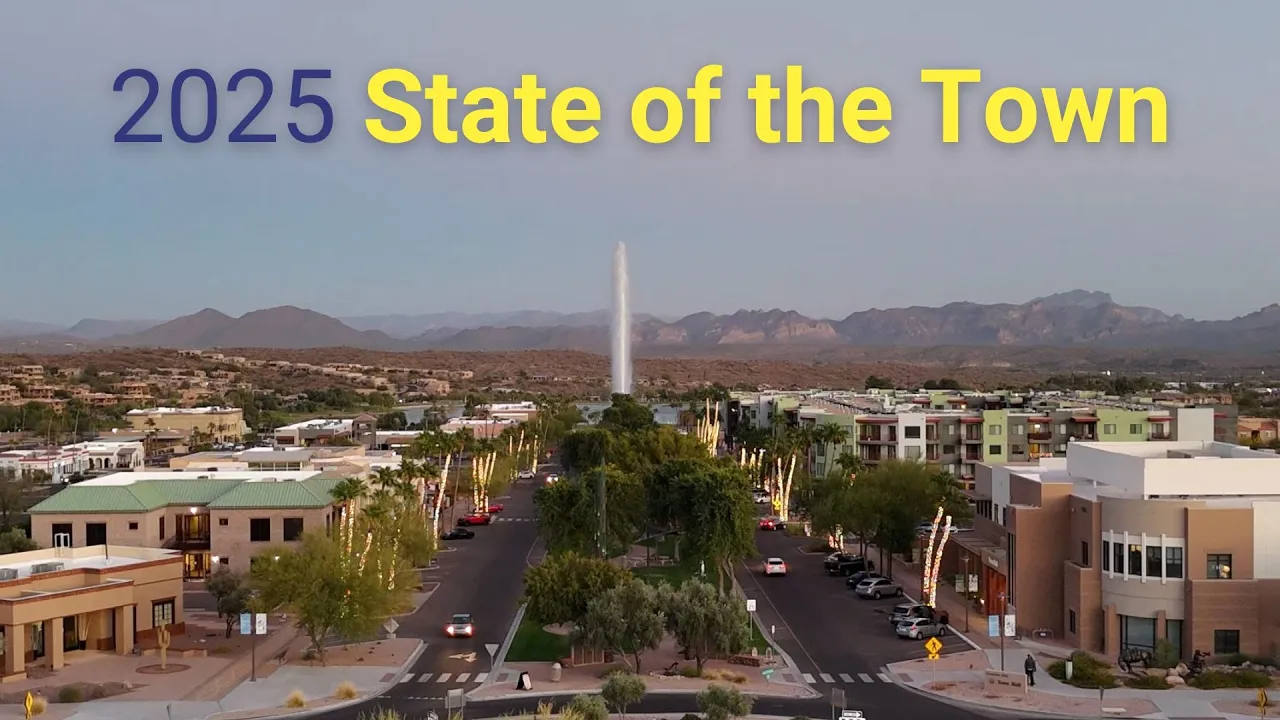
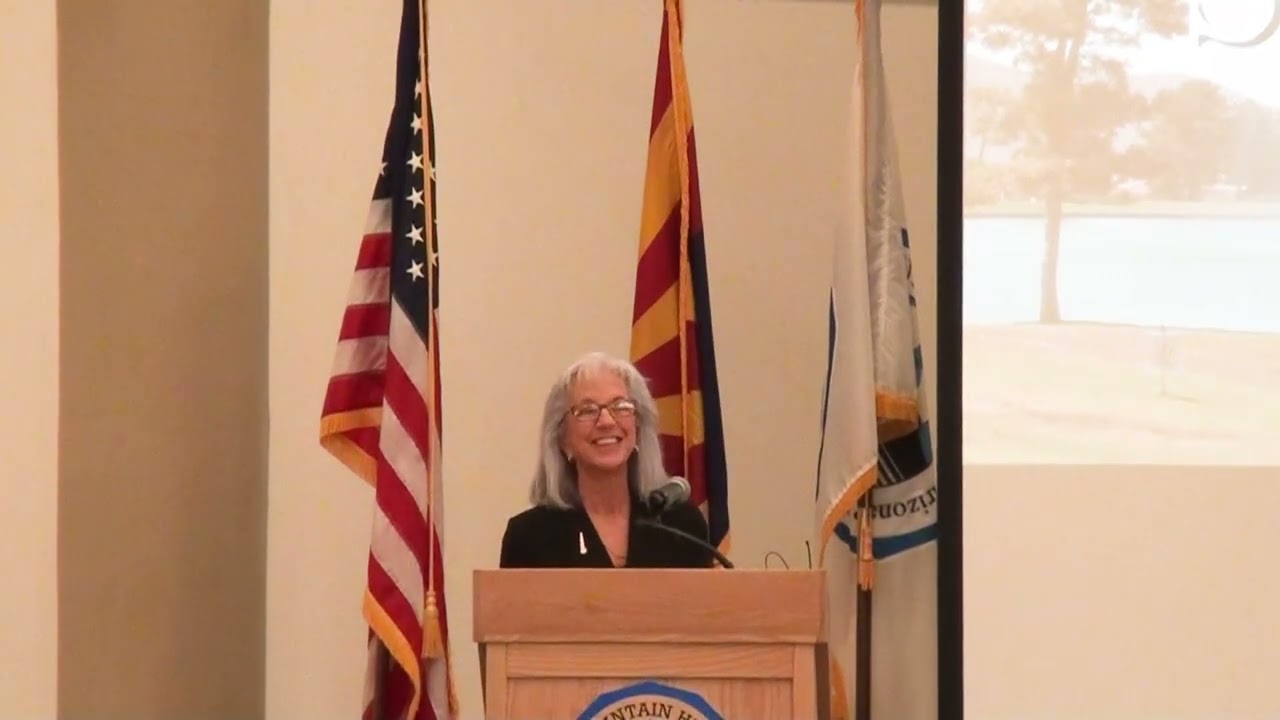
2018 State of the Town Address | Fountain Hills Mayor Report
Added:Understanding the basic structure and roles of municipal government, particularly the office of the Mayor and the Town Council.
The purpose and typical format of a 'State of the Town' or 'State of the City' address as an annual reporting and strategic planning tool.
Fundamentals of local public finance, including how property taxes, municipal bonds, and state shared revenues fund local development.
Basic concepts of urban planning and quality-of-life indicators (e.g., public safety, parks and recreation, infrastructure maintenance).
Analyzing subsequent annual addresses from Fountain Hills to track the long-term progress of the initiatives proposed in 2018.
Conducting a comparative analysis of municipal growth strategies between suburban desert communities and larger metropolitan areas.
Studying community engagement methodologies and how citizens can actively participate in local government decision-making processes.
Evaluating the real-world economic impacts of municipal development projects on local business growth and property values.
140 views2likes45:37Original Release: 2018-01-18
welcome to the third annual state of the town address i'm scott sold at valenzuela ceo with the fountain hills chamber and we are very excited that you're all here this morning to hear mayor linda cavanaugh i'd like to tell you a funny story first though i was talking with my kids last night and saying i have to leave early for a meeting and they're four and five and they said uh well what are you doing at your meeting and i said well the mayor's speaking and they kind of had a funny look on their face because they don't really understand they've met mayor kavanaugh a few times but they don't really understand what a mayor is what a mayor does and they said well is that like mayor goodway and paw patrol and if you've seen the cartoon paw patrol there is a mayor and her name is mayor goodway and then they said well what else do you do at your meeting and i said well we have breakfast my daughter who's five recently learned the word weird looks at me and says that is so weird that you would have breakfast at a meeting so in the eyes of small children i'm in a cartoon and weird and on that note on a more serious note it's really important that we come together as a community and i and it's our pleasure at the chamber to be able to partner with the town and host this event to create a community dialogue about what's going on in fountain hills hear the mayor speak about the accomplishments of the town what's on the agenda in the future and and really some of those conversations that you have at your tables or while you're standing filling your plate are really important you run into people maybe you haven't seen recently and and reconnect and talk about projects that you've worked on together or that you're planning so it is truly our pleasure to help bring all of this together we have some dignitaries i would like to recognize at this time starting with senator john cavanaugh please thank you from the town of fountain hills mayor linda kavanagh vice mayor dennis brown oh i'm sorry to hear he's ill let's clap for him anyway we wish he was here council member nick deporter council member ellen magazine council member henry leger council member art tolis and council member cecil yates you're alphabetical sort of i don't know the alphabet too well either but and i i would especially like to also recognize our town manager grady miller we have several uh former mayors with us today former mayor and they're in no particular order so don't take offense to the order former mayor sharon morgan former mayor jay schlum and former mayor jerry miles [Music] we also have a number of board members from the fountain hills chamber in attendance and i would like to recognize them as well superintendent of the fountain hills school district dr patrick sweeney from wells fargo brian horvath christine colley fountain events inc our board member from sonoran lifestyle real estate suzanne nan bo james from the vfw and chair of our public policy committee our little caesars franchisee audrey willette and she is serving as our board secretary [Applause] from srp our treasurer this year is leanne torkelson our vice chair and owner and founder of noodle advertising is rosaria kane and serving as our chair from first financial equity corporation paul perrault the mayor's address is presented by srp and represents a partnership between the town and the chamber as you know our breakfast today is prepared by chamber member hobnob catering and i would really like to extend a special thank you to srp they have been a great partner with us for the last several years and really have helped us in a number of ways from public policy to some of our new events places where business and government connect so we really appreciate their support and their partnership and i i've called them several times and kind of leaned on them for some assistance at a number of occasions so thank you so much for doing that srp we appreciate the support from republic services as a saguaro sponsor your generous community grant program which i understand was recently awarded to fearless kitty i hope it's okay to announce that your grant program is really helping local local organizations grow and thrive in fountain hills and and that support is essential it also brings a lot of people out to vote excuse me for the grant program a lot of users of your service so we we really appreciate that and our table sponsors today include cox communications the fountain hills sanitary district euro pizza cafe sonoran lifestyle real estate hd asian bistro linda poole of coldwell banker and noodle advertising please give them a round of applause and at this time it is my pleasure to introduce stephanie navarro from srp thank you [Music] good morning on behalf of srp i'd like to welcome everyone to the annual mayor's address it's great to see so many elected officials entrepreneurs business owners and citizens of this great community srp is proud to support fountain hills and the mayor's breakfast through our partnership with the town of fountain hills and the chamber of commerce mayor linda kavanagh moved to fountain hills over 20 years ago with her husband john and their two sons she immediately became involved in many civic organizations and has served on numerous committees to further the development of this great community as an advocate for infrastructure improvements business retention and economic development mayor cavanaugh has worked tirelessly to create a bright future for fountain hills it is now my pleasure to introduce marilynda cavanaugh good morning and thank you all for being here first i want to extend a special thanks to our chamber of commerce for making this state of the town possible in this format their staff has been working closely with ours to showcase the many accomplishments of our town during this past year the town and the chamber have a great partnership which has benefited our businesses and residents alike one important reason is the town for the most part runs on the dollars spent here in addition many of our business owners live right here in town they are our friends and our neighbors you can't get any more local than that i want to thank our sponsors i know that some of them have already been mentioned especially srp that has supported me for many many years and has supported fountain hills i'd also like to to uh mention the other sponsors they are all so important to me that i want to say thank you to them that's toll brothers republic services asian bistro cox communication lindepool with caldwell banker euro pizza cafe fountain hills sanitary district noodle sonoran lifestyle real estate and the town of fountain hills thank you all for your generosity and your support partnerships have always been the style of fountain hills and it's worked out great since the beginning of the town working with srp epcor mcso rural metro republic services in the sanitary district has benefited our town since i work closely with each of those services i want to add that it has been a pleasure to work with their representatives we join together in partnership with our schools working closely with them to share facilities programs ideas and great learning experiences we are also fortunate to have an awesome boys and girls club that does a great job providing programs for our youngsters and our teens and a safe environment to just hang out and speaking of partnership our town has been blessed with two great partners who have shared their culture experience and goodwill and are the best neighbors any town could ask for the fort mcdowell yavapai nation and the salt river maricopa indian community my special thanks to president bernardine burnett and president delbert ray and their respective tribal councils for their help and their friendship which fountain hills is so fortunate to have i also want to add our hometown paper the fountainhealth times its founder and owner alan crookshank i want to add them to my list of partnerships the newspaper not only brings information about local affairs to our residents but showcases our students our clubs our houses of worship all of our events you can't be a true hometown without a hometown newspaper i want to thank our staff starting with our town manager grady miller who i have been so fortunate to work with these past few years it has been a privilege to work with a manager who is an incredible asset to our town because of his experience knowledge and his ease of working with he has also proven himself time and again to be a great negotiator to mike chicarone our one and only it guy i want to thank him for all his work putting this presentation together for this and all he does on a daily basis well we would be lost without him and thanks to nancy walter my special executive assistant trust me when i say nothing would function as efficiently as it does without nancy and especially not me she does the work of assistant secretary historian writer and watch out grandma police to me she is the most indispensable part of my administration and i thank her every day for her hard work and dedication to to the rest of you deserve that to the rest of the staff they know how much i appreciate all that they do we're a very small family at town hall where everyone pitches in to help each other no matter what's asked of them that's the only way we could have accomplished all that you are about to see to my fellow council members each of you should be proud of what we have accomplished with the limited resources and staff that have been available to us these last few years have seen a great deal of effort on our part to beautify our town and take extra care of our parks finishing the downtown with park place was a big endeavor but it will ensure not only more local retail for our residents revenue for the town and add much needed apartments but will add a great amount of residents to our population that adds to our tax base to help existing residents and makes us more attractive to businesses looking for a new location maybe someday we will just be big enough to attract the dutch brothers a mad greens or even a chick-fil-a we've also heard from residents about amenities how they want their town to be a great place to live work and play and we've done our best to make that happen by beautifying our parks adding more recreational sports and other programs for all ages and increasing local events where else in the valley can you run a race with a turkey check out some maseratis view a very green fountain and tell your friends hey go fly a kite it's all here and more and we're proud of it in these and many more ways fountain hills is an old-fashioned hometown with its great schools local shops outstanding chamber of commerce great boys and girls club and real hometown amenities like parades fireworks movies and concerts in the park farmers market little league and lots more this is a town where residents just don't say i live in fountain hills but i love living in fountain hills let's look at what we have done this year and you be the judge of this great little town the maricopa county flood control district and the town are currently underway on a flood plain redelineation study for ashbrook wash and cloudburst wash this comprehensive study has been deferred until after the 2015 construction of large box culverts at saguaro boulevard and at bayfield drive to prevent 17 residents from being in the flood plain a more limited federal emergency management agency letter of map revision had recently removed four residences from the ashbrook wash flood plain based on the construction of those box culverts this project will save residents in the area thousands of dollars annually in paying expensive flood insurance premiums the shea overlook is a popular destination for locals and tourists it provides breathtaking views and timeless photographic opportunities of the valley a storm event in the summer of 2016 damaged this popular attraction creating an unsafe environment in the spring of 2017 staff commenced on a capital improvement project to repair all of the damage construction improvements consisted of new drainage installation of a new safety rail and the adding of new signage and striping to the area fountain hills civic center and all the towns parks fountain desert vista four peaks golden eagle and the avenue of the fountains plaza were retrofitted with energy efficient lighting during the 2016-17 fiscal year the complete upgrade throughout these facilities will save the town an annual cost of twenty four thousand five hundred and fourteen dollars and thirty nine cents tow brothers began construction in adero canyon on several different floor plans each with three different facade choices for 296 single-family homes models are open and sales are reportedly doing well there are currently 61 new house lots approved in phase 1 with an additional 235 house lots and 30 duplex lots in review as part of phase 2.
toll brothers is also in the process of building 64 luxury condominiums in fire rock these condominiums are designed with a modern southwestern flair and will be a great new option for new home buyers models are now open and sales are reportedly very good camelot homes began construction of their townhouses in adero villas the models are open and sales are reportedly very good once completed camelot will have built 44 new townhouses park place is a massive mixed-use project currently under construction on the south side of the avenue of the fountains in the downtown area phase one which consists of only two of the five buildings in the project is moving along at a fast pace and we all hope that the remaining buildings won't be far behind phase one will include approximately thirty five thousand square feet of commercial space on the ground floors with a total of 230 apartments occupying the second third and fourth floors this project will help us bring a new and higher level of activity and vibrancy to our downtown area the town council approved a development agreement with copperwind resort in 2017.
copperwind will expand the resort to 300 rooms that will include new conference function rooms additional restaurants and a remodel of the pool areas starbucks began construction on a new 2005 square foot freestanding building with a drive-through service window located on fountain hills boulevard between dj's bagels and senor taco project will also have a large outdoor patio for customers to relax and enjoy their favorite beverages while taking in our excellent views to enhance the quality of life for our residents staff work with the dark sky committee to ensure the dark sky ordinance was adopted and put into effect to continue the town's wonderful reputation for unobstructed views of the night sky the town has applied for an official dark sky community designation and hopes to be notified shortly of this prestigious award the canyon side development ordinance was designed and adopted to assist home builders constructing new homes on steeper lots in town specific criteria were incorporated into the ordinance to ensure that the town's visual character is protected while still allowing for development on the town's more challenging terrain the noise ordinance was adopted to provide more easily understood guidelines for reducing noise pollution and providing more easily monitored and enforced standards this year fountain hills experienced some exciting economic development projects that will bring new investment and quality new jobs to our town fts usa llc fine time solutions is an advanced manufacturing company that will be operating within the walls of the local east valley institute of technology event fts will combine the efficiency of modern mass production with the hands-on expertise and oversight of specialists from the usa and around the world to re-establish an american source for watch movements components assembly testing and service fts will partner with evit to build a state-of-the-art assembly and production facility in eve it's new fountain hills location fts usa will assemble and ultimately manufacture watch components and luxury watches with the goal of being the only american-made watch company they plan to create 30 new jobs in the first year and as many as 100 within three years this is a community partnership with the fountain hills unified school district evit and the town working together to bring this project to fountain hills the targo global sciences is a leading supplement and nutrition company that relocated its corporate headquarters from california to fountain hills fritago specializes in a patented carbohydrate powder that provides the fastest body fuel for before during and after exercise and supporting same-day recovery for tournament competitions and multi-training days currently the company employs five people in fountain hills as well as representatives in california washington dc chicago and canada fountain hills micro brewery is fountain hills first micro brewery that is opening in the mountain village marketplace fountain hills is now on the map of craft beer lovers and the tremendous growth this market has seen in the last couple of years fountain hills was recognized in two terrific articles that ran in national media outlets the first was featured on the travel website expedia where writer chloe mulliner set out to find the most beautiful place to visit in each state that might not be on your radar out of the entire state of arizona fountain hills was honored with this distinction the second was a feature in the march issue of business and focus magazine the article focused on all aspects of our town with the emphasis on our innovative business environment the publication reaches over 460 thousand business leaders in north america the mayor council members and town manager attend ribbon cuttings organized by the fountain hills chamber of commerce to welcome and meet the staff of new businesses and enjoy networking with chamber members and the community the fort mcdowell yavapai nation and fountain hills town council held a joint meeting in november to discuss mutual interests the councils are pleased with the interaction between both staffs and wish to continue the good neighbor policies firefighters from station number two took arthur l redd a world war ii veteran who was originally assigned to the uss arizona but was reassigned just before the attack on pearl harbor to the veterans day ceremony at the fountain hills veterans memorial art was made a fountain hills fire department honorary firefighter for his contributions to his country town and family the fire department presented art with a traditional fire helmet that his name and rank in leather this was a tremendous honor for the firefighters and arts family this is a rendering of the new fire station number two that will be relocated from the current location on saguaro south of shea to just north of shay on fountain hills boulevard the relocation of the fire station will better meet the response times for the entire southern half of the town when the current station number two was constructed several years ago eagle mountain and fire rock did not exist and with the addition of adero canyon it is important for our town to properly meet the required response times for all emergencies construction should start in early 2018 and be completed by the end of 2018.
this is a graphics rendering of the town's new ladder truck this ladder truck is replacing a 20 year old american la france 75-foot non-platform apparatus the new ladder truck is scheduled for delivery in january 2018.
this new apparatus will meet the current and future building access requirements as well as someday help increase our town's insurance service office rating the chambers 2017 thanksgiving day parade was a success this year for the vintage fire truck filled with spirit and candy the antique fire truck slowly rolled the entire route making lots of children happy to see santa arrive in the fire truck next year santa will arrive in style on thanksgiving on the new platform ladder truck in 2017 we welcomed 71 new volunteers bringing our total number of volunteers to just over 900 new volunteers are always welcome and receive a list of volunteer opportunities throughout the year we love our volunteers and appreciate their generosity of time and talents what do our volunteers do with over 900 volunteers in action they keep themselves busy by volunteering in a variety of service areas the eight-year-old give a lift program provides an average 34 rides monthly to homebound residents who can no longer drive the town currently has 28 volunteer drivers most rides are for medical appointments and grocery shopping there has been an increase in need as more residents become aware of the program our award-winning make it different stay program had 425 plus volunteers gather in late october and provided many services from building wheelchair ramps to landscaping and deep cleaning to over 64 residents in their homes over 100 more volunteers participated in 2017.
this year's make a difference day is scheduled for october 27 2018.
the mayor's youth council is an active and community oriented group of 18 youth who receive a civic education in addition to hands-on activity throughout the school year including community service projects and adopt a street an annual highlight is a trip to the state capitol where state senator cavanaugh gives an interesting tour and education in how a bill becomes a law it takes over 180 volunteers to make the community center festive for the christmas holidays over 40 clubs organizations and individuals follow a theme this year it was rudolph's reindeer romp and they designed trees wreaths and quilts to adorn the halls and lobby of the center volunteers also coordinated the annual christmas celebration party complete with delicious treats trains ornament making to decorate the community tree singing and a kazoo parade along with a visit from santa the annual activities and volunteer expo was held in january 2017.
this event showcases approximately 37 clubs organizations and churches in addition the activity center will highlight various programs support groups classes and special presentations offered throughout the year the community center is a tremendous town asset and serves our community in so many ways this year there were over 640 rentals from weddings and private rentals to hoas to various civic and political groups the community said it is a hub of activity the 1366 members of the activity center have the opportunity to participate in a wide range of activities and special presentations throughout the year some favorites are the much loved and anticipated pizza party and an ice cream social the home delivered meals program is also based in the community center and is a vital source for our community we are very appreciative of our volunteers who deliver the meals daily fountain hills is home to an exquisite collection of art mirth and melancholy was recently installed just outside the front entrance of the community center it is a beautiful bronze sculpture featuring two dancers blowing in the wind is a 7.5 foot tall by four foot wide piece that was donated by local residents marco and patricia muscarello the dramatic piece was placed on the east side of fountain park in the desert garden off of panorama drive at the donor's request athena's prayer was installed within the veterans memorial at fountain park the piece is currently on loan with a fundraising effort to make this a permanent part of the town's art collection to help spread the word about fountain hills our tourism division was once again the home run sponsor for the chicago cubs spring training season announcing get out of the valley and into the hills each time a home run was hit along with promotional ads including one in golf digest and experience fountain hills videos the tourist division also sponsored the second hole at the phoenix open at the 2017 international festivals and events association annual conference the fountain hills tourism division received six ifea haas wilkerson pinnacle awards for budgets under a hundred thousand silver for best miscellaneous multimedia silver for best single digital social ad silver for best single newspaper display ad bronze for best single magazine display ad bronze for best ad series and bronze for best promotion poster in the fall of 2017 our tourism division was recognized for the third year in a row as a partner and recipient of a 35 000 grant from the salt river pima maricopa indian community we are excited to partner with the salt river community and proud to represent them in our official visitors guide our tourism division continues to collaborate with our neighbors to the east the fort mcdowell yavapai nation together our two communities work to advocate safe mindful and responsible outdoor recreation that preserves our natural beauty and topography for future generations and visitors over the past year our park staff has been working tirelessly to maintain and improve our impressive park system golden eagle park underwent some wonderful upgrades over the past year the fields are in top shape and the tennis and basketball courts were resurfaced early in the year new cost efficient lights were also installed throughout the parks that improved light coverage and reduced electricity costs our parks and recreation staff team has been organizing a wide array of tournaments including both youth and seniors and have started offering new baseball clinics fountain park is the home of our namesake and the fountain is the centerpiece of our town upgrades were done over the past year to the lake and the fountain the overall quality of the lake water at fountain park has vastly improved with the installation of 16 additional dual head diffusers for a total of 32 diffusers in the lake other improvements to the lake included the addition of 10 horizontal water movers to help move the stagnant water out of the coves to prevent algae from collecting and decaying and compressors to supply the air to the diffusers these upgrades have improved the water quality of the lake enabling 100 million gallons of water to be processed in a single day in what used to take seven days new wind monitors were installed to allow the fountain to operate on two pumps as long as the wind speed is below eight miles an hour if the wind speed reaches eight miles an hour and stays there for three seconds the motor will shut down to one pump if winds exceed 15 miles an hour the fountain will not operate and will restart at the next scheduled run time at the top of the next hour these changes were made to keep the spray from the fountain within the perimeter of the park and to remain in compliance with state regulations the splash pad at fountain park is a hub of activity and fun for kids and families from april through september the water features were repainted and the flooring was resurfaced with a new temperature and slip resistant material to help keep the splash pad safe for all ages a rededication ceremony was held in may with the four peaks rotary club and fountain hills rotary club festivals and events draw visitors from all over to view the fountain and enjoy fountain park our 4th of july festival 4th at the fountain brought out a record of 15 000 people the concourse in the hills event takes place every february in 2017 the exclusive auto show featured more than 630 vehicles ranging from muscle cars high performance autos to military equipment that cover the park lawn the event raised 90 thousand dollars for the boys and girls club of greater scottsdale which also benefited our local boys and girls club before the weather heats up in the spring and before it cools down in the fall our community services department hosts family friendly movies in the park thanks to local sponsors ballet under the stars has also become a beloved full tradition presented by ballet arizona both activities are free and all ages are welcome keeping the kids busy and active can be a challenge especially during the summer our community services staff set out to meet that challenge by hosting our first kids summer camp right at the middle school day campers were treated to team building activities active games arts and crafts tennis demos and field trips to skateland town hall the arizona science center the sheriff's department main event of phoenix mercury game the fire station and swimming at the mcdowell mountain ranch aquatic center another summer favorite is our wacky wet wednesday program this program is a fun way to spend the late morning at our park and meet new friends and families the kids were able to run through the sprinklers splash in the kiddie pool slide down our brand new 100 foot slip n slide and get sprayed from the fire department's giant water hose kona ice was also on hand to keep kids cool with shaved ice as summer came to a close four peaks park hosted the second annual back to school bash event the event featured vendors water slides inflatable games a dunk tank yard games music food trucks and much more we look forward to continuing to bring this end of the summer bash to all the families in our community the community services department was awarded the arizona parks and recreation award for outstanding facility for the town's musical instrument park an outstanding sports program for nerf wars the town of fountain hills was one of only two cities or towns to be recognized with two separate awards this year fountain hill celebrated seven years of earning kaboom's designation as playful city playful cities are cities or towns that excel at providing family friendly safe parks and recreation areas for children and families the community services team did not slow down as the year came to a close the 27th annual turkey trot was held on thanksgiving morning and we had a record 2 301 participants as the holiday approach the avenue took on a new concept design for seasonal decorations and our first christmas tree was added on the east end of the avenue that is amazing progress for our little town and since this was recorded last week i have the pleasure of announcing to all of you who haven't already heard about it fountain hills did receive its dark sky designation i've been the proud mayor of this town for six wonderful years a lot of what you saw today and over the past few years were goals that i set out to accomplish my vision was always to improve but not drastically change the character of our town which we love so much now what do we have to look forward to to 2018 finish the downtown with the completion of park place is a priority work with the state to get our northern state trust land developed and encourage the building there of moderately priced homes to attract families and to keep our town beautiful we fountain hills residents are proud of our town and we love sharing it and showing it off so thanks for coming sharing this special morning with us please have a wonderful day thank you no [Music] on behalf of the chamber of commerce little presentation thank you may kavanaugh adjourn a three during your three terms in office fountain hills has benefited from your leadership vision partnership with civic social business non-profit and government agencies locally and throughout arizona from the long-awaited paving of saguaro boulevard significant equipment updates to the world famous fountain in creating a tradition of hosting this event to many residential and commercial projects which included the the new tool the new two toll brothers communities the park place project which is bring hundreds of residents to our new businesses on the avenue and economic development plan that is attracting new targeted businesses in fountain hills the found hills chamber of commerce and the entire business community appreciate your partnership with owners managers entrepreneurs and professionals to ensure we have a welcoming business environment while your term is not over today we wish to say thank you for serving as our mayor thank you for experience appreciate thank you [Music] i would like to again say thank you to our friends at toll brothers for uh sponsoring today's event as well we had a great ribbon cutting the other night if you have not seen the new homes in adero canyon or in fire rock which we did last month they're definitely worth seeing and bring your checkbook because homes are selling fast so you better hurry up um thank you so much for joining us today thank you so much to mayor cavanaugh for presenting the state of the town have a wonderful week
Up Next

16:35
The Endangered Wisdom of Amazon Tribes | Ethnobotanist Mark Plotkin
@TED
248.6K views•2014-11-24

26:22
Walking in the City: Urban Rituals and the Flâneur in Contemporary India
@PSBTIndia
1.9K views•2016-08-02

9:49
FastAPI vs Flask vs Django: Choosing the Right Python Web Framework
@TechWithTim
302.5K views•2024-05-26

1:42
Game of Thrones Opening Credits: A Cinematic Analysis
@gameofthrones
46.3M views•2011-04-18
Related Study Plans & Knowledge Roadmaps
Structured learning paths in General & Interdisciplinary Studies
general-studies
Artificial Light: History, Tech & Human Impact
01The Pre-Electric Era: Fire, Oil, and Gas Lighting
02The Incandescent Revolution and Grid Electrification
03Gas Discharge and Fluorescent Illumination
+ 3 more learning modules
14h6 modules
Explore Roadmap
general-studies
Elevator Engineering: History, Physics & Cities
01From Hoists to Safety Brakes: The Dawn of Vertical Lift
02Hydraulic vs. Traction: The Engineering Physics of Elevators
03Modern Speed, Safety, and Algorithms
+ 2 more learning modules
12h5 modules
Explore Roadmap
general-studies
Rubber: Material Science, History & Geopolitics
01Origins of Natural Rubber & Mesoamerican History
02The Chemistry of Natural Rubber & Vulcanization
03The Geopolitics of the Rubber Boom & Colonization
+ 2 more learning modules
12h5 modules
Explore Roadmap
general-studies
Containerization: Evolution, Logistics & Trade
01Ancient Trade & Bulk Cargo: Amphorae to Barrels
02The Industrial Revolution & Cardboard Packaging
03The Containerization Revolution: Malcom McLean
+ 2 more learning modules
12h5 modules
Explore Roadmap