















![The Nebula - A Giant Cloud of Dust and Gas in Space - [Hindi] - Infinity Stream](https://i.ytimg.com/vi/alRSEQVCuGw/maxresdefault.jpg)






Low-mass stars like our Sun live shorter lives (about 12 billion years) compared to red dwarfs (trillion years), fusing hydrogen into helium in their cores, then expanding into red giants as helium accumulates, eventually shedding most of their mass and cooling into white dwarfs; in contrast, very low-mass red dwarfs fuse hydrogen so slowly that they can last trillions of years, with convection bringing fuel throughout the star.
Life Cycle of Low-Mass Stars: Hydrogen Fusion to White Dwarfs
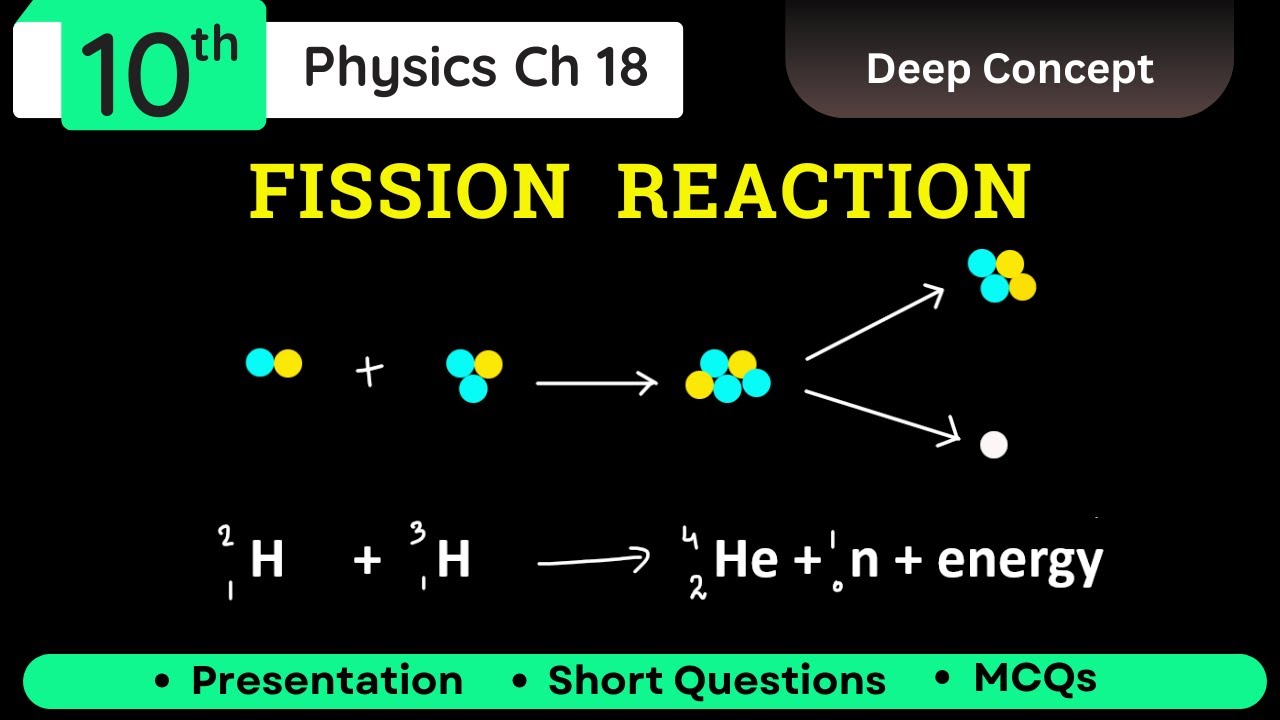
Added:Understanding of basic nuclear fusion, specifically how hydrogen atoms combine to form helium and release energy.
The concept of hydrostatic equilibrium, which is the balance between gravitational collapse and outward thermal pressure in a star.
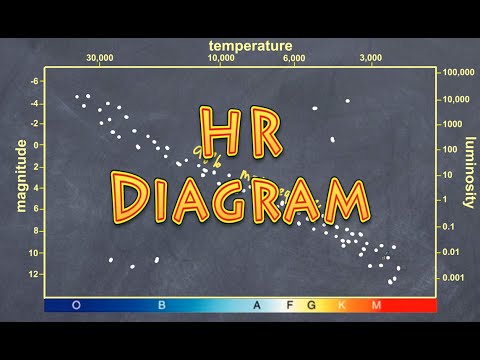
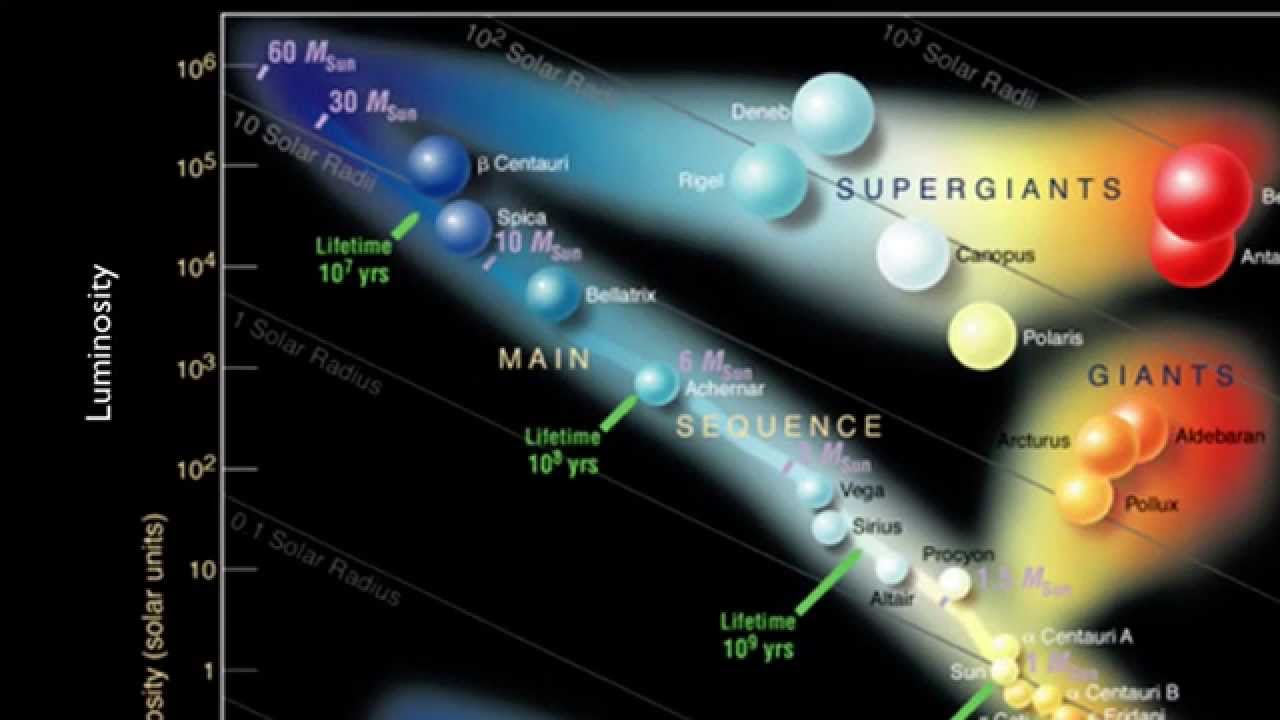
Familiarity with the Hertzsprung-Russell (H-R) diagram and how stars are classified by temperature and luminosity.
Basic knowledge of gravity and how stellar mass dictates a star's lifespan and evolutionary path.
The physics of electron degeneracy pressure, which supports white dwarfs against further gravitational collapse, and the Chandrasekhar limit.
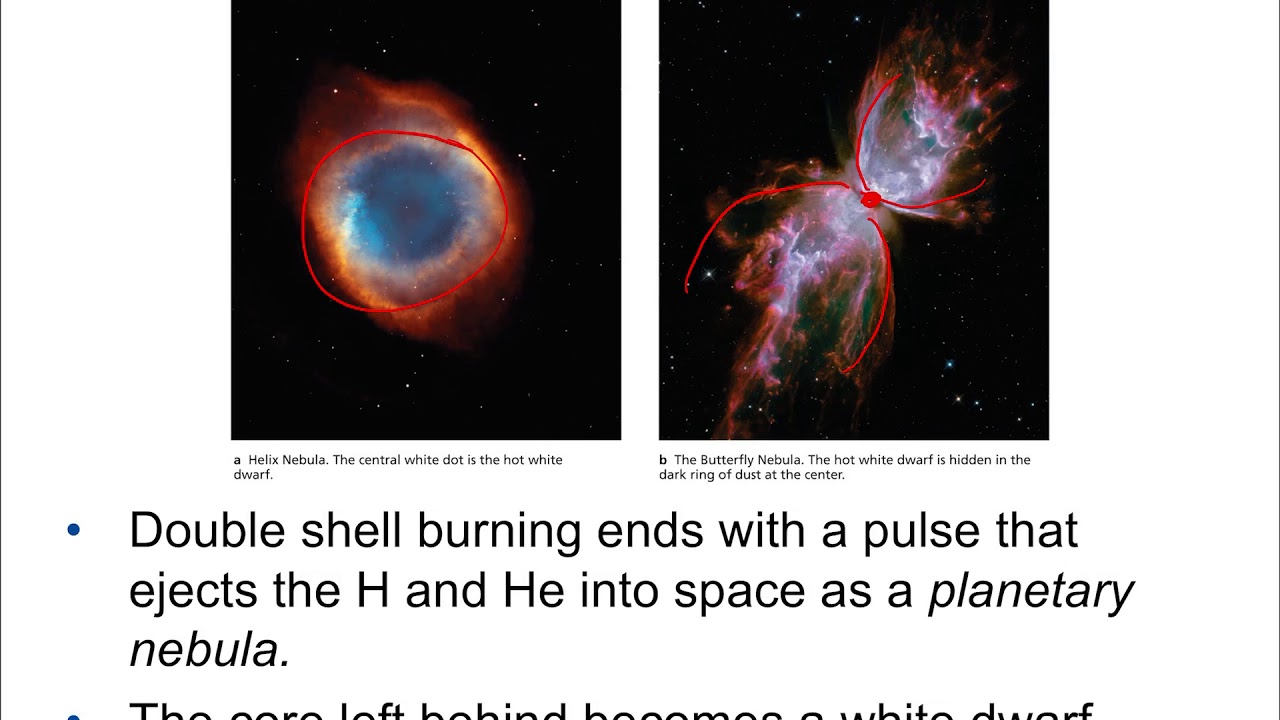
The formation and characteristics of planetary nebulae, the glowing shells of gas ejected by red giants.
The contrasting life cycles and nucleosynthesis of high-mass stars, leading to supernovae, neutron stars, and black holes.
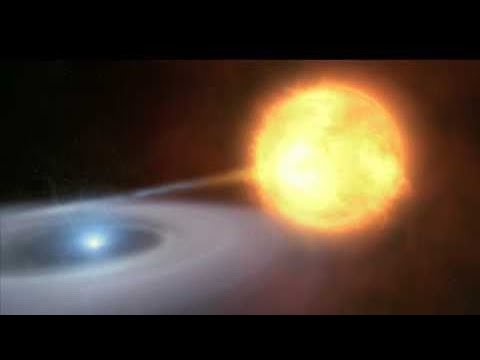
The behavior of white dwarfs in binary systems, including phenomena like novae and Type Ia supernovae.
1.4M views18.9Klikes12:02Original Release: 2015-08-20
Stars in the sky look pretty. Flickering, intense diamonds dotting the velvety night.
But make no mistake: They are churning cauldrons of violence, barely constrained thermonuclear generators, creating enough energy to vaporize the Earth a thousand times over.
Their lives depend on it. Heck, our lives depend on it! But in their case, how they live, and how long they live, depends on that creation of energy.
And in this Universe, nothing lasts forever.
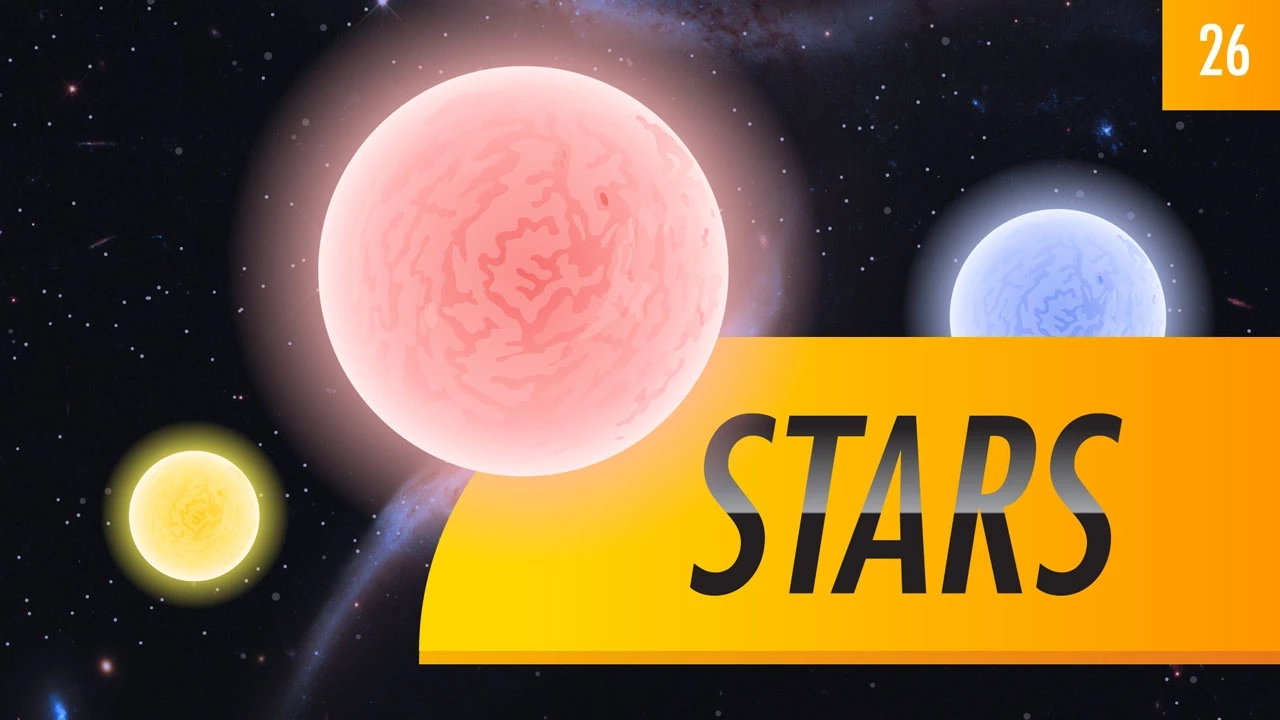
Very roughly speaking, we can divide stars into two groups: low mass stars and high mass stars. That line lies around eight times the mass of the Sun, and the reason for that is something we’ll get to shortly. Things get VERY exciting at the high end, but for now, let’s take a look at the low mass end of the scale. Things are simpler there.
Stars make energy in their cores by fusing hydrogen into helium. This is actually a pretty complicated process with lots of steps, but in the end four protons plus some other ingredients get turned into one helium nucleus. Each time this happens a little bit of energy is released, but in the core of a star it happens countless times every second. It adds up to a LOT of energy: enough to power a star, in fact.
The rate at which hydrogen fusion occurs depends on how much pressure the star has in its core.
A higher mass star squeezes hydrogen harder, so it fuses far more quickly. The rate is so much higher, in fact, that even though they’re a lot bigger than low mass stars, high mass stars run out of hydrogen fuel in their cores more quickly! The lower mass a star is, the longer it lives.
In the lowest mass stars, cool red dwarfs, the rate is so slow they last a long, long time. But there’s more to it than that. They fuse hydrogen only in their very centers, and their cores aren’t very big. Outside of this small region the gas is convective, which means the hot stuff rises all the way to the surface, cools, then falls back to the core.
That’s important, because it means the entire star is available for fuel. Both hydrogen and helium rise up through the star and then fall back down. The star can’t fuse the helium, but the hydrogen that makes it back to the center is just more grist for the mill.
Even after a long, long time, these stars can still shine as the hydrogen mixed throughout the star eventually makes it down to the center.
So how long can a really low mass red dwarf last? A trillion years. A trillion! The Universe itself is less than 14 billion years old, so even the oldest red dwarf stars are basically infants. They’re just barely getting a start in life, and they’ll look pretty much the same for the next, oh 990 billion years or so.
Eventually, though, they do run out of fuel. When one does, the star itself will be nearly pure helium (plus whatever heavier elements it was born with), and fusion will cease.
It’ll then cool, which will take many more billions of years. Finally, it will be a cold, black, dead star. And for them, that’ll be pretty much that.
Or so we think; the Universe is far too young for any of these red dwarfs to have run out of fuel yet.
That’s true for stars at the lower end of the mass scale, up to roughly a third of the mass of the Sun. But stars with more mass than that, stars more like the Sun itself, work a little differently.
Their cores are bigger, and hotter, and denser. The different conditions inside them means the material in them doesn’t convect, the hot stuff doesn’t rise away from the core.
What’s in the core stays in the core.
Outside the core there is a very deep and active convection zone, but that doesn’t interact with the material in the core itself.
This means that not only do stars near the Sun’s mass use up their fuel more quickly than red dwarfs, they have relatively less fuel to work with as well. Depending on their mass, their lives aren’t nearly as long.
For the Sun, that total lifespan is about 12 billion years, give or take. The Sun is nearly five billion years old now, so it’s approaching middle age. Its life is similar to other stars of similar mass, so let’s take a look into the far future. Will our Sun go gently into that good night?
Ever since the Sun was born it’s been fusing hydrogen into helium in its core. The helium is trapped there, unable to be used as fuel, and is building up in the core like ash in a fireplace. As it does, the density in the Sun’s core slowly increases. When you compress a gas it heats up. That means, every day, the Sun’s core gets a wee bit hotter.
That extra heat works its way out through our star, heating up the outer layers, too.
A hotter gas shines more brightly, so the Sun has been steadily increasing in brightness too.
It’s an incredibly slow but inexorable process; the Sun’s increased in luminosity by about 40% since it was born.
And it’s not done. Helium is still building up in its core and eventually it’ll run out of hydrogen to fuse.
Without fuel, fusion in the core will stop. Helium can be fused into carbon (and a little bit of oxygen and neon), but it has to be incredibly hot to do so, and the Sun’s core won’t be anywhere near those conditions.
Still, half the Sun’s mass is bearing down on the core, so even though fusion stops, the core will continue to contract and heat up.
It’ll get so hot that the temperature outside the core will get to hydrogen fusion temperatures.
Like igniting a match by holding it near a flame, the hydrogen outside the core will start to fuse. That’ll occur in a shell surrounding the core, adding its heat to the outer layers of the Sun as well.
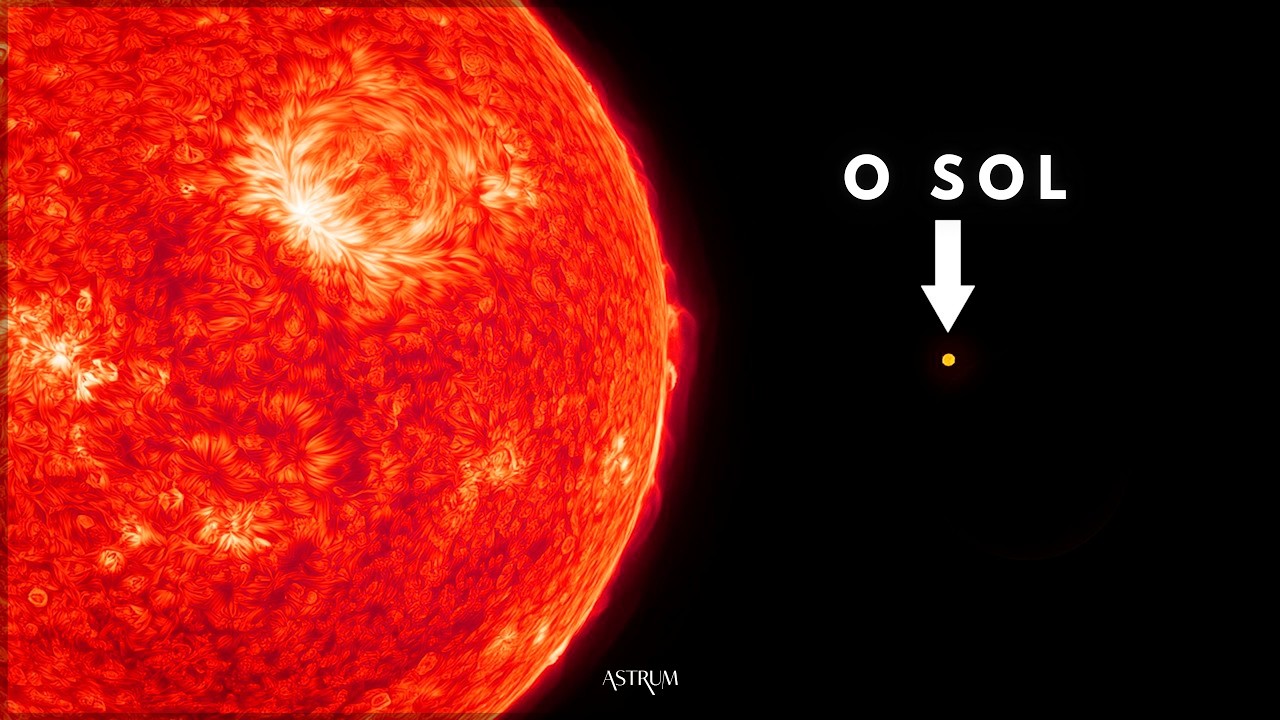
When you heat a gas it expands. The Sun’s outer layers will do just that, and our star will grow to well over twice its current size. Astronomers call a star like this a subgiant.
Not only will it grow, but its color will change! The Sun will be giving off more total energy than it does now, but its surface area will increase so much that the amount of energy radiated per square centimeter will go DOWN. There’ll just be a lot more square centimeters.
This means ironically that the surface will actually cool; the Sun’s temperature will go down. Cooler stars are red, and so the Sun will be too.
But the core still isn’t done. The details are complicated, but the core continues to contract and heat up. It gets so hot that the outer layers swell even more, and the Sun can bloat up to a fantastic 10 to 150 times its present size! It will then be a red giant.
Red giants are fantastically bright because of all the energy percolating up from their interiors, coupled with their enormous size. When it turns into a red giant, the Sun will increase its luminosity by an incredible 2000 times.
That huge increase in luminosity does more than just make the Sun bright, though. As a red giant, the Sun will be so swollen that the gravity at its surface will drop substantially from what it is now. The force of gravity holding it down is weak, but the force from all that light blasting out from below is strong, easily overpowering gravity. Material on the surface will get blown off like a leaf in a hurricane. Think of it as a super solar wind.
That means the Sun will shed mass, a lot faster than it does now. While it’s a red giant, it’ll lose fully a third of its mass.
At some point, the core contracts and heats up so much that the conditions will finally be primed for helium fusion. Suddenly, helium is converted into carbon, releasing a lot of energy.
In a weird twist, due to a lot of very complicated physics, the core itself winds up expanding, absorbing most of that energy.
In the end, less energy is pumped into the outer layers, so the Sun’s outer layers contract.
The Sun shrinks. The outer layers get dense again, which warms up a bit, and the Sun turns from red to orange. It’s still pretty big, more than 10 times its current day size, and puts out 20-50 times as much energy as it does now.
But then we see a sort of reboot of what’s happened in the core before. This time, though, helium is fusing in the core, and the carbon is building up like ash. Once again, the core starts to contract and heat up.
This dumps more energy into the outer layers, they expand and cool, and the Sun turns into a red giant AGAIN. This time it’s even brighter and bigger, and loses even more mass, shedding over half of what’s left.
In the meantime, helium fusion isn’t very stable, to say the least. It swings wildly, increasing and decreasing its rate by huge amounts on very short timescales. The Sun will probably undergo a series of tremendous paroxysms, epic eruptions as the helium fusion spikes, creating huge surges in energy production. It’ll lose even more mass each time.
Finally, though, we approach the endgame. The Sun doesn’t have enough mass to squeeze carbon atoms enough to fuse them. They build up in the core until there’s no more helium, and fusion stops.
On top of that… well, there’s nothing on top of that. By this time the Sun will have literally blown off all its outer layers. It’s essentially a naked core: a hot, intensely bright super-compact ball, not much bigger than Earth.
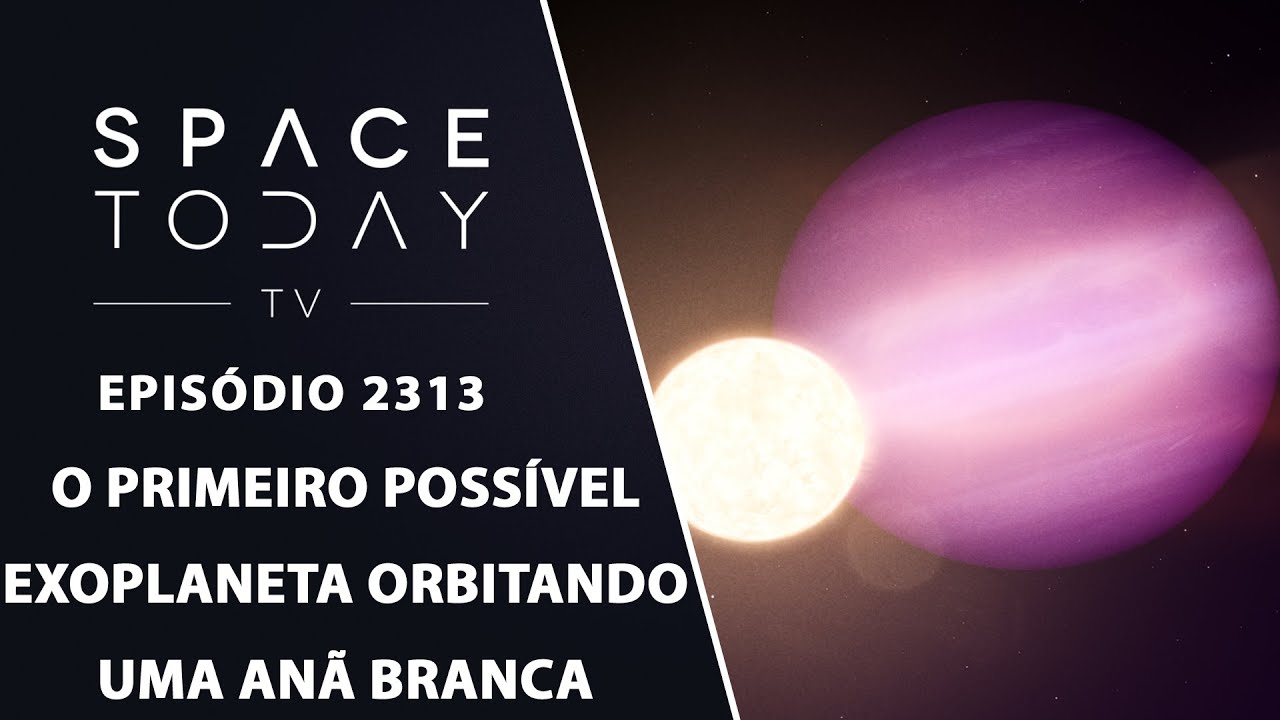
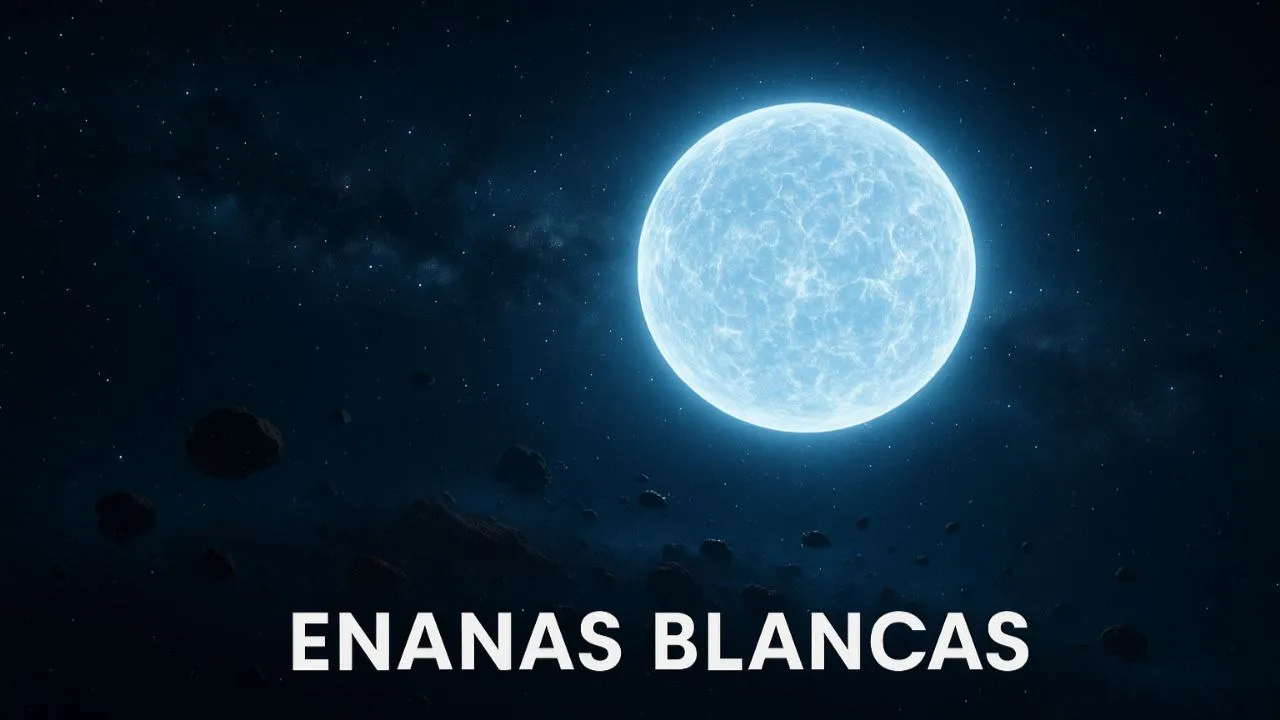
We call this a white dwarf. Its fate is sealed: It can’t generate energy, so it’ll cool and fade over the next few tens of billions of years. At that point, we can safely say the Sun is dead.
… BUT, that’s not always the case for all stars. Some, with more mass than the Sun, still go through another phase before dying. They form what are called planetary nebulae, and these are so amazing and beautiful that they rate their own episode, which, along with more fun stuff about white dwarfs, we’ll get to next time.
So that’s it for the Sun. But what about US?
Of course, the Earth won’t fare very well during all this. It’ll get cooked before the Sun even becomes a subgiant, and by the time the Sun is a red giant we’ll be good and fried. The average temperature on our planet will be so high that it’ll melt rocks, and in a sense it’ll look much like it once did so many billions of years before, when it first formed: a molten ball of rock.
But it gets worse.
When the Sun expands, it’ll reach a radius very close to the size of the Earth’s orbit now. Does that mean our planet itself will be consumed by the Sun?
Maybe not. As the Sun expands, remember, it loses mass. That means its gravitational pull will weaken, and Earth will move out from the Sun, into a bigger orbit. If things work out right for us, the Earth will back off faster than the Sun expands, and we’ll avoid finding out what it’s like to be inside a star.
Due to a quirk of physics, if the Sun loses more than half its mass, its gravity will decrease so much the planets will no longer be gravitationally bound to it, and they’ll be flung into interstellar space. I’m not sure that’s any better for us.
Either way, the Earth will have been long dead, and hopefully humanity will have figured out the trick to interstellar travel by that time. All those Earth-like exoplanets around younger stars will look pretty nice in a billion years or two.
Mind you, this isn’t happening any time soon. The Sun won’t become a subgiant until it’s nearly 11 billion years old, over 6 billion years from now. The first red giant stage happens when it’s over 11.5 billion years old, and the second stage a half billion years later. This is a long, long time coming.
If the Sun had more mass it could avoid this fate. A star with about 8 times the Sun’s mass can: It has enough mass to squeeze those carbon nuclei hard enough to fuse them together.
Those high mass stars have a much different and far more explosive fate than lower mass stars like the Sun…and trust me, we’ll cover that in lots of fun detail soon.
And while this all sounds very bleak, not all is lost. This is all part of the natural cycle of the Universe, and in fact we wouldn’t be here at all if it weren’t for the way stars live and die.
Be thankful for what you have -- and that we can not only observe it, but understand it, too.
Today you learned that very low mass stars live a long time, fusing all their hydrogen into helium over a trillion years. More massive stars like the Sun live shorter lives. They fuse hydrogen into helium, and eventually helium into carbon (and also some oxygen and neon). When this happens they expand, get brighter, and cool off, becoming red giants.
They lose most of their mass, exposing their cores, and then cool off over many billions of years.
Crash Course Astronomy is produced in association with PBS Digital Studios. Really, go over to their YouTube channel, check it out -- lots of cool videos there. This episode was written by me, Phil Plait. The script was edited by Blake de Pastino, and our consultant is Dr. Michelle Thaller. It was directed by Nicholas Jenkins, edited by Nicole Sweeney, the sound designer is Michael Aranda, and the graphics team is Thought Café.
Up Next
9:53
Hertzsprung-Russell Diagram: Star Luminosity & Temperature
@conceptual.academy
266.5K views•2015-04-03
61:17
First Billion Years of the Universe with the Square Kilometre Array
@iaaudc
121 views•2022-05-26

58:12
The Universe Becomes Visible: Cosmic Dawn and Reionization Explained
@crashcourse
81.5K views•2024-06-05
6:10
Gamma-Ray Bursts: Cosmic Snipers Explained | Astronomy
@kurzgesagt
15M views•2016-07-31
Related Study Plans & Knowledge Roadmaps
Structured learning paths in Astronomy
astronomy
Reionization: Pop III Stars, IGM & 21cm Line
01Foundations of Cosmology & the Early Universe
02Population III Stars & Cosmic Dawn
03Physical Mechanisms of Reionization
+ 2 more learning modules
17h5 modules
Explore Roadmap
astronomy
Planetary Rings: Dynamics, Roche & Resonances
01Foundations of Gravity and Orbital Mechanics
02Tidal Forces and the Roche Limit
03Structure, Composition, and Collisions
+ 2 more learning modules
10h5 modules
Explore Roadmap
astronomy
Asteroseismology: Stellar Waves, Ages & Cores
01Foundations of Stellar Astrophysics & Wave Mechanics
02Stellar Oscillation Modes: P-modes and G-modes
03Mathematical Framework of Asteroseismology
+ 2 more learning modules
35h5 modules
Explore Roadmap
astronomy
Adaptive Optics: Physics, Engineering & Control
01Foundations of Wave Optics and Wavefronts
02Atmospheric Turbulence & Optical Distortion
03Wavefront Sensing Technologies
+ 3 more learning modules
35h6 modules
Explore Roadmap