













![BRICS Astronomy Workshop [DAY 1 - Afternoon]](https://i.ytimg.com/vi/lwKQ1r3P3Pg/maxresdefault.jpg)

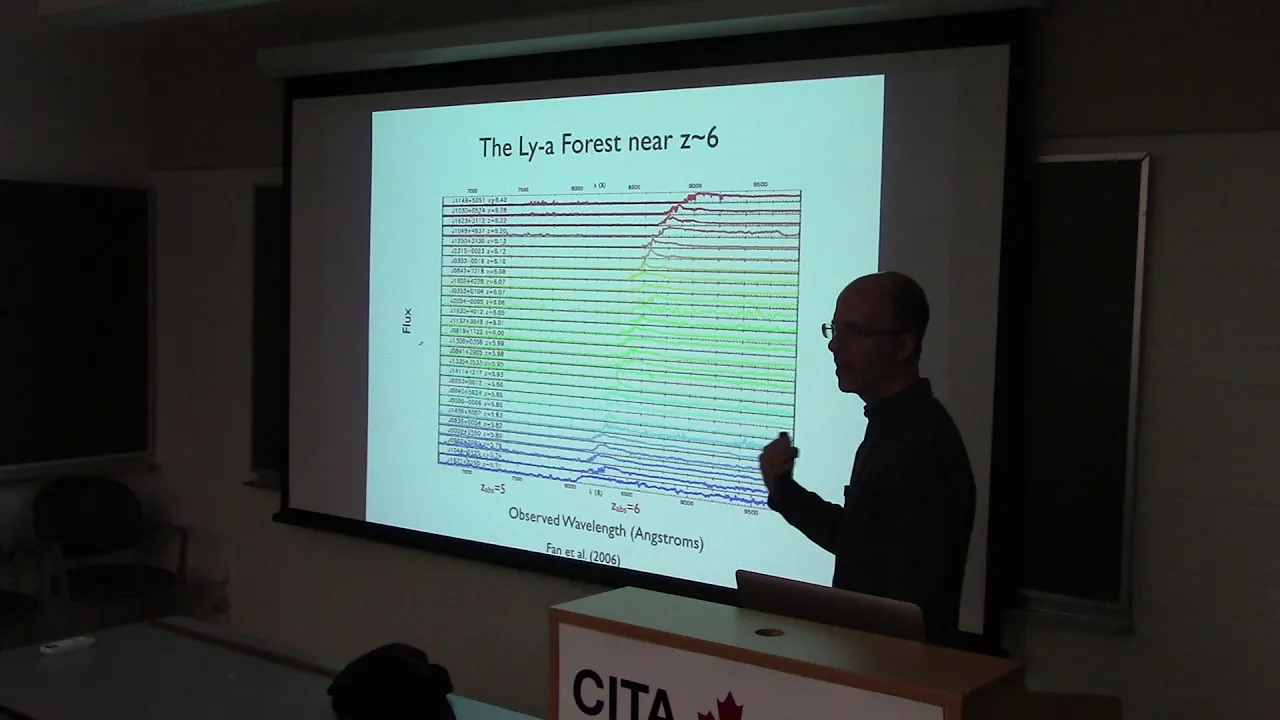

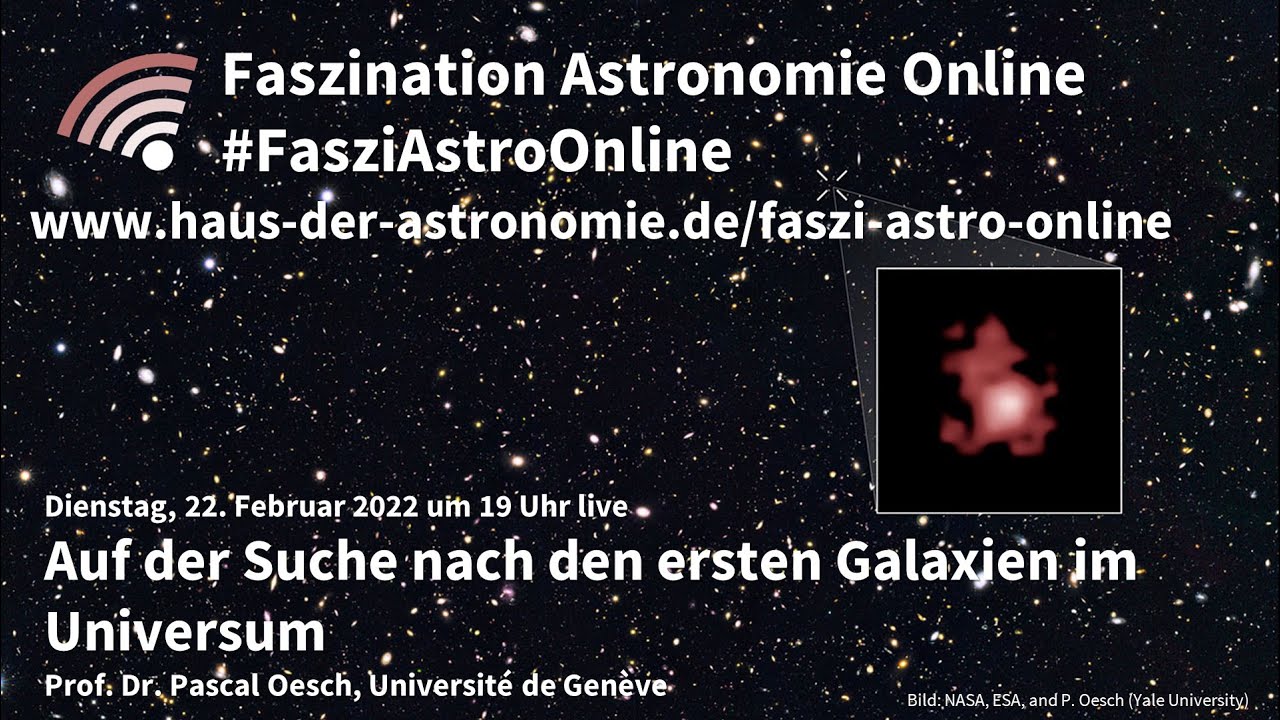


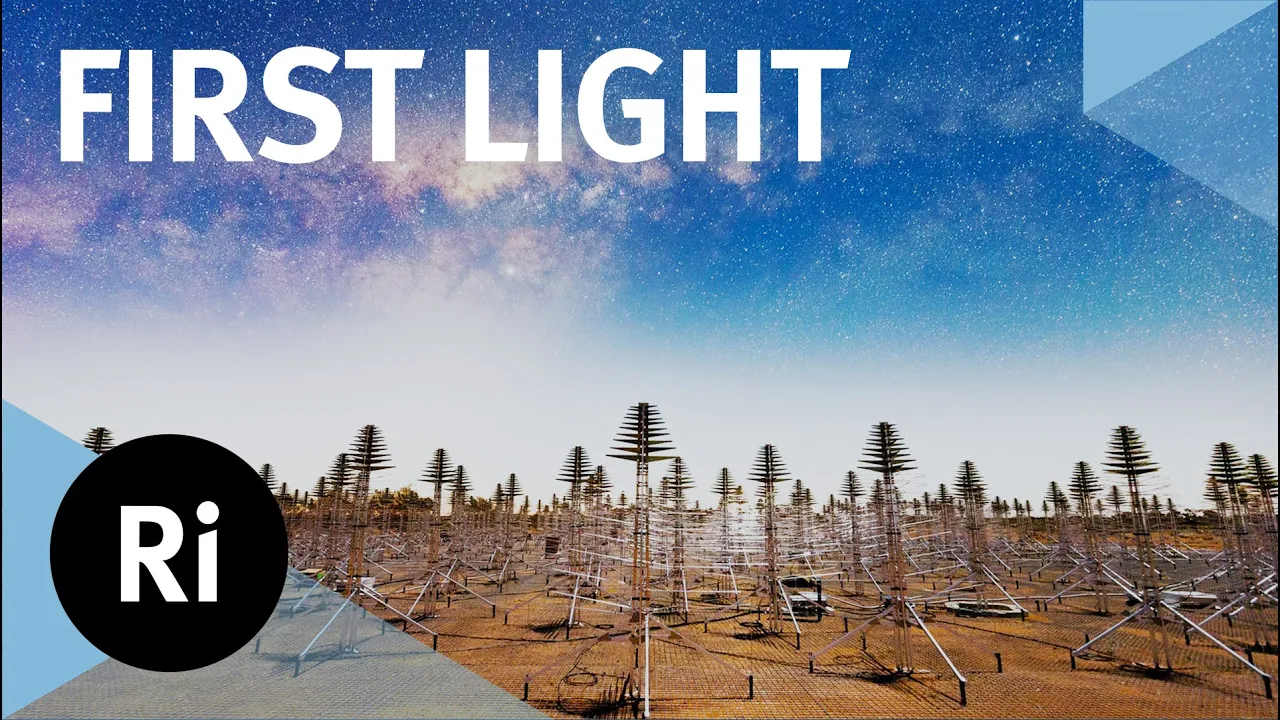
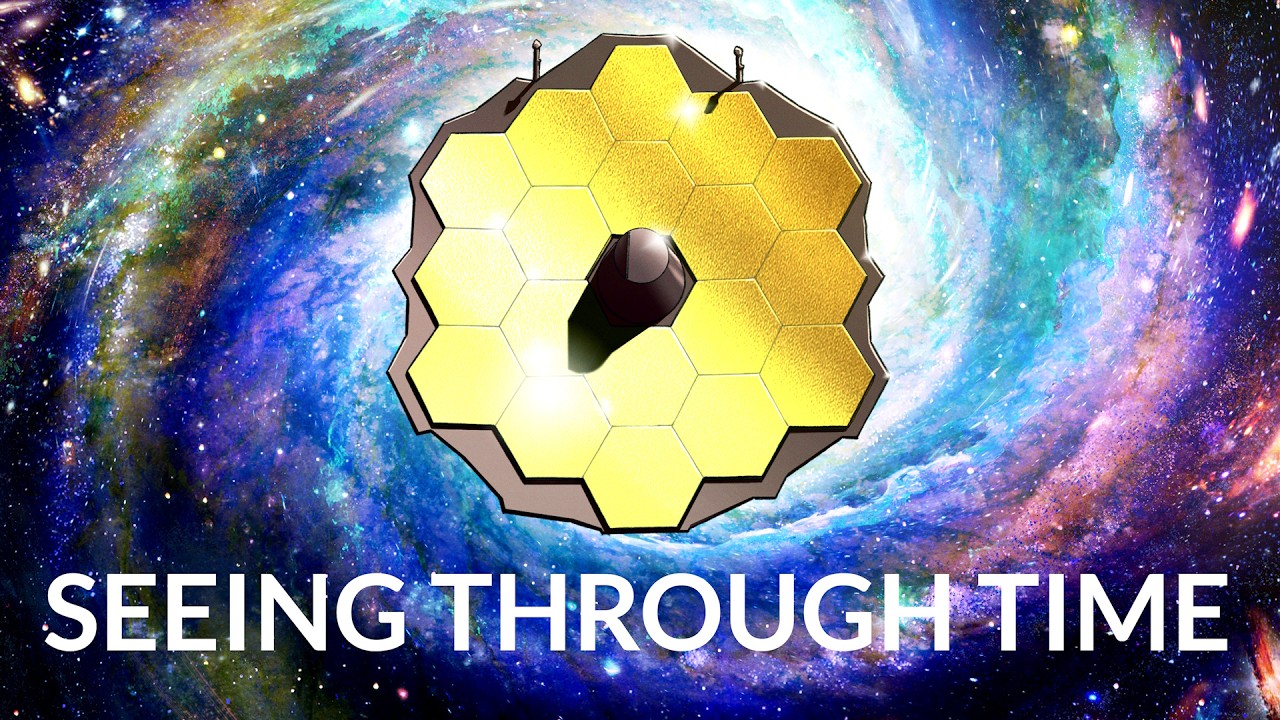

The universe became visible to itself through a process called reionization, where the first stars formed and ionized the surrounding neutral hydrogen gas, creating bubbles of transparent gas that eventually overlapped and made the entire universe transparent to visible light; this process transformed the opaque fog of the cosmic Dark Ages into the transparent cosmos we observe today.
The Universe Becomes Visible: Cosmic Dawn and Reionization Explained
Added:The Big Bang Theory and the Cosmic Microwave Background (CMB), representing the recombination epoch when the universe first became neutral.
Basic atomic physics of hydrogen, specifically the concepts of excitation, ionization, and the absorption/emission of photons.
The concept of the Cosmic Dark Ages, a period of millions of years where the universe lacked any luminous sources of light.
The role of gravity and dark matter in cosmic structure formation, driving the collapse of gas clouds to form the very first stars.
The unique properties and lifecycle of Population III stars, the massive, metal-free first generation of stars.
Observational cosmology techniques, such as 21cm hydrogen line intensity mapping and Lyman-alpha forest observations.
The role of the James Webb Space Telescope (JWST) and upcoming observatories in directly detecting the first galaxies and active galactic nuclei (quasars).
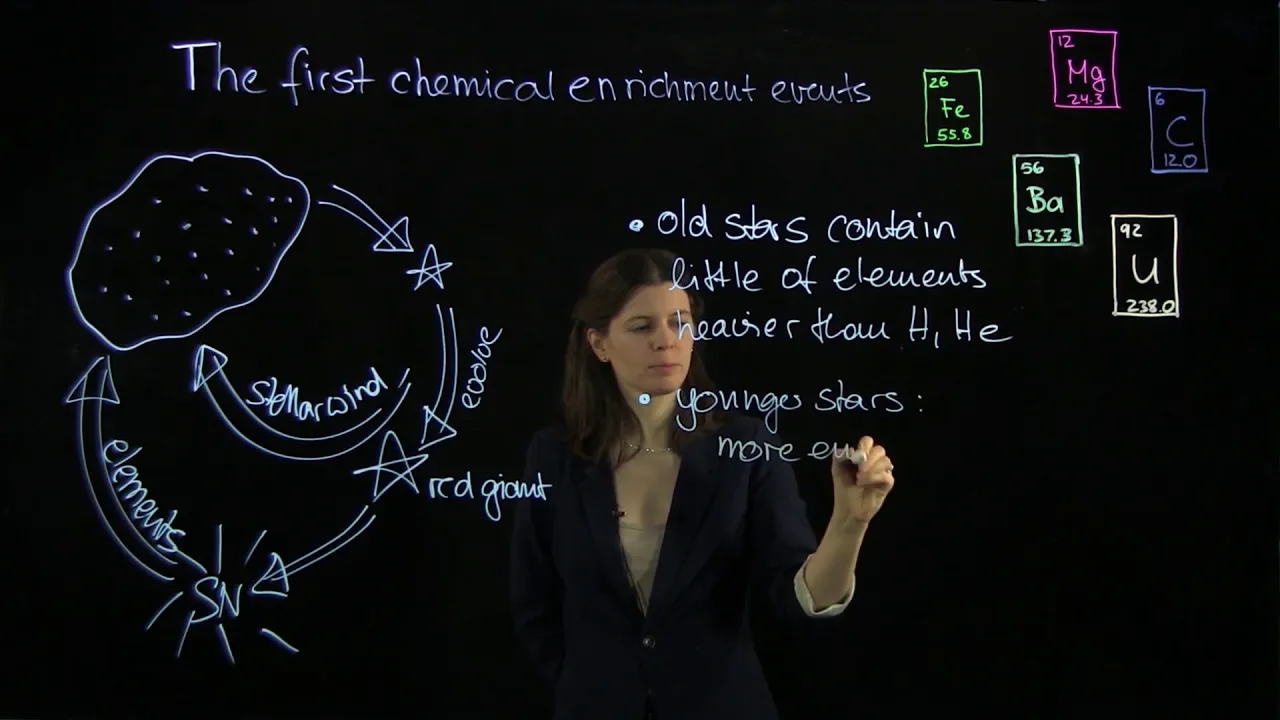
Chemical enrichment of the universe, exploring how supernovae from the first stars seeded the cosmos with heavy elements (metals) for subsequent star generations.
81.5K views2.1Klikes58:12Original Release: 2024-06-05
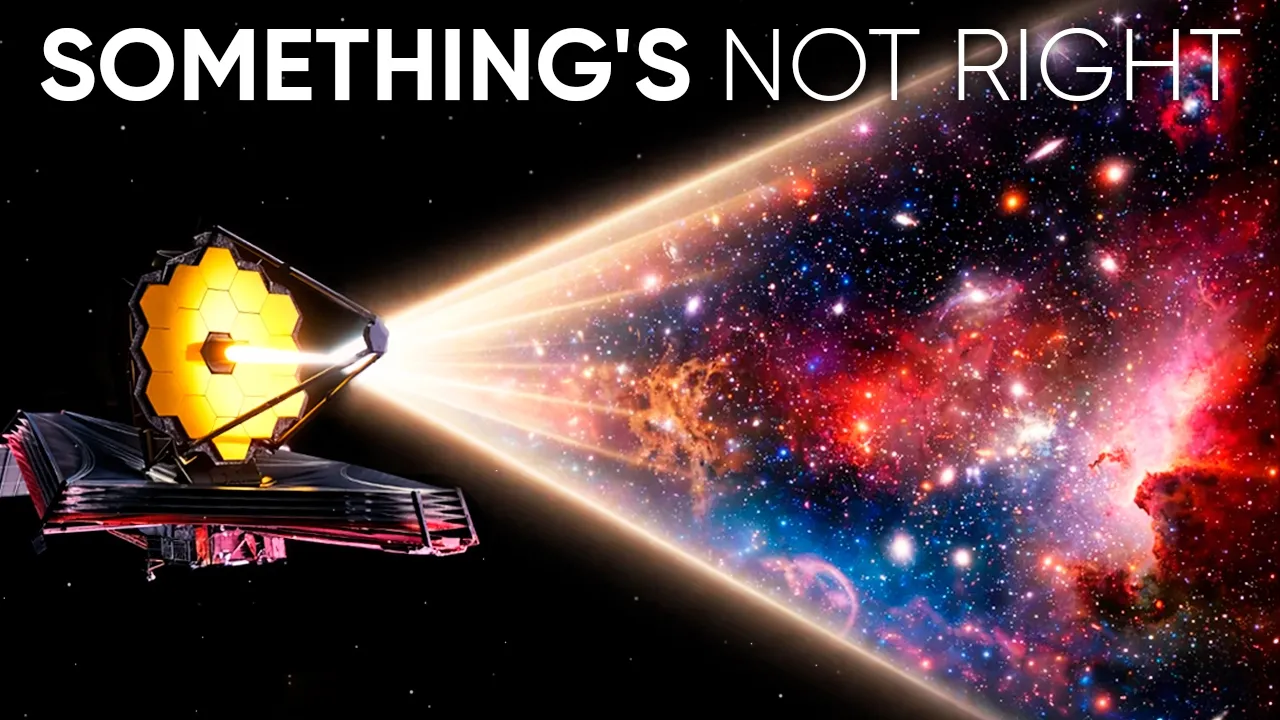
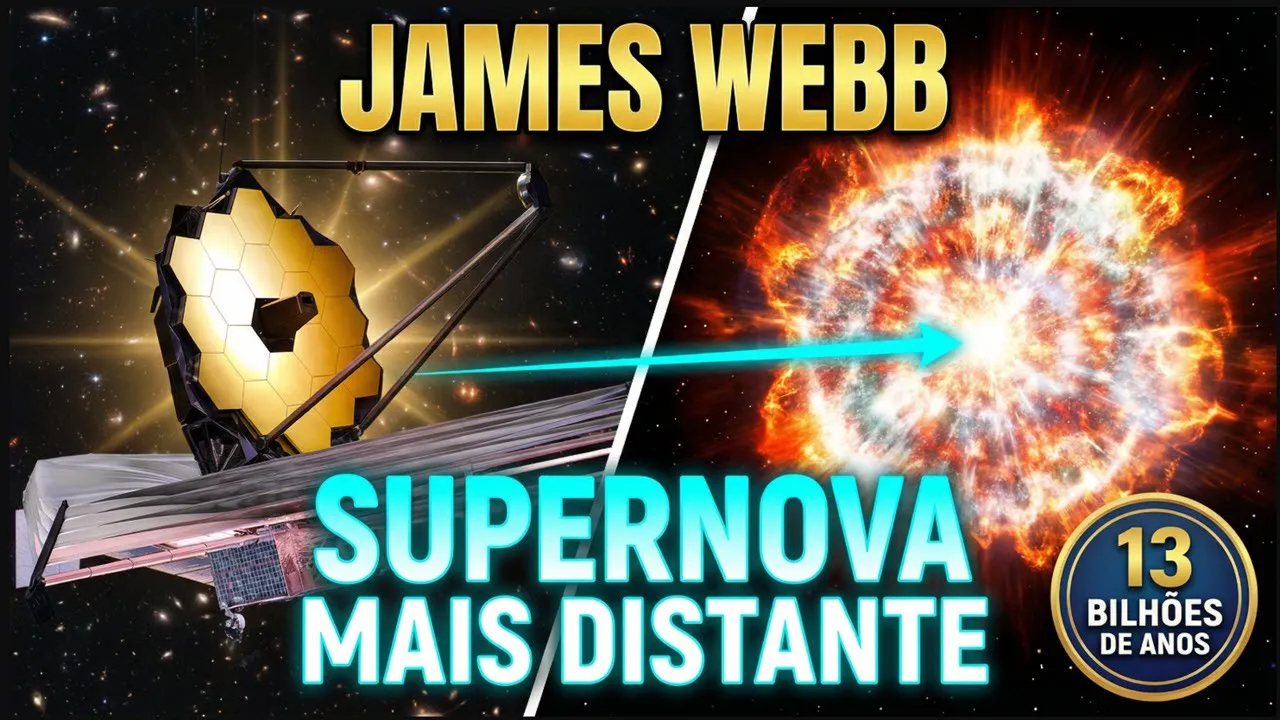
[Music] hi I'm John Green welcome back to our walk through the entire history of the Universe from beginning to end in this episode we've arrived at the moment when the stars turn on literally calls it that just staggering to me and we'll also see how the universe became visible to itself but first after our last episode I can't help but ask Katie about Free Will I think everyone should be proud of me actually that I waited until four episodes in to ask about Free Will so here's our [Music] conversation so Katie I was listening to our last episode and something occurred to me belatedly that I wanted to ask you about it seems like a lot of this stuff was inevitable um that that each thing proceeded from the previous thing right yeah I mean you know there was a sort of series of events where I mean it's all just kind of following the same laws of physics once you set it going yeah that's starting to make me feel a little bit like once you set it going there was always going to be a Galaxy called the Milky Way not called the Milky Way but where the Milky Way is the size and shape of the Milky Way and it's starting to make me think that there was always going to be a sun and it's starting to make me think there was always going to be an earth once we set this stuff in motion and just to be clear we didn't set it in motion and that's starting to make me think and I'm really hoping you can correct me on this one that um there was always going to be a me um I mean the thing is is right like when you're looking at it from the perspective of now all you can do is Trace back all of the events along the timeline that we have followed but there were a lot of different places in the past where things could have branched one way or another like it's true that once you set down the primordial fluctuations in the plasma of the hot big bang those kind of have to grow into galaxies and clusters of galaxies and and galaxies have to make stars and planets but you know whether or not they had to make the Earth and us like there there are a lot of things that are just random chaos that come into that I mean things like you know in the formation of planets you have collisions between large Rocky bodies and asteroids and and things and stuff coalescing from the protoplanetary dis and that could have gone lots of different ways so what you're saying is and I guess what I'm asking is is free will still in the equation um that I feel like that's above my pay grade somehow I feel like Free Will is a is a a very human question and um in in the work that I do humans are so insignificant no I'm getting that feeling it's not I wouldn't even know I wouldn't even know where to begin with with that on the cosmological scale we seriously don't matter at all right but whether or not we feel like we can you know make our own little choices in our own little space that I I I don't feel is something that I am qualified to weigh in on okay okay now when you say we don't matter at all that's a little bit of a stinger for me I have to confess because yeah I know that we don't matter much but don't we matter a little bit here's here's my argument for why we might matter a little bit okay okay we are the ones doing this observing and that's interesting right I mean we matter to our our own uh ability to gather information that that's that's true right but we we we're not affecting the cosmos no there's this thing that I sometimes bring up when I'm talking about dark matter and dark energy and and the nature of the cosmos in in talks where you know that famous image of the earth uh as the pale blue dot right so this is Carl s and they um it was Voyager one they took a picture of the Earth from billions of kilometers away and it just looks like a speck of dust Carl s gave this beautiful speech about how you know on that Speck of dust you know every every nation and every powerful ruler and every you know King and and peasant and you know we're all on that little speck of dust none of us matter you know I me we're not you know we're we're a tiny tiny Speck of dust in the universe you know I think I think about that picture sometimes and then I think about well in the bigger picture you know most of the matter in the universe is dark matter like 85% or something and we're going to talk about dark matter and dark energy later on but most of the matter in the universe is dark matter that we we can't interact with except through gravity and most of the rest of the universe if you just kind of add up the energy of the stuff in the universe is dark energy and dark energy is this even more mysterious stuff that has to do with the expansion history of the universe and and how the universe is expanding and and and so on and we don't know what dark energy is but we can't do anything with it it's just kind of a apparently a property of space and so if you add up the sort of contribution of both dark matter and dark energy in the universe in terms of the energy of the stuff in the universe that makes up something like 95% of the stuff in the universe is either dark matter or dark energy oh no and so the stuff that we're made of regular matter what we call Barons in in astrophysics that regular matter and you know electrons and protons and neutrons and and you know even even radiation all of that together makes up about 5% of what the universe is made of and so if you think about it that way like the dark matter has this strongest role in the formation of structure in the universe dark energy has the strongest role in the evolution of the universe we're just kind of the the sort of window dressing like our kind of matter is kind of just sort of along for the ride like it's important on the scales of galaxies but beyond that it really isn't and so you know even the stuff that we're made of is unimportant in the universe is is insignificant in the universe you know even our kind of matter is kind of kind of an afterthought in in the universe in some ways and so like the idea that we as Humanity can be significant to the universe when even the stuff we're made of is kind of not very significant in the universe um it's very humbling it really is very humbling it's humbling it's in some ways it's liberating right because it also means that um did ever tell you about the time I I ate a sandwich um that belonged to the New York Knicks no so one time I was invited to the New York Knicks Locker Room by a friend of mine who's a reporter and there was a big uh plate of sandwiches there in the locker room and there were all these professional athletes and everything and these reporters asking questions and I was I don't know if you have been able to gather this but I'm not a professional athlete or or a particularly good question asker and um so I was just kind of hanging back and I and I saw the sandwich board and I I took a sandwich I started eating it and then the head of player operations for the New York knck said who are you and I said I'm John Green I'm I'm a no IST and video blogger and he said those are for the players oh oh no and uh you like all your mortifications you know I I I think about it regularly at night um but with this particular mortification it's worse because usually what you tell yourself is well but they don't think about it nobody else thinks about it it's just something that I think about but actually the next time my friend who is the reporter saw the head of player operations for the New York Knicks he said man I think all the time about your friend who ate one of our s which is oh no so what you're saying is that actually that's not very important yeah yeah I'm saying I'm saying that that none of that matters to the universe and whatever we do there's a limit to how much we can screw things up because we have so little power yeah which is also kind of encouraging right because I don't trust us on any level no not at all can you imagine if we if we did control the evolution of the cosmos oh God no no that would be so bad yeah like if we could agree to the rate of expansion that would be very bad yeah exactly we would do a terrible job of that but but you know again like it's it's also sort of inspiring because because as you said we we we can learn so much right and we have this amazing power of of knowledge of you know maybe we're just we're just kind of observers in this bigger Cosmos and maybe we're just for the ride but we know so much about it we can learn so much about it from looking at the distant galaxies and you know observing the past evolution of the cosmos and understanding The Big Bang all of these kinds of things like we can we can learn a lot and we have a lot in common with the Universe on some level because we're temporary and everything that we've gathered about the universe is that it's temporary and everything within the universe is temporary and this is something that blows my mind every time I think about it I tend to think of myself as being an observer of the universe for whatever reason like my whole life I've been like somebody who watches more than participates so I'm not uncomfortable with that idea okay but we're not actually observers of the universe because we're the universe like we're made out of the universe so we're the universe observing itself right yeah and I I find that kind of like lovely and encouraging too that I'm not separate from this thing that I'm looking at I'm part of it so there's this this famous quote by Carl San right um we are way away for the universe to know itself mhm to our knowledge we are the only part of the cosmos that is studying the cosmos I mean there it's very possible there's other creatures out there who who are learning something about the cosmos who are doing the same observations but but we we can't talk to them we don't know what they're doing but but we are able to learn that we are able to study our own past our own creation through the processes of the cosmos yeah I think that's very special really yeah no it's something that differentiates us from rainbow trout yeah but we still don't matter in the scheme of things and so it doesn't really matter that I ate a New York knck sandwich right how do we hold these competing ideas in our mind that we aren't very important in the scheme of things and yet that we are also the only part of the known Cosmos that knows much about the cosmos things look different when you zoom all the way out then when you zoom all the way in and so yes it is true that we are just creatures confined to a single solar system confined to a single Galaxy and so on but we nonetheless matter because we are part of the cosmos seeking to deeply understand the cosmos and also because we matter to each other which is quite literally why there is life insurance and with policy genius you can find life insurance policies that start at just $292 per year for $1 million of coverage some options are 100% online and let you avoid unnecessary medical exams policy genius helps you easily compare your options from America's Top insurers with just a few clicks so get Peace of Mind by finding the right life insurance with policy genius head to policygenius.com crashcourse or click the link in the description to get your free life insurance quotes and see how much you could save that's policygenius.com crashcourse policy genius because we don't matter but also we do what are you going to teach me about today I think when we last spoke the first Stars had just formed we were at Cosmic Dawn we had just exited the dark ages of the cosmos and we were at the point when the first stars were beginning to shine and those Stars may have been very very massive they were very different from Modern Day stars because they were forming in this pristine gas that had no heavy elements in it it had nothing that we astronomers call Metals where we use the term metals to mean everything that's not hydrogen basically oh wow that's helpful that would be a great moment to rename something that would be great to have a new name for that yeah yeah I'll work on that it's it's quite silly but so before that there were none of these heavy elements we just had these these big stars forming from this pristine gas and that time frame was somewhere around maybe a 100 million years maybe a little earlier than that when the first star formed we don't know exactly the numbers but it's somewhere in that range those stars formed in you know clumps I mean generally speaking stars and galaxies form in clumps because you get a big clump of matter and that matter sort of has these little variations in it and and and those little variations kind of form smaller clumps the way that things form in the cosmos usually there are like fluctuations on really large scales so there will be a big area with a little bit of extra matter and then there will be little areas within that with more matter and then there will be sort of larger areas with sort of less matter and it it ends up making things clumpy so it ends up causing galaxies and and stars and things to form in in clusters and so at this point let's say the first star turns on right the first star turns on it's it's burning hydrogen into helium in its core and as it's burning what it's doing is it's so it's it's fusing elements in its core but it's also heating the gas around it and there's a process that happens when these first stars are are forming when the first galaxies are forming where it's starting to really change the the nature of the gas around in that environment so you had this transition from this sort of hot plasma to this cool neutral gas when the universe cooled down after the sort of hot big bang phase so you had this neutral gas and then Stars started to form inside that but when the star forms and gets really bright and really hot it sort of ionizes all the gas around it creates a little bubble of ionized gas just from dumping so much energy into that environment imagine this sort of there's this kind of dense fog throughout the Universe right and inside that fog at certain places these little lights start lighting up like street lights in the fog and around those little lights it sort of burns these little these bubbles of ionized gas around those lights so around the first stars and galaxies you get these little bubbles of ionized gas and when that starts to happen it makes it so that light can kind of pass through and and it makes it sort of easier to see through that fog so that fog of the sort of neutral dense gas of the Dark Ages it turns out that that that fog is kind of opaque to certain kinds of light it's opaque to visible light ultraviolet light because essentially what happens is you you shine a light into that dense hydrogen fog and it'll just kind of excite the hydrogen or maybe ionize it a little bit but the light will be absorbed by the hydrogen whereas once the hydrogen is ionized then visible and ultra violet light can pass through because it's this sort of diffuse ionized gas and it can't excite the atoms anymore it can't ionize the atoms anymore and so the light can kind of pass through and so it makes little regions around those first and galaxies transparent to visible light so when you when this process first starts when the first stars and galaxies turn on each one of them is kind of like a street light you know embedded in the fog you know invisible to the other street lights right because from each perspective there's a little light and then there's just fog and you can't see through it but as this goes on as more stars form as more galaxies form as the cosmic Dawn gets going those bubbles of ionized gas bubbles of transparent gas start enlarging start growing and so when we visualize this time frame in this phase of the universe we can make these visualizations these simulations of of how that that proceeded and it ends up looking like like sort of this swiss cheese um structure of little bubbles around each big clump of stars and galaxies and then those bubbles like expand until they overlap and the Universe goes from being mostly opaque with little bubbles of light to being sort of fully transparent in the way that that we see the universe today so the universe became visible over time yeah visible to itself yeah wow beautiful and that process where it goes from being mostly neutral gas in the universe to mostly ionized gas in the universe we call that process reionization oh that's so disappointing I'm sorry there was so many opportunities there I know I know but at least this one is better than recombination because it is becoming ionized again after it had been ionized the first time yeah no I get that I get that I understand it but like what an opportunity to be like the visualization the VIS visual ability the I I'd have to think about i i i i acknowledge the size of the challenge here but there's no way reionization is the best term yeah it is it is a little bit of a yeah because you got you got Cosmic Dawn right there and so this is really it's kind of like um it's Cosmic it's Cosmic morning yeah it's Cosmic it's Cosmic 10:30 a.m. it's Cosmic brunch it's it's when the fog Burns off you which is around you know for me here in Indianapolis usually around 10:30 like you know it's usually when I'm starting to think like oh you know I could go for a bagel [Music] just to recap our discussion from last episode following the Big Bang as things got less dense and less hot there was a moment when neutral atoms were able to form for the first time and this is known as recombination I'm going to spare you my disappointment in the name they chose here but I I do think they could have done better recombination was followed by a long period of time where the universe was mostly C neutral hydrogen gas and that's known as The Cosmic Dark Ages and then with the help of Dark Matter clumps of this gas started to come together and this led to the formation of the first Stars this was the beginning of what we call Cosmic Dawn and part of cosmic Dawn as Katie just described was the universe becoming visible to Itself by breaking the dense fog of the cosmic Dark Ages through the process of reionization but what exactly is reionization Katie I'm going to confess what I really don't like about the phrase reionization I think I know what ionization is but it's straining my capacity for uh high school chemistry a little bit so walk me through these you know we've got we've got these early Stars they're throwing off new stuff and that's re iiz this gas that's around these new stars so neutral gas in this case neutral hydrogen if something is neutral it just means that the positive charges and the negative charges balance okay so in the case of hydrogen that means it's got one proton in the nucleus so that has a positive charge and it has to have an electron orbiting it or B bound to it that's a negative charge and those charges balance if if you have one proton and one electron that's neutral hydrogen right and then it gets ionized because somehow in the throwing off of this energy the electrons no longer bound to that particular proton yeah so so ionization is the process of removing electrons from something so in the case of hydrogen if you have a proton and electron bound together that's neutral hydrogen if you separate the proton and electron if you unbind them then now you have ions you have positive ions the and you have negative ions that's that's the electrons and so now you have an ionized hydrogen gas and now now much more interesting stuff can happen yeah because now like light can pass through and other interesting stuff can happen and that's why we obviously we don't want to pick favorites but that's why we like ions well yeah so ionized hydrogen is transparent to visible light and ultraviolet light I mean assuming that it's not super super dense it's trans AR to This Light there's something here that gets a little bit tricky that bothered me when I was first learning about this and I don't know if this is getting too technical or not but when I talked about the hot plasma of the very early Universe before the surface of last scattering before the cosmic microwave background happened that hot plasma was so dense so a plasma is just an ionized gas really that's all that plasma really means it's a hot ionized gas so that hot plasma was made of protons and electrons and helium nuclei and and more electrons so it was just ionized hydrogen and helium and a bunch of electrons and a tiny smattering of like lithium and stuff so that plasma was just ionized gas just hot dense ionized gas but the light couldn't move around in that either in some sense that was opaque too because because it was so dense because it was so dense yeah and so when that cooled down enough that those atoms were able to join together and make neutral atoms when you went from that hot plasma to neutral hydrogen and neutral helium so those electrons were able to find those nuclei the the electrons and the protons bound together to make neutral hydrogen the electrons found their helium nuclei and made neutral helium when that happened that became transparent to some kinds of light so like radio waves could pass through that that gas even that was a neutral gas kind of dense so visible light still couldn't pass through that because it would get absorbed by those atoms but radio waves could now pass through so it's funny because when you talk to early Universe cosmologists they talk about the universe becoming transparent when the surface of last scattering happened and the universe became neutral but then if you talk to like distant Galaxy cosmologists they talk about the universe becoming transparent when the universe became ionized again because one group is talking about when it became transparent to radio waves the other group is talking about when it became transparent to visible light yeah and and ultraviolet light yeah and so it's all about like what kinds of light can pass through what kinds of gases and it's it's this kind of complicated process so at this point once once the gas is a bunch of neutral hydrogen mostly then when the stars turn on it becomes ionized hydrogen again but first in sort of these these bubbles of ionized gas yeah and then the bubbles expand and then eventually we have this situation where the whole universe is visible to itself yeah yeah and and and it's visible because it's low density ionized gas because it's not like a hot dense plasma so there are a couple of really interesting things about that process one of them is that we're starting to get to the point where we can we can kind of see that process occurring in some ways so one way is that when we look at really really distended quazar so a quazar which we'll I think we'll talk more about later quazar is a it's a super massive black hole in the center of a galaxy that creates Jets of radiation and it has matter swirling in creating this really bright glow th those turn out to be extremely bright objects in the in the distant universe so quazars are some of the brightest things that we can see in the universe and so we can see them very very far away uh into the into the universe within the first sort of billion years of the universe we can see some of these quazars so sometimes when we look when we look at the Spectrum of the light from those quazars we can see based on how the light has been absorbed by the gas between here and that quazar we can see like for a certain region around the quazar the light is not being absorbed very much so we can see that the light is kind of passing through a little bit right around the quazar and then we see this this other region of the of the spectrum of the quazar that shows that all of the light was absorbed in that part of space so we can see the street light and the little bubble around the street light but we can also kind of infer the fog yeah yeah exactly and we started to be able to see that a few decades ago where we started to be able to see that we were looking at quazars that were within that time frame of reionization when when the universe was not fully ionized yet when there was a lot of neutral in the universe and understanding that transition is is really important and I'm I'm talking a lot about this partially because this has been a big part of the research that I've done personally has been thinking about how to better understand the Epic of reionization and what happened there and to learn about that early process of Galaxy formation but if we really understand how that process happened How the Universe went from being fully neutral to fully ionized over that time frame which was a time frame of probably from around half a billion years to around a billion years somewhere in there is when that occurred and it it you know it took a little while it wasn't instantaneous we can use that to learn about what those first stars were like what those first galaxies were like how bright they were what they were doing to the gas around them we can learn about those early quazars we can learn about how the the temperature of space was changing over time from that lighting up the universe and we're starting to get to the point where we can use radio telescopes to actually look at that neutral hydrogen gas as well so usually with a telescope what you do is you look at a bright thing right like you just you use a a optical telescope to look at bright stars and galaxies you can use a radio telescope to look at processes that create a lot of radio waves so things like quazars can make these like bright radio sources in the in the sky uh Pulsar stuff like that can make bright radio sources jwst is is looking at infrared light because it's looking at galaxies that are really really far away and their light has been stretched out by the expansion of the universe and I'll say a little bit more about jwst in in a moment because we'll talk about what it knows about these early galaxies but one of the things that you can do with radio telescopes is you can look at a sort of weird property of hydrogen gas of neutral hydrogen gas normally the way an atom emits radiation is you have the nucleus of the atom and then you have electrons going around the nucleus of an atom in in sort of energy levels right so they have different energy levels so there's the sort of lowest energy levels then there's the higher energy levels just has to do with kind of how the electron is going around the atom and normally the way that an atom emits light is that the electron will drop from a higher energy level to a lower energy level and that'll emit a photon or if it absorbs a photon it can go from a lower energy level to higher energy level or can even leave the atom entirely if the photon is energetic enough I kind of Imagine these electrons going up and down and either emitting or or absorbing light okay with neutral hydrogen if the atom is neutral and unexcited so that there the neutral hydrogen is just a proton with an electron going around it right there's another kind of transition it can do even in the ground state so the the electron is in its lowest energy State it's just hanging around this hydrogen the hydrogen is is cold and boring but there's there's a transition that the electron can do where the electron has a spin which it's a weird concept because it's not really spinning but there's this property of of electrons that we call spin particles have this spin property which is kind of like if you're spinning a basketball on your finger and it's kind of going around and the way that we visualize it is if it's going around and around sort of clockwise and the arrow points in one direction if it goes the other way the arrow points in the opposite direction so if you spin the basketball one way you think of that as spin up if you spin the basketball the other way you think of that as spined down I do think I need to stop you there because I do not understand um is it okay for me in my imagination as a novelist to think of it as sometimes it spins right and sometimes it spins left if I just know that that's not true yeah yeah thank God yeah uh I mean usually we go with up and down but it it's kind of unimportant up and down up and down great okay yeah sometimes it spins up sometimes it spins down and if it spins up it's spinning into a higher orbit or no no so the spin is just a property of the electronic could be either way okay but if the spin of the electron and the proton are in the same direction or if they're in opposite directions that changes the sort of energy level of the neutral gas oh so even though it's a neutral gas in both ways there are different energy levels based on whether the spin is the same or opposite right right exactly so if you have just neutral hydrogen with the electron in its lowest energy state if that electron is spinning in the same direction as the proton then it has a little bit more energy than if that electron is spinning in the opposite direction of the proton cuz they're like working together in my imagination sure yeah yeah collaboration is more effective than conflict yeah and and because they have different amounts of energy it means that if there's a transition if that spin flips if the electron spin flips then it it'll have to emit a photon or or absorb a photon if it's going if it's going from let's say the let's say the proton is spinning up if the electron starts with spin up and SP it flips to down then it emits a photon if it goes from down to up it absorbs a photon okay all right and so it's kind of like energy levels but they're just these tiny like splittings of the ground state energy level and because of that the photon is really low energy and that photon is such low energy that it's a it's a radio wave oh so most of the time when we talk about transitions of energy levels in hydrogen we're talking about like ultraviolet or or visible light yeah that's what I thought in this case it's a radio wave for that tiny transition that tiny energy State and so that's a super super useful tool because that means that that neutral hydrogen before the universe is transparent to visible light but when it is transparent to radio light that neutral hydrogen can make a little bit of radio light and it can absorb a little bit of radio light and so what we can do which is kind of amazing so neutral hydrogen is just cold neutral hydrogen there are some stars and galaxies happening but they haven't affected the whole universe yet they're just in these little bubbles right but that neutral hydrogen can absorb some of the radio light from the cosmic microwave background and flip that spin and if we tune radio telescopes to the right frequency we can look at how that neutral hydrogen is absorbing the cosmic microwave background light oh and we can see the transition from the neutral gas to the ionized gas by looking at the gas itself not any of the bright things that are happening but how that gas is absorbing the cosmic microwave background light wow wow and and this is a really hard measurement to do for a bunch of reasons I I can imagine it seems like it would be challenging yeah yeah and there are a few big experiments few big telescope programs to to try to do this observation it's called 21 cm astronomy because that that radio wave that's emitted when that spin flip happens has a wavelength of 21 cm which is kind of big right yeah it's huge um but because of the expansion of the universe stretching out the light it actually ends up much longer wavelengths so you have to tune your telescope to even longer wavelengths and we should talk about all of that uh red shift which I'll talk about in just a few minutes but anyway the the problem is that you're trying to see this little absorption of this Cosmic microwave background light from neutral gas kind of you know everywhere in the universe but we live in a gas Galaxy that creates a whole lot of radio waves and so it's very hard to disentangle those radio waves it's something like a factor of a thousand brighter just the Galaxy in in those frequencies of radio waves than the signal we're looking for so it's a really hard measurement to make but there are some big projects there's one called the square kilometer array that's a whole bunch of radio dishes mostly in South Africa and a couple of neighboring places you make a huge array of of uh dishes in a bunch of different places to try to like bring together the information to look for for this transition there are a couple of projects that are just like a single sort of antenna basically and they're they're just kind of adding up all of the radiation from the whole sky and trying to disentangle this signal through sort of creative processing and there's one called edges which is one of the single dish experiments that telescope has claimed to see that dip that that absorption of light but in a way that seems sort of like too big a signal and so there's a whole bunch of other telescopes trying to like confirm or or rule out that signal so we're not sure what we've seen yet but there's an effort to look directly at the gas to see that transition and learn about those first galaxies just by seeing how they messed up the gas they were embedded in which is kind of an amazing thing wow that the a that we could learn something about just this cold hydrogen gas in sort of the Epic of cosmic Dawn when virtually nothing else was happening I mean there's even there's even efforts to look at the Dark Ages like so we're talking about Cosmic Dawn mostly where there's there are some sort of bubbles of light from early galaxies but you can also look for the the Dark Ages themselves when there are no stars yet and it's just this neutral hydrogen absorbing the CMV and in order to do that though you have to go to such low frequency that the ionosphere of our Earth is going to absorb all of the that radio light because it's it's opaque to radio waves at that frequency and so there's discussions about putting a telescope on the backside of the Moon to get to get away from the ionosphere and to get away from the radio interference of like you know FM radio and stuff like that yeah in order to observe this signal wow it would be a really amazing thing to be able to watch that transition to be able to watch the cooling gas during the Dark Ages and those bubbles of ionization forming during the Epic of reionization to be able to watch that movie would be amazing yeah and we're talking here about direct observation not inference right like we're we're actually I mean seeing isn't quite the right word when you're talking about non-visible light but we're talking about seeing this process happen yeah yeah watching the evolution of our universe [Music] so these early Stars reiz the dense fog of the cosmic Dark Ages allowed the universe to become visible to itself we have identified certain extremely bright in the universe called quazars that are distant enough to be within the Epic of reionization and there's an ongoing effort right now to witness this key period in the history of our universe and if we are successful we can use that to learn about what those first stars and galaxies were [Music] like Okay so we've got this reionization happening the universe is becoming visible and we're able to at least be on the edge of directly observing this happening what comes next so I've often thought about like like the only way we're going to see some of those first galaxies or learn something about from some of those first galaxies is with these radio efforts to to see that neutral gas the the Epic of rization to to watch that progress but now that we have jwst we're starting to see what really might be some of those first galaxies directly from the light of those galaxies which itself is kind of amazing and and we're we're learning quite a lot about what those first galaxies were doing and I just want to say a little bit about this because it's it's such an important project and it's it's telling us so much and it's bringing up new complications in our in our understanding of this epic of the first Galaxy formation this this process of reionization so let me say a little bit about jwst first so the full name of the telescope is the James Webb Space Telescope it's an infrared Space Telescope so the reason that it uses infrared light instead of visible light like Hubble or other frequencies other wavelengths of light the reason it uses infrared light is because it's really trying to look at some of the first galaxies in the universe and those galaxies they were not red they were not shining in the infrared they were shining in ultraviolet light and and visible just like galaxies today are because they had stars in them that were making a lot of you know light across the across frequencies but a largely ultraviolet invisible light the reason that it looks in the infrared though is because the expansion of the universe has stretched out that light so much because these galaxies are so far away that now the light that reaches us from them is in the in the infrared part of the spectrum it is as they say red shifted red shifted yeah yeah so so as the universe expands it it looks to us like those distant galaxies are moving away from us very very quickly and in that process of the expansion the or or you can equivalently think of it as moving away and and stretching out the light that light gets stretched out and so it goes from being ultraviolet to visible to infrared light and so by the time we get it it's almost entirely infrared light and so that's why you need to make an infrared telescope and you have to put it in space because our atmosphere absorbs a lot of infrared light and so putting it in space and having it used infrared gives you the ability to pick up light from some of these very first galaxies that formed in the universe to be clear they look kind of like little smudges to us the the the very early galaxies we don't see a lot of detail but we see something and the only reason we see something is because of this effect of distant things looking a little bit bigger when they're distant enough so we've now been able to see a whole bunch of of galaxies that formed within the first 400 million years of the universe okay now I mentioned that the first stars were probably 100 million years maybe like 50 million years somewhere in that range the first stars formed so these are galaxies that they have to be made of like the first or maybe second generation of stars like maybe a little bit more if they're if they're really massive stars and they go through their you know Generations very quickly but but they're they're very very early galaxies they're they're some of the first things that ever formed in the universe and there's been this really big sort of discussion in the cosmology community and some of it has gotten into the Press about the fact that some of these galaxies they just look like they're too big they look like they're they're too bright they have too many massive stars and it's hard with the kind of understanding we currently have of Galaxy formation it's hard to see how they had time to get that big right from the from the moment the first stars formed to the galaxies having you know this the these huge masses of of stars like how did they grow up that fast right how did you make all that matter come together because we know it became easier to make Stars once we had a lot of these heavier elements yeah yeah and just like you know getting a whole lot of mass into one place is kind of hard like it takes time to gather all of that together and then to turn it into stars and there's been this this this kind of ongoing discussion in the literature where we have a bunch of these really high red shift Stars so we call them high red shift because they have this large amount of stretching let me just back up a bit let me say something about red shift so when astronomers talk about these galaxies we usually talk about them in terms of their red shift which is a number that tells you something about how much the light has stretched but it also that number also tells you how much the universe has stretched like since that time right of course Okay so so a red shift one Galaxy that means that the observed wavelength of the light is twice as big as the emitted wavelength of the light so that means that the the light has stretched by a factor of two by a factor of two yeah I would have I would have called that one two but okay yeah well then you can't have a one yeah well the problem is we need we need today to be R of zero right okay yeah I should you know I can ize your names what I shouldn't criticize is your math yeah probably yeah I should probably stay clear that one what that also means is the wavelength has doubled uh you know is is is twice as big since red shift one but so is the universe right because the thing that doubled the wavelengths was the universe got bigger so space has gotten twice as big since red shift one okay and so if we're talking about red shift 7 we're talking about the universe being seven times bigger eight times times bigger right sorry yeah no I know eight times bigger eight times bigger than it was at that time yeah okay I got it and so some of the galaxies that we're looking at with jwst have red shifts about 10 wow so the universe is like 11 times bigger now than it was when those galaxies emitted their light we're talking about it was a really long time ago that the light is very very stretched out so you know factor of 10 stretched out and these galaxies once we started observing a bunch of galaxies that we thought were around redch 10 and saw that they were massive and bright it kind of got a bunch of astronomers worried about like how did they have enough time to build up that many stars how did that formation have time to happen and so there were a whole bunch of papers written some of them got changed because the initial calibration of the telescope gave sort of different numbers for things and so some of the galaxies that seemed to be really really high red shift were not quite as high some of the red shift estimates were off but there was there's still this like tension with our current Galaxy models and it seems like it's something that's resolving just based on like the problem is that we we just don't have that clear and understanding Galaxy formation it's actually really complicated so I mean what we've talked about so far is like gravity makes gas come together and forms a Galaxy but the actual process of like how much of that gas sort of of gets too hot and puffy and sort of pushes out and and slows the formation how clumpy that gas gets whether there are magnetic fields involved that affect how the gas comes together what kinds of stars are forming in those galaxies are those Stars sort of forming sadly or they are they forming in sort of big bursts where there's a big burst of star formation and then it's quiet for a while how do black holes fit into this and we're going to talk about black holes next time but you know each of these galaxies probably has some black holes in the some maybe a super massive one at the center and and that changes how these things are forming so there's this there are all these complicated processes that go on in Galaxy formation and and we we're starting to have a pretty good idea of how galaxies form in the kind of recent universe but but it was real different back then because the universe was so much more dense so much smaller hotter the formation processes were working differently things were just real different back back back then you know in the first 100 million years the 400 million years of the universe so jwst is starting to give us a glimpse of that early process of Galaxy formation and radio telescopes are going to start giving us a glimpse of that whole process of like Dark Ages reionization probably not Dark Ages until we get something on the moon but you know reionization and we're going to start to really understand how those first stars and galaxies formed and lit up the universe and broke apart the hydrogen and created this transparent universe that we can see now where we can see through that fog and and really see the sort of larger [Music] Cosmos so I've read some of the these news stories that have come out like like you said like papers get published and then a certain number of those papers get filtered into news stories and it tends to be the sort of more Sensational more like surprising stuff that gets into news stories I imagine just like in any other field and and a lot of the news stories I've read are like like we have to be wrong about something because there's no other way to explain how galaxies could have been forming this early and it seems like you're a little less worried about that than the news stories I've read yeah I mean some of these stories are like we have to throw out the big bang no like there's a lot we don't understand about Galaxy formation there's a lot we don't understand about black hole formation and I'll talk about how we don't understand how super massive black holes get so big basically there are kind of different regimes of of physics that have different levels of like very clear understanding like the idea of gravitational collapse gas comes together to form clumps Dark Matter comes together to form clumps that's a kind of physics where we're pretty solid on that we really understand how that works but once you get to the point where the regular matter becomes important where galaxies start to form or Stars start to form that regular matter is just so freaking complicated like even just keeping track of like like one of the projects I'm working on right now with with some of my students and some post talks uh to do with thinking about how dark matter might have affected those first stars and galaxies and the the the short version is that if Dark Matter were doing something that caused it to create some radiation then that could have changed the way those first stars and galaxies formed and in order to do this calculation like we have to go through these papers with like these giant tables of all of the different kinds of reactions that can happen between hydrogen and electrons and like all the energy levels of hydrogen all these transitions of like hydrogen and then ionized hydrogen and then hydrogen with an extra electron and then molecular hydrogen where there's two hydrogen nuclei bound bound together and then you throw in some helium you throw in dyum which is hydrogen with a neutron on it for some reason and then as soon as you get some heavy elements then you have whole tables of like opacities and cooling curves and it's just massively massively complicated cuz gas physics is massively massively complicated so if I had to choose between saying like our understanding of the whole big bang is wrong or our understanding of the formation of galaxies is wrong like it's definitely the galaxies right right because it's so complicated and because there's so much that we might not have measured correctly or or and everything seems so interdependent too like every measurement seems interdependent on every other measurement yeah and and so like there's the the modeling is really complicated the simulations are really complicated but the observations are also really complicated like with jwst we can get Spectra on some of these galaxies and if you get a good Spectrum then you can really really say what the red shift is but if don't get a good Spectrum you're kind of get you know making some kind of guess about the red shift so there are just a few of these things that are there sort of lots of knobs to turn uh in all of these models and a lot of Corrections to make with the observations and so you know I think that even though it's a really interesting question why we're seeing really massive galaxies at very high red shift it's also not at all a challenge to the story that I've already told about the Big Bang because all these pieces of evidence we have with the cosmic microwave background and and with the sort of evolution of the gas like that story is pretty solid well I have to say it's been very interesting to learn about your were one of your current little corners of cosmology and my main conclusion is that your work seems complex yeah yeah I mean I think that the problem is like I would love to to work on like a very very simple clean pretty problem and there just aren't that many of those so every you always start with a problem where you're like oh this is really simple I'm just going to do this and this and it's going to be this nice clean calculation and then and then you get into it and you're like I have to know all of the energy levels of hydrogen right the closer you the closer you get to the pro this is very similar to writing a novel actually every time I start a novel my wife always makes fun of me because she's always like because every time I start a novel I tell her like I'm gonna be done with this in like 10 days yeah this is a very simple story that I'm trying to tell and five years later it turns out that the story wasn't so simple all my the number of times I've talked to a collaborator and been like this will just be a quick little paper like three years later yeah yeah I mean there are I'm sure there are some problems in in astrophysics where you can get like a nice neat little thing that that just kind of makes sense immediately but those kinds of problems are so few and far between and there always some kinds of complexity that you have to just deal with and you have to just like well I guess you know I'm going to have to calculate that because I don't know if it's going to be important or not until I until I put the numbers to the page and fortunately in cosmology a lot of times we can neglect things so we call it neglecting something if we if we decide that there's something that's not important I like that for example I you know I was talking about the evolution of structure formation large scale structure in the universe like the distribution of Galaxy clusters when you do those calculations you can neglect regular matter for the most part cuz it's CU it's because it's only 5% yeah because it's it's such a small fraction that it's it's pretty much the the Dark Matter that's that's governing that process I mean even when we do the simulations so I told you about you can do a simulation where you you take the pattern from the cosm microwave background and you add gravity and then you see clusters forming those simulations are generally done with only Dark Matter oh wow and then once the Clusters form you just sprinkle the the regular matter on top of the places where it's really dense and then you say that's where the galaxies are oh God so oh wow oh my gosh yeah so there A lot of times you can just because there are there are some processing which are just so much more important than others you can say look you know we're never going to see the difference if we put that number in or not and so you you can just leave it out and and sometimes what gets cut is is all of the stuff that we're made of so you can neglect not just us but everything that comprises us yeah yeah on a large enough scale yeah absolutely oh my oh my all right well that took me right back to the beginning of the episode feeling oh no where I feel suitably small but in a good way like yeah in in a liberating way well in a mostly liberating way and yeah I'm never going to be discouraged by being too small I there's no part of me that thinks like oh humans don't have enough power yet right right exactly so I'm certainly at a place in my own relationship with Humanity where I feel like we are big enough I would not want us to be that much bigger so it's good to know that um even if we could control all of matter it wouldn't be that important right yeah exactly [Music] so there's obviously a lot we can't control in this universe um like maybe everything but we might be able to build a telescope on The Far Side of the Moon and use some of the brightest objects in the universe to witness the beginning of cosmic Dawn and that's something and maybe we can even determine how the earliest galaxies formed in a conversation that started and ended with clear evidence of our insignificance in this this universe I still remain in awe of what we can accomplish one little species on one little planet next time we talk about something I know absolutely nothing about black holes I can't wait this show is hosted by me John Green and Dr Katie Mack this episode was produced by Hannah West edited by lonus openhouse and mixed by Joseph tunish special thanks to the perimeter Institute for theoretical physics our editorial directors are Dr Darcy Shapiro and Megan moery and our executive producers are Heather D Diego and Seth Radley this show is a production of complexly if you want to help keep crash course free for everyone forever you can join our community on patreon at patreon.com/crashcourse [Music]
Up Next

54:04
The Chemistry & Thermodynamics of Population III Star Formation | Paul Clark (2013) | AstroComputing Summer School
@UCHiPACCVideos
280 views•2013-08-01
61:17
First Billion Years of the Universe with the Square Kilometre Array
@iaaudc
121 views•2022-05-26
11:10
White Dwarfs & Planetary Nebulae | Stellar Evolution Explained
@crashcourse
1.2M views•2015-08-27
6:10
Gamma-Ray Bursts: Cosmic Snipers Explained | Astronomy
@kurzgesagt
15M views•2016-07-31
Related Study Plans & Knowledge Roadmaps
Structured learning paths in Astronomy
astronomy
Reionization: Pop III Stars, IGM & 21cm Line
01Foundations of Cosmology & the Early Universe
02Population III Stars & Cosmic Dawn
03Physical Mechanisms of Reionization
+ 2 more learning modules
17h5 modules
Explore Roadmap
astronomy
Planetary Rings: Dynamics, Roche & Resonances
01Foundations of Gravity and Orbital Mechanics
02Tidal Forces and the Roche Limit
03Structure, Composition, and Collisions
+ 2 more learning modules
10h5 modules
Explore Roadmap
astronomy
Asteroseismology: Stellar Waves, Ages & Cores
01Foundations of Stellar Astrophysics & Wave Mechanics
02Stellar Oscillation Modes: P-modes and G-modes
03Mathematical Framework of Asteroseismology
+ 2 more learning modules
35h5 modules
Explore Roadmap
astronomy
Adaptive Optics: Physics, Engineering & Control
01Foundations of Wave Optics and Wavefronts
02Atmospheric Turbulence & Optical Distortion
03Wavefront Sensing Technologies
+ 3 more learning modules
35h6 modules
Explore Roadmap