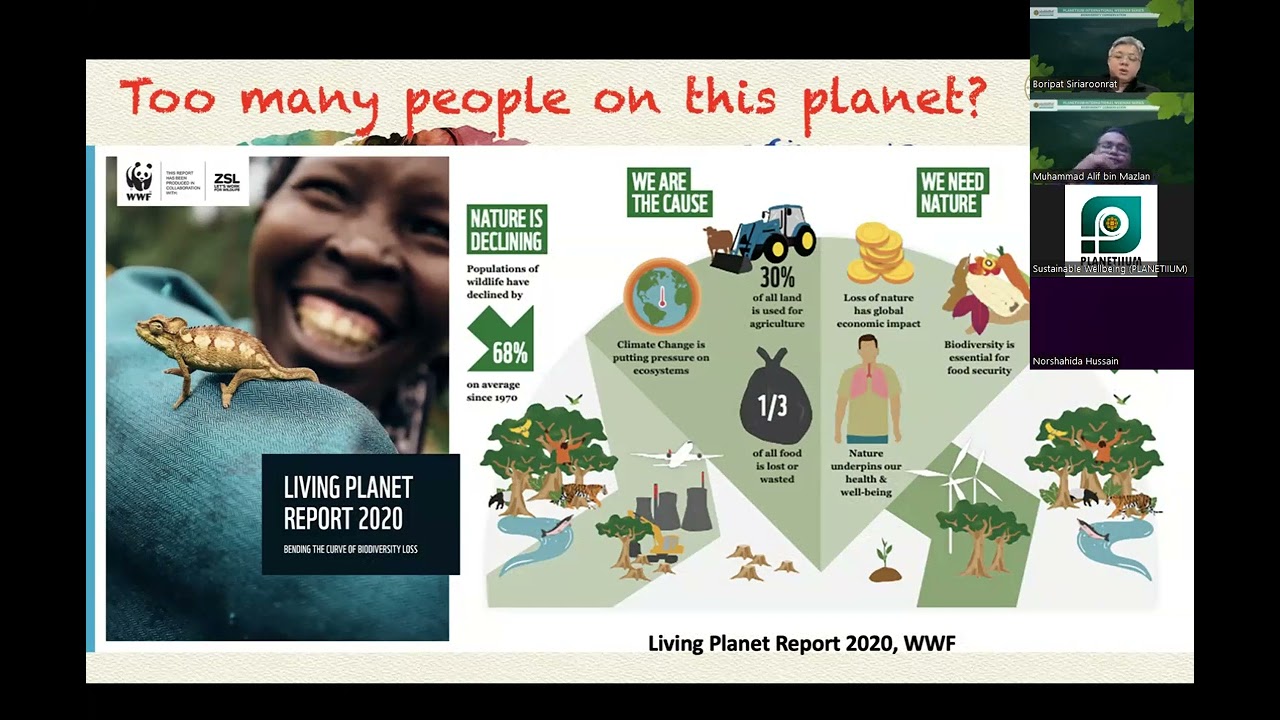


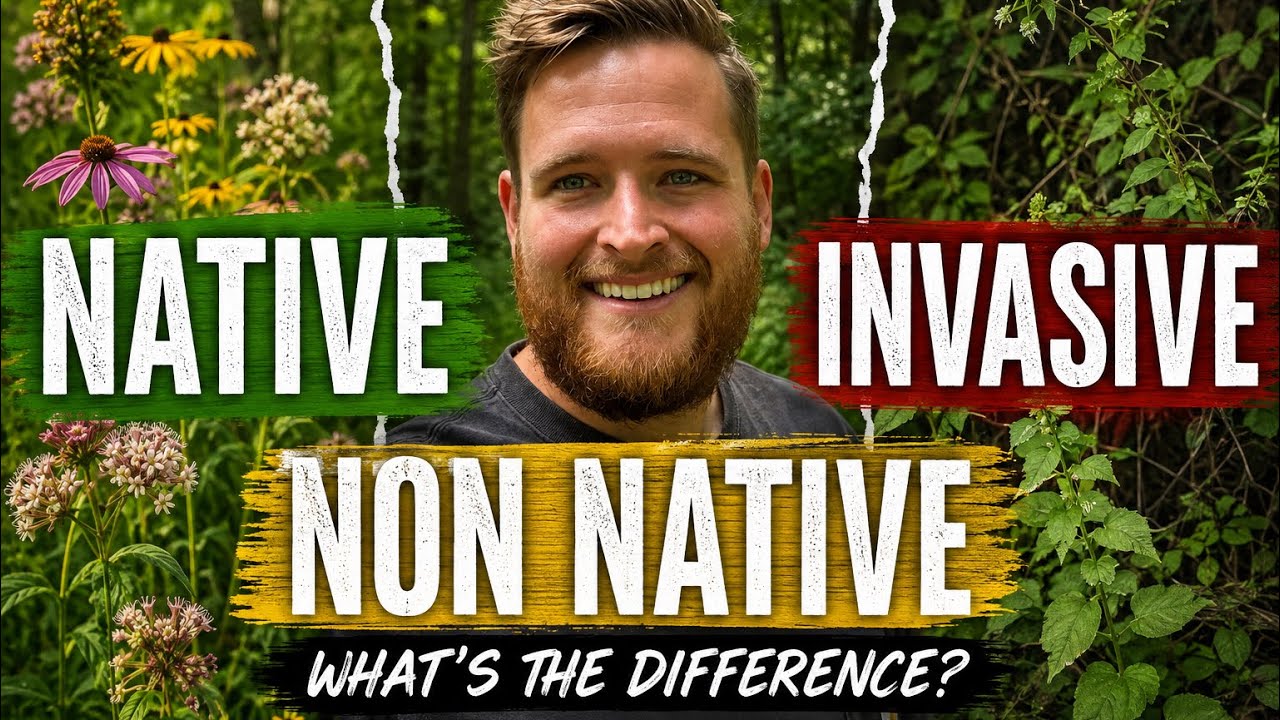


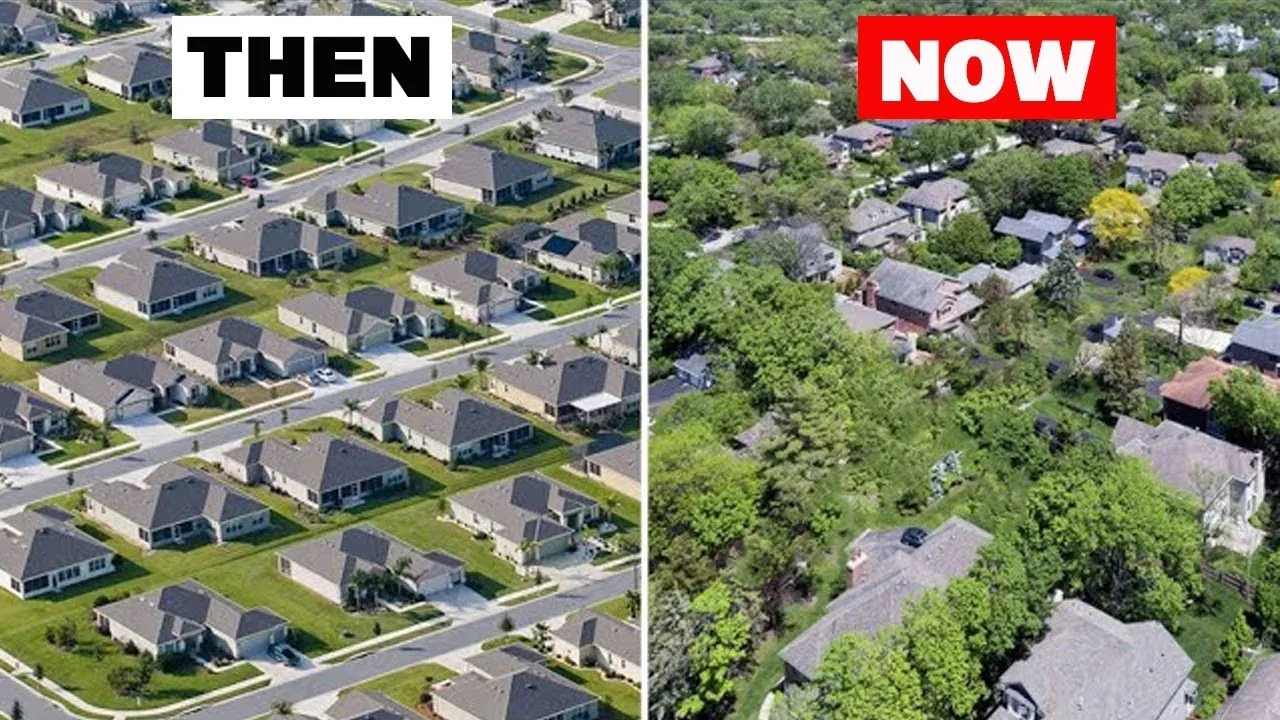




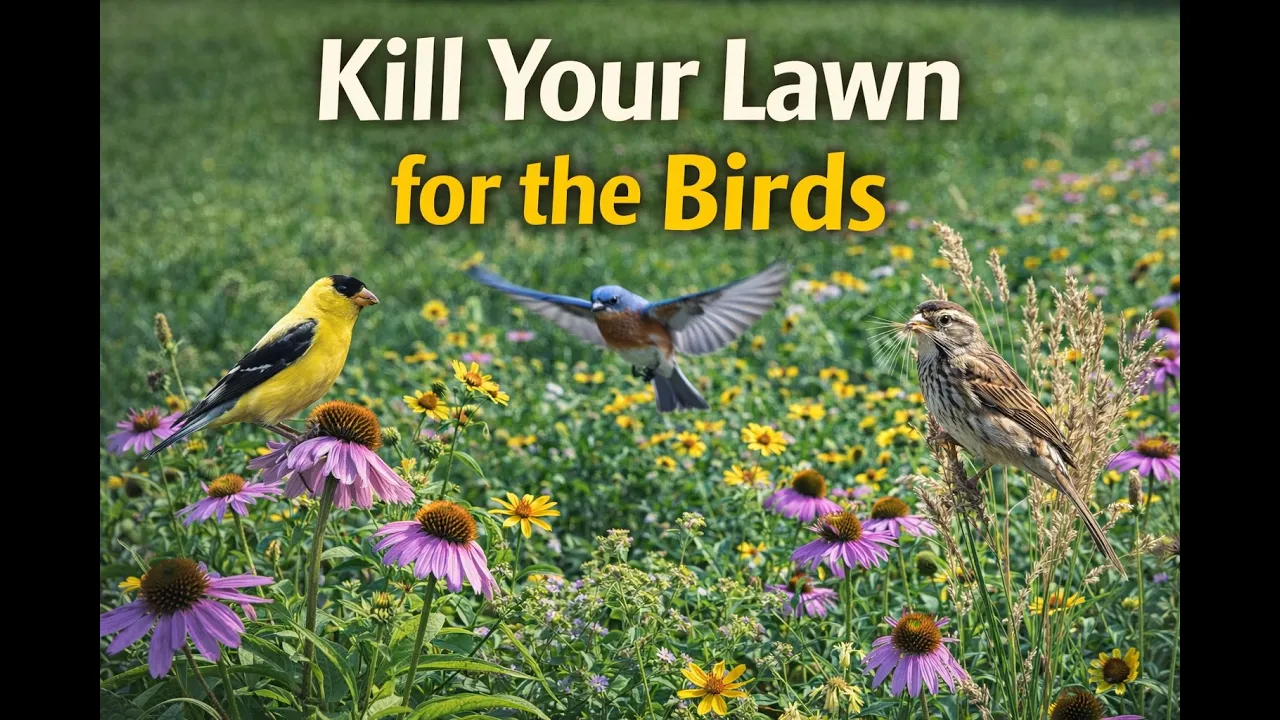







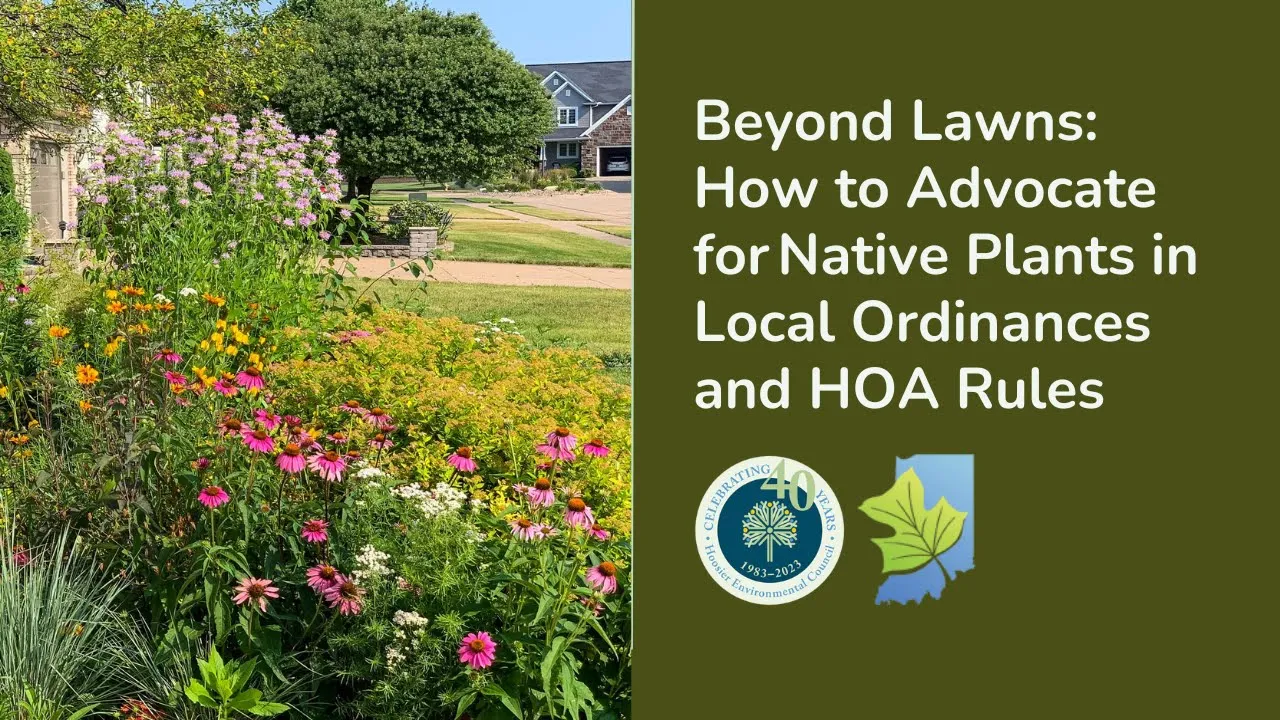
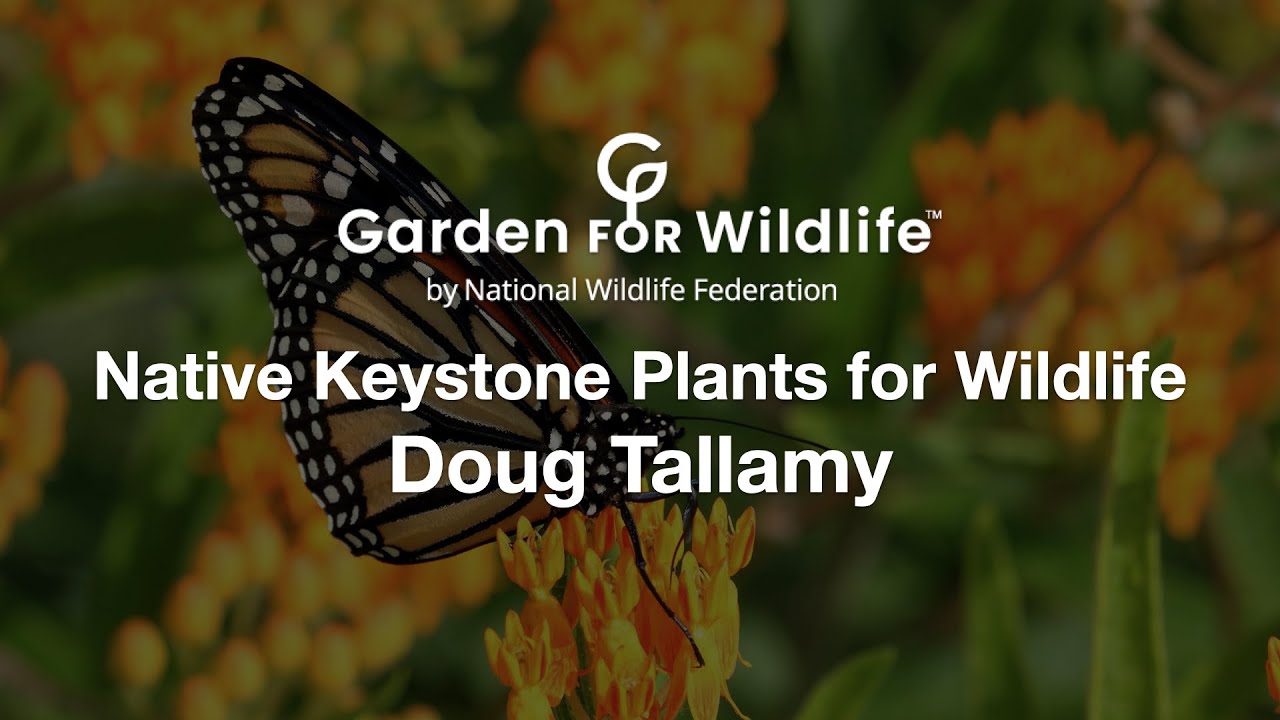


The Homegrown National Park initiative proposes that homeowners reduce their lawn area (which covers 44 million acres in the US) and replace it with native plants to create a grassroots solution to the biodiversity crisis. This approach recognizes that 78% of the US is privately owned, making property owners the key to conservation. Native plants support keystone species like caterpillars (which transfer more energy to food webs than any other plant eaters), pollinators, and birds, while also sequestering carbon and managing watersheds. The initiative aims to transform 20 million acres of private property into functioning ecosystems, creating the largest 'park' in the country through individual stewardship.
Homegrown National Park: Rewilding Lawns for Biodiversity
Added:The concept of biodiversity and its critical role in maintaining ecosystem stability and supporting human life.
The ecological distinction between native, non-native, and invasive plant species, and why native plants are vital to local food webs.
The fundamentals of trophic levels and coevolution, specifically how native insects have adapted to feed only on specific native host plants.
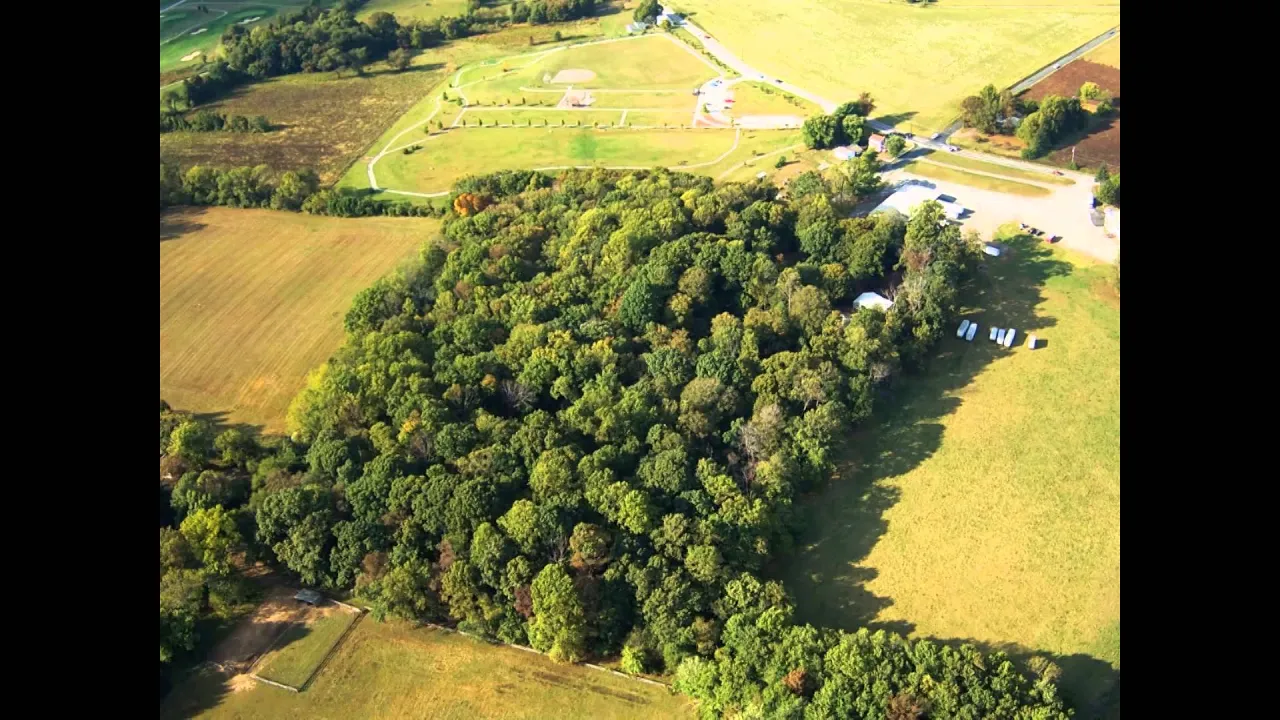
The environmental impact of habitat fragmentation, particularly how suburban development and traditional monoculture turf lawns disrupt wildlife habitats.
The identification and application of 'keystone species' in garden design to maximize local ecological productivity.
The principles of Restoration Ecology, exploring scientific methodologies used to actively assist the recovery of degraded ecosystems.
Urban Ecology and wildlife corridor design, focusing on how suburban and urban matrices can be linked to support migratory and local species.
Environmental advocacy and policy, including how to navigate and reform municipal codes or Homeowner Association (HOA) rules to permit native landscaping.
216 views2likes1:13:03Original Release: 2024-02-26
welcome everyone um I am Dr Jennifer Shu chairperson of sustainable ring Woods Green Team and I'm delighted that you have joined us for our first presentation in a series on native plants and gardening for wildlife I would like to thank the Ringwood Public Library for co-hosting this webinar the Green Team really appreciates all the support that we have received from the library and its staff this webinar is will be followed by an in-person presentation at the Ringwood Public Library on April 13th by Deb Ellis founder and leader of the Essex chapter of the Native Plant Society of New Jersey and on June 1st mark your calendars we will have another imperson presentation at the library by Don Torino president of the Bergen County aabon Society on that day we will be celebrating the grand opening of our native plant garden adjacent to the Library so look for the announcements of these events and all of our festivities you can register for these free events in the website of the Ringwood Public Library this event and our presentation series is supported by a $10,000 Grant through the sustainable Jersey grants program funded by the psng foundation and we are truly grateful for the support from sustainable Jersey now without f further Ado I would like to introduce our featured speaker Dr Douglas talame he is a TA Baker professor of agriculture and natural resources in the department of Entomology and Wildlife ecology at the University of Delaware and he holds a joint faculty appointment in the department of biological sciences he is the author of several best-selling books including Nature's Best hope and bringing nature home and he has authored and co-authored 97 Publications he's also the recipient of several Awards including the Margaret Doug Margaret Douglas medal for conservation and the Tom Dodd Jr medal or award for excellence we are indeed fortunate to have Dr talame as a speaker this evening welcome Dr Talam thank you Jennifer well we're going to talk about homegrown Park tonight or at least my idea of what it should be but before we do that let me ask you if you know what this is it looks like a fecal sack you know birds in their nest they don't want their babies pooping in the nest so they've evolved a little sack and the babies put the poops in the sack and the parents pick it up and fly out and drop it and it goes Splat on a leaf it's called a feal sack and that's what this is supposed to look like it's not a FAL sack it's actually a spider it's a Bola spider and it sits on top of the leaf so that looks like a feal sack because nobody wants to eat a feal sack but at night it hangs from the leaf and looks like a real spider and it drops a single strand of silk with one sticky glob of glue at the end there and it goes hunting now you wouldn't think that anything would fly into a single Target like that you think a web would be a much better design but they do moths fly in she catches the mo she spins them around very quickly and wraps them up uh and then she has a nice meal then she cuts that that body loose and she'll go hunting again catch another moth and she catches another month and when she gets enough energy she spins an elaborate egg case fills it full of eggs uh and that is how they overwind her in these these egg cases uh but she'll go hunting again and if she gets enough uh energy she'll make two or three egg cases so the real questions why are M flying into this this single Target uh it's not by accident she's actually releasing the sex pheromone of particular species of M so all the MS that come in are males they think she's a female she is is but she's the wrong species uh and that's the end of them well I was interested in finding out what species of moth are Bola spiders at our house were were catching uh so I unround the little bodies that she cut loose and found it was the Bronze cutworm and I've got BR bronze cutworm adult MOS because I've got bronze cutworm caterpillars and I've got bronze cutw caterpillars because I've got Golden Rod their primary host plant I've got this beautiful moth the dot lined white on our property because I've got oak trees primarily white oak trees and they love white oak trees and because I don't rake the leaves away from underneath those trees there is a dotline white cocoon in this batch of leaves and believe me you would not see that when you're raking leaves you probably don't see it right now there it is right there there it is enlarged Blends right in so keep in mind when you're raking your leaves away throwing them all away you're throwing away a lot of life forms I have evening primrose moths because I planted evening primrose and the moth came spends the day with with its head stuffed in the flower sometimes it's crowded but another success I have the zebra swallow tail because I planted Popa that is the only host plant for that caterpillar uh that creates that beautiful butterfly it would take me a long time a week or more talking continuously to describe all the species that now call our our property home it would not take me very long to describe the species that are using a typical residential landscape like this there is no Golden Rod so there's no bronze cutworms so there's no Bolas spiders there are no oak trees so there's no dotline whites there's no evening primrose so there's no evening primrose moth there's no poasa there's no zebra swallow tales as a matter of fact there's very little that can live in a typical residential landscape and we've got 135 million Acres of typical residential landscapes in the us and we're not through we're continuing to develop 800,000 new Acres of natural areas every year in the US that's one of the reasons we're seeing some scary headlines on a regular clip now the insect apocalypse is here talking about global insect decline North America has has lost three billion breeding birds in the last 50 years that's a third of our North American bird population already gone as a matter of fact two-thirds of Earth's Wildlife is already gone the un's predicting we're going to lose a million species to Extinction in the next 20 years 40% of Earth plant space Extinction very very bad news which is why Elizabeth Colbert gets to rate this book the sixth Extinction you know the Earth has experienced five great Extinction events which totally reordered life on planet Earth and we are now in the sixth one but this is the first one to be caused by a living organism and that of course is us now people are upset about this more and more people hear about that they're upset uh so much so that scientists are actually studying what our response to the loss of of uh biodiversity is uh and Richard Hobs thinks it's very similar to the five stages of grief that we experience when we hear a that we have a terminal disease typically first we have denial well no we don't have a problem at all and you certainly hear that every day anger I feel that sometimes bargaining well what can we do yeah depression we have to fight that stage five is acceptance and this is where we have to push back because acceptance is the same thing as giving up and giving up is not an option we cannot give up on nature because it is nature that keeps Us Alive on this planet so I'm going to propose a six stage and that is action we really can do something about it now we do have Parks we have preserves we got the beautiful National Park system they were established primarily because they were beautiful they Exquisite scenery uh as a matter of fact Teddy Roosevelt who had a lot to do with expanding the National Park Service said this about that he said the establishment of the National Park Service is justified by considerations of good Administration so Teddy was patting himself on the back as he should of the value of natural beauty as a National Asset and of the effectiveness of outdoor life and Recreation in the production of good citizenship in other words our Parks uh are there because they are pretty places for us to play in they were not established with conservation in mind and that's one of the reasons we only have 3.6% of the US in the National Park system only 12% is federally protected we care that compare that to Costa Rica and I always forget the statistic but it's 20 some 23 or 24% of Costa Rica is in National Parks so we Lag Way behind uh many other countries in terms of preservation but people wonder why aren't the parks and preserves that we have enough to sustain the biodiversity that we need it's a good question and there actually are several reasons but the the biggest one is that they're too small those parks and preserves are too small when you take a large area like this and you shrink it down into a little habitat patch this is an exaggeration you're taking a large populations and shrinking them down to small or tiny populations and that's the problem small populations are highly vulnerable to local Extinction why is that well all populations fluctuate good times they go up and bad times they go down if you're a large population that's this top line here even in your down cycle there's enough individuals that you can increase quickly when times get better but if you're a small population this bottom line here in those normal fluctuations you often hit zero you blink out of your little habitat patch then you're gone and unless you recolonize that patch you're permanently gone and it's getting harder and harder to recolonize our habitat patches these days picture a box turtle Crossing Route 95 just doesn't happen so we've got studies all over the world some of them quite long over 100 years in length that are saying the same thing we have not preserved enough nature on planet Earth to sustain the amount of functioning ecosystems that we need to sustain ourselves now we tend to use Extinction as a metric of trouble um I don't like that because that's like going to the doctor once you're dead it's a little late to be worrying about it I think the real indication that we have a problem is defination the reduction of of species that uh were once the dominant species in an ecosystem that actually ran that ecosystem and this is one of them the American chestnut it was the dominant tree and our our forest along the Appalachian Crest from Maine all the way down to Georgia and of course we took it out with the chestnut blight it's not extinct uh there's still Chestnut Roots out there coming up a few trees here and there but it is functionally extinct it is no longer performing its roles in its ecosystem this is the rusty patch bumblebee used to be not long ago was one of the most common bees in the entire country uh now if you find a rusty patch bumblebee it's a big deal because they are on the brink of Extinction so again not gone but functionally gone they're no longer performing their roles in their ecosystems the American Beaver again not extinct as a matter of fact it's coming back in a few places but when the Europeans came there beavers had established the hydrology of the entire country and then we tra just about all of them out changed the hydrology of the entire country and the hydrology the entire country remains changed at this point uh the Beavers that are trying to come back every time they act like a beaver we trap them and take them away and and make sure that don't so we're really talking about def foration the reduction in the abundance of species that run ecosystems that is the real problem it is local it's everywhere and we tend not to even notice it why not because of a a phenomenon called shifting Baseline we tend to think that the way things were when we were kids is the way they've always been and the way they should be we enter a world if we enter a world that's been defaunated if we enter a neighborhood with very few birds singing nothing else alive no insects we think that's normal none of us MIT miss the passenger pigeon which was the most numerous bird on the planet because it was extinct before any of us were were born so shifting Baseline means that we're losing biodiversity the biodiversity that sustains us and we don't even notice it Edward way teal years ago said we cannot make the world uninhabitable for other forms of life and have it habitable for ourselves this is such common sense it is such common sense so what are we going to do how are we going to fix this uh there is some good news uh the UN has recognized that we actually have two problems on the planet we've got climate change but we also have a biodiversity crisis they met last year in Montreal have a big conference uh to see what we can do about the biodiversity crisis this is uh a headline that came out of that meeting crucial negotiations to protect biodiversity are moving at a snails pace we are negotiating whether or not we should protect the the the natural systems that allow us to inhabit planet Earth it's it's incredible well I don't know I don't actually know what happened with that meeting I guess they made a few resolutions doesn't mean much to me because we have never met one of the un's resolutions um so I'm not counting on the UN to to solve the problem how about EO Wilson famous professor at Harvard late the late EO Wilson he died the day after Christmas to years ago uh he was concerned about biodiversity lost his entire career worked very hard to save it not because he loved it he did but because he knew it was essential to our own Survival so in 2016 he wrote this book half Earth our planets fight for life and he had one simple message he said if we're going to save life anywhere on planet Earth We're going to have to save nature we're going to have to save functioning ecosystems on at least half of the planet and he spent most of the book talking about the science that supports that very book old statement and then he end of the book he didn't spend a lot of time telling us how we were going to save nature on half of planet Earth now to a conservation biologist that is good news we'll just put half the Earth aside and all those things that are in trouble can be in that half we humans can be in the other half and it will be great problem is half of terrestrial Earth is already in some form of agiculture I don't see that diminishing very quickly and we've got 8 billion people along with all of our Hardscape all of our our roadways and airports and detritus and the other half and we don't have a third half to put aside for nature so how can we realize eio Wilson's dream I think we can and that's what we're going to talk about tonight um I think we can but we need a new approach to conservation to do that we've got to give up the idea the notion that humans in nature cannot coexist in the same place at the same time it's a very that's an ancient idea we followed that for centuries but we've got to give it up not only is living with nature an option it is now the only viable option that's left to us in the past conservation has worked pretty much exclusively where there weren't a lot of people we now need to turn that on its head and practice conservation where there are a lot of people because that's pretty much everywhere so we're not just going to practice conservation here we're going to practice it over here too but it's gone there's nothing to conserve here so we have to move Beyond conservation into restoration we have to rebuild ecosystem function where we live where we work where we play and that mean we've got to find ways for nature to thrive in human dominated Landscapes not hang on by a thread but Thrive so here's the basic problem fragmentation we've taken viable habitats and shrunk them to little little teeny pieces of their their former cell and they're isolated from each other so of course the populations within those little fragments are tiny and when they fluctuate they tend to disappear so the pro the the solution that's been suggested of course is to make biological Carter connection little connecting uh uh ways so that plants and animals can move back and forth between viable habitats um and if they do that that will uh reduce the the pressure from inbreeding which is good but look the populations are still tiny so when they fluctuate they will still disappear I think we've got to go beyond biological Carters we've got to build viable habitat in between those those those viable habitats we got to you know this is no man's land right now we've got to put the plants back and make it habitable this is good this is even better now the the light areas here would be where our cities are are and and much of our agriculture what is this area here it's our private property it's where we where we live which means we've got to come up with a new attitude about property rights we have this idea that that we have the right to do whatever we want with that little piece of the earth that we say we we own but we're not thinking our yards are not like Las Vegas you know that what happens in Vegas stays in Vegas but what happens on our yards does not stay on our our yards does not stay in our properties our properties are part of local ecosystems so whatever we do to our property impacts that entire ecosystem for good or for bad let's let's talk about what happens if you have a big lawn the amount of lawn you have is going to determine whether rain infiltrates when it rains or whether it leaves as storm water run off it's going to determine whether we're polluting our local Watershed are we adding nitrogen phosphorus herbicides and insecticides to that Watershed because that's all the stuff we put on our Lawns are we adding carbon to the air every time we we mow these big Lawns the amount of lawn we have is going to determine whether or not we're supporting pollinators because lawn at least the way we we are told we're supposed to maintain it doesn't support pollinators at all the the plants we put on our property including that lawn are going to determine whether we're actually storing carbon whether we're pulling it out of the atmosphere and then using that carbon to build the tissues of the plants on our property and of course all plants are pumping carbon into the atmosphere or into the soil through their root systems uh when they have big root systems lawn does not have a big root system the plants we choose for our our Landscapes are going to determine whether we're harboring ecological tumors like calorie pair Bradford pair which of course don't stay on our property escape and become major invasive species uh that push out the native plants that do support our ecosystems it's also going to determine how well we're supporting the food web are we choosing the plants that actually pass on part of their energy so that you have insects so that you have birds and everything else so how we landscape how much lawn we have and what our plant choices are are going to determine how much life Earth can sustain or at least the Earth around us in other words going to determine the carrying capacity of the the ecosystems around us that is an awesome responsibility and it's an awesome responsibility that most homeowners do not know they have but it also creates a Grassroots solution to the biodiversity crisis there are millions of us there are hundreds of millions of us and if each one of us became the future of conservation we really could tackle these these uh issues so where are we going to do we're going to start on private property most of the country particularly the lower 48 states is privately owned 78% of the entire country privately owned 85.6% of the the uh country east of the Mississippi is privately owned so if we don't practice conservation of private property we're going to fail collectively that makes Property Owners The Hope and the future of of conservation and again this will work but only if they realize that that conservation is one of their responsibilities let's return to lawn and and and talk about what we can do about it it is the lwh hanging fruit on our properties and we got a lot of it the last figure I saw was 44 million Acres of of lawn in this country which is uh bigger than the all of New England combined why are we doing that well you know it's a it's a status symbol it's a status symbol dedicated to an ecological dead scape and we have to display our Halloween decorations but what if we what if we reduce the area let's cut that area of lawn in half we're not going to get rid of lawn It's a Wonderful queue for care good place to walk we can play baseball on it but we're going to cut the area of lawn in half um that will give us enough area so that we can create a new National Park that I'm calling homegrown National Park we'll make the math simple we'll say we say we got 40 million Acres of of loan we're going to cut that in a half that'll give us 20 million Acres that we can put towards homegrown National Park how big is that it's bigger than the ader Onex plus Yellowstone plus yede plus Grand Tetons Canyon lands Mount reneer North Cascades Badlands National Park Olympic National Park seoa National Park Plus the Grand Canyon plus Denali which is huge plus the Great Smoky Mountains add up all this park still less than 20 million Acres so hero National Park will be the biggest park in the country we've actually formed a small nonprofit that we call HR national park.org uh you can join it uh all you have to do is is register the location of your property and the amount of your property you're going to be a good Steward of maybe you really are going to reduce the loan a little bit maybe you're going to plant an oak tree maybe you're going to put an aser in a flower pot whatever you do is is is uh good news then your little piece of your county is going to light up with a firefly and you get to see how many other people in your county have have joined homegrown National Park the object of course is to use social media to get the message that everybody is responsible for Good Earth stewardship we want that message to go viral our mission is to motivate millions of people to regenerate biodiversity by planting the native plants that that support that that diversity removing the invasive species that do not support that diversity and in essence reshaping our relationship with nature here are the U that's the distribution of the existing national parks we want to turn this into that shouldn't be that hard so what are we asking we really do want to reduce the area that's in Lawn Lawn doesn't accomplish any of the ecological goals that our Landscapes have replace it with plants the native plants that do accomplish those goals remove invasive species from our properties most people have invasive plants in their property and they don't even know it and if we're protecting any natural areas we want to continue to do that there are real ecological products associated with homegrown National Park a significant increase in biodiversity and I'll give you some examples of that in a few minutes measurable reduction in invasive species if everybody got rid of the invasive plants just on their property we'd be 78% done in the entire country we'd be 85% done in the East that is a good first step significant draw down of atmospheric CO2 um lawn is the worst plant for sequestering carbon dioxide so if you replace it with a planting like this or just about anything else you're going to help climate change and we're going to start to build VI habitat outside of parks and preserves any bit of of conservation we do outside of a park helps conservation inside of the park but equally important are the sociological products associated with homegrown National Park national awareness not just to what the problems are but what the solutions are and what our roles in those Solutions are we want to change the culture we want people to recognize that Nature's not optional it's not there just for us to play in it's essential it's essential for everybody which means everybody owns responsibility to sustaining it we want to convert hope into action hope is good but action is even better and we want to merge all of the existing conservation uh organizations so aabon and National Wildlife Federation Wild Ones and Sierra Club and all the land conserves doing wonderful conservation on private property but it's not being recorded in any any um ordinated way and that's what we want our biodiversity map to do remember we've got a 30x30 initiative we're going to say 30% of the US by 2030 not if we don't record conservation on private property when we if we're going to take areas like this and turn them into that we have to take areas like this and turn it into that it doesn't mean we're going to leave we're going to start to coexist with nature now homegrown National Park is free there's no charge at all we are entirely supported by by your generosity so thank you very much there's urgency in enacting the homeground National Park solution remember that 135 million acres in residential Landscapes that's a big job so we all need to get to work but we have to understand what it is we're supposed to do at home what do we need to know to succeed well there's four things I said earlier there's four things that every landscape has to do if we're going to reach a sustainable relationship with Mother Nature every landscape has to support a viable food web if you don't have a food web you don't have any animals if you don't have any animals you don't have a functioning ecosystem every landscape has to sequester carbon store carbon pull it out of the atmosphere and store it in plants and in the ground every landscape has to manage the Watershed in which it lies uh this is my neighbor uh and he's wrecking my water shed he doesn't know it but but he is does he have the ethical right to do that I would say no every landscape has to support pollinators lawn does none of those things and that's why we focus on at least in the beginning we're going to going to focus on reducing the area of lawn we also have to focus on that plant Choice plant choice is so important this of course is burning bush major invasive species there are three types of plants out there there are plants that contribute energy to local food webs remember plants are capturing energy from the Sun and through photosynthesis turning into the food that supports the animals if you don't pass that food on if you don't pass the energy on you don't have functional ecosystems so there's plants that are good at doing that there's plants that do not contribute energy to local food webs and there's plants that actually remove energy from local food webs the very best contributor across the country in 84% of the counties in which it occurs is one of the Oaks Oaks are contributing more energy to local food WS than any other type of plant by far a good example of a non-contributor would be a gko gko boba from Asia it's a good ornamental tree a nice fall color but nothing eats a genko which means it's not adding any energy to local food webs and a good example of a detractor would be any of the invasive plants here's this bamboo but you know we got a bunch of them uh that escape our properties not only are they not adding energy to local food webs but they're pushing out the native plants that do they're pushing out the contributors so they're removing energy from local food webs we have to build a new uh uh appreciation for how important caterpillars are in local food webs caterpillars are transferring more energy from Plants to other animals than any other type of Plante eater so if we design Landscapes that don't have a lot of caterpillars in them we're going to have failed food webs and eventually failed ecosystems and that's why Keystone plants are so important because they support the most caterpillars remember what a keystone is it's a stone in the middle of the Roman Arch if you take that stone out of the arch the arch collapses well if you take Keystone plants out of your local food web the food web collapses because they are making most of the food just 14% of our native plants are making 90% of the caterpillar food that dries drives those food webs so think of the Keystone plants and the ecological house that you're building as the 2x4s that support that house they are the support system you cannot build a house out of wallpaper and that's what we've been trying to do with our ornamental plants for the last century how do you know what the best plants are where you live you go to native plant finder on the National Wildlife Federation website put in your zip code and the rank list of the best Woody plants and herbaceous plants in your county will pop up this is abbreviated I just ran out of room uh so the old excuse of I don't know what to plant is just an excuse now you do know what to plant go to native plant finder and they pop up for you we have to think very very carefully about what IO Wilson told us he told us a lot of things uh and they turn out to be really important like insects are the little things that run the world Life as we know it depends on insects and it would change dramatically in a negative way if they were to disappear so maybe we should stop killing all our insects and we should also recognize that that 90% of the insects that eat plants are host plant specialists they can only eat particular plants so if we're designing Landscapes that are going to keep those insects in our ecosystems we have to choose the plants that those insects eat they can only eat the ones for which they have very specialized adaptations that allow them to get around the the uh defenses the chemical defenses that all plants have let's talk about the monarch butterfly is a perfect example we already know about what the Monarch is eating most people know that the Monarch is a hostplant specialist on milkweed you can have all the burning bush and all the calorie pair and all the privet and all the hostas and all the genos and all the things we landscape with in your yard and you won't make a single monarch butterfly the only thing that's going to make a monarch butterfly is one of the milkweeds and you probably know that milkweeds are toxic plants they're filled with cardiac glycosides and sticky lexat when you break open a leaf all this white goo comes out if that when that's exposed to air that gels it becomes like chewing gum and if it gets on a caterpillar's mouth Parts it glues his mouth shot and then it starves to death so it's a very effective defense yet monarchs eat C uh milk weats how do they do that well they've got the the specialized enzymes that store and excrete and detoxify cardiac lyes they snip the U pedol or the mid rib of the leaves they're going to eat before they eat it and it blocks the flow of sticky latex sat so the monor can actually eat milked without getting his his mouth Parts gummed up very specialized adaptations that allow monarchs to take advantage of that particular plant when most other insects can't uh but the point I want to make is that monarchs are not special 90% of the insects that are out there have very specialized relationships with particular plants that are just like the Monarch we need to have those native plants or we lose 90% of our insects we also have to make it common knowledge that uh that we need pollinators not just that we need them we're pretty good at at that we've been trying to saved the honeybee and other other pollinators uh for the last several years now but we have this idea that we only need pollinators in agriculture that's what the media says you know they pollinate a third of our crops we need pollinators but we need them everywhere not just in agriculture because they're pollinating 80% of all plants and 90% of all flowering plants so losing our pollinators is not an option we have to appreciate how important leaves are fallen leaves are uh on our Landscapes we call them Leaf litter um maybe they're Leaf largess that's what uh somebody in in St Louis suggests they do wonderful things for us of course the nutrients that our trees use that year are locked up in these leaves if we don't get those nutrients back into the soil if we rake our leaves away we're starving our plants year after year after year so returning nutrients to the soil is one of the important things that they do um forming a blanket over our our uh soil Community everything in the soil requires high humidity and there are more species that live in the soil than above the soil including those micro risal fungi associations that transfer the nutrients from the soil into our plant tissues all of the organisms that break down those leaves it's a Vibrant Community but it all depends on high humidity and that's what the leaves uh accomplish and then of course there's lots of things that live in those those leaves now the reason we break our leaves away is because we think if we don't our plants won't be able to grow well who was raking the leaves before we got here and believe me we had plants in North America so they must be able to get through normal layers of leaf ler if you pile them five feet thick yes that's going to smother them but normal layers work just fine um this is golden seal it does just fine getting through our our Leaf litter this is a white snake root at at my house I didn't plant any of it and I didn't rake the leaves away uh it's just a natural community that came in I'm showing you this picture to to remind you that ground covers don't have to be two inches high these guys are what three or four feet high uh and they are still considered Ground Covers growing just fine through those leaves we have to start to recognize that light pollution kills insects particularly those moths that are making the caterpillars that run our food web now in this case we've got good news there are a lot of lights out there and it's easy to turn them off but I know we don't like to do that but if you take out the white bulb and put in a yellow bulb you have succeeded because yellow wavelengths do not attract nocturnal insects so here we have a very easy cheap solution you can go to the hardware store and buy what's called a bug Light um you they also sell them in in uh LEDs so remember yellow wavelengths don't kill nocturnal insects if we were to switch out out our our white lights for yellow lights overnight we would save millions of insects and if we use LEDs we'd save millions of dollars too and we have to think about whether or not we really need to do all that mosquito fogging this is a a booming business around the country and the mosquito figers say it is okay because this is a natural product it's organic and they are correct it is a natural product it's made by chrysanthemums it's that means it's organic um but cyanide is a natural organic product rayin is a natural organic product nicotine is a natural organic prod so being natural organic doesn't mean it's not toxic they also say it only kills mosquitoes and that's not even close to being true this is the result of a mosquito fogging event on Kent Island in the Chesapeake excuse me a few years ago my friend happened to be there he picked up a handful of dead monarchs after the mosquito fogger left but there were thousands of dead dead monarchs on the ground he caught them as they were were migrating and let me remind you the Monarch population this year down in Mexico is the second smallest it has ever been the Monarch is on the brink because of of events like this uh the interesting thing is mosquito fogging it's an ironic thing does not control mosquitoes we're doing this for nothing actually we're paying good money to do it for nothing you don't control mosquitoes in the adult stage it's too hard you have to kill 90 % of them to get good control and these guys kill between 10 and 50% U so you control mosquitoes in the larel stage and homeowners can do it quite easily you get a bucket and you fill a full of water and you put in a handful of straw or hay or Dead Leaves let the population of datom and algae build up which it will uh then you go to the hardware store and you buy a sheet of M mosquito dunks $12 for a season's worth of control this is basilis thian this is biological control it's a natural bacterium that only kills Aquatic diptera and the only aquatic dipin in your bucket is a mosquito larva so yeah put one of those in there after the mosquitoes lay their eggs which by the way they will because this becomes an irresistible Brew to female mosquitoes they want to put their eggs where all that that larel food is and that's how we control mosquitoes in a targeted cheap way without killing anything else we have to start appreciate that that we have to do conservation in cities as well 82% of us live in cities 82% of us have small or tiny populations or small or tiny properties this is Pam Carlson's house in Chicago it's one/ tenth of an acre 100% native plants 125 bird species use it uh so conservation Works wherever you do it and if you have no property it still works this is where you use container gardening uh and there's a new feature on our website homegrown National park.org uh all about container gardening you can go to that that feature and look at the best plants for containers in your Eco region uh and these are these are uh very good for pollinators for migrating monarchs even if it's on the fifth floor or on the roof because they're very mobile creatures they find it now fortunately we do have a silver bullet in our fight against climate change and biodiversity crisis two crises on the planet Earth and we can fight them together and that is the conservation War this is the nausa grasslands in Illinois 3,800 Acres more than 730 plant species there now 180 species of birds have been recorded there it used to be a corn field nature is resilient nature nature excuse me repairs itself when we give it half a chance it's where I live it's where my wife and I live in Oxford Pennsylvania it's what our house looked like just before we moved in uh there was a farm A Very Old Farm about 300 years old that broke up uh sold into 10 acre lots and we got one of those lots um just before they broke broke it up they mowed it for hay now when you mow for hay in southeast Pennsylvania you were really mowing the rootstocks of all the invasive plants that are in our our Woods uh and that is multiflor Rose and Oriental Bittersweet and Japanese Honeysuckle and Bush Honeysuckle and Autumn Olive and miscanthus and Porcelain Berry and all those guys are there so when you stop mowing that's what comes back and that's what our 10 acres looked like when we actually moved in it was a giant tangle of Asian plants so the first thing you have to do in a conservation effort is get rid of that and um it it can be daunting it looks daunting it is not as hard to get rid of them as you think you just get your wife to do it and then it looks like that um so Cindy did do it now you know she it's it's not doesn't happen overnight she likes do doing it and I was very lucky about that but um this is what our house looks like uh in the summertime today taken from pretty much the same place I took that first picture we put a lot of the plants back not all of them still working on it but now one of the things that uh my research has shown over the last 20 years is that if you know the number of species of moths in your local food web Ms not butterflies butterflies are bad tasting day flying Ms and because they don't taste very good they're not a important part of the local food web so we focus on MZ if you know the number of species of moss you have a good index of how stable that food web is and how productive it is how many other species is it supporting so six years ago I started taking a picture of every species of moth that occurs on our property I am still at it but I'm up to 1,259 species of moss so far making a living here why because we put the plants back and many of these are are very interesting creatures like the chinkapin leaf minor the skullcap skeletonizer the neighbor they've got great names the little devil the hored zy the Forgotten frigid owlet what a great name that is the visitation moth the obtuse yellow the explicit arches the snowy shouldered AC Claris The Grateful The Morbid owlet the pink shaded Fern moth the feeble grass moth the Scribbler the lemon plotus the cynical Quaker the showy Emerald the green Marvel Harris's three spot the old wife underwing the eyed pectis the hog Spinx the toughed bird dropping moth who wouldn't want the tufted bird dropping moth and my favorite the Spong glass C hundreds of other species of moths are now making living in our house because we put the plants back and the first thing I I hear is well they're going to eat all your plants there are little mouss there and they are eating a lot of plant material but there's an awful lot of things that are eating them like birds you know birds are eating particularly when they're reproducing hundreds of caterpillars a day per bird species per bird individual I should say uh and and you know when you have a lot of birds you wonder why you find any caterpillars at at all and we have recorded 62 species of birds that breed on our property look what they're feeding their babies they're feeding them caterpillars hundreds a day we also have other predatory uh insects or predatory insects like the Ambush Bug the assassin bug the predatory stink bug this guy sat next to this aggregation of milkweed Tusk MOS and he ate one every time he got hungry and it really was a smaller aggregation by the time he got through we've got a lot of hopter and parasitoids most of which are attacking caterpillars we've got a lot of uh wasp that are directly attacking them they sting a caterpillar uh and paralyze it and then they carry it off put it in their their little mud house and lay an egg EG on it this is Nature's form of refrigeration if they killed the caterpillar and took it away and laid an egg on it it would rot before the egg even hatched but if they paralyze it it stays nice and fresh the egg hatches and then can eat a fresh morsel we have we have typical vertebrates that eat a lot of insects like skunks like possums like raccoons like foxes 25% of a fox's diet is insects and of course we have uh amphibians these are tree frogs good population of tree frogs and toads salamanders ring neck snakes cutest little gray tree frogs and they're green when they're little that you've ever seen uh so we've got a whole bunch of higher trophic levels controlling the insects on our property but our lawn goals are too modest we have to think beyond the lawn we're going to start there but we have to think Beyond it that's because most of the properties actually and privately owned wood Lots crop land and range land so let's talk briefly about each one of those 46 million Acres of wood Lots in this country that are managed by private citizens not logging companies in the US managed for what manage for for lumber well there's good ways to do that and there's not so good ways to do that and you also have to manage the invasive species that are in those wood lots to determine the biodiversity value of those those spaces we do have organizations like the foundation for sustainable forest in Western Pennsylvania that are telling us how we can sustainably Harvest our our wood lot forever uh there's two kinds of harvesting there's high-grade harvesting where you take the very best trees and leave the rest and you get a great harvest once and there's worst first selection where you take smaller more frequent Harvest you're taking the not so good trees leaving the best trees uh and that leads to higher yields indefinitely over time but if you don't uh manage the invasive species that are in your wood lot um it's it's still going to have low biodiversity City value excuse me you are looking at White Clay Creek State Park uh park down the road from me um and all the green you see uh is a plant from or a different plants invasive species from Asia they Lea out before plants from North America so early spring March that's the time to look at your invasive species load in your quote natural areas third of the vegetation in in our parks on average is uh are are you know multiflor rows and autolive and all those guys why do we have such a bad invasive species problem yes we brought these plants in most of them is ornamentals yes they've escaped but here are the guys that are really driving that system we got way too many deer we've got overabundance of deer the deer eat the native plants and they do not eat the non-natives that's a bit of a generalization but not much so they tip the competitive balance against our natives uh and it's caused serious uh management issues this is what a healthy Forest looks like that's a Great Smoky Mountains I went down to the Great Smoky Mountains last spring uh and the first thing I saw was underst story and I said wow how are you managing your deer and they said we're not managing our deer I said well why do you have under story and he said well we've got black bears and we've got uh Bobcats and we've got coyotes and they are managing our our deer these you know an understory healthy understory is mostly the young canopy trees that are waiting for the big guys to die and then they grow up and replace them it's a very stable system this is what a typical wood lot looks like where I live no underst story at all this is Japanese stilt grass the deer anything that pops up here uh like a young oak tree that they like they will eat it uh and and you essentially have the collapse of forest regeneration uh you also of course have the ser ious problem of Lyme disease uh We've increased our deer population to the point where we've increased the deer tick population and then we've got uh the the disease cycle I've had Lyme disease five times I am not minimizing it and I'm not going to spend a lot of time talking about it but we have three options in controlling our deer getting them back down below the the carrying capacity where I live we got about 140 deer per square mile we should have about 10 so way over the carrying capacity you could bring the Predators back as has happened in the Great Smoky Mountains that can be hard in in Suburbia hire Sharpshooters and some some neighborhoods are doing that they usually take out about a third of the Deer uh and if they did that regularly several times a year every year it would work very expensive they usually do it once every two or three years so not nearly enough burn blasy at Cornell suggests Market hunting where you actually get paid to hunt deer and you do it all year long now that is what controlled the the Bison remember those Buffalo those pesky guys out there took care of them the passenger pigeon even though it was the most common bird in the planet we took care of them the the Carolina Parakeet Market hunting can take care of anything so regulated it could be the solution to too many deer what do we do in the meantime you got to protect the plants that you want and this is what I had to do I had to put a cage around any of the the the trees that I wanted because the deer would eat them what about crop land got a lot of crop land too 410 million Acres of crop land all the light green area uh in in the US and people think well there's not much you can do to crop land to increase its biodiversity value but that is not true there are four things we can do to greatly increase its biodiversity value manage the roadsides appropriately put the Hedge RS back every place we can add Prairie strips and limit neonicotinoid insecticides the monarchy is in trouble lost well over 90% of its population because we have taken the milkweeds out from the sides of the roads we've taken the Golden Rod out the asers the New York iron weed all of the weeds that the Monarch and our native bees use or used to use and replaced it with lawn that we have to mow which adds carbon dioxide to the atmosphere and we did it for Aesthetics we did it because it's a status symbol not a good reason but guess what we can put it back and people are doing it they're doing it in Iowa they're doing wherever you've got responsible Growers they're actually putting the Prairie systems back and it's not just Prairie plants all the way to the east we've replace the roadsides with uh lawn so we've got to got to put those plants back you know in 1976 it was the highest Monarch population ever recorded and believe me there was agriculture in the midwest in 1976 so monarchs and Agriculture and Native bees and all the other things can coexist if we put the plants back and put the hedr back too and not not single species of of uh invasives like Autumn Olive but multispecies native hedro we took the HED Ros out because we have giant machines and it made it a little bit more convenient but we took them out everywhere instead of just where it was hard for the machines we can put them back and harbor a lot of of biodiversity and then finally Prairie strips great idea fantastic idea put these big thick strips of of prairie plants right through the corn right through the soybeans perpendicular to the flow of water off the landscape not only is it great for pollinators but it reduces top soil loss by 95% water pollution by 90% it absorbs uh intercepts all of those nutrients before they they leave the uh the landscape and it's supported by USDA crep program so the farmer is getting paid to do this it's a win-win for everybody and then finally limit the the use of NE nicotinoids particularly seed Coatings you know it's very hard to buy corn or soybeans or anything else out there that isn't coated with neonicotinoids which are 7,000 times more toxic to Insects than DDT was they're used preventively so whether or not you have an insect problem you get a seed coating uh and only 5% of the neonicotinoid is taken up by the plant the other 95% washes off into the the uh Waterway the into the Watershed or blows away uh as dust and we don't even know what it's doing the interesting thing is when you compare yield in a field with with seed Coatings and a field with no seed Coatings there is no increase in yield so it's another thing we are doing because the seed companies tell us we should do it not because it actually benefits anybody all right range land 770 million Acres of range land it's the biggest use of land in this country four and a half times the size of Texas dedicated to cattle but it does not have to be an ecological disaster our grasslands around the world co-evolved with grazers that's why grass became grass the Marist stem is down at the base where the grazers can't get it this is an experimental range in Nebraska that Cindy and I visited these yellow things are are sunflowers these are cows they not bison uh so everything was there all of the the grassland birds were there the prey was diverse it it was a wonderful system because it was not overgrazed so we know how to to limit the amount of grazing and also putting beavers back you don't think about that particularly in the southwest all the Beavers were trapped out and when they were their dams disappeared and then the the when you had big rains all of the streams became insided inut they and it dropped the water table uh removed the wetlands so that it became extremely easy to overg Grace those really dry areas if you put the Beavers back or put Beaver analog dams back it raises the water table back up uh Returns the wetlands even to the southwest and makes it very productive also makes it an area where the the cotton woods and the Willows can grow and that's where most of your biodiversity is if you keep the cows out of the stream you've got to fence them out because they eat the cottonwoods and and the The Willows and then you end up with trampled stream beds all of those things are doable and there's something that's common to each one of those approaches to conservation and that is is whether or not they succeed depends on the decisions that you and I make the decisions that people make I had a a student in one of my classes a few years ago Amanda Crandle who wrote this uh on her final exam while conservationists claim to be managing species and habitats what they're really managing is people these are sociological issues we need to change our adversarial relationship with nature to a collaborative one and the question is can we do this well I think I think we certainly can do it it doesn't mean you have to save biodiversity for a living but you can save it where you live and if you do it empowers you more and more people today are aware of the fact that that the Earth has some serious environmental issues but they feel powerless what can one person do well one person can shrink the lawn one person can modify your lights one person can add a pollinator Garden one person can remove invasive plants one person can use Keystone plants one person can fire mosquito Joe one person can join homeground National Park whole bunch of things one person can do to revitalize the ecosystem on their property and then enhance their local ecosystem instead of continuing to degrade it and it shrinks the problem down to something that's manageable for each one of us don't think about the entire planet's problems you will get depressed just worry about the piece of the earth that you can manage the piece of the Earth where you can see the results if you own property it's obvious that's where you start if you don't on property help somebody who does help a Land Conservancy help a park or preserve they're all underfunded they're all underst staff they will love you as they volunteer so I hope that homegrown National Park will provide the motivation and the guidance for millions of people to tackle these conservation challenges whether or not we do so is going to determine Nature's fate and then ultimately our own I'm going to leave you with the homeground national park challenge I'm going to ask each one of you to plant one key Stone plant this year it'll take you five minutes very thing easy thing to do you might say well that's not going to that's not going to help very much well I want 400,000 of you to do it so you can you can contribute to that uh and that's it thanks very much well I think that was a truly inspiring talk and I thank you so much and now Mary Allen will read some of the questions that have come in okay y I'm just pulling them up give me one second and if anybody has questions please um put them in the chat and then we'll read them out and uh Dr taly will uh answer them for us all right so Shirley asks I'd be interested in the process that Cindy used to eliminate the invasives EG how to handle the roots from regrowing prior to planting native plants in their place uh Cindy won't use herbicides so she does a lot of whacking um now you know I say she got rid of most them I helped in the beginning with some of the big guys uh we wrapped a chain around the base of some of the big multif Flor and pulled them out with a small tractor uh but there were times where I I do saw the the trunk of the bigger like Autumn Olive and paint it with an herbicide if you don't kill the root systems it will just keep coming back and back and back and early on I realize I'm I'm not going to live long enough enough to to deal with that so particularly things like Oriental Bittersweet if you don't kill that root system it will come up forever and it's a giant root system when we moved into our house we had Oriental bitter Suites this this fat I ran out I sawed them off and I didn't do anything with them this is 23 years later they're still coming up from that root stock that I didn't kill that one day uh so there's a time I I think herbicides are important tool in our toolbox but you have to use them uh the way they're designed don't don't misuse them but if you don't kill the the root stocks they're going to come back forever so Cindy has a hand whacker and she goes around so you know the ones that come in now are all tiny she can get rid of those very easily and by the way right now is a very good time to go out and pull in bases because the ground is really loose from thawing and and uh freezing you can pull sizable multiflor rows out and other things just without whacking just give them a big tug and out they come okay then the next question is when you planted natives did you do it from seed plugs or full grown plants with that large a property how did you manage costs in the purchase of the native plants we spent about $200 in the last 23 years and it mostly was one day there was a a a small Nursery in New Jersey that went out of business we drove over and we bought a bunch of of beach trees that they were selling so I did plant a lot of oak trees and I planted them from uh acorns so that's seed they were free um but you know who helped me the Blue Jays helped me they brought in Beach seeds and in acorns and planted them um the squirrels helped the wind helped uh it's amazing we we we repopulated the the 10 acres mostly uh with a process that Rick dark calls addition by subtraction we spent most of our time removing the things we didn't want and the things we did want came in on their own there's a seed bank there too we have orchids uh in places that are coming up that have been there for who knows how long and as soon as we cage the deer out of certain places they come back uh so the the seed stock is or seed bank is very rich uh and you don't have to spend a lot of money on you really don't you have to be patient because little guys are little in the beginning and if you protect them from the deer though they grow pretty quickly right now I do I do most of my gardening with a chainsaw as a matter of fact we we uh heat the entire you know year with the Trees black cherry tree you know black cherry throws a lot of seeds and it comes up everywhere very important plant but I'm I'm heating with the plants that are now crowding out you know I'm losing my light in places because so many plants come in how do you manage deer from eating your new native plantings uh I have to cage it right the first year we went to both Home Depot and Lowe's and they sell these these it's galvanized wire cages or wire about five feet tall uh in big rolls so I cut strips off so that I could make a round cage that was maybe you know four sometimes even 5T in diameter you you don't want to crowd the plant and then you put it over your little plant the deer can't get to and I stake it with rebar I am still using those cages 23 years later so you know it's it it's a little bit of money in the beginning not that much but they last forever and you can move them around when a when a plant gets past the point where the deer can hurt them I call it graduation day and then I move it to another plant um so that's that's what we do uh and if you don't there's a few things that deer don't eat they don't eat spice bush most of the time but last year we had so many deer they actually stripped all our spice bush too so you know the deer will eat anything when they're starving if you had to choose one or a few Keystone plants for a Suburban Garden what would you choose for Suburban Garden or Suburban landscape if you have room for a tree I would get an oak on there if you don't have one um and you want to pick the oak that's going to be best for the soil type that you have um I really like the White Oak group it's a little bit better choice now because they don't get the oak leaf Scorch the way the red oak group does so Red Oaks and pin oaks uh are getting hammered by Oak Leaf Scorch if you're talking about uh herbaceous plants um I would pick the plants that are best at supporting both caterpillars and specialist bees a third of our North American bees can only reproducing the pollen in particular plants and golden rod in this part of the country supports at least 12 species of specialist bees so if you don't have Golden Rod you've lost 12 species from your your garden right away Golden Rod native asers uh perennial sunflowers all very good at supporting specialist bees so I'd make sure I had those three in there you also want to think about what the the Monarch needs on its migration south of course it needs milked to reproduce but when it's flying all the way down to Mexico it needs nectar plants so those fall blooming asers are really important because it Bloom really late and some of those monarchs are are flying even early November and there's nothing for them to eat so golden rods in the fall and fall bloing aners are really important for the monarchs what are some of your favorite low growing lawn alternatives for Zone 6A uh well I I want to reduce the area of lawn but the lawn you keep is going to be manicured it's going to be regular lawn you don't need fertilizer you you don't need any herbicides or anything but you do need to mow it so the areas that are not in lawn don't have to be short and something you walk on they can be anything native sges are great but there's no sge that wants to be walked on the way grass does um there's a lot of ground covers all of your spring ephemerals you know your blood root and your jack in the pulpit and and violets are great great plants violets are also really good for specialist bees as well and they also support all your frares but don't forget the shrubs things like witch hazel and and Native viburnums um Choke Cherry if you have Wetlands things like uh clethra sweet pepper bush and and uh the holes so inkberry and American Holly and and uh Alex Fortiss Salada what's it called Winterberry those guys can grow in standing water so can Button Bush so if you have a wet area they don't need it but they can they can grow so and they're wonderful butterfly plants they bloom in the middle of the summer um Virginia creeper you know know everybody like Virginia creeper but it it's uh it's got good fall color and it can be a good ground cover and it's a wonderful pollinator plant believe it or not it makes lots of good caterpillars lots of berries for the birds in the fall those are some of my favorite plants where can you dispose of the invasive plants once removed okay that depends on what the plant is but the typical inv bases we have around here like multiflor rose and Autumn Olive and they degrade really quickly uh if you pull the porcelain Berry out of the out of the trees you know it's a big thick bind but um they break down surprisingly fast so I pile them up in one big pile uh in two or three years that pile is totally totally gone if if you're removing something like Japanese knotweed a little piece of of knotweed root the size of your pinky nail will start a new plant so you have to be much more careful with that stuff don't just put it in the garbage can and put it out because they'll take it away and spread it someplace else um the best thing to do maybe have a big piece of of plastic put it on the plastic uh and and let the sun cook it down and kill it but you don't you have to be careful so that it doesn't go to another area where it can it can outout um a story about uh autum Olive that can be really persistent too I cut a whole bunch of autum Olive in early summer one of the early years uh and I realized they could be good staks for the deer cages I was putting up so I chopped them into staks and I just left them out the rest of the summer then that's September I put up some deer deer cages and I pounded in those staks all of them rooted after being out in the sun All Summer Long so you have to be you have to be careful with Autumn Olive but um don't put it in don't don't have the garbage man take it away that'll just spread it have you been able to speak with Home Depot Lowe's and the Realtors how do we change the mythology these companies promote we talk about that all the time um you don't just walk in the door and talk to Home Depot you kind of have to be invited you have to make a relationship and you know now our homeground national park actually has an executive director Brandon Huff and and he's working on that so we are trying to get in the door um those those companies want to sell plants and they're recognizing uh that there is a market for native plants they're carrying more of them they can do a lot better for sure but uh you know the demand for native plants exceeds the supply that is a business opportunity um but they need direction there's no no doubt about it Realtors they need a lot of dire Direction too same thing we're trying to get in the door for big realtor conferences uh to get the message that actually talked a b to to a few just the other day but they're stubborn to say people don't want this well there's a lot of people that do want it and there's more and more people that do want it and they have to they have to understand that when Cindy and I moved to our new property the the first thing our realer told us is you have to read landscape or nobody will buy this house which wasn't true they bought it right away you know but that's the mindset that we have to overcome and I do recognize it's an issue what's the most simplified version of your data slin that I could share with or present to others to motivate them you know a guy did a magazine article on what we're talking about that I thought was a really good job and I have it and I can forward it to you um you got to send me an email and say send me this maybe I can send it to you you folks and you can you can post it or something yeah if you send it to um Jennifer or I we can push it out to the whole group right we'll get it out yes indeed right I will I will do that it's probably GNA be tomorrow okay but it's a really good summary of what we're talking about so any tips on mug workart can you cut and smother the area with thick mulch yeah mugw and many of these invasive plants love disturbance so if you try to get rid of it by disturbing the soil again it just loosens the seed bank and up they come again the best thing to depress mugart is is to not disturb it at all um so smothering it with with mulch might work I've never tried that but um planting through it with maybe if you're trying to make a meadow you know it's a huge huge headache there's no doubt about it but if you're not if you're putting Woodies in there um let it let it Peter itself out um but every time you disturb it maybe you can cut it without disturbing the roots that will will slow it down you know everybody wants a a silver bullet for these invasives I don't have one they are terrible we brought them in and now we're dealing with the consequences we can win but it is it it's a lot of work there's no doubt about it couple of people are asking for any tips on the spotted Lantern fly yes wait interesting thing happened this year you know spotted Lantern fly and and mile a minute weed and so many things have come in right around Pennsylvania right where I live that's seems to be Ground Zero we brought spotted Lantern fly in because they were eggs on ornamental rocks from China we have to buy rock rocks from China because there are no rocks in the US to use as as ornaments so we got the egg masses and now we got a a spotted lanternfly issue they exploded um by the way there's no records of spotted lanternfly actually killing a tree they're on there by the thousands and it could be you know really ugly and and and Troublesome but they exploded and then they started expand and then the the the center of this donet of expansion has collapsed two years ago I had spotted lunch and flies every air last year I could hardly find one and I did nothing and it wasn't just me it was all the area around here the whole population collapsed now they're still really numerous as it expands out and out and out but are they permanently collapsed I don't know but something controlled it last year and I think that's going to happen as you move through this front phase of the in Invasion so be patient and see if that happens for you guys as well you're kind of on the edge of the expansion right now um a number of people have asked if we'll be sharing this recording and the library will be putting it on our YouTube page and we will send a link to everyone who registered for the webinar tonight so you can watch it again and share it with your friends and family and you know people that you know in the community um know that that is my biggest challenge is reaching the people who don't don't want to watch this they don't know anything about it they're not interested so I've always thought when you when you post this if each one of you invited a neighbor who would never ever do it on their own use some some uh you know friend capital and say please watch this with me that would really help get the message to we call the non- choir that would be really really helpful and then it looks like the last question at least so far is a question about bindweed any suggestion for eradicating before planting natives yeah you know there's a native Bine weed and there's a non-native Bine weed they're they're both a pain in the neck they send really deep roots down very difficult you can you can cut them off and and and pull up the vine but they come back from that root eventually uh do I have any suggestions not really just keep cutting it if you cut a plant repeatedly you will exhaust the root system but by repeatedly I mean at least once every week every time it comes back and puts up new new green leaves bind bind weight is another pain in the neck we're getting a lot of people who are saying thank you for your talk it's very educational inspiring one more question what is your recommendation for maintenance should it be designed for maintenance yeah you know all Landscapes need to be M maintained there's this misconception that if you plant natives you never have to do anything again uh in the old days that was more or less true it would move through succession but with our with our invasive plants that is not true at all all of our our uh Native plantings are constantly invaded and that's the biggest maintenance headache once you have a well-planted landscape though uh and I mean well planted you want green mulch you want so many plants there you can't see the ground that's going to minimize the weeding opportunities and the opportunities for invasives to come in but it takes work to get it there and you have to do a little bit of of Maintenance every every year it's a lot less than if you have to mow every week though once you get it established okay more people saying thank you all right well appreciate the opportunity I will I will send you that article tomorrow and you know what if I forget send me an email I wrote it down but my memory is terrible well Dr T once again thank you so much for a really inspiring presentation and we truly appreciate it and we'll follow through and try and get the rest of our community to get on board okay great appreciate that good night everybody
Up Next

74:06
Desalination in California: Costs, Benefits & Environmental Risks
@UCBerkeleyEvents
2.1K views•2008-04-10

15:54
Life in Biosphere 2: Sustainable Ecosystems & Human Survival
@TED
334.9K views•2009-06-16
14:30
Microplastics Everywhere: How Plastic Impacts Our Lives
@TEDx
100.9K views•2018-05-08
10:28
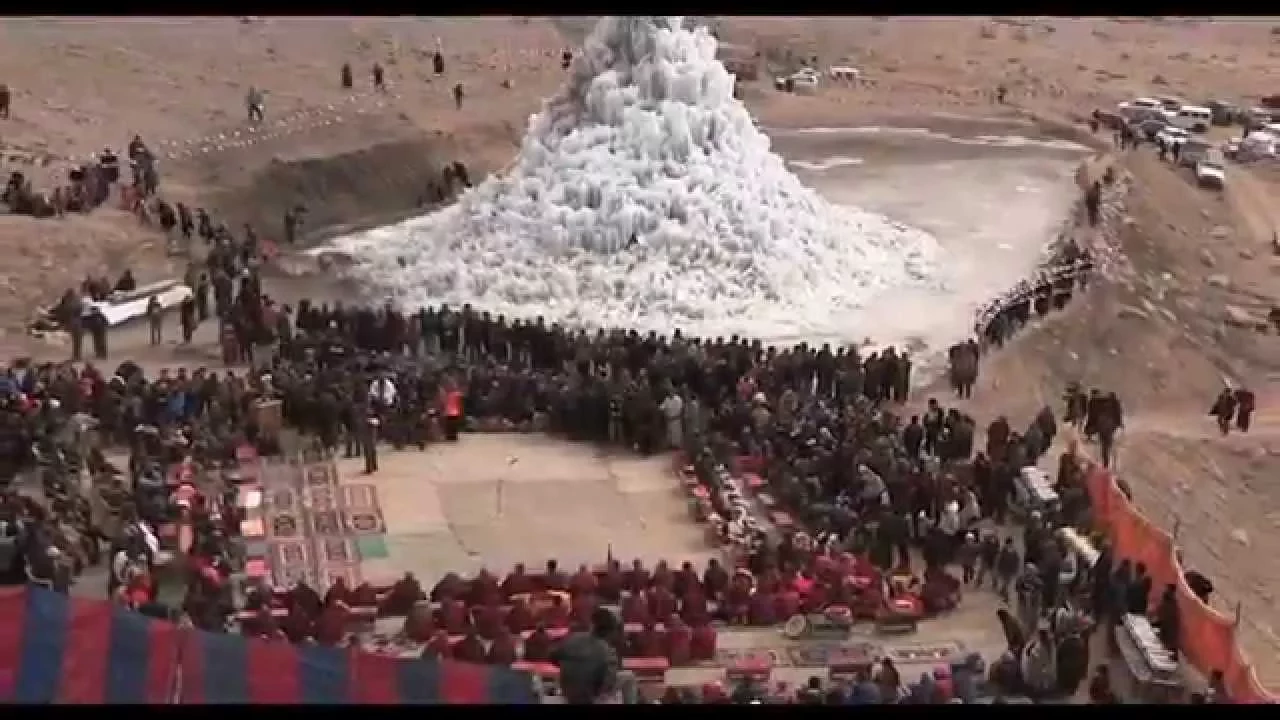
Ice Stupa Artificial Glaciers: Solving Ladakh's Water Crisis
@SonamWangchuk66
3.2M views•2015-05-03
Related Study Plans & Knowledge Roadmaps
Structured learning paths in Environmental Science
environmental-science
Ocean Noise: Cetacean Impacts & Mitigation
01Fundamentals of Underwater Acoustics
02Marine Mammal Bioacoustics
03Anthropogenic Noise: Shipping & Seismic Surveying
+ 2 more learning modules
16h5 modules
Explore Roadmap
environmental-science
Road Ecology: Corridors, Overpasses & Fencing
01Foundations of Habitat Fragmentation and Carnivore Ecology
02The Road Barrier: Ecological Impacts of Transport Infrastructure
03Principles of Ecological Corridors and Connectivity Mapping
+ 3 more learning modules
14h6 modules
Explore Roadmap
environmental-science
Ocean Acidification: Kelp Buffering & Shellfish
01Fundamentals of Ocean Chemistry & pH
02Chemical Pathways of Coastal Acidification
03Bivalve Physiology & Calcification Under Stress
+ 2 more learning modules
18h5 modules
Explore Roadmap
environmental-science
Ice Stupas: Glacial Retreat & Water Security
01Foundations of Glaciology & Mountain Hydrology
02Climate Change and Glacial Retreat Dynamics
03The Science of Ice Stupas & Artificial Glaciers
+ 2 more learning modules
14h5 modules
Explore Roadmap