

















Desalination offers a reliable, weather-independent water source but faces significant challenges including high costs ($1,100-$2,000 per acre foot), substantial energy requirements (4,200 kWh per acre foot), and environmental impacts such as brine discharge and marine organism entrainment. While desalination can provide water supply diversity and drought resilience, it should be considered alongside lower-cost alternatives like water conservation, wastewater recycling, and improved groundwater management. The decision to pursue desalination requires careful analysis of local conditions, energy costs, and environmental trade-offs, with proper planning to minimize ecological impacts through technologies like beach wells and careful siting.
Desalination in California: Costs, Benefits & Environmental Risks
Added:Understanding California's water geography and current water supply challenges, including drought cycles and reliance on imported water sources.
Basic scientific principles of osmosis and reverse osmosis filtration technology used in seawater purification.
Fundamental concepts of the 'energy-water nexus'—specifically how water treatment and distribution demand significant energy resources.
Introductory economics of public infrastructure, including capital costs, operational costs, and how utility rates are calculated for consumers.
Advanced brine management and disposal technologies, such as diffuser systems or zero liquid discharge (ZLD) systems, to minimize marine ecosystem impacts.
A comparative policy analysis of alternative water-security strategies, such as potable water reuse (indirect and direct), rainwater harvesting, and agricultural conservation.
The integration of renewable energy sources (e.g., solar, wind, or wave power) with desalination plants to decarbonize the purification process.
The regulatory and permitting landscape for coastal projects in California, specifically looking at the roles of the California Coastal Commission and State Water Resources Control Board.
2.1K views4likes1:14:06Original Release: 2008-04-10
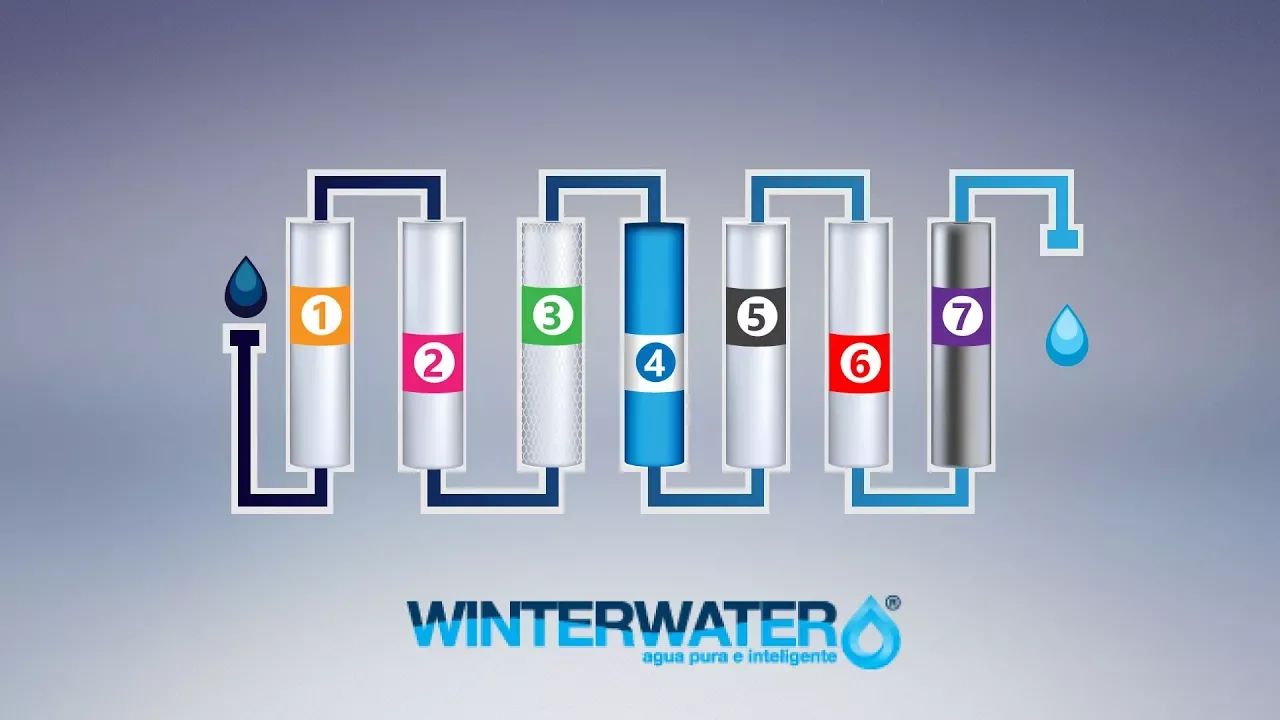
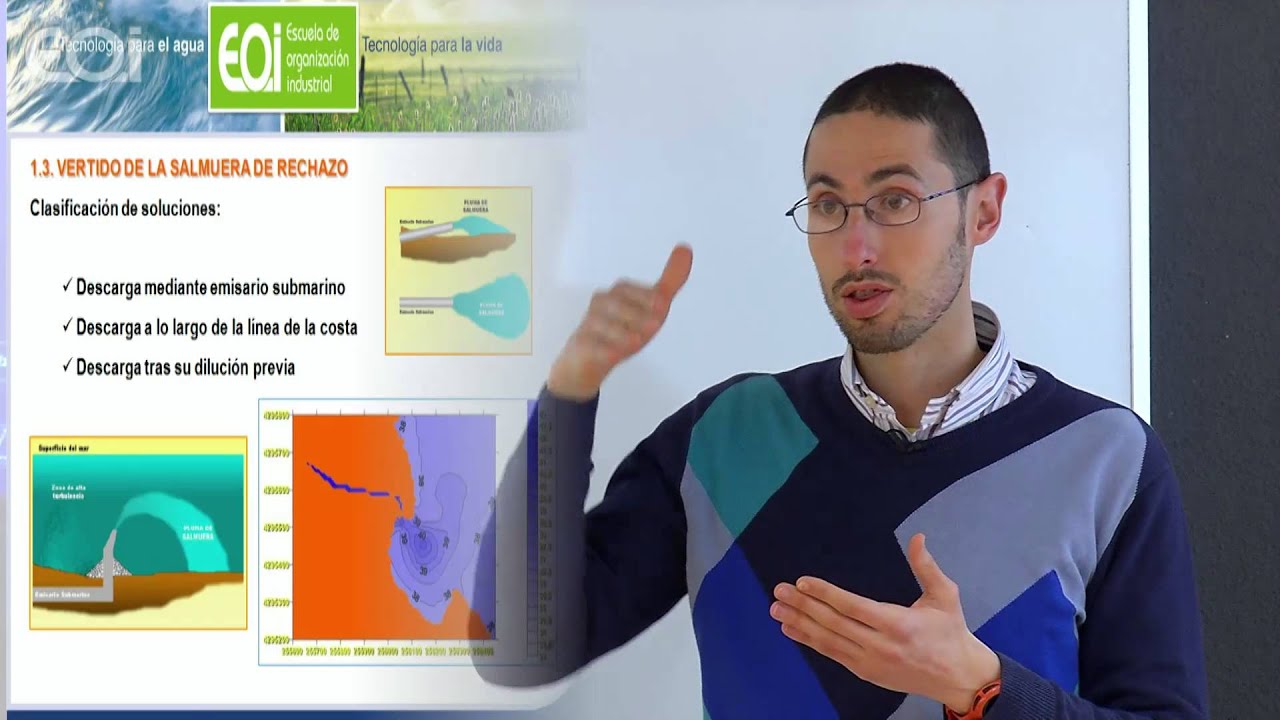
[Music] my name is Linda Vita and I'm the director of The Water Resources Center archives uh here on the Berkeley campus and we are the main logistical sponsor of this event and um I work with a A Faculty committee that that's uh from different departments across campus and and the committee selects the speakers each semester and um we have a variety of brochures in the back we also have an email list if you are currently not getting a reminder one week prior to the lecture please sign the email list and we will start sending you those reminders and one other thing is that um next month the lecture will be on May 6th and we're having Thomas Dunn and he's going to talk about so um with that I'd like to introduce Professor David sedlack who will introduce our speaker tonight thanks Linda um so that's on right uh to to paraphrase Coleridge uh wouldn't it be great to drink that sea water over there um that is for many years people have had a dream of being able to exploit the ocean as a source of water and for many years this dream seemed like it was kind of far-fetched and crazy the kind of thing that you could do if you lived in the desert and had a lot of oil or if you lived in Santa Barbara and were desperate and it wasn't until a few years ago that the prospect of widespread desalination in California uh became more feasible and that is due to a variety of different reasons including improvements in membrane technology that brought down the cost of seawater desalination uh a sense of frustration about the possibility of developing alternative sources of water water and I guess a a legal and political Quagmire that made it difficult to imagine acquiring more water rights in uh communities that needed it and so now we stand in uh this year or the last couple of years with uh 20 or 30 new desalination projects proposed or in the planning stage up and down the coast of California and if all of these projects were to be built it would account for um a small but significant percentage of California Urban water supply um you hear a lot of people talking about it there's a number of public meetings in communities where desalination has been proposed and you'll hear opinions on it ranging from good bad to terrible and uh really it depends on your perspective and so we thought it would be a good idea to have someone who's taken a close look at desalination from uh environmental perspectives from regulatory perspectives and from economic perspectives to give us uh some education on the prospects for desalination in California and that's why Heather kol is here tonight so Heather's going to talk about uh uh basically a report that came out from Pacific Institute last year on desalination called desalination with a grain of salt at California perspective you can find the whole report on the Pacific institute's website uh if you want more information Beyond this the the talk tonight um Heather comes to us from uh Berkeley where she got an under graduate degree and then she got a master's degree at Berkeley uh in the group and she's been at the Pacific Institute and that's in Oakland right ever since and so uh Heather is a senior associate there and she has uh an area of expertise in water and water supply desalination is just one of the areas she's also done uh research in water efficiency and other alternative water sources and uh we look forward very much to her talk thank you heather [Applause] okay great um thank you for that introduction David and I'd like to thank Linda and everyone at the Water Resource Center archives for inviting me here today um it's really a great resource you're very lucky to have that um here on campus again my name is Heather kouy I'm with the Pacific Institute the Pacific Institute is a research institute based in uh Downtown Oakland we do work on a variety of issues ranging from globalization ation to kind of local issues local air quality issues associated with the port and we're probably best known for our work on water and water supply um both at the international level and also kind of at the California um western western level um I we we incidentally we celebrated our 20th anniversary just last October um I encourage you to look at our website and kind of look at the range of issues that that we work on um in June of 2006 um the Pacific Institute finished an analys is about seawater desalination within kind of the context of California um funding for the report was provided by the resource Legacy Foundation as well as the Packard Foundation um with some also some minor funds provided by the hulet foundation and the Flora Family Foundation um because of this report the Pacific Institute um in general and and I in particular have been labeled as one of the uh let me read the quote here one of the leading critics of expanding desalination I unfortunately I I disagree with this uh characterization I think it's it's very much a mischaracterization of of the report and the work um that we've done I I think that I I in this report should actually be looked at kind of as a friend of the industry in terms of encouraging and um leading to appropriately designed and cited um desalination plant and I would argue that actually the largest foe to desalination are those who push for it and build plants that are ultimately useless and not used and we definitely have some clear examples of that not only in California also internationally and also in in the US um so with that uh we undertook this report um in order to so that both the public and decision makers could really look at the advantages and dis and disadvantages of desalination um and really assess the the um assess the arguments being put forward by both proponents and opponents of desalination um ultimately the decision to pursue seawater desalination will be a will be a local one um but I believe that this decision should be done in an open and transparent way based on the best available information um in a in a very clear understanding of the potential risks and the benefits um so with that tonight I want to talk a bit about um the history of desalination and then I will discuss a brief overview of the desalination process um then I would like to discuss some of the advantages and disadvantages of seawater desalination which I have organized as kind of the economic environmental and social um considerations and then I want to uh conclude with the discussion of of climate change and seawater desalination and kind of the three important ways that these issues intersect so in terms of the history the idea of separating salt from water is one that dates back to ancient times when it was really salt that was was the precious commodity salt was used both as a currency and also really to preserve our foods and it's what enabled U many of our exploration of of lands particularly by ship um ironically it was really um the shipping and the maritime culture um that really uh required desalination for freshwat as well and so many of the early efforts centered around providing water to those on ships um Kura in the Netherlands and Iles was really the one of the first countries um to make a really major commitment to desalination and desalination plants have been operating there since about 1928 um and even the local beer is made with desalinated uh sea water a major plant was built in Saudi Arabia back and what is now Saudi Arabia back in 1938 and so desalination and seawater desalination in particular has a very long history it's it's not a brand new technology it's one we've been doing for quite a while um today desalination um as of January 2005 is practiced in about 110 different countries there are an estimated 2700 seawater desalination plants worldwide with an installed capacity of about 6 million acre feet per year so just to put that number into perspective California's Urban water use is currently about 9 million acre feet so about 2third of California's use um is is generated via desalination every year um I would like to while I've just given you those numbers um uh I would also like to kind of give a cautionary note um the database from which I pulled those numbers includes plants that were um contracted but never built built but never operated or operated or no longer so that's kind of a kind of a best case scenario my guess is that there's a significantly fewer plants that are actually in operation today um as shown in this figure here the vast majority of plants are located in the Middle East about 25% of the installed capacity is in um Saudi Arabia and another 25% in the United Arab Emirates and what this figure doesn't show is that there are some small island nations around the world that are heavily dependent on seawater desalination and and while the installed capacity may be small there it is a very important source so in general seawater desalination is practiced in oil rich Andor water scarce regions um but as David mentioned in the introduction that may be changing a seawater desalination has typically um been only a minor component of California's water supply portfolio um the the uh California Coastal Commission in a recent report released a few years ago lists about a dozen mostly small desalination facilities along California's Coast um the total capacity of these plants is about 7,000 acre feet per year and for people not familiar with acre feet they estimate about um an acre foot provides two households with water for a year so again the the the total um capacity in California is about 7,000 acre feet um most of these are small facilities um generally that provide high quality water for industrial purposes or for power plant cooling um however there are a few that are used for municipal um uses and those are shown here on this figure um in most cases however most they're inactive or are only used intermittently there's really only one actively used desalination purpose and that's at um at the Monterey Bay Aquarium and they use a seawater desalination to produce um water for the for their toilets essentially so and it's a very small use um that's about the only one in active use but I want to draw your attention um to the plant in Santa Barbara I'm listed here as having a capacity of about 2.8 million gallons per day this is the largest plant in California um it isn't inactive as shown here um as many of you know in this room California experienced a very major drought um that extended from 1987 to 1992 this drought hit Santa Barbara particularly hard because they're Reliant at that time they were very reliant on local precipitation um and local groundwater sources and they had implemented um quite a bit of conservation and they are actually successfully able to reduce their man by 40% but given the length and the intensity of the drought by 1991 many of their reservoirs were drying up at that time the residents overwhelmingly supported building um they voted and supported building a seawater desalination plant at a cost of about $34 million on the same ballot they also wanted to connect to the state Water Project it was another very kind of capital intensive project but one in which the cost of of the um of connecting to the state water project would decline over time as they had paid the bonds um at that time the cost of both the dile plant and the state Water Project were about $1,500 an acre foot but again as I mentioned the cost for the state water project would decline over time so Santa Barbara partnered with two or three local water agencies to build the plant um it was much more expensive than many of the local sources that they were currently using but again along the same level state water project um so they they received the appropriate um permits particularly from the coastal commission that tends to be kind of the hardest permit to get um and the plant was completed in March of 1992 um the plant successfully um produced desalinated water but shortly thereafter the drought ended um and de van never water demand never fully rebounded after the drought in part because many of the water conservation and efficiency improved improvements that they had installed continued to provide water savings even after the drought so some of the lowf flow toilets some of the other fixtures actually reduced demand um in the long term in addition the cost of producing the desalinating desalinated water was so high that they really couldn't justify producing it during non- drought years um many after five years there was an initial contract phase after 5 years the partnering agencies all pulled out and it became kind of the sole property of Santa Barbara um eventually again um the the plant was was put into long-term standby eventually Santa Barbara um decided to sell off half of the plant to a company in Saudi Arabia and is now operating um on the other side of the of the globe and the plant has been put has been decommissioned um in part because even maintaining a plant in standby entails some Capital outlay um and now the cost to to start up the plant and the timing to to actually start the plant are largely unknown um and in fact many of the technologies that were installed in this plant was built 15 years ago are no longer kind of state-of-the-art as you might imagine so that's kind of California's history of desalination it hasn't yet been successfully um done on the large scale although that may be changing this map shows um the proposed plants in California as of the spring of 2006 which is when we had completed this report um as you can see plants are generally extending from here the Bay Area South um the the points shown in blue generally tend to be some of the smaller plants producing less than 5 million gallons per day um the the dots shown in Black generally kind of centered around the Southern California tend to be some of the larger plants producing about 20 million gallons per day to 50 million gallons per day since this report was completed I I went back and called many of the people who were putting forth um proposals two of the largest plants have been um taken off taken off line those were two that were being at that time were being pursued by the San Diego County Water Authority um it's really no surprise that the Carl bad one was taken offline those were kind of dueling proposals one being put forth by Poseidon one being put forth by San Diego County Water Authority it's no surprise that eventually one of them was going to fall off um but the two that were canceled were among some of the larger ones here in the Bay Area there's talk of of putting in or installing four plants um one shown there in Crockett would be at the cnh Sugar Factory um that is one that's being propos or being built by East Bay mud they've actually already received some grant funding for that um and are and are moving forward on this on this project it's a relatively small plant um and the water would be used on site and would offset pable water that East Bay mud currently delivers to the cnh Sugar Factory also Montara out there on the coast um is also thinking of building a plant this also would be very small they're still in the very initial phases doing feasibility studies it's not quite clear that that's going to happen anytime soon San Rafel however uh recently completed their environmental impact report they just closed public comment um on March 28th so two two weeks or so um and and are deciding whether or not to move forward on that and the largest plant um proposed for the Bay Area is is I have it shown here in Pittsburgh although the location has not yet been determined but that would be a regional plant with Santa Clara Valley water district East Bay mud San Francisco Public Utility Commission um and the Contra Costa Water District they're currently uh preparing feasibility and Environmental Studies the size of it they're not quite C yet anywhere from 20 to 80 million gallons per day so this would be a fairly large Plant um they're thinking of three locations one being Pittsburgh which is where I showed it here in part because the other areas were a little clogged up but also um they're considering Oakland and Oceanside and so um you know the economics of of that plant will change depending on where their source is the the Pittsburgh plant generally having much um less saline water whereas the oceans side having the more sailing water I and so you know at some point they're going to they're going to decide the location although when is not quite clear um and down in Southern California as I mentioned these tend to be some of the larger plants um those are also some of those are further along in the process two of note would be the the plant shown here in Huntington Beach and carlbad and the carlbad plant has actually would be um built by Poseidon resources they're a private company and they would then sell the water to Water Utilities in the general vicinity of that of that plant they have received conditional approval from the California Coastal commission and as I mentioned previously that's kind of the largest hurdle to overcome um my sense is that in July of this year if I if I remember correctly the coastal commission will make kind of a final um um approval of this of this plan if they choose to do so so and as David mentioned um building these plants would be a massive increase in the Des ation capacity the current capacity installed C capacity is about um 6 million gallons per day and so this would represent if all of these plants were were built it would represent about a 70 fold increase in the capacity so again it's it's it's a very large increase um driven largely by concerns about water scarcity dropping cost of desalination um and I would argue um some uh dell proponents that have been kind of blobbing for and pushing these efforts further along so in this next slide I want to talk a bit about um the process of desalinating water desalination process occurs naturally all around us every day um the Earth's hydrologic cycle naturally desalinator energy so solar energy really drives evaporation from the ocean that water then turns into water vapor and rains down as fresh water um and in fact many of the the earliest desalination plants were based on this process it was a thermal desalination in which they would heat sea waterer collect the water vapor recondense it and produce fresh water um today reverse osmosis is really the the choice um being pursued by by much most of the the larger plants um during natural OS before I talk about reverse osmosis talk a little bit about natural osmosis um if you have two concentrations salt concentrations two liquids with differing salt concentrations sep operated by a membrane generally water will flow from the less conent concentrated solution through the membrane to the more concentrated solution um until both sides um until the uh concentration of of the solution on both sides is equal reverse osmosis really uses pressure to force the saline water um through the membrane leaving salts on one side and pushing through the freshwater on the other side um here I show a little clicker here um here is what the reverse osmosis membranes tend to look at they're generally encased in these kind of plastic sheets here and are are put in a row the water's kind of forced through and then the freshwat is collected on one side and the saline is diverted towards another so an RO system is is made up of these General components um water is taken in um from the ocean and where under where it goes to a pre-treatment system um pre-treatment is necessary to really remove contaminants and to prevent fing or microbial growth on the membranes um generally pre-treatment consists of adding some chemicals to encourage precipitation of of any of these um contaminants or solutes and then that um solution is then filtered after it's filtered it then makes its way to the reverse osmosis membranes where again it's um a high pressure press pump pushes the water through the saline um waste water is then diverted and generally disposed of into the ocean and the fresh water then moves on through to post treatment um generally if we're thinking about a 50 million gallon per day plant that refers to the amount of water that's produced um in order to produce that the plant takes in about a 100 million gallons per day so about 50% of the water makes its way through to the post treatment the other 50% of is disposed of in the ocean um and the water disposed of in the ocean is generally twice as saline because all the salt from the fresh water has been put into um to that water it also contains some of the chemicals used in the in the pre-treatment system which I I'll get back to that issue in a little bit so after going through the reverse osmosis process the water must then undergo post treatment um many of the the um uh nutrients and membranes have been dripped of that water it's often referred to as hungry water you cannot put that water directly into your distribution system if you do has a tendency to uh corrode your pipes by leeching minerals out of your pipes um so uh often lime um chloride fluoride and kind of other minerals are added back to that water before it's then distributed into your distribution system so for the remainder of my talk I want to focus more on the advantages and disadvantages of desalination as I mentioned I've kind of been organized them into into three different areas the first and the question I get off asked most often is how much does it cost well the cost is often reported in ways that are not very comparable um some report the cost to produce water While others will report the cost to actually deliver water to the customers some will report the predicted cost whereas others will um report the actual cost and often times those can be very different um there are also subsidies both visible and hidden that affect the cost um for example the Metropolitan water district down in Southern California is providing a subsidy in the amount of $250 per acre foot of water produced um yet oftentimes in the paper and in other sources the cost is reported both with and without the subsidy and it's often not clear which is reporting where um so I would caution and kind of simply looking at the at the cost um in addition to make matters even more complicated the costs are very sight specific um and simple cost comparisons can be very misleading the size of the plant affects the cost generally your larger plants can produce water at a lower cost um the temperature and the salinity also affect the cost colder more sailing water is more difficult to desalinate and therefore the costs of that water tend to be higher so for example in the Middle East um much of that water and along the Mediterranean much of that water is saltier than water here on the Pacific Ocean and so doing a simple comparison between the cost in California and the cost in the Middle East is not is not a very fair comparison um in addition energy cost makes a large difference on the cost of desalinated water and as we know energy costs are highly variable around the world and also over time um in addition many of the plants um energy cost is subsidized particularly during the first couple of years in some countries um that may or may not be completely visible at first may not be reported in that matter so it's always important to really to to look into what the cost is and try to figure out kind of what's going on um in general we've CAU we found that the costs have fallen in recent years due to improvements in membrane performance um a trend towards the construction of larger plants and also just improved project management and experience there's a learning curve with these plants and as we do more and more the cost tends to come down um the cost currently range from about $1,100 to $2,000 per acre foot um some of the smaller plants that are being proposed for example the um San Rafel prant the Marin or San Rafel plant tends to be even higher than this because it would be a smaller plant um optimists predict that uh continued cost reductions with a long-term goal of of reducing the cost by 50% by the year 2020 um I would caution against kind of excessive optimism on that in part because the past is not necessarily a good predictor of the future and some of the easier achievements and membrane performance that were accomplished over the past 10 to 15 years may not continue in addition many of the um newer estimates that are coming in about the cost are actually slightly higher than they were a few years ago and that's due to Rising Capital cost costs and Rising energy costs um as you know uh oil costs are are well over are creeping over $100 a barrel and as prices go up the cost of desalination goes up so that brings me to the next topic and that is energy um energy is a significant um if not the major component of the cost of desalination um there has been significant research focused on reducing energy use particularly through energy recovery devices but it's still the largest single variable cost um and in the past couple of years there's been kind of increasing attention on the connections between water and energy um particularly in California where we move TR and transport water significant different distances um the California energy a few years ago 2005 came out with a report on the connections between water and energy in California and they found that about 20% of California's electricity use and a third of our natural gas use that that's non- electricity but natural gas use is water related um now much of that is end use so that's the W you know the energy we use to heat water for showers cloth washers those kinds of things um but water sources in California have different energy uses and water is heavy weighing about 8 pounds per gallon and as we're moving at large distances that has some serious energy implications and then as we're and when we're looking into the future um thinking about implementing assembly Bill 32 um which was the the executive order put forth by Schwarzenegger um to reduce and and cap our greenhouse gas emissions we really need to start paying attention to this link between energy and water um here I show the energy intensity of water sources in San Diego County now San Diego County relies on both local groundwater but they also import a significant amount of their water through the Colorado color River Aqueduct here and the state water project so this graph shows the energy intensity of the various water sources in San Diego County on equivalent kilowatt hours per million gallons and as you can see here there's a significant amount of variation you'll notice here I I've thrown in kind of ocean towed water bags that's not currently used in San Diego but just put it up there to kind of give you an idea of what that might look like on an energy basis not it's not something I think is necessarily politically feasible um but it does kind of add some an interesting another layer of this um as you can see here seawater desalination oh let me briefly mention the reason we chose San Diego County for this is because that is the furthest distance that's water is actually transported in California the state Water Project takes water out of the delta Delta sends it down through the San wiin Valley up and over the Tahachapi which is the single largest lift um in the world and therefore as you might imagine very energy intensive some of that energy is in um is recaptured as the water kind of tumbles down the the other side of the tahachi peas um but then that water again travels all the way down to uh San Diego um same with the Colorado River to Aqueduct that's generally the furthest point and so we use this because the difference between seaw water desalination and some of these others would be at a minimum and other parts of the coast particularly those that are are relying on local water sources um the difference between their water supply and and desalination would be much greater um as you can see in this figure desalination is the most energy intensive Source available it's roughly about 4200 kilowatt hours per acre foot um and because of this energy intensity I'm relying on it really increases the water supplier exposure to energy price increases over time and also to annual variation in energy price and I think this next slide will will really drive that point home and will help me elaborate on that a little bit so this figure shows the relative cost of portable water this is in Southern California and I show three different water sources um desalinated water is up there on the top uh recycled water and then a gravity surface water and for all of these um I I say relative cost because I've normalized the cost based on their 1971 um values and that is not to say um that the costs were equal in that year but it does really enable us to look at changes over time on a on a relative basis um here we've looked at how the price of these different water sources would vary using actual energy use estimates between 1971 and 200 um 2005 um and as shown for all the water sources there tends to be an upward Trend in price Energy prices have gone up during that time and as a result the cost of these Water Supplies has gone up now again this is holding all other things equal um we didn't look at changes or reductions in membrane costs or or anything like that this is specifically looks at how energy price trends would affect the cost of these water sources so again all of these show an increase because Energy prices have gone up but the increase for desalinated seawater is much greater than the increase seen in the other water sources because it is such an energy intensive source so between 1971 and the 2005 um desalinated seawater went up by a factor of 2.5 um whereas recycled seawat went up by a factor only of two um what this graph also shows is that there's annual variation and that these are Amplified for your more energy intensive source so I would draw your attention here particularly to the energy crisis of 2000 we saw Energy prices Spike considerably and the spike here is much greater for the the desalinated sea water than it is for the lower energy gravity surface water um thus uh poal water produced by uh seawater desalination Rises and cost more rapidly than the other sources and has greater year-to-year variability because less of the costs is due to actual fixed Capital expenses and more of it's due to energy use this should also kind of set off some Bells um because of drought in California Energy prices tend to go up during a drought because we do use hydroelectricity and during a drought um there's less of that available and so Energy prices go up there's also a greater demand for energy as it tends to be hot and many people are are using their um air conditioners and other kind of uh appliances at a much higher level and so during a drought which many um agencies are proposing to use desalination during what we would see is that the energy the cost of the desalinated seawater would be higher during that period um that can generate um some additional Revenue inst stability for water suppliers many water suppliers are already dealing with that because they're trying to reduce demand in order to make sure they have enough money but it can create some instability in terms of maintaining and operating their system um by switching to desalinated seawater that can create some additional instability and and create additional issues for them and so um I would argue that in terms of if a Water Agency is considering pursuing desalination that they really look at these issues um and and make their choices based on um in part on on this on this issue of rising energy costs so in this next slide I want to discuss another issue that affects the cost but is often not framed in that manner um and that's reliability and water supply diversity so seawater desalination provides a very high quality source of water that is largely independent of weather conditions so that can obviously be important during a drought or as an adapation of climate change you simply turn the plant on or off when you need it or don't need it um other water sources let's say you know a reservoir or a groundwater system are much more sensitive to your weather patterns desalination is not um desalination can also increase your supply diversity and as um as you know from kind of doing your finances that that can be a very good thing um you don't want to be too reliant on One Source because if if there are changes in that it doesn't give you a lot of a lot of options um it also provides a source that is under direct local control which can be a very big issue for say Southern California which is importing a lot of their water for them it would be a great benefit to have something under their control that they can use when and if they need it um H but how do we compare water sources that have very different reliability levels that kind adds kind of an an extra Dimension to this problem um if you simply taking the cost at face value that can lead to to very apples to oranges comparisons um we put forth in the report um a way of of assessing water water sources of different reliab reliability levels um based on kind of a a financial um portfolio Theory and in the next two slides I'm going to try to to give you kind of a qualitative description of what that might look like for those who who have a um a tendency to enjoy math not one of them myself um but I would point you to our online appendicies which goes into great detail about some of the theory behind it so in this next slide um I look at two kind of water sources a new surface water and a desalinated recycled water so let's say that a community is growing and they know that they need to acquire about 2,000 acre feet of water during a drought year they're looking again at two sources a surface water source and a desalination or recycled water kind of any source that you can just turn on or turn off when you need it um now for this purposes let's say that the cost of these two options is is equal but they have very different reliability levels so on the one case um let's look at the surface water system we know that that they need to ensure that there's 2,000 acre feet in a dry year and in order to ensure that they must size their facility much larger um to ensure that during that dry year when their supply is variable that they have enough um because they're sizing their facility larger it means that each unit of water during the drought will actually cost more than the amount shown here for here let's you know let's assume it's $600 per acre foot just throwing that number out there not a very accurate number um but if we look at it on a constant reliability level that that cost might actually be higher um because desalination is really independent of weather conditions the cost um on a constant reliability benefit is the same it's still $600 per acre foot so for the surface water if we adjust the cost based on this constant reliability it may actually be higher than the desalination so while at first glance a water supply planner may think options are very similar in cost they may be in fact very quite different um the same kind of calculation can also be performed with water a very different quality um we also do some examples in the report to to give you a little more idea um and it also kind of points to the need for adjusting the water cost accordingly and failing to do so may make a water planner think that two things are the same when in fact they're very different I next want to talk a bit about the environmental issues associated with uh desalination um sea water desalination can provide some environmental benefits um specifically on Source displacement so it may allow us to actually reduce the quantity of water we're taking from our overtax rivers and streams um leaving that water in the system and then transferring and actually taking water from the ocean um it's important to note however that there's really no formal mechanism to ensure that that is actually what's going to happen um you know project proponents can make promises about you know we're going to return X number of acre feet back to the environment this has an environmental benefit but in many ways there's no real legal mechanism to ensure that this going to happen um there is one exception of the plants that are being proposed in California and that's um a plant at Moss Landing in the montere bay region to give you a little bit of history back in 1995 the state Water Resource control board ruled that the water company there California American Water Company was taking um water above its water rights from the caramel River and they ordered them to stop doing so that was um it's referred to as order 9510 that order came through in uh 1995 and as part of that order they had said that any new Supply that you produce must offset your withdrawals from the car River on a onetoone basis so in that case um in that particular case any desalination or any other source that they that they produce will reduce um pumping from the caramel River and provide some environmental benefit I think it's important to note um you know it's been 13 years there's been very little movement on that and actually the state Water Resource control board uh a week week and a half ago um issued a cease and assist order to Cal California American Water Company um because of the continued pumping and over pumping of the caramel River so that's kind of uh an interesting issue to follow in the next year or so as they consider and are moving forward in building a desile plant um in addition to the environmental advantages however desalination also poses some environmental risks so I'm going to take you back to the slide I originally showed as I mentioned water is taken into the desile plant um directly oops often Direct ly from the ocean um and brine is discharged often directly into the ocean and that brine contains um chemicals used throughout the desalination process um as well as a significant amount of salt so the two environmental impacts are so associated with those processes um here um generally they have pumps that are that are pulling in large amounts of water a medium to large fish can actually be trapped and killed on the on the intake takes um and some of the smaller eggs larae and small fish may actually be sucked into the plant it's a process referred to as entrainment um and killed during the pre-treatment process and much of that um those organisms then are are discharged along with this brine so the brine then contains not only high salt concentrations um chemicals and also some of the some of the marine organisms that are entrained into the plant um because it's denser than the receiving Waters it tends to um to to sink and and move along the bottom um bottom of the receiving um receiving water body um where it tends to be a little bit less well mixed and so it can pose a risk to some of the um benthic organism particularly the sessile ones that can't really get out of the way um they also find that some habitats are much more sensitive reefs and Rocky Shore areas tend to be more sensitive some than some of the other areas and if you're in kind of an enclosed Bay the salt in the chemical concentration can accumulate much more so than in a kind of a high energy um wave Coastline um one way to uh mitigate some of these impacts is through Beach Wells and here I show a beach well in Spain um with Beach Wells the water is actually pumped from a well that's drilled drilled beneath the beach and the sand acts as a natural filter and therefore it eliminates some of the impingement or all of the impingement and entrainment impacts and it also results in a water that is much more consistent um and can greatly reduce some of your pre-treatment costs so it actually has kind of a win-win associated with it um this technology is being considered for some of the smaller plants but because the the wells have a limited amount of water that they can actually take in through the sand is generally limited to about 1.5 million gallons per day so if we're thinking about some of these larger 50 million gallon per day we'd be talking about you know 20 30 40 Wells along your along your Beach which may themselves have some environmental impacts associated with actually Drilling and and disturbing the sand um but this technology is being looked at for some of the smaller plants um and my guess is it it'll be kind of um where agencies turn to in order to mitigate their impacts so I want to briefly mention some of the social impacts or social considerations um as I mentioned desalination is much more expensive than many of the local water sources and so water rates will rise um this obviously has a disproportionate impact on lowincome communities um and also the elderly who may be on a fixed income um in addition to to disproportionate impacts via water rates many low-income communities generally tend to live in um around some of the industrial areas and therefore May um have to suffer some of the impacts associated with increasing energy use or um even the brine discharge many communities um are relying on fishing to provide their primary protein source and may you know um discharging the brine into the waterways may affect them um in addition many of these plants are being proposed in areas that are constrained by water um some of these areas actually have outright growth moratoriums based on the amount of water available and so by providing another source of water you actually are going to likely increase Coastal development um and while these generally can be either a good or a bad thing it is an issue that local communities really need to be aware for and plan for um if it's not a desirable then uh desirable outcome then kind of setting very strict boundaries on where they will deliver water and where they won't can kind of help to alleviate that problem but it is something that communities really need to thinking about and finally I want to talk a bit about um climate change and the interactions with seawater desalination seawater desalination and climate change really interact in three important ways the first is that desalination plants are coastal infrastructure and therefore they're going to be vulnerable to not only rising sea levels but increasing increases in storm intensity and frequency so it is critical really that proposed plants um take this into consideration when designing both their outfall location their intakes and also simply the location of the plant um doesn't in the in the projects that I've looked at in the environmental impact report it's not quite clear that they're yet doing that um but given that these these systems are going to exist for at at a minimum 30 years um we will see impacts associated with climate change um much more than we currently are today by then um addition however seawater desalination can be considered an adaptation to climate change as I mentioned it's largely independent of weather conditions we can turn it off or turn it on when we need it and so you know as we look at a climate and precipitation levels that are much more variable this may enable us to cope with these impacts but CL desalination is also very energy intensive and can contribute to greenhouse gas emissions um on this last Point there's actually a fair amount of work that's going on to address this issue um Poseidon resources as I mentioned uh recently is proposing to build a large desalination plant in carlbad um in last November they were given conditional approval um for a coastal development permit from the coastal commission but one of those conditions was related to their carbon emissions the coastal commission wanted to see a plan that would look at how Poseidon was going to offset their carbon emissions um associated with their high energy use um now while Poseidon is still working out the details they actually released um an article about it yesterday that some of the preliminary plans they're looking at increasing um the efficiency of pumps so installing pumps that they may not have installed otherwise because it wasn't may not have been coste effective um they're also going to considering installing solar on the facility and reforesting some of the fire affected areas in San Diego County um you know their final proposal is due in July um and you know it will likely affect many of the future plants in California particularly given the greenhouse gas emission targets that were working to um to implement um a desalination in Perth is actually taking a slightly different approach um this plant was completed in uh November 2006 it's a fairly large Plant producing about 37 million gallons per day um they have actually their energy requirements are relatively high at about 6,000 kilowatt hours per acre foot if you remember some of the earlier sh slides I showed put it at about 4,000 kilowatt hours per acre foot but they will entirely power it by nearby Wind Farm um and this is actually one of the first it is the first and largest of the diesa plants that would be powered by alternative energy sources I mean in London's officials are actually considering building a plant powered by by biodiesel so there is a fair amount of work going on in this um in most cases it's it's not yet costeffective to be entirely solar or entirely wind but you you know as we look at kind of curbing our greenhouse gas emissions those may become increasingly favorable over time so in conclusion um I believe and feel that desalination will likely play an important role in California's water supply portfolio it's not really a matter of if it's a matter of when and when we do choose to do it it's a matter of How We Do It um I believe that it's not a technical issue that really the issues we need to come are associated with the cost the energy use and the environmental impacts and I think it's also important that we really consider some of the Alternatives that may provide the same benefits as desalination at lower costs both economic environmental and social um some of these Alternatives might include water conservation and efficiency Wastewater recycling um better use of our groundwater conjunctive use better management of our storm water um so we have many options available and it's important if we're going to move forward on Nation because of its high cost energy requirements environmental impacts that we Implement some of these kind of lower cost Alternatives first um so our report the I brought a few copies of the report with me I'd be happy if people um took these off my hands I'm would like not to carry them but you can also go to our website and and download a free copy of the report or order hard copies online so with that I'll be happy to to entertain any questions yes nuclear power yes there there are people thinking about that although um I have I haven't seen many proposals for it the question was if if people were considering um nuclear powered desalination um you know some people I've heard that described as their worst nightmare um you know about new existing new well in in the US I guess right right but then you know at the international level there may be obviously in in the back um so given the energy intensity of the reverse osmosis process has there been any sort of revisiting of more ancient techniques of basically letting the sun evaporate a bunch of water on a really large scale yes um so the question was given the energy intensity of reverse osmosis is there kind of any movement towards using some of the older Technologies for example using solar power uh there have generally um reverse osmosis is actually even less energy intensive than some of the older thermal desalination um they're moving more towards reverse osmosis because of the reduction in cost as associated with the membrane solar I've heard about some smaller plants here and there but generally not on on the kind of large scale you know 50 80 million gallon per day that that that tends to be the the trend that's been occurring yes of the larger plant in California that further along the process being completed do you know or can you comment on how they're planning to tackle some of the Environ problems like the bracket or the the water that they'll be discharging biological effect right I have the ones that I've seen are are proposing to mitigate it by um purchasing and restoring wetlands in the surrounding area although there's some debate about what that the surrounding area means whether it's you know in the immediate vicinity or somewhere else along the California coast um that the one I just referred to is actually the what Poseidon has been um proposing at carlbad although again there there's been debate both by the coastal commission um and Poseidon about about what form that should take I should also mention which I I didn't go into in great detail I talked about the environmental impacts um part of the issue is we don't really know what what the long-term environmental impacts are at this point um the studies that that have been done thus far have really focused on either a single species or a single point in time there hasn't been very much long-term monitoring I that is starting to change specifically at uh the Tampa Bay plant which was completed earlier this year I know that there's some long-term monitoring that was required of that plant but many of the the other plants that has not yet been required um and so particularly in that Poseidon there is some debate about how much fish is actually killed um via impingement and entrainment the Middle East plants are they the biggest ones uh coming on now or um some of the ones proposed in California would be among the B would be among the biggest I think the biggest is in um Ashan Israel although there are some large ones prop in I I don't no I don't believe that one's already operating and I don't believe it is um there are also some large plants proposed in Australia s um and Singapore so um in general the trend is towards much bigger plants yes PL are sea level most of above that uh and these gravity fed systems are coming in 1 to 2,000 in there cost estimates that they ever include puming up to some reasonable level or just the out from the itself it depends some some actually report the cost to deliver it to customers and others simply report the cost to produce it that's kind of part of the issue of being very careful of of evaluating which cost they're actually stating um you know in Southern California much of that water is being imported and so the the energy differential is much smaller um for some of the ones for example the one proposed here in the Bay Area much of our water is is is more more likely to be gravity fed and so the the energy differential will be much larger yes yeah these plants uh are not 100% reliable so I wonder what you have factored in as the downtime for these P PL you are correct they are not 100% reliable um some and the example I showed I I did use that it was 100% reliable that was more to Simply illustrate a point rather than to say um rather than to claim that they're 100% reliable um generally the downtime associated with it is for cleaning the membranes um you know it varies from plant to plant and we did not do any kind of specific analysis on any particular project although I would argue that that type of analysis does need to occur if we're going to look at kind of the cost the actual cost yes I justess want to make a comment and then ask a question the comment I want to make is that a lot of the large desalination plants in California are being supposed to be collocated with existing power plants and soort of the side plant for example collocated with a power plant uh the downside of that is that you're giving extended life to one scw pooling which is something the coastal commission may not feel keenly about the positive side about that is the impacts of on impingment and uh the brine FL were minimized and one small so that's kind of an interesting area in policy and law and permitting in California that's special and different from most other places where desalination proposed but the question I wanted to ask is related to uh you alluded to Turning desalination plants on and off and when I talk to Engineers who design desalination plants they tell me that that's not really too feasible so how how much does it affect the costs for desalination and are there examples of communities that routinely turn on and off large desalination plant no there are there are not examples generally it increases the cost considerably um and in the report we talk about that it's probably pretty unlikely that you would actually turn it off um I I refer to it more as an option in that it is reliable and can be used when needed um but the cost at this time is so high that it's it's very unlikely that they would they would use it during a non um that they would use it only during a drought period um and and I'm very glad you brought up that issue about collocation um we talk and go into detail about it in the report I didn't go into detail about it here although interestingly with the Poseidon um that they are planning to collocate it although at this time the power plant has chosen to to transfer over to dry Cooling and so the um the effect of diluting the brine um with you know additional cooling water is no longer available although the benefit from Poseidon's perspective is that they're able to use um a pipe that's already in place and so that can reduce their cost as as building many of these Co many of these pipes can be very expensive and have some environmental impacts associated with them yes I have two questions the the first is there is a separate problem the growing solinity of the soil and the groundwater in the Central Valley which is you know quite different from our general need for water uh but the solution that's being proposed for that is also desination you know is there any way of of linking the the two uh very distinct problems into a a common uh potential solution U and then my my second question really has to do with uh the uh the the datedness of the technology uh you indicated that the Santa Barbara technology is is already dated after 15 Years yet the major changes have been in the uh the membrane uh development uh would you know membran improvements are going to go on for years and years so you know isn't that something that should be built into the uh the projections into the future okay great those are great Point great um questions so your first question was about kind of brackish water desalination and this issue of of um salinization of Inland water yes definitely and there are are um proposals and there's also the possibility to desalinate brackish um groundwater and that in fact is occurring although the issue in Inland is how do you dispose of the brine it's actually a much kind of more complicated and expensive option than than simply discharging um on the coast um although that too has some environmental impacts but in terms of cost is much cheaper um uh desalinating brackish groundwater generally tends to be much less expensive than sea water because the salinity is is lower um and I think in the future as you know our concerns about water scarcity population growth economic growth all of these things and climate change we're going to increasingly look towards doing just that um your second question about uh the data technology in uh and the Santa Barbara plant in particular membranes are replaced periodically for cleaning um they they generally have a lifetime and that's one of the reasons the costs have come down quite a bit is the lifetimes of these membranes have Improv improved over time um there has been a significant amount of um technological advancements in the past 15 years um my guess is that they're not going to continue at the same rate um but it is important to kind of design plants that in which you can adjust the technology um accordingly yes I would have like to seen a plot of the efficiency as a function of time over the years and how close are we to theoretically Max maximum efficiency okay so let's see if I can pull the numbers out of my head the theoretical maximum efficiency I believe is uh 4 kilowatt hours per thousand gallons it's in the report so if I have the numbers wrong I I would prefer you to that and I believe we're um in the range of 12 kilowatt hours so about three times that um that's the thermodynamic efficiency potential um and there's a much more discussion much greater discussion about about that in the book um so there is potential particularly with the use of energy recovery devices and there's a significant amount of research going on on that issue um Long Beach Long Beach water department is actually um I think doing a great job in terms of researching the potential for desalination I often hold them up as an example of other agencies to follow they're not using reverse osmosis um they're using kind of a a dual uh ultra filtration and Nano filtration in tandems they're doing this um dual filtration system and they have actually reduced energy use considerably they're also looking at using the beach Wells and trying to develop them ways that are much less um environmentally intensive and have a lower environmental impact they've also been great about um providing a lot of their data online and I would encourage people who are interested in this issue to really look at some of the work that they're doing um and and kind of and other agencies to really model themselves after what they're doing yes um you kind of stole my question about the collocation that brings up a lot of things one is that it's the state of policy and the California Coastal commission to strongly influence those 21 power plants that are using on through cooling to go to stop doing it the other thing is I the two nuclear plants those plants are all pretty old they're pretty inefficient and they just don't run a lot of the time so it can be a very risky propos it's a nice idea you know you have power there if you it's a it's a very risky proposition to sink all that capital and then have to plant say and you know we don't we don't want to do that the second thing about that is the major reason for the on cooling is with the the implications that you stated about the the entra entrainment and impingement you never say that um if you're co co collocating old power plants you're using old intake structures which now you know you used to be able to get away with that now you can't as anymore rule in 2004 so I'm just wondering you know how feasible is it if we don't have a collocation you know you have to get an npds permit I assume because you have intake and withdrawal so if if the collocation thing goes away on a large scale your costs and just your sort of environmental problems just snowball to make it almost impossible right I think those are those are great points um yes the state the state lands Comm commission the coastal commission many agencies are are are strongly encouraging the power plants to to move away from Once through cooling um it's estimated that there's about 17 billion gallons per day that are that are processed and in large numbers of of marine organisms are killed in that process there has been concern that you know by coupling up these seawater desalination plants you know that's going to provide another economic justification to to continue this Antiquated technology um I would um I would be surprised well we we'll see what the coastal commission does on this my sense is they are trying to to move and and strongly um discourage agencies from from doing that and also requiring them to analyze what their environmental impacts would be both with and without the power plant um that would really enable them to get at this this question of what are your environmental impacts independent of the of the power plant so if we assume it's not even there because in many cases um the power plant will have to operate at levels at which it did not operate previously so we cannot assume that the impingement and entrainment impacts are zero they may actually be much greater and given that it is this old technology um it could be worse than you know simply putting in some of the newer Technologies yes so you are bringing up issue about the rice and water rates uh due to this salination will this kind of Rise do you see it as a local would it be a lo you know within just one water District or or a larger and a regional water rate price and how how common is the uh I assume some somebody like the cnh Sugar Factory although they use industrial they they wouldn't mind paying the uh the rise the rise in water rates and um due to using the salinated water and so how common is it that Des salination uh projects are built for industrial use in in California or in the world so okay so your your first question was about the the water rates I me that's a great it's a great question and typically the water rates will go up for the agency that's proposing to build um that plant and there may be some some distribution of that for say a water wholesaler so say for Metropolitan for example is providing a subsidy to the water suppliers and and the cost of that subsidy would be borne out by all of its kind of retail agencies but in general if a small community is considering building a diesa plant that Community will pay for it although there may be some some State funds available um through through you know a grant funding or or something along those lines um and in Santa Barbara which I had mentioned they had they spent 34 million on the DOA plant that they didn't use um they are paying the capital cost for that and they actually have one of the highest rates in the countries I believe some places their their fixed service charge in the order of 5060 $70 per month that's just their fixed nonvolumetric which is incredibly High um and and actually um if you want to think about water conservation and efficiency having really high fixed Service rates and and very low volumetric rates um does not do much for encouraging efficiency um and your second question industrial use oh industrial use great um so as of now much of the capacity in California or many of the plants are just for that for small industrial purposes so on um let's say oil and gas platforms for example or even energy energy plants that require you know very high quality water for their operations um but again most most of the increase is proposed for municipal uses yes You' mentioned your your pie chart of the cost breakdown had a figure of 44% of cost for electric energy yes and I'm wondering if uh is that is it part of the process that that has to be electric you're talking about pressure is this something besides mechanical pressure that you can produce in some other way besides electricity or is that the only practical or really the only possible way to do this that's the only way that I have seen it um I'm not an expert in terms of you know how do we power High Press pumps but I'm hearing some OD just to speak to the kind of two things I work at an energy company we have and I can't remember how big it is uh a dual PCH reverse off most system and that takes Delta water out M which is fun because this when any changes hourly right but it's it's pretty high I can't remember now but it's pretty high pressure I used to know on top of my head but it kind of gets back to the those plants aren't running and there's this constant spattle between do you just keep running the the plant the water plant because it's cheaper to keep it online cuz you take it offline and put it to B it's extremely expensive and it's extremely difficult and takes a lot of time to get back up and run that's on a very small scale so you know you actually brought up an interesting point in terms of um drawing out of the delta or other kind of source where the water quality is going to be highly variable exactly um it's it's kind of an interesting many will think well and this is was the case in in Tampa Bay actually um they wanted to use some of the the fresher water um because it's cheaper to desalinate but it does create problems because there's less consistency and so optimizing your pre-treatment and your filtration and your post treatment can be very difficult and so while at first blush it may appear to be kind of the easier the smartest thing to do it actually might be better to have a much more consistent even if it's a higher salinity um Source water you had a follow question yeah um you mentioned also right off that you said that the decision to do this would be a local and U that sort you know I I dream that it stays that way but that's not the way these policy decisions usually end up shaking out I mean and I would predict we'll have 10 or 20 times as many of these plants if the costs are shared at the state level where you know let's make everybody else pay it's too expensive for us locally but somehow people believe that it's cheaper if you can get somebody else to pay and your chart on the plants in the table with the plants way mentioned for this uh proit plant that got Pro 50 that's not local money no that's correct that's correct and so um you know in some cases you might be able to argue um you know that there are some Statewide environmental benefits let's say if we stop you know pumping an aquifer or a river or stream that they may have some and so one could argue that perhaps in that case there should be some some shared funding in that it does bring up a lot of very interest issues I don't necessarily argue that no um but it does bring up interesting issues in terms of of all of these water supply options right not just desalination I think that that would apply to um you know building reservoirs um you know this is kind of a a question or an area of a concern that that we need to discuss in Greater Det detail green yes yes okay I to ask about the brackish water in the old mines that's all full of water are they going to use it and has there been a study because I've heard of that before you know years ago I Haven I haven't seen anything on that um you know and I guess it'll it'll come down to how scarce is your sword and how expensive is it to treat um you know what what other options are available but I haven't seen anything specifically on on that issue yes I was wondering the Bay Aquarium how do they manage not to intake thees and how do they have a discharge um my guess is that they do take in at least some amount of there is some impingement and entrainment it is a very very small plant um it's.04 million G G per day um that's it's maximum capacity now may not operate I have a hard time believing that they flush their toilets quite that much but um you know they may also use it for some of their um some of their displays that they have and I am not quite sure how they um how they treat or release that that waste water although or the brine excuse me my guess is they could combine it with some of the some of the seawat from from their displays as well okay last question last question go ahead I don't know if I missed this but out of all the water coming into the plant how much is actually transferred to usable water about 50% so um let say 100 million gallons comes in 50 million gallons would be discharged as Brian and 50 million would would be would go to produce fresh water in general that's kind of an average so great please join me in thanking Heather for very [Applause]
Up Next

5:22
California's New Desalination Regulations Explained
@KPBS
597 views•2015-05-12

15:54
Life in Biosphere 2: Sustainable Ecosystems & Human Survival
@TED
334.9K views•2009-06-16
14:30
Microplastics Everywhere: How Plastic Impacts Our Lives
@TEDx
100.9K views•2018-05-08
10:28
Ice Stupa Artificial Glaciers: Solving Ladakh's Water Crisis
@SonamWangchuk66
3.2M views•2015-05-03
Related Study Plans & Knowledge Roadmaps
Structured learning paths in Environmental Science
environmental-science
Ocean Noise: Cetacean Impacts & Mitigation
01Fundamentals of Underwater Acoustics
02Marine Mammal Bioacoustics
03Anthropogenic Noise: Shipping & Seismic Surveying
+ 2 more learning modules
16h5 modules
Explore Roadmap
environmental-science
Road Ecology: Corridors, Overpasses & Fencing
01Foundations of Habitat Fragmentation and Carnivore Ecology
02The Road Barrier: Ecological Impacts of Transport Infrastructure
03Principles of Ecological Corridors and Connectivity Mapping
+ 3 more learning modules
14h6 modules
Explore Roadmap
environmental-science
Ocean Acidification: Kelp Buffering & Shellfish
01Fundamentals of Ocean Chemistry & pH
02Chemical Pathways of Coastal Acidification
03Bivalve Physiology & Calcification Under Stress
+ 2 more learning modules
18h5 modules
Explore Roadmap
environmental-science
Ice Stupas: Glacial Retreat & Water Security
01Foundations of Glaciology & Mountain Hydrology
02Climate Change and Glacial Retreat Dynamics
03The Science of Ice Stupas & Artificial Glaciers
+ 2 more learning modules
14h5 modules
Explore Roadmap