



















California's new environmental regulations for desalination plants establish statewide consistency in permitting, requiring subsurface intakes unless proven infeasible, and mandate screening to protect marine life, though critics argue the regulations may allow environmental impacts to be addressed after the fact rather than preventing them upfront.
California's New Desalination Regulations Explained
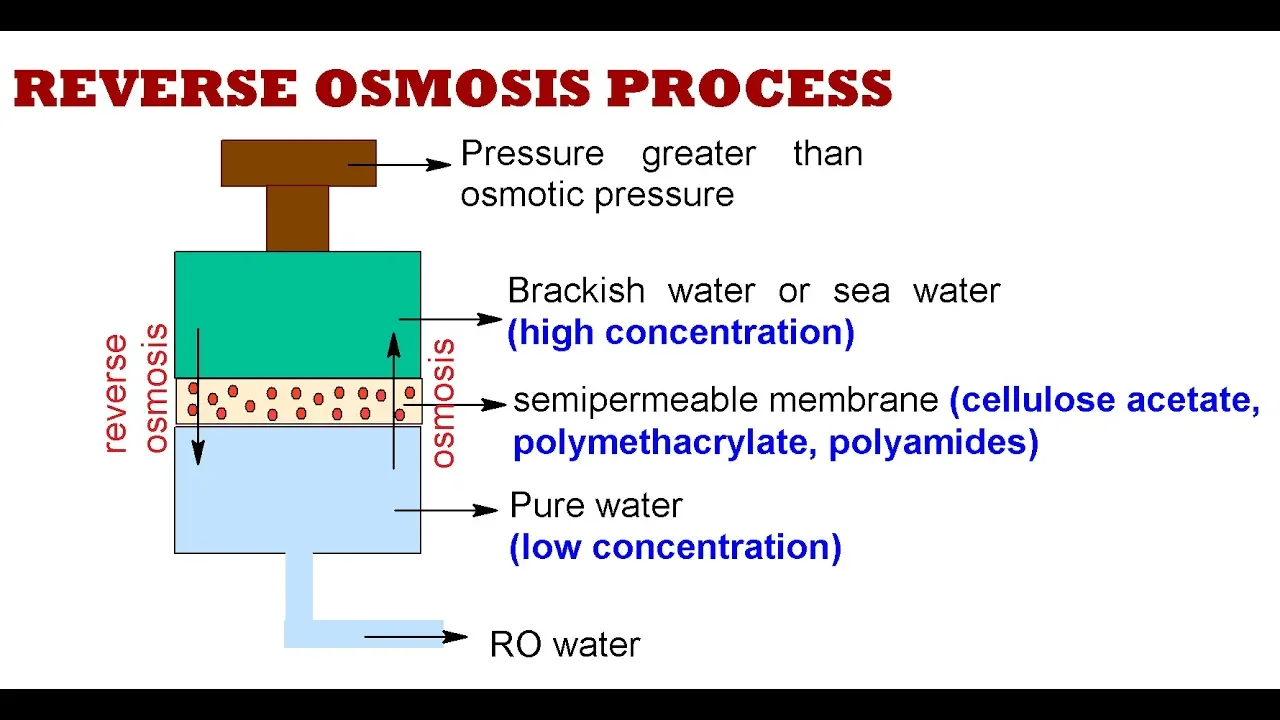
Added:The basic science of desalination, particularly the process of reverse osmosis and its high-energy requirements.
The primary environmental impacts of desalination, specifically marine life entrainment at water intakes and the ecological disruption caused by hyper-saline brine disposal.
An overview of California's water infrastructure, historical drought patterns, and the critical need for diversified local water supplies.
The role of regulatory bodies like the California Coastal Commission and State Water Resources Control Board in environmental oversight.
Economic and environmental cost-benefit analyses comparing desalination to alternative solutions like direct potable reuse (water recycling) and stormwater capture.
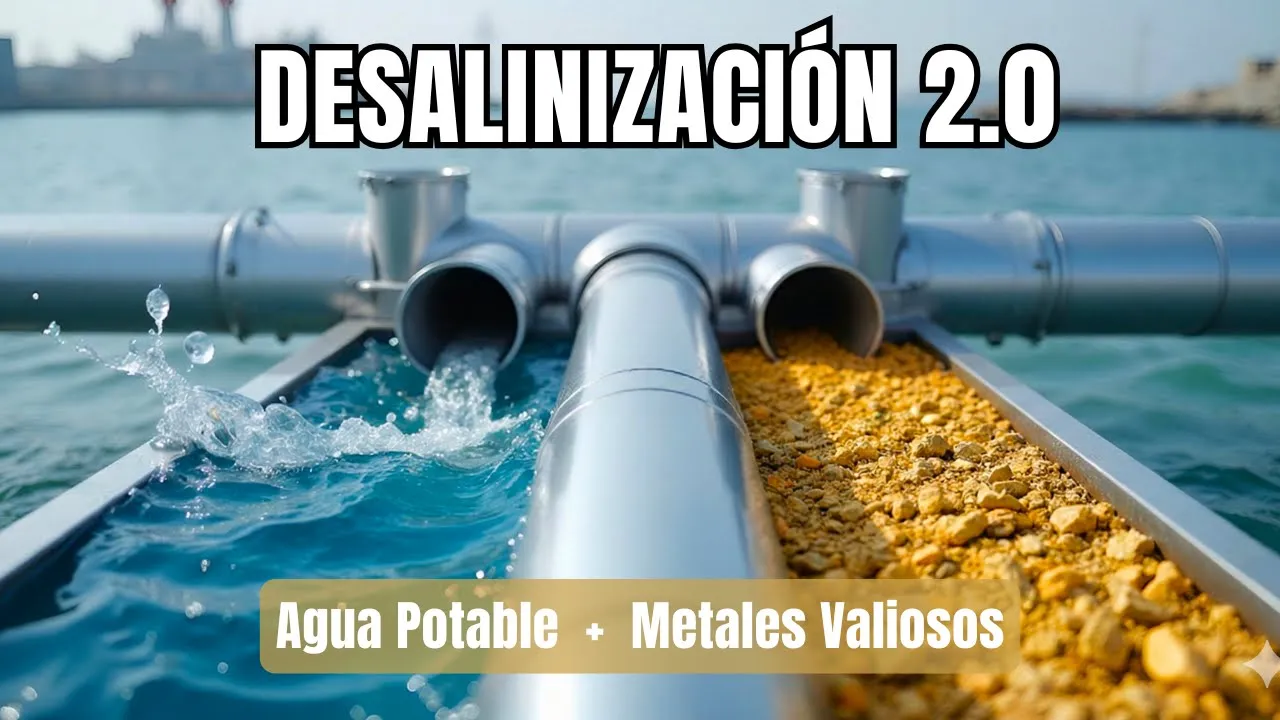
Advanced technological innovations in brine management, such as zero-liquid discharge and mining brine for valuable minerals like lithium.
The engineering and integration of renewable energy sources (e.g., solar, wind, or wave power) to mitigate the high carbon footprint of desalination plants.
Comparative environmental policy studies examining how California's desalination regulations compare with those in hyper-arid regions like the Middle East or Australia.
597 views0likes5:22Original Release: 2015-05-12
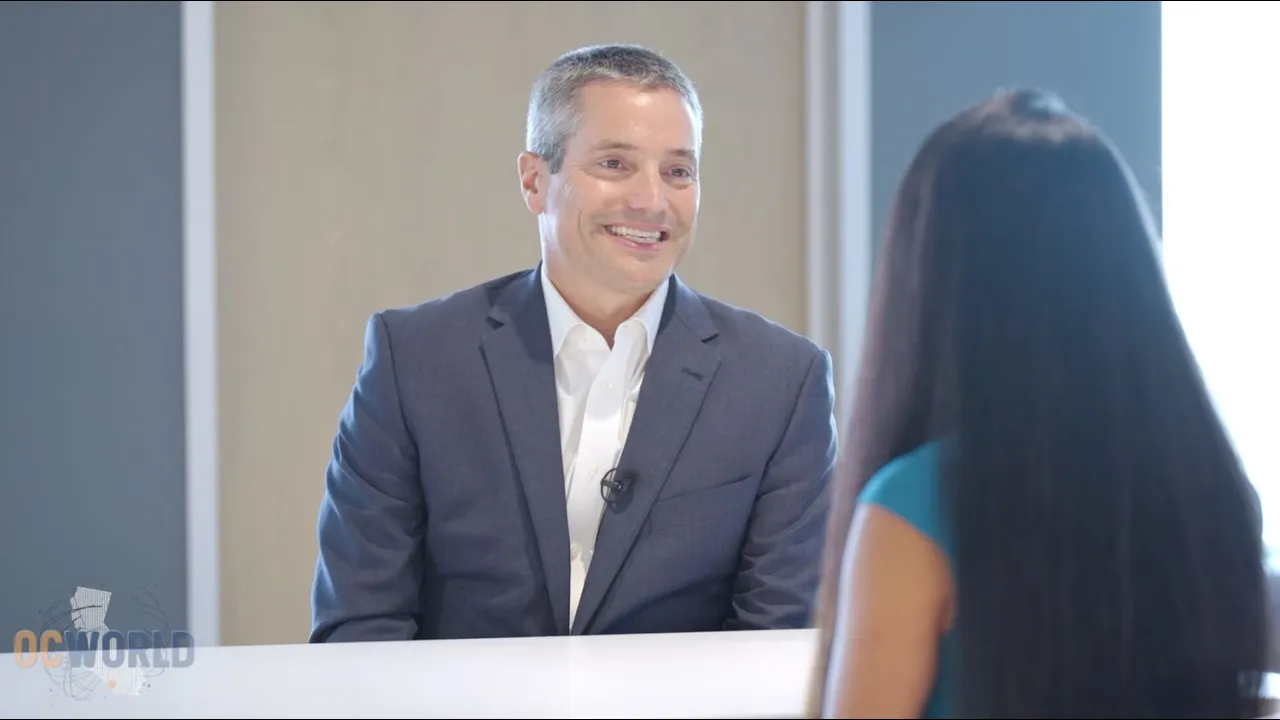
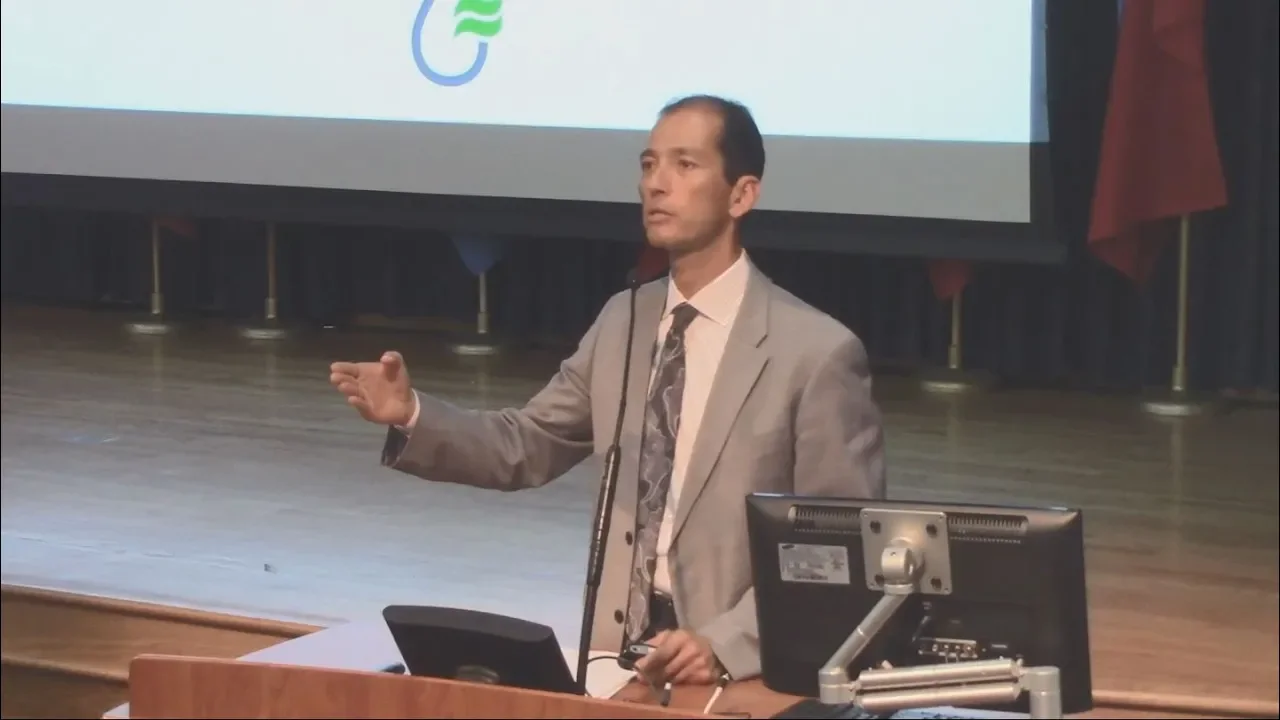
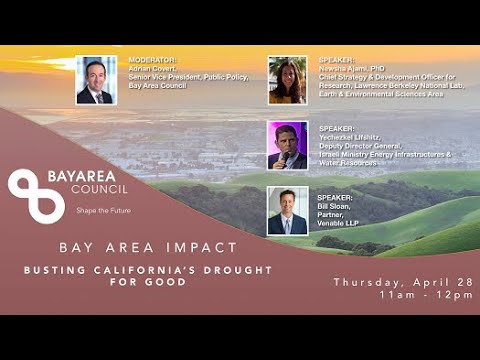
even though the largest desination plan to North America will open this fall in carlbad California is only now coming up with rules for building and running Dell facilities joining me to talk about the new standards and their effectiveness are Bob Yamada the water resources manager for the San Diego County water authority and Matt omal of San Diego coastkeeper Bob let's start with you what specifically do the new guidelines address well the new guidelines bring Statewide consistency to what has been a permitting process that has been conducted on an individual plant-by-plant basis across the state and you know the pery process that was utilized for Carl's Bad worked fine but now these new these new regulations um raise the bar even higher and and really put in place the most protective regulations in the world for desalination facilities so we're talking about how the water gets into the plant and how the salt gets back into the ocean correct that's right it covers the intake of water into the desalination plant and then the discharge of the salty water that's left over the brine if you will back to the ocean now tell me about subsurface intake versus open ocean intake the uh reg the new regulations really lay out a requirement for subsurface intakes unless they're not feasible and for example in the case of carlbad when that project went through its permitting process a few years ago those uh subsurface intakes were found to be infeasible and so the the the new regulations really Set uh set in motion a process to determine first whether or not subsurface intakes are feasible and then if they're not then to move on to say an open ocean intake or an intake that's above the seabed where you would screen for uh keeping out those microorganisms fish uh larv and and uh and fish eggs for example from coming coming into the facility okay and very quickly what determines uh subsurface intake versus open ocean intake well as part of these new regulations there will be a what's called a determination a feasibility determination so you'll need to go through a a study and look at all the the various aspects of a particular site and whether or not it makes sense to do a subsurface intake or not Matt how do you view these new Dell standards well we're we're glad they exist I mean we needed something on a Statewide uh basis I think there's some good and some bad um from our perspective we're glad that there is a preference for subsurface because that is the more en environmentally benign uh technology however when it comes to the feasibility determination we were hoping that the regulations were more sort of federal or other state guidelines that really don't consider cost because it is a more expens expensive uh technology I also see certain things like after the fact mitigation that it still allows so basically any kind of environmental impacts that occur may be taken care of after the fact and it's really hard to measure one with one as far as the wetlands restoration or things like that and then even some of the screen intakes that it might be allowed if subservice are shown to be infeasible um really it's something that are problematic the state water board's own reports show that they might be between Z and 1% of effective so our concerns primarily lie in the environment and uh we think that if not a mandate then at least a rebuttable presumption should have existed for sub service intakes now you oppose diesel ination why we don't actually we don't to totally oppose diesel I think there is a time and place for it and I think when it's done we'd like to see it done appropriately and that's environmentally and economically appropriately and so um I think there are circumstances where once we've exhausted conservation and once we've exhausted recycling Technologies it will play A Part uh it's just one it does that we want to make sure it's the right environmental and economic decision now do you worry that because we're experiencing a drought that this might drive more desalination projects without thorough consideration I do I think the Statewide regs will help I think though even though they're designed to create consistency because it leaves a lot of discretion in the regional water boards and there are many of those throughout the state I think you may see some inconsistency Statewide and so that's kind of why we wanted them shorted up again there is some good in there um but I still think it will be problematic moving forward and a lot of people are calling for more D more diesel um without maybe understanding the full economic and environmental impacts of it Bob now you're assigned to work on the carsbad diesel project how closely does that project conform to these new rules well first of all the carlbad project already has gone through a permitting process and that led to its construction which now stands at about 90% complete and will be online in the fall providing us a new water supply um in the future the Carlsbad project will need to conform to these new regulations so will need to as the permits are renewed for the carlbad project and and ultimately the the power plant adjacent to the carlbad project will cease operations and when it hap when that happens uh the project will need to come into compliance with these new regulations so we're anticipating that that that will be one of the first projects to utilize the new regulations that the state has just uh put into motion and that Carl's Bad power plant goes offline in 2017 should be by the end of 2017 although that schedule is is uh um May shift a little bit but when that happens that will that will really set in motion uh the the uh permit renewal process that that will and we will fully comply with these regulations which are in our in our belief and I think the states believe fully protective of the marine environment we've got to wrap it there Bob Matt thanks so much for coming on the program thank you
Up Next
15:26
Desalination Brine Effects on Posidonia australis Seagrass | UW Research
@isbw1381
121 views•2018-09-27

15:54
Life in Biosphere 2: Sustainable Ecosystems & Human Survival
@TED
334.9K views•2009-06-16
3:11
How Urban Forests Reduce Summer Heat: Trees, Shade, and Equity
@KPBS
467 views•2024-08-08
10:28
Ice Stupa Artificial Glaciers: Solving Ladakh's Water Crisis
@SonamWangchuk66
3.2M views•2015-05-03
Related Study Plans & Knowledge Roadmaps
Structured learning paths in Environmental Science
environmental-science
Ocean Noise: Cetacean Impacts & Mitigation
01Fundamentals of Underwater Acoustics
02Marine Mammal Bioacoustics
03Anthropogenic Noise: Shipping & Seismic Surveying
+ 2 more learning modules
16h5 modules
Explore Roadmap
environmental-science
Road Ecology: Corridors, Overpasses & Fencing
01Foundations of Habitat Fragmentation and Carnivore Ecology
02The Road Barrier: Ecological Impacts of Transport Infrastructure
03Principles of Ecological Corridors and Connectivity Mapping
+ 3 more learning modules
14h6 modules
Explore Roadmap
environmental-science
Ocean Acidification: Kelp Buffering & Shellfish
01Fundamentals of Ocean Chemistry & pH
02Chemical Pathways of Coastal Acidification
03Bivalve Physiology & Calcification Under Stress
+ 2 more learning modules
18h5 modules
Explore Roadmap
environmental-science
Ice Stupas: Glacial Retreat & Water Security
01Foundations of Glaciology & Mountain Hydrology
02Climate Change and Glacial Retreat Dynamics
03The Science of Ice Stupas & Artificial Glaciers
+ 2 more learning modules
14h5 modules
Explore Roadmap