








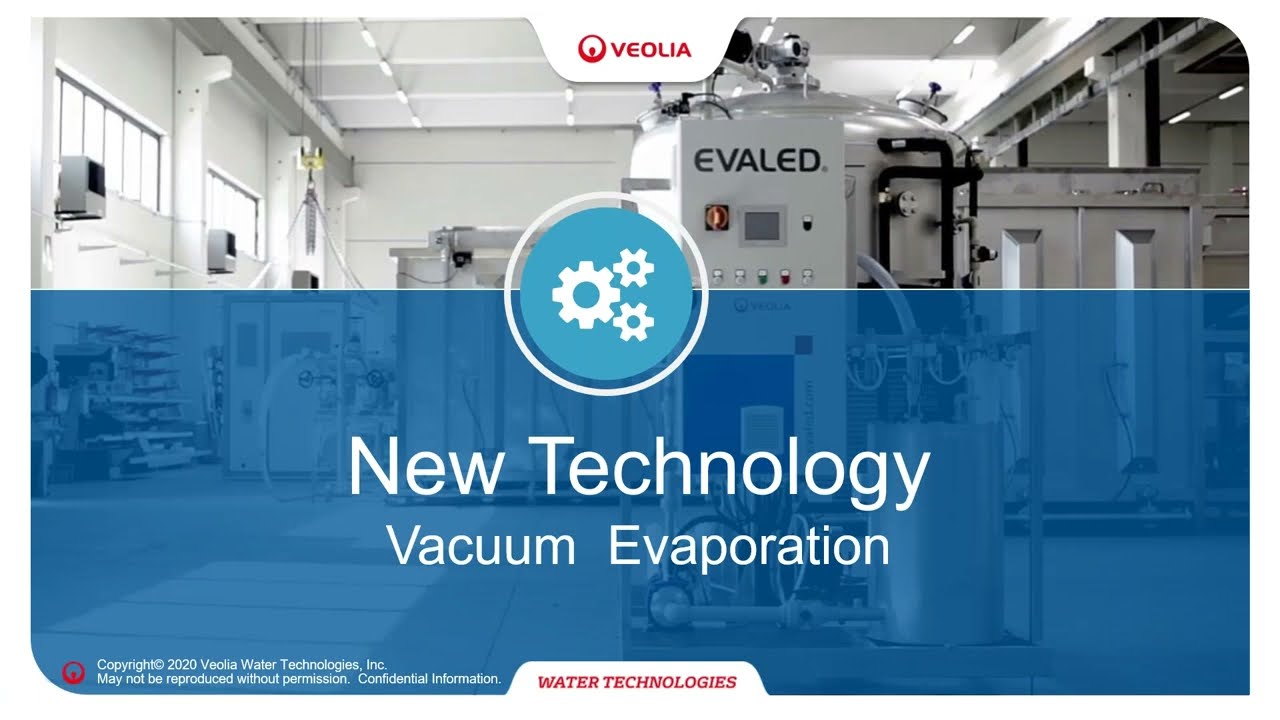









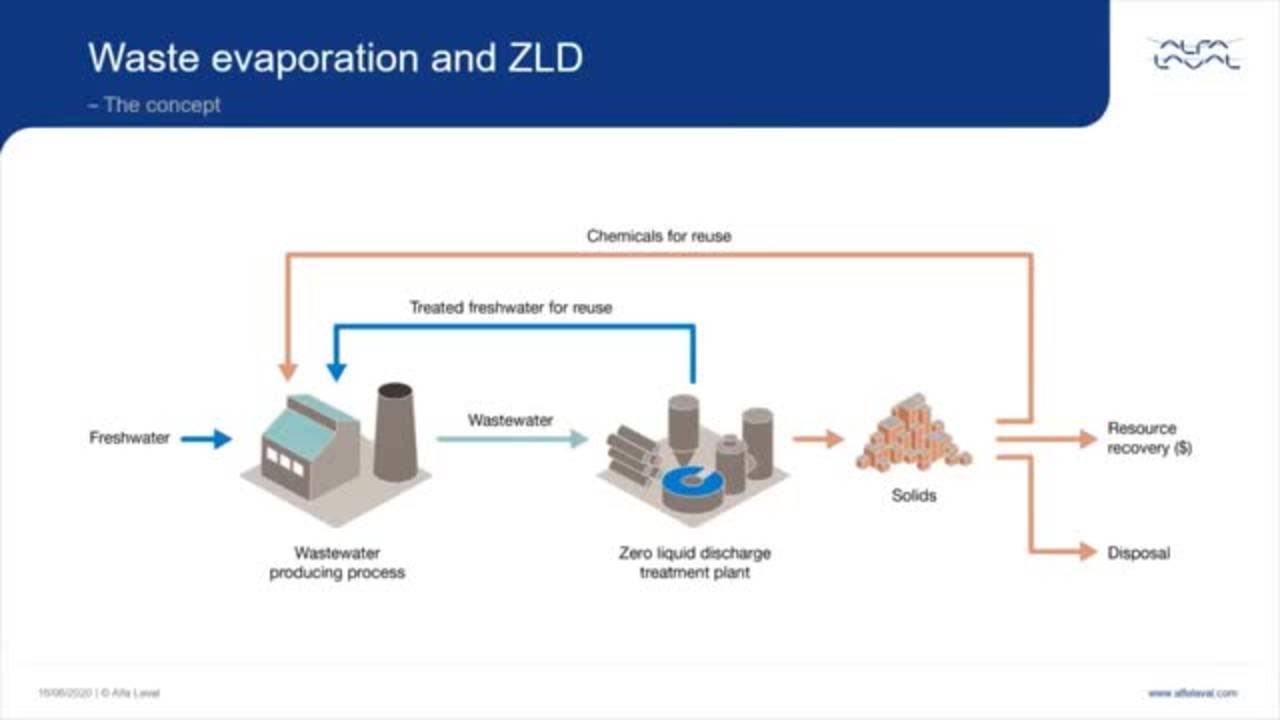

Zero Liquid Discharge (ZLD) technology is an advanced wastewater treatment system that eliminates liquid waste streams by using a vertical tube falling film evaporator followed by a crystallizer; the process involves heating wastewater to near boiling point, removing non-condensable gases, concentrating brine through evaporation where vapor condenses on tube surfaces to produce reusable distillate, and finally crystallizing the remaining concentrated brine to recover solid byproducts, thereby achieving complete water recycling and zero liquid discharge.
Zero Liquid Discharge (ZLD) Wastewater Treatment Process Explained
Added:Fundamentals of wastewater treatment, including membrane filtration processes like Reverse Osmosis (RO).
Basic thermodynamic principles of evaporation, condensation, and the latent heat of vaporization.
The chemistry of solubility, supersaturation, and crystallization kinetics.
Understanding Total Dissolved Solids (TDS) and the concept of boiling point elevation in concentrated brines.
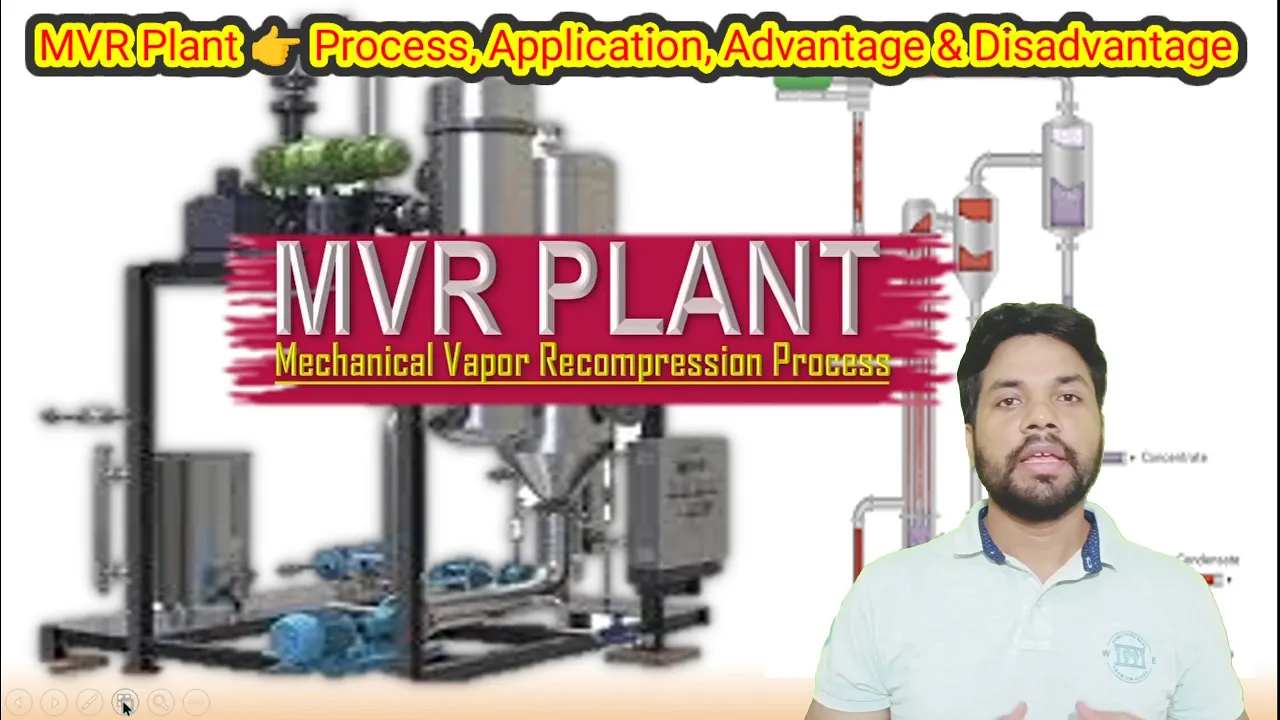
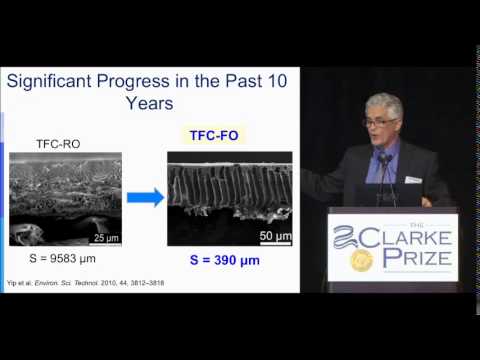
Advanced ZLD technologies such as Mechanical Vapor Recompression (MVR) and Forward Osmosis (FO).
Fractional crystallization methods used to separate and recover specific commercial-grade salts from mixed waste streams.
Economic analysis and Life Cycle Assessment (LCA) of implementing ZLD systems in industrial facilities.
Real-world application case studies of ZLD in high-polluting industries such as power generation, textiles, and petrochemistry.
44.7K views392likes3:59Original Release: 2023-01-17
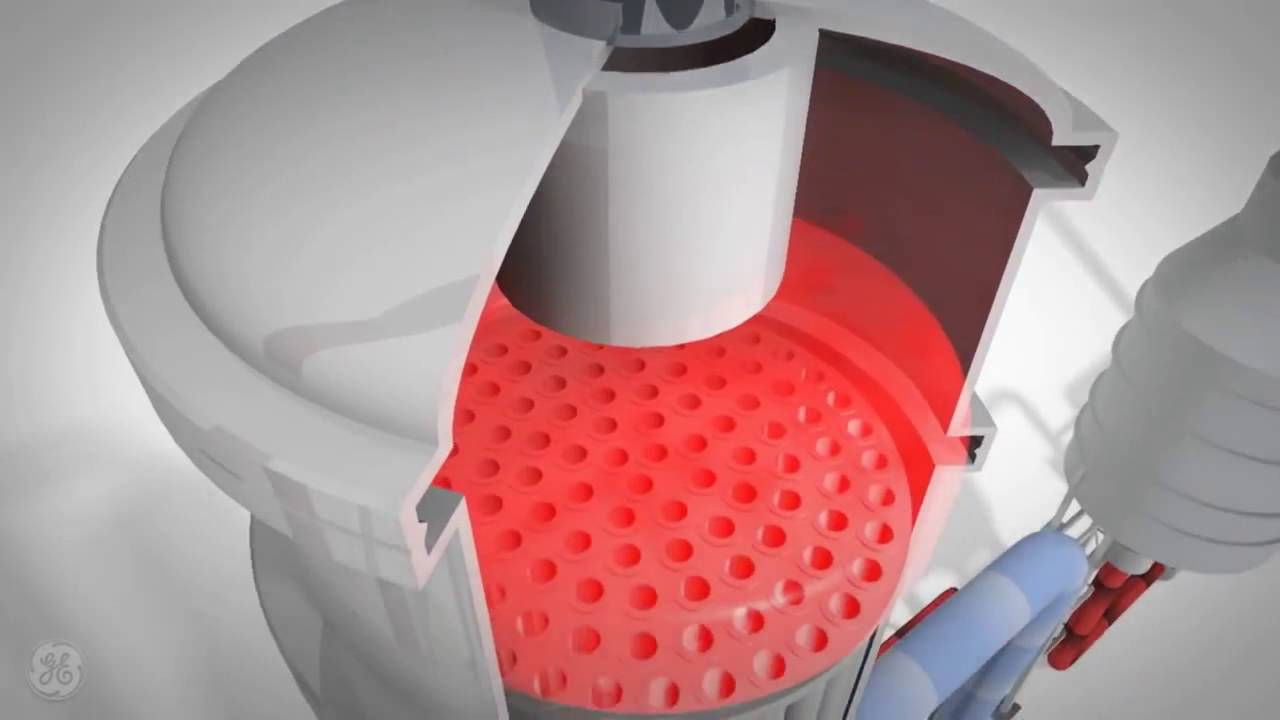
the need to meet wastewater treatment regulations and reduce water usage is driving many industrial facilities to implement zero liquid discharge or zld systems as a solution the standard zld system consists of a vertical tube falling film evaporator or brine concentrator followed by a four circulation crystallizer enabling you to eliminate liquid waste streams from your plant and produce High Purity water for reuse feed Wastewater is transferred from a Wastewater Pond or tank and is pumped into a feed tank here in the feed tank the pH is adjusted for de-aeration or decarbonation the feed pump then transfers the waste water through the heat exchanger where the temperature is raised to near its boiling point the heated brine is then pumped up to the de-aerator in the de aerator non-condensable Gases such as carbon dioxide and oxygen are removed from the brine the deerated brine then flows into the brine evaporator sump the brine from the dear Raider enters the sump and mixes with a large volume of brine brine is transferred from the sump to the flood box located at the top of the evaporator heat transfer tubes using the recirculating pump brine in the flood box is distributed in each of the heat transfer tubes the liquid flows down the tubes coating the inside wall is a thin film within each tube as the liquid flows down the tube a portion of the brine evaporates and produces steam both the liquid brine and Vapor are flowing in the same direction for the brine that reaches the sump as liquid it recombines with the brine already in the sump as well as new feed brine coming into the sump from the de aerator that mixed volume will then recirculate back to the top of the tube and shell evaporated water vapor flows through the mesh pad mist eliminators the mesh pad Mist eliminators remove any brine droplets from The Vapor that Vapor exiting the Mist eliminators flows to the vapor compressor the compressor increases the vapor pressure slightly the compressed Vapor flows to the Shell side of the heat transfer tubes of the brine evaporator the vapor condenses on the outside of the vertical tubes the condensed vapor flows down the outside of the heat transfer tubes and is recovered as a distillate distillate flows to the distillate tank and then is pumped through the heat exchanger hot distillate is cooled to heat incoming feed water the cool distillate is available for reuse or recycle concentrated brine from the brine evaporator is sent to the brine crystallizer the concentrated brine is routed to the Shell in two brine heater the concentrated brine is heated to above its boiling point in the brine heater the heated brine then enters the crystallizer vapor body upon entering the vapor body the heated brine flashes when the brine flashes water evaporates from the brine as Steam Vapor this concentrates the Brine and crystals form in the circulating brine [Music] the flashed vapor in the vapor body flows through the Mist Eliminator to the vapor compressor vapor from the compressor is routed to the Shell side of the shell and Tube heater where it condenses and is recovered as condensate recovered distillate is available for recycle and reuse the crystallized solids are further processed by a filter press or centrifuge to achieve zero liquid discharge and in some cases used as a valuable byproduct foreign
Up Next

121:03
Brine Mining from Desalination: A New Frontier for Critical Minerals
@aladyr_asociacion
3.2K views•2022-02-23
30:32
Ultrasonic Transducers: Resonant Frequency Measurement and Horn Design
@imajeenyus42
229.9K views•2017-02-22
54:16
Polymer Environmental Degradation: Mechanisms & Stabilization
@iit
1.8K views•2012-07-10
33:39
How a Student's Question Saved a NYC Skyscraper from Collapse
@veritasium
22.8M views•2025-04-26
Related Study Plans & Knowledge Roadmaps
Structured learning paths in Engineering
engineering
Building Acoustic Levitators: Physics & Arduino
01The Physics of Sound and Standing Waves
02Piezoelectric Transducers and H-Bridge Drivers
03Arduino Programming: Generating 40 kHz Signals
+ 2 more learning modules
14h5 modules
Explore Roadmap
engineering
Building Peltier Cloud Chambers: Particle Tracks
01Cosmic Rays & Cloud Chamber Physics
02Thermoelectric Cooling (TEC) Fundamentals
03Custom Liquid-Cooling Loop Design
+ 2 more learning modules
18h5 modules
Explore Roadmap
engineering
Yagi-Uda Antennas: Modeling, Build & VNA Test
01Introduction to RF and Antenna Fundamentals
02Yagi-Uda Antenna Design Principles
03Antenna Modeling and Simulation in 4NEC2
+ 2 more learning modules
18h5 modules
Explore Roadmap
engineering
ECG Monitor Design: Op-Amps, Filters & Noise
01Electronics & Breadboard Basics
02Op-Amps and Instrumentation Amplifiers
03Bioelectricity and ECG Fundamentals
+ 2 more learning modules
18h5 modules
Explore Roadmap