
















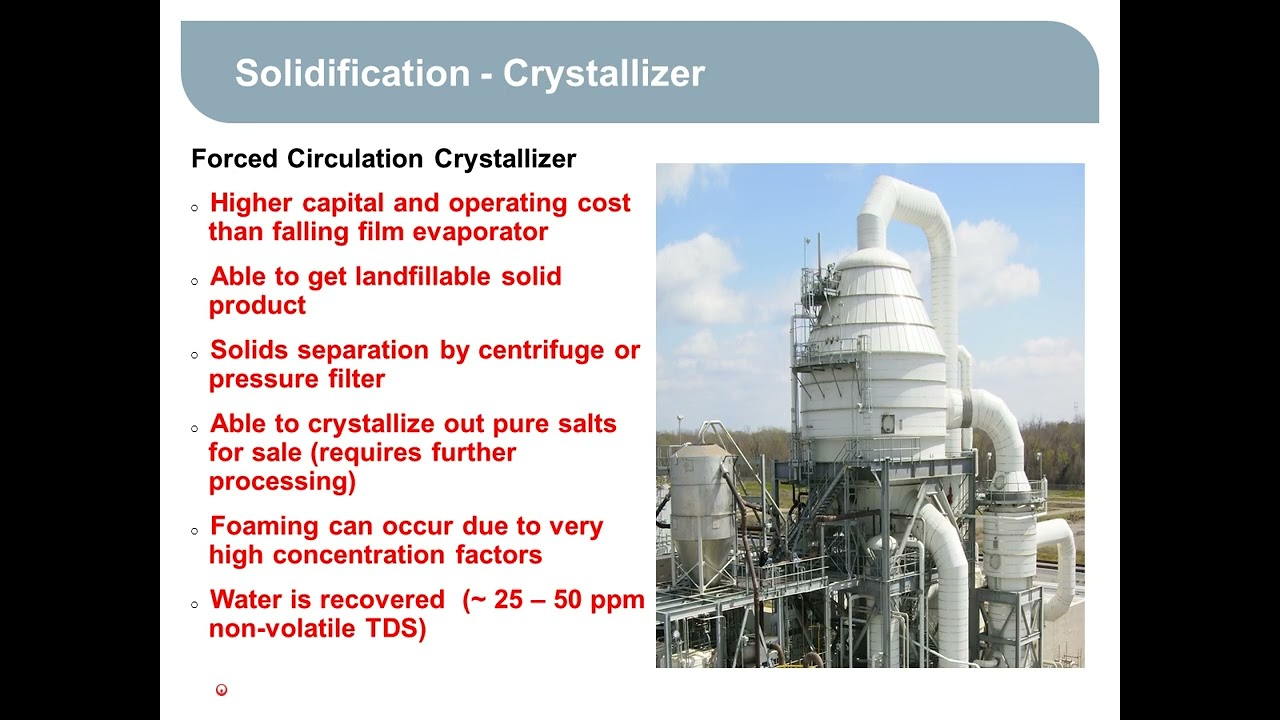



Zero Liquid Discharge (ZLD) is an industrial wastewater treatment technology that combines evaporation, crystallization, and decanter centrifuge processes to recover and reuse water from production sites while converting salty wastewater into reusable clean water and valuable salt byproducts, thereby reducing water consumption, minimizing environmental pollution, and creating profitable resources from what was previously considered waste.
Zero Liquid Discharge: Advanced Solutions for Industrial Wastewater
Added:Basic stages of industrial wastewater treatment, including primary clarification, biological treatment, and tertiary filtration.
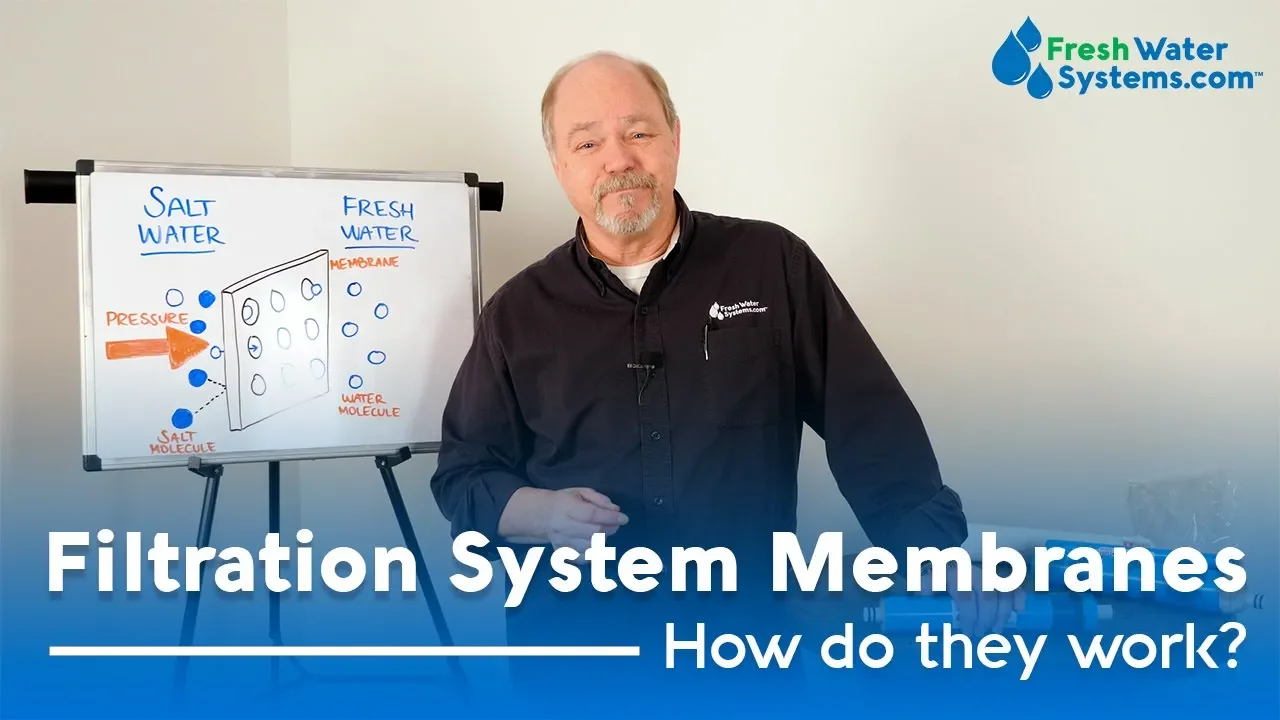
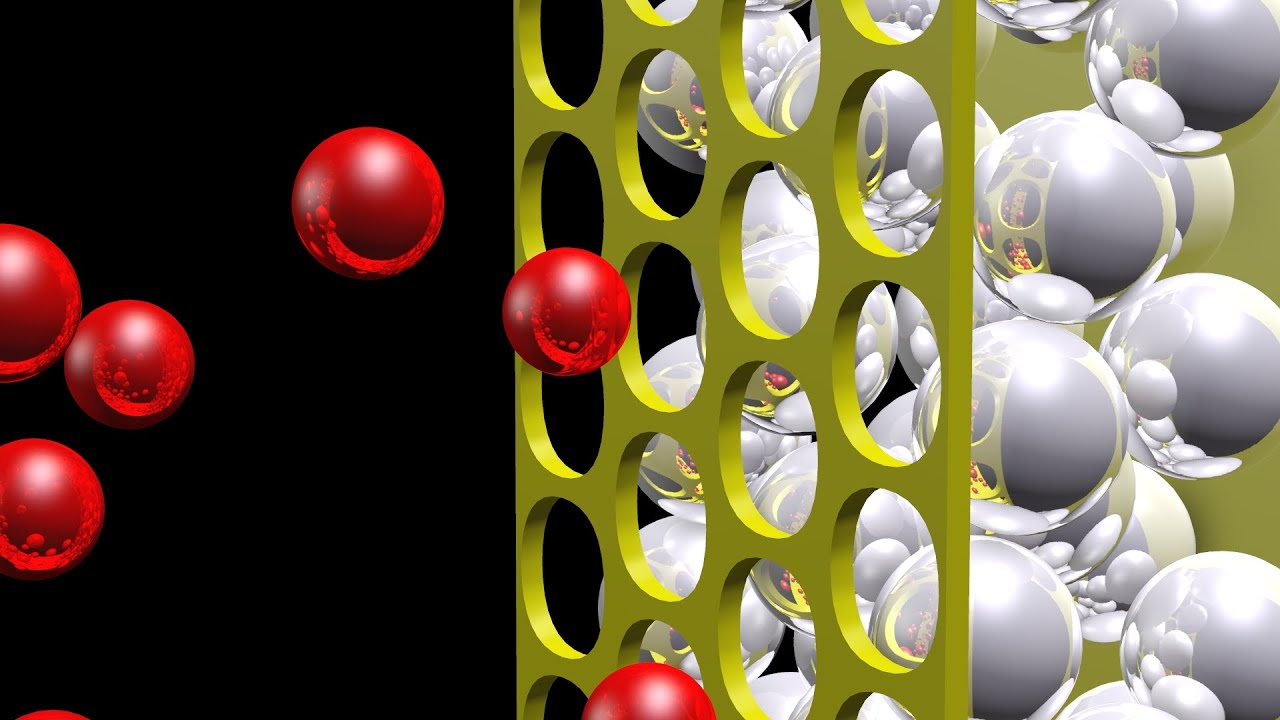
Fundamental principles of membrane separation technologies, particularly Reverse Osmosis (RO) and Nanofiltration.
Aquatic chemistry concepts such as solubility limits, saturation, precipitation, and Total Dissolved Solids (TDS).
Thermodynamic principles of phase changes, specifically evaporation and crystallization.
Design and optimization of thermal concentration technologies, such as Multi-Effect Evaporators (MEE) and Mechanical Vapor Recompression (MVR).
Resource recovery techniques to extract, purify, and commercialize valuable salts and minerals from ZLD crystallizer reject.
Economic feasibility analysis and Life Cycle Assessment (LCA) of ZLD systems to balance high energy consumption against water reuse benefits.
Alternative approaches like Minimum Liquid Discharge (MLD) and emerging membrane technologies like Forward Osmosis (FO) and Electrodialysis Reversal (EDR).
115.2K views18likes4:10Original Release: 2022-12-01
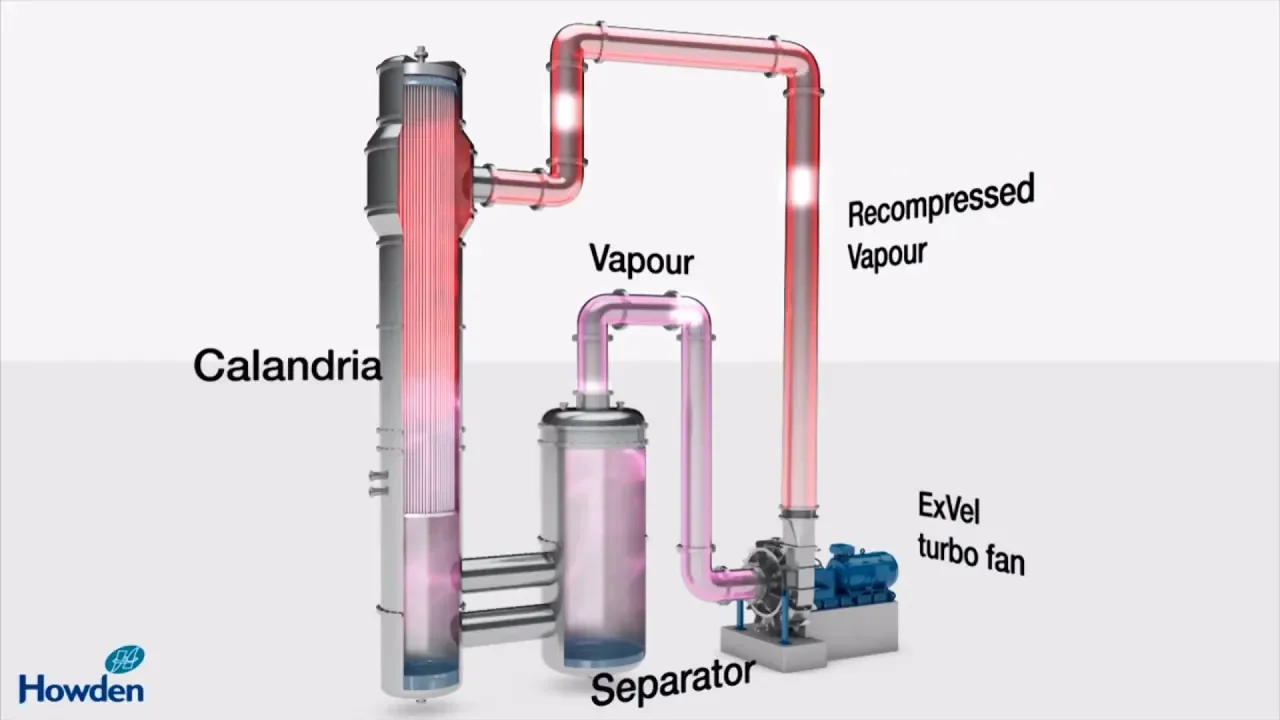
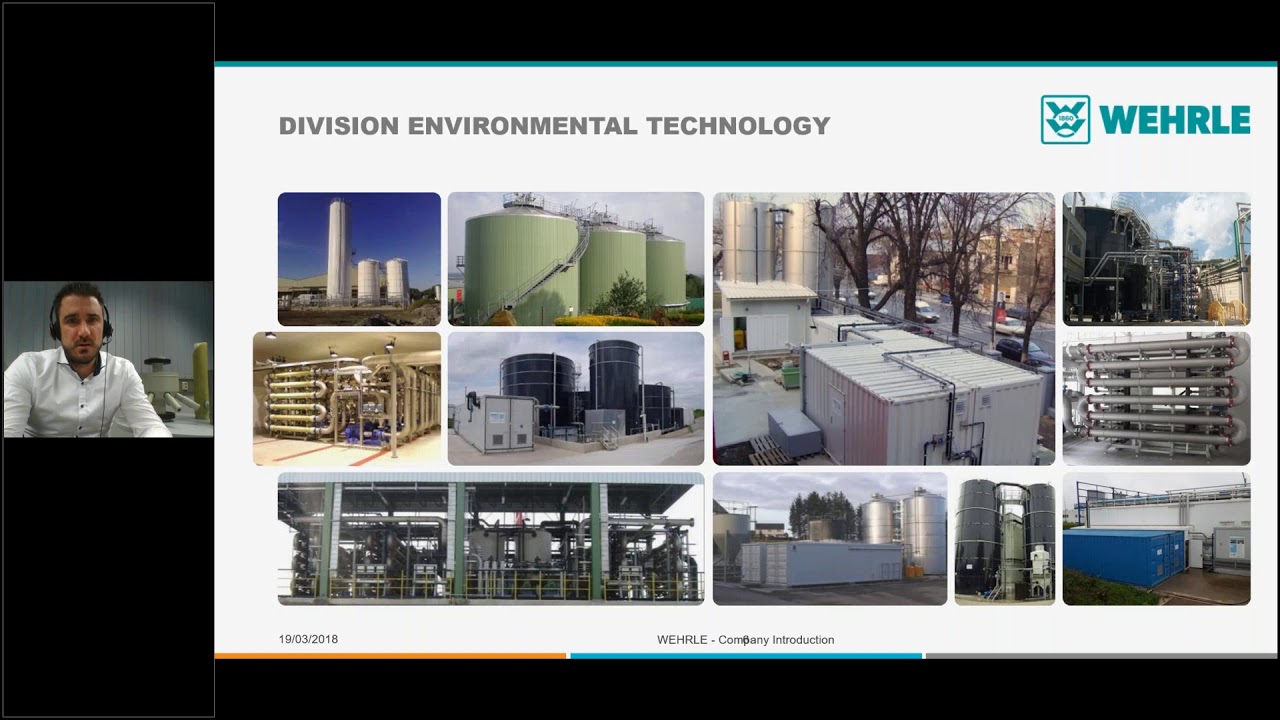
[Music] hi my name is Christian Lindell and my role is to help alalal to Future proof existing Industries making the Energy Efficiency higher and also making your processes more sustainable one of our solutions that can help with this is serero liquid discharge or setld we are providing this technology to help our customers and the world to reach important sustainability goals such goals that are set out in the UN World water development report or division in the cdp's global Water Report both these are set out to improve our water scarcity and treat water as a valuable resource in one hand we hold our future and the choices that we need to make about how we treat our natural resources in the other we have the global economy and how we lives our lives today when it comes to water or more specifically waste water the sld D technology is a solution to help balance this equation at alal laal we have developed a seral liquid discharge concept based on a combination of well-proven evaporation and crystallization technology with a decanter centrifuge this will help to recover waste water from production sites to reuse it in different processes so our customers they can reduce water consumption and limit the amount of dirty water that gets distributed into our oceans and rivers let me explain how it works I have taken a real example one of our customers in southern Europe who wanted to make sustainable changes and increase profits at the same time it is for treatment of Wastewater in an industrial park a place where several different Industries are grouped together producing different products and generating different waste Waters but with a common utility system such as the wastewater treatment the key for such wastewater treatment system will be flexib ility and robustness to continuously be able to handle the variations in flow rates and compositions of the combined Wastewater for this specific case after removal of organic material using MBR reactors and preconcentration in the membrane separation unit the customer had salty waste water left which could not be discharged due to regulations and would have to be disposed of at high cost they needed a settled D system for the final treatment to convert this salty waste water into a dry salt FR fraction generating a profitable byproduct instead of costly waste disposal and at the same time they will realize additional recovery of Clean Water along with the flexibility and robustness of the wastewater treatment system the customer also required a compact solution to be able to fit into the existing building alal laal setled D system with its plate heat exchanger technology was able to meet all their specifications so instead of polluting the environment the set D system will help the customer to achieve additionally 200 cubic m per day of water savings and recover of almost 30 ton per day of salts which can be used for deing of roads and other applications just think what it will do with your production to clean your waste water reuse it and reduce water consumption and even the smallest particles may have the potential to be reused or sold on to avoid unnecessary disposal costs our seral liquid discharge system has been created to optimize every aspect of your production so if you have been facing water issues adding SLE to your production will help you to meet the legislation save on costs and contribute to sustainability at the same time plus once installed we will help you to adapt and modify your SLE system for the changes that you need to make to stay competitive in the market for more information visit our website or contact us directly to discuss on how we can help you to find a future proof solution hope to see you soon
Up Next

11:20
Solvent Selection Guide: Chem21 Green Chemistry Methodology
@chem2193
481 views•2021-08-03

26:22
Walking in the City: Urban Rituals and the Flâneur in Contemporary India
@PSBTIndia
1.9K views•2016-08-02
9:49
FastAPI vs Flask vs Django: Choosing the Right Python Web Framework
@TechWithTim
302.5K views•2024-05-26

1:42
Game of Thrones Opening Credits: A Cinematic Analysis
@gameofthrones
46.3M views•2011-04-18
Related Study Plans & Knowledge Roadmaps
Structured learning paths in General & Interdisciplinary Studies
general-studies
Artificial Light: History, Tech & Human Impact
01The Pre-Electric Era: Fire, Oil, and Gas Lighting
02The Incandescent Revolution and Grid Electrification
03Gas Discharge and Fluorescent Illumination
+ 3 more learning modules
14h6 modules
Explore Roadmap
general-studies
Elevator Engineering: History, Physics & Cities
01From Hoists to Safety Brakes: The Dawn of Vertical Lift
02Hydraulic vs. Traction: The Engineering Physics of Elevators
03Modern Speed, Safety, and Algorithms
+ 2 more learning modules
12h5 modules
Explore Roadmap
general-studies
Rubber: Material Science, History & Geopolitics
01Origins of Natural Rubber & Mesoamerican History
02The Chemistry of Natural Rubber & Vulcanization
03The Geopolitics of the Rubber Boom & Colonization
+ 2 more learning modules
12h5 modules
Explore Roadmap
general-studies
Containerization: Evolution, Logistics & Trade
01Ancient Trade & Bulk Cargo: Amphorae to Barrels
02The Industrial Revolution & Cardboard Packaging
03The Containerization Revolution: Malcom McLean
+ 2 more learning modules
12h5 modules
Explore Roadmap