

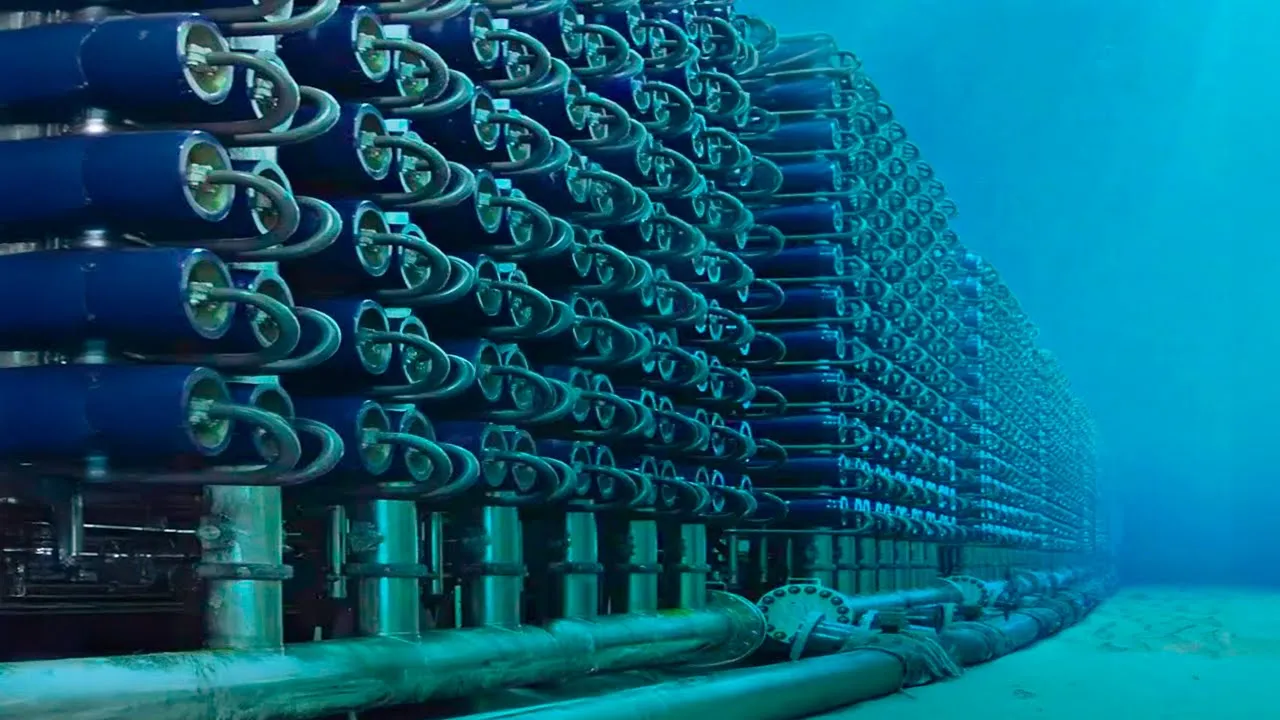












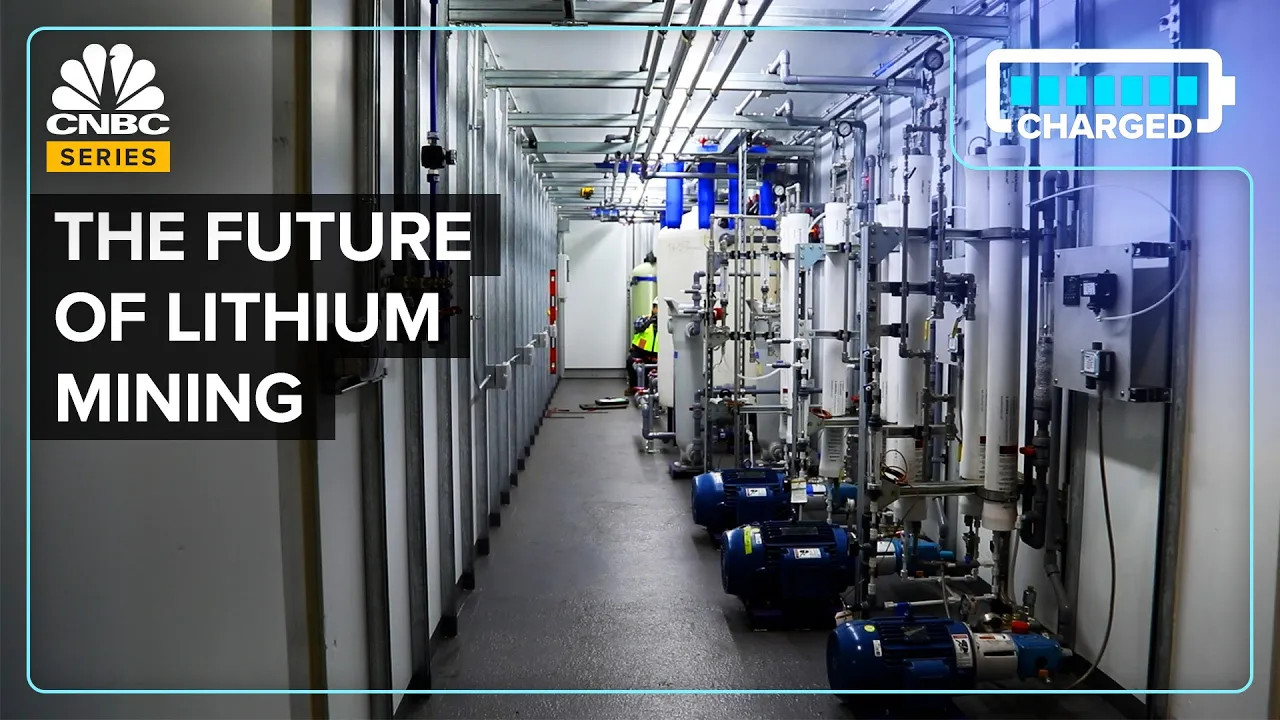




Ocean brine mining is an emerging technology that converts the concentrated brine waste stream from seawater desalination plants into valuable minerals and metals, including sodium chloride, bromine, magnesium, potassium, and potentially lithium and rubidium. The process uses nanofiltration membranes to separate monovalent ions (sodium and chloride) from divalent ions (calcium, magnesium, strontium), allowing for higher water recovery rates (from 45% to 55%) and enabling the extraction of high-purity minerals at costs significantly lower than traditional mining methods. This approach addresses both the economic challenge of desalination costs and the environmental challenge of brine disposal, creating a circular economy where what was previously considered waste becomes a valuable resource. The technology offers particular promise for regions with existing desalination infrastructure and chlor-alkali industries, such as Latin America, where it could provide additional revenue streams to offset water production costs.
Brine Mining from Desalination: A New Frontier for Critical Minerals
Added:um [Music] so [Music] food gentlemen [Music] [Music] gentleman we are alive now we will start the webinar in 5 minutes bye [Music] so [Music] [Music] [Music] [Music] [Music] [Music] so [Music] so [Music] [Music] so so [Music] [Music] so uh [Music] uh good morning good afternoon on behalf of alladier latin americana de salazioni reguso or latin america whether i use in desalination association i want to say thank you to all attendees i believe we had over 1000 and from different 20 different countries people registered for this webinar also i want to say thank you to swcc i want to say thank you to dtri to agree to be part of this webinar a webinar that we believe is really important so aladdin is a non-profit organization in latin america that one of our main goals is basically to share knowledge share experiences share about sorry juan excuse me please we can see you i don't know i see myself yes can you see me now no no so i don't know let's keep going raheel yes so basically again so i want to say we al adir one of the main goal is to share knowledge and information so that's why we approach dtri to discuss how can we do this webinar that we can share your experience what you are learning with our members with our affiliates in latin america that we believe is really important to share all this information also swcc one of the main vision is to is global leadership and excellency in water desalination industry so i believe it's a line on what we're doing right now so a big question that we receive every time that we're talking about desalination is what else can we do with the brain what is the next step what are the options available with the blind and i believe this webinar is going to give you an answer it's going to give you an option that potentially we can apply in latin america we have big discrimination plans in mexico in chile now we're going to have in brazil and argentina so this could be an option that can be applied for all these plants and give extra value an extra indication that we can do more with the desalination also this webinar is going to talk some way around about circular economy is how can we make what is right now a new value into something with more value so we think it's really really important that we can show you what is available so this webinar is going to show you step by step what dtri have developed the technology the step the process to achieve this option that converting the brine from used water into an economic value that they will explain you how can you extract potentially minerals that can be used for something else so with this i want to invite all the attendees of this event to join us in our next webinar on next month with the epa about contaminants so thank you again i passed the floor to dr alamouti thank you very much for a nice introduction can you hear me now yes perfect okay it is a great honor for me to be among the district distinguished speakers from selecting this webinar i hope this webinar it will be fruitful to all of us uh as you know uh for last decade the people were talking about how we could harvesting the minerals and ions from the brine uh but actually we could make it for last two years and we have succeeded for her fasting uh irons and minerals and this is the webinar will show you a cases for what we did and what we are going to do also in the future as you know the advanced manufacturing industry of the 21st century require ever greater amount of raw materials at the same time there are ever tighter environmental requirement for conventional mining more sustainable sources are urgently required one of the main potential source is in the ocean ever since the scientists first analyzed the composition of the seawater and found it what was in it and we have dreamed of obtaining variable metals and minerals from the oceans this stream has not yet become reality but the expansion of the destination and advanced resource recovery are binding it is closer to reality every day sea water desalination brine is just concentrated sea water thus any process of for extraction minerals and metals from the sea will be more economical when when applied to the destination blind rather than sea water sure can you show the slide please okay now i would like to go to the introduction for our what is this okay next please next please okay now i would like to introduce our d3 which is desalination technology and recession institute was established in 1987 as the main arm of research of saline water conversion cooperation in order to focus reducing the cost and energy for the destination plan and also for blind mining for the for brian manning in order to harvest the ions and minerals next please i would like to give uh swicken numbers switzerland water conversion corporations we have here about 33 disciplinary plans distributing among the western cost and eastern cost for about 17 locations the total production is about 5.9 uh meter cube per hour uh and also uh we have about 30 uh about 36 bomb stations uh we are utilizing about uh a network system that links for about 9.6 9 600 kilometers and also we are generating a power for about 7.26 gigahertz and also we have about we have about 10 000 employees all of them from most about 95 percent from 30 candidates and we have we have actually published over 20 or 250 published paper papers and also we have 11 patents five of these patents among uh ocean brining next please yeah this is the record genesis for when we got 5.6 millimeter per day and now we are reducing about 5.9 now we have experienced more than 40 years in engineering and operation and administration experience and in desalination industry and also now we are a global and local partnership with the major knowledge and industry houses next please uh the main strategic initiative for sweek it is optimization of this initial plants operation in order for example to increase the production we could actually in 2018 we could increase the production from 5 from 3.6 to about 5 million meter cube per day by several initiatives in the thermal and ro plants and also we could also reduce the chemical consumption in uh in our plant and also thermal plants uh the other initiative or strategic initiative is it is development of the new designation technology and membrane for example we have painted several technologies like using nanofiltration ahead of the ro we we do it as uh by by hydrogenation and also the last thing is development of the brine mining technology what we are go talking about it today next please next please the d3 initiatives in this generation first we are focusing uh to produce more fresh water from the same saline sources by increasing the high recovery from the thermal plant or ro plant second advanced membrane technology and materials now we are working with our partners actually having an oval membrane that could lead higher production by about 10 percent when compared to the existence membrane available in the market and also lower energy consumption by about 10 percent and also higher rejection uh when compared to the other memory manufacturer the rejection now is range from 99 to 99.85 and with our new membrane we could reject about 99.93 and this is a uniqueness for our our working with our partners in membrane technology uh the third one is the chemical uh commercial chemical free designation now we are working for our or this ownership plant whether to minimize the our chemical dosing in the r or plant or utilizing the blind mining to a circular economy in order to use this brian bryan mining uh chemicals like for example uh magnesium migratory in order to replace ferric chloride for coagulation in the british system system and also we are working on reducing energy and carbon footprint desalination now we are working with our expert to have energy recovery device in order to increase the efficiency from 98 or 99.3 uh to 99 uh or from 90 from 95 percent to about 98.5 or 299 that's what we are doing for uh energetical device and also we are working for high pressure system that all the pressure high pressure system efficiency in the market range from from 70 to 88 part now we are working for high pressure uh bump efficiency for about uh more than 95 percent efficiency uh the last one is the beneficial use of the brain this is where i'm going to talk uh in this presentation uh from my side from my colleagues next please next please okay as you see the blue blocks show us the sea waters the sea waters actually contains 95.9 and 0.5 it is fresh water and only about 4.5 it is the salt if we close look with a salt of 45 4.5 it will be mainly as you see here chloride 51 percent sodium chloride about 35 percent whereas the sulfate and others is the remaining here we found that the value actually for the minerals and the salt available in the in the in in the brine or sea waters as you see all sweet plants or all worldwide plants they have a brine rejection for about seven percent concentrated that dumping back to the sea and actually this is considered as a waste now we could convert this waste to become atrocious actually by increasing uh the concentration from seven percent to about 25 percent with a purity of 99.7 this i'm talking about the sodium chloride and my colleague they will explain in details but that our target we can make the brine waste to a valuable material for example as i mentioned sodium chloride 25 percent with a purity of 99.7 and also we are we are harvesting also bromine for gas and vitro chemicals for example the sodium chloride here for our area actually we have savage from the biggest chemic bitter chemical industry in the world they need actually the sword for coral alkali they used to use the landfill in order to extract the salt but the landfill actually it is not sustainable as we have it now from the brine now it's become more sustainable when we are fasting the sodium sodium chloride from the blind next please now this is the totally the process shows us that from uh the feed coming from the predicted sea water going to the nf membrane system here the tricky actually here we have two stream the broad extreme for the nf and the rigid stream for the nf the here here the the nf product for the nf stream is mainly monovalent ion sodium chloride mainly and also the divalent stream is going to the reject was going to the other box okay let us focus now about what's the advantage when you have the monovalent ion only going to the ro that we could we could increase the recovery for the argument from 45 to about 55 percent we have now 10 percent more recovery and also the brine what we are getting from the other membrane it is mainly monovalent sodium chloride uh bromine lithium rubidium and other stuff whereas when we go to the nf now uh the reject of the nf is mainly focusing the calcium calcium ions and magnesium iron and strontium ions here my queef will talk about the carson and magnesium are fasting but i'm going to here to focus only in the in the medium for the monovalent ions this is next for the repeating actually now we are working with the uh next please sorry next please it's the previous yes okay uh now we are working with our uh with the project developed in group in collaboration with the ocelot uh in u.s department of energy in order to harvesting the rebellion and put it in the cold fusion power reactor in order to produce a clean energy and this is will allow us to produce energy equal to one point five or two times energy needed for operation the distances land we believe that the extra energy that we can exported for the household and this is we consider it from the uh as a revolution in energy sectors because it is a green energy we are using uh uh rebellion radioactive without with no radioactive waste and another and also this will be one of the uh green energy and the stab and sustainable energy resources because it is from the blind and will be this and we believe this the future of the green energy the bounty of the sea and we are working now that with our partners we hope that uh within maximum two years we could uh we believe that we could generate uh power from this uh rebuttal extraction please can you go to the previous one please to the previous one not the next not the previous please the previous yes we are working actually uh all this type of hard fasting ions with our partners like for example hydrolytics fitco fts company russian company and also we are working with the king abdullah university of science and technology all this our partners and also bws best recorder solution we are working with our partners with oakless rabbit we are working with them in order to make this uh succeeded actually we have now succeeded for several projects for several elements and metals and our colleagues will explore what we are going to do inshallah in future next please next please next okay here the further actual opportunities here we have the production of magnesium and potassium here we are talking about the cost as you are aware here from this figures or bar chart you can see the sodium chloride we can and we can have fasting or revenue about 100 more than 120 million dollars per year and also from magnesium chloride with magnesium sulfate which about actually 85 million dollars this is we are talking her fasting from the monovalent stream the next we'll show you next next please slide the next light will show you that they have fast strength from the blind of the nf that we can harvesting the magnesium ions that we could uh the the revenue from that will be more than 160 million dollars and also from the other stuff from dublin about uh 10 million dollars next please now this in general uh the advantage is actually for ocean prime mining that we can play a major role in the human health by adding magnesium supplement in the broader quarter and my queries you will talk in details in that but we have proven that medically with uh with the college medical college here when we do a survey for the epithets we are giving them different concentration of magnesium some of the growth 100 patient they have zero magnesium the other 100 they are taking 25 magnesium in the blood the waters and the other guru they have 50 magnesium concentration in the water what we found that the people who drink with 50 ppm of magnesium and drinking in the drinking waters actually their enzymes or racism has been improved and also the total sugar has been reduced dramatically that is proven that the magnesium supplement is very good for the human health and also we are now working with the chemical industry for chloral alkali as as mentioned earlier and michaelis will talk about it and also this will be good also for as used for fertilizer and this fruit and also it can be used also for the medicine and the root and health health and also for the food and packing next please finally i would like actually to invite all of you to join our specialty conferences actually is going to be held in saudi arabia the first one is ocean brine mining will be held in march 21st 23rd eliminate saudi arabia i wish to invite all of you to join this webinar actually we have about 40 unique papers that do a and ocean blind mining uh uh it would be amazing actually this is the first the first conference in the world specialized in ocean brine i'm i'm calling you to join us and uh work with us uh and also we have another innovation driven destination specialty conference will be held and may 30th to june 1st will be held in jinda and saudi arabia also this we have about more than 60 papers for this innovations we i am actually we would like to see uh not all of you because more than a thousand we cannot accommodate all of you but at least the people whose interest has in both conferences you are most welcome in saudi arabia i would like to give the floor to the next speakers which is dr nicolas please entrepreneur thank you thank you and good evening everyone my name is nikolai buchkov i'm a senior expert with the desalination technology research institute and in my in the next presentation i'll talk about a particular full-scale project we're embarking on it's very unique and it's a the largest uh desalination brine mining project in the world that we will see happening very very soon here in saudi arabia if you could load the presentation please thank you so the title of if you could uh go to the next slide yeah the title of uh the presentation is actually a project related to harvesting of sodium chloride and bromine from for the chloralkai industry using brine from seawater designation plants next please next slide please uh dual brand concentration technology is uh that dr amudi mentioned is in the core principle of what we do in order to produce uh adequate quality of uh sodium chloride for the uh chlor alkali industry we do have to remove calcium and magnesium from desalinated water and uh from that perspective we do apply nanofiltration as a first step of treatment of seawater to remove calcium and magnesium to reasonable levels and then from that point on we treat the water through conventional seawater reverse osmosis system which allows us to produce brine which is mainly sodium and chloride and a few other minerals that were removed through the process of desalination this system that you see on the screen is actually patented and it has been awarded the patent later last year this system is in the core of the design of the full-scale plant that we plan to have here in jabal it is connected to a 1 million cubic meters new design nation plant which will be located also in jubal this is one of the largest projects that we are under development here in with saline water conversion corporation so the brine from that facility will be used for the purposes of producing sodium chloride and bromine for the chloralkin industry next please uh why do we focus on sodium and chloride as you can see on this graph it shows uh the various compounds that are in reasonably large amounts in the brine and the line that is uh more or less in the first third of the uh of the screen shows that not all of them are cost effective this uh graph shows that anything that's on the right side of the line is actually more cost effective today to derive from brian than from actually terrestrial treatment of sources of the same mineral and the higher we go on that graph as you can see rubidium is a very high value substance and it's one of the big prizes that dr moody said is not only high in value but also high in potential in solving uh the potential future of energy uh in from this using desalination the two minerals that i'll focus on are on the uh shown with yellow circles and those are the uh sodium chloride and bromine sodium chloride is an important uh substance here and it's used in chemical industry worldwide by the chloralkal industry to produce sodium hypochlorite is sodium hydroxide bromine is a very important substance for any place where you have oil industry it is injected in every single well oil well to as a fire retardant so it is widely used in the middle east and many other places worldwide where oil exploration is achieved next slide please so why do we start with uh where do we start with ocean bright mining where do we start from uh and the focus as i mentioned of our first project is sodium chloride and uh and brine and and from brine and also bromine from brine and why do we pick those first sodium chloride is the main mineral in brine it's 86 of the brine is technically sodium chloride so it is the most abundant in uh content in terms of brine and the technology that we developed allows us to produce brine at very high purity over 96 percent we could go all the way to even 99.6 percent for uh uh salt that can be used for pharmaceutical and other purposes but for the focuses of the chloralkal industry we can go 96 and higher uh and there is a large very large market of this sodium chloride of high purity sodium chloride it's currently around 300 million dry tons per year worldwide in the middle east as well as china u.s germany those are places where this industry is very abundant but we do see clerical industries practically every large industrialized country so it is a huge uh huge market uh what is interesting is the price of uh sodium chloride nowadays is 65 to 75 dollars per dry ton the market price while through the technology we developed we can actually achieve production of uh sodium chloride at this high period about 35 to 45 dollars per dry town so very competitive production price and um so that's why we focused on this large market and hyper high quality in value bromine as i mentioned is a smaller but very attractive market currently the cost of bromine market price of bromine is about three thousand four hundred to four 000 per dry tongue and based on our technology we could produce it for about 800 to thousand dollars per dry town so as you can see the profit margins in bromine are certainly even more interesting than those in sodium chloride but in both cases they are very attractive opportunities from a business perspective to to extract substances that are highly valuable for the industry next slide please the just a brief summary of the brine concentration economics why is it economically interesting uh to focus on this project the technology that we have allows us from a hundred thousand cubic meters a day designation plan to produce one to one point two million dry tons per year of high purity sodium chloride if we can if we look at how much the cost of water would be generated by this plant assuming 60 cents per cubic meter which is nowadays for this size projects are commonly widely uh observed price the the profit or the revenue i should say from uh designated water is about 22 million dollars per year if we look at the brine that is generated by the same plant at 65 dollars per dry town the low end of this profit then the cost of the the cost of water and the sales cost of water what that slide really shows is that if we with this project we could basically make the most expensive this water in the world designed water to cost nothing we can fully subsidize it by the sales of brine from the same exact size project that is a that's why we do see brian concentration and brian uh mining a uh new uh perspective new frontier for design nation uh ability to make the most expensive war in the world into the lowest cost water in the world next please uh this is actually a schematic that shows our desalination plant and how it works uh this one million cubic meters a day designation plan and how it works in conjunction with the uh the brine uh concentration in uh harvesting project as you can see on the desai nation plant site which is the upper side of the figure it's a one million cubic meters a day facility which will be uh which will um require about 168 000 um and 200 cubic meters a day of this water would be associated with producing enough brine to produce 2 million tons per uh tons of salt per year dry tons of salt per year why we established two million that is because uh our recent clients that are currently using other sources of brine are running out of sources of natural sources those natural sources are actually surface mines here in saudi arabia in the middle east there are many surface mines for sodium chloride which are being scraped and used but they're towards the end of their useful life and most of that mines have five to eight to ten years left so uh this uh source would replace the the conventional source of sodium chloride being surface mining so two million is a demand that is readily available here nearby where we are located in javale where the desalination plan will be located the total demand for the country is much bigger than that about five six times bigger but this particular project would be uh located close to when somewhere some of the main uses are when you look at the system uh the uh seawater reverse osmosis the this this system contains nanofiltration so the water is collected from an open ocean intake goes through dual media filtration and then from their cartridge filtration nanofiltration and then the the water that from the nanofiltration facility which is relatively low salinity 31 34 000 goes through seawater reverse osmosis system very conventional designs seawater reverse osmosis system will have higher recovery because of the pre-treated nf pre-treated water and the brine generated from that system the sea water reverse osmosis system will be higher in sodium and chloride and lower in calcium and magnesium that brine is harvested and it goes into a multi-stage brine concentration system uh you could see to the to the right side of the picture the brain concentration system has the purpose to take the 70 000 cubic milligrams per liter brine and concentrate it to about 230 to 2 000 milligrams per liter this is done by osmotic basis that reverse osmosis is a three-stage system uh and that system operates at low pressures uh as as high as the pressure of reverse osmosis and it's very simplified uh compared to many other systems available on the market so it allows us to very energetically cost effectively to produce brine at 230 000 milligrams per liter that brine at that concentration goes into crystallizer because most of our clients prefer to rather than carrying brine with water in it to actually crystallize and use it as as crystal crystal brine so that's what happens with how we produce the actual brine in the crystal form we'll have it also in the liquid form uh we do have one user that is very close to us and the brine will be pumped to them directly by pump station what else comes out of the crystallizer which is in the waste or we call it purge from the crystallizers is actually a very rich in bromine stream that normally would be a waste and that's what happens in zero liquid discharge systems it's wasted in our case it's actually a very valuable resource of bromine we're using a technology that allows us to extract the bromides from this uh liquid and turn it into bromine which we as i mentioned is highly valuable commercial product for the uh for the detonation industry as you could see as a final product of this plant we will have two million tons per year of high purity salt that can be used sodium chloride that can be used for the claricy industry and about 3 000 to 4 000 tons of bromine per year that will be used for the oil industry next slide please yeah this shows a detail of what happens with the brine a a percentage of the uh water that is of the concentrated brine in the brine concentration system is returned back to the feet of the sea water arrow system as you may see on this graph and we reprocess it to minimize energy and to maximize the benefit of that brine what is the main difference between brain concentration membranes and seawater reverse osmosis membranes is brine concentration membranes are designed to concentrate brine and the permeate they produce is actually pretty close to the permeate to the salinity of seawater not the drinking water so that's a big difference and that permeate is almost 99.6 pure sodium chloride recycling that stream actually and recovering it is very valuable in reducing the overall energy and also the overall productivity of this and increasing the overall productivity of the system once we do that the brine that comes from the reverse osmosis system will go into storage tank and from there into the brain concentration next uh slide please this is the dry crystalline brine specifications those specifications are determined by the chloroalkaline industry you could see what spec we are meeting we could be even more stringent as far as quality but this is a quality that serves basically any chlorocline industry use of this brine and also if medicinal and other pharmaceutical and other uses other industries also can use it just to see what the product looks like the next next slide please next slide yes uh just a brief overview of the plant components of our sodium chloride and bromine plant we have a membrane brine concentration plant it is provided by a company called fts this is a u.s company headquartered in oregon we have worked closely with them to design the system and fit it to the purposes of what we have as you may have noticed we're feeding the crystallizer the next step is the crystallizer we're feeding the crystallizer at twenty two hundred and thirty thousand milligrams per liter not more and the reason why is not because we cannot produce more we actually fds system we were able to produce 22 280 000 milligrams per liter this was what we were able to easily produce with that system so we could bring the salinity of the brine as high as 280 thousand but what we found is about 230 000 the energy needed for brain concentration by membranes is actually at that point it is uh above that salinity it's actually more cost effective to do it by thermal evaporation so that's why we're only taking it to 230 and from there we're crystallizing the brine uh the bromine plant is uh basically by provided by industrial supplier it is a fairly available readily available commercial facility and besides the bromine and the south crystallizer we do have interim feed and concentrated brain storage tanks and pump stations clarifiers for magnesium removal why we do have those clarifiers is because the brine tends to uh change in quality because of magnesium and seawater changes in quality as well and we use it to remove extra magnesium in the summer when the rejection of the membranes is not as high and then we store the brine in crystal in liquid form so next slide please yeah this is the uh membrane brand concentration system just a general schematic i'm not going to go into detail you're very welcome to come to one one day uh seminar that we have a workshop that we have at our brand concentration conference for one day we'll be talking in excruciating detail of the chemistry the technology and the details but this is basically a three-stage system where we treat the brine and uh from uh to concentrate it and from stage to stage we increase the salinity if we're feeding 70 000 we get to about 150 280 000 and from there to 230 000 and with the third stage we could get to 280 000 milligrams per liter so the the permeate from each of those brine concentration stages is recycled to the front while the permeate from the first stage is recycled to the feed to the seawater reverse osmosis system next slide please next line yes uh the crystallizer system i wanted to mention that particular system we selected it it's different system from the ones that is being used in zero liquid discharge systems and that's because we wanted to create high quality uh dry crystals that are suitable for the chloroalkali industry we are using at this point and tested um so as uh specific source technology which allows us to meet all our targets and also to produce bromine of high quality that we could bromide of high quality that we could extract bromine from and convert it to bromine for benefits of the bromine industry the crystal salt that we produce is 99.6 purity of sodium chloride 6 000 tons per day so this is 2 million tons per year and we do generate about thirty thousand uh uh mld of condensate which uh has uh low salinity it can be reused and then in addition to that we create about um 3780 cubic meters of perch uh that is uh with high concentration of bromide then we then go through bromination process to turn into bromine which is then the commercial product used in oil industry and the crystallizal system has three independent units uh with a pre-evaporator pre-concentrating the brine from 230 000 to all the way to 330 350 and from there the crystallization into fine size 0.2 moisture crystals we do have uh also the watering component of the crystallization system and drying component fluidized bed dryer that are part of the crystallization system and we are we move uh we run the crystallizers using membrane mechanical vapor compression and we also have salt storage and self-packing system as part of the uh as part of the project next uh stage please next slide this is the site uh the site is on the bottom side the big rectangular that you see in the center of this picture is actually the site for the one million cubic meters a day seawater designation plant and just under it uh going uh uh south is where the desai nation plan the brian concentration plan would be next picture please next slide the next steps of this project are we've completed the front end engineering design of the project and we are currently securing the funding of the project uh we expect that to be completed between the next two months and then we have a project workshop that i mentioned in our brian mining conference and that's on march 21st you're welcome to attend and it is included in the price of the conference uh which is very reasonable and then from that point on we will get into a preparation of requests for proposals and issuing proposals summer fall this year and have a turnkey contractor design and build the facility to great detail and then a construction period of about 36 months with expectation by mid-2025 to have this 2 million ton per year plant in operation this will be the largest facility in the world that makes this type of brine next next slide please with that i'd like to thank you for your attention and uh to remind again that ocean brine mining workshop uh is on the first uh 21st of march and if you're interested in learning more details technical details we have a one day workshop associated with that so with that in mind uh i'd like to invite you to visit us here in juventus and also you'll be able to see the actual pilot system that is being used to verify the performance of the of the full-scale plan with that thank you very much for your attention and we will continue with the next speaker yeah our next speaker uh can you hear us uh dr chris uh yes i can hear you uh nikolai yes if the lions will come up here with your presentation yes uh dr chris fellows is also with dtri here a senior expert with dtri and he'll talk about brain mining other metals and minerals go ahead ah thank you thank you very much uh nikolai uh yeah my name is dr christopher fellows uh my background isn't in chemistry uh actually in in polymer chemistry but i have become involved in every facet of uh the chemistry of brines and it is my great pleasure today to talk to you about uh where we go next so we we've outlined uh what were on the the threshold of bringing into reality uh what are the next steps and i'd like to start with two of my favorite quotes this first one is very particular for brine mining 10 years ago commercial extraction of any of the elements present in the ocean was it impossible as alchemy today it's an accomplished fact and i feel safe in predicting that within the next decade we will be able to recover gold silver radium and all the other untold wealth from the sea now that we've made one dream a reality it is only a matter of further technical development and refinement of process before we make the sea loosen its hole on a fortune so fabulous that it staggers the imagination and you can already see the date down the bottom there so that's some that's 1934. so in a way this is true uh but the further technical development and refinement of process required is significantly more significant than in this prediction so this is applicable to brine mining this other quote is applicable to absolutely everything this is from lord kelvin i often say that when you can measure what you are speaking about and express it in numbers you know something about it but when you cannot measure it you cannot express it in numbers your knowledge is of a meager and unsatisfactory kind it may be the beginning of knowledge but you have scarcely advanced to the stage of science whatever the matter may be so let's think quantitatively about making a fabulous fortune out of brine so uh engineer wichita has already shown you a very similar figure to this this is the one uh that appears in our recent review paper should be coming out uh any time now uh where we've taken the most recent values for prices and put in lines from a number of different review papers to sort of give you a consensus picture now i find it most useful sometimes to multiply these two axes together so those are both log axes but if we multiply them together we get the value that we could obtain if these products just magically fell out of the ocean into our hands and we could sell them and when we do that exercise we end up with this graph here so this is just rearranging the atoms that are in seawater you can see that the products of the chlor alkali industry are the most valuable things that we can get out of there sodium hydroxide and hydrochloric acid and the other big one there is magnesium metal and this isn't even using the very high prices that um i'm going to show you in a minute so magnesium is a significant species everything well these things here all require significant chemical physical treatment uh of the products that come out of the sea water directly so let's have a look at a similar graph looking at things that can basically just fall out of the sea water with relatively simple treatment so that the products of our initial treatment to come out of the sea water so here again you see sodium chloride very prominent bromine very prominent and i'm going to talk to you about how we can go about extracting some other other value here so we see we also have the magnesium salts very sorry mr fellow sorry yes i i can see you your presentation please you can try share again sorry okay i i can see it in its um shared space here [Music] the options are removed from stream or remove from studio share slides all right no one can see the presentation that that's terrible you have the backup there i do not know why it is not um not visible to you all right removing it and trying again is it visible now oh we can see the first slide okay good second slide i can see it on my end can you please confirm that we can see it fragile okay someone has the dogs out yeah i i can i can see my third slide no we can't see it and martin please can you share one moment mr fellow mafia oh martin is now sharing the slides okay we can go ahead you can you can go ahead mr fellow all right so uh can you see the slide with the picture of thomas midgley or do you see the graph we see the graph all right um so this is the the graph very similar to the one that engineer wujkov uh showed you uh with the price on the xs x axis so the concentration on the x axis and the price on the y axis and i find it valuable sometimes to take these two things and multiply them together so on the next slide we see what happens when we multiply them together uh martin if you can move it forward yes so here as i said we have the sodium hydroxide and the hydrochloric acid products of the chloralkali process and the other big one there is magnesium these are things where we require chemical physical effort to make these but if we look at the compounds that fall out more readily on the next slide um we also have the magnesium salts very prominent here as well as the sodium chloride and the bromine and this is based on a total dissolved solids of 45 000 parts per million which is what we have in the arabian gulf significantly higher than the sea water that you find uh in most other parts of the world so magnesium on the next slide has attracted a lot of attention recently because we've had a very significant spike in price caused by power disruptions in china so lots of people have their eyes open looking for new sources of magnesium on the next slide you can see some of the important things that are made from magnesium so makes cars much lighter very useful for a lot of our consumer electronics and for military hardware of course you want to light metal for those planes so our integrated brine mining facility on the next slide uh engineer which covers talked about how we're going to produce sodium chloride and bromine from this but we also have um the another stream that we haven't done anything at all with yet which is that divalent rich stream the product um the reject from the nano filtration membranes now this is a potential source for uh magnesium metal and for these valuable magnesium salts so historically magnesium has been produced from the sea next slide please so going back again to thomas midgley in the 1940s magnesium was produced from the sea by produ directly from seawater uh by precipitating out magnesium hydroxide converting this chemically to magnesium chloride and then electrolyzing the magnesium chloride to give magnesium and chlorine there is a similar process which was also applied in many parts of the world throughout the 20th century but since the late 1990s on the next slide uh these processes of getting seawater or getting magnesium from seawater have been almost entirely replaced by a much more polluting and energy intensive process uh that makes magnesium from terrestrial sources so the the question is how can we match the the low energy um sorry sorry the low cost of these processes used to produce magnesium from the land so we don't want to add uh large amounts of reagents as in these historical processes to precipitate magnesium hydroxide we don't want to [Music] put in large amounts of energy uh if we can possibly help it so it is possible that the carbothermic processes as you can see at the bottom right uh can be competitive to make metallic magnesium uh from magnesium hydroxide if we can uh source it from this much richer source and it's also possible uh that we can economically produce magnesium metal from the magnesium chloride uh brine that is potentially uh produced from the the nano filtration stream so this is our our low energy low energy low chemical impact design that we're working on at the moment for extracting as much value as possible from the nano filtration reject and the magnesium metal if we have an interested partner is obviously an ideal product there um other products for which there is a significant market are the magnesium sulfate salts so the various forms that are shown there are quite valuable fertilizers and um in the next presentation dr eem will be telling you about a slightly different take on magnesium sulfate that we're actually implementing at the moment so this plan maximizes magnesium chloride output the next slide is a slightly different proposal for maximizing production of magnesium hydroxide for production of carbothermic magnesium and we're currently talking with various people to identify the best path forward to produce magnesium so i have a little bit of time despite the technical difficulties to tell you about some of the other things that were significant on that graph and the first one is potassium salts uh so potassium is also valuable as a fertilizer currently in the kingdom of saudi arabia we have no internal sources of potassium fertilizer it's all imported from jordan and the output of our 2 million tons per annum sodium chloride plant will very neatly uh match the demand uh for potassium fertilizer uh in the kingdom and it could be reacted uh with the magnesium sulfate that's produced uh to produce uh potassium sulfate which is a higher value fertilizer than potassium chloride dr alamouti spoke briefly about rubidium so this is uh the actual technology that will use rubidium is still very much much you know hidden away in the the dark labs of the u.s department of energy uh but if these uh do become commercial or even um you know have significant use in government applications in the kingdom then this uh future market for the rubidium 87 isotope uh will be uh very good for us this can be extracted uh from the purge so i should have said about the potassium chloride once we take the bromine out of that concentrated purge that's left over it's a very good source for potassium chloride um what's left over after that is quite significantly uh enriched in rubidium and there was a question i saw in the chat about lithium which i've got on the next slide this highly uh concentrated purge from which the potassium and the sodium everything else has been taken out is also rich enough in lithium to be a good source but the problem is that there's not very much of it so out of our 2 million tons per annum plant of sodium chloride we would produce about 50 tons per annum not 50 000 but 50 tons of lithium carbonate which is what lithium production is measured in and this can be compared to 160 000 tons per annum of lithium carbonate from the world's largest hard rock uh lithium mine and i believe in chile they've recently issued five concessions for 80 000 tons per annum lithium carbonate from the the salar uh brine so a desalination plant can produce lithium but it's not really worth it given the very small amounts of material um that are present so the next slide shows the the cost of producing lithium so so from the purge it's quite reasonable compared to facilities that are available but the amounts are just very small and producing it directly from desalination brine um our studies show that it's not really going to be viable so to summarize uh we have a exciting future in front of us on the final slide um and we're taking the realizable parts of thomas vigilis midgley's vision uh we're quantifying them and finding the parts that are going to be cost effective for us uh the most important thing is is separation any separation process requires energy and money and having the nano filtration at the front end gets us a lot of separation bang for a small energy buck and we are having everything integrated uh makes things economic that otherwise would not be so if we didn't have a market for the sodium chloride uh it wouldn't be practicable to look into all of these these other products that sodium chloride uh is carrying the burden uh of everything else and finally for for a product like magnesium and products like rubidium uh strategic considerations are important um it's likely uh that we will have a situation where uh it might not look perfectly competitive on a pure economic basis uh but considering that more than 90 percent of the world's magnesium and now uh the world's only operating rubidium mine are controlled by china i think there's an interest in uh getting those commodities from the sea which touches nearly every country in the world uh thank you very much and i'm very pleased to be able to hand over to um my colleague dr im for the final speech in our series thank you my doctor we cannot hear you all right sorry yeah hello everyone this is dr iam from swc dtri i'm also a senior expert i'm focusing on the membrane systems for brain concentration and mining uh today my presentation is about full scale facility for remineralization of discerning desolate water with magnesium okay alright doctor i would explain this one actually after the sodium chloride the next abundant minerals in the shea water is magnesium sulfate and also calcium and actually our role in swc dtri is bringing the idea from the paper into the reality and i i would like to introduce the very exciting project ongoing can you see my screen or okay yes we can see your screen your presentation and next slide please okay uh as explained before actually why why magnesium we found that uh during the last more than 20 20 years in the medical society there has been a lot of study on the impact of magnesium dissolved in the drinking water on the human hairs and we found that the magnesium content in the drinking water is very essential it is very important for the human health especially on two aspects one is related to the your uh hc heart muscle and another one for combating diabetics so uh depending on the researchers they found that the minimum magnesium uh content in the drinking water some for some aspects 10 ppm or some other other cases 20 ppm are essential so next slide please so how we can extract magnesium uh unfortunate protein 3 in seawater already we showed that the magnesium is number four abundant mineral available in the sea water so uh when we have sugar destruction implant then why why don't we extract magnesium require the magnesium from the shea water in the middle east usually there is 1 500 magnesium ppm in seawater and we need only 25 ppm magnesium in our drinking water so we considered to use a nano filtration in this application nanofiltration is a very special sodium chloride such such monobalant ions are mostly passed through the membrane while calcium magnesium those vibrant ions while very important for our health will be rejected by nf membrane uh unfortunately the uh uh the nf membrane how we behave is on the lower side of the diagram here uh so so although we have a certain ideal nf membrane which has a general rejection of sodium chloride general rejection means uh sodium sodium chloride will move with water molecules so in the nf reject where we want to harvest calcium magnesium in a very highly concentrated manner still we have sodium chloride remaining so how can we reduce the sodium chloride in the nth project so that we don't want to put sodium chloride in our drinking water we want to uh inject only catchment magnesium next slide please so our very simple idea is that in here on the left diagram the number 100 represents any saline orthosource which has magnesium for example sea water here and after the process stage of the nf membrane the reject has concentrated magnesium but unfortunately with sodium chloride here we introduce this 101 line the second line from the left this is a less than or to say simply uh product water so with this fresh water we have dilution stage so after the dilation stage we we can consider the second nf stage and then uh the most of sodium chloride monoblade ions will pass through the membrane while most of the sodium catchment magnesium divergent ions will be retained in its second stage and represented and when we repeat this process in here for example four stages then in the end on the [Music] last going down arrows we have very highly concentrated calcium magnesium while minimizing the content of sodium chloride next slide please so we uh uh we we wanted to demonstrate our uh this our idea into the into the real commercial plant and we developed our project over the last two years and we've we are implementing our this new uh nf system in the show about phase power plant and in in this diagram the upper part is the existing survivor phase for this relationship plant where we are producing four hundred thousand keeping meter per day uh suitable for one point three million population and drinking water and in here we are newly added this nf magnesium system on the lower part of this diagram and and here we are taking the shea water after the cartridge filter sea water is the source of magnesium and we use the another stream here the sky blue color after the posterior smooth system for the inter-stage dilution stream then most of the nf permeate here the overall recovery is about 94.5 percent then enable permit is around 7000 ppm will be sent back to the dmf pilot water tank while the final multi-stage nf project which is a highly concentrated magnesium stream will be sent to the our storage system so that we can you can secure magnesium more than minimum 15 ppm this is our design condition next slide please so we had to carefully choose the the type of nf membrane in dtri we have the nf membranes performance data in terms of each eye individual ion rejections for more than 20 different nf membranes and as you can see here nf membrane could be very tight which is group a this is more close to the blue membrane which shows very high rejection and while there are very loose membrane nf membrane in group c and we try to find out something between group b and c so that our final nf membrane shows less than 20 percent of sodium chloride chloride rejection while keeping the high enough magnesium rejection around 80 percent next slide please now next yes then what will happen in in our drinking water the left hand column shows the show of a phase per product water design condition usually in the sewage desalination the post-threat month the adding hardness is by calcium carbonate so here you can you can see we have calcium carbonate calcium and bicarbonate but unfortunately from the distillation plant which you use whatever the arrow or somewhere processes magnesium is usually almost zero ppm and in the column in the middle you can see the magnesium enriched brine from the our multi-stage nf system uh here we can make we can concentrate magnesium more than 7000 ppm while you can see here sodium and chloride are minimized and after mixing this uh nf project with uh the our product water our target design at 25 degrees celsius was to secure the magnesium 21 ppm here and at the higher uh temperature and after some certain membrane age this could be dropped to 17 ppm but still this is good for health because our target was magnesium 15 ppm next slide please then the impact on the sheriff phase for water production uh what we found is uh in the original design of schweiber facebook plant as as can be seen here as a reference uh the pdts to the giveaway system was 42 800 ppm uh but when we mix with our nf permeate which is uh certain charge ppm then shiv water arrow permeate tds drops to 4200 ppm 600 ppm lower uh then we can actually increase the shift water recovery from 42 percent into 42.8 percent with the similar feed pressure of the high pressure pump to the shivataro so in this way we can produce 0.8 percent more recovery and this additional water production is actually used for our nf multi-stage inter-stage dilution water so that in our nf system although we use the dilution water but there is no loss in the final product water next slide please and this is the overall scope for our nf system the overall size of our nf system is less than 50 meter by 50 meter and we use the filtered shea water as as a source of magnesium and we use product water as a source of inter-stage dilution and most of the flow rate is sent back to the dma filtered water tank and the energy consumption in this in our system is around 1 to one point five megahertz which is less than two percent of the entire schroeder page per shipwater plant so in here the overall uh scope in our nfp system uh is comparing to the uh of page for sure the auto plant it is between two percent to five percent uh in terms of energy consumption or pro rate or the required footprint so we can say that the the possible increase of the product water cost for the for our drinking water will be around three percent four percent order and with this three to four percent additional cost we can have magnesium in our drinking water next slide please this is the site view of the shower page for auto plant actually at the top corner there is a small area which is for the anaphysis and this is chevape phase first your thought plant next slice please yeah this is the nf nf plant layout this is around 43 meter by 43 meter and we designed our nf 3 and upstream and into two streams each stream contains four stages uh but this these are actually the mini mini nf keys so all those eight nfc keys the total number of pressure vessel is only 210 so which is similar to just one big short arrow vessel so this is our overall diagram and next slide please yeah after the two years of the project development last year may we could award the project to the to the efficient contractor and from july last year just seven months ago we could start the construction of our nf plant and on the right you can see the picture of last month actually january uh already it is almost completed in february right now we are doing the required test and the commissioning works and we believe that next month from march we can enter into the reliability test then we will we can we will be able to supply the magnesium concentrate magnesium into the shell of paper plants then we will have magnesium 17 to 21 ppm in our final product water or we shall pay for 400 000 kilometer per day next slide please yeah so this is the conclusion sfg will produce magnesium 70 to 17 to 21 ppm water from next month and this type of plant will be the first time in the world and we used our multi-stage enough system design this will be one good example of how to utilize magnesium from the sea water in uh in a good purpose thank you very much this is the end of the presentation thank you very much we will now proceed to the round of questions you can type your questions in the comments of youtube and linkedin but before we will watch a video which is courtesy of the idea [Music] [Music] thank you very much please go ahead hi hello everyone i am the shannon kareshi and i'm really happy to be here on behalf of global water intelligence um and i'm here to ask um some speakers some questions so firstly thank you to all of the speakers we've heard so many fascinating ideas on what i think is just a really interesting topic i wanted to begin by talking a bit about the feasibility of combining desalination with brine mining technologies it seems that this may be something that's easiest to achieve when we're working with a blank slate and you know when we can create a new system from scratch but if you do have a brownfield site with an existing desalination plant i'm wondering how much harder that makes things so maybe if we go to dr eem about this because my understanding is that the schroeder planters is already existing and what do you think the challenges are here with doing the sort of brownfield site in your opinion and how would you suggest we resolve them yeah in case of my application which is my magnesium plant as you as i explained this is actually small addition to existing plant so and as you know health is very important uh the adding magnesium can support the health issues and actually the magnesium in the uh product water is also good for agriculture respective perspectives so if you see the value then wide only add this will be around three to four percent of the your destination plant capital cost so why don't you add those two to three percent addition uh to produce your water with magnesium containing around 20 ppm so uh in the in case of survival phase four that is uh uh actually that is uh existing plant but it's newly constructed the service started just almost two years ago uh so my but i believe or once uh even from sfcc point of view once we successfully demonstrate our this post project enjoyable facebook then we will repeat the same uh project to the all other brownfield and the new greenfield projects right thank you sorry i would like to add one things here one point is very important okay the capex for this project is about uh 20 million dollars whereas in saudi arabia for our population for our public population uh from percentage of you that 25 percent from our population we are suffering from diabetics and we believe that if we could supplement the water quality by magnesium which has been now proven medically that it will reduce uh or it will increase the immunity of our system in order to overcome the diabetes or in order to increase the insulin production and reduce the sugar the sugar uh in our blood that's very valuable actually it's not comparison even because our government spend billions billions of dollars for treating this type of people but when we succeeded to invest only two percent which about 20 million dollars for all six plants would not be more than hundred hundred million dollars that we could add a valuable medicine in the water treatment which is magnesium that which will increase their insulin production and reduce their suffer from the direct that's it's there is no comparison actually that i would like to highlight it yeah yeah yeah definitely magnesium is seems like a really important thing for for us to produce definitely um information you like to know that the magnesium the play in our body for uh play in to play for more than 300 enzymes in our body okay it is not good for for sugar no it's good for the heart our heart to strengthen our hearts our body everything because it's introduced in 300 designs yeah definitely perhaps i could move on to maybe talk a bit more about things like sodium chloride for example i'm quite interested to hear about how the methods you suggested here compare to you know existing methods for example of of producing the same materials so you know what engineering suggested um it seems to me that maybe the greenhouse gas impact of producing sodium chloride in this way um maybe that's worse than it would be if you would say using the salt dome so is that true and if so sort of how would you justify doing it more generally yes as far as the cost and energy needed to produce the high purity sodium chloride we currently as i mentioned we can produce it with the technologies that we explained at about 35 to 40 dollars per dry ton the current price of the same product on the market is 65 to 75 dollars per ton and the way that uh salt comes on the market at the purity that we're talking about it's 99.6 purity versus uh sodium chloride that you just get directly from as a mixed salt for example from a drying pond is that uh the the quality of this material is uniquely applicable to many different uh many different things and currently the source of the uh product of sodium chloride for the same industry clerical industry is actually surface mining when you look at the carbon footprint of surface mining it is significantly higher than the carbon footprint of our application just to give you a sense of energy demand as most of us currently designation plants use in in the in this region at high salinity waters used between two point uh about two point nine to three point two kilowatt hours per cubic meter the process that we developed uh actually uses energy of approximately 6.8 to 7.2 kilowatt hours per cubic meter uh and that compares to for example thermal evap thermal evaporation to achieve the same seleniums of 230 000 of 18 per cubic meters we're talking about three times lower energy demand so the energy efficiency of this process is very high and it is comparable to the energy when you look at the carbon footprint overall of the current mining processes for sodium chloride especially using in saudi arabia where we use surface mines and in deep mines is also relatively intensive as well the carbon footprint is comparable but the cost of energy uh the the the beauty of the technology which we're using is it has incredibly low energy demand if we add the extra recovery that we get because of the nf system upstream of the arrow that overall energy per cubic meter of brine and water goes from about six point seven point two six eight plus seven point two goes down to below five kilowatt hours so that it becomes very interesting as far as energy demand for the benefit we get so overall it is more from an environmental perspective it's it's more attractive and as dr what he said with rubidium reactors being used to produce this to produce energy for these ionization plants or any other source of energy practically will become a carbon footprint negative industry rather than being relatively high carbon footprint industry at the moment yeah yeah that's really interesting to hear so it does seem that overall this does seem to be a really good option for for the environment on on many different fronts that's really interesting yeah if i could add just something briefly that kind of ties your two questions um together if i may um so you you're correct that it would have a smaller impact if we use solar evaporation uh rather than a thermal crystallizer i know that would have a lower carbon footprint uh but on the other hand the land area required to maintain that would not be practicable uh on a brownfield site so it's a kind of a trade-off between those those two things yeah that is that's a really good point as well thank you for that um i actually wanted to maybe talk a little bit more about um the various different options that we have in terms of materials to recover i know dr fellowes that you talked a bit about you know the difficulties with something like lithium um you know some of these high value materials ultimately though they have great potential and great value um they're often harder to extract and more complex more costly um i was wondering if there is a way that we can make the economics work for materials like this and do you think that it would ever make economic sense to extract high value materials and really high value materials like lithium um on its own or would it be kind of easier or more feasible if we'd kind of already dealt with all the other materials in the brain the sodium and the chlorine and everything could that open up a route to to higher value materials being recovered um yeah so our vision at the moment is for an integrated plant where we we we take out the the large value products um end up with a a waste stream which is a valuable stream for the next step uh so so we end up with a a volume of material of brine that that is suitable for a lot of those high high value products um the the the downside there which i did try to highlight is that that that amount is is very small um even producing two million tons uh per annum of sodium chloride uh so is is there potential in the long run i guess one thing um i can see is if if we store that final material until we have a you know a significant uh lake of it and then it makes a chance to uh make sense to process it and get a um you know an economic a lot of material at the end but in terms of the amount of material we're processing even though the brine volumes are huge um because the concentration of these things is so small in the in the sea water that there are some elements that i think are just they're not we're never going to be able to yeah unless the terrestrial markets and costs for production of those materials go up which is also a possibility because we're working with finite amounts well while the ocean is a huge source of it and many minerals now are several times larger content overall in the earth in the oceans than they are now in terrestrial mines at least known known uh sources so uh overall things will change economics will change for other metals but the ones that we mentioned they're not only relatively easy grasp as far as investment costs to retrieve them and re uh taken from this the brine but also they are abundant they're they're large quantities so it makes sense to extract them lithium is an interesting substance it's just that not as much available when you look at the production costs of radium however we we technologies today actually would be pretty close to other sources so if it's a matter of independence uh of your country uh in sensitivity to lithium it still may be valuable to pursue it it becomes of uh it becomes a factor of benefit overall benefit and lack of the material yeah for for our country for the kingdom of saudi arabia it's worth pointing out that we have um oil field brines which are also a waste material that have lithium at a significantly higher concentration than seawater so we have another waste material that is a good source for pursuing for uh independence in lithium right yeah it's really interesting to hear all of that i think that we might move on to a wider q a but i do have a few more questions i'd like to ask if there is time at the end to do that but thank you for answering my questions so far thank you very much certainly and the gwi for these interesting questions we will get back at you when we will go with some questions from the audience first you will be able to read them on the screen and i will also read them for you so does the nano filtration membrane reduce the required pressure for arrow membrane operation if so what is the new required pressure for our o membrane uh actually yeah after with the nf membrane for example the tds could be reduced by 20 percent uh then obviously because of this osmotic pressure reduces the required pressure will be reduced by about five to ten percent uh for the osmotic pressure product why we need the same net driving pressure part but instead of that what the tariff prefers as per our experience is to increase the overall recovery so as dr amudi explained before instead of having 45 recovery in the percent recovery here in the middle east with enough membrane you can increase the recovery higher than 55 percent we believe this is more beneficial because we can increase the product by 20 percent not only that but also will prolong the life for the membrane uh because when you when you reduce the tds and also that uh when you the nf pyramid it is mainly to sodium chloride and it is free from any substance that could affect or could follow the membrane uh we have run actually a plant in an omelet using a membrane ahead of the ro and we could operate our own membranes for 10 years after 10 years when we opened the membrane from the ro it is brand new that we could prolong the life of the membrane to 20 years rather than five years second will reduce the energy of consumption third will increase the production by 10 percent or higher than that all these advantages have a value actually by introducing also we are reducing the chemical dosing for the acid or for the anti-skin thank you very much we will proceed to the next question nicolas vieta yanis is asking why not bro why not mine brian's also for lithium if it is economically feasible and demand and price are rising drastically okay so i i did try and i saw that question and did try to answer it in my my presentation uh so so so basically it would be a good idea to mine if it was uh economically feasible because you know since the demand and prices are rising drastically uh but the problem is that the amount present is not enough to make it worthwhile uh so we would make about 50 tons of um lithium carbonate equivalent from our 2 million tonne per annum uh sodium chloride plant and we compare that to like 7 000 tons per annum for the caribbean plant in in namibia uh 160 000 tons for the largest mine in in western australia so even if we took all the sale and water conversion corporation brine and processed it if we could somehow subject it all to this process and find a market for that much sodium chloride to support the process uh we would be producing only about five thousand uh tons per annum of lithium which is small compared to the to the major market so compared to the other sources it's just not economically feasible yet uh i would like to clear to make it clear clear to the audience that the cost is the driver for the fasting the metals of the ions we have done the visibility study and we previously studied for the lithium we don't find it that it is uh from point of view that's the main reason or otherwise we can harvest the lithium or the other substance in this season or the other but is it economic and it is not that the main driver is the cost thank you very much we will proceed to the next question hans allendes arcos is asking hi all and thanks for the webinar i have the question on how has the global experience been implementing nfro separate process in existing plans with only ro systems as brownfield projects yeah maybe i can answer that question nf and arrow combination is not very common worldwide and that is mainly because uh if the only outcome of that process is going to be producing more water as dr him said 10 15 to 20 20 10 to 15 more water the investment the upfront investment for the nf system is relatively high compared to the extra production uh that we get from the reverse osmosis system so therefore uh if you look at the uh the high recovery nfro system as your target uh it's not uh economical as compared to just purely crl however if you if you we are extracting value from the brine which is why we do have mainly the nf system in that case uh the as i mentioned in my one of my slides the the value harvested from the brine the the commercial value of the brine more than pays for the investment of the nf system up front or even on the back it could be used in both locations nowadays there are technologies allowing us to use nf upstream of the arrow or mnf downstream of the arrow okay i have a question for you guys what is your recommendation for latin america what will be the next steps if we want to apply this technology at some point what can we do well all many of the minds do have their own desalination plan so it may be worthwhile since they do have experience in mining to look into using and diversifying their production by harvesting the brine also chloralka industry in many latin american countries is prominent so in those cases certainly that will be of great interest to to the countries that uh do have that industry chemical industry uses it as well so some of the countries in latin america are all producing countries bromine in this case will be of great interest as well and although the world is switching from economy that is based on hydrocarbons to green economy even when you look at what is happening with with the economy here what is the next step the sodium chloride is a very key component to producing liquid pvc which is basically material used for producing any plastic material for any purpose in the world so that may become still a very attractive source so sodium chloride becomes very critical valuable material even when you go into the post uh oil based economy uh let me uh add add to what uh nuclear says that it will be different from location to the location for example in the gulf region okay because we are oil producing we need for example the bromine and also we need the sodium chloride for chloral clay industry whereas maybe in america in latin am they are they need only for example the fertilizer or maybe they need for the medical then they can go to the to the magnesium production by using the nf multiple stages of nf system in order to increase the concentration of magnesium for fertilizer or for also medical uh from from place to place would be different according to their needs uh we don't have a common things in the world each country they have their specific requirement not what we think but especially with countries with designation plans we do believe that they that opens up the opportunity for them to have an extra income esther site generated that can defry the cost of designated water and that is something to think about for every country in latin america that is developing this high nation as a source of water and for example it is not value to produce the salt and ex to saudi arabia because the logistics would be too expensive okay yeah this but in general oh i think we lost them uh we yeah we we seem to um i i guess what i would see as the lowest hanging fruit um is actually extraction of bromine so if you have um in your country uh consumption of bromine for the chemical industry or the uh the oil and gas industry then historically bromine was extracted commercially directly from seawater as recently as 2003 so it's something that could be implemented directly on the desalination brine uh coming out without the land and the energy value for the the other components of the process so we've also you know done a techno-economic study on extracting bromine directly from brine as a standalone product okay so basically we can say case by case and you know we the local people in latin union companies and to hire experts who can support them about which material which mirrors make sense for them yes you're right okay yeah hopefully that will there will be an answer to that if you come to our conference in uh in a month from now because we are looking at many other substances beyond the ones presented here and there are ideas from other researchers that have developed other technologies so it will be a good opportunity to learn for uh of what else is out there that could be suitable okay perfect come here do we have more questions we do have more questions the next question comes from jorge saldia gutierrez hello i am jorge saldia from chile and i have a question what happens with the substances that are not harvested isn't it more harmful to the environment to dump disproportion of minerals different from that of seawater or conventional brine okay this is will be answered by both of us me and nicola because we have already discussed it actually what is left only it is about less than one person that's actually less than one less than point one percent that cut we can take it to the landfill the spirit a second we are working also for these stresses to be uh to be uh studied and harvest more minerals from it okay we are not ended we just started now the harvesting of the minerals and the ions we will be able in future to not to not uh let any substance to be discharged whether to the landfill or to the or to the oceans but yeah to answer your question what is left about 0.1 goes to a small evaporation pond then it's harvested and disposed to a landfill as as it occurs but most of it is actually natural minerals again like potassium sodium there are no chemicals or chemical substances most of our processes that we explained are not chemically driven they are actually based on membrane separation and membrane concentration so we don't necessarily add any other substances that could be considered dangerous great thank you very much we have a comment from david golding congratulations dr ahmed for progressing that we work on the 1990s to explore exciting new opportunities which were not thought of at that time good luck for all the future development work okay thank you this is one of my best friends so i have another question for you so where do you see blind mining going in the future you're going to do a pilot plan right now so what is the next step for swcc and dtri for this new technology or this new application actually first we have applied uh one of the uh one of the our patents as mentioned by dr m that to have us the magnesium ions and we have started now uh now actually the governor asked us now to implement this project to all slick plants in order to supplement the magnesium iron to the to the drinking waters this first second now there is a opportunity for for for worldwide actually to invest in the sodium chloride production now we have uh done rfb for uh her fasting sodium chloride is now open the market and we are waiting uh the vendor to the n this is the first step we are planning also to expand uh after we succeeded uh energy plant we are planning to implement this project in yambo and jinda as well but to like in in a bigger picture perspective uh besides sodium and chloride and bromine the next metals as uh dr uh the presentation of dr fellas underline is magnesium hugely valuable growing in high-priced material magnesium metal and magnesium salts are certainly next on the line as to say to be attractive and and to be developed and also potassium as i mentioned we have developed a technology an experimental level at this point but already have membranes that allow us to generate apply the technology by special membranes using it in existing cyro plant that gives us a brine stream that is that matches uh high quality potassium fertilizer so we could produce that at much more competitive price than chemical production of potassium fertilizer so potassium calcium magnesium are the next on the line and rubidium is the is the high price of course this is in the next but now we are working for uh bromine sodium chloride and magnesium ion this is now we have the feed which is uh front end engineering design and also rfb for all of them okay thank you thank you we have another question from the audience hussein mukravi is asking what is the operation strategy shall be followed what what operation strategies shall be followed to overcome the fouling biofouling potential for the nf plant uh actually we we have 20 years experience running nf uh plants in omlod and we we could tackle the fouling actually in the beginning we faced a founding in the nf but later in the later on we could overcome the following actually we have reduced the flux and we have uh do flushing every three months using the sea waters and for that we could overcome any fouling now we have running for about 10 years the nf plant with with no fouling by using these procedures thank you very much okay great we will go back to sir shani now for more for one more question thank you sure sure i think the last thing that i wanted to ask about was well we know that the markets for many materials you know and their prices can fluctuate a lot you know we see sort of that big spike in dr fellowes presentation for magnesium um so i wanted to ask a bit about you know how how brine mining can withstand this kind of fluctuation like for example what if more and more detaination plants start mining from brine is there a risk of flooding the market or for example what if we go full steam ahead in recovering material that kind of suddenly falls out of favor because something new cops have a better way of doing things how how um how able to withstand those kinds of changes are we yeah if i can answer that markets as any other market are driven by demand and supply the magnesium supply is very limited at present and so there is a demand for material that is actually in short supply so from that perspective we do believe the market will maintain itself at a relatively high price as uh the graph of uh that was presented earlier shows that it reached to seven thousand dollars a ton the average price is three thirty six uh thirty five hundred to four thousand dollars a ton our existing technology is based on our estimate and it's still an estimate it's not a fully developed technology will be production cost of around eight hundred to nine a ton so we are relatively far away from the fluctuations of the market uh and the just the natural availability of it to terrestrial mining is going to draw in the demand increasing demand by uh the various sources that were mentioned industries especially high-tech industry it's going to increase we do know high-tech industry will demand magnesium in the future and the supply is in a short availability so actually let me add one things here as you mentioned that the price is fluctuation but you have to know that that the blind mining will bring the cost lower than what is available right now this is what we believe if this fluctuation there will be because of the brand mining yeah thank you for that um sorry did anyone else want to weigh in on that as you say could just uh just add that i mean all our techno economic analysis is not based on the the spikey exciting prices but on the sort of long term uh you know the averages that we're seeing so we're doing things that we think can be competitive on the the long-term averages and the you never know when something might not come out of you know like the the bromine market collapsed because it was heavily dependent on um its use in leaded petrol but all the things that we're looking at have your multiple uses across many industries and it's hard to see how in your decade or a generation even they could fall out of use yeah what about what about the possibility of flooding the market is that is that a worry like overproducing too much well we do have control over how much we can produce any market uh you know letting the demand drive the market is always a better way than flooding the market with the product so and it's a side product of a main production uh facility that you as you as i pointed out earlier uh in in the desalination plant i've shown the uh cost benefit analysis we can completely defry the cost of production by so by selling the sodium chloride only the magnesium is a gravy technically magnesium is based on only production side of things so uh realistically we can control the production of magnesium fairly easily in go up and down without any significant impact the production cost will be mainly about one-third capital to third o m so yeah sorry i think we may need to we may need to move on to some further questions i'm sorry sorry to cut you off thank you very much for the question sunisha um we have one more question from the audience and mohammed sami is asking what is the disadvantage of using smbs on seawater desalination plant uh actually this first of all this question is out of our blind mining uh there is advantages and also there is disadvantages using this uh chemicals uh we don't know what's the process he adopted to uh advise him we have to know the process in order to give him what's the advice is this disadvantage yes that is only meant to which is i assume what uh is being referred to is for post for dechlorination of the designed water our strategy in here with new reverse osmosis plants is we do not chlorinate feed water anymore it used to be a practice for thermal designation plants um where we had to but with reverse osmosis designation plants we chlorinate once or twice a month for a short period of time so during that time we use smbs but we're actually switching now to chlorine dioxide and we do have new technologies that are 100 pure chlorine dioxide with no chlor chloramines or sodium hypochlorite in it and technically that smbs is kind of going away uh what it's one of the chemicals we believe will be eliminated in the short future uh we as doctor moody mentioned our green initiative is either eliminating chemicals or generating them from brine and this will be one of the chemicals that will be eliminated while the chlorine dioxide can be generated from brine so in in high purity so that's kind of our vision of where smbs goes it goes out the door and sometimes they use it for the membrane reserve preservation yeah remember because we don't know what's what's his question exactly anyhow i think nicola and i uh we all give a good explanation for for these chemicals thank you very much for your answers this was our last question thank you thank you to the audience and many thanks to our speakers from the desalination technology research institute the aida idea and the gwi juan i'll leave you the floor to close this webinar thank you very much camilla first again on behalf of aladdin i want to say thank you to all the attendees to dtri team for giving us all this knowledge that we believe is going to be really helpful for our members and athletes i want to say thank you to ida idea and uwi to support us in this event and i want to remind you please join us for our next webinar about forever chemicals with the epa environmental protective agency and please also we will appreciate if you join the ida srwcdi for the international specific conference in the ocean blind mining discussion to be held on march 21 to march 23rd in saudi arabia so again thank you very much and have a great day thank you for a great event it was a great pleasure participating thank you thank you thank you thanks
Up Next
GC-MS Instrumental Analysis Tutorial | UTA CPB 215 Lab
@UTAchemistry
630 views•2017-01-10

Ultrasonic Transducers: Resonant Frequency Measurement and Horn Design
@imajeenyus42
229.9K views•2017-02-22
Polymer Environmental Degradation: Mechanisms & Stabilization
@iit
1.8K views•2012-07-10

How a Student's Question Saved a NYC Skyscraper from Collapse
@veritasium
22.8M views•2025-04-26
Related Study Plans & Knowledge Roadmaps
Structured learning paths in Engineering