








![[폐기물처리(산업)기사 필기] 28강(공정) - 총칙(3) [구민사]](https://i.ytimg.com/vi/IM8Tcu-NnWU/maxresdefault.jpg)


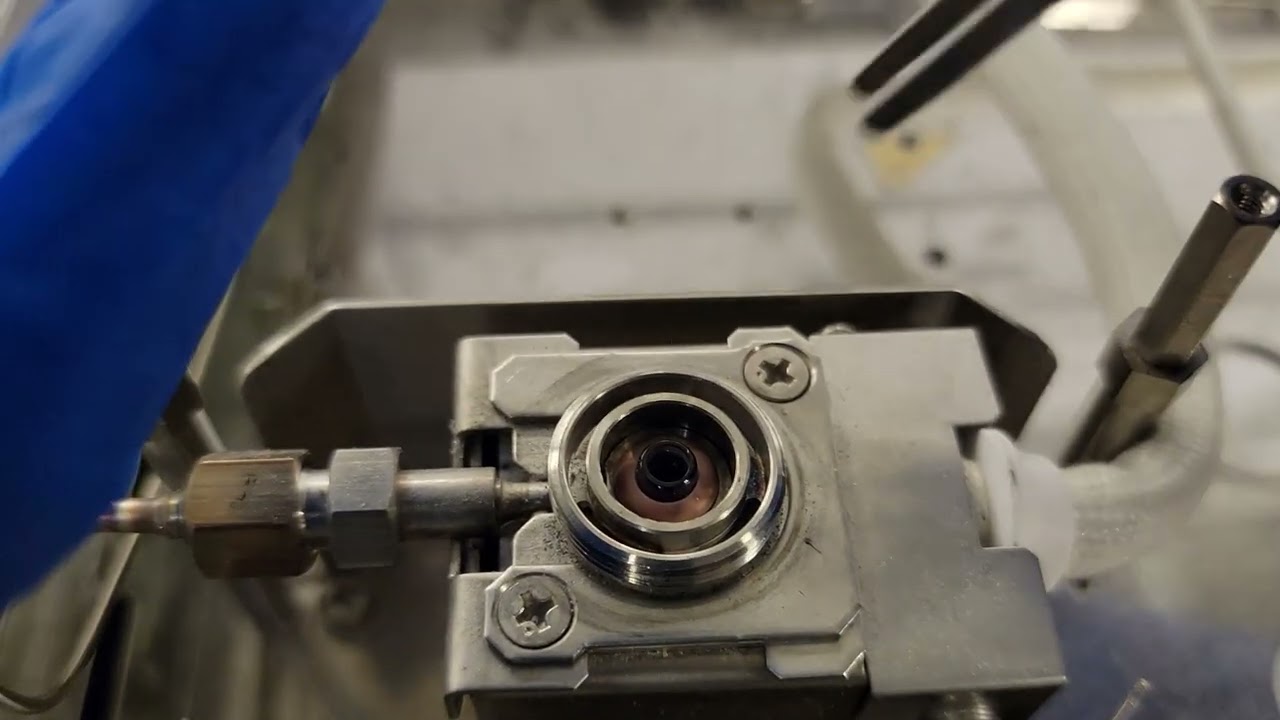




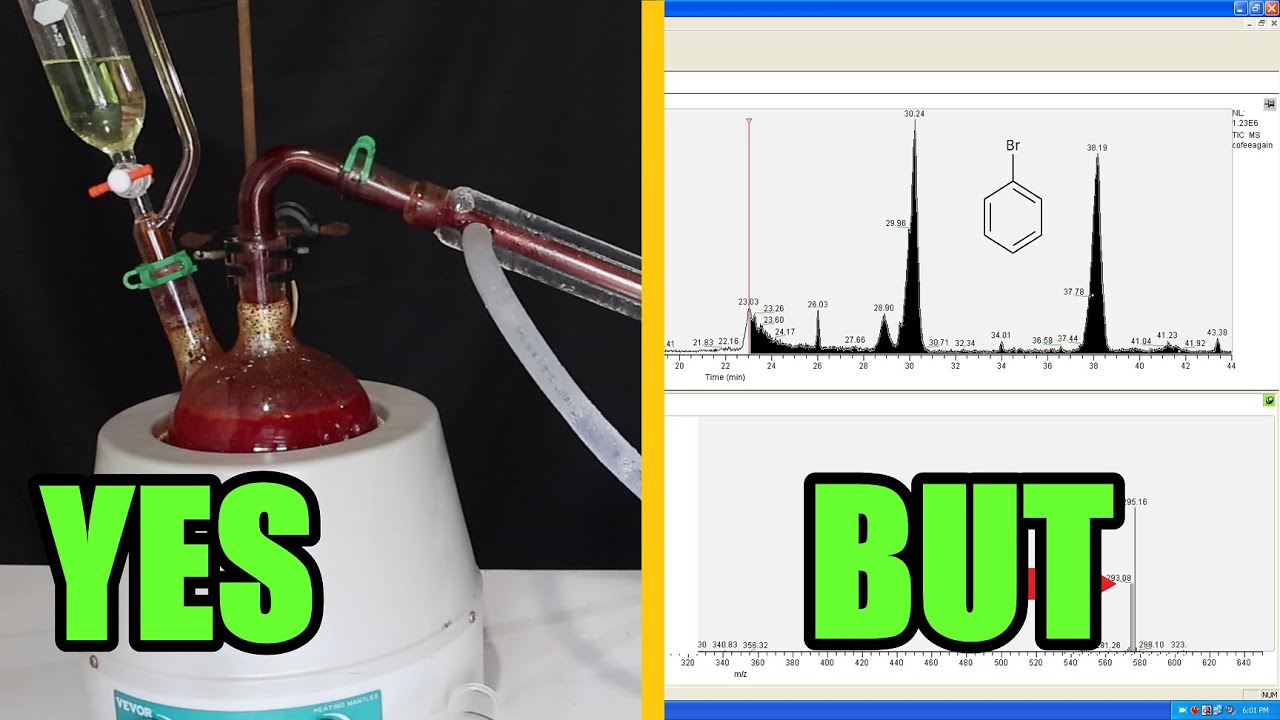
This instructional video demonstrates the complete workflow for operating a Gas Chromatography-Mass Spectrometry (GC-MS) system, including sample preparation using a 20 ppm sample, proper syringe insertion technique, critical parameter settings (column temperature 60°C, injection temperature 200°C, carrier gas flow rate 1 mL/min, and solvent cut time 1.7 minutes to prevent MS saturation), method saving and downloading, automatic sample washing and injection, and data analysis through peak integration and similarity search to identify compounds like benzene, toluene, and xylene isomers.
GC-MS Instrumental Analysis Tutorial | UTA CPB 215 Lab
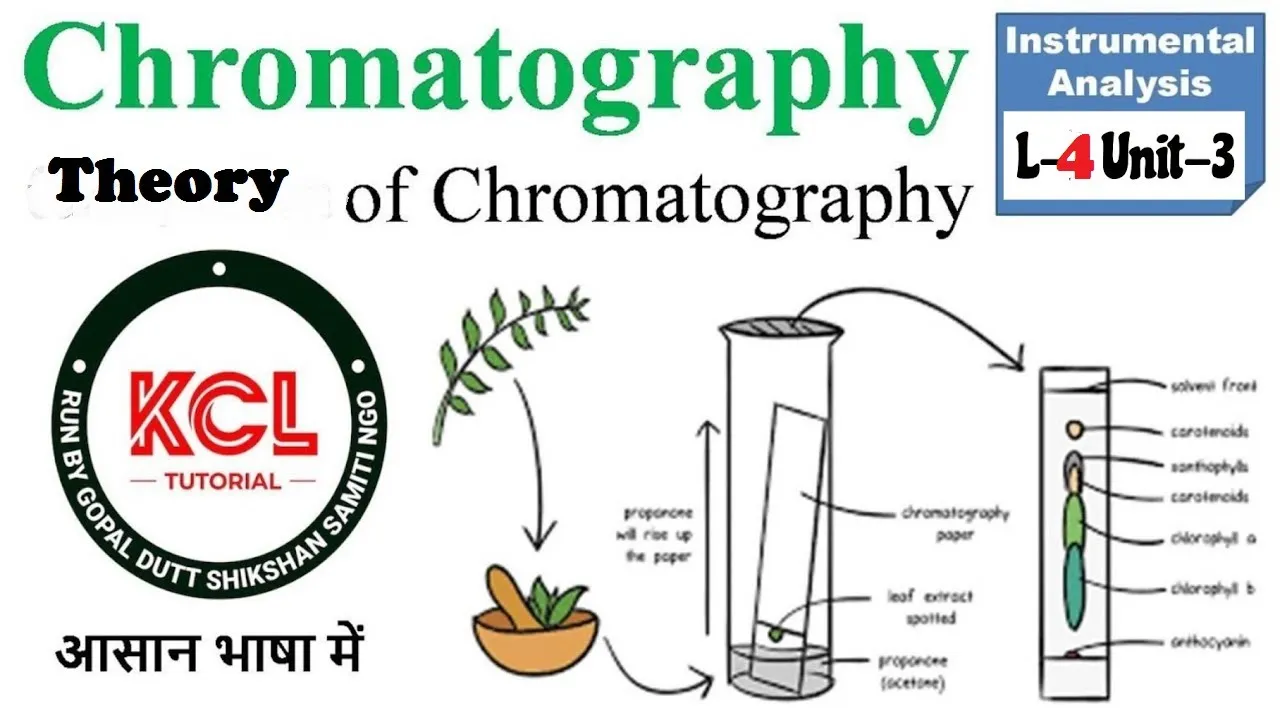
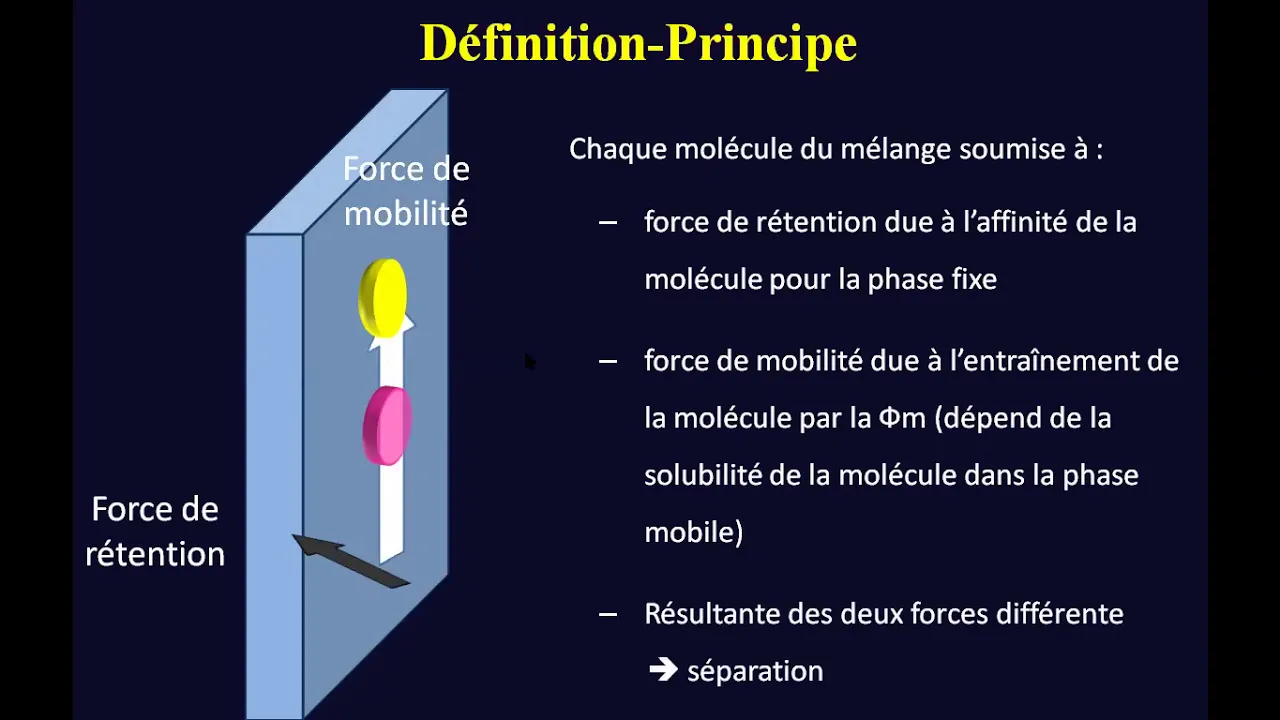
Added:Fundamental principles of chromatography, including stationary and mobile phases, retention time, and separation mechanisms.
Basic concepts of mass spectrometry, including ionization techniques, mass-to-charge ratio (m/z), and mass analyzers.
Standard laboratory safety and wet chemistry techniques, specifically sample preparation, dilutions, and solvent selection.
The physical and chemical properties of organic molecules, particularly volatility, thermal stability, and polarity.
Quantitative analysis techniques, including the use of internal standards, calibration curves, and calculating limits of detection (LOD).
Troubleshooting and routine maintenance of GC-MS hardware, such as replacing septa, liners, and column conditioning.
Advanced mass spectrometry methods, such as tandem mass spectrometry (MS/MS) and alternative ionization modes like Chemical Ionization (CI).
Real-world application of GC-MS in fields such as forensic toxicology, environmental testing, and metabolomics.
630 views4likes11:53Original Release: 2017-01-10
[Music] the siphon leader for this experiment is 20 ppm of mythix which means you can see and I prepared a sample G c1 now I'm gonna show you how stick to everything it is cement I fix the care for the gypsy boy that is aware should be almost school to make sure that they have an arsenal now I put the sample into the sample holder if you look at here we have different numbers now I put my sample in position one we have positions from 1 to 25 here so the first one is 5 the 1 2 3 4 5 6 so on so forth and then before Egyptian we should make sure that we are in the LOC corner of if you look at here it is now off if you are not in the SOC parameters by pressing the options we go to the AC parameters and then here we go to AC power and then we turn it off finally we press Enter then I should put there - Solly this is the GC syringe and this is the sewage folder by sliding very smoothly I put the Jesus syringe into the GC folder into the syringe holder and then I first insert the tip of the syringe this hole here let me show you this hole exactly here and then by keeping the instrument then I should insert the plunger holder to the top of Jesus syringe and then by changing the position of this belt I'll move it down and then insert the plunger holder to the position it should be then it is in the lowest position I tied the knot and to make sure that we have fixed the plunger holder I check it by changing the position of this belt again as you can see here the syringe can work so now we make sure that the autosampler can work properly then we close the instrument is an echo so first of all we should cancel the eco mode now we can use the instrument first we go to the Santen logging which is a name for the sample name for example I use pickax and then the sample ID is 1 then we choose take way for the data saving for example I use children data 4265 we are in Section 301 so the file name by and then the most important part is still a file repress it and then modify by games and finally we choose the most recent one which is working it's 2016 and then be okay finally depression the Nexus step we go to data acquisition important parameters are common temperature which is 60 degrees C for this instrument for this experiment and then the injection temperature of 200 degrees C and then the injection all these these parameters are important but if we choose the color flow rate as one milliliter per minute the other parameters will change to fix the color slower then we go to and as parameters 250 degrees Arsenal selected for Emma's kilometers and now the most important part is solvent cut time because the concentration of solvent is very high if we don't use the solvent cut time appropriately the solvent will be detected in the mass spectrometer and then the MS will be saturated so the time that the solvent is going out of the column is below 1 point 7 minutes in this parameter so I select one point seven to make sure that no solvent is detected in the sand in the and as to prevent saturation now the method is ready to be saved so we said the method in the case that we wanted to say network for the next sessions the having before downloading the method we should make sure that the AC power is on and then we save the method here we go - quiet and then save method as which was a direction here and then where our method and save you know our presto mode after their repairs download the instrument will be ready to do their data analysis we should wait for some moments and then the instrument will automatically start they can sample as you can see it automatically takes the sample from wild position number one and then inserts before taking the sample the instrument automatically washes the series for I think three or we can adjust it two more times but at least we should wash the series for three times with the solvent as you can see here the syringe is being washed in solvent and then it takes the sample for several times to make sure that we have pure sample and now the sample is injected to the country [Music] now the juicy results are ready to be analyzed as you can see here which is the results have some baseline which are detected as Peaks so first of all we have to remove this piece because they are just noise we should right-click and then choose pick integrate and then select all tonight press ok so as you can see the baseline is removed so we have just a cup for the base Peaks we have benzene to Lewin and three peaks for three different isomers of silence or food island metals I then and photos item if we choose any pitch here by adding a pig for example this one and then removing the baseline we can see the results of MS for this speech if we go to similarity search we can see the proposed material with such a mass to charge ratios let's try another pitch for example now I chose this speech and remove the baseline and we go to similarity search you can see that this date is benzene [Music] now let's select the second peak begin are you the best line we got you the similarity search it is stolen [Music] and finally these are Silas thank you for watching this video
Up Next

14:09
Airfoil Aerodynamics: Lift, Drag, and Pitching Moment | Lecture
@Drganguli
855 views•2023-08-13
30:32
Ultrasonic Transducers: Resonant Frequency Measurement and Horn Design
@imajeenyus42
229.9K views•2017-02-22
54:16
Polymer Environmental Degradation: Mechanisms & Stabilization
@iit
1.8K views•2012-07-10
33:39
How a Student's Question Saved a NYC Skyscraper from Collapse
@veritasium
22.8M views•2025-04-26
Related Study Plans & Knowledge Roadmaps
Structured learning paths in Engineering
engineering
Building Acoustic Levitators: Physics & Arduino
01The Physics of Sound and Standing Waves
02Piezoelectric Transducers and H-Bridge Drivers
03Arduino Programming: Generating 40 kHz Signals
+ 2 more learning modules
14h5 modules
Explore Roadmap
engineering
Building Peltier Cloud Chambers: Particle Tracks
01Cosmic Rays & Cloud Chamber Physics
02Thermoelectric Cooling (TEC) Fundamentals
03Custom Liquid-Cooling Loop Design
+ 2 more learning modules
18h5 modules
Explore Roadmap
engineering
Yagi-Uda Antennas: Modeling, Build & VNA Test
01Introduction to RF and Antenna Fundamentals
02Yagi-Uda Antenna Design Principles
03Antenna Modeling and Simulation in 4NEC2
+ 2 more learning modules
18h5 modules
Explore Roadmap
engineering
ECG Monitor Design: Op-Amps, Filters & Noise
01Electronics & Breadboard Basics
02Op-Amps and Instrumentation Amplifiers
03Bioelectricity and ECG Fundamentals
+ 2 more learning modules
18h5 modules
Explore Roadmap