




















Seawater reverse osmosis is a desalination process that converts saline ocean water into fresh drinking water by forcing seawater through semi-permeable membranes under high pressure (up to 1,000 psi), which separates water molecules from dissolved salts; the process includes pretreatment stages using multimedia filters and cartridge filters to remove particles, followed by membrane separation where approximately 40% of the seawater becomes potable water while the rejected concentrated salt stream is returned to the ocean through carefully designed outfalls, with energy recovery devices capturing up to 98% of the concentrated stream's energy to reduce operational costs.
Seawater Desalination via Reverse Osmosis: Process & Technology
Added:The concept of natural osmosis, osmotic pressure, and the function of semipermeable membranes.
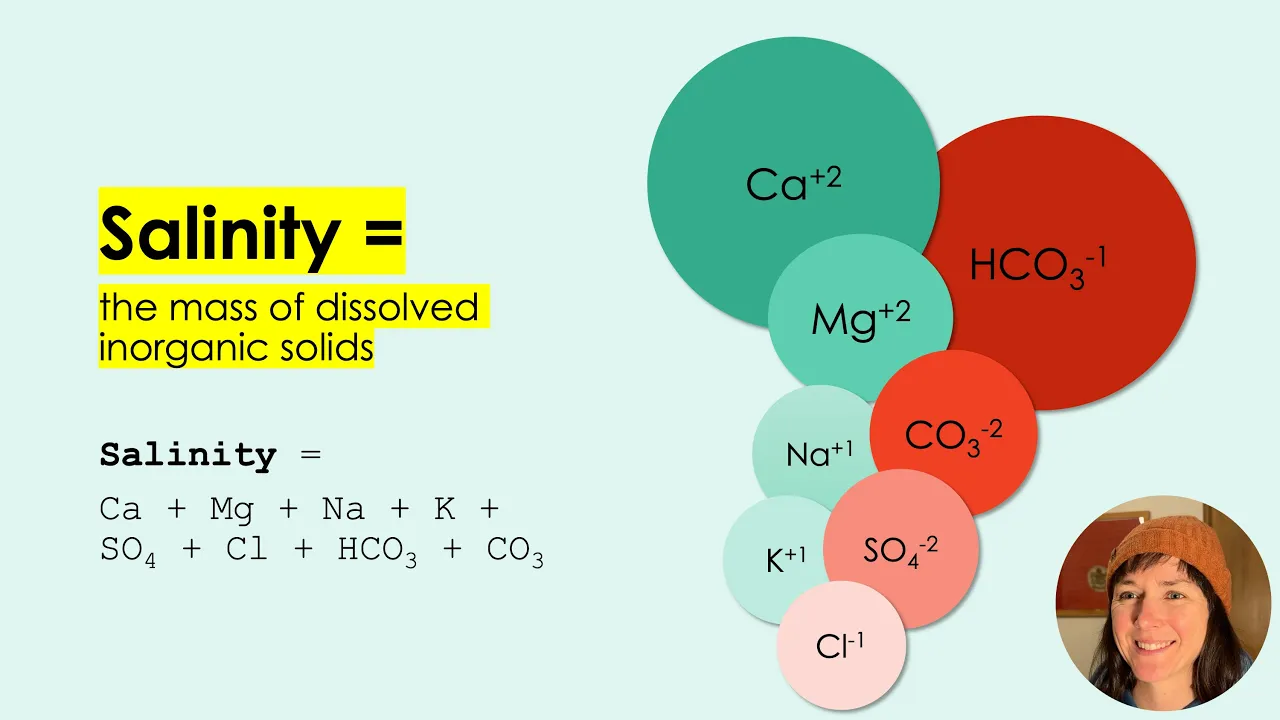
Basic water chemistry, including the definition of salinity, total dissolved solids (TDS), and ionic solutes like sodium and chloride.
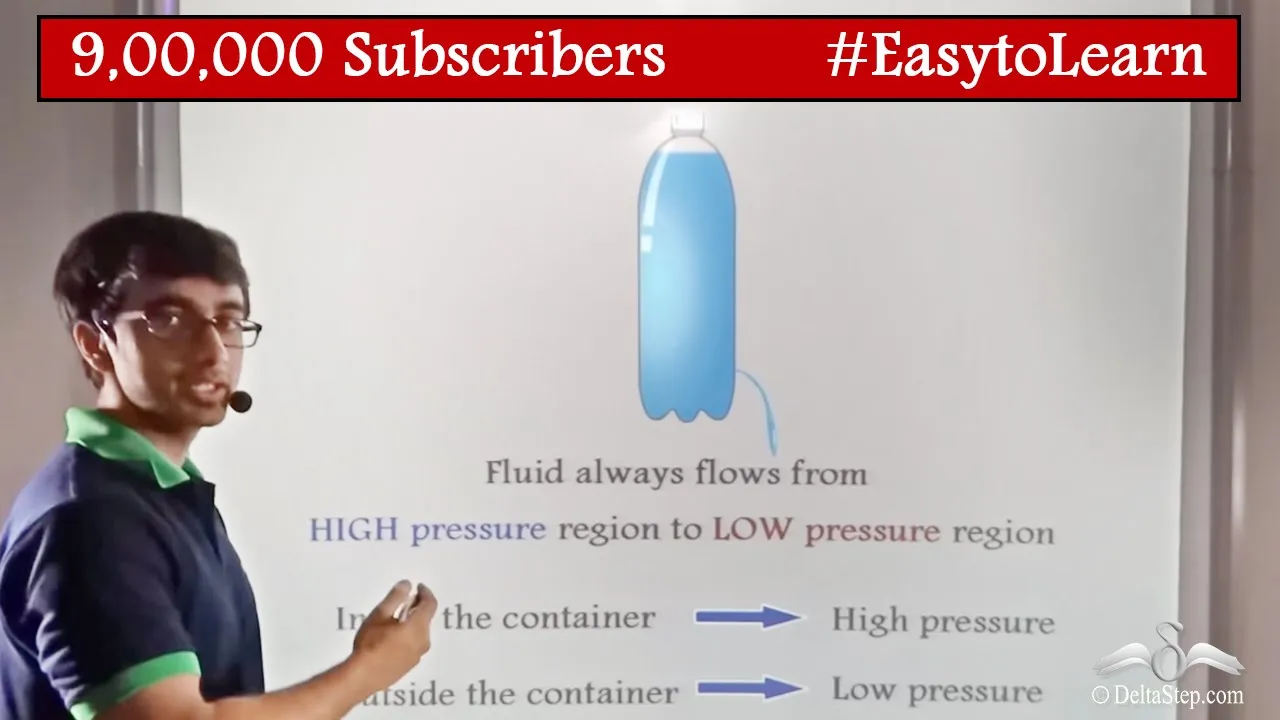
Fundamental principles of fluid dynamics, specifically how pressure drives fluid flow through barriers.
The distinctions between basic filtration levels, such as macro-filtration versus micro- and ultra-filtration.
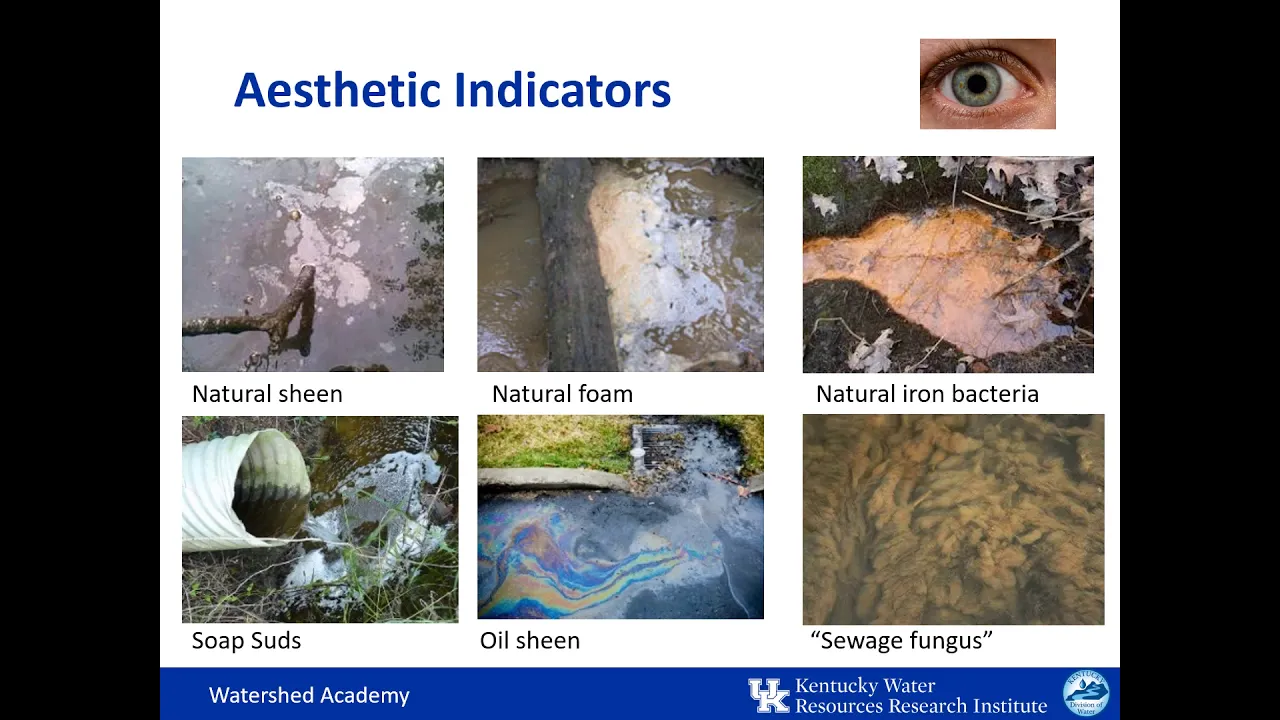
Environmental impacts of desalination, focusing on brine disposal, marine ecosystems, and mitigation techniques.
Advanced energy recovery technologies, such as isobaric energy recovery devices used to lower operational costs.
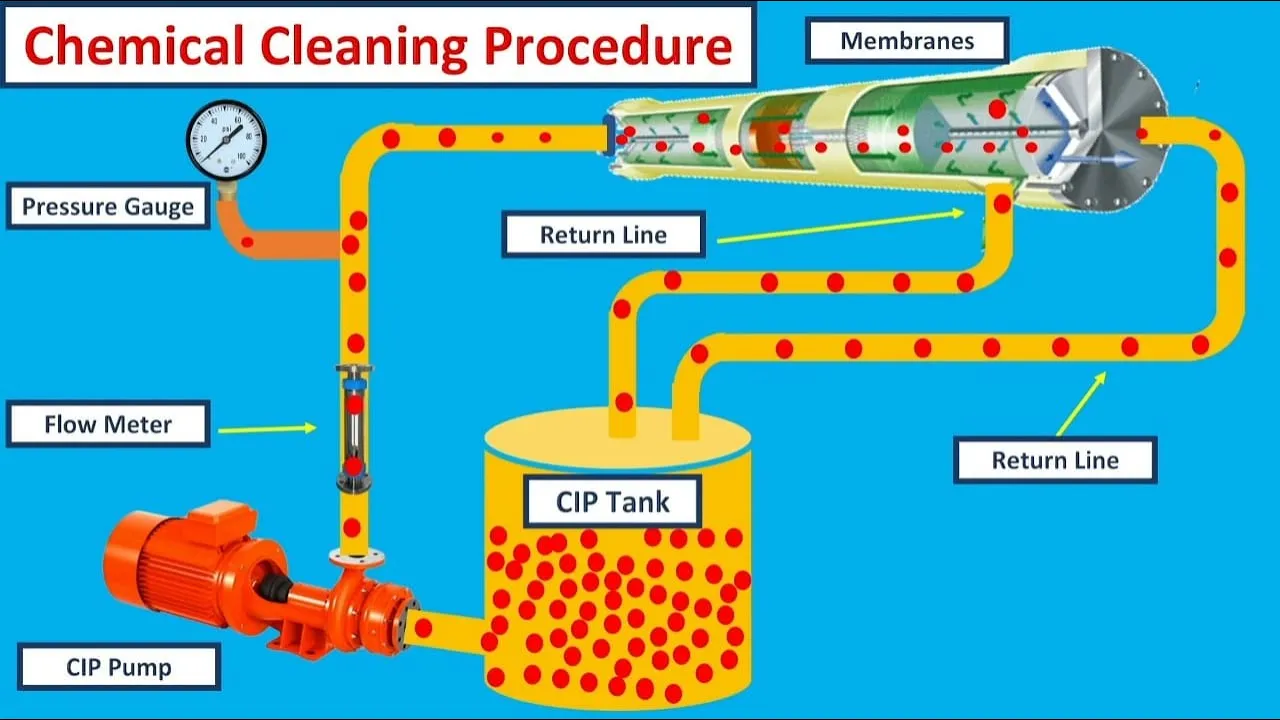
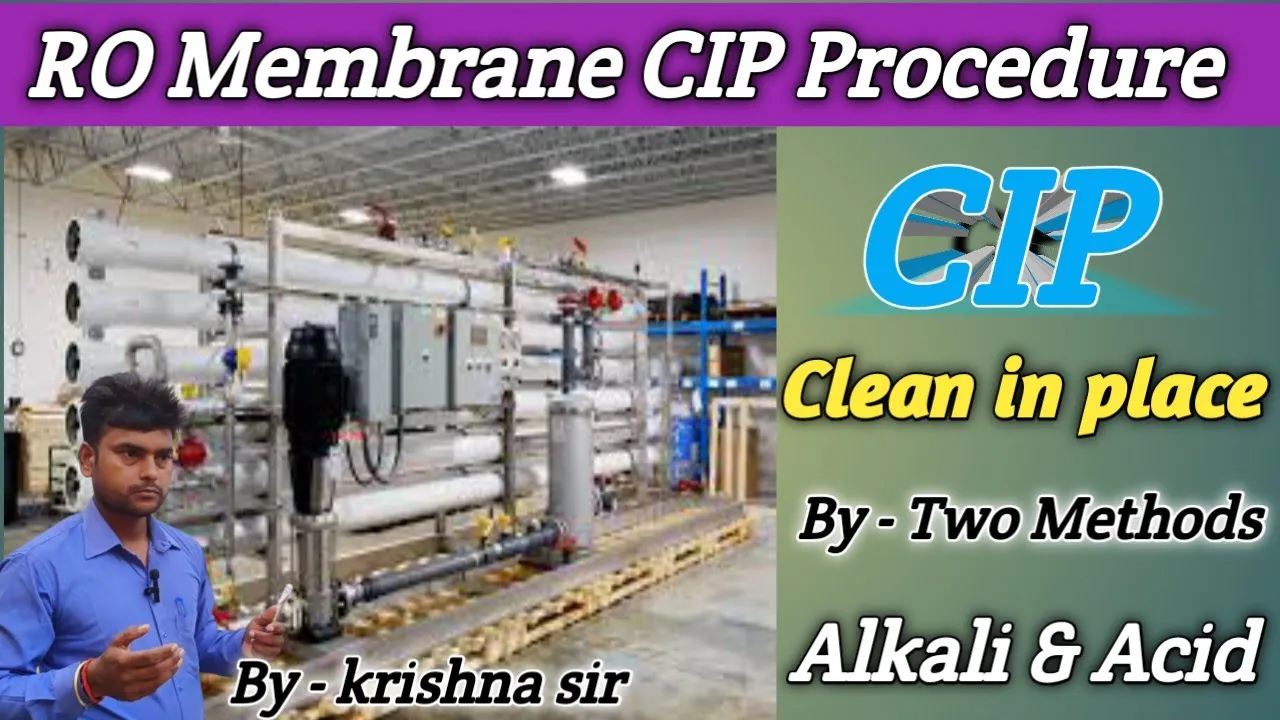
The chemistry of membrane fouling and scaling, and the design of chemical pretreatment and clean-in-place (CIP) systems.
Comparative analysis of alternative desalination methods, such as multi-stage flash (MSF) distillation and forward osmosis (FO).
3.6M views27.8Klikes6:41Original Release: 2013-05-01
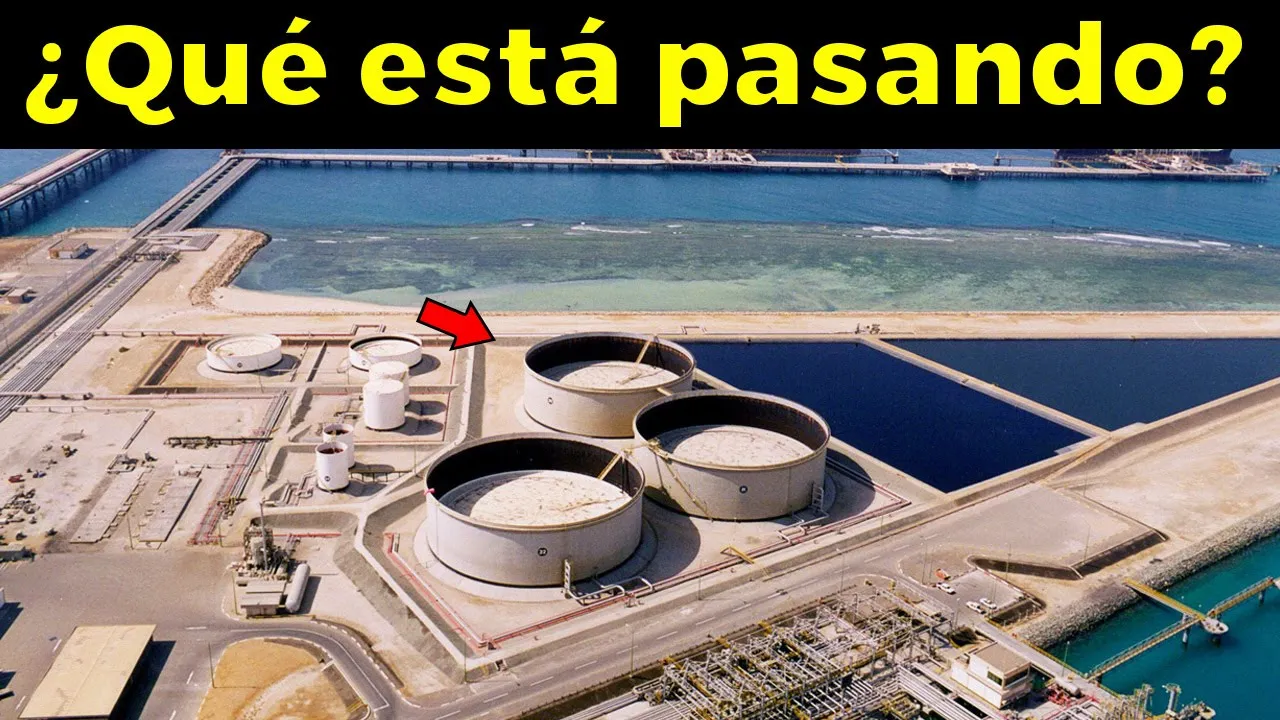
as the Earth's population continues to grow and develop our limited freshwater resources become increasingly scarce we are fortunate that the Earth's oceans offer an alternative and can provide a sustainable supply of potable water sea water can be economically and reliably converted to potable water through a process known as sea water reverse osmosis the process starts by extracting water from the ocean using wells located on the shoreline or by using an intake structure located in the open ocean osmosis is a naturally occurring process where a solvent such as water passes through a semi permeable barrier the semi permeable barrier or membrane allows some things to pass through it but not others in nature the direction of flow through the membrane is from a less concentrated solution such as fresh water to a more concentrated solution such as seawater until equilibrium is reached reverse osmosis is when the opposite occurs by pressurizing the concentrated solution the seawater we are able to force water molecules to pass from the salty seawater solution through the membrane to the freshwater to protect the reverse osmosis membranes from becoming clogged by solid particles that can be suspended in the seawater the seawater is filtered before passing through the membranes this is accomplished by using multimedia filters which are tanks or vessels containing a series of layered granular materials these materials can be anthracite garnet sand pebbles and/or gravel which are assembled in layers the filters remove sand twigs seaweed and other particles from the sea water in some cases other types of membranes known as ultra filtration and micro filtration membranes are used instead of multimedia filters to pretreat the sea water next the filtered sea water travels to the cartridge filters which act as a second stage of filtration cartridge filter is used for sea water reverse osmosis are typically made from a yarn like synthetic material that is wound into cartridges these remove even smaller solid particles from the sea water such as fine sand and clay before the sea water proceeds to the reverse osmosis membranes high-pressure pumps increased the pressure of the seawater up to 1,000 psi the pressure needs to be sufficiently high to overcome the naturally occurring osmotic pressure and force water from the saltwater side through the reverse osmosis membranes to the freshwater side the salt particles in the seawater are rejected from passing through the membrane to the freshwater side and remain behind on the concentrated saltwater side the reverse osmosis membrane can be thought of as a number of sealed envelopes connected at their open ends to a tube there are spacers between each envelope which allow water to flow across the membranes the membrane envelopes and spacers are then wound around the tube like a roll of paper towels the reverse osmosis membranes are then enclosed in a fiberglass shell the membranes are connected end to end usually six to seven membranes together and housed in vessels that are built to withstand pressures up to 1200 psi as the pressurized sea water enters the pressure vessel and flows across the membrane surface the water molecules are forced into and through the membrane envelopes leaving the salt molecules behind the desalted water passes through the membrane and emerges at low pressure where it is collected in a tube and directed to one end of the pressure vessel the concentrated salt stream that is rejected from flowing through the membrane continues to pass across the membrane surface where it is collected separately the concentrated salt stream retains about 55% of the total energy of the seawater stream that was originally fed to the membranes to reduce the energy that is required to operate the reverse osmosis plant the pressurized concentrated streams piped into an energy recovery device here up to 98% of the energy of the concentrated salt stream is transferred to an equal volume of the incoming seawater in an isobaric energy recovery device the energy recovery device significantly reduces the plants operating costs by recovering the concentrated salt stream energy and using it to pressurize 60% of the sea water that is fed to the membranes the concentrated salt stream will have about a 60% higher salinity than the incoming seawater the concentrated salt stream is sent back to the ocean through a brine disposal well or a device known as a brine outfall the brine outfall is situated in an area of significant ocean flow so that the salt levels are quickly returned to equilibrium with the ocean the location for the outfall should contain no sensitive marine ecosystems in a properly designed brine outfall no noticeable increase in salinity can be detected at a distance of a few meters from the discharge the pressurized sea water leaving the energy recovery device has its pressure boosted by a small booster pump so that it is at the same pressure as the sea water leaving the high-pressure pump the boost is necessary as some pressure has been lost as the stream travels through the reverse osmosis system approximately 40% of the sea water that enters the system is converted to potable water during the reverse osmosis process the potable water is further treated by adding calcium carbonate to improve the taste and bring the pH to the neutral range chlorine is also injected to provide disinfection properties as the water travels from the reverse osmosis plant through the distribution pipes to homes and businesses when proper conservation of natural water resources is practiced water reuse has been applied and a water deficit still remains sea water reverse osmosis can offer a sustainable alternative with good stewardship it can provide life-sustaining water for coastal communities desalted water supplies which are not susceptible to drought and other natural disasters can provide a clean safe potable water supply you you
Up Next

2:41
Desalination's Environmental Toll on Gulf Marine Ecosystems
@aljazeeraenglish
78.7K views•2009-05-15

12:54
Triumph of Orthodoxy Icon: Byzantine Art & History Explained
@BenCallan
2.1K views•2024-08-06

9:49
FastAPI vs Flask vs Django: Choosing the Right Python Web Framework
@TechWithTim
302.5K views•2024-05-26

1:42
Game of Thrones Opening Credits: A Cinematic Analysis
@gameofthrones
46.3M views•2011-04-18
Related Study Plans & Knowledge Roadmaps
Structured learning paths in General & Interdisciplinary Studies
general-studies
Elevator Engineering: History, Physics & Cities
01From Hoists to Safety Brakes: The Dawn of Vertical Lift
02Hydraulic vs. Traction: The Engineering Physics of Elevators
03Modern Speed, Safety, and Algorithms
+ 2 more learning modules
12h5 modules
Explore Roadmap
general-studies
Rubber: Material Science, History & Geopolitics
01Origins of Natural Rubber & Mesoamerican History
02The Chemistry of Natural Rubber & Vulcanization
03The Geopolitics of the Rubber Boom & Colonization
+ 2 more learning modules
12h5 modules
Explore Roadmap
general-studies
Containerization: Evolution, Logistics & Trade
01Ancient Trade & Bulk Cargo: Amphorae to Barrels
02The Industrial Revolution & Cardboard Packaging
03The Containerization Revolution: Malcom McLean
+ 2 more learning modules
12h5 modules
Explore Roadmap
general-studies
Textile Tech: Evolution, Labor & Global Impact
01Pre-Industrial Textiles: Handloom & Cottage Industry
02Mechanization: The Spinning Jenny to the Power Loom
03The Factory System & Global Labor Transformation
+ 2 more learning modules
10h5 modules
Explore Roadmap