












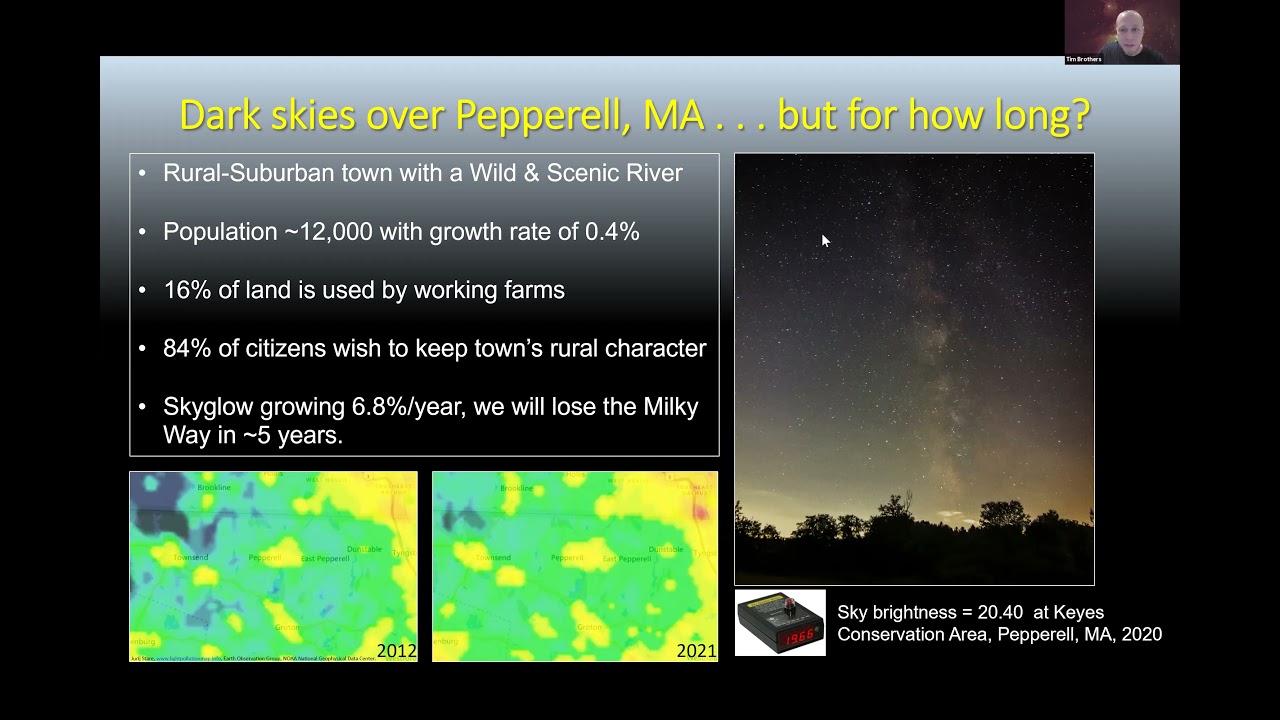
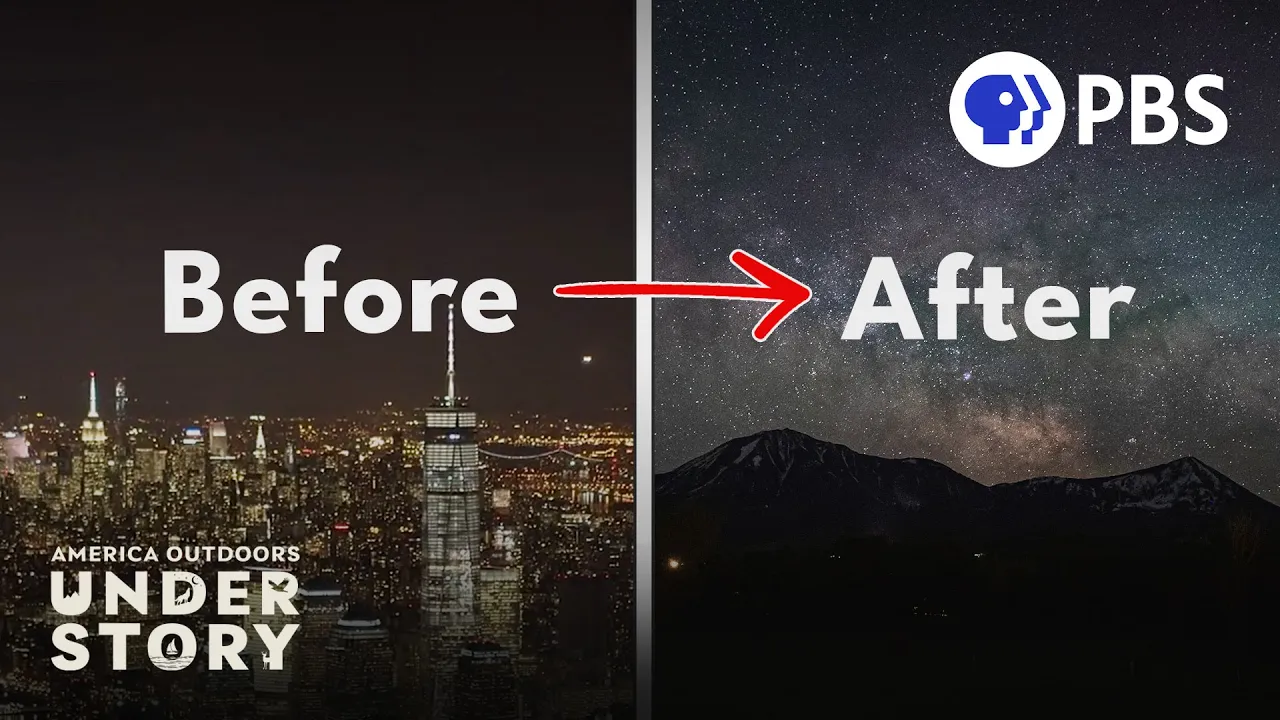





Light pollution—the overuse and misuse of artificial light at night—is a solvable problem that wastes billions of dollars annually, harms human health through disrupted sleep and circadian rhythms, threatens wildlife including sea turtles and migratory birds, and obscures our view of the stars; however, smarter lighting practices such as using fully shielded fixtures, motion sensors, and appropriate brightness levels can reduce this pollution while maintaining safety and saving energy.
Light Pollution at JMU: A Full Dome Planetarium Film
Added:The basic classification of light pollution types, including skyglow, glare, light trespass, and clutter.
The biological importance of circadian rhythms and how artificial light at night (ALAN) disrupts human health and nocturnal ecosystems.
Fundamental principles of observational astronomy, specifically how light interference and atmospheric scattering affect the visibility of stars.
Techniques for measuring night sky quality using instruments like Sky Quality Meters (SQMs) and participating in global citizen science projects.
The engineering and design of dark-sky compliant lighting fixtures, including concepts of shielding, spectrum control, and adaptive lighting technology.
Environmental policy, local zoning laws, and advocacy strategies for implementing municipal and campus-wide dark-sky ordinances.
9.5K views44likes9:48Original Release: 2015-03-24
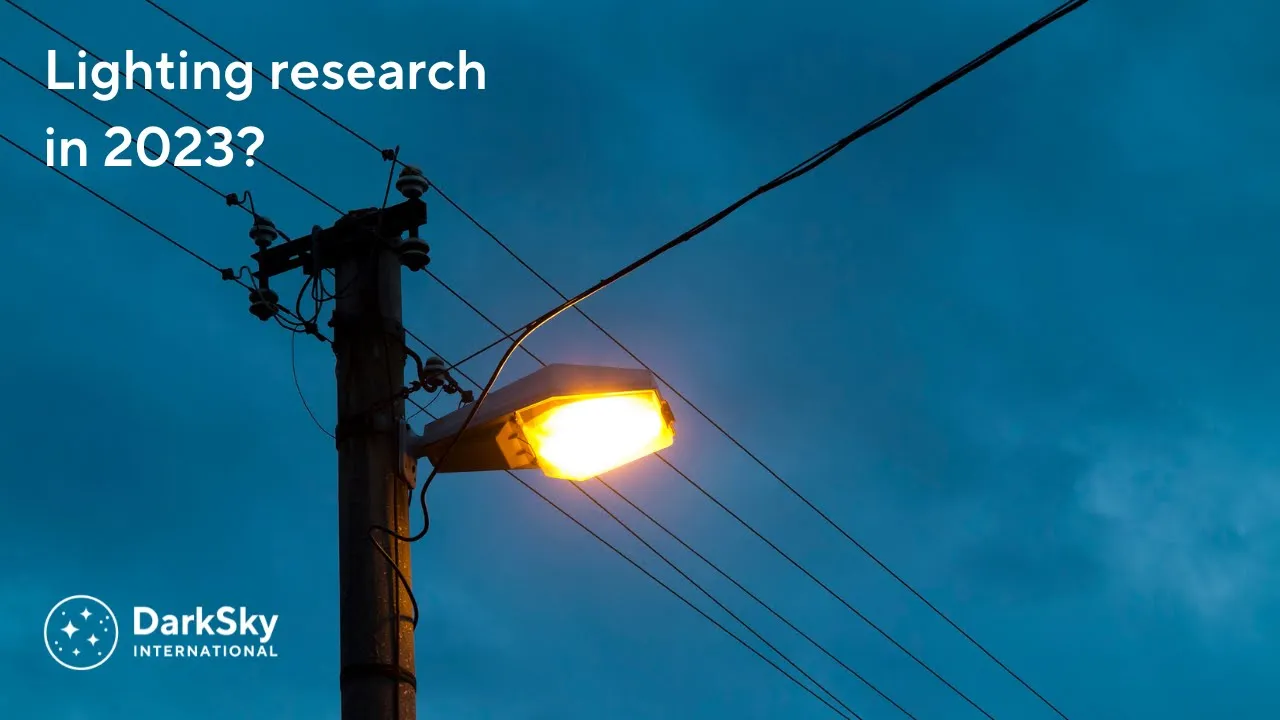
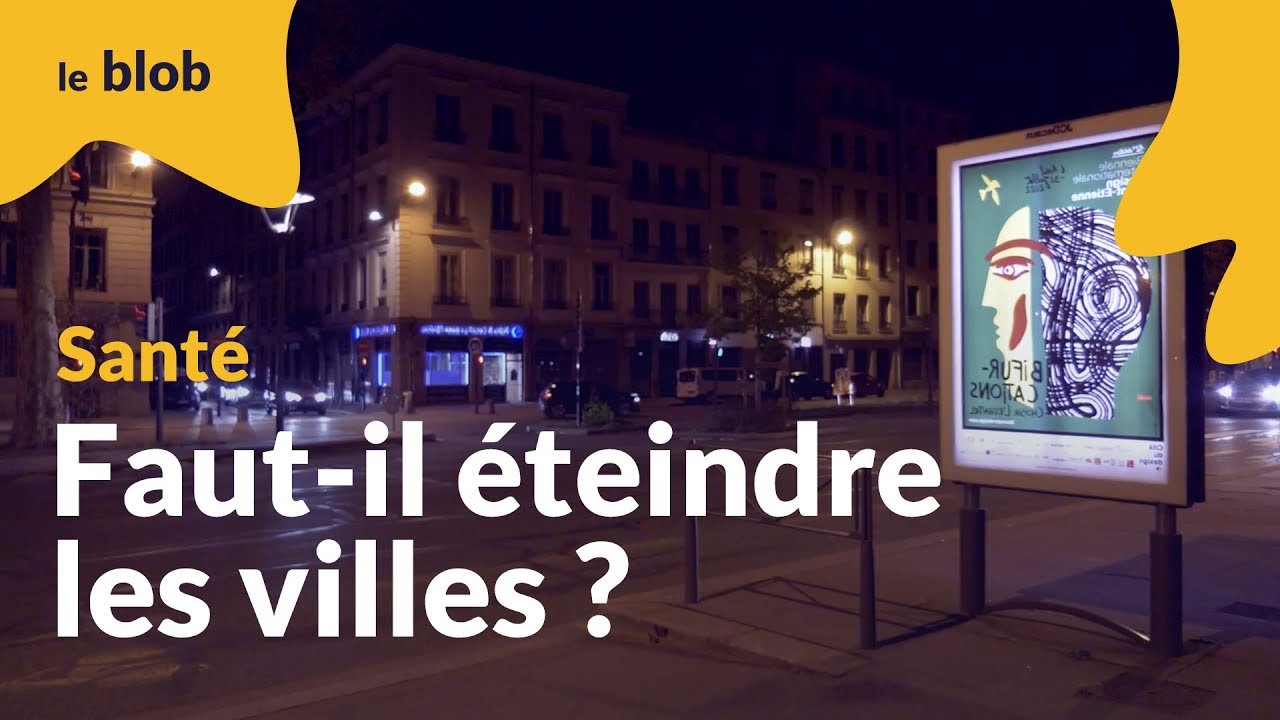
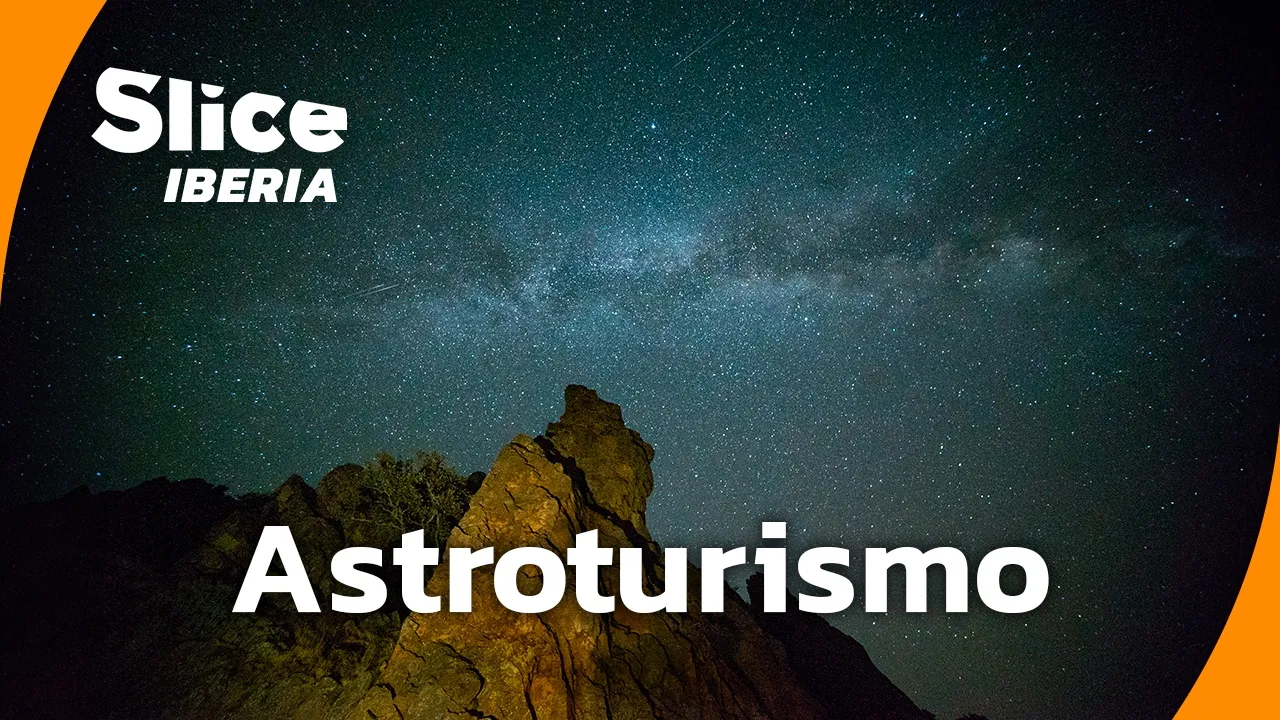
only a few decades ago Harrisonburg Virginia was a small town in the shanoa Valley now it's a bustling City with over 50,000 residents and it's continuing to grow home to one of Virginia's finest State schools James Madison University Harrisonburg faces one of the most overlooked problems in City growth light pollution the overuse and misuse of artificial light at night light pollution plagues every modern city in town needlessly wasting money and energy making our nights more dangerous and impacting our health and the health of the ecosystems on which we rely the good news light pollution is well within our ability to control and to do so would benefit us all the most common types of light pollution are sky glow that orange white glow over every city of any size glare blinding light shining in all directions and light trespass when lights from one property trespass onto another every Community shares a similar recipe for light pollution street lights and parking lots are the main ingredients but Stadium lighting gas stations electronic Billboards security lights decorative lighting and more add up quickly it's important to recognize that artificial light at night alone isn't the problem it's how we too often use it wastefully irresponsibly without care too often our lights shine straight into the sky which doesn't make anyone any safer or they shine horizontally like a barn light or pole light shining from miles in all directions or a neighbor's light shining through our bedroom window in addition we're lighting more things all the time and we're lighting them more brightly for example in the past 20 years our gas stations and parking lots have grown 10 times brighter and now as LED lighting comes to every city in town our nights May grow brighter still but don't we need all this light for Safety and Security actually we don't there's no doubt that some light at night can increase our Safety and Security but because of this we tend to think that increasing levels of light will make us even safer and this just isn't true in fact more light can actually reduce our safety unshielded lights cast Shadows where potential perpetrators can hide cause glare that makes it more difficult for us to see and perhaps worst of all create the illusion of safety lights alone don't make us safe true safety at Night comes from using light responsibly and from making smart choices about where we go with whom and when far from being contradictory goals lighting our nights for safety and controlling light pollution go hand inand light pollution is costly in several ways life on Earth evolved with bright days and dark nights and needs both for Optimal Health newly hatched sea turtles are drawn by street lights away from the safety of the ocean and crushed under car tires Birds migrating at night as do more than 400 species in North America alone are drawn toward lights and crash into buildings some cell phone towers and other structures and with insects our lights act as vacuums hoovering this protein from the ecosystem with impacts felt up and down the food chain but these are just a few examples as light pollution destroys the habitats of nocturnal species in ecosystems all over the world and disturbs nearly every living thing on Earth and that includes us the human body has never evolved to be exposed to artificial light at night and studies increasingly show that exposure to artificial light at night is negatively impacting our physical health primarily in three key ways first light at night disrupts our sleep contributing to The Sleep disorders that are tied to every major disease we're fighting in the modern world including diabetes and obesity second light at night confuses our circadian rhythms those internal rhythms that orchestrate our body's healthy functioning and third third artificial light at night impedes our body's production of the hormone melatonin and this has been linked to an increased risk for cancer in fact the United Nations World Health Organization now considers shift work a probable carcinogen women who work the night shift have a 1 and a half to two times the rate of breast cancer than women who don't and studies now make the same link between men and prostate cancer but even if we don't work the night shift even if we don't leave our house our bodies are being exposed to more light at night than ever before as we stare at our screens computers tablets smartphones televisions all of which are heavy with the blue light that scientists tell us is the worst kind of light for us at night finally light pollution represents an enormous waste of resources the international dark sky Association estimates that light pollution costs more than $110 billion annually worldwide because light pollution is primarily caused by the unnecessary overuse and misuse of light at night controlling it can help cities towns and even college campuses save money while improving safety and bringing back some of the Stars so how do we solve light pollution we can take action in our homes at work and in the communities where we live each of us can help spread awareness of the the serious costs from light pollution and its ready Solutions first it's important to ensure that any newly installed lights are fully shielded meaning the light can only shine downward where we need it not into the sky our eyes or our neighbors homes next we can start to replace improperly shielded lights here at JMU the lights on the quad are a good example of improperly shielded fixtures that direct light in every direction including up we can reduce excessive lighting especially late at night when few of us are out such as the acorn lamps found on South Main Street passing through campus we can install motion sensors and use lower wattage bulbs we can turn off any lights we don't need like those on the sides of buildings and we can turn off lights when we're not using them whether they be on our front porch at home or like those on the Ure turfs lacrosse fields and the football stadium finally we can work to ensure that our communities have lighting guidelines that make clear what types and levels of light can be used cities towns and neighborhoods all over the world have successfully adopted lighting ordinances that help increased safety at night while lowering energy costs and cutting light pollution because of our Central role in Harrisonburg James Madison University has an opportunity to be an example of good lighting to the city and county as well as to schools all over Virginia and Beyond and because of its unique place in Virginia Harrisonburg has an opportunity to be an example for communities all over the state the region and the country in furthering its sustainability goals while reducing light pollution over the past few decades our nights have grown brighter and brighter we're now using far more light than we need to wasting money and endangering ourselves and the life around us but of course there's something else we have needlessly robbed ourselves of a starry night estimates are that eight of 10 children born in the USA Today will never live where they can see the Milky Way and that the vast majority of these Americans will never see the Milky Way at all we have taken what was once one of the most common and inspiring of human experiences that of walking out your door and coming face to face with the universe and made it one of the most rare for thousands of years the night sky has inspired spiritual reflection personal meditation philosophy science works of art who can quantify the costs from our not seeing a real night sky it doesn't have to be this way we can choose to light our communities thoughtfully and responsibly in ways that enhance safety and save energy and even bring back some of the night sky in fact if we were to properly install fully shielded fixtures and turn off unused lights here in Harrisonburg it might look something like this that hazy Cloud running across the sky is the Milky Way our own Galaxy home to more than 100 billion stars and our home in the universe it's up to us whether our children will be able to see this from their Hometown we can choose what kind of nights we want for our community and camp us we have every reason to solve light pollution and now is the time
Up Next

12:08
Dark Sky Friendly Lighting: Dos and Don'ts for Homes & Businesses
@marlboroughdarkskiesfest987
945 views•2020-10-02

12:54
Triumph of Orthodoxy Icon: Byzantine Art & History Explained
@BenCallan
2.1K views•2024-08-06

9:49
FastAPI vs Flask vs Django: Choosing the Right Python Web Framework
@TechWithTim
302.5K views•2024-05-26

1:42
Game of Thrones Opening Credits: A Cinematic Analysis
@gameofthrones
46.3M views•2011-04-18
Related Study Plans & Knowledge Roadmaps
Structured learning paths in General & Interdisciplinary Studies
general-studies
Elevator Engineering: History, Physics & Cities
01From Hoists to Safety Brakes: The Dawn of Vertical Lift
02Hydraulic vs. Traction: The Engineering Physics of Elevators
03Modern Speed, Safety, and Algorithms
+ 2 more learning modules
12h5 modules
Explore Roadmap
general-studies
Rubber: Material Science, History & Geopolitics
01Origins of Natural Rubber & Mesoamerican History
02The Chemistry of Natural Rubber & Vulcanization
03The Geopolitics of the Rubber Boom & Colonization
+ 2 more learning modules
12h5 modules
Explore Roadmap
general-studies
Containerization: Evolution, Logistics & Trade
01Ancient Trade & Bulk Cargo: Amphorae to Barrels
02The Industrial Revolution & Cardboard Packaging
03The Containerization Revolution: Malcom McLean
+ 2 more learning modules
12h5 modules
Explore Roadmap
general-studies
Textile Tech: Evolution, Labor & Global Impact
01Pre-Industrial Textiles: Handloom & Cottage Industry
02Mechanization: The Spinning Jenny to the Power Loom
03The Factory System & Global Labor Transformation
+ 2 more learning modules
10h5 modules
Explore Roadmap