






![dr. L. Maierová: Světlo vs. tma – základní rovnice zdravého života [Fyz. čtvrtek]](https://i.ytimg.com/vi/oVRUpTh3h1U/maxresdefault.jpg)









Dark sky friendly lighting requires directing light only downward onto the ground, avoiding any light above the horizontal plane that creates sky glow, which negatively impacts wildlife (especially bats and insects), human sleep patterns, and star visibility; practical solutions include using fixtures with louvers or refractor stacks, selecting warm white LEDs (2700-3000K) over cold white (5000-6000K), installing motion sensors and timers, and avoiding lighting bat flyways and roost entrances.
Dark Sky Friendly Lighting: Dos and Don'ts for Homes & Businesses
Added:The definition and major categories of light pollution, specifically skyglow, light trespass, and glare.
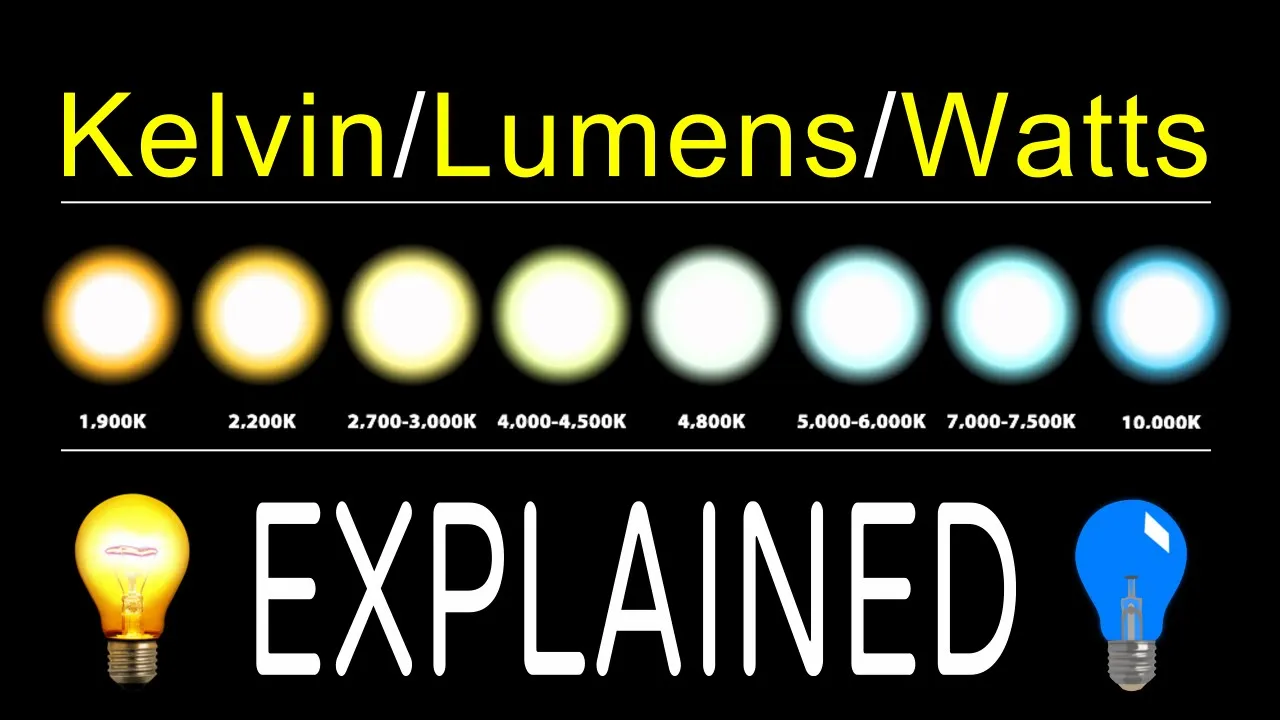
Basic properties of light, including the Kelvin scale for color temperature (warm vs. cool light) and the difference between lumens (brightness) and watts (energy consumption).
The concept of circadian rhythms and how artificial light at night (ALAN) disrupts human biological clocks and wildlife behavior.
Fundamental principles of outdoor lighting, such as the distinction between direct, indirect, and shielded light distribution.
Local municipal codes, zoning laws, and international dark-sky compliance standards (such as those established by DarkSky International).
Integration of smart lighting technologies, including motion sensors, dimmers, and astronomical timers to dynamically control outdoor illumination.
Large-scale urban planning and landscape architecture strategies that mitigate light pollution across entire communities or commercial districts.
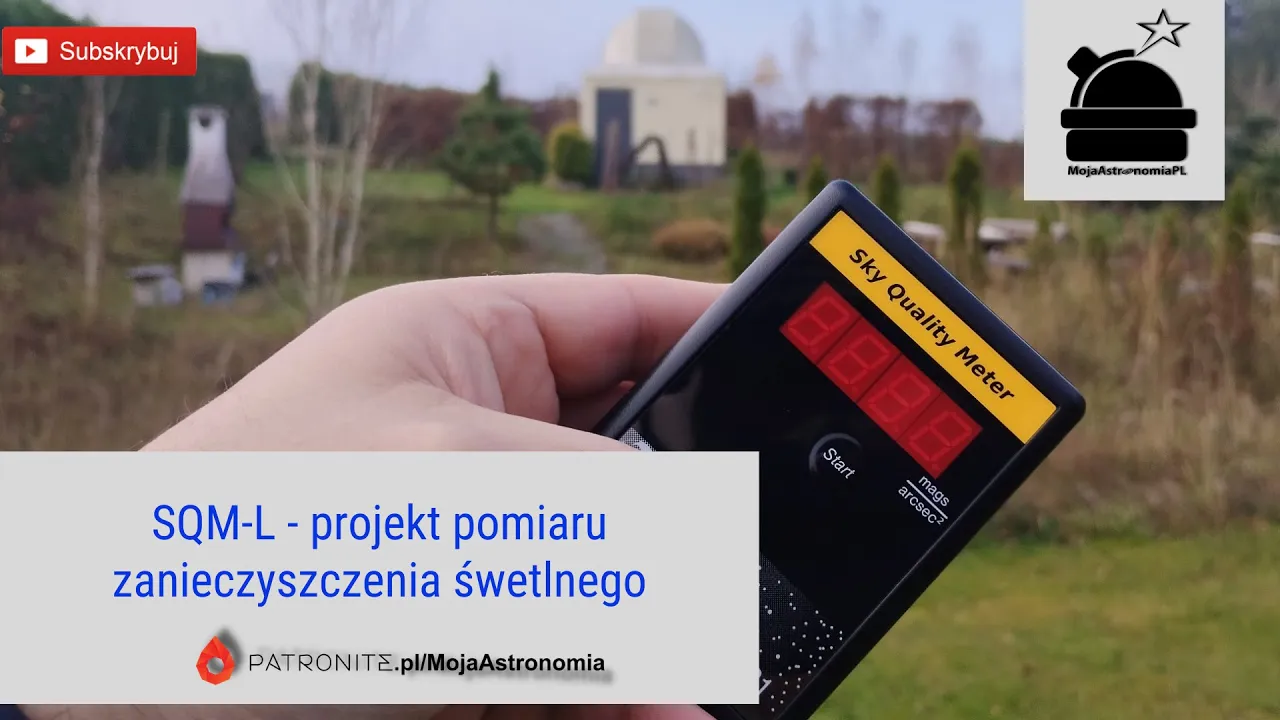
Methods for measuring local light pollution levels using Sky Quality Meters (SQM) and contributing data to global citizen science initiatives.
945 views20likes12:08Original Release: 2020-10-02
hello and welcome to this web presentation dark sky friendly lighting this is part of marlborough dark skies fest at home and it's going to go through the do's and don'ts for homes and small businesses those small businesses could be pubs restaurants schools small industrial or warehouse units i am bob bohannon i am president of the society of light and lighting 2020-21 i'm a lighting designer a lighting consultant and i also teach exterior lighting so what are we going to talk about well first things first why should we control light pollution well light pollution is unnecessary and it impacts on our environment if you've got a neighbor with a huge floodlight on the front of their garage which is putting light through your windows you know it upsets you we could also talk about the fact that if it's affecting your sleep and with all the research on circadian lighting that's not a good thing any light directly in a place into the sky that's a waste of energy so we shouldn't be doing it spill light affects bats and insects if the insects are being attracted to the light then that's where the bats aren't going to be so they can't eat the insects and of course the whole point of what we're talking about today the dark skies fest is the sky glow reduces your view of the stars again if you're in a brightly lit area with a lot of sky glow and lit clouds you can't see the sky so let's go through some of the [Music] a little bit of tech some of the angles if we have a street light outside of our house then we want to be lighting the road and we want to be lighting the pavements either side of the road anything beyond the road or anything behind the column towards your house onto your garden well that's waste light it's not really delivering the road and pavement lighting that you're paying for but anything above the horizontal anything up into the sky while that's creating light pollution that's creating sky glow a certain amount of light also bounces off the ground and into the sky now how do we commonly see light pollution in the sky glow well as you know if you're driving out in the country area and you're approaching a town what used to be that sort of orange cloud in the sky when it was sodium lights and now it's increasingly a white cloud in the sky from leds that's sky glow if you live in a brightly lit area you can't see the skies if therefore control your lighting or go to somewhere in northwest scotland or you know a dark sky park increasingly south down to getting good at this so you know let's look at this more as a local area to our house and our garages how we're going to do it so we have the road that's not our responsibility that's the street lighting this is lighting you're going to deliver if we say you put a flood light above our garage to light our driveway anything which is going beyond the horizontal that's light pollution we just want to light the ground that's the real deal light the ground anything into your neighbor's windows that's obtrusive light that spill light anything into the sky that sky glow and if we look in front of this house they these guys are lucky enough to have a row of trees and beyond that is fields and maybe a bat flyway if our light is going past those trees where those bats are that's going to affect them so let's look at a rogue's gallery why does this often go wrong these days well these are sort of the led floodlights you can commonly get from the diy sheds and wholesalers and to be frank they're not really very good at all for limiting light pollution um what i'm looking at here this little yellow dot that's that's a big led and the alternative where you've got a series of smaller leds they have no optics they have no lenses they just have a front glass these will give you a beam angle of 120 degrees sounds good but i will share in a minute what this means if you put this on your garage or on your house or on the side of your pub or on the side of your industrial unit and you light it aim it fairly sideways yeah you think you're aiming at the ground that 120 degree beam will tip a huge amount of light into the sky plus those leds are very very bright they they are really quite unpleasant for people viewing them let's look at another rogue's gallery of what not to do this here is a combined up and down light they're incredibly fashionable um they're kind of the go-to fitting now for quite a few people if they want to perhaps the light on the front of their house um you see them frequently in some outside pubs and restaurants you know it's what the electrician will give to you as if you ask for a design light fitting but why because all of the uplight component is going straight in the sky so if you buy the downward version that's good if it has a little sensor in here which turns light on only when you need it when there's movement that's better if it has an upward component really i would not recommend you do that now here it is here's one on your garage here it is lighting your where you want to park your car where you want to get out where you want to lock the car and walk away to your house what is this doing up here it's lighting you wall but mainly it's lighting the sky so yes lightly drive no don't like the sky keeping on with our rogues gallery if you have bulkheads or any of those sort of circular or spherical globe fittings with just a diffusing glass or plastic they've got no light control whatsoever they just tip light everywhere they're maybe not the most powerful but when lights left a fitting it doesn't stop it just keeps spreading out if you don't believe me look at a no go out in the countryside see a you know a floodlight on a farmer's barn you can see it from miles away absolutely mars it just keeps going whereas if you use a fitting with louvers or a refractor stack to light downwards onto the ground that's much more beneficial so yes put a lid on your fitting put louvers on your fitting these are sort of things you want to be getting and no don't have things which are globes or just blobs on the wall just circular bulkheads they tend to put a lot just as much light into the sky and just as much light you know out into the uh area than it ever does on your ground so the next question is what else can i do well it's not that difficult time switch lights off that are not being used seems sensible brightness think how many lumens you need and use as little light as possible we don't buy lights in wattage anymore that came from the hostile tungsten tungsten hydrogen lights that we used to use now the unit of light is the lumen if you've got something in your in your local diy shed it's four and a half thousand lumens that's equivalent to one of those big powerful 300 watt tungsten floods that will be used to use you don't need that much light nothing like it aiming aim your fittings where you need them in on the ground aim on the path if you've got garden lighting aim of the garden don't aim them into the sky yes you could use the hedges to cut your light off or a fence just be intelligent but make certain it's not above the horizontal make sure it's not into the sky sensors use passive infrared sensors when which only switch on when your lights are needed where they sense movement and they only switch on after dark if you want to keep with automatics use timers where they turn the lighting off maybe late at night when nobody's about also and if you can find this out color don't use cold white leds you'll see them on the packet they'll say 5000k or 6000k the k stands for kelvin it's a color temperature cold white leds reflect light into the sky and they're also disliked by bats um the only reason why leds frequently are cold white is not because it's good it's because it's cheaper to make powerful versions in those colors it's not because humans particularly like them if possible use 2700 to 3000k you know that color it's what you typically have inside your home it's kind of tungsten color or if you're in an amber if you're in a rural area with lots of bats around use ambrelli d though those are quite around the moment talking about bats again don't light bat flyaways the bats don't like it and if you're attracting the insects away from a bat fly away towards your lights the bats are going to starve absolutely crucially do not light the entrances and exits to bat roosts some bats just won't come out if there's any light on the entrance or exit next one where can i get more information if you've enjoyed this you found it interesting well there's several people you can talk to you can talk to the society of light and lighting and there's a website the institute of lighting professionals get various involved in street lighting they have some good information on obtrusive light uh there's the commission for dark skies um there's a link to the british astronomical association and also there's campaign for protection over england cpre all of these places can give you much more information um but you don't have to work alone you can work as a community the town of moffat in southwest scotland became a dark sky town by implementing a town-wide strategy it was a really really good piece of work it was very practically done they first dealt with all the street lighting and then [Music] but basically you know the consultant who helped him sat on a hillside looking down onto moffat and he looked where the bright points were a one by one no the the floodlight over the doctor's surgery and a miss aim fitting over there or the petrol station they dealt with them and then they showed the residents which fittings to get which fittings not to use which fittings to replace and it became a dark sky town and the people can see the stars really for me that's been a very very quick run through i'd like to thank claire harris for organizing this and and getting this written and onto the web i'd like to thank neil stevens for the kind photographs from marble town uh town center my contact details there i wish you luck maybe we can meet again next year face to face and it'd be really really good to see dark skies over marlborough thank you very much
Up Next

1:45
Understanding Correlated Color Temperature (CCT) and Its Impact on Lighting
@DarkSkyInternational
600 views•2024-11-08

12:54
Triumph of Orthodoxy Icon: Byzantine Art & History Explained
@BenCallan
2.1K views•2024-08-06

9:49
FastAPI vs Flask vs Django: Choosing the Right Python Web Framework
@TechWithTim
302.5K views•2024-05-26

1:42
Game of Thrones Opening Credits: A Cinematic Analysis
@gameofthrones
46.3M views•2011-04-18
Related Study Plans & Knowledge Roadmaps
Structured learning paths in General & Interdisciplinary Studies
general-studies
Elevator Engineering: History, Physics & Cities
01From Hoists to Safety Brakes: The Dawn of Vertical Lift
02Hydraulic vs. Traction: The Engineering Physics of Elevators
03Modern Speed, Safety, and Algorithms
+ 2 more learning modules
12h5 modules
Explore Roadmap
general-studies
Rubber: Material Science, History & Geopolitics
01Origins of Natural Rubber & Mesoamerican History
02The Chemistry of Natural Rubber & Vulcanization
03The Geopolitics of the Rubber Boom & Colonization
+ 2 more learning modules
12h5 modules
Explore Roadmap
general-studies
Containerization: Evolution, Logistics & Trade
01Ancient Trade & Bulk Cargo: Amphorae to Barrels
02The Industrial Revolution & Cardboard Packaging
03The Containerization Revolution: Malcom McLean
+ 2 more learning modules
12h5 modules
Explore Roadmap
general-studies
Textile Tech: Evolution, Labor & Global Impact
01Pre-Industrial Textiles: Handloom & Cottage Industry
02Mechanization: The Spinning Jenny to the Power Loom
03The Factory System & Global Labor Transformation
+ 2 more learning modules
10h5 modules
Explore Roadmap