



















![The Worst Villain Team-ups | Zach Varmitech, Donita Donata and Gourmand [Full Episodes] Wild Kratts](https://i.ytimg.com/vi/teiKHOormag/maxresdefault.jpg)



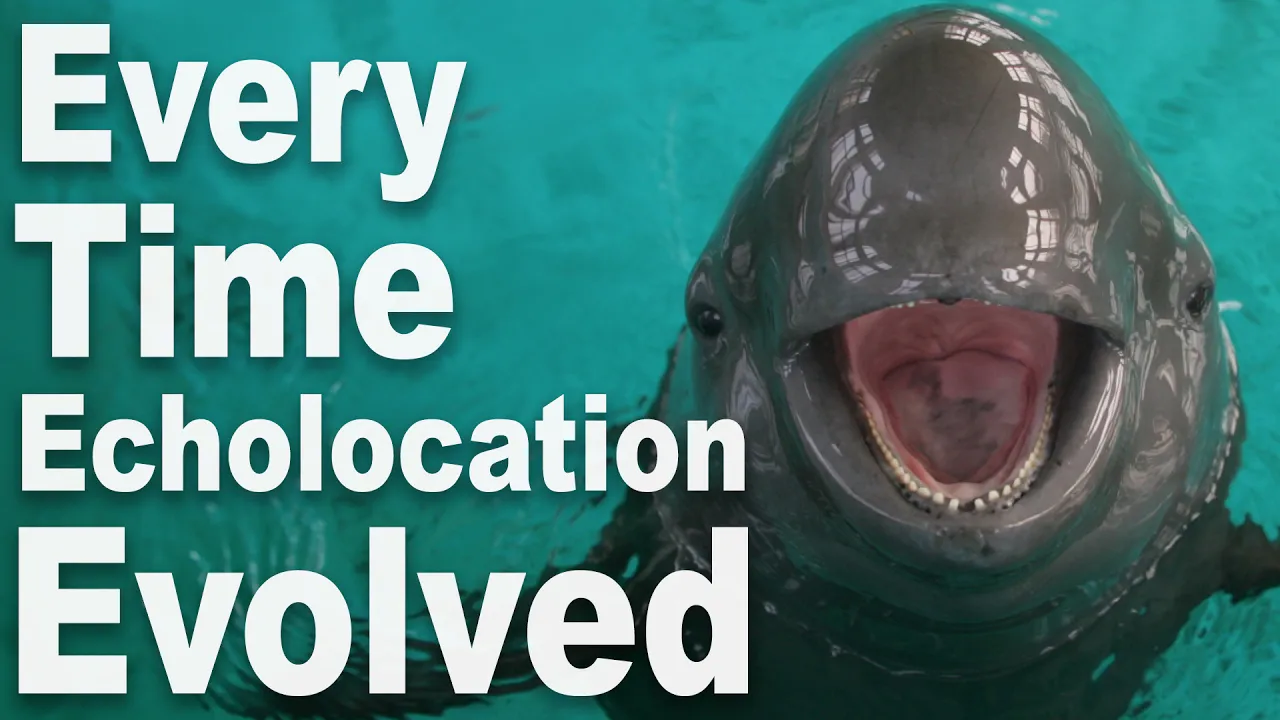
Animals have evolved sophisticated sensory systems and specialized adaptations that qualify them as nature's elite hunters, including orcas using echolocation to hunt prey, salmon navigating using Earth's magnetic field, platypuses detecting prey through electroreception, water striders walking on water using surface tension, hermit crabs sensing chemicals through specialized antennae, mudskippers using turret-like eyes for 360-degree vision, sea otters using sensitive whiskers to hunt blind, and alligators communicating through infrasonic vibrations.
Animal Special Forces: Navy Seals | Wildlife Documentary (Ep. 2)
Added:The fundamentals of sensory biology, specifically how organisms detect external physical stimuli (light, sound, and electricity) and convert them into neural signals.
The physical properties of aquatic environments, such as how sound waves travel faster in water than in air, and how light diminishes rapidly with depth.
Basic concepts of evolutionary adaptation and natural selection, understanding how environmental pressures drive the development of specialized physiological traits.
An introductory understanding of Earth's geomagnetic field and how electrical currents function in conductive media like water.
Biomimicry and bio-inspired engineering, exploring how human technologies like SONAR, medical imaging, and underwater navigation systems copy animal adaptations.
The impact of anthropogenic disturbances, such as ocean noise pollution and electromagnetic interference from marine cables, on animal sensory systems.
Advanced neurobiology, focusing on how the brains of specialized aquatic animals integrate multisensory data (e.g., electroreception and mechanoreception in the platypus bill).
Comparative sensory ecology, analyzing the evolutionary divergence and convergence of similar traits (like echolocation in bats versus cetaceans).
169K views1.3Klikes48:40Original Release: 2022-05-13
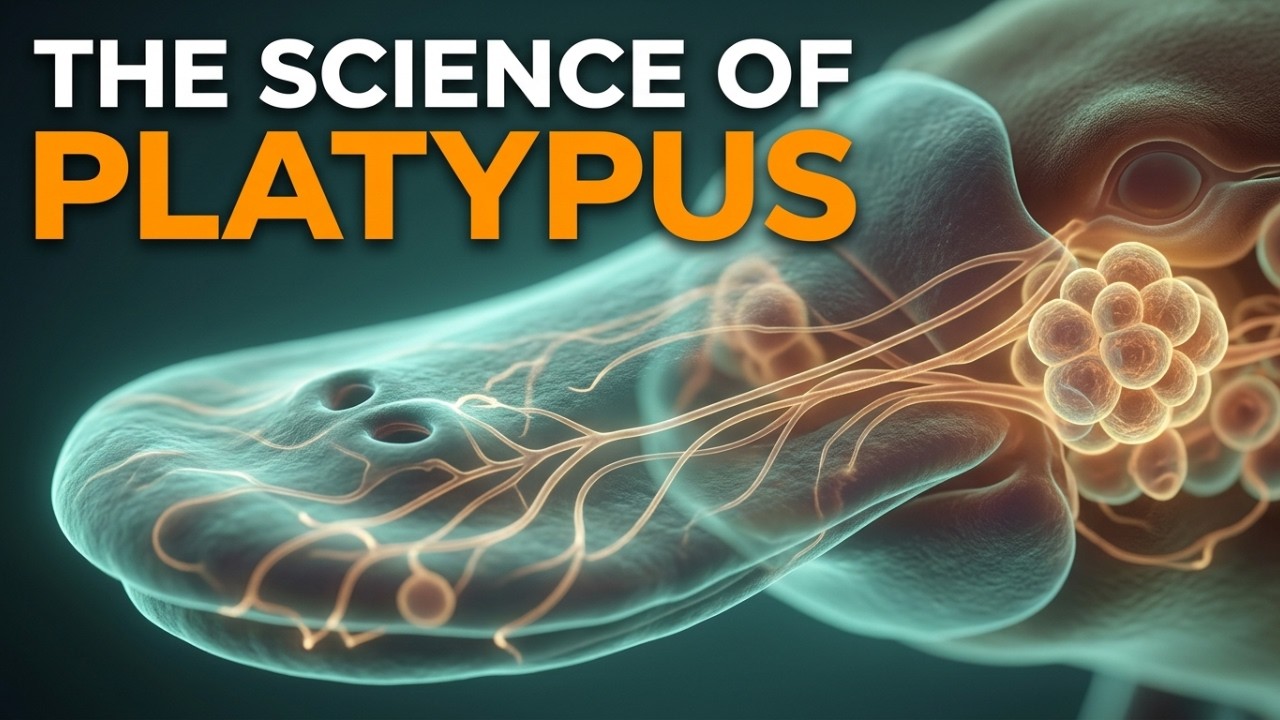
the oceans and rivers are a battlefield only the best prepared stand of fighting chance it takes sophisticated navigation systems fine-tuned reflexes and high precision detection methods that go way beyond the five senses who are the navy seals plunging the depths and storming the beaches to face down their enemies which warriors has evolution made worthy to become special forces [Music] to assemble our seal team we begin with the most promising candidates oceanic icons with a fierce reputation [Music] in the waters near south australia prowling commandos find power in numbers [Music] patrolling the oceans in pods of up to 30 their name says it all orca or killer whales graceful and elegant strong and stealthy these special forces are built for battle and it's not just their size of around six meters that makes these cruisers close to undefeatable [Music] orca's super senses include sophisticated sonar to navigate hunt and communicate [Music] this pod prepares to head out on its traditional migratory maneuvers toward cold waters in antarctica to stay on mission these navy seals emit clicks whistles and pulsed calls clicking probably helps them navigate avoid obstacles and pick out prey and now's the time to use it target acquired sea lions the orcas will ping them with high frequency sound waves and listen for the echo it allows these special forces to strike with high precision target locked target destroyed let's take a look at the orca's sonar system the echolocating killer whale uses its lips to produce a train of rapid clicks the click trains pass through a fatty area in the skull called the melon which focuses the sound waves [Music] these waves are projected into water in front of the whale then bounce off any object including prey the orca detects sounds through fat-filled cavities in its lower jaw where they're set to the ear and brain [Applause] the pod has made it to the antarctic where the water is colder more nutrient rich and prey is more abundant [Music] each killer whale can keep track of its own echoes even when feeding in a busy pod staying out of each other's way makes hunting more efficient especially when there's a large pod and plenty of prey each click lasts less than one millisecond sound waves travel through water four and a half times faster than they travel through air at short distances high even ultrasonic clicks can reveal a target's size shape speed direction and distance [Music] for hunting more distant prey orcas rely on lower frequency clicks sometimes as low as a human voice [Music] the pod has completed its eating mission today the killer whale special forces now mobilize to a new undisclosed location where they'll repeat their tactics tomorrow on another unsuspecting prey [Applause] to find our next navy seal team recruits we depart the salty ocean and travel through river deltas to freshwater streams this is the arena for an annual life and death contest [Music] america's pacific northwest salmon return from the depths of the ocean to spawn in the rivers [Music] they find their way by using one of the most precise homing systems in the animal kingdom but these supersenses don't make their mission easy [Music] [Music] besides contending with hungry bears these special forces fight against the currents the entire way leaping over jagged rocks and up steep waterfalls to arrive at exactly the same spot where they were born what mysterious force drives these navy seals like a compass to reach their birth site magnetism they memorize the magnetic field of their birthplace like a secret password though they travel thousands of kilometers into the sea as adults their magnetic key admits these fish back into headquarters when the time comes [Music] these soldiers begin training at a young age hatching in the same part of the river as their parents and ancestors they stay here in fresh water from one to four years depending on their species eating and growing all the while the magnetic field of the area has been imprinted on them as they reach adulthood their mission becomes clear nature gives these special forces their marching orders to deploy into the ocean [Applause] [Music] to gear up for their mission they must change their metabolism from fresh water to salt water a remarkable transformation for this massive fleet of salmon about to embark on their first real voyage over the next year or more these navy seals will be stationed in the open ocean thousands of kilometers from their birthplace until the day they receive new orders the migration begins back to their exact birth spot retracing the root that led them to the ocean a salmon sense of direction guides the fish to find the magnetic field lines of its birthplace this sense is coated in salmon's tissues a portion of its head called the olfactory rosette contains cells with microscopic magnetites that act like individual compass needles [Music] the cells constantly draw the salmon to its goal by following the earth's magnetic field lines [Applause] [Music] this coating takes time and open space to develop salmon raised in hatcheries surrounded by metal wires and electric currents never develop the sense of direction and get lost at sea [Music] but wild salmon never forget their mission to return to their spawning sites to start the next generation in doing so they transform back from salt to fresh water [Music] after their exhausting journey these spawning special forces stop feeding as soon as they reach fresh water but their mission's far from complete males must fight for females many don't make it by some estimates only about five percent of the navy's seal team returning from the sea actually spawned successfully [Music] and for some species even those that complete their mission and spawn die right after mating it's a steep price but that's the nature of this seal team's mission and heroic gesture to assure the continuation of their species [Applause] just as salmon use the earth's magnetic field to fulfill their destiny a far stranger creature taps a different invisible force to fill its belly [Music] this next navy seal also patrols rivers and streams but is literally half a world away from the pacific northwest we travel to the fresh waters of australia to find a special forces creature that's unlike any other and yet similar to so many [Music] part duck part beaver a venomous egg-laying water-dwelling mammal that's a platypus it hunts for fish mollusks shrimp and larvae but it doesn't use sight or smell to find them in fact when it dives it closes its eyes ears and nose his super sense is electro reception he can feel the power of his prey and head for it by sweeping his head side to side receptors on his bill scan the water for the tingle of his potential lunch [Music] platypuses don't just sense electric fields they can tell precisely which direction they're coming from [Music] but besides electroreceptors the bill is also loaded with mechanoreceptors that are sensitive to touch so as the platypus sweeps the stream bed with his bill he's able to identify what he's touching and whether it's alive or not [Music] living things generate tiny electric currents when they contract their muscles and this navy seal can detect those currents and no he's found prey each dive lasts only about two minutes then he has to come up for air the platypus uses the difference between arrival times of two signals to sense distance and location of his prey his bill contains around 40 000 electrical receptors and 60 000 mechanical receptors by comparing the two kinds of inputs the platypus can form a mental picture of his surroundings and zero in on its prey with tremendous accuracy [Applause] like a true navy seal he's an air-breathing land-dwelling mammal but he's at his most graceful and efficient underwater [Music] [Music] he has to be because that's where he hunts with his eyes and nose sealed shut he needs to cover a lot of ground with his sensitive beak to flush out his prey from the river bottom [Music] he hunts exclusively under underwater because those tiny electric currents travel more easily through water than air even though he's a strict carnivore he has no teeth while he's raking the bottom for larvae and snails he's also picking up pebbles when he gets a beak full he'll surface and use the pebbles in his beak to mash up his prey before he swallows it [Music] once the platypus is done foraging he'll return to headquarters a den he's dug into the side of the riverbed [Music] these special forces are territorial males have poisonous spurs on their back legs they use against predators and rivals but platypuses mostly try to stay out of each other's way they share their super sense for tracing electric currents with only two other mammals the echidna which is the planet's only other egg-laying mammal and a species of dolphin when his mission's completed and he's eaten his fill this navy seal will go on shore leave to rest a while [Music] we don't have to go far to find our next navy seal recruit we just need to follow the water until it grows still in swamps streams ponds or puddles all over the world you'll find them tiny creatures with a talent that any sailor would envy here in an ordinary european pond hundreds of special forces gather performing a miracle they simply take in stride [Applause] whatever you call them water striders pond skaters or water bugs these insects can walk on water it has to do with weight distribution its middle and hind legs can be more than twice the length of its body it uses the middle pair for propulsion and behind pair for steering fine water-resistant hairs on their feet trap air and help these navy seals skate on the surface evolution has provided these mariners with benefits that military robot designers hope to mimic these special forces can even weather high seas these minuscule naval captains remain virtually unsinkable their legs more buoyant than duck feathers can support 15 times the bug's weight without sinking but this is no leisure cruise these bugs are on a mission and they need to know how to navigate reading the water to find food and avoid danger [Music] with their short front legs they capture insects that fall onto the water's surface in crowded conditions they might even dine on each other [Music] determining friend from foe depends on interpreting vibrations on the water's surface [Music] a struggling insect kicks up a lot of chaotic ripples telling the water strider that lunch is ready [Music] they prefer live prey though any port in a storm [Music] these navy seals enjoy a liquid diet they puncture their prey inject enzymes that liquefy the organs and then suck out the juice they get most of the fluid they need from the bugs they eat struggling prey is one thing but water striders can send out good vibrations of their own especially when it's time to find a mate [Music] males know how to communicate their intentions [Music] by slowly sweeping their forelegs through the water these special forces create a series of regular waves that travel about a meter it's like a semaphore signal to catch a female's attention [Music] [Music] the males make high-frequency ripple signals by shaking their forelegs up and down the vibrations not only attract females they alert other males in the area [Music] so the ripples can be used to define a bug's territory find food or to warn other males away from a female who's already spoken for [Music] [Applause] this pair has found each other and are completing their mission to mate the couple will stay bunkmates for the whole mating season that's how the male makes sure that his genes and not arrivals get passed on it must be effective these elite water walking micro mariners thrive on freshwater surfaces all over the world from a calm surface of lakes and streams we travel to the margins of the rolling sea to assess the powers of a navy seal that's half aquatic half terrestrial [Music] in the waters and sandy beaches of indonesia a well-armored marine puts his superb senses into action the hermit crab despite the name hermit crabs are more closely related to lobsters than crabs lacking a hard shell of their own these masters of disguise make camp in the abandoned shells of others most hermit crab species spend their entire lives underwater but a few special forces conquered the land and evolved equipment to do it hermit crabs experience the world mainly through their antennae it's a tactic they share with all other crustaceans the coconut crab a subspecies of hermit crab that can stretch one meter from leg to leg uses its antennae to sniff out food from up to 50 meters away while some of its antennae work like feelers the first pair of antennae between the eyes are coated with hairs sensitive to scent chemicals they serve these navy seals as super sniffers underwater and on the beach but they work in different ways on land and at sea though these special forces possess other senses they depend mainly on their fine-tuned antennae and this information is what keeps him alert to danger so that he can hide in time but how do these super senses work [Music] underwater hermit crabs sniff by flicking their antennae back and forth trapping fluid in the spaces between hairs by adjusting the speed and direction of their antennae they can either collect a new water sample or hang on to an old one buying enough time to thoroughly analyze it [Music] [Applause] a large part of the hermit crab's brain is dedicated to processing the scents and tastes that their antennae pick up this one has detected dead fish a welcome change from his usual filter feeding on the sand [Music] but sniffing out food isn't as important as locking onto the scent of a dead hermit crab in fact their ability to detect a deceased comrade is 10 times stronger than their skill at smelling a potential meal that's because a dead hermit crab means a new shell is available and this hermit crab is hoping to occupy it these special forces have to find larger shells as they grow but the competition is fierce so they have to fight for it the biggest fighter wins the prize but his vacated shell won't go to waste as another crab moves in [Music] on the beach crabs sniff in a different way they flick their antennae too but unlike marine crabs these navy seals pick up scents from the air flowing around the antenna rather than between the hairs and the more humid the air the more keen their sense of smell they also have a sharp fragrance memory to reduce conflicts with other hermit crabs these special forces remember each other's odor once two hermits have clashed they avoid each other [Music] after this navy seal learned who outranked him he'll set out to find a new beachhead to claim as his own for our next navy seal candidates we leave the beaches of indonesia and travel across the indian ocean we emerge on an island off africa's east coast a peculiar place large enough to be the earth's unofficial eighth continent on the shores of madagascar though also found in southeast asia and australia lives a small fish with a very big difference the proverbial fish out of water [Music] among the mangrove trees hops the mudskipper these amphibious fish spend up to 90 of their day on salty mudflats special forces looking to eat small bugs and crustaceans [Applause] [Music] while their ability to breathe in and out of water is remarkable enough their supersense eyesight adds to their navy seal skills [Music] their eyes have to adjust to see in two worlds because a mudskipper's eyes are on turrets he can raise and lower them like a periscope since this navy seal needs to avoid enemies in the surf and on the sand he'd better keep a sharp eye out though the mud skipper isn't very large his bulbous eyes have more light and color receptors than many predatory fish but there's a compromise because he spends most of his time out of the water his eyes are flatter than normal fish eyes so we can see better in the air than underwater [Music] [Applause] this one's patrolling the coast of southeast asia and though he doesn't have eyelids or tear ducts he's the only fish that can blink dipping his eyes into a pouch to keep them moist as these special forces sweep the sand for their meals they seem totally in control ferociously pursuing and terrorizing small prey [Music] but these 12 centimeter beach bullies waste no time retreating from the beachhead when they spy a bigger foe [Applause] their rotating eyes work independently facing front their vision overlaps creating a field of stereo vision about 15 degrees wide each eye can also look behind creating two 180 degree fields on each side and also above and below they can move their eyes up and down and side to side without ever having to rotate their head that's a great advantage over other fisheyes because a navy seal never knows where its enemies are coming from the ever vigilant skipper knows when it's time to hit the bunker when the coast is clear another highly visible adventure begins this male is looking for a mate and that means he has to be seen leaping advertises his ferrari but he faces competition though the rivals manage the occasional body slam the goal is to intimidate not to wound again it's all about visuals whoever looks more frightening wins the mate [Applause] the loser has to look for love in a different territory for now this navy seals retreating to the water leaving the sweltering heat of the beaches of southeast asia we search for our next navy seal recruits in the mercilessly cold waters up north these special forces raiders live along the coast of the pacific ocean in north america and also in asia and europe [Applause] this particular family thrives near the coast of alaska's prince william sound [Music] [Applause] [Music] sea otters while mudskippers are fish that live mainly on land sea otters are mammals that live mostly in the water [Music] aside from being resistant to cold sea otters are very sensitive especially when it comes to their super sense of touch [Music] since these special forces hunt in the water and have to hold their breath they can't rely on their sense of smell so they probe for their prey using the whiskers around their mouths they also have dextrous forelimbs for handling their food [Music] [Music] when he's not floating on the water's surface this navy seal is diving to the bottom to look for sea urchins and shellfish but his eyes are almost useless down there the dark and murky water can make hunting a shot in the dark so he must find his food by feeling for him his sense of touch is so sensitive he can tell a muscle from a clam and he can hold his breath for up to five minutes [Applause] flaps automatically seal his ears and nostrils from the water leaving only the whiskers to guide the way the sea otter is the only marine animal able to move rocks around picking them up or knocking them away with his forelimbs [Music] the sea otter can identify prey simply by brushing it with its sensitive whiskers or vibrisa its face sports an array of about 120 of them by comparison a cat has only about 24.
the whiskers are arranged in an orderly pattern and each is attached to elastic tissues and nerves transporting the tactile information to the brain [Applause] thanks to his high-tech whiskers catching prey might be the easy part the real work comes in trying to open their armored meal that requires another sealed training tactic tool use the otter uses rocks to pry its prey from the ocean bottom and to crack open its shell usually by placing the prey on its chest and pounding it with a rock [Music] [Music] [Music] [Applause] the sea otter then enjoys its meal lounging on its back in the sea they even sleep in that position [Applause] not many other animals are so handy these special forces are the only marine mammals that grab their food with their forelimbs rather than their teeth [Music] [Applause] sea otters are social animals and by growing up in groups and learning together they form a truly solid seal team [Music] tool use tactile sensitivity and their semi-amphibious lifestyle makes sea otters the perfect candidates for nature's navy seals our next elite seal team candidates is an expert at sending coded messages he patrols the freshwater swamps of north america and the future of his line depends on his success [Applause] the everglades national park in florida is home to a special forces warrior with super senses practically perfected by evolution [Music] resting on the banks or cruising the waters are the alligators [Applause] almost unchanged for millions of years these social reptiles have mastered strategies for survival and reproduction when it comes to courtship these navy seals strike all the right notes when it's time to mate males telegraph the message by producing infrasonic vibrations female gators are tuned into their frequency ready to respond [Music] like any good relationship communication is the key these special forces camp out in close proximity to one another but they like to keep to themselves [Applause] to establish their boundaries gators of both sexes bellow or roar but mating time calls for a different technique a secret signal designed to travel far and which is almost undetectable to us besides loud bellowing in the water male alligators vibrate their flanks sending the water and subsonic sound waves into motion the signal travels far and wide to anyone with a super senses to detect it these advertisement calls are an invitation to far-ranging females to come and meet and eat it if we can't hear them we can see them in courtship season one navy seals bellow can trigger others a male bellows a female bellows in response others join in spreading the message for hundreds of meters [Music] female billowing isn't as loud as males and they don't produce infrasound the special forces suitors usually compete peaceably with one another but not always [Applause] the female picks up the signal and heads toward its source responding with calls of her own the male's pillow can be as loud as the deck of an aircraft carrier but at the bottom range of human hearing so we can't hear it the vibration can spread up to 1.5 kilometers [Music] females feel it rather than hear it [Music] they pick it up with the part of the ear that's more closely associated with balance rather than sound [Applause] these navy seals courts by sights and sound [Applause] [Music] what female alligator wouldn't be impressed by a guy who can make the water dance [Applause] without making a sound at least the sound that we can hear the male has talked the female into mating with him [Applause] she may have walked and swam a long way to meet him but she won't be his only partner [Applause] all this effort in finding one another seems rather complex compared to the act of mating itself which lasts only about 30 seconds when they're done the female will retreat to her nest lay her eggs and take care of her young such is the power of this navy seal's top secret signal that passes life from one generation to the next [Applause] [Music] life began in the water and for some special forces it remains the ultimate evolutionary proving ground pushing them beyond the normal limits highly adapted to their habitat they become the navy seals orcas use infrasonic signals to dominate their domain their click trains bounce off and lock onto potential prey [Music] salmon memorize the earth's magnetic field to orient themselves thousands of miles from their home base platypuses tap into the tiny electric field of their prey in the murky waters the current generated by a muscle twitch is all it takes whereas water striders read the vibrations of the water they walk upon at a distance their legs can distinguish between friend foe and food [Music] hermit crabs sample the air with their finely tuned antennae steering clear of rival crabs and sniffing out molecules of potential meals in the humid seaside air [Music] mud skippers always on alert for enemies on land sea and air keep an eye out in all directions ready to dash to safety [Music] [Music] sea otters hunts blind when they die for food their super sensitive vibrates get the job done alligators love songs are inaudible to humans but their infrasonic signals are seductive nonetheless they have the power to shake the water and win hearts [Music] all these adaptations super specialized highly effective qualify these animals for the ranks of the navy seals [Music] [Music] you
Up Next

79:25
Understanding Bird Senses: Vision, Hearing, and Smell
@goldengateabirdalliance1917
962 views•2024-08-19

50:12
Bacterial Communication: Quorum Sensing and Biofilm Formation Explained
@JHUAAP
12.6K views•2011-06-28

5:35
Enteric Nervous System Explained: The Gut's Brain | Neurobiology Lecture
@alumniu6029
438 views•2018-09-12

7:08
Bacteriophages: Earth's Deadliest Killers and Future Antibiotics
@kurzgesagt
34.6M views•2018-05-13
Related Study Plans & Knowledge Roadmaps
Structured learning paths in Biology
biology
RNAi: Biogenesis, RISC & Gene Silencing
01Molecular Biology Foundations: DNA to Protein
02Introduction to RNA Interference (RNAi)
03Molecular Biogenesis of miRNA and siRNA
+ 2 more learning modules
10h5 modules
Explore Roadmap
biology
Mycorrhizae: Signaling, Biophysics & Ecology
01Foundations of Mycorrhizal Symbiosis
02Molecular Signaling and Root Colonization
03Biophysics and Bioenergetics of Nutrient Exchange
+ 1 more learning modules
11h4 modules
Explore Roadmap
biology
Circadian Clocks: TTFL, SCN & Periphery
01Foundations of Molecular Biology & Gene Expression
02Introduction to Chronobiology and Actograms
03The Core TTFL: Molecular Architecture of the Clock
+ 3 more learning modules
14h6 modules
Explore Roadmap
biology
Population Genetics: Math, Drift & Selection
01Genetic & Probability Foundations
02The Hardy-Weinberg Principle and Baseline Models
03Mathematical Modeling of Natural Selection
+ 3 more learning modules
18h6 modules
Explore Roadmap