
















![Robert Sapolsky on science, morality, religion and human behavioral biology [Vert Dider] 2017](https://i.ytimg.com/vi_webp/VrQkl7PaA1s/maxresdefault.webp)




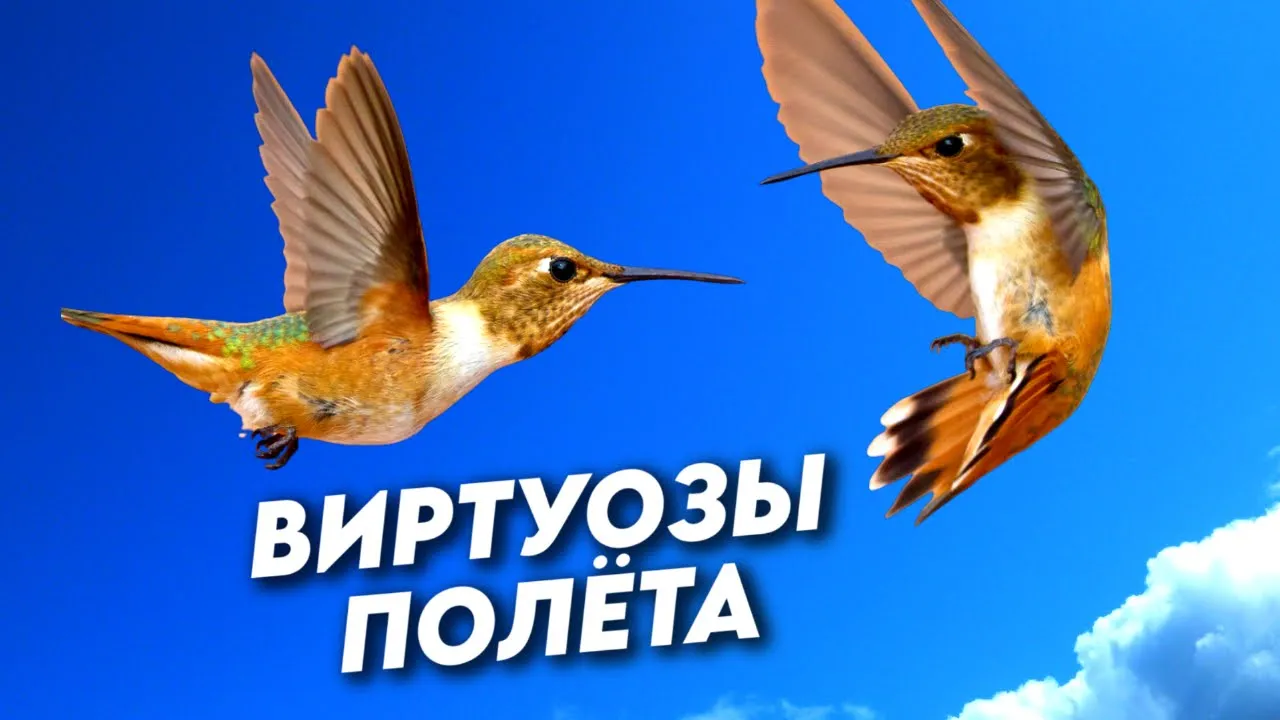
Flight in nature is governed by fundamental physics principles including Newtonian mechanics (action-reaction forces) and Bernoulli's principle (pressure differentials from air movement over curved surfaces), combined with evolutionary adaptations that optimize energy efficiency through natural selection. The physics of flight involves scaling laws where smaller animals have greater surface-area-to-mass ratios, making flight easier for them, while larger animals face greater challenges. Evolutionary arms races between predators and prey drive the development of sophisticated flight capabilities, as seen in the co-evolution of bats and moths, where bats evolved echolocation and moths evolved sophisticated ears and even 'stealth' adaptations to absorb ultrasound. Migration represents another evolutionary adaptation, with birds using star maps and magnetic fields for navigation, demonstrating how natural selection produces complex behaviors that appear designed but actually emerge from simple local rules and physical constraints.
Richard Dawkins: Science, Flight, and the Selfish Gene
Added:[Music] hi and welcome to the origins podcast i'm your host lawrence krauss this podcast is with none other than richard dawkins who of course needs no introduction and many of you have been asking for a podcast between me and richard for some time and i'm happy to finally be presenting it richard and i actually began preparing this podcast about two years ago when uh we had a discussion at his house about his early life and his early period in science and writing the selfish gene and uh some of that that dialogue is included in this podcast and then we brought it up today today as we were able to have a wonderful discussion about his new books in particular his book flights of fancy which is really about flying in all of its different forms in the animal kingdom and beyond and it is a beautiful book and one i actually thought i knew what was in it because he and i had talked about it when he was writing it and we discussed some of the physics but it's far more than just physics and the discussions about how flying is implemented in different ways in nature is just remarkable and fascinating to read and there are beautiful illustrations by jana lenzova as well that match the the text perfectly so the discussion was delightful about that and science more generally in the current world and will serve as a lovely prelude i think to a public event that richard and i are doing for the origins project foundation phoenix november 15th we'll carry on the discussion we began here now you can watch this uh podcast without ads by subscribing to our sub stack site critical mass and those subscriptions will go on supporting the origins project foundation itself or you can watch the podcast on our youtube channel or you can listen to it anywhere podcasts are can be listened to so no matter how you watch or listen to it i'm sure you'll enjoy the remarkable science popularizer richard dawkins and as and i hope you enjoyed as much as i did thanks [Music] well richard it's always good to be with you and uh and fun to be here hi chris and and in fact you know i was just reminded that it's the fifth year anniversary of the wide release of the unbelievers so it's really nice you cannot be serious seriously yeah yeah that's so so exciting okay time passes but speaking of time passing actually i wanted to start i can't resist but notice that that that painting there is familiar and it's it's it was from the cover of the selfish genius vice versa that is called the expectant valley it's a painting by desmond morris who's equally famous as a zoologist yes as an artist yeah and um when we were the selfish dean was my first book and needed a good good cover for it and the selfish gene has a kind of science fictiony feel to it yeah all about kind of reproduction and biology in a general almost extraterrestrial way it doesn't have to be the way it is on this planet it's a general theory that is going to be true wherever there's life and so something a bit science fictiony like that is called the expectant valley which is right um it's got a nice green patch at the top right which is a good place to put the title perfect so um when the publisher michael rogers and i saw it we decided that was just the thing and um so we put it on the cover and then the advance that oxford university press gave me a bit smaller than the sort of advances i get nowadays um happened to be exactly the same as the price of that painting in an exhibition that desmond was having at the same time so i bought it and he was a bit embarrassed that i bought it and so he threw in this other painting at the same time oh okay somewhat similar yes wow well it's just was so nice to see it there and what a wonderful remembrance of an amazing book that's had an amazing impact as long as we're starting with the talking about the selfish gene you talked about whether you changed the word selfish yes actually the the main second edition was much older than that it was in i think 1989 um and that's when i put a lot of new stuff in the 40th anniversary one was actually hardly changed at all um uh well the title was the one thing i didn't change but yeah yeah but you thought about it yes um it could equally have been called the altruistic individual yeah that would i i'm glad you didn't change it to that or the cooperative gene um the original suggestion when i went to see a publisher before finally settling on oup another publisher jonathan cape um the editor there that sort of chief editor there suggested the immortal gene which i think actually would have been pretty good yeah i am sorry not to have had that i was thinking about that i i read that and and i thought well i still think the shellfish gene is i mean it's more provocative you're right it gives the the misimpression perhaps but it but but uh don't you think the immortal gene is more sort of romantic and more kind of sagan-esque yeah well it's clearly more second-esque but yeah yeah well i guess yeah it probably is i think for your second book it might have been but but for a breakout book okay the self-esteem what it does the immortal gene i mean the selfish gene gets you asking what what is this all about the selfish gene and i mean it's and i think that and in the end it's re i think what's really good about that is it frames evolutionary biology in the context of what it should be which is that that that it's not it's not individuals it's not species it's it's genes yeah but you have to read the book it's not good enough just to read the title yeah that's right and then as you pointed out i noticed that many critics tend just to read the title i've discovered that it's true for everything including well uh including articles books they they they read the title and then they decide what you've done but but i anyway i think the selfish gene was the perfect title and i just i'm just inspired by being there with that what um but you did say in fact you just mentioned it's a very science fiction book i noticed that again i was just reading the preface and you said the first the first words in the book are this book should be read almost as though it were science fiction and that's what you meant by it yes that's right i mean it's it's supposed to be general i'm very fascinated by what life has to be like anywhere in the universe rather than what life actually happens to be like on this planet and so that's what i meant by the science fictiony flavor of it well you know what i know i've been with you in fact it's interesting now that we're in the era of exoplanets uh i think uh i think the way you've said it and i think it's true life it's one could not one can imagine i suppose but it's what it's hard to imagine in a realistic sense life anywhere not being governed by natural selection right i mean that's the the the now whether it's whether it's the same dna or atp or all the basic components of biology is different but but do you i think we may have asked this once more but do you think that it's likely that assuming there's life elsewhere in the universe that it has a different genetic code yes uh i'm pretty confident it's going to be darwinian i'm pretty confident that it'll there'll have to be some sort of genetic code and it'll have to be digital and highly accurate very high fidelity um i think it'll have to be one dimensional or two-dimensional but not three so we can sort of make quite a few guesses yeah plausible guesses i'd be very surprised if it was dna well i'd be totally surprised it was the same genetic code but i wouldn't be totally surprised if it was it was also dna if it so was based on yeah you know i i was talking to george church recently and he said we've been able to artificially create new sequences that aren't just you know the the the four letters of our genetic code i would i don't know if we'll both be around but i'd like to make a bet that it's the same i i think i i i can't help but think that it could have just been an accident that life picked those but i think chemistry certainly chemistry determines biology at some level and i suspect that life found the chemically most preferred set well there are various levels of this um maybe you'd be right that is going to be a triplet code yeah yeah but i i bet anything you like it won't be the same genetic code anything i like okay yeah well i saw your tesla now okay it'll be interesting i'd love it if we you know i was going to say if we knew this in our lifetime but we'll talk today there's so many things that i thought would never be observed in my lifetime uh that have been observed and maybe we'll get to black holes and other things but so maybe we'll know maybe we'll get i don't know how we'll know but but it would be wonderful well i would i mean if extraterrestrial life was actually discovered and we could actually look at watching it that you actually could i'd love that yeah yeah well i mean i think we may i think it's quite likely we may discover evidence of extraterrestrial life by looking at at spectral signatures from planets but boy not being able to see genetic code that would require probably a sample and that's going to be a little hard if it was mars then yeah the same genetic code then i would say that's contamination yeah but if what if it's europa and it was the same genetic code that's the it's true that you know no planet is an island and i think it's really important was discovered well when i i remember when when when um bill clinton had that press conference in in the white house about that rock that that meteor that meteorite that had been discovered from mars and that had been sectioned and they discovered what they thought were were fossils of real life the consensus is it's probably not biological but it made it clear and what we've learned about extremophiles is that life can survive inside rock certainly microbes could in extreme environments so if life originated as it did in our solar system anywhere and we know it did on earth it would certainly pollute other systems and that's why well i think if it was the same genetic code that would be for me positive evidence that it is contamination and and i mean if it was mars that's very plausible if it's enceladus or europa it's harder to believe but nevertheless it's even harder to believe that the same genetic code would have arisen twice i'm so confident the more and i don't i'm not an expert in biochemistry that the energetics of of of chemistry must have musk does govern life and and it could be just random four random nucleotides but but i i suspect there must be a reason why those four but we'll see well i think it'll be a bit like human language where there's an awful lot that's in common between different human languages but the same language i mean uh if if if english had arisen totally independently in south america and and yeah in the old world that would be you you just don't believe that that would happen but but of course we know that all human language has has a certain base in common yeah we i was talking to noam yeah no that's true i guess i at that level i mean something similar to chomsky and universality i would i would i would agree with you but not the same genetic code well the question let's say i don't know if this if the biochemists have done this but let's say you had four different base pairs would would dna be as stable would you know the the question is that i don't know the answer to is the energetics of whether that particular set allows you to form a double helix more efficiently than four other base fares and and you know i don't know but i don't know either but i doubt it okay well it'll be wonderful to discover one of us will get a nice gift but it's nice to find something we disagree about but uh well speaking about what we might discover do what what's the most interesting thing you've been hearing in science lately well obviously photographing the black hole yeah um and um i suppose because i was professor of public understanding of science i get asked questions even though i'm not a physicist i'm not an astronomer um and um yesterday i was asked day before i was asked by somebody at lunch um how come it's red so i say well i don't think that's a real color i think it's a virtual i think it's a a conventional color yeah it's a radio telescope so it's a false battery it's it's radio telescope so so it's false color i think i do understand how you can use eight telescopes from around the world to act as make one virtual telescope one huge great big dish it's easier in the radio at least it's been done efficiently in the radio but yeah it still amazes me because you have to you basically you can't just they have to operate not independently at all they have to be totally coupled and and because you're looking for what's called phase information which is the not just the individual okay and you can't couple them directly you've got to have a clock running in all all eight places yeah so exactly so you know exactly the same time and then the atomic clock the other fascinating thing i read was that the the data is so huge that it actually had to be transported physically yeah physically gigantic yeah number of hard disks yeah petabytes i i heard that it was more than i mean i'm always talk amazed about the amount of information the lhc records and i've heard that in some comparison to the to the information in a in a collider it was a large fraction it's a it's a it's a as i said i think we've seen sweet it's a it's a triumph of human ingenuity um and by the way the only i think when you talk about the colors the false colors the only color that isn't false i i don't think is the black part in the middle and that it's i have to say i mean from a point of view of of of uh leading us in new directions well there's lots of interesting astrophysics of of what what might orbit around black holes and it looks remarkable in fact it looks eerily like people thought such a such a system should look it's an immense black hole it's like seven uh billion solar masses almost so fair seven percent of the mass of our entire galaxy and there's all sorts of stuff falling in and and incredible that the fireworks on the outside from from things emitting light and light traveling around it uh but the kind of thing that makes me proud to be human yeah i i just love it and liger is the same yeah it's just amazing that we can do that in a galaxy 55 million light years away and i have to say as one who from physics perspective i've always been dubious about black holes i uh it's just eerily amazing to see the the darkness of the black hole of course it could be an object that strongly resembles a black hole in other ways but it's just it's amazing well it's amazing that science works so well i mean it just it would be as you say uh to me if we discovered a life form elsewhere and discovered you know that the rules that we applied to the evolution of life and earth work extremely well there you wouldn't be surprised oh but but but it would be uh it would be an amazing testament to the triumph of of the human well in the case of physics i'd be surprised if it wasn't the same but in the case of biology no i don't mean exactly the same i mean just mean darwinian selection etc etc that there was diversity in the planet exactly and i think it's astonishing that that that an animal that that evolved in in africa to hunt and gather is capable of doing this kind of thing it's just it's just a very very wonderful thing it makes me very proud to be human it it it it is it it is amazing i mean i as as a theoretical physicist i'm always amazed what experimentalists could do but the fact that we can do this is part of the triumph of our culture and and it's lovely that it's international as well yeah oh in this case it was well it had to be exactly it's wonderful science brings people together internationally speak different languages different cultures but every all those telescopes had to work and time things to the same microsecond to be able to to or even better to be able to uh uh amass that data and and combine it and and and science is a wonderful example for culture people bringing people together whereas religion pushes them apart exactly and people stalk and and and somehow you know it surprises me when people talk about scientism and and and and and trying to ride science as an example for our culture that in fact it does what we want human culture to do it it brings up it raises the human spirit it it's it's democratic in in many ways it's it's it's based on free inquiry and and and and mutual respect and it also works yes which i think is so it as a triumph of culture i'm really happy to see it whenever and again with ligo it's nice to see the the public enthusiasm because as a someone who's communicated science and and certainly uh on television as well i'm i'm always surprised that that people think that especially tv producers that people aren't interested in science but people are fascinated by this stuff when they can see a picture like that and it draws all of humanity together the the the the astronauts when i when i was a kid the astronauts landed the moon that was something else that drew people together it wasn't quite science it wasn't done more for for national pride than which is a pity i mean it but i think ligo is a much better example than that photographing black hole is a much better example oh yeah exactly it's it's and then concern and and the large hadron collider and people will say what well you know why should we spend money on that and and i think that bottom line is it's not i mean in global sense it's not a lot of money it's it's a lot of money for an individual although individuals could do it now and and and we may rely on rich individuals in the future to fund science like we did in the in the renaissance when we have patrons in fact we are to some extent rich individuals or are finding science in certain certain ways well the space rockets are getting getting private now to go back to selvesgene i was reading at least one of the one of the introductions again where you talk where someone sent you a note saying that they they first read it and it basically destroyed their life yes so somehow finding out that we're not you know that that that we're not special somehow affects affects people in a negative way too i think i think it's tragic that somebody should have their life ruined by a purely academic it doesn't actually change anything about your life it's all get up in the mornings to eat your meals and do whatever it is you want to do you do not have to have your life ruined by some academic discovery or theory well in fact it should be the opposite but it's hard to know whether i mean i i think it it it should cause us to reflect on what would ruin our lives yeah if if um i think something like for me it would be something like if i found myself in the world where nobody cared about truth anymore oh i'm a little worried about the world right now yes i mean well of course in in american politics you're in exactly in that precise situation but nevertheless that's still a minority and so science doesn't but if nobody cared about scientific truth if all they cared about was what makes you feel good rather than what is actually true then i think i would not want to go on living interesting interesting because well let me throw it back at you because we live in a world where at this point i think still a majority of people are religious which is basically for many of them feeling good right didn't didn't i mean the richard dawkins foundation in in england did a sir did a survey of the people who said they were they were christian and didn't most of the people who basically said why they were christian it wasn't dr nair was basically they wanted to feel like good people right yes that's right they they thought that you couldn't be moral and well they they thought i want to think of myself as a good person and for them that's what christian actually means yeah so so we do kind of live in a world where most people feel are happy to feel good but i suppose the point is those people are also still interested in truth yes it's not it's not like not being interested in truth yeah because people can believe in two opposite things at the same time so most people who call themselves religious also accept the reality of much of science that in fact demonstrates that much of the precepts you can you will meet people in anthropology departments and sociology departments who will say something like uh scientific truth is just one particular version of truth it's patriarchal white um all that stuff um and if if a tribe in the pacific believes that um that the moon is just a few feet above the treetops then that is true in on that particular island um and it's okay if all they mean by that is that that's compatible with the culture of that people and that's fine but but they sometimes go as far as to say no it is actually true that scientific truth is no more true than that that's that i i think is extremely dangerous yes i mean it's dangerous for many reasons because because once again the best thing about science that the reason it's worth the whole process and by science i mean the process of science is that it works yeah and if you deny the fact that if you accept that any and anyone's imagination works as well or as equally valid you'll make predictions and you'll take actions that are just silly right yes and i've i have i've had this debate with a few people including at one time friend norm chomsky who said to me that he doesn't care what people think it's what they do that matters but the problem is there's this incredible coupling between what people think and what they do and which is one of the reasons i assume you find religion evil right yes i i mean not all religion is evil some of it is and some of it's much more evil than others it does annoy me the way people say well it's all it's all evil yeah okay it's it's not i mean some is much more evil than others um but i do feel passionately about truth and i think there is such a thing as truth and i think that's what science is about uh and that these fancy intellectuals in non-scientific departments who really deny truth and say true truth is a cultural artifact yeah something like that um that i think is really really pernicious yeah it's almost more dangerous because they have the umbrella of scholarships yeah instead of just mere ignorance yes and well they are ignorant i think in a way if they understood science they would they release the the scientific process they wouldn't speak as they do but yeah i think there's a certain amount of sort of it's too much hard work to learn science and so and so yeah you know and that's an interesting thing as well i i i was uh it is hard work to learn science but it's really hard work to learn anything and and i don't how do you feel about this i i it happens to be in my bonnet that that people are willing to basically when it comes to science they're willing to just give up easily i'd say i don't because it's the illusion is that it's impossible to understand i'm not even going to try but people will try and understand history or economics or they work very hard and and it's and and there's lots of things that are not easy in life or even learn music or whatever kind of double standard where you can actually almost gain prestige by saying oh i can't i can't do science i mean hopeless mathematics thing and but you never you'd never say i'm proud of you know not not not knowing who wrote macbeth or something exactly yeah and and yet you can be considered literate for for being for being quote non-mathematical part of the problem by the way in my opinion is biology because because and i don't know if it's done this way in england but in the united states what they generally do in many places although it's changing is is teach biology before chemistry and chemistry before physics which means most kids never get to physics and the argument and there are many arguments that i've heard one is that biology is more innate in the sense it deals with things we can see and we you know frogs and things but but modern biology of course is is far removed from that in many ways but also the notion that somehow you need preparation that physics is harder and that's why people never get there but the problem is it gives a complete misrepresentation of science because and the reason i actually frankly i remember dropping biology is when i took it it was very different than now but i it was memorizing the parts of a frog it was memorizing this and that and but the basis of biology is chemistry and the basis of chemistry and phys is physics so we really should teach things in the other order because if you learn physics first then you learn about energy and energetics is is it's crucial for understanding chemistry but indeed chemistry and the energetics of chemistry is biology right and so it would mean less wrote less accepting things on faith and more understanding by the process by which we we understood yes you don't have to uh i mean you you can reject learning by by wrote and i do without necessarily getting into physics and energetics and chemistry and mathematics um i've always worried that textbooks of biology put the evolution chapter last yeah and it should come first because otherwise it nothing makes sense um so you don't actually have to do physics if if you do it you can do biology the right way around and not just memorize the the parts of a frog i mean who wants to memorize the parts of a frog if you don't know what it's all for yeah no it's it's it to understand the context of what of why you're learning what you're learning and be motivated to to know that i mean it's somewhat the same in introductory physics you learn these awful things like you probably did like sliding down an inclined plane and never i think that's awful i think that's rather nice i like that you like that yeah okay okay well there you go but why why did you go into biology then not physics i kind of drifted i mean my father was a biologist i had an inspiring biology teacher that that'll do it um and i finally just kind of realized that the big question is like why are we here and why why are we so elegantly designed why why do we look like well-functioning machines um that's an evolution question and i've always been totally fascinated by those existential questions always it was but you said you had a good teacher were there one or two teachers who specifically influenced you that in a really important way um yes uh john thomas uh who's actually just died two days ago oh and which i'm sorry about um yeah he he was inspiring but i think my father too uh kind of introduced me to evolution really ex tell me about that story it's the one i've never heard from you so well he he read botany at oxford and uh so i would when we were going for walks and things and cliffs and by the seaside and things you would talking about biology a lot and uh it was he who first explained darwinism to me oh really did it strike you as immediately uh natural or did no no i didn't believe it uh and it took it took me a while to i thought it it i sort of i got the point but i didn't think it was a big enough theory to account for um the complexity of life and i only later realized that it is in as an undergraduate or graduate or no a little bit earlier than when i was still at school you're still in high school yeah what was your father so did you was your father a proxy biologist or was it well he's kind of i mean he would he as i say he he read botany in oxford he then did a um masters in cambridge and then he um went into the colonial services oh that's agricultural this is why you're born born uh yeah you were okay okay as okay so that was that background it's interesting and did you ever think of being a doctor no no never no i didn't oh well okay he never said i mean i couldn't i couldn't stand it that really is learning facts yeah no i i well i've already told you i said yeah my mother wanted me to be a doctor and it was only and she made the mistake i think at the time of saying doctors were scientists because neither my parents would finish high school really and i got enamored by science saying i don't know if it's a chicken egg kind of thing but i was certainly enamored by science at quite a young age and the thought of being a doctor scientist was really really exciting to me i think the best doctors are scientists and uh but but you can't become a doctor without memorizing huge numbers of yeah and facts that's yeah that that was that's why i became a physicist because i didn't like to memorize facts i mean i i certainly couldn't you that you don't have to memorize anything if you're a physicist who was i listening to the other day it was a nobel prize winning physicist and he said the reason i became a physicist was that i could only remember 10 facts well that's what's great about physics you know in principle you don't have to memorize anything that's not true well you know newton's laws and then if you're really good enough if you're fineman you can just derive everything from that yes but and what do you think about feyman's father used to walk with him in the woods and i i remember this struck me because uh i'm not good at the names of things and i partly because i think i'm i'm colorblind and and therefore when it comes to birds and things i i would have always liked to know what they were but i never i sort of gave up but he asked his father what the name of a of the bird wasn't and the father said well the name doesn't matter the name is just what matters is how it behaves how it reproduces all names are important of course we we name things in in physics as well as in biology but what really matters is observing uh behavior i wonder you know sort of sort of uh well i've never been good at names i must confess and and my father was and so he he was very good on names of all the wild flowers and birds too um and it's always been a matter of regret to me you do need to know the names because when you study the behavior and things it actually makes a difference but i kind of get the point fineman's father was making it's funny that you say not good now when we've been together you always see men know at least well maybe you're not good but you're much better than me at naming birds when we're together and things like well no you see what when when i've been on the galapagos for example i've done that quite a lot of times now and i i give lectures in the evening on the boat sure as you as i did in your trip um but the actual naming of which bird is which is done by the local in this case ecuadorian guides who are superb yeah oh absolutely and um so i i have a kind of symbiotic relationship with them um but it's it's no good when i go on those trips people are asking me what's that bird well i'm getting better at it now so you've never you've never have you been tempted to be a bird watcher ever i enjoy it i take binoculars when i go out and and i i like watching words but i don't i'm not a twitcher who who who has a list of the birds of species that i've seen i i don't drive a hundred miles across the country because somebody rings me up and says there's a lesser spotted [Laughter] exactly what about what about gardening what about plants and things like again you see for me it's just i the world used to divide between i'm embarrassed to say this but there were sort of trees and grass and plants and animals and that was kind of my sort of you know you know the rule in the british army in the army we have three kinds of trees fur poplar and bushy top [Laughter] well richard it is wonderful to be back with you uh again at least virtually and uh although uh uh i'm here in cool prince edward island and you're there in hot england but uh it's hotter than it's ever been ever been in history that's right well i suppose you can think of that a lucky time to be alive then probably not hotter than it was in the carboniferous as we'll get to it but but probably england wasn't england then so it's okay um and uh we uh normally as you know as you may know in this origins podcast i like to talk about personal origins but happily you and i have had um a discussion about that uh when we recorded uh the the first part of this podcast several years ago actually in your in your place in oxford so we can we can dispense with that but i did want to ask you one question because i want to talk what i'd like to talk about today are your two recent books uh flights of fancy and um books do furnish your life and uh which which i really enjoyed actually uh as as i'll mention in a moment i was kind of so pleasantly surprised in both cases uh i wouldn't be surprised well well i thought i knew what they were no no not that i they were wonderful i knew that they'd be wonderful but i i thought i knew what would what what would be in them and uh and i was surprised because there was so much more and and that was wonderful i mean we you know i talked to you earlier about the flights of fancy when we talked about some physics uh questions that you had early on and i thought okay well i now having talked to richard about that i know what's in the book and then then i discovered that that was just scratching the surface but but the books to furniture life which is about reading and writing didn't i don't remember if i asked you this question but i who what popular science writer did you first read did you did you i mean or a scientist did you read um when because i was thinking about that yes probably peter meadow to whom the book is dedicated um and i i knew of his name because he'd been a school friend of my father as a matter of fact so i knew he i knew his name from childhood and i met him a few times and he was the most marvelous writer i mean he had a wonderful wit uh a rather sort of lofty patrician wit yeah and uh arrogant but got away with it arrogant justification um and i hope i don't emulate that but um but he is he's lovely to read he who as a scientist writer absolutely i remember he wrote something like memoirs of a thinking radish or something like that that's one of his books i remember that's what i have mostly essays and and uh wonderful essays in fact we'll get to medevar because when we when we when we uh later on because i i yeah i was uh i was taken by i for me actually one of the reasons i write is i when i read people i thought were great scientists who were wonderful writers that always had an impact on me and did that did that did he serve as in any way as a role model for your writing in in any in any way sort of but as i say i hope i don't you know emulate the arrogance but i don't have a justification for it um but but yes i mean he i suppose in some way he was he was a role model and um i again i can't remember vassius but i can't help but thinking what made you decide to write in the first place i suppose well as an oxford student you have to write an essay every week and um so i got into the way of into the habit of writing and thinking about what what i was writing about and um i suppose well i wrote the selfish gene in 1975 and uh i was motivated to write that by the fact that group selection the group selection fallacy was so widespread especially in popular science writing yeah and i thought i had a much better way of expressing what's wrong with that which is the gene's eye view yeah sure so i i wrote that in quite a sort of fever of excitement oh well okay well i guess that's interesting that comes across the excitement comes across it's certainly it was a great idea and um um and you know i want to talk in some sense because we'll talk about writing ideas behind writing books and i do want to turn to this beautiful book which is beautiful in many ways it's not just beautiful read but the the illustrations right by janna are are marvelous and and and um it's one of those books that you shouldn't just listen to but uh but but look at because of the beautiful illustrations yeah it's nice you should say that and and um of course i i appreciate donna's illustrations as well but anthony cheetham the publisher whom you know confided in us that he's re he reckons that the the future of books uh printed books depends upon their being beautiful you just want to read a book you can read you can read a kindle you can audio book but to actually own a book to want to own a book and feel it in your hands it's got to be beautiful and so he's he's dedicated to producing books that people find beautiful to have to actually possess oh well that's wonderful well i i i'm excited because you know my next book is anthony's publishing i know yeah the cover is beautiful they come up with a beautiful cover but um it is it it you know i was actually this is kind of an aside but i was actually surprised i don't know how they did it given the quality of the color illustrations i had expected this book to be incredibly expensive and it's not and i i don't know how they did it i'm surprised too i i agree with you and i'm delighted by it yeah no it's wonderful well it is as i said earl to you i i thought i was uh i thought i knew what the book was about because we talked about some of the physics but but it was so much more and it was so char it's full of charming stories it it it i think i i don't know if it's the most um it it if it's the most sort of colloquial kind of book that you've written but it's it's i feel like like their bedtime stories almost when i'm whenever and and and for me also you see i i'm such an ignoramus when it comes to zoology and much of biology that that every time i learn about what animals do it's amazing and i love the way that you um merge that that you merge uh the the the stories of specific animals with questions of flight so you you begin by saying that and it's true everyone's had dreams of flying and um i'm wondering if did that motivate this book what motivated this book i don't think that didn't motivate it really uh although it is the first chapter i think um i i wrote a book for children a few years ago called the magic of reality uh which um could each chapter is a separate question some of which involve physics a separate question like what is an earthquake what is the sun why do we have winter and summer why do we have night in a day that kind of thing and um so there are 10 chapters each of with them beginning each of them having a question like that and then beginning with mythical answers to those put to the questions and then finally homing in on the true scientific answer and um i sort of thought about having perhaps a new addition that as a second volume of that ten more questions the first question i thought of was was flight and that grew into a book yeah enough questions for a whole book yeah no in fact i remember that um that other book because that was a book we spent a lot of time together talking about because there was a lot of physics in that earlier yes that's right that's right and um um yeah no flying turns out to be a wonderful hook to be able to talk about a lot of different subjects that's what kind of surprised me it's not i mean it is about flying but it but it allows one to talk about so many different things besides physics and biology from well and and and the details of of evolution and lovely as i say stories about animals the first chapter is or is sort of the first part of it which is is it is what is flight good for we asked as an evolutionary question no again and i think i was pleased to see that because because one of the things you do so well as just is dispense with people's misconceptions about evolution in in in your much of your speaking and writing and the word good is something that that um means something very different and so maybe you could talk about that a little bit well good in in in darwinian terms means good for the genes that the program the development of the organ concern in this case wings and tails and flight surfaces and sense organs that are involved and so what is the good of flight how does it benefit the genes of the animal how does it benefit the the future prospects of the genes of the animal future prospects is perhaps not a good way to put it but the animal is the product of past natural selection natural selection in the past and so it is a machine a beautifully designed machine for preserving genes because it comes from a long line of ancestors whose genes were preserved that's why they became ancestors and and um so so so yes so so you can regard an animal as a beautifully designed machine for passing on its genes and the details of how it does that in the case of flight are things like finding food escaping from predators uh finding a good place to build a nest all that kind of thing migrating long distances on and reproduction i mean and finding mates as well and i mean i was thinking early on you say okay so good means what what how does flight allow um genes to to to propagate in other words and and it means animals to reproduce and you're feeding reproduction escape from predators etc there's one thing you didn't mention and i i don't know if it but it car comes back to it occurred to me anyway it harkens back to what you said about we all dream of flying and how wonderful it is has anyone has anyone ever done a study it it must be fun has anyone done a study to see if there are hormonal releases like oxytocin or something in when to encourage animals to fly i mean because it must you look at them there and i wonder if anyone's ever thought about that i have no idea about that i'm not sure it's ever been looked at um it is tempting to think that birds are having fun when they fly i mean if you watch uh seagulls especially i find i love watching seagulls and soaring in the wind and and diving and it looks as though they're having fun you could always put a utilitarian spin on that by saying that they're practicing yeah sure improving their their skill um but i don't object to thinking they're having fun it's just that you can't actually test it well yeah no but i was thinking and i'm getting ahead a little bit but we you know one talks about the economics evolution that it's a compromise often between trump between trying to do things that work but most economically and economically meaning sort of least expenditure of energy and things like that but i was wondering whether um literally whether you know when one thinks about the biological the genetic developments that encourage animals to fly uh you know that whether there might literally be a hormonal argument that literally might be that there may be hormones released that make the animal like to fly but i don't know there is it could be but yes anyway you one of the things you point out and i remember hearing you talk about this is this aerial arms race that that basically yeah animals learn how to fly to escape from predators and then and then and then some predators learn how to capture flying animals and it's an arms race and eventually evolution produces as we'll talk about um animals that can fly really really well and not because they were designed but because well why don't you go into it well um if it wasn't for arms races then then animal adaptations would be nothing like so beautiful as they are i mean to some extent um animal adaptations are just towards the weather i mean towards some surviving in the inanimate world but when you've got an enemy it's also evolving then you have a positive feedback and and that's what an arms race is um the the phrase arms race of course is borrowed from from human arms races and uh it's it's a pretty close one it's an analogy that i'm i don't mind using at all um because it's it it's each side has to balance the costs of investing in the arms race first that's the opportunity cost versus the cost of the other things that it could be putting its energy and its time into so the more energy you put into the arms race against predators the less you've got left over to do things like make eggs and caught mates and things like that and so each side in in the arms races is fighting the other side but he's also having to balance the costs of servicing the arms race against the other things that it ought to be doing in the animal's own economy both the predator and the prey are doing that both the parasite and the host are doing that well it it exactly and and and you know that you present examples and let the first example i don't want to jump in because for me each of the examples well many of them were some of them i'd heard of but many of them were quite surprising to me and one of the aspects of the evolutionary arms i see talk about that i want to touch on at the beginning is moths and bats uh yes at which you you talk about and maybe because there's physics involved it fascinated me but one of you i was kind of amazed to hear about so why don't you talk about that a little bit okay um this is most of the work of a man called kenneth rhoda american um and it's beautiful work uh bats as you know use ultrasound to find their way around and to catch insects with it's highly sophisticated um the the detailed um um precision of it is such that you can think of it as almost like seeing in fact i think it's plausible to say that the the bats are probably putting together images mental images models in the in the brain just as we do when we see they do it with that with their ears and i've even gone so far as to speculate that they're here in color that's that's my own private speculation um but anyway um they become so good at it partly because they don't want to bump into obstacles uh because that would be fatal speed speed they fly but also because they're they're running an arms race against prey insects and moths not two in moths have ears which appear to be tuned only to hear bats if they hear anything at all it's a bat and they take evasive action they look like spitfires in world war ii doing diving and spiraling and and and taking evasive action and the bats have to um compensate for this and the the speed with which the um the pulses of the bat come out when they're just cruising along they have a sort of steady pulse rate of cries getting a steady echoes which are updating their world picture as they go when they're pursuing a moth or another insect it speeds it's like a machine gun um it it's it's about it can be as much as 50 times a second so they're getting information about the world specifically about the mosque um every 50th of a second and that you can see would give you a highly precision picture of where the where the moth is so the arms race has been going on from we don't know how long of course but moths have sophisticated ears which are built to up to hear only ultrasound and bats have the the ultrasound itself there was another aspect that you mentioned that surprised me which is that they all not only have sophisticated ears but they act like stealth planes in the sense that they're that they're they they the bat can only find them off if it's if it if the sound waves uh bounce off the moth and come back and come back to the bat but if they're absorbed by the moth and they don't come back then that moth is invisible like a stealth fair aircraft is that's right so something something about the texture of the of the hairs on the moths on the moth's body act like a stealth a stealth plane yeah it was sort of they were somehow tuned and to absorb that red resonantly absorb that radiation that's what amazed me i think that's why i mean as i say it's wonderful physics because it's exactly what's done in in concert halls to make sure that you don't have reverberations and you design the walls to absorb the radiation rather than have it bounce off yes well my my color theory is that is that bats interpret different textures of of of echoes using color because they would have had ancestors that you would see in color then they weren't almost blind so the brain still has those labels after all a color is simply a label in the brain sure sure to label wavelengths of light those those labels would have been go going begging doing nothing why not use them as a method of labeling different textures of echo coming back from different kinds of insects for example i mean a leathery insect like a wasp will be different have a different color in my hypothesis from a from a bumblebee which is which is furry well let me let me let me even encourage that more i don't know whether it's true or not but let me add fuel to your fire there um because what a color of of something really is is is something absorbs light and then re-emits um it absorbs not the entire spectrum but it it absorbs preferentially in certain parts of the spectrum and reflects in other parts of the spectrum and the part that's get reflected so the wavelengths that get reflected produce color one could imagine that if you if you were sending sound waves of of uh that that with which didn't have all the same frequency then an object different objects would would reflect certain frequencies more effectively than others and that could certainly be seen as color right yes and by the way the the um some some bats use frequency modulated cries um so they um instead of just doing a fixed pitch and they're using the difference in pitch of the of the echo to say okay that the that since it's a downgoing one the first echo to return is the high-pitched one so it enables it increases the resolution exactly because different frequencies actually travel at different different speeds in the air and that's really important yeah and there are other bats that use the doppler shift um and they so when when that when the insect is flying towards them the echoes are doppler shifted one way and and and when the insects flying away doppler shifts to the other way and the bats are sensitive to that and the brain can process that in real time and make use of it it's wonderful well as i've always said biology is just really physics so there you go of course yes um and okay before i leave this so that's i'm glad we talked about that because that was fascinating i didn't know about that um but the but you also point out and this is really important that that that when you talk about flight being good it's not good for individuals necessarily it's as you say it's good as the point is it's good for the the propagation of genes and that may mean that flight makes certain individuals particularly good flyers for the purposes of eating and reproducing but it may kill them because in fact it's extremely dangerous for example to dive as ganettes do or or peregrine falcons do in and and you talk about peregrine falcons which i have a particular fondness for partly because of this amazing one i don't know if you ever read the book the peregrine but i've i i know about it some somebody's recommended it to me and i haven't yet read it it is a remarkable book one of the more it's it's inspiring about someone who followed a peregrine around and it's a as a piece of nature writing it is it is fantastic i highly recommend it but j baker i think but they go down at 200 miles per hour when they're diving and it's can't be good for you to hit the water at 200 miles per hour oh no i mean they're absolutely fatal or if you hit your target at the wrong angle i should think and gannets too you know i mean they they eventually lose their eyesight because of because of repeated um striking against the against the water and and okay so that's dangerous for injuries but the other thing is we think about birds and insects learning how to fly and maneuver beautifully but the thing that uh something else that amazed me and we've both been you've been to galapagos several times so have i not together unfortunately maybe we'll do it together sometime but um i was i i was again maybe because of my ignorance was amazed that some birds will stay out flying out at sea for hundreds of miles and will fly for days or weeks and will actually can sleep while they're flying half their brain goes to sleep and and and and this flying for um uh i think you talk about swifts uh uh uh flying basically they've lived their whole life in the air right yeah swifts are amazing um it i i gather it's not actually true i i said in the book that they never land except to breed except to lay eggs but they i said they cannot take off it's not quite true they can take off from the ground but it's very difficult they're very unwise to land on the ground and they very seldom do it they even mate on in the air they even copulate in the air just sort of like uh well that's kind of like the the jet planes we have that get fueled in the yes right yes yes the beginning of um doctor strangelove this is this rather erotic scene yeah yeah exactly okay the next the next thing you talk about is migration which of course um is um uh uh um useful uh uh for a variety of things but but is one of the more amazing aspects of the biological work the fact that that birds can migrate and or other even other animals can migrate but in some case 10 more than 10 000 miles and find their way back home and and that's a mystery i think that's fascinated scientists of all types including physicists but biologists for a long time the arctic turn you point out i guess goes from one pole to the other um don't always have summer i always have someone yes that's right i mean the point about migration i suppose is because of of seasons because the earth is tilted and goes around the earth around the sun um and so you you the best place to be is isn't the same at different times of the year and many many animals not just birds but birds especially are privileged to be able to create huge distances uh because of their um because they can fly and how they find their way is of course fascinating um and it it's one thing to find your way when you're a regular migrant from one particular place to another it's another if you're another thing is if you're a homing pigeon which can find their way when they're when a human picks them up and transports them in a random direction and release them from a random place and so they not only have a compass they have a map in some sense uh and um that that's a bit of a a bit of a mystery what that's for in nature is probably that a migrating bird is quite likely to get blown off course and so has to has to have a map it has to know where it is as well as just what direction um so it in addition to a compass it has to know where it is but it but and i want to get to that because you talk about some fascinating experiments that amaze me but um to learn about how how how birds or birds or insects migrate uh um but it this question of sort of evolutionary economy does fascinate me about migration because clearly from an energetic point of view it's incredibly cost it's incredibly expensive to migrate yes and so the benefits have to outweigh that expense i've often when you talk about turns uh having perpetual summer going from the north pole softball i keep thinking why wouldn't the turn just stop in the equator and just say i don't have to move i agree with you i agree now that uh the benefits must outweigh the costs but but i i it is a mystery i mean there's little tiny hummingbirds which you think would be i mean they're constantly sipping nectar which is aviation fuel yeah um and and yet they they migrate right across the gulf of mexico yeah and um that's just astonishing it's astonishing and yeah obviously there's a there's there are good reasons for that but but in order to be able to do it as you point out that biology has to you know these things have to evolve systems that are amazing and one and yeah i've heard this and you mentioned the fact that maybe they they are sensitive the magnetic field of the earth which i'd heard and could can believe but but but as you point out that's just a compass not a map for the most part and the i if there's one set of experiments that i want you to talk about because i i was amazed and that's these experiments in planetarium that these birds may have star maps that just shocked the heck out of me to hear that yes well this is the worst stephen emlin at cornell um uh it's certainly true that they have star maps and uh that they night flying night migrating birds use the stars to navigate by they do not have a genetically built-in star map which would have been a possibility a rather far-fetched one but what would have been a probability stephen's actual hypothesis is that they when they're young when they're they're learning they observe the night sky and they note they notice that there's a part of the night sky that does not rotate as the as the clock does um and in the northern hemisphere that's pretty well marked by earth north star in the southern hemisphere it's more and more empty but nevertheless in the southern hemisphere you can still see that there's a there's a part of the sky that's not rotating and so what they learn is to treat the part of the sky that does not rotate as due north or due south as the case may be and emelin showed this brilliantly in the planetarium why he not only used the planetarium to show by blotting out bits of the sky that they use the stars he then brought up how he got permission to do this from the terrible i don't know but he he brought up baby birds young young um indigo buntings in the planetarium and he manipulated the planetarium so that the the the night sky of the planetarium rotated about betelge about orion's left shoulder and um these birds when they when they grew up treated orion's left shoulder as though it was the north star he could tell what direction they were migrating and they didn't actually migrate he kept them in a cage and looked at which side of the cage they fluttered at to try to get out and that that was and that gave him the clue as to what direction but but they they were they fluttered trying to get out of the cage in the direction that would have been the southerly direction they wanted if then if the orion's left shoulder was the north star yeah no it's it uh the fact that it's a wonderful experiment to do because that actually i mean that's what science is about it's speculating but then you can actually well in a planetarium he's able to test it and i i again for just to be clear for people because some people may not realize why it is that the north things don't move around the north star and that is because the earth is is is rotating and and therefore that's why the that's why the sky moves around of course as we now know it's not that the earth is the center of the universe and the universe doesn't rotate around the earth it's that motion of the earth around and there and and on the axis of the earth clearly is that if you look up along the axis of the rotation that's where where things won't won't go around but i um just just for people who who may not recognize that fact but by the way this was one case where there were many cases where the illustrations in the book were quite useful you described this funnel that was used to test the motion burst and and and you described it on one page and i kept trying to picture it i couldn't picture it and then i turned the page and i thought oh there it is and there was an illustration of it that explained it beautifully for me it's called the emblem funnel and it's a it's a cage with a a conical funnel at the bottom and there's an ink pad and and there's white paper all around the conical funnel and the birds that poor birds get their feet all included and they try to struggling up on the side they want to migrate for and they leave their little inky foot marks all over the one side of the paper but not the other it's again a simple and lovely experiment i was very ingenious i was very impressed um before we leave it's also arguing of course and this is maybe a little i don't want to go into this too much here because it may take too much time but the key point about knowing where you are on earth is not just which direction north is but but sort of what time of day it is so you know what where where are you on earth and and that for that requires both a clock and an ability to look at sort of angles of of stars on the horizon to know what you know what what your latitude is as well as your longitude and yes and yeah and use a sextant for that and you argue which which looks at that angle and and you argue that or at least it's argued that birds can do that because again they're looking at where they can actually kind of observe the motion of the sun and predict where it will be at noon and things that's right i mean this this is one theory it's not it's not necessarily accepted but what one stand of theories is that the birds are doing something like using a sextant and um using the um height of the sun um if if they know what time it is locally then the height of the sun is meaningful they have to know what time it is locally and so they need a very accurate clock they need a chronometer and um in order to navigate very accurately sailors as you know needed a highly accurate chronometer that the harrison chronometer was invented for that for that purpose i suppose birds don't need that accuracy i mean a ship needs to be accurate because it doesn't want to bump into rocks but a bird can be relatively inaccurate i suppose a homing pigeon only has to get within a sort of radius of home where it starts to recognize familiar landmarks um i suppose church spas and things like that because they do use landmarks many migrating birds use landmarks in a big way like flying along coastlines along river valleys there's plenty of geographic features like that they can use i remember i used to fly a lot with my uncle who had a plane and also one of the worst senses of directions of anyone i've ever met and yes many times we got lost and the only way to get back was to was to use local landmarks and follow a road or or something like that yeah the uh uh yeah it's it's uh okay well um the um the the next thing you talk about is you you say why um why is it a good thing to lose your wings i i i would phrase it as why when is the absence of wing wings a good thing the point you point out is that some birds have some some animals have had wings and then and then lost them and and and why why not have wings and and argue it's again sort of evolutionary economics so maybe you want to talk about how that could happen yes well as you say they're quite a lot of of birds especially on islands that have lost their wings and obviously they come from ancestors that did have wings and their ancestors must have arrived on the island in flight uh things like um fightless cormorants or galapagos things like the dodo mauritius um many many islands all over the world have flightless versions of um for more familiar flying birds and the rat types like ostriches and emus they must very very long time ago have descended from flying birds that probably arrived on on islands um queen ants actually bite their wings off having used them for their only only one purpose which i did notice yes yeah um so yes it's an economic calculation probably mostly wings are costly to make and they're costly to run because we need strong flight muscles in order to to use them um and in the case of queen ants it's probably also that in case of ants generally who do who won't wings although both their parents have wings um because it's inconvenient to have wings underground they get in the way and and termites are the same termites are unrelated independently evolved social insects and they too have winged reproductives winged queens and males who then lose their wings and then the workers have have no wings so it is an economic calculation and um there are plenty of reasons to get rid of your wings once you've had them and plenty of reasons not to develop wings in the first place well yeah and and but i have to say one of the things that about about that discussion once again that caught me and i want to i want to use it as an example to talk about these things that i never heard about terror birds and elephant birds i was shocked tell me about talk about terror birds because they're terrible they're terrifying they're terrifying um these are these are birds they're not related to ostriches they're entirely different different family of birds and they terrorized well south america until quite recently about two million years ago and they were gigantic and they were carnivores they were voracious hunters unlike ostriches which have little thin necks and little little heads they had huge necks and huge great jaws gigantic jaws um they probably swallowed their prey hole and um yeah they would not not want to meet one yeah i think you said yeah they could swallow a kappa bear or something like that but i didn't nobody knows whether they could but this is no but they were like but they were they were two at least two meters tall or something like that or three meters or more than that yes more like that and the same elephant birds were as big the elephant bird of madagascar um and and indeed mowers of new zealand um they were related to ostriches um and um they went extinct in both cases when humans arrived um the maoris drove the noah's extinct a terrible tragedy and when humans arrived in madagascar actually from the from the east rather than from from africa finally enough and they drove the elephant birds extinct it's possible that the legend of the rock in sinbad the sailor comes from elephant birds although that's what i like the the legendary rock could fly up and pick up elephants and elephant birds certainly could not fly they they were like gigantic ostriches and and didn't they say something about being from madagascar in in the in the i i see yes the i think i think there was i think marco polo talked about the about the rock as being is coming from madagascar yes so these again elephant birds uh large large birds madagascar they i guess the reason i think it's terrible i think i've been at a zoo once with ostriches who come up to you and they're kind of terrifying like they come up to right right and and they yeah and the idea of one that actually is also carnivorous it it kind of reminds me of of kangaroos where i spent a lot of time in australia and you walk around a bunch of kangaroos and they stand and look at you yeah and you think to myself you're surrounded by them you think my goodness it's good that they're not carnivorous because well i mean there were carnivorous kangaroos in australia oh really they're they're extinct but but but there were i mean as you know a huge uh proportion of the australian megafauna went extinct again probably driven extinct by the arrival of humans um and that included large carnivorous kangaroos it must have been quite terrifying yeah i'm just i guess i should we'll talk about how sad it is that our extinctions but i i guess having been surrounded by by kangaroos on numerous occasions i'm not kind of happy that carnivorous ones went extinct at least maybe not for them but it was good for me um uh you also point out that you know that that you know given this economic fight between having wings or the and not having winds that bats are the only mammals that fly um and um and and sort of speculate on why that is but also point out something to me i didn't realize you said one-fifth of all mammals or bats they're very very numerous yes that's right that's terrifying in a sense mostly now because of kovid because covet comes from yes yes apparently um when we say only the bats are the only mammals that fly i mean quite a lot of mammals glide and um they may have been a stepping stone on them on the way they're flying yeah we'll talk about about gliding in a bit because i think it's well it's fascinating it's own right it's also from an evolutionary perspective for those people who wonder you know though the same question why how do how do we have eyes and all those standard you know anti-evolutionary arguments and how can they fly how could the half a wing work and we'll get to there but first we're going to get to something which i hit hit home for me which is sort of small as beautiful your chapter on on how flying is easier for smaller and i know that you weren't i i like to think and i don't even know if you ever read my book fear of physics which begins with the joke of the cow as a sphere um yes of course yeah and and uh and um and ira and in that in the book with that book where i joked about it i also said seriously let's take that notion of the cow's sphere a little more seriously and try and do some biology and i was able to show you could do some interesting biology but but this chapter and and and your book actually takes that further it really shows specifically how very simple scaling arguments uh really govern certainly the biology of flying and so maybe you can walk us through that yes yes okay um any any object when we use cubes in the book it could be any anything you like if you scale it up the uh volume and the weight goes up as the cube of the of the linear dimension and the surface area goes up as the square of the linear dimension which means that the smaller an object is the larger its surface area compared to its weight and so a very very small animal like so-called fairy fly tinker bella well actually i was going to get to tickle bella but yeah okay yeah um it it it's so small that hardly needs bother to fly i mean just kind of floats around with a picture one flying through the eye of a needle yeah um and pollen grains are similarly um they're they're tiny so that their surface area is large and so you just puff them into the air and they just float out in a breeze and that's by the way perfect example of why of of sort of the phys thinking like a physicist so i'm always happy when you do that richard um the uh uh because you don't have to worry about the detailed shape of a tinkerbella or a bird or whatever yeah and you might as well just think about it yeah you might as well be a sphere and you get that argument working but um uh and so the point is it is easier for because flying involves surface area uh it's sort of it which in some sense allows your resistance to to falling and and and ability to to to pump against the air air resistance um it is much easier for small objects to fly as well as various other things including also to hop and many other things we we can talk about and why why large animals need much thicker limbs and and you why you an example you use which is a beautiful one is the little fairies that that that um so confused uh mcdonald's yeah yeah because uh because you know and it's a big it's one of the mistakes in movies i love to point out is the the 80-foot man or whoever would not look like an 80-foot man because they wouldn't they wouldn't be able to walk with that but i think but i i want to i want to point out what i think is an error in your book though okay and i think it's because you got your theology wrong okay right you have a beautiful picture of da vinci's annunciation with the angel gabriel and and have the wings um and janet drew the wings uh as large as they would have to be because you point out that if human had wings they'd have to be much much larger because a human is much larger than the bird and therefore needs much more surface area to carry that kind of weight yeah but i think you got it wrong because you're making the assumption that angels are made of the same stuff as humans clearly okay clearly angels are not we're going to start talking theology no no but well i think if you're going to use a theological example i thought yeah at least anyway um okay but you do talk about the largest flying animals and the smallest flying animals which is um so the uh you know one of the reasons i'm not a biologist is i can never do these names and um the largest flying animal is a question co-atlas or how do you pronounce it well quite so comatose it may not be the largest and a new fossil has been found which may be even larger but this was horrendously large um jana drew it eye to eye with a giraffe yeah imagine a flying giraffe um so it must have glided i suppose i mean uh i i would imagine that he probably took off from cliffs and and glided great just have you seen that by the way there's there's some beautiful images of it in this uh new series of david attenborough on prehistoric on dinosaurs and and there's a whole segment there's a whole sequence with these guys walking on their elbows and and and i haven't seen that actually no i'd like to see that yeah it's really i've often i mean i've have to say frankly as a skeptical how they knew much of what they say there is fascinating about how they actually knew how you can actually know it but thank you but the images are beautiful yes um there's a nice sorry there's a there's a and there was an inventor in california called paul mccreedy who made a half-size model of quetzalcoatlus which flew um it had an on-board computer which because it needed that that to control its flight surfaces um anyway that that's well at least it's not okay well it it and you just say i don't know why i was going to ask you you say it pushed to the ultimate limits which flying by muscles is possible um why do you say that i mean are you saying you could not be bigger with muscles or or well i i could be enlightened on that i mean i i think probably flapping must be more difficult than propelling yourself along by making great wind with a with a um propeller yeah because um i i i i suppose i i can't imagine quite how he would use muscle power to generate a wind thrusting the aircraft forward um whereas the internal combustion engine or jet engine can do that it's interesting question i i i ask it because i suspect some physicists at least must have done must be in analyzing exactly that question given the rate of of sort of burning oxygen respiration and energy generation and muscle utility there must be some physical limit on how much thrust you can provide in a wing and i i don't know i suppose so yes i think so um leonardo da vinci designed the sort of helicopter which was actually an archimedes screw yeah and he had four men running around and running around yeah i think there's a picture of it in in the book yeah it didn't work he was yeah he he was a man who dreamed of flying a lot and some of his machines didn't work but some of them at least would have glided if not flown yes he could have could have glided but but he designed flapping machines as well on honestly yeah they would never have worked yeah they wouldn't have worked for the same for the reasons they point out it's which again once again to repeat is just physics but anyway um the but you do mention let's mention it again it's worth ticker tinkerbell eye that's a that's an animal that's a name i could at least remember yes yes and in fact in fact isn't it uh the full name also have um yeah tinkerbell and nana yeah um in in peter pan um the children um they had this fairy called tinkerbell but they also had a a nanny uh a nursemaid which was a dog an old english dog called that called nana yeah yeah it's wonderful and and there is and and it literally is small enough to fly through a needle right oh easily yes i mean tiny compared to either needle it's amazing it is amazing that it wouldn't need to bother to fly as you point out think of all the machinery inside that tiny body think of all the muscles and the nerves and and the brain yeah it's like a nano robot it really is it is amazing but then one goes to larger animals where where the challenge is indeed surface area once again and that because because the ratio of you know of of surface area to mass goes down for larger animals you need to increase your surface area and that lee you know it's tempting to say that that sort of challenge is kind of what may what led certain animals to at least if not have wings at least know how to glide and so you talk about um uh uh gliding and flying squirrels and something called um the logo which which glides along as well can you talk about that yes yes that that's sometimes called the flying lemur it's not actually a lemur it's its own thing out on a limb um it's it's got a bigger gliding surface um flight surface than flying squirrels flying squirrels stretch a membrane from the uh hand to the foot on both sides yeah they glide from a high tree uh maybe a couple of hundred yards perhaps the most um to a lower tree the color go also has that but it also includes the tail in the in this so it's like a great living parachute and that can glide a bit further fascinatingly um there's a marsupial in australia and new guinea which also does the same trick and it that looks exactly like a flying spiral you can hardly tell the difference but the ones the marsupial ones are actually two erodes because the rodents have evolved the same trick twice independently and then we have flying frogs and flying snakes and flying lizards and things which also do do the same trick with in their different ways i mean the flying lizard does it by sticking its ribs out and having a membrane stretched between the ribs whereas these mammals do it by stretching it between the front limbs and the behind them and yeah yeah i love the pictures where there's sort of a hand and then stretched down down down to the leg is a is a stretch yes yes yes there's also flying fish and i and i i must i have to ask you i mean i was so touched when i learned that your father um told you a a this poem i thought wow weren't you lucky um do you remember can you i i don't know okay yes um it it's it's not exactly a poem it's just a great narrative yeah every every word beginning with f yeah um full 40 furlongs from pharaoh's father's frosty foreshore flew 55 flying fish fleeing fearfully for freedom from 55 ferocious feathered fouls 40 feet further flop 40 feet further flop and then you added another sentence to it which i thought was great well uh what one of the main birds that take flying fish are actually frigate birds which you and i both seen in in in galapagos and frigate birds are um kleptoparasites they've they're pirates they've pirates they steal fish from other birds and i suppose a flying fish would look pretty much like a bird that's got some prey so anyway frigate birds are good at catching flying fish so i added just one line to my father's rye which was uh forgot fellonious frigates father oh well that was great i'm glad i i knew you'd remember it i know you remember part i just thought you didn't understand some of it no no but it's what it was just it's just wow it was just it really made my day to think your father did that for you now the next thing though the next thing you do talk about is is in fact flight itself which is non-trivial as we physicists would like to say it's it's not so easy there are simple arguments but as always simple arguments have to be refined and and and and so we should it would i we have to spend a few minutes on the physics of flying um which you point out has two pieces a newtonian piece and a piece we that we would call a bernoulli piece so why don't i'll turn the floor over you to explain that well um it's a bit unfair because i actually i actually consulted you about this um when when a plane flies it could it could have wings which just flat boards and by flying very fast through the air propelling itself forward through the air if the wings are slightly tilted upwards um then um you get the same effect if you stick your hand out of a car window and and you tilt your hand slightly upwards you feel it being pushed upwards so that that's the newtonian principle which seems to be the most important one that's the principle let me say one thing that you didn't say there and maybe it's my fault for not thinking of it at the time when we talked about but it's basically the principle that causes um boats to to sailboats to work right i mean it's just it's just putting a sale in the right direction and and the wind will will go against it and the resistance will take you in the direction you want to go in this case it's up if you tilt the wing up yes i thought sailing boats was a bit more complicated in that there are it's like the the principle of squeezing an orange pip isn't it you're being squeezed between the wind and the sea yeah and um so i never really quite understood it but that's not that's why sailing boats don't always go with the wind yeah you can do it in both directions in fact that's a bernoulli aspect but but but the bottom line is you're absolutely right i mean the simple one is if you put you if you put your hand out the window it just the air just pushes you up so that's the easy part well the bernoulli part i find more difficult but it's to do with the curvature of the wing yeah you won't have to correct me if i get this wrong uh and um when the the when the wind generated by the forward thrust is is flying when the wind is passing rapidly over the top side of the wing and the bottom side of the wing if the curvature of the top side is greater than the curve to the bottom or bottom side um the reason i don't fully understand that that tends to kind of suck the wing up upwards yeah no it's it's a fascinating from you do a real i thought in the book you did a a fine job of of uh of explaining the the the fact that that you know the pressure is so we don't think of um we later on talk about hot air balloons float we tend to think in the floating but the real point is that the air is heavier and pushes down below them and lifts them up and and and and so it's pressure that's doing all the work here and the bottom line is that when a that that what mr bernoulli showed is that is that when when a fluid or and the fluid can be air is moving fast the pressure that it exerts on an object is is smaller and that's just simply because pressure as mr maxwell um first showed is just just comes from air molecules bouncing off an object and the more of them and the faster they're hitting the object the greater the pressure and as it's moving fast you find basically once when you're moving very fast through the air basically fewer of those molecules are hitting per unit area per second because they're mostly eating fast and that means that that means what that really means is that it's not so much that the that that's sucking as the fact that underneath more molecules are hitting and it's pushing you up the pressure is greater below and less above yeah but it is as you point out rightly it's it it is um and it made me think about some of this it the question is why does the air have to move faster above than below why does it have to catch up you know you got two molecules one going below and one going above why does the one on the uh above have to have to have to travel faster to some somehow catch up with the one below and i started to think about that based on your book and i think the the answer is really that if it didn't there'd be kind of a vacuum right if the if the air if the air was was was not catching up above and below there'd be less air here and that would basically that would and i think that in some sense that causes that pressure differential to push in that direction and one of the reasons you get stalling which you talk about is that if you k if it can't keep up there's kind of like a little vacuum in the back part of the wing and that drags air from underneath up in circles and that produces turbulence which is what you point out is a stalling if you if you have a wing that's too and the birds if you have a wing that's if you're if you're trying to fly too high you stall for that very reason that the air can't keep up on top and you don't get that pressure differential some some birds use stallion as a device for when they're actually landing but i think it's a fallacy uh which people used to say that um when two molecules hit the front of the come to the front of the wing um they have to end at the back and the one on the top has to go faster in order to catch up that i think is wrong absolutely no that one made me think it was a great statement because i i kind of used to say that and then i thought well he's right you know and then i was thinking about what would cause it to be faster and but but but this and so so i think what was really what i really particularly liked about that explanation is you didn't take the easy route you didn't just say that you say but it's not quite that and and and there's some there's some you know and when it doesn't work you get stalling which is an interesting thing and i didn't realize that you know outside my my house here i we have herons great herons and i like to watch them land and they and and and you can apparently see from the fluttering of their wings uh yes parents you can see the the feathers sort of push up because yes and and they use that to basically stall and land at the end of their land yes yeah the um but um you talk about the other bird you talk about is the well you talk about given that physics how one has to um how evolution had to to to uh to um uh evolve things for instance i i wasn't aware of the of the fact that feathers uh are designed very similarly to the way jet aircraft have have uh these these uh devices on them to reduce stalling did you oh yes um i i've never quite understood that but but people say that the when you when you look at the end feathers on on the wing of something like a vulture or an eagle they spread out like a sort of separate finger they're actually not feelings at all they're they're feathers and that is said to be similar to the anti-stalling devices of aircraft which are called slats um which when you when the plane comes into land you see the the wing kind of opens up into into all sorts of different bits of pseudo little extra wings those are those are the slats which are um designed to remove turbulence to guide the air um which is more efficiently over the top yes um and no doubt it's very bad for flying fast but it's just exactly what you want when you're flying slow and in danger of stalling well and and and um to jump ahead so we great you the next chapter really goes i would say from the physics of flying to the biology of flying which is how how birds fly which is obviously much more complicated than aircraft because they have wings and they're doing lots of things with their wings um because they're flapping and and and that whole process is is fascinating uses the same physics but in a much more complicated way well the the wings are being used both as as wings to provide lift like an aircraft with airplane wings but also to provide forward thrust which is the role of the propeller or the jets in a plane and so doing the same thing performing both functions at once means they have to be performing a kind of complicated figure of eight movement pushing the bird forward which it needs to do to get the lift and also pushing downward um which is the kind of helicopter principle for obtaining lift a different principle from the plane a plane gets his lift by going fast forward and using the newtonian bernoulli principle whereas the helicopter just disrupts the air downwards um and um birds do that as well so it's a complicated mixture of helicopter plus plane where the where the wings are doing both the job of the propeller and and the plane wings and and have to um and also have to make sure when they do their figure eight obviously if they kept the same configuration then whatever pushed them forward would pull them back on the back yes they changed their configuration that's right um so they're pulled in pushed out again changing the angle it's a very sophisticated thing and some of them hummingbirds can hover like a helicopter and go backwards uh and so can some insects hover flies dragonflies can yeah you talk about hummingbirds that i i this this ability to hover which is with with with uh with this incredible speed of of of uh of uh vibration of the wings yes which is required um and and the shape of the wings in order to do that it's just it's just remarkable and you know i love how we have hummingbirds and i just love to watch them it did occur to me that in some that you know i guess i could get a feeling for it i'm always i'm not a great swimmer i'm i'm a reasonable but i'm not very fast and and this and and it's kind of a very similar kind of technique that the good swimmers learn how to do is how to move their arms to propel them but move it back so as not to slow them down yes that's right yes they do but but swimmers don't have to worry about lift i mean the buoyancy keeps you up yeah exactly although although i think there is some of that to keep you up when you're when you're so it's a uh because i want to talk later about the fact that buoyancy is buoyancy whether it's in air or water and and we'll we'll get to that but you talk about the albatross which is which which is sort of the i think you say that this sort of the the the best use of economy of of energy in flying so talk about the albatross a little bit the poor albatross yes they fly for prodigious distances low over the water over this over the sea um right way around the world in the southern hemisphere um and they seem to be using some kind of technique whereby they turn into the wind and use the wind pushing up on on the wings to climb and then they turn and fly with the wind sinking downwind and then turn back into the wind again and climb and then turn round and face with the wind so that alternately climbing against the wind and going forwards with the wind and they're also i think using uh the updrafts caused by the waves um that it's not not like thermals but it's something like um using the air gets pushed up because of the weak waves yeah no it's fascinating to learn that and they and they only they basically go around the world in always in this direction of the prevailing winds or against the is it with the direction of the prevailing winds or against it is yes i think it is yes so so so they're so they're primarily gliding and then every now and then they turn against the prevailing wind or go up and then use the wind to bring them along it seems reasonable to use the wind to be in the direction of the wind it gives you an extra power just like we'll talk about later shooting satellites off you want to be a part of the earth going in the fastest you want to go be using the rotation of the earth to help you you also point out because of that because they spend they're so adapted that they're using the using the wind to lift up and then glide that they that they're that they um in order to get up they actually have to it's not so easy for them to get up off the ground and they have to have runways yes and and you know what i don't remember them you they're in the galapagos you saw them and i don't remember them oh yes um on i forget which island is did you see them at all and i forgot yeah yeah yeah yeah um and they they could actually see the the the runways that they're worn out with worn down with them i've seen them in new zealand as well i don't see i don't remember that now next time we go i have to i have to look at that you also talk about that's other birds that have that are also similarly adept at using either thermals or gliding um but that they it's not so easy for them to take off and i thought it was particularly interesting that that in a book that you talked about walking on water did i oh yes i remember there's a uh um there's an american grieb that that does a lovely courtship dance running running running running across the surface of the water keeping it yes very very nice yeah yeah you know so it's isn't it a bird called the jesus bird or something like that you mentioned it uh jesus christ lizard is the one is one of those no but i thought there's something where you is there some bird where the word or maybe where i thought jesus was in there for a bird that tends to walk on water but i mean i'll have to look at it i i think i i know that of the jesus christ lizard which which i've seen skittering across the process oh maybe it's great lizard okay that's it yeah okay skipping across the water um i um i'm going to skip over some things because i i want to i want to there's things i want to get to but the most beautiful um the most beautiful flying that you've ever seen it's called what's it called a mummeration of of nomination murmuration yeah but murmuration there's an r in there yeah it's these amazing things to see where it looks like all these individual birds are forming darlings starlings um i've seen them in in near oxford and i've seen if you just just googled google's starling murmuration they are spectacular i mean they're unbelievable i've seen ten thousand birds um all wheeling and turning together in synchrony and what's remarkable is that the edge of this gigantic flock is is a cuts cut and dried edges doesn't tail off it it looks as though they know they're on the edge and and and the pattern just changes as if if it's by miracle it looks if you wanted to and what this is one of the examples i i love because it's a beautiful example of flying but also it's a beautiful example of our desire to imagine sort of design when there doesn't have to be it looks like something had to design these large patterns and somehow the birds had to know that they're going to be in a pattern and you talk about this in the book but as a physicist i i i was fascinated because people wondered how how is it possible that all these birds can be doing these detailed things and not hitting each other and know the pattern and it turns out that in physics we call a nearest neighbor interaction almost the miracle of solids and the behavior of most materials which can be seemingly miraculous is just that particles interact with other parts nearest neighbors in different ways and it was speculated that if each bird just basically looks at their neighbor and has a rule which which you could explore numerically you could produce such a pattern and you talk about the fact that applying that in fact that's been done so what do you mean yes it it it has um it's tempting to think there must be a conductor a choreographer sort of lead bird it's not like that as you say it's done by bottom-up rules and so each bird has its own little local rules and this has been shown by computer simulation wonderful example of computer simulation um started by a programmer called craig reynolds and other people have done the same thing what you do is you program the behavior of one bird you never program the behavior of a flock you program the behavior of one bird with rules for what how what to do with its neighbors and then you release clones of that one bird into the computer you make a thousand copies of this one bird that you've that you've simulated and then what you what observe what you observe is an emergent property an emergent flock an emergent murmuration the the birds in the computer on the computer screen behave just like starlings in a in a murmuration it's a beautiful example of a bottom-up uh design which which by the way it has to be right i mean that's the point it's this is one of these wonderful experiments you could say if it didn't work this way then hey there's evidence for design because if you're a bird the only thing you can do you can't be aware of the whole there's no physical way to be aware of the whole of the whole pattern and so the only possibility is that you know what your nearest or neighbors are doing and so that hypothesis um allows you to it can be tested and it indeed works and it is usually and it's a wonderful model for embryology as well because when we we know that embryology is directed by dna but but what actually happens in embryology is that each individual cell interacts with other neighboring cells just like the starlings interacting with each other you program the the dna program as a behavior of a cell different kinds of cells and then the cells interact with each other and it's a bottom-up thing there's no direction from above there's no there's no conductor of the orchestra it's all done by individual cells behaving in a particular way programmed relative to their neighbors in in the body that's how embryology works sure which again which it has to be if you make the assumption that that that that things work by simple laws of chemistry biology and physics and and you know because that's the only way it could work is that that's not without a killing that's not that's not how human no i know i was going to say that's the only way that's the only way it could work if there isn't external design and that's yes and so it's another example to me when you when you try and think of people the illusion of design which you talk about in the book and we've talked about many cases many books and we've had these discussions and as a physicist there's many illusions of design but but it's an example of the fact that if if there isn't design then this had to be the case and you can test it test it and and similarly that that the other there's another bit of physics which i think is what you mentioned in terms of flight which is the v pattern which is you see in in geese and so many other things it's just again the same reason bicyclists do it it's they're exploiting energetics they're using the slipstream of the bird in front of them in order to use less energy to fly yeah um the the i want to get to buoyancy because i want to talk about balloons in for a minute or two you talk about balloons and you give a great example of someone who i think should have won the darwin award um right don't you think it was a perfect example of someone who's what is it de rosier as was his name de rosier who yeah he had yeah gone well you tell what he did because i was amazed that he would be that crazy you're thinking of the one who had a a hot brazilian underneath a hydrogen balloon it's a darwin award early example of it but but but you i want to take uh i want to sort of pick up a nitpick here a little bit because you make the point and i thought i had a gotcha but at the end of the chapter you refer to it you say no animals really use you know our hot air balloons usually you know we've designed them but but immediately it occurred to me fish our example because you throughout the book you point out that you know air is a fluid water fluid and you talk about the similarities of streamlining and and it's just a matter of buoyancy hot air balloons is just a matter of buoyancy you you find your you find your density to be the right place compared to the density of air and and really and and really that's fish bladders are exactly hot air balloons well quite i mean and and the teal's fish are particularly nice because as you as you say they actually have a swim bladder inside yeah which contains gas and unlike a shark or unlike a whale or unlike uh anything else that swims um telos fish actually regulate their buoyancy point um their point of neutral buoyancy by regulating the amount of gas in this bladder they don't do it by muscular compression of the bladder which i think they should but they in fact they do it by by chemical means changing the quantity of gas in the in the bladder but either way they are a biological example of um a cartesian diver which which which is a similar little device you put in a bottle and yeah regulate the exactly by the by well it's yeah regulating the density of air the density of of a gas changes your buoyancy in liquid and i think but i think so i i think that i think in that sense fish fly in the in using a hot air balloon in the in this sense but more importantly the reason but but then the fact that you don't see any of them doing that in air i think is really important because it really because the point is it's all a question of buoyancy and it's just much easier to be buoyant in water it says it's virtually impossible to be buoyant in air because air you know if you have if you're a material object it's very very difficult to be buoyant in air because your average density tends to be greater than air so the fact that you haven't seen animals develop that i think is a good example of the fact that evolution can't trump physics basically if it were possible to be buoyant easily possibly born in air evolution would have i think and you know what natural selection would have found that as a natural mechanism well i do i do think consider different parts of it i mean they some creatures make hydrogen some make methane yeah um and um there also some make silk which which could potentially be um but it just it's never been brought together um a sufficiently small animal i could imagine uh being light compared to its surface area yeah it might be able to make a silver a silk balloon um but but yes it is difficult and humans do it by when a balloon is a gigantic thing compared to the um to the humans that it carries the the basket is a little little thing strung underneath this gigantic great ball of of hot air or hydrogen or helium well the the well you do point out in this sometimes they almost like spiders that ride on the air you know they're throwing out this silk the secret they almost they are well that's called ballooning but it's not ballooning yeah it's very it's right it's parachuting it's paragliding or something well look i i there's so much to talk about here i wa you i'm we talked about when you were writing the book but i mean i'm so happy to talk about weightlessness because to me it's my favorite misconception that people have about if you ask a hundred people on the street why the astronauts float you'll find out yeah yeah 80 of them will say that there's no gravity up there yeah and and and it's just the fact that the astronauts are continually falling and you point out something really neat about fleas which is basically they're doing the same thing right yes yes i mean a flea for reason what i don't know has has a spring-like structure and can jump and therefore basically is weightless for a long time right yes that's right that's right but but one thing i never heard of which first kind of terrified me a little bit was i'd never heard of ariel plankton um um and and um the fact that they that there's all this stuff in the air that's all that's alive is kind of amazing yes it's very high um and um i suppose the analogy with c plankton is moderate it's fairly fairly loose it was started by aleister hardy who was the greatest authority on plankton in the sea and he and this lovely lovely experiment with an old bulldozed morris cars using sort of a winch yeah would you have a dream image of kite with them to catch the aeroplankton um it it's how plants and animals spread over great distances which is an evolutionary important thing to do um and um yes it it's up there and um pollen grains and little tiny spiders and insects and things spread over huge distances up in the in the high atmosphere yeah and there's two things i want to say one one is by the way that's it intrigues me because you know there's talk about potential life on venus and which is a incredibly inhospitable place yes but but and and there was a claim and it's now been shown to be wrong but it still could be something like it could be true if you look at venus it's it's incredibly hospitable on the ground but up in the higher levels in the clouds there's the average density of the clouds is about the average density of water on earth and so there was a claim that maybe life life could exist in the clouds of venus and and someone had claimed some group had claimed to have seen evidence of a of a of a chemical that might suggest that it now that's been discredited well what about the gas giants like jupiter um is that also no i think i think the problem there was that up that in in venus it's not only the average same average um density but it's the same average temperature it's less than 100 degrees so you get basically similar conditions to earth and you wouldn't get that in the gas giants but in any case the the um the the thing that's more important and i want to get to it because i i it maybe it's a misconception of my own you point out that the whole point of dispersal is is important i would call it although you don't use those terms but i would call it hedging your bets i think that throughout the book the idea of hedging your bets is is very similar right you put down a lot of different bets because a lot of them are going to lose but one of them one of them will win and you say well that's the advantage of dispersal yeah and and you are and you point this out the beautiful mathematical theory of hamilton who i know you uh love and and and may as as basically demonstrating that hedging your bets is always good it's all from an evolutionary perspective of of of propagation hedging many of them will not end up anywhere but some of them will survive especially if your place um and something bad happens to where you are um the ones that have dispersed will survive yeah what and so that's great but then you surprised me when you talk about pollen and you say pollen has to disperse because a plant shouldn't shouldn't you know mate with itself and and and and you point out that this whole question of sex and biology rather than cloning is is complicated and and not understood and i don't understand why it's not just hedging your bets white isn't exactly the same why sex isn't hedging your bets namely mixing up the idea if you clone you may be fine and you can survive but if situ but if you if you have if if things reproduce by sex they'll mix up their genes and some of them will be potentially better able to survive and if something happens in a that changes so i don't quite understand why this hedging your bets isn't the perfect explanation of why sex isn't preferable um there are lots of books about this it's a it's a very um controversial active field and many of the models that have been proposed could be thought of as hedging your bets the problem they all face is that the pressure to to reproduce sexually has got to be very strong in order to counter what's called the twofold cost of sex which is that if your aim as an individual is to maximize your genetic um survival then cloning yourself looks twice as good as um sending half your genes off at a time and so that's that's the two-fold cost of sex was caught out by maynard smith and all these models which are kind of hedging your vet models are different sorts um they all start out by saying whatever our model is it's got to be pretty damn powerful in order to um overcome the twofold cost of sex i i agree with you i mean i think i think it is hedging your bets but um you you've got to do that get the sums right and and um it's quite difficult yeah so the economics is more complicated okay well look where i i know you have something i'm hoping we can go could we go maybe 10 more minutes can you leave it i guess so yes i think so yes eight more minutes because one of the things you took this while pollen the issue of why paul why pants don't pollinate themselves is may be complicated the point is they don't and and i i can't couldn't resist it would be i i we have to talk about some of the amazingly ingenious ways that plants have learned to seduce uh uh to seduce insects and birds and anything else that will take them because they're so fascinating that let me go into a few of them i mean that amazed me one basically radio reflectors that that bats um that that bats are uh help pollinate help help take pollen from one plant to another and and there are plants that are designed to be radar reflectors i think they're called mark uh you i don't know i never could pronounce the names well the they're so not reflective so they're kind of parabolic reflectors um which which would look to a bat like a great glowing beacon um because because the echoes would be coming back um they look like a horn they look exactly like a sauna reflector amazing yes right yes um that's very nice yes and then there's hummingbirds there's there's there's there's certain plants this pacifloria mixta that that why don't you talk about that for a second yes okay um one of the problems with pollination is is um it's a very hit-and-miss affair some plants do it by just showering the air with pollen and and the chance of any one pollen grain hitting the target which is the flower of the right species is very low but because you've shared millions of pollen grains some of them do much better or from some points of view to have a kind of magic bullet approach where you target the pollen to the to the right target and using bird wings or insect wings is a much better way to approach the magic bullet end of the spectrum because these insects and birds tend to go for flowers of the same color so if an insect is going from yellow yellow yellow then the chances are it's much better than scattering to the wind anyway now this um hummingbird paciflora mixture um interaction the sword build hummingbird has a beak that's so long that it's the only creature that can reach the nectar of this flower paciflora mixture and so this flower can more or less guarantee that only this hummingbird is going to go to pollinate it and this hummingbird can concentrate its attention on the flowers of the correct species this is a real magic bullet and there's a lovely example of an insect that does the same thing um and this was pointed out by darwin darwin was writing a book about orchids and and he was sent a specimen of an orchid which had sorry a nectar tube so long that darwin said heavens what insect can reach this um this nectar he predicted that in madagascar because that's where the orchid came from in madagascar there must be a moth that has a tongue i think was 11 inches long um and darwin died before the prediction was fulfilled but but after his death an entomologist in madagascar discovered its moth and gave it the sub-specific name predictor in honor of of darwin's prediction yeah it's a one yeah it's a wonderful story and the the last example i guess the other example i wasn't aware of is that they literally subdued the plants literally seduce insects or birds by by emitting pheromones and and in some sense acting like sex sex partners so that that the hammer orchid why don't you just talk about that for a second because okay this is a group of orchids in australia um which has a um it has a kind of dummy female um wasp on on a hinged arm with a kind of elbow and um the pollen grains are the pollenia they're called in the case of orchids they're great there's lumps of pollen uh up above and a male wasp oh the the biology of this species of wasp is that these species of wasp is that they um the females don't fly but but they just sit on on stems and the males come and seize them and pick them up and fly with them and make with them on the wing so what this orchid does is it has a dummy female on this hinged elbow hinge hinged arm and the and the male wasp lands on this dummy female tries to pick it up and the arm hinges and slams the wasp the male wasp up against the pollinia about half a dozen times slammed slammed islam slams finally um the the wretched male wasp gives up and flies off and without having learned a lesson because thompson does the same thing with another one carrying the paulinia on its back and then the next time it slams against them it deposits the for linear um on their own so this is a beautiful magic wallet yeah yeah and yeah it's amazing well look the the i want to end because in the next few minutes by by talking about hedging our bets because you you you talk ab in my mind again one can use the idea of hedging the bets to get to the end of your book where you talk about basically going to space and and i think you devote that pretty good book to elon musk because of his desire to to populate mars i'm less i think that's more um fantasy than reality but but but the notion that that that uh once again it's like dispersing pollen the idea of of even if mars is an awful place what if something awful happens to the earth um i i think um uh it's a it's a it's a it's an idea that people have pointed out and then and the big example is what if a big asteroid hits the earth as will happen and has happened and it's guaranteed to happen again although we are in a position happily to be able to potentially deflect asteroids or at least find them early enough and deflect them unless i'm actually more optimistic that the world could do that than that the world may address climate change because that involves just one group of people going to do it but i think that um the the diff the example of of human history of or and and animal history of always sort of going out you know moving to a new continent traveling to new places getting on a boat and traveling to an island and and and and the earlier explorers is a good example except for the fact that the um when the when the explorers or the animals landed on the new island they could survive and and the difference is that's the difference of what it seems to me between traveling to mars is that first of all the voyage will generally kill you and and it's not an it's not an an environment which you could survive in any easy way and that will that means that while it's an interesting desire it's not going to be easy and and and i think in the long term you're absolutely right that if humanity wants to hedge its bets in the long term earth is not the only place it should inhabit but um but to do it in the in elon musk's time frame is uh is is like trying to inhabit uh you know move to australia without boats and and yeah it's going to be a lot longer and the difference is australia when you get there's a perfectly good place to live exactly it's a perfectly good place to live it's a in fact i would say that the moving to the bottom of the ocean which might protect you more against asteroids would be easier in some sense to live in than mars but but the end of the book really i think of flights of fancy is a beautiful name for the book primarily not just because it's wonderful to read and the examples are great but as as as a as a scientist and someone who loves science and whose love of science is so importantly pervaded in your writing the really you end the book talking about science as a flight what i would call a flight of fancy that and and use the example because you were at starmus of of uh elon musk getting this hawking award and it really resonated with me because um you know stephen hawking wrote the forward for my book physics of star trek and the point about he pointed out there is that science inspires the imagination and as i pointed out we will never travel with the uss enterprise to distant plants but we can always do it in the mind and so the mind is somehow our wing and we can we can we can think about mars and we can learn about mars with ever going there and and so i thought ending this flight of fancy in reality with the fact that we as as that science has become our wings the wings that have taken us to see the world from the beginning of time to the end of time yes i was trying to express that i wish i used those words oh well it was it well it was it it it motivated me and inspired me so there and and and you know had we had more time i wanted to talk about this other book which is really four pieces in this other book which really have the same idea in my mind which is that science the the central message which is the was the title of one of your earlier books the magic of reality um and and so i uh even though we didn't get there i think there's that common thread in your writing and i think in my own writing is that we share that that fact that while we can't fly we can do it in our minds and well exactly and i think i mean we aren't due to meet in arizona and to have a on stage discussion and so i would think maybe we could do that exactly exactly anyway as always this was uh wonderful to talk to and and i think it'll be fascinating for it was it was just a joy for me to read this last book and uh it's always a joy for me to talk to you thank you very much bye-bye [Music] i hope you enjoyed today's conversation this podcast is produced by the origins project foundation a non-profit organization whose goal is to enrich your perspective of your place in the cosmos by providing access to the people who are driving the future of society in the 21st century and to the ideas that are changing our understanding of ourselves and our world to learn more please visit originsprojectfoundation.org
Up Next
How Monarch Butterflies Navigate Migration: The Science of Their Compass
@besmart
760.9K views•2019-04-09
Bacterial Communication: Quorum Sensing and Biofilm Formation Explained
@JHUAAP
12.6K views•2011-06-28

Enteric Nervous System Explained: The Gut's Brain | Neurobiology Lecture
@alumniu6029
438 views•2018-09-12
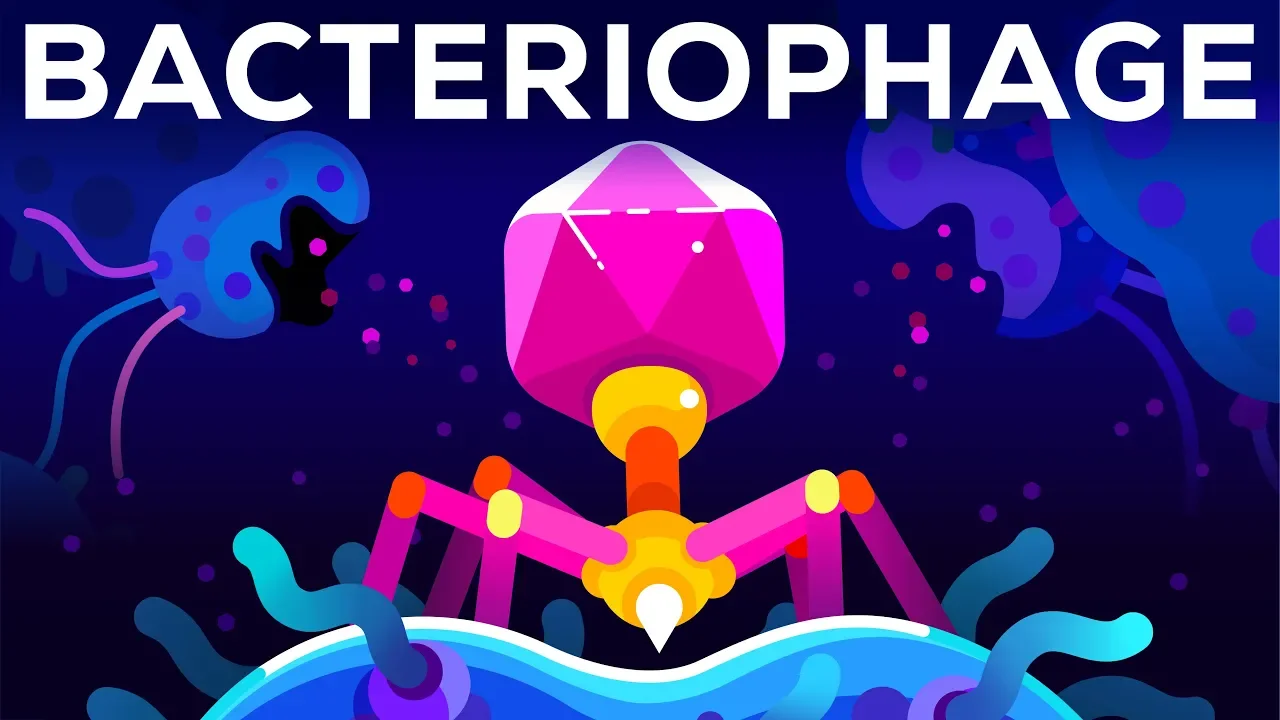
Bacteriophages: Earth's Deadliest Killers and Future Antibiotics
@kurzgesagt
34.6M views•2018-05-13
Related Study Plans & Knowledge Roadmaps
Structured learning paths in Biology