




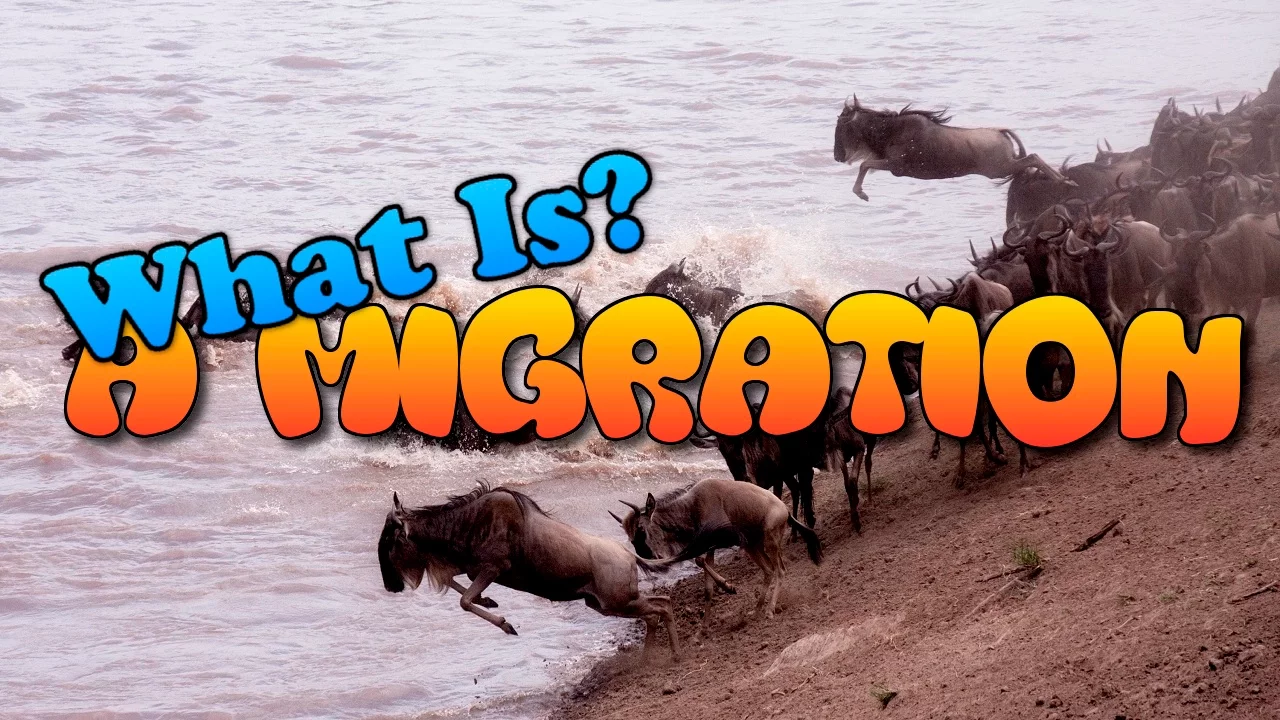




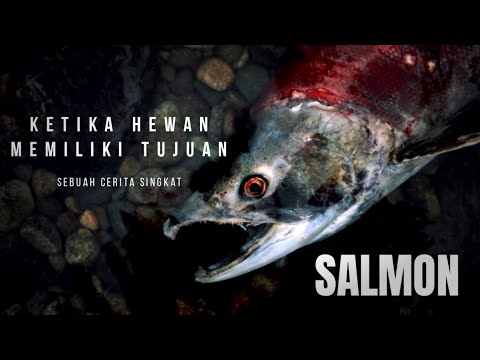
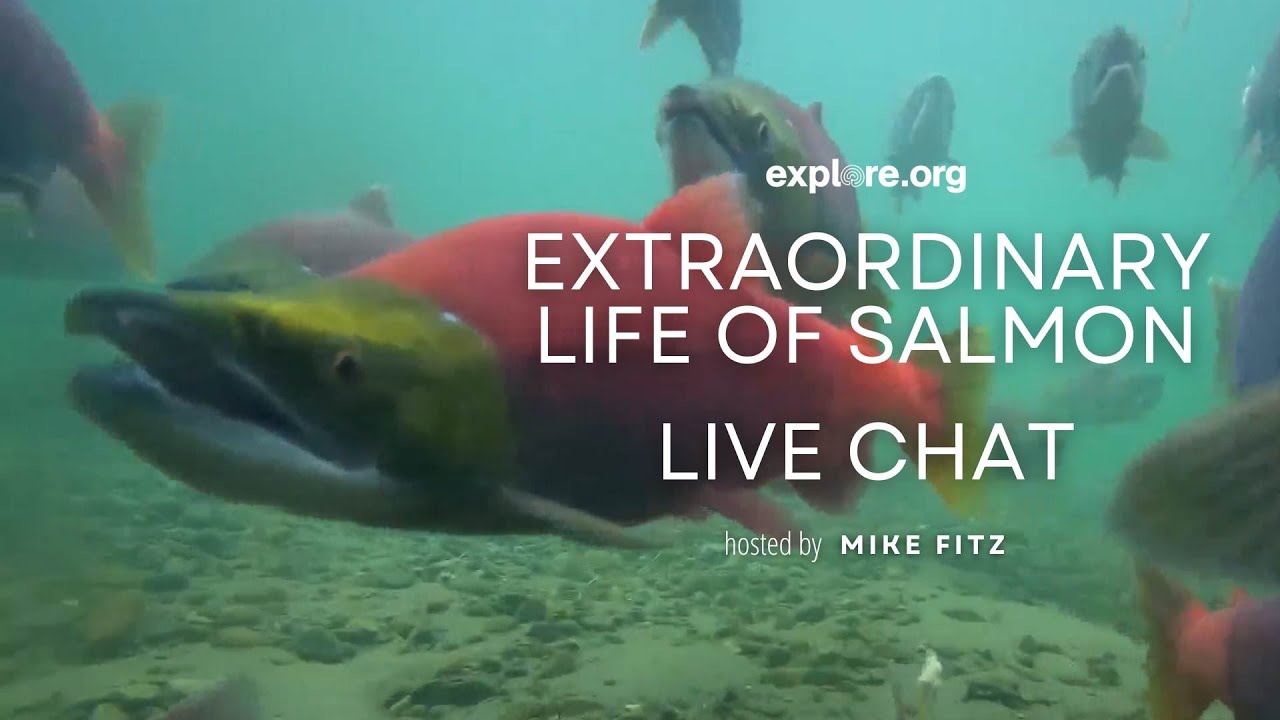


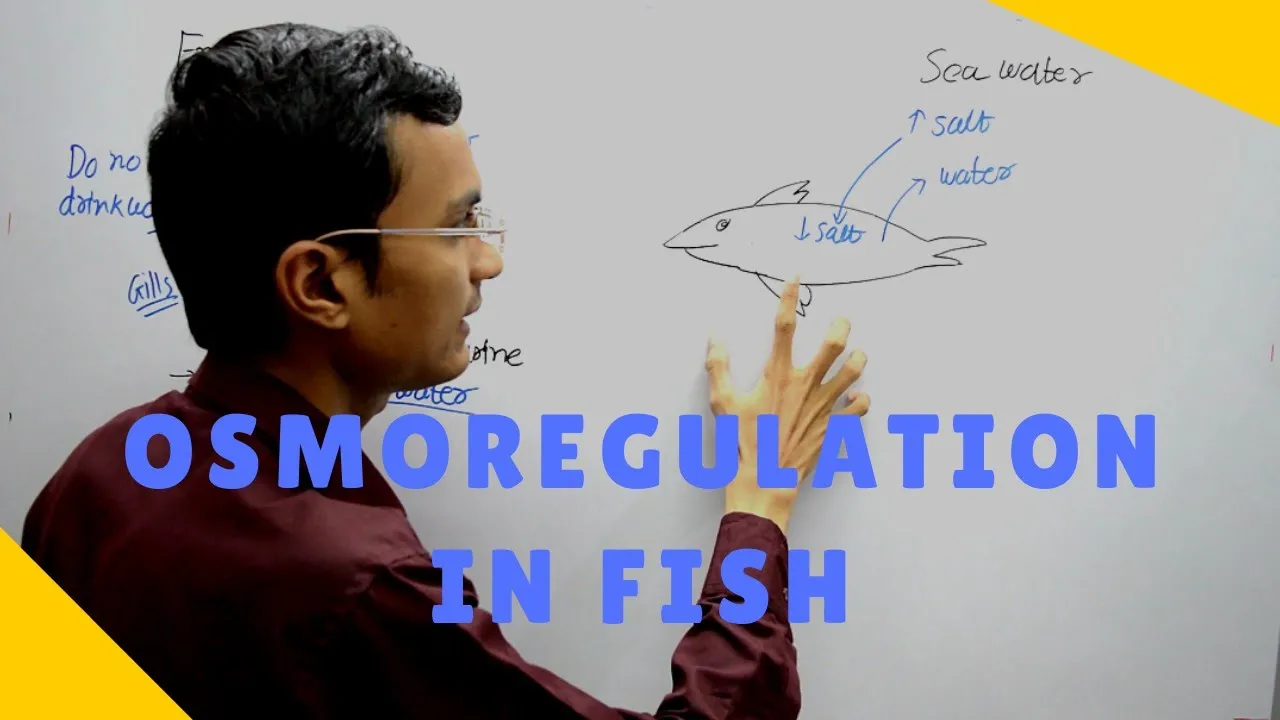



Salmon migrate from the ocean to freshwater rivers to spawn, using their highly developed sense of smell to navigate back to their birthplace; they undergo a remarkable physiological transformation called osmoregulation to survive in both saltwater and freshwater environments, and after laying eggs in gravel nests, the female salmon typically dies while the male fertilizes the eggs, completing the reproductive cycle that ensures the survival of the species.
The Magic School Bus Goes Upstream: Salmon Migration Science
Added:Basic understanding of animal life cycles, specifically that animals undergo different developmental stages from birth to adulthood.
The distinction between freshwater (rivers, lakes) and marine/saltwater (oceans) aquatic ecosystems.
The general concept of animal migration, explaining why some species travel long distances periodically for food, climate, or reproduction.
An introductory understanding of food chains, including the fundamental roles of predators and prey.
The physiological process of osmoregulation, which allows salmon to adapt and survive transitions between freshwater and saltwater environments.
The mechanism of olfactory homing, exploring how salmon use chemical signatures and Earth's magnetic field to navigate back to their exact natal streams.
The ecological role of salmon as a keystone species, delivering essential marine-derived nutrients to terrestrial forest ecosystems and wildlife.
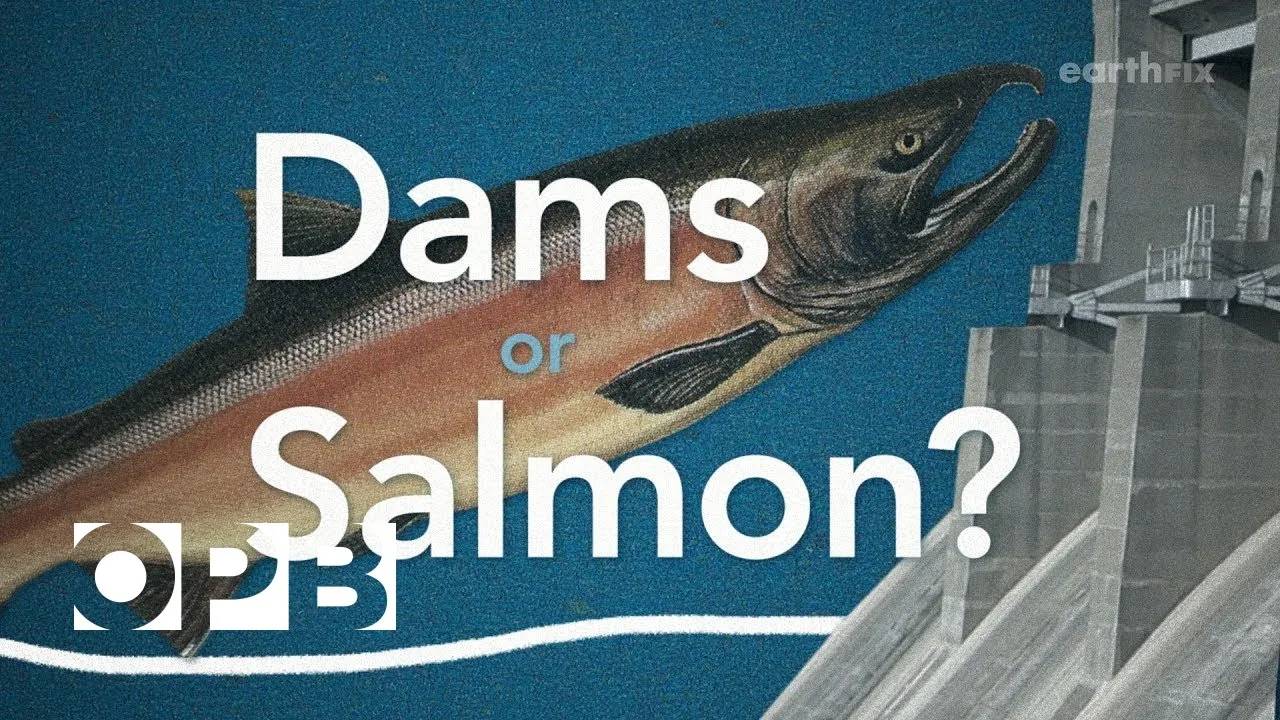
Human impacts on salmon migration, including the engineering of fish ladders, the ecological disruption of hydroelectric dams, and modern conservation efforts.
345.3K views1.1Klikes25:57Original Release: 2021-08-14
seat belts everyone please let this be a normal field trip with a friend no way cruising on that main street you're relaxing feeling good next thing [Music] take your second right [Music] a magic school [Applause] [Music] come on in and don't be shy just to make your day complete you might get baked into a pie only stuck inside it's a wild ride come on don't get it last spring there were so many salmon here you wouldn't believe it yeah yeah yeah sure there were big beautiful silvery salmon my uncle brian and i saw tons of them swimming around eating little fish doing what salmon do then where are they now we haven't had a bite all day and if we don't catch any fish what will we serve at the old school fish fry you promise fish ralphie when you organized the picnic and the baseball game i know i know let's just stick it out a little longer we have to catch something oh fish on a big one [Applause] a whale of a meal coming right up [Music] [Applause] [Music] thanks for fishing me out class i was just testing our new fearsomely fast flippers and i have to say they are fantastic i wish i could say the same thing about the fishing miss frizzle but you're the only thing we've caught all day oh dear don't tell me there's a salmon famine when you've promised the whole school fish i don't understand it they used to be here i'd do anything to find those fish hmm as my tantric filter would probably say there's something fishy going on here to the bus class but we're already on the bus single file please are we going home miss frizzle when your salmon have up and gone it's time to get up and go hit it liz wait a minute we're supposed to look for salmon not become one actually class the bus hasn't turned into a real salmon but with this new microbus software it'll think it has this disc programs the bus to have a brain and a memory exactly like a salmon so it'll go wherever your salmon went ralphy remackerel isn't it uh well i guess so just as long as we get home on time don't clam up now ralphie show some muscle we've got fish to fry guess what ralphie we've been frizzled check out these big screen tvs what are they for miss frizzle well they're microbus windows dorothy ann they let us see what the bus is thinking wow i'll tell you what the bus is thinking it's in the mood for sushi you mean the bus is going to eat a raw fish as my cousin poseidon always says the fresher the fish the better [Music] looks like salmon stick to a seafood diet they see food and eat it and it liked what it saw this is cool over here we get information about smells in the water and the joysticks got smell-a-rama ah the smell of the open sea over here quickly something weird is happening man look at that wiggly line it's a pressure sensor changes in water pressure tell salmon about other things in the water to watch out for you mean a salmon can actually feel the water pressure yep that line shows what the salmon can sense without using its eyes [Applause] sounds like a big one [Music] oh just look at those teeth excuse me miss frizzle but we're out of here something's wrong the gas pedal doesn't work and the steering wheel won't turn of course not ralphy we're not in control anymore we're not then who is the bus of course it's thinking like a salmon but we can't be safe in the hands of a salmon we're finished come on even a salmon has to take chances make mistakes and get [Music] gave him the slip just like a true salmon oh what do you say we just forget finding salmon for the fish fry and go home before it's too late hey look guys oh no it's feeding time again brace yourselves everyone huh that's weird the bus was eating everything he could catch before and now it's suddenly not hungry anymore look salmon real ones and everybody seems to be going in the same direction miss frizzle i know i said i'd do anything to find salmon for the fish fry but i've changed my mind please can we go back please no way you can flounder now ralphie the bus thinks it's a salmon and there's no stopping wait a minute according to my research when a salmon loses his appetite and starts swimming and is joined by a bunch of other salmon all going in the same direction it can only mean one thing what we're migrating you mean like birds in the fall so maybe we're looking for a new place to live now but i want to go home oh arnold home is where the heart is but where are we going i don't care where we're going how do we [Music] stop it says here some animals who migrate travel thousands of miles and it could take months which means we might make it back in time for our senior picnic except that i have a plan it better be good ralphie of course it's good it's caviar we'll just go outside and turn the bus around hey that is good wow she never says that una memento small fry don't go out without your flippers they just might come in handy [Music] wow look at all these salmon i feel like a real shrimp oops sorry juan it's okay too bad we don't have those pressure sensors that help salmon feel what they don't see with their eyes quit carping you guys let's stop this salmon wannabe so we okay now everybody hold hands we're not stopping do something miss frizzle i'm afraid that's not possible class [Music] the bus has a place to go and things to do now what are we gonna do there's only one thing to do catch it and stop it follow that fish the computer's locked in i can't change our course the bus thinks it's a salmon and it's determined to go where the salmon are going according to the bus the water's getting less salty fresh water means we can't be in the ocean anymore you're right phoebe i think we're migrating toward a river but saltwater fish die in fresh water it just means salmon are amazing creatures that can switch safely from being salt water to fresh water fish a perfect flip-flop that's a relief we're gaining on them partners let's corral that bus only thing is ralphie the bus has stopped all the salmon stopped what's going on hey look at that one what's happening to its mouth and look at that one's billy miss frizzle miss frizzle the bus and the salmon are changing right before our eyes that's right ralphie kind of like you will when you become a teenager only salmon changing fishier ways maybe we've reached our destination but why would salmon migrate here why would they leave the big wide ocean it's as if we're waiting for something right as rain the river is low and there's not much water coming down so are the salmon waiting for the water to rise yikes this place is dangerous we better warn miss frizzle what is that smell it reminds me of something somewhere but i can't say what i don't recognize it but i think the bus does the bus thinks the smell is coming from there oh i just love it when everybody thinks according to the pressure sensors we've got company not another shark seal alert seal alert that was a close one the danger's gone but the bus is still sensing some kind of pressure change wait a second it's been raining i bet the water level is rising here we go again hey i thought the salmon were done migrating where are they going now okay big guy now what don't worry i have another plan i hope it's better than the last one ralphie this one is caviar a la mode since we can't stop that bus on our own we'll hook that guy into catching it for us it is good ralphie didn't she say that the last time get ready grab it [Applause] [Music] [Applause] [Music] don't see it if it doesn't see it it'll probably smell it this bus is pretty smart maybe it won't take the bait we took the bait isn't this thrilling or should i say gilling i say we're cooked or we'll be soon [Music] [Applause] oh boy a yellow salmon wait'll cindy sees this okay we caught the bus so how do we get it off the hook well we just uh uh you don't know it's not in the plan i think thee think thanks sam and think you're mine now [Music] that smell is getting stronger and this picture's starting to come together we must be getting closer closer to what only the bus's nose knows phoebe [Music] this plan is the bus will never make it over the dam so then it can take us home [Music] those salmon don't stand a chance i knew it would work no matter how much a salmon wants to migrate it can't overcome the plan of all plans then again i guess it can their determination is awesome but where are they going and why hey the smell is really strong now and the buses stop moving and the picture's complete i'd say we're here this is the place we've reached the destination of our migration but this is just a little stream there's hardly even enough room for us so why'd we leave the nice big ocean to come to this very spot can't believe it we came all this way just to dig a hole oh not just any hole dorothean you'll see hey you guys [Music] so my plan was a dud in the bus migrated anyway can we please go home now sure thing ralphie after one more experience [Music] holy mackerel the bus just laid eggs and we're in them [Music] we're eggs salmon eggs i guess the yolks on us but what about going home look at it this way ralphie as soon as we hatch this will be home and now we know why salmon migrate to find a place to lay their eggs well that's why the females migrate but what about the males those hookjawed guys excuse me sir we were just wondering any particular reason why you're here [Music] there's your answer carlos what is he some sort of car wash no don't eggs have to be fertilized by the males before they can grow and hatch yes so salmon migrate to make baby salmon that's it the reason for migration is creation and we're gonna be the next generation of salmon [Music] it's time to hatch the new batch get ready to dig in liz hey the bus is burying us alive it must be okay the real salmon are burying their eggs too becoming an egg okay getting fertilized okay getting buried in an egg not okay oh i think i should have stayed home today is it just me or are these egg cartons getting a little tight tight is right ralphie i'm going to speed things up a bit class let's break an egg [Music] let's see if hatching's all it's cracked up to be [Music] wow being a baby salmon is really cool and i sure feel a lot safer here than i would in the big wide ocean you've got that right in the ocean we just be some big whoppers side of fries so that's why salmon migrate to quiet little streams to give their babies a chance to live hey speaking of fries i'm hungry my yolk sacks history let's find food eggs alvins right on schedule next stop salmon fry eat your little hearts out class [Music] [Applause] [Music] [Applause] [Music] if i didn't know we were fish i think we were pigs all we do is eat eat and grow eat and grow [Music] there's just so much yummy food here and that my little salmon is power for the course you know this stream is a great place for salmon to grow up i say we give the bus three cheers for migrating here hooray but how come salmon in the ocean know about this place i mean who told them about it where'd they get the map yeah there is something fishy about that there's everything fishy about it class think think think like a salmon how would a salmon know about a river hundreds of miles away and be able to find it well the bus kept smelling a place that was far away and trying to make a picture of it yeah like it had seen it a long time ago and was trying to remember it and as the smell got stronger the picture got clearer and we got closer i think we smelled our way here because this place this stream was what the bus was remembering that's it the salmon know this is a great place to grow up because they grew up here themselves so when salmon migrate they smell their way back home and no matter what the dangers or obstacles in the way grown-up salmon migrate to the safe streams where they were born to give their kids a good chance to survive good thinking class oh i knew if you put your fins together you'd fish out the truth all right fishing accomplished carlos hey wait a minute big fish can't stay around here they've got to get back to the ocean don't they you mean fish migrate twice to the ocean and back again they do indeed little streams are good for little salmon but the ocean is better for big salmon so are we going to migrate again yeah only instead of going to the ocean we're going to a fish fry do the bus [Music] [Applause] [Music] of course miss frizzle's class is late ralphie organized a fish frying baseball game so why should they show up on time they're only bringing the fish we're here with potato fish fries for all potatoes what's matter couldn't find any salmon oh we found salmon all right janet but we found the migrating they were making a journey so incredible we decided to let them be you're making that up as my friend the sturgeon general used to say once you've seen a salmon on the move the rest is potatoes [Music] is this the magic school bus is this the magic school business [Music] [Applause] [Music] [Applause] ah oh well what is it where is it magic school bus the producer speaking what can i do for you well i really like your show about salmon migrating but after mulleting it over for a while i have a few questions fish sticks i thought the show was really clear but go ahead ask away you made salmon seem like superheroes they swim upriver against the current they leave tall dams in a single pound well it's true the urge to migrate is so strong they'll do almost anything to get home but i'll bet lots of them get knocked off on the way between seals and fishermen and bears and birds and there are other hazards too like pollution so it's a really dangerous even deadly journey more salmon die than live yeah but hey don't be a downer every year enough salmon reached their destination to get to the big payoff at the end yeah they have kids but wait a minute how come you made it seem like salmon migrate in a day it takes about six months they leave the ocean in the spring and get to the rivers where they were born in the fall you're right we had to fudge the time just because it's tv and you fudge time again you showed the salmon eggs hatching ground a little salmon in just a few minutes that usually takes two years you're right another fudge liz just one more thing you're not really fishing are you i mean not after producing that show well yeah i am after all i'm just part of the food chain too well i hope you don't catch anything especially not a salmon don't worry i never catch anything [Music] and i promise if i do i'll throw it back [Music] bye [Music] [Music] [Applause] come on in and don't be shy just [Music] magic you
Up Next
6:25
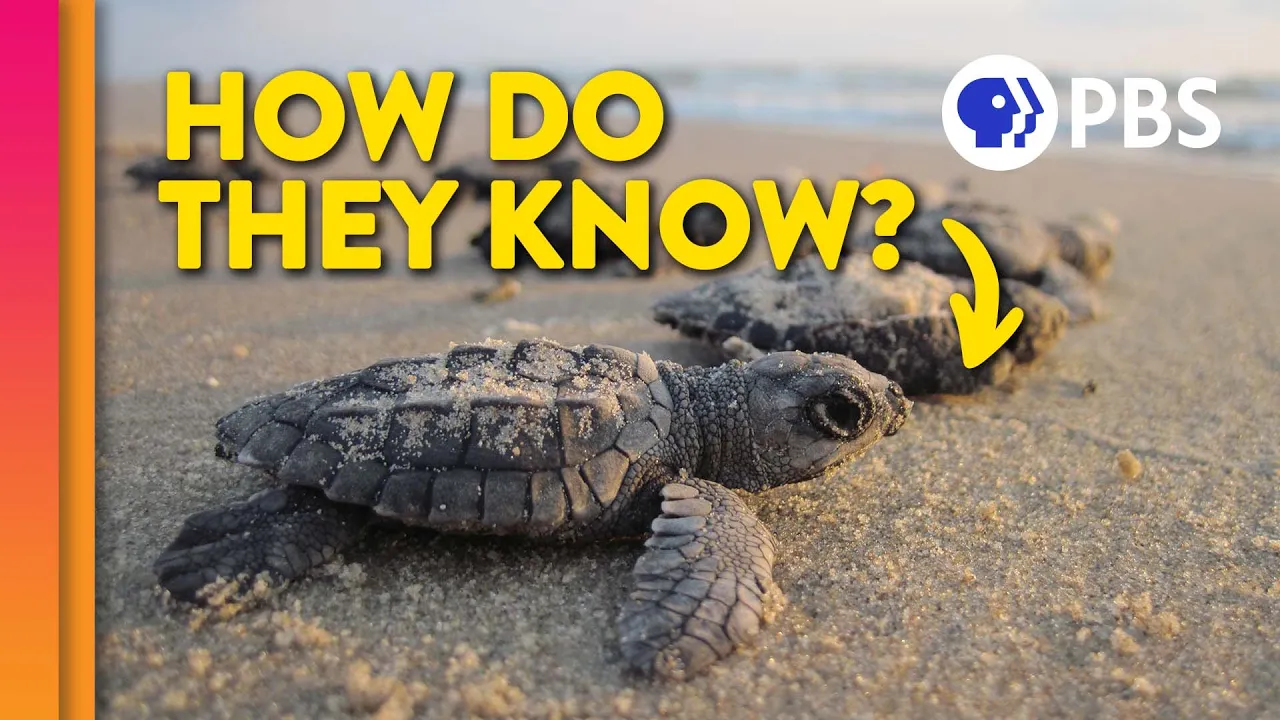
How Baby Sea Turtles Navigate Home Using Earth's Magnetic Field
@besmart
1.6M views•2016-10-17
22:43
Ketone Ester Treats Angelman Syndrome Seizures in Mouse Model
@epigenixfoundation5302
1.3K views•2016-07-15

5:35
Enteric Nervous System Explained: The Gut's Brain | Neurobiology Lecture
@alumniu6029
438 views•2018-09-12
7:08
Bacteriophages: Earth's Deadliest Killers and Future Antibiotics
@kurzgesagt
34.6M views•2018-05-13
Related Study Plans & Knowledge Roadmaps
Structured learning paths in Biology
biology
Analyzing Animal Venoms: Genetics & Pharma
01Molecular Biology & Physiology Foundations
02Venom Evolution & Toxin Gene Recruitment
03Neurotoxins & Ion Channel Pharmacology
+ 2 more learning modules
18h5 modules
Explore Roadmap
biology
RNAi: Biogenesis, RISC & Gene Silencing
01Molecular Biology Foundations: DNA to Protein
02Introduction to RNA Interference (RNAi)
03Molecular Biogenesis of miRNA and siRNA
+ 2 more learning modules
10h5 modules
Explore Roadmap
biology
Mycorrhizae: Signaling, Biophysics & Ecology
01Foundations of Mycorrhizal Symbiosis
02Molecular Signaling and Root Colonization
03Biophysics and Bioenergetics of Nutrient Exchange
+ 1 more learning modules
11h4 modules
Explore Roadmap
biology
Circadian Clocks: TTFL, SCN & Periphery
01Foundations of Molecular Biology & Gene Expression
02Introduction to Chronobiology and Actograms
03The Core TTFL: Molecular Architecture of the Clock
+ 3 more learning modules
14h6 modules
Explore Roadmap