













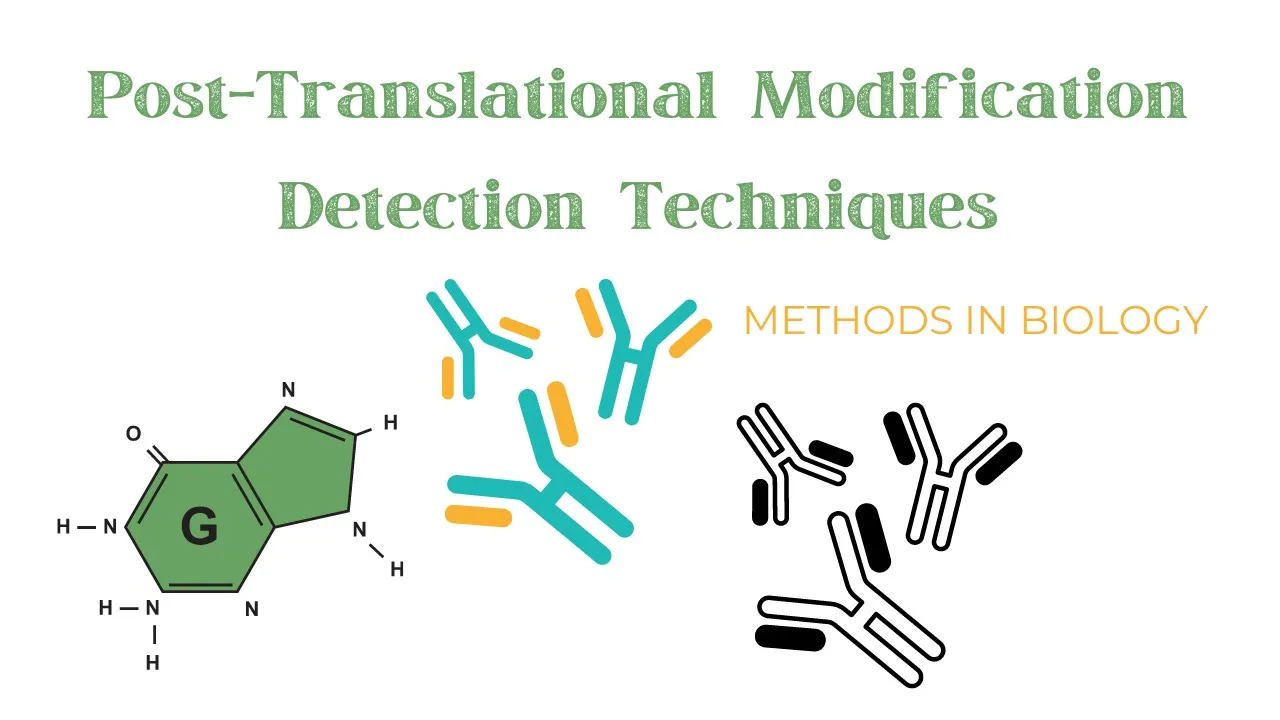


Post translational modifications are chemical alterations that polypeptide chains undergo after translation to become functional proteins, including phosphorylation (adding phosphate groups to serine, threonine, or tyrosine via protein kinases), methylation (adding methyl groups via methyl transferase), glycosylation (adding sugar components affecting protein folding), proteolysis (enzymatic cutting of inactive precursor proteins), acetylation (adding acetyl groups, especially to histones for gene regulation), and lipidation (adding lipid components for membrane integration).
Post-Translational Modifications Explained: Types & Functions
Added:The Central Dogma of Molecular Biology, specifically how genetic information flows from DNA to RNA to functional proteins via transcription and translation.
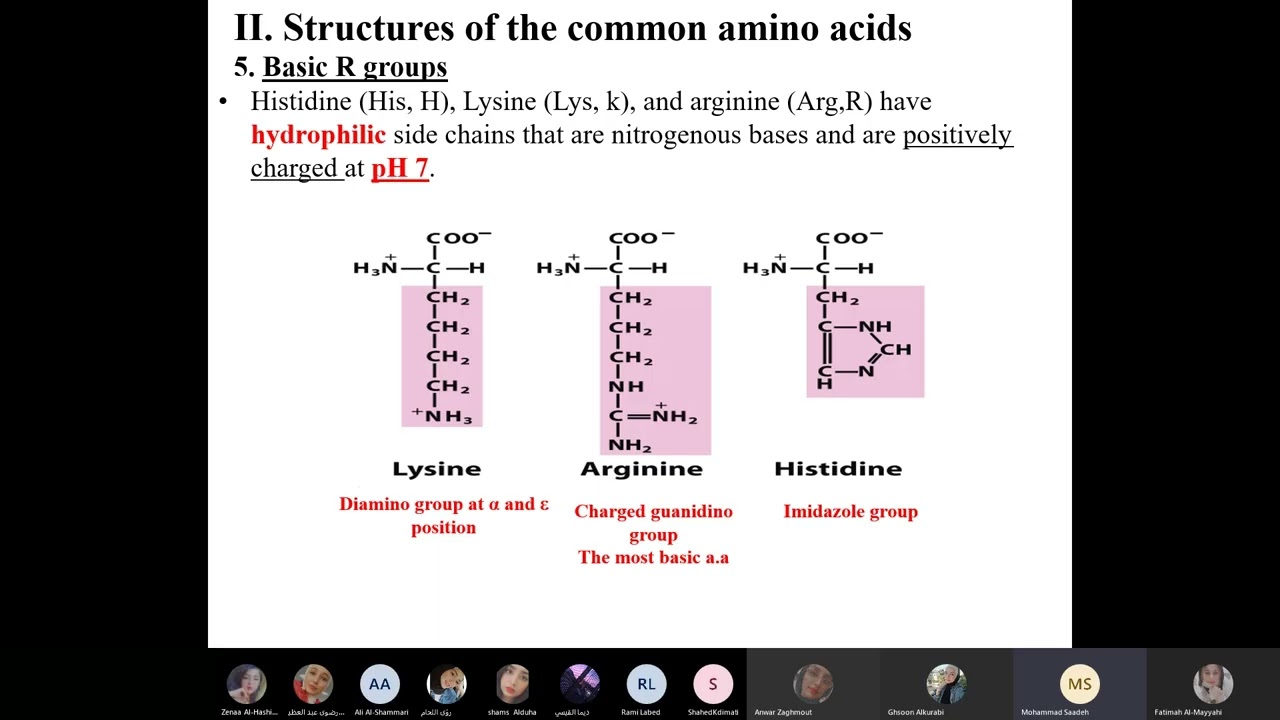
Basic protein structure and biochemistry, including the properties of the 20 standard amino acids and their side chains.
The functions of eukaryotic organelles involved in protein synthesis and trafficking, particularly the Ribosomes, Endoplasmic Reticulum, and Golgi Apparatus.
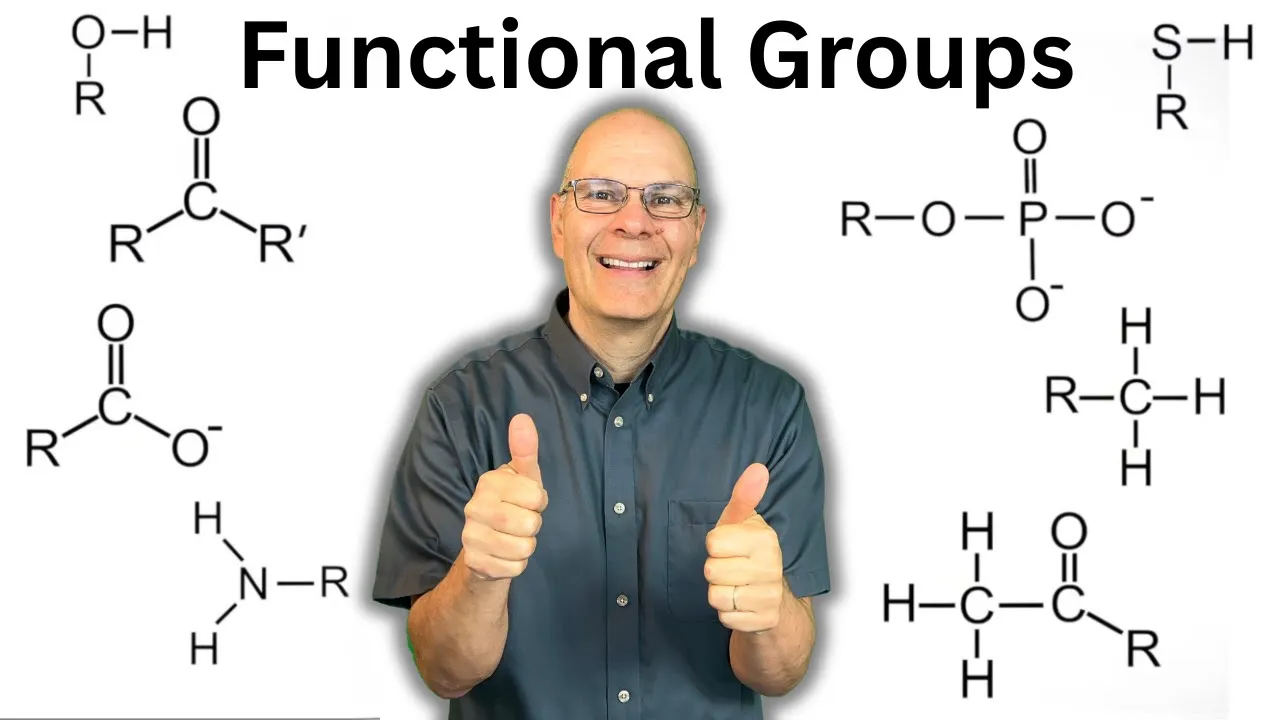
Fundamental chemical concepts of covalent bonding and basic functional groups (such as phosphate, methyl, acetyl, and lipid groups).
Signal transduction cascades, exploring how reversible protein phosphorylation acts as an on/off switch to regulate cellular pathways.
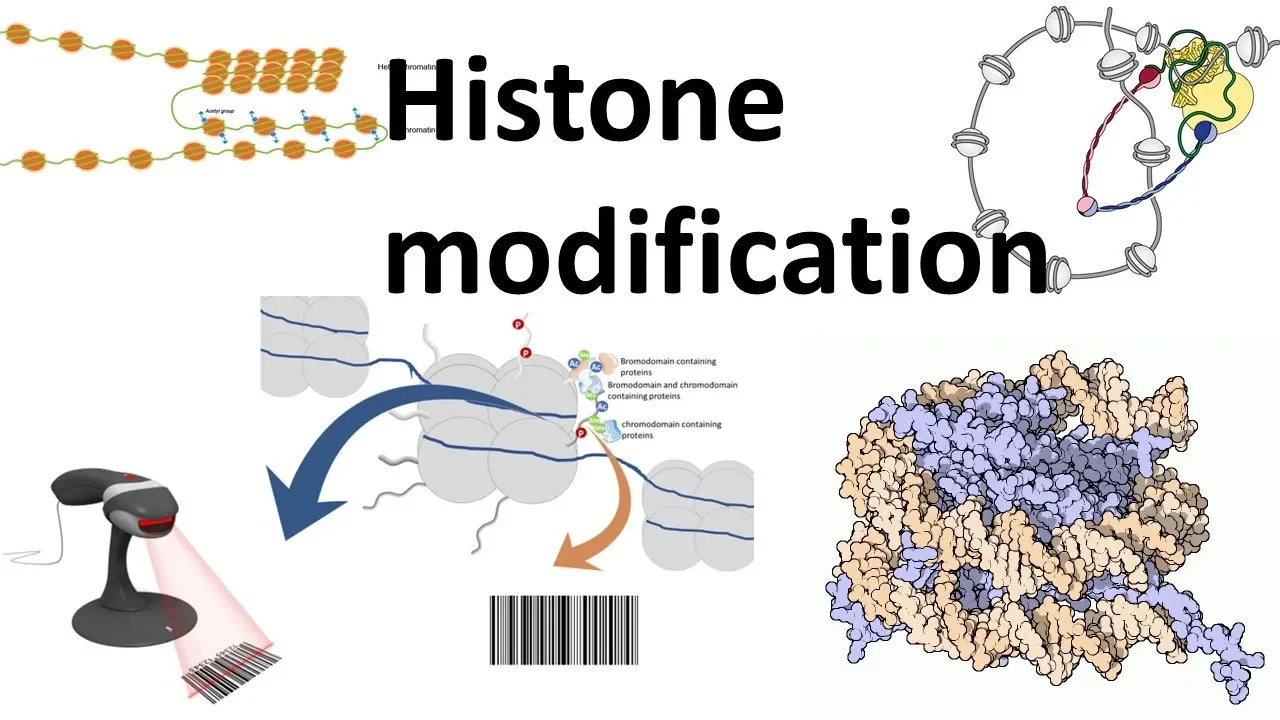
Epigenetic regulation and chromatin remodeling, specifically studying how histone modifications (acetylation and methylation) control gene expression.
Analytical biochemistry techniques used to identify and map PTMs, such as Tandem Mass Spectrometry (MS/MS) and immunoblotting.
Pathophysiology and therapeutic targeting of aberrant PTMs, such as hyperphosphorylation in Alzheimer's disease or abnormal glycosylation in cancer cells.
136.8K views1.7Klikes7:47Original Release: 2014-09-11
ribosomes are the Machinery of the cell that are responsible for translating and synthesizing our polypeptides our proteins and the way that they synthesize our proteins is by using the genetic code to translate the sequence of nucleotides into the sequence of amino acids and we synthesize the polypeptides in that fashion now our polypeptides once they're actually synthesized in the ribosome are not complete before they actually arrive at the Target location and before they are activated they have to undergo many different types of processes many different types of modifications and together all these modifications are known as post transational modifications of our polypeptide chains now uh the types of post transational modifications that we're going to briefly discuss in this lecture are shown on the board so we have phosphorilation methylation glycosilation we have protolysis we have an aculation as well as lipidation so let's begin with the process of phosphorilation so phosphorilation is the addition of a phosphate group onto certain amino acids usually the serine threonine and our tyrosine on our polypeptide chain and the enzyme that basically catalyzes the addition of the phosphate group is known as protein kinases so by adding our phosphate group onto our polypeptide chain we're basically increasing the hydrophilic character of that protein and as we'll see in a future lecture the this type of modification is usually used in the process of the cell cycle in the cell growth process as well well as signal transduction now the second type of post transational modification is methylation and methylation is basically the addition of a methyl group onto certain amino acids via the enzyme known as methyl transferase so methylation usually increases the hydrophobic character of the enzyme and so those polypeptides that are methylated basically in increase their hydrophobic character as well now methylation is utilized in a process known as epigenetic regulation which is basically the regulation of gene expression that takes place during the process of transcription now let's move on to the third type of post transational modification known as glycosilation so glycosilation is the process by which we add a sugar component onto our polypeptide chain Now by adding a sugar component we basically affect the protein's folding process as well as change the confirmation of that protein now one example of proteins that are glycosilated are those proteins that ultimately end up on the plasma membrane of the cell and these proteins usually act as receptors for other important biological molecules such as for example neurotransmitters now let's move on to the fourth type of post trans uh translational modification process known as proteolysis so proteolysis is basically the process by which certain types of enzymes known as protasis actually cut our proteins now why would we want to cut a protein well basically certain proteins are synthesized in their inactive or xymogen form and in order to actually activate those proteins our enzymes called proteases must break certain peptide bonds in those proteins now many of the digestive enzymes in the stomach as well as as well as in a small intestine undergo this process of proteolysis now let's move on to the fifth type of post translational modification known as an acetalation so an acetalation is the transfer of an acle group from one molecule to an amino acid or unto the polypeptide chain now this process not only takes place after our translation took place but it also actually takes place during the process of translation so in most Ukon itic cells when translation is still actually taking place the first amino acid in the growing polypeptide chain usually our methine amino acid is removed and replaced by our atil group and this process is known as an acetalation now an acetalation plays a crucial role in gene expression histones those proteins that are involved in condens ing our DNA into chromatids can be meth or can be AC acetalated which reduces their ability to fold and opens up our DNA so that that DNA section can undergo the transcriptional process now finally the final process that we're going to discuss is lipidation so lipidation is the process by which we add a lipid component onto our poly peptide chain now why would we want to add a lipid component onto a polypeptide chain well basically those proteins that ultimately end up in a membrane for example the mitochondrial membrane the endoplasmic reticular membrane or or the plasma membrane these proteins that end up on a membrane need to actually incorporate themselves into those membranes and because lipids cons or because membranes consist of lipids by adding a lipid component onto our protein we're increasing that protein's Affinity to the membrane so this process is known as lipidation so we saw that phosphorilation methylation glycosilation proteolysis and acetylation and lipidation are six different processes that are known as post translation modification so these are the ways by which our polypeptides are modified following the process of translation now there are actually even more processes than we discussed in this lecture and we'll discuss those in more detail when we get into biochemistry now another type of process that takes place following our uh following our translation is the folding of the protein so in order for the polypeptide to actually become active it actually has to fold into the proper threedimensional form and special types of proteins known as chapon actually assist in this folding process
Up Next
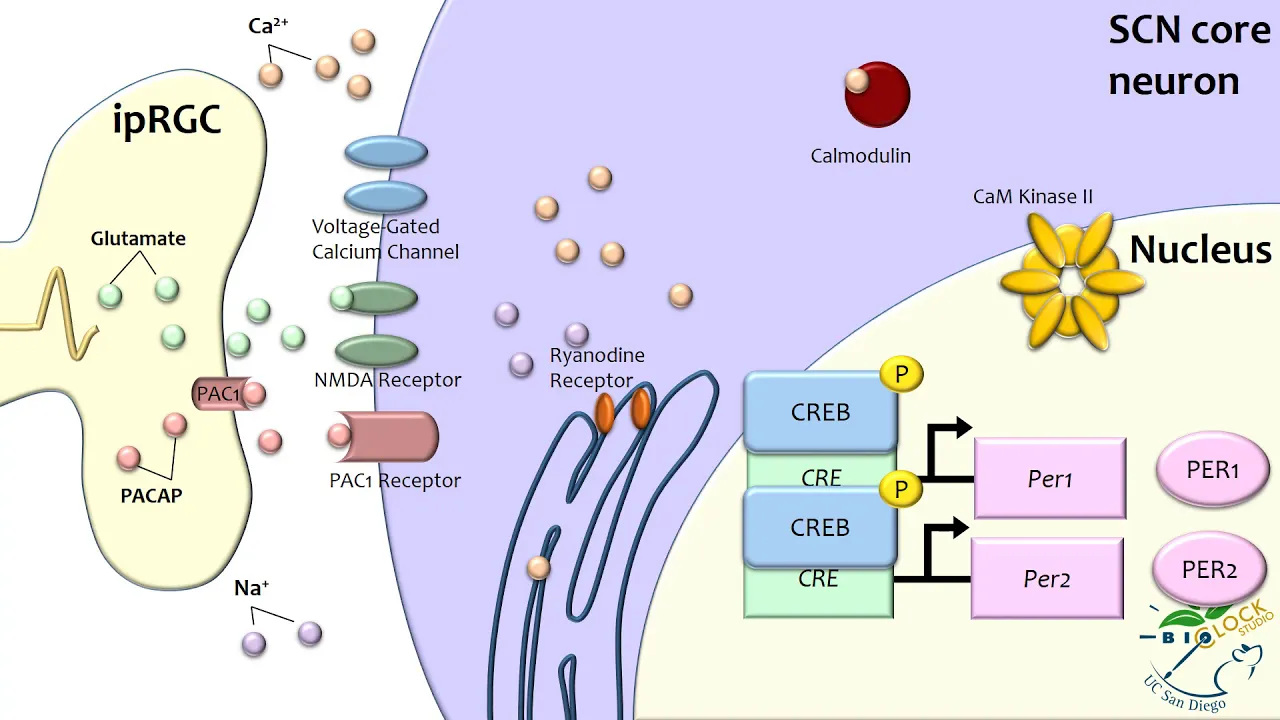
6:29
Molecular Entrainment to Light in the Suprachiasmatic Nucleus
@BioClockStudio
18.9K views•2018-05-07
50:12
Bacterial Communication: Quorum Sensing and Biofilm Formation Explained
@JHUAAP
12.6K views•2011-06-28

14:43
Alveoli Structure and Gas Exchange Explained | Pulmonary Physiology
@AKLECTURES
113.1K views•2014-11-08
7:08
Bacteriophages: Earth's Deadliest Killers and Future Antibiotics
@kurzgesagt
34.6M views•2018-05-13
Related Study Plans & Knowledge Roadmaps
Structured learning paths in Biology
biology
RNAi: Biogenesis, RISC & Gene Silencing
01Molecular Biology Foundations: DNA to Protein
02Introduction to RNA Interference (RNAi)
03Molecular Biogenesis of miRNA and siRNA
+ 2 more learning modules
10h5 modules
Explore Roadmap
biology
Mycorrhizae: Signaling, Biophysics & Ecology
01Foundations of Mycorrhizal Symbiosis
02Molecular Signaling and Root Colonization
03Biophysics and Bioenergetics of Nutrient Exchange
+ 1 more learning modules
11h4 modules
Explore Roadmap
biology
Circadian Clocks: TTFL, SCN & Periphery
01Foundations of Molecular Biology & Gene Expression
02Introduction to Chronobiology and Actograms
03The Core TTFL: Molecular Architecture of the Clock
+ 3 more learning modules
14h6 modules
Explore Roadmap
biology
Population Genetics: Math, Drift & Selection
01Genetic & Probability Foundations
02The Hardy-Weinberg Principle and Baseline Models
03Mathematical Modeling of Natural Selection
+ 3 more learning modules
18h6 modules
Explore Roadmap