

















The suprachiasmatic nucleus (SCN) functions as the master circadian pacemaker in mammals, receiving light information through intrinsically photosensitive retinal ganglion cells (ipRGCs) expressing melanopsin; light activates these cells, triggering a signaling cascade involving glutamate and PACAP neurotransmitters that depolarize SCN core neurons, leading to calcium influx and CREB phosphorylation which drives transcription of Per1 and Per2 genes, while SCN core neurons subsequently release VIP and GABA to synchronize SCN shell neurons and entrain peripheral body clocks through autonomic nervous system, hormone release, body temperature, and metabolism.
Molecular Entrainment to Light in the Suprachiasmatic Nucleus
Added:Basic neuroanatomy of the hypothalamus, specifically the location and general role of the Suprachiasmatic Nucleus (SCN) as the master pacemaker.
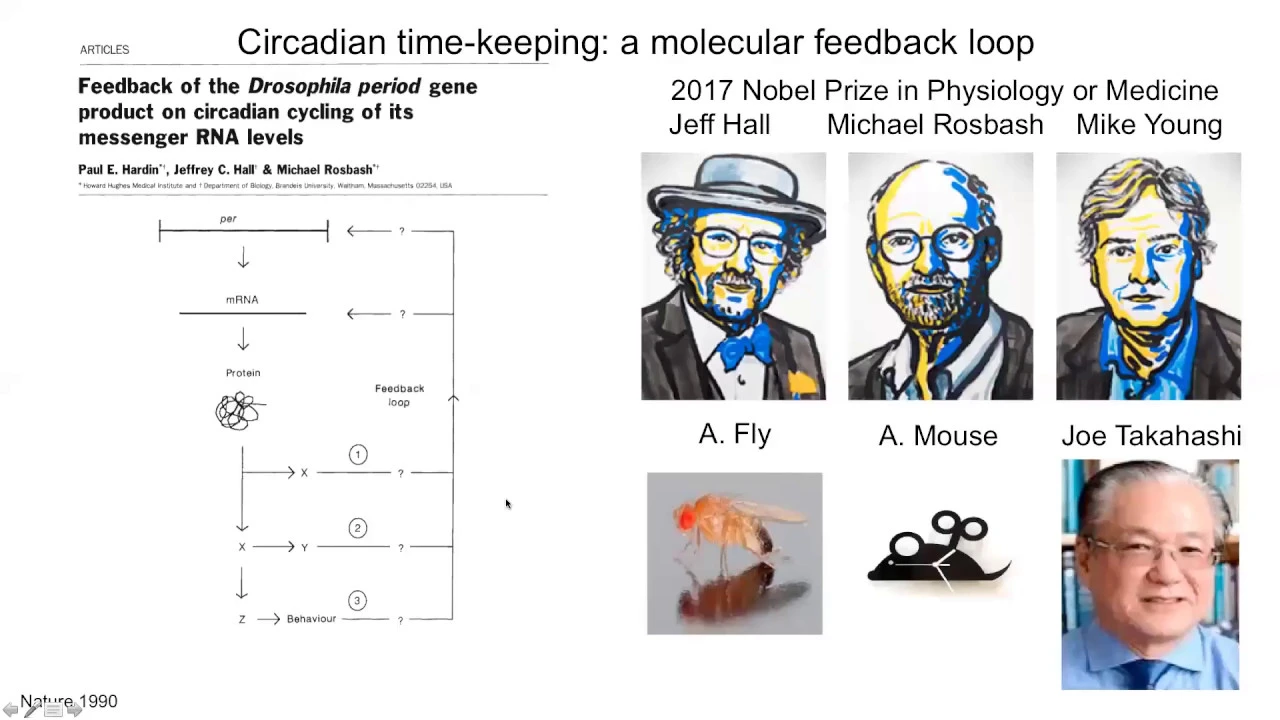
The concept of endogenous circadian rhythms and how they sustain roughly 24-hour cycles in the absence of external cues.
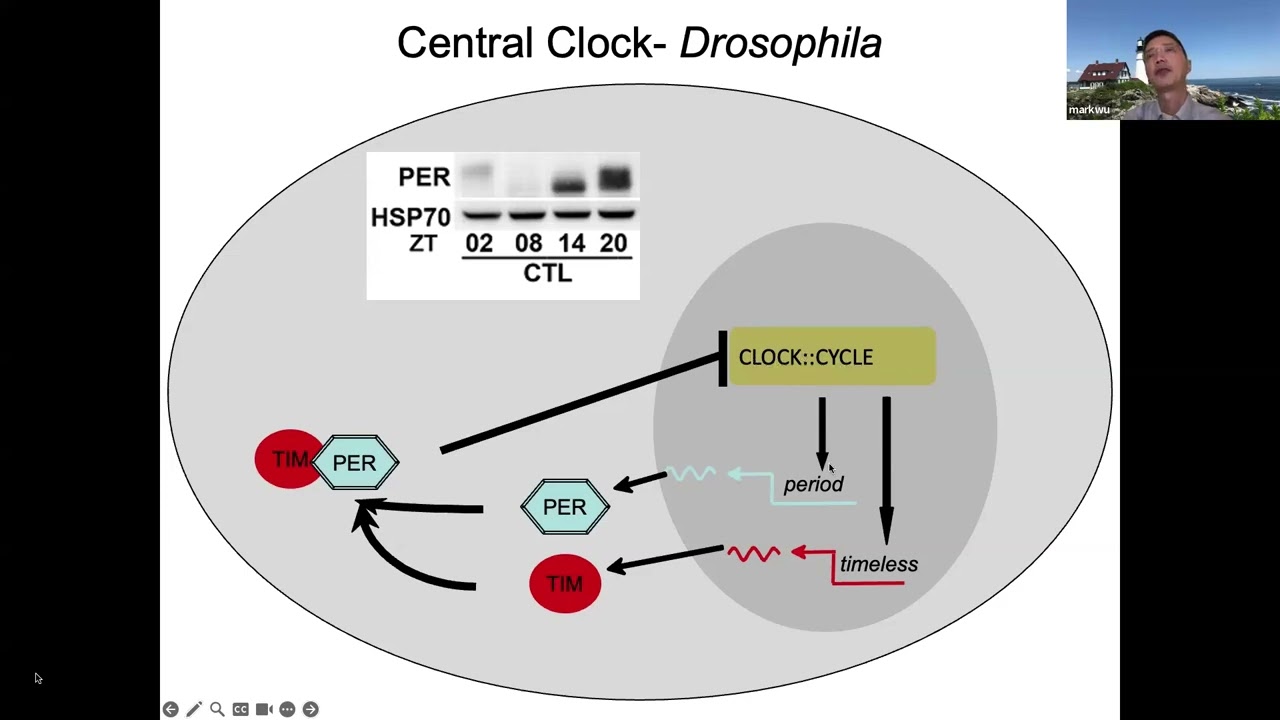
Fundamental molecular biology concepts, specifically transcription-translation feedback loops (TTFLs) involving core clock genes such as CLOCK, BMAL1, PER, and CRY.
Retinal physiology and the retinohypothalamic tract (RHT), including how intrinsically photosensitive retinal ganglion cells (ipRGCs) detect and transmit light signals using melanopsin.
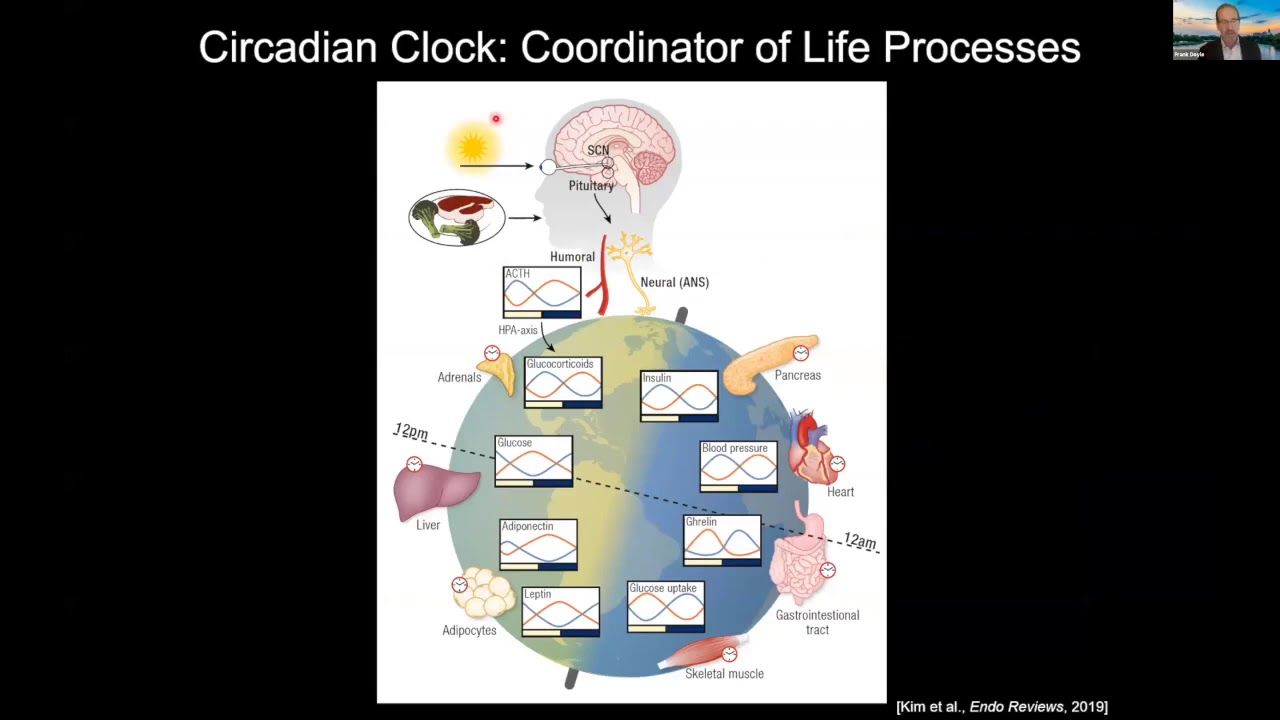
How the SCN coordinates and synchronizes peripheral clocks throughout the body's organs and tissues (such as the liver, heart, and adipose tissue).
The physiological and pathological consequences of circadian disruption, including shift-work disorder, jet lag, metabolic syndrome, and sleep-wake disorders.
Chronopharmacology and chronotherapy, specifically how aligning medical treatments and drug administration with the molecular clock optimizes therapeutic efficacy and minimizes side effects.
The synaptic and paracrine mechanisms (such as VIP and GABA signaling) that allow individual SCN neurons to couple and function as a synchronized network.
18.9K views394likes6:29Original Release: 2018-05-07
Welcome to a video tutorial on Mammalian Molecular Entrainment to Light and Networks.
This tutorial was produced by Adreanne Rivera, Cheyenne Schloffman, and Maria Villalon Landeros under the guidance of Drs. Benjamin Sheredos, Karen Tonsfeldt, Takako Noguchi and Susan Golden and narrated by Maria Villalon Landeros.
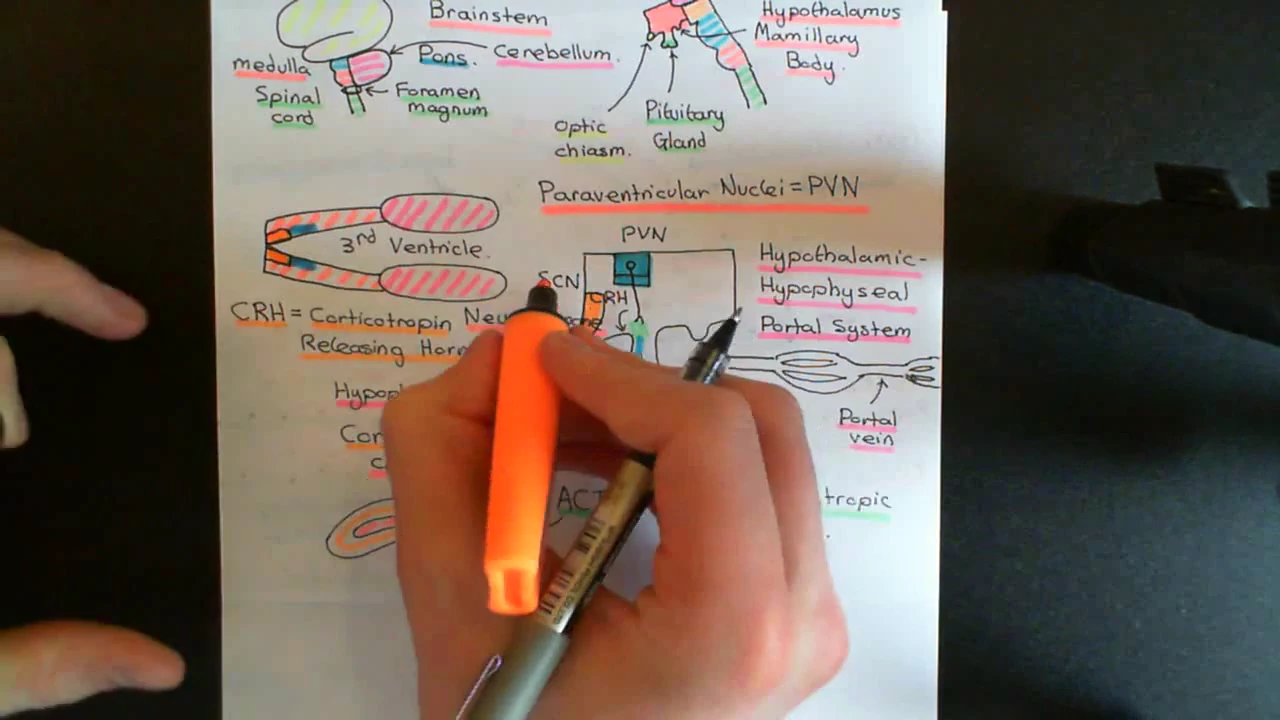
The suprachiasmatic nucleus, or SCN, in the hypothalamus, functions as the central pacemaker in mammals.
The SCN can generate stable circadian rhythms by itself, as well as synchronize its rhythm to the light/ dark cycle of the environment, and control the circadian rhythms of rest of the body.
In this video tutorial, we explain the molecular signaling pathways that transmit light information from the eyes to the SCN.
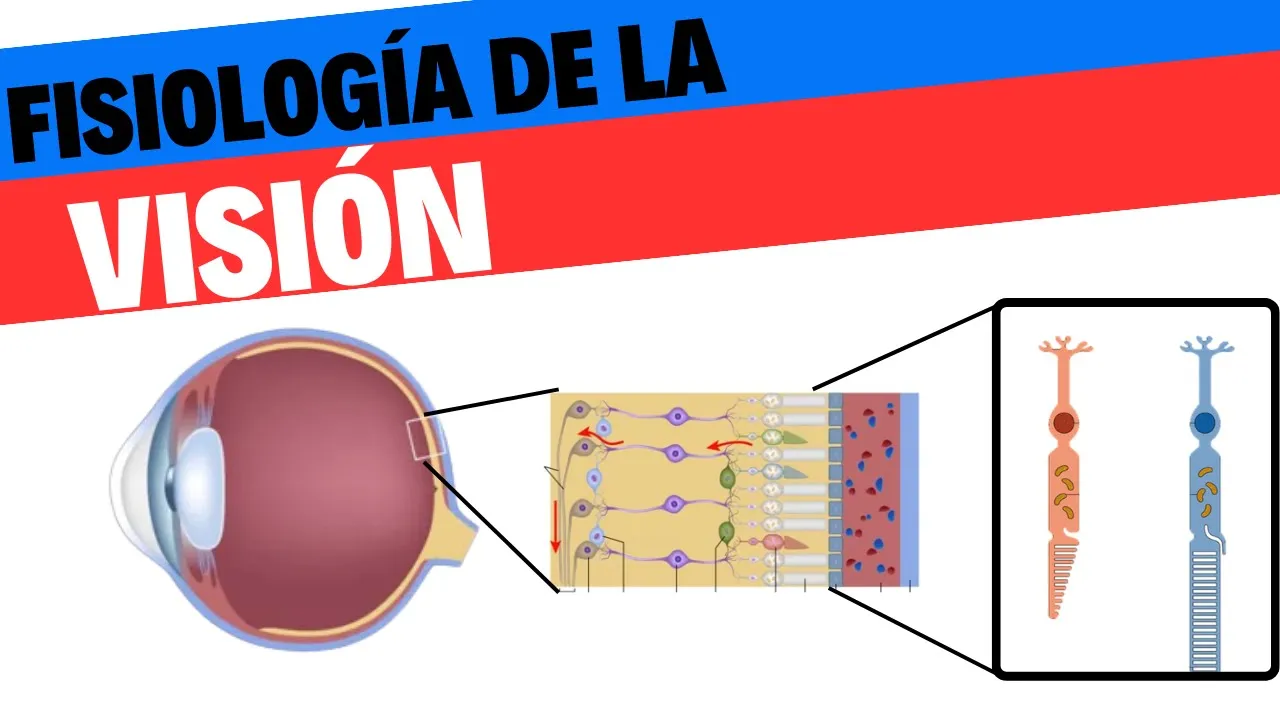
When light enters the eye, specialized cells in the retina, expressing the photopigment melanopsin, and called intrinsically photosensitive retinal ganglion cells, or ipRGCs, are activated by light.
ipRGCs are activated indirectly via inputs from rods and cones that form images, but also directly, by responding to light on their own.
To learn more please watch this video tutorial… When photons hit the retina,melanopsin within ipRGCs undergoes a conformational change.
This change in melanopsin causes these cells to send action potentials that travel to the SCN.
This anatomical pathway, consisting of an axon bundle of ipRGCs running within the optic nerve is called the retinohypothalamic tract, or RHT.
Some ipRGCs terminate at SCN neurons.
Only a sub-region of the SCN, called the SCN core, receives input directly from ipRGC.
Action potentials prompt the release of two neurotransmitters, glutamate and pituitary adenylate cyclase-activating polypeptide, or PACAP, onto SCN.
In the SCN, two types of glutamate receptors, NMDA and AMPA receptors, and the PACAP receptor, PAC1, play important roles in receiving light signals.
The binding of glutamate to an NMDA receptor opens the receptor, which causes an influx of cations (sodium and calcium) into the cytoplasm, which in turn causes the SCN neuron to depolarize.
PACAP helps amplify this depolarization by enhancing the release of glutamate onto SCN neurons, and by enhancing the magnitude of NMDA receptor-mediated currents.
The membrane depolarization activates voltage-gated calcium channels, which open to allow more into the cell.
At the same time, rising intracellular calcium levels activate ryanodine receptors on the endoplasmic reticulum, triggering the release of calcium from the endoplasmic reticulum into the cytoplasm.
Calcium in the cytoplasm binds to a protein called calmodulin to form a calcium-calmodulin complex.
This complex in turn activates Calcium-Calmodulin Kinase II, or CaMK II, which is now able to phosphorylate Cyclic-AMP Response Element Binding Protein, also referred to as CREB.
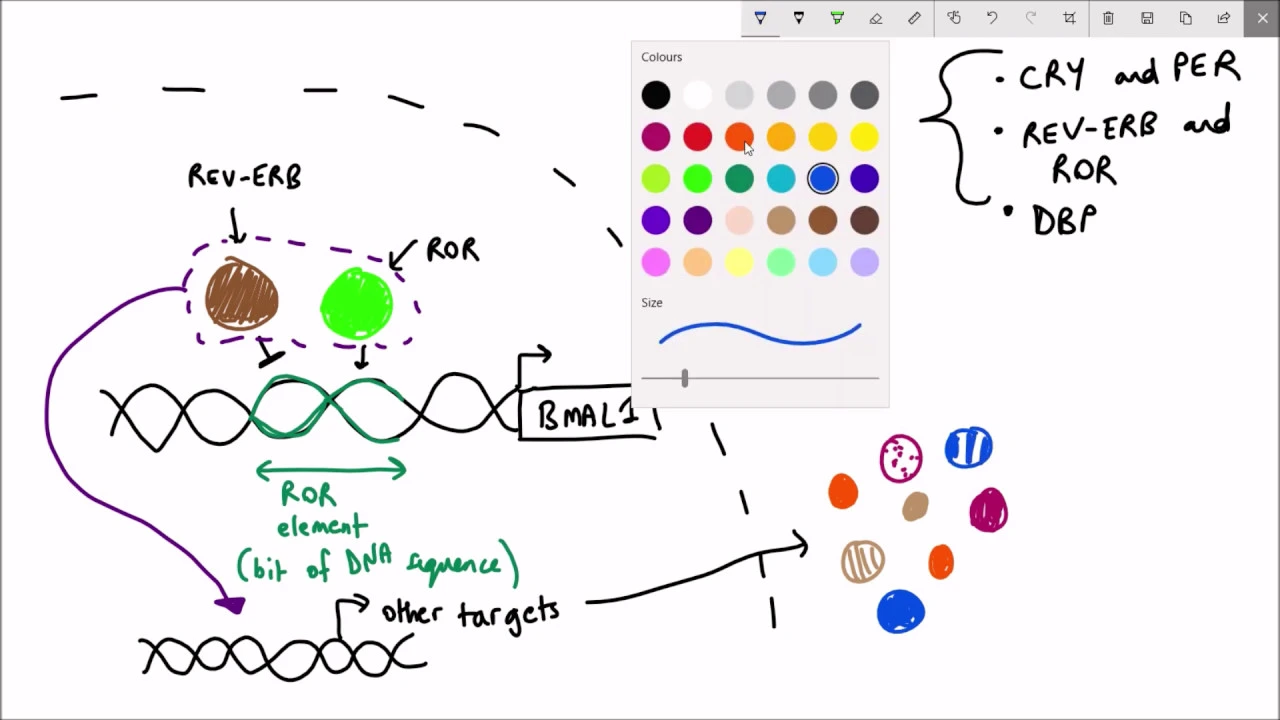
Phosphorylated CREB acts as a transcription factor by binding to the Cyclic AMP Response Element, or CRE, in the promoter regions of the Per1, and Per2 genes, which encode central components of the mammalian circadian clock.
Through this process, light drives the transcription of Per1 and Per2, which can shift the molecular clock depending on the time of day.
This process allows the SCN core neurons to receive and process light information and initiate synchronization of the entire SCN to the external light/dark environment.
After receiving light input, it is the job of SCN core neurons to communicate with other SCN neurons, called SCN shell neurons, which will then synchronize the clocks of the rest of the body.
As the core SCN neurons are activated or depolarized, action potentials are generated that travel down axons and trigger the release of VIP and GABA.
VIP is released into the synaptic cleft and binds to VIP receptors on the membrane of the SCN shell neuron.
VIP receptors are members of the family of G-protein coupled receptors.
When VIP binds to the receptor, VPAC2, it causes the activation of the G-alpha-S subunit of a G protein.
Activated G-alpha-S in turn activates the enzyme adenylyl cyclase, which converts ATP into cyclic AMP.
Cyclic AMP then activates an enzyme called protein kinase A or PKA, which travels to the nucleus where it phosphorylates CREB.
Although the kinase that carries out the phosphorylation is different than in the SCN core cells, the effect on CREB is the same.
Activated CREB binds to the CRE sites of the Per and Cry gene promoters and induces transcription The induced clock genes, PER and CRY, adjust the phase of the transcription-translation feedback loop of the cell.
In summary, when light stimulates the ipRGCs, glutamate and PACAP initiate a Calcium/CREB signaling cascade that activates expression of PER1 and PER2 in the SCN core neurons.
Subsequently, the SCN core neurons release VIP and GABA onto the SCN shell neurons and initiate a CREB signaling cascade, activating PER and CRY expression.
This process couples the oscillations in SCN core and shell neurons, allows the SCN to synchronize to light/dark cycle.
The SCN, in turn, entrains clocks of rest of the body through many processes including autonomic nervous system, hormone release, body temperature, and metabolism.
We hope you found this video helpful.
For more information on circadian biology, please visit the UCSD BioClock Studio website (ccb.ucsd.edu/the-bioclock-studio).
Thanks for watching!
Up Next
43:33
Light, Sleep & Circadian Rhythms | Russell Foster | Oxford
@PhysocTV
1.9K views•2019-02-04
50:12
Bacterial Communication: Quorum Sensing and Biofilm Formation Explained
@JHUAAP
12.6K views•2011-06-28

5:35
Enteric Nervous System Explained: The Gut's Brain | Neurobiology Lecture
@alumniu6029
438 views•2018-09-12
7:08
Bacteriophages: Earth's Deadliest Killers and Future Antibiotics
@kurzgesagt
34.6M views•2018-05-13
Related Study Plans & Knowledge Roadmaps
Structured learning paths in Biology
biology
RNAi: Biogenesis, RISC & Gene Silencing
01Molecular Biology Foundations: DNA to Protein
02Introduction to RNA Interference (RNAi)
03Molecular Biogenesis of miRNA and siRNA
+ 2 more learning modules
10h5 modules
Explore Roadmap
biology
Mycorrhizae: Signaling, Biophysics & Ecology
01Foundations of Mycorrhizal Symbiosis
02Molecular Signaling and Root Colonization
03Biophysics and Bioenergetics of Nutrient Exchange
+ 1 more learning modules
11h4 modules
Explore Roadmap
biology
Circadian Clocks: TTFL, SCN & Periphery
01Foundations of Molecular Biology & Gene Expression
02Introduction to Chronobiology and Actograms
03The Core TTFL: Molecular Architecture of the Clock
+ 3 more learning modules
14h6 modules
Explore Roadmap
biology
Population Genetics: Math, Drift & Selection
01Genetic & Probability Foundations
02The Hardy-Weinberg Principle and Baseline Models
03Mathematical Modeling of Natural Selection
+ 3 more learning modules
18h6 modules
Explore Roadmap