





![The Sleep Wake Cycle: Circadian rhythm - Biological Psychology [AQA ALevel]](https://i.ytimg.com/vi_webp/fZ8rbd03GyM/maxresdefault.webp)












Circadian rhythm disorders are caused by disruptions in the body's internal 24-hour biological clock, which operates through a transcriptional-translational feedback loop involving core clock genes (such as Period and Cryptochrome) that are conserved from fruit flies to humans. The suprachiasmatic nucleus (SCN) in the hypothalamus serves as the master circadian pacemaker, entrained primarily by light exposure through intrinsically photosensitive retinal ganglion cells expressing melanopsin, while melatonin acts as the 'darkness hormone' that signals nighttime. Treatment of circadian rhythm disorders, particularly Delayed Sleep Phase Syndrome (the most common disorder), involves blocking blue light exposure in the evening, administering melatonin 5-6 hours before desired bedtime, and providing bright light exposure in the morning after the core body temperature minimum (Tmin) to advance the circadian phase.
Circadian Rhythm Disorders: Diagnosis & Treatment by Mark Wu, MD
Added:[Music] [Music] everybody uh welcome to case sleep medicine Grand rounds it's it's my privilege to introduce uh Dr uh Mark woo a great friend and colleague uh Dr Woo is a a professor of medicine in the Department of Neurology at John's Hopkins University in Baltimore Maryland he's a well-renowned neurobiologist and sleep and circadian researcher his lab was responsible for identifying a gene that's known as The Wide Awake Gene in a fruit fly model uh that when turned off results in flies that have difficulties with initiating sleep and maintaining sleep this is a gene that uh is preserved is bound to have a human homologue as well more recently Dr wo has uh been interested in the effects of of sleep sleep disruption on memory disorders such as Alzheimer's disease and he has more than 50 uh uh Publications to date he completed his medical degree and PhD at Baylor University his residency in neurology at UCLA and his sleep medicine at the University of Pennsylvania before eventually joining joining The Faculty at Johns Hopkins so it's great to have Dr Wu here and today he's going to be talking to us on the topic of Arcadian Rhythm disorders all right thanks for that uh kind introduction to sheal uh so it's a great pleasure to be with you you guys here this morning uh let me just go ahead and uh start my slideshow and share screen let me see here okay and then slideshow all right can you guys see those slides yes okay great so good morning so today s asked me to to give a little talk on circadian rhythm disorders and uh this is the overview of the talk today so first I'm just going to provide a broad General introduction to circadian rhythms and then we'll be talking about uh the molecular clock starting from work in fruit flies and talking about how that has informed our understanding of the clock in mammals including humans I'll briefly touch upon the idea of Central versus peripheral clocks um and I'm not going to spend a lot of time but I just want to emphasize the idea that there is more than just a super cosmetic nucleus in master circadian pacemaker then we'll talk a little bit about how to entrain the circadian clock which just has important relevance for treatment of circadian rhythm disorders and related to that point we'll be talking about the phase response curve which is very important to understand when you're trying to uh treat circadian rhythm disorders and then finally we'll go into talking about uh several of the cting Rhythm disorders in humans and importantly how to treat these disorders okay so what are cirian rhythms so soan rhythms are biological rhythms that all or nearly essentially all organisms have and the the near 24-hour period which is why it's called circadian circadian Circa is around in Latin and Dian is referring to day so these rhythms are evolutionally conserved all throughout the animal kingdom including all the way down to procaryotes such as cyanobacteria um the circadian clock though in cyanobacteria is really different than that that is largely conserved throughout the animal kingdom but just to make a point that circadian rhythms are really ancient a a little just a sentence about that so the idea is that circadian rhythms really evolved to for to organize metabolism um and we'll talk a little bit about that but um because obviously CYO bacteria like you know these procars C bacteria don't have any brains they don't have that much Behavior either but uh what those cini rhythms do in these procaryotes is to really organize metabolism now circadian rhythms have three key features they have a free running Rhythm so what that means is that in complete absence of any Q they will oscillate in a 24-hour Rhythm so an example is if you take a human and you put them in a cave uh at the bottom of a cave with no change in temperature no change in light humans will exhibit these oscillations of these biological rhythms these cirin rhythms also are importantly entrained by environmental cues which is known as zeit gibbers zeit gibbers is German for time givers the most important zit gibbers are light and melatonin as we'll be talking about but there are others as well and finally Circ rhythms are all temperature compensated so what does that mean so that means that whether you're in you know on the beach or whether you're on the ski slopes your circadian rhythms are going to be still roughly 24 hours most biological processes right are temperature dependent all enzymes for example act faster when the temperature is warmer but circadian rhythms and the molecular mechanisms underlying circuiting rhythms are temperature compensated okay so before we talk start talking about Circ rithms I just want to go over a few definitions so that we're all on the same page so uh this is just essentially a a TW that's an imaginary hypothetical 24-hour waveform and on the xais is time and on the Y AIS is any physiological variable so period refers to the duration of one cycle of a 20 you know essentially a roughly 24-hour cycle the amplitude is the half distance from the Min to the max here and the phase is basically where you are on the xaxis relative to a specific reference point uh for example in the case of you know hum rhythms we'll be talking about te or temperature naters or melatonin onset so a couple of words here so when we say that the fa the rhythm of the phase or the rhythm is Phase delayed we mean that it goes that way or sorry this way and advanced is this way so it's a little that that terminology is a little bit uh confusing but um that's kind of how we we refer to it all right so let me start by talking before we start talking about you know or kidney rhythms in humans I want to just go over briefly the discovery of the molecular genetic clock which led to the Nobel Prize in 2017 by Hall Ross bash and young Hall Ross bash and young were all are all drop researchers and what they did was follow up on this seminal work by SE benzer back in 1971 The Seer benzer was a very famous Tropa neurogeneticist he's often considered the one of well actually he was he did many things but for example he was really important in molecular biology and and virology but he's often considered the father of behavioral genetics so back in 1971 the concept that behavior could be powerfully affected by a single Gene was really heretical at the time right because everyone thought the behavior so complic ated and there's no way that a single small little Gene could possibly powerfully affect behavior and so actually these this demonstration was actually the first demonstration that a single Gene can powerfully affect Behavior so what Seer benser did and his graduate student Ron kakka did was look for a screen for circadian mutants and okay and at this time no one knew anything about ciran you know the molecular base of cirin rhythms and frankly we knew very little the revolution of molecular biology had not even occurred yet so we we understood very little about genes back then so this predates molecular biology so what seur benzer did was take advantage of the fact that dropa so dropa are fruit flies and the word dropa means lover of the Dew what that means is that flies fruit flies tend to hatch in the morning uh when the the temperatur is cool but also importantly it's moist and that is because when they hatch their cuticle hasn't hardened yet so they if they were to hatch at noon they would dry out and die okay so their hatching pattern or eclosion patterns are a circadian rhythm if you take fruit flies and stick them in complete darkness with constant temperature they will basically hatch in the morning at the same time with no environmental cues and they realized kopka and benter realized that this is a circadian rhythm and so what they did is a classic Gene genetic approach where they generated thousands of mutant lines they fed these they basically made a whole bunch of mutations using chemical mutagenesis okay so they studied 2,000 mutations on the X chromosome and they got all these mutants that look like this this arhythmic mutant basically doesn't know what time it is and they hatch any time of the day okay but even more importantly they found a short period mutant and a long period mutant the short period mutants thought that the time is 20 hours instead of 24 hours so they would in a 3-day period they would hatch four times see what I mean and the long period instead of acting on a 24-hour Rhythm acted on a 28h hour Rhythm so basically they realized and that all of these mutations failed to complement each other which mean which meant that they were all in the same gene but because the molecular biology revolution had not occurred yet the ability to clone the gene lay dormant you was uh delayed for some time but they named this mutant period And as we'll talk about later it was later found that mutations imperi in humans can cause circadian rhythm Sleep Disorders so basically the reason why Paul Ross bash and young got the Nobel Prize was they figured out the molecular basis of the circadian clock building on the work that seamour benzer had done back in the 1970s and I'm kind of summarizing the the the molecular mechanism here this is an oversimplification and then we'll talk about the parallels with mammals as well um but basically in short the molecular basis of the circadian clock is a transcriptional translational feedback loop or ttfl so in this ttfl there's two transcriptional activators clock and cycle and they drive the rhythmic expression of two transcriptional repressors period and Timeless these repressors are then made into proteins which then heterodimerize and return back into the nucleus to repress the activity of clock and cycle thus starting the cycle a new and what you can see here on this Western block is that per levels cycle tremendously throughout um circadian time so what ZT refers to if you recall I'd mentioned that ZT St for zit gabber or timegiver and zt0 refers to lights on zt2 is 2 hours after lights on zt8 is 8 hours after lights on and so forth and what you can see is that period protein expression this protein right here is high at night so basically that is the way this me simple mechanism is the mechanism that underlies the molecular clock in essentially most animal species in the animal kingdom so what does it look like in mammals basically it's pretty much the same mechanism um the two transcriptional activators are clock and Bal they drive expression of period and instead of time is it's another molecule called cryptochrome but it basically does a similar function in mammals including humans and then just like in most cases between flies and and humans or mice there's multiple homologues right there's instead of one period there's three periods in mice and humans and instead of one cry there's one Tim there's two cries so this this transcriptional translational feedback was absolutely conserved in mammals I do want to make a point though that this what I'm showing you in the schematic is a major oversimplification this is what's considered the core Loop but there are multiple accessory loops and there are also lots of other mechanisms that work to fine-tune the clock such as um posttranscriptional me post transational mechanisms such as phosphorilation um the other thing I want to mention is that the the clock and BML uh transal activators not only drive expression of period and cryptochrome but they actually control expression of anywhere between 30 to 60% of the entire transcripton in your body um and I think I might talk a little bit about that later but I just want to make a point that most many genes if not most genes within every cell in your body are actually undergoing rhythms under circadian control okay so back so in 2001 uh so about 20 years ago yinu Fu and Lou pachek over at UCSF at the time they I think they were at Utah but they're over at UCSF and they they found a family of morning Larks and these morning Larks have familial Advanced SLE sleep face syndrome and basically um this family had presented to Clinic actually to Chris Jones who was at Utah and sees a lot of patients and this family was interesting because basically they all woke up super early you know they all woke up at 4:30 in the morning um and they went they felt sleepy at 7:30 p.m.
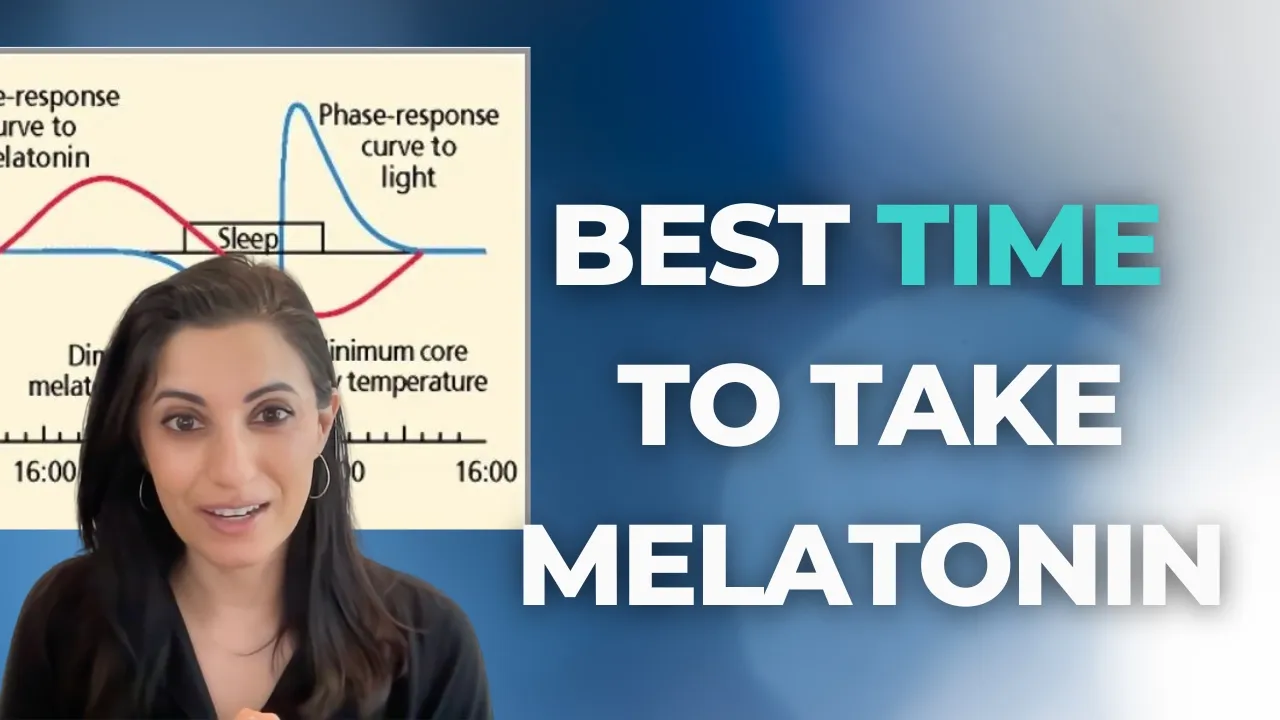
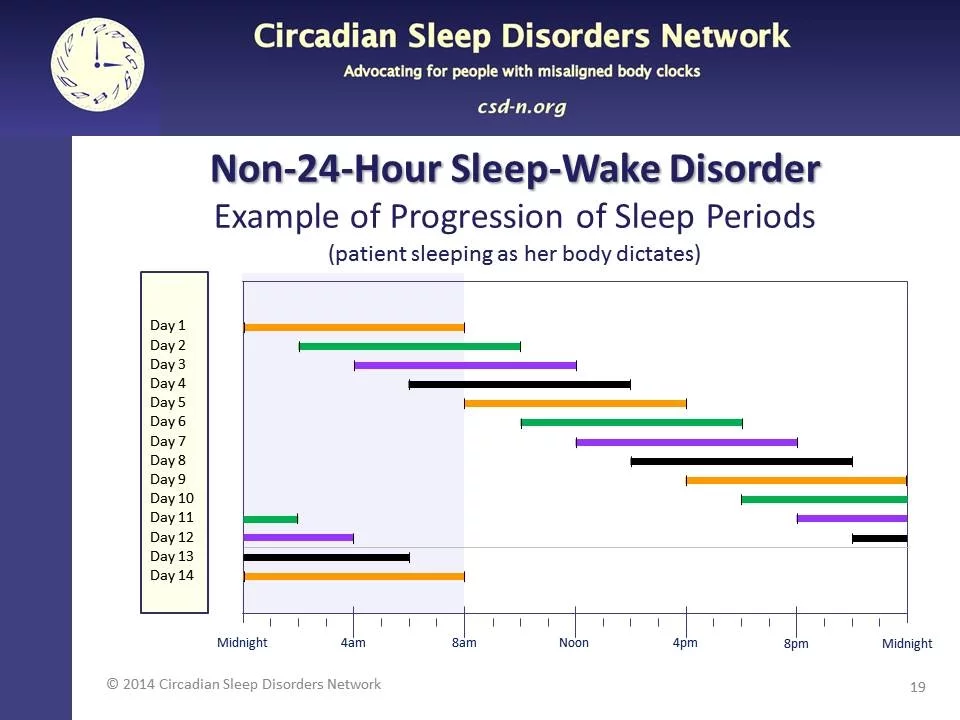
and it was to the point that because everyone all the everyone in the family got up so early they would actually have conference calls or like call each other at 4 in the morning because nothing else was going on um and so they had a family uh and what they and they cloned the genes what they did was they basically hypothesized that these patients with famili advanced S PL syndrome had a mutation in a core in a core clock Gene and so they sequenced all the core clock genes and they found a mutation in human Period 2 so uh human Period 2 is the homologue of the period Gene that was originally discovered in dropa back in 19 71 and so basically this shows that not only is this this mechanism conserved but it influences human disease okay so now I just want to start talking about now that we have this introduction I just want to talk about um the components of the Circadian system so this molecular clock actually exists in every cell of your body but the most important tissue for organizing circadian rhythms in mammals is called the supermatic nucleus and this is in the U ventral uh hypothalamus so this scn is in the brain in the hypothalamus and is the core circadian Pacemaker and essentially you can think of it as the orchest the conductor of the orchestra basically because as I mentioned there's clocks all throughout your body in every single cell and the clock in the scn acts as the conductor the um input mechanism is necessary this is the mechanism that entrains the circadium clock because as we talked about the biological rhythms are nearly 24 hours or around 24 hours but without daily entrainment this core clock would actually get shifted each day and then eventually fall out of rhythm and then Downstream of the Circadian pacemaker are output mechanisms the most prominent being asleep and wake but of course there are many biological rhythms hormones other things Etc are all cycling within your bodies okay so next let's focus in on the super kmetic nucleus here so the supermatic nucleus is as I mentioned this master circadian pacemaker it's located here in the vental hypothalamus and basically uh PE researchers in rodents figured out that if you lesioned the supermatic nucleus you could completely abolish cting rhythmicity in various behavioral and endocrine variables and I'll show you some data uh related to that point importantly and one of the ways that they figured out that the cating pacemaker was in the scn was that you can actually restore rhythms to animals bearing SC lesions by implanting fetal scen tissue and importantly the scn exhibits spontaneous firing in a circadian pattern the scn no matter whether you're a dial animal or a nocturnal animal has rhythmic firing with high firing during the day and then low firing at night and this is just a a nice image of the supermatic nucleus in mammal in a mouse uh where you have a shell region and a core region and there's different um there's different neuropeptides that are expressed in all these different regions of the scn it's quite complicated actually the our this how the the cells interact with each other in the SC but I'm not really going to talk about that today because that's kind of beyond the scope of uh of this talk okay so okay so let me just run you through a classic experiment back in the 1990s that demonstrated that the scn was is the Circadian pacemaker so this is done by this is work done by man maner and this is in tow hamsters so this is the towel hamster is a hamster that has a very short circadian period so what you can see is that a wild type hamster has activity during the night and these this black is kind of activity and what these traces are are double plots where basically it's like day one day two and then you know actually this is just day one day two like that and you can see each day is going down the Y AIS here so the wild type hamster basically has 24-hour rhythms where they're always active at basically the same time at night the town mutant hamsters in contrast have a 20-hour rhythm so just like those short period flies it would hatch to early every day some same with the TOA uh mutant hamsters they would just have their activity profile Run 4 hours earlier each day such that it eventually it Cycles all the way around so then if you leion the scn in Wild type hamsters you basically get complete arrhythmicity down here you can see here for two months right that the hamsters basically don't know what time it is and their circadian regulated activity is just completely disorganized similarly if you leion the scn in the tow hamster basically they similarly also have disorganized ciran activity so then what happens if you transplant to mutant scen into wild type hamsters and wild type scen into to mutant hamsters basically you can restore circadian rhythms in the manner uh dictated by the SC so in the to mutant hamster which is basically mutant for TOA in all tissue ues except the scn when you now provide the wild type scen into those rodents they basically have a near 24-hour Rhythm here in contrast when you take the wild type an hamsters which basically have wild type you know clocks all throughout their body except in their scn which has a to mutation in the scn now they exhibit a 24 20 hour Rhythm as you can see here so this demonstrates really the Primacy and the dominant nature of super kosmetic nucleus in determining biological rhythms in mammals it's important to also point out that the I mentioned that there's clocks in every single cell in your body um and same as in the scn every single cell in the SC has a a functioning clock but importantly the scn is basically a very robust interconnected and synchr ized unit it's very hard to break the SC it's basically designed as a clock the point here that Joe Takahashi was trying to make in this schematic in a review that he wrote back in 2011 is that there is such pronounced intercellular coupling within the scn that if you take even mutant clocks individ individual clocks that have very weak rhythms on their own if you stick them together in an scn the scn has tons of Gap Junctions and intercellular signaling you can actually get a robust Rhythm functionally what that means is that as experimentalists when we do research on the scn and as s may have mentioned my lab does Works in fruit flies and mice and humans um it's very hard to break the scn is the point it's an incredibly robust clock and here is a movie from uh David wel a review from David Welsh back in 2010 where they basically show if you take per two again this is that core clock gen we've been talking about right and you hook it up to luciferase luciferase is the enzyme that is the light producing enzyme that's found in fireflies you can take a a slice of brain tissue that includes the scn and using this AET you can see rhythms in a dish and so this is what the scen looks like it's pulsing the clock genes are incredibly rhythmic and this is sitting there in a disc each pulsation is actually a day so that's a time-lapse video so you can see that in a dish the SC will just tick 24-hour beautiful synchronized 24-hour rhythms with no inputs at all in a completely uh tissue autonomous manner it's quite beautiful okay so so the scn is the master pacemaker but how does the scn signal to the rest of the body to actually regulate all these you know hormones and behavioral rhythms um and the answer is that that um there are these output mechanis mechanisms Downstream of the scn but this part of the you know we know a tremendous amount from work by you know dropa researchers and mouse researchers about the molecular nature of the PO circadian clock but this part of the pathway Downstream of the scn is less well understood and my lab has studied a number of molecules and circuits related to this mechanism in flies and in mice um and this is less well understood but you know I'll just brief mentioned some of the things that are thought so it's thought that the scn secretes factors in a sort of uh endocrine or paracrine way to regulate physiological rhythms and putative uh factors have included TGF Alpha prenisin and vasopress in addition the scn is thought to also directly signal um in a circuit manner to regulate various rhythms but interestingly the scn itself does not have many Direct ections to many circuits or brain regions that regulate things like sleep or feeding instead what happens is the scn sends the bulk of its projections to a part of the uh to a region of the brain called the Sub paraventricular Zone so it sends a whole bunch of axons here going to the DM dorsal metal hypothalamus and then relaying to other places like VPO ventrolateral preoptic nucleus to promote sleep lateral hypothalamus to promote wakefulness and feeding so this is just to mention um you know that uh that most of the circuit mechanisms Downstream of the scn are indirect okay so now I just want to spend one or two slides talking about Central and peripheral clocks in general many many of you may not be neurologists and some of you may you many of you may be pulmonologists and think a lot about the lungs um and so what I want to say is that we've been spending a lot of time talking about the supermatic nucleus this master circadian pacemaker but as I mentioned there are these clocks in every tissue of your body that includes your liver your kidney and your lungs and of course your heart so there are all these clocks all throughout your body and what the scn does is as I mentioned it acts as really the the conductor of the symphony and all the individual biolin and vules and all the cells and all the different tissues so but it's important to remember that because there are these internal cating CL there's an internal uh clocks all throughout your body it is possible to get desynchronization within your body what does that mean so for example let's say if you were you know to have a normal sleep wake cycle but then let's say you ate on a very strange schedule for some reason you could actually put your liver clock on a different time than your circadian clock in the scn so as I mentioned virtually every cell in your body has a circadian osor and one of the the best examples of the peripheral clock is actually the liver clock the liver clock the liver obviously does not have any exposure to light um and in J normally the liver clock listens to the super cosmetic nucleus but there's a way to break that connection and the way you do that is by providing feeding at a different time than your normal active period so normally let's say uh mice are nocturnal right and they are awake during the night and they're asleep during the day now the most powerful and trainer of uh for the liver clocks are food the availability of food right we mentioned that the most powerful and trainer for the scen is light but the most powerful and trainer for the liver is actually food and so what what ha what you can do is if you basically uh take a mouse right and instead of letting them eat whenever they want which normally would be during the night you force the mouse to only eat during the day it's as if we said hey you know you as a human cannot eat during the day I'm only going to give you food from like you know 2 in the morning to 5: in the morning so if you do that the animals will obviously wake up to eat at that time because they're hungry but what's really interesting is they'll actually shift their liver clock so that they can actually anticipate um the nighttime the daytime feeding and and so what happens is you can see that in the liver clock if you move feeding availability to the time of day which is in the morning when they normally never are they're they're normally sleeping you can shift the liver clock basically and so what you'll get is basically a desynchrony where the scn is on a daytime schedule I mean a no if you're a mouse I'm sorry A nocturnal schedule and the liver is on a daytime schedule so um so that's kind of internal de syncr and I actually forgot to make this point but I want to U make that point now which is uh and this I should have said this in the intro slide to the circadian rhythms so what is the point of the circadian rhythms right I mentioned that ancient the ancient evolutionary point is for metabolism but really why do you need a circadian clock actually because you know if as long as you're not living in the bottom of the ocean or in a cave you're exposed to daily rhythms of 24-hour rhythms of light and dark right and temperature right so why do you actually need a circadian clock and the answer is anticipation what does that mean that means that the reason we have 24-hour clocks within our bodies is order to in order to anticipate events not to react to them so I'll give you an example so the cyanobacteria I mentioned right why do they have a clock so for example some of their biological processes depend on light and so instead of of just waiting until the light appears to then start getting their whole metabolic system revved up what they do is they will increase expression let's say of enzymes and whatever they need biological Pathways necessary for the process before it actually starts so as an example for humans if you have a certain Rhythm for let's say eating what your circadian clock will do is upregulate digestive enzymes or other metabolic processes prior to the eating so that you're ready to go when the food arrives so I just want to make that point um you know for the fellows that um the purpose of a circadian clock is to anticipate okay anyway sorry about that it was a little out of order because I should have said that the title slide but all right so now I want to talk and this is now we're now we're going to turn to parts of the the talk that are most clinically relevant um and let's talk about the input mechanisms um which are basically the zeiters and these are the most clinically relevant parts of the talk because these are the ways you're going to actually manipulate circadian rhythms in humans to treat circadian rhythm disorders the most powerful and trainer of the circadian clock in mammals is light now uh as you know light does not directly hit the hypothalamus and so it goes through the eyes and importantly there is as you probably know a third class of photo receptors in the retina that are crucial um for circadian entrainment so as you all know you have you know here's your eyeball and then you got your retina and you know you have rods and cones right but there's also a photo intrinsically photosensitive retinal ganglia cell a third photo receptor called iprgc for intrinsically photosensitive retinal ganglia receptor and these ipgcs um Express the blue light pigment called melanopsin okay and what they do is these cells then project to the iprgcs in the retina project to the supermatic nucleus and it turns out they also project to directly to a number of brain regions and so it's thought people like samr hoder who used to be at Hopkins but now is currently at nins is doing a lot of research trying to understand the Direct effects on light on things like sleep and mood right outside of these extra scn Pathways so what the prgcs do is they release glutamate and and payap at the retinal hypothalamic terminal which is at the scn which then induces period expression at the scn I mentioned Rodin and cones and rods and cones also play a minor role as circadian photo receptors um so it's not to say that the ipgs do everything in terms of cment but they do the major the heavy lifting and the Rosen cones play a minor role um and uh uh you know this work was done uh a lot of this work there was are many teams that did this work but one of the one of the important teams was Sam hotter and King way yaa here at Hopkins and this work was originally inspired by the notion that there were blind patients that had circadian entrainment and that led to the search of the third photo receptor anyways if you eliminate rods and cones and melanopsin you can then basically take a circadian blind you can make a circadian blind Mouse and that was shown by Samar and King back in 2003 and other people too okay the other important and trainer of Circ rhythms and mammals is melatonin so melatonin is actually the darkness hormone what does that mean that means in all animals whether you're nocturnal or dial melatonin is released at night so in a mouse well except for c-57 black 6 which everyone uses which doesn't have no mein but if you're a wild type Mouse um and you're nocturnal you still release melatonin at night melatonin is released by the pineal gland and the point is that very little bits of light can rapidly suppress melatonin concentrations melatone receptors are present on the super cosmetic nucleus melatone receptor one and two which some drugs act on as we'll talk about later and importantly beta blockers which many of you use in Internal Medicine practice inhibits also so sympathetic signaling to the pineal gland which can impact melatonin levels which then has the effect of kind of worsening um sort of uh sleep um you know stability at night I just want to make a point here that you know melatonin is a very widely used supplement right so a lot of our patients will use melatonin and claim that it helps them to sleep or not um so the reality of the data are that um melatonin is not that great as working as a sleep aid say I mean I have patients like you that swear that melatonin helps them fall asleep um but the data are very mixed and in reality uh the way I view melatonin it's not a sleeping aid it's really a chronobiotic it's really the role the way we use melatonin in sleep medicine practices is more for adjustment as circadian phase rather than just directly promoting sleep okay so this is the most important um slide of the talk for our fellows and really for clinical practice and really if you just learn one slide from this talk this is what I want you to focus on this relates to the concept of the phase response curve and so when when you are guiding your patients with cini rhythm disorders right all circadian rhythm disorders I've never met a patient that couldn't be treated that has circadian rhythm disorders that I mean I there probably is a mutant out there that or mut someone with mutations where they're circadian blind but I would say 99% 9 99.5% of patients can be treated but treatment is a little bit tricky and that is because you cannot give them a on size fits-all kind of like um you know uh a program basically and that relates to the concept that while light and melatonin are powerful zit gers the way they influence circadian phase totally depends on when you give the stimulus during the circadian clock time so what does that mean so here is the phase response curve for light okay this dash line here and basically if you give light in let's say and this is time you know here uh T Min is called circadian Time Zero but basically you can think of for you know in Practical terms this is like the morning okay and this is like the night right if you give light pulses in the morning you will do you will do what we call Advance the Circadian phase which actually means going backwards right and that's what you want to do for your delayed sleep-based patients but if you give light actually in the early evening you will actually delay the circadian clock and you can see basically you have completely opposite effects on the Circadian phase depending on when you give the exposure to light um and this of course is a big issue in modern day because you know humans have tremendous exposure to Blue Light because of artificial lighting humans have uh a lot of exposure to electronic devices all evening and night and you know even though you know we try to use blue light filters and we have our you know programs that change the spectral wavelengths uh of your devices still there's a great tendency with all this light exposure at night to actually delay your rhythms and make it harder to go to sleep you can think of it this way if you're the circadian clock and you get light kind of at the end of the day what it does is basically extend your day right and then it makes the clock think that oh I don't exactly know what time it is because the clock is always adjusting based on light and melatonin and also temperature but I'm not talking about temperature today um and so what it does is basically the clock thinks oh the late it's later than you know it the the it's actually the day is getting extended whereas if you get light in the morning basically surprise the clock and the clock is like oh you know it's actually you know the more the day is starting earlier than I expected and melatonin basically has the inverse Rhythm um to light so because it's the darkness hormone right so it has the opposite circadian phase the other points to make here for the fellows is that t Min you know that your core body temperature has a 24-hour Rhythm right and the nator of the temperature is called T min or the point of minimum temperature this is usually 1 to 2 hours after mids sleep time okay and at that point if you give melatonin or light absolutely nothing will happen to your circadian phase so this is the important thing to keep in mind team in is where there's nothing right it's the point at which nothing occurs but it also means you have to give your treatments either before or after T depending on what you're trying to do okay so that's kind of the uh and then you might hear this term as well dim light melatonin or DMO which is basically 2 hours before bedtime and that's kind of when the Melatonin starts to like rise normally so your melatonin will typically rise let's say you know 900 p.m. or something like that but again as we talked about again this idea of artificial lighting and light exposure at night if you get light exposure you're actually suppressing your melatonin onset just you know just to keep that in mind if you were you know camping right if you're in the forest you don't have all this artificial lighting your melatone will rise around 9900 p.m. or so okay so that's what I want this is the kind of take-home message I really want the Fells to focus on because it's the key to understanding how to treat circadian rhythm disorders so how do you approach circadian disorders clinically so they basically fall into two categories intrinsic and versus extrinsic intrinsic are um endogenous clock mechanisms that we'll be talking about such as asps and dsps extrinsic are things that where you're basically misaligned with the clock in the environment the best example of this is of course shift work disorder that we see a lot of patients with that and of course jet lag as well magicious sleep history you can it's really import typical really important to ask about sleep under free earning conditions so what I usually try to get patients to think about is well I'll ask them hey so let's pretend you are on an island you know and there's no one around no friends no phone no computer nothing you have nowhere to go nowhere to be you can do whatever you want terms of sleep and wake and then I asked them to try to imagine what time they would naturally feel sleepy and naturally go to sleep and what time they would naturally wake up some patients do better with this than others other some patients just cannot like imagine what you know what that would be like and so they have a hard time but but I will often get a reasonable a pretty good answer from most patients I would say um you can also do sleep blogs covering two week of a two we period some people also do actigraphy but I personally find that you can probably get a lot of this information just by getting this kind of like free running conditions question talking to them so let's talk about dsps delayed sleep face syndrome which is the most common cirin Rhythm disor you will see in the Sleep Clinic the prevalence is quite pretty high you know 0.12% um it's more common it's common in adolescence because as you know um the the natural circadian phase is as you age is that you tend to be Advanced when you're very young then as you get older it starts to delay and then it kind of it's really delayed in adolescence and young adulthood right that's why our teenagers and our college students want to go to bed at 2:00 in the morning and wake up at 10: in the morning and that's why there's this push to push High School start times later right because High School start times are the earliest among the kids but then of course they're the most delayed so that's a real challenge right um anyways uh but sleep with uh you know in delayed sleep face syndrome basically the history is they tend to want to go to bed anywhere from 2:00 to 6:00 in the morning and wake up at 10:00 to 1 it's important to keep in mind that they present they can present with sleep onset insomnia basically so it's like hey and it usually presents not so much on college but more when they first get their first job right because in college you can schedule your classes so that your first class is not that early but when you go into the real world and you have a job and they expect you to be there 8 in the morning that's when these patients present so a typical patient might be like a 20 something year old 25-year-old who now has a job and they basically say you know I try to go to bed at midnight but I can't fall asleep till 3 in the morning and then I got to wake up at 7 to go to work um and when do we call it a disorder basically when they have a functional impairment you know like it's affecting their quality of life their ability to work they're having significant insomnia or daytime sleepiness um or they having social distress what is the mechanism underlying dsps it's not very well understood people have hypothesized that it's an altered phase response curve or light sensitivity my anecdotal you know feeling is that Pat patients that are night owls or delayed sleep phas syndrome patients are hyper sensitive to Blue Light is my guess and that this is definitely if any fellow wants to do research you know this is something that could be examined you know you could take night owls and then study their blue light sensitivity um how do we diagnose it history you can do a sleep we you can do a sleep diary you could also do actigraphy if you wanted okay so then and we'll talk about treatment or at the end um Advanced sleep phas syndrome is thought to be less common a lot less common because you're not going to see that many patients but like you know but you will see some and I have a few patients in my clinic um however it may be underreported because uh no one gets fired for showing up to work too early right so there may be a lot of asps out there that is not um you know not described or not it's not presenting a clinic they tend to be older again like we talked about because as you age you know as you go across the age Continuum we said how the teenagers and and young adults are really delayed but then when you get to be Grandpa and grandmas and you're kind of senior citizens they tend to be Advanced right so advanc sleep phas syndromes basically their sleep onset and offset are 3 hours earlier than societal nms they usually usually go to bed 6:00 to 9:00 p.m. and wake 2: to 5:00 in the morning and they can present with the opposite they cannot stay asleep slate maintenance insomnia the sleep time is normal we talked about how uh yinu Fu and L pachuk who have really pioneered this area of research have now identified and this these SL this slide deck is pretty old I haven't updated it for a while but but there are many mutations they've now identified that cause familial Advanced slea phas syndrome all of which are basically clock proteins um they it's thought that asps may reflect a short period and they have a case a human case of one human that they put into like those circadian uh treatments where you basically have for humans which basically have no exposure to light and dark you have no synchronizing cues and it's like living in a cave you know and they found that the period seem to be short in that one patient uh in the same thing the diagnosis history plus sleep diary actigraphy it's important to think about mood disorders so it's important to exclude mood disorders right because the idea is that the classic Medical School teaching is that depression has early morning Awakening right so um and it's not always that simple but certainly you want to think about that now what does make it a little confusing is that um there actually is uh actually a a connection between these circadian rhythm disorders and depression so for example uh Yin Fu and leachic found that these families that have advanced sleep phase syndrome do tend to have actually increased prevalence of mood disorders like depression and also migraine so it can be a little blurry but it's important to think about whether or not uh depression may be involved in causing them to wake up too early okay so now let's talk about treatment so how do we treat patients with dsps so basically there's a couple of uh factors the way the way I present it to my patients is there's three things we want to do and let's start with the three three things are blocking blue light at night taking melatonin at the right time because most Mel patients take melatonin at the wrong time and then exposing to light in the morning so what we recommend is or what is recommended is exposure to Bright Light in the morning basically what we generally do is um you want to give what I usually do in practice is um you want to figure out when their natural sleep wake pattern is estimate their t- in right which we talked about is one to two hours after midsleep time and then you want to give the light exposure after t- in to advance the phase and you know you can get these blue light boxes you know online we you know Philips restaurants used to make you know a go light box that we used to use but now they that they don't make that anymore and so there's other things that we use now um uh like visors and various box and it doesn't really matter to be honest you know but it just you just want to make sure it's a reputable company so you're not getting like UV radiation or anything you know uh out of the box so basically they need to have 30 minutes to one hour of light exposure after uh at a certain you know sort of Lux like anywhere between like 2,000 10,000 um and at the right time okay and so that's basically the exposure to Bright Light in the morning um this is after 10: p.m. but actually what I usually advise patients nowadays is more like 8:00 p.m. um I tell patients to get blue blocker sunglasses and wear them at 8:00 pm onward and you know it's kind of weird to wear sunglasses at night right you know so that's kind of funky and people often are like it's kind of weird but what I tell patients is let's do this the most the maximum way the most powerful way first and then once you've got things under control you can then peeling things off right and so a lot of patients find the Sun the blue blockers to be really helpful a lot of them you know so and I I personally think that the issue with dsps is they're actually hypers sensitive to blue light and so I I really stress this with the patients to where the the blue blocker Su glasses um after 800m um okay so and then when do you give melatonin so this is important too right and so we typically recommend 1 to 3 milligrams of melatonin and melat is not FDA approved it's kind of a supplement so it's a little B hard sometimes to know what's actually in the Melatonin so we just recommend kind of going with big us companies right but uh it's a little bit challenging but anyways the what you need to tell patients to do is give one to three milligrams of melatonin five to six hours before desired bedtime and the logic you can explain to the patients is that hey melatonin is not a sleep aid it's the darkness hormone and darkness occurs is like let's say 7 or 8 right and you want to go to bed at midnight right so you want to mimic you want to emphasize the natural melatonin Rhythm and by giving it you know five hours before you actually want to go to bed okay so I I have this kind of listed um you know in the old days I don't I never do this and I don't think anybody does this anymore but at least when Sash and I were like fellows and whatever you know chronotherapy was an option like on these exams and stuff that just mentioned it just so you've heard it but I think it doesn't work and I never have ever done it um but basically the concept behind chronotherapy to try to treat ccin rhythms is you just delay the sleep wake at Time by a few hours every day until you get to the desired time and then you try to maintain it but honestly I think this is a dumb approach and it just doesn't make any sense and your patients will suffer tremendously if you try to do it and it simply doesn't work because you're not actually dealing with the biology of ciran disorders so I just mentioned it so you've heard it but don't do it um and then you know there was a lot of hubba a while back about melan or rosarum um which is a melatonin receptor Agonist and in the use of these kinds of things however I've practically found it not to be very helpful because um you know it's expensive and I can I can basically treat all my patients using these very cheap ways that I described before so I don't really use it so shift work disorder this is hard you know we have a lot of patients that work upside down shifts you know what I mean they you know they work in warehouses all night or their security guards and it's challenging right because they're basically have their their work forces them to be opposite the natural sleep wake Rhythm so the short thing short story is it's very difficult to deal with you know and up to 20% of the workforce is working non-standard hours is a lot of people you're trying to basically get them to sleep when their circadian clock is telling them it's time to be awake so what do you do so with the understanding that this is a very difficult situation to deal with and very hard to improve we try to promote wakefulness by giving bright light during the night shift but then make sure to stop the light 2 hours before the end of shift wear dark sunglasses on the way home so you're not constantly reinforcing to your brain that now is day you can try using caffeine a lot of I mean a lot of people do this themselves and self-medicate a lot of caffeine during the first two hours or you can even use mapol uh one hour before shift obviously optimize sleep hygiene and naps are recommended for shift dork disorder because you want to increase the total sleep time and it's just very hard to sleep in a Consolidated fashion so it's challenging now other ciran disorders that are more rare these are things that you will not see that much uh you know the theps you'll see all the time and the asps you will see sometimes and oh that just reminds me just as an aside before I to talk about this um before I forget about this it's really important I I kind of emphasize this point but I just want to re-emphasize this point it's really important to think about the team in and where the clock is because I remember I've had patients who were so delayed and uh that when I gave them standard instructions they actually delayed themselves further basically and this particular patient was like a NASA engineer and he was plotting his own thing and realizing that he was going the wrong direction and then I talked to him about it and we realized we were giving light the wrong time and we gave the right we we moved it because he was so extreme um that then once we did that we were able to fix the rhythms and another quick anecdote I would make is that you you may have patients who are really into this and who can actually monitor their own core body temperature so I had I recently had a patient who was asps who's a scientist and he bought one of these core body temperature monitoring devices so you know obviously traditionally you know that the core body temperature probes are these reptile probes you stick up your butt and that's not super comfortable or attractive to people um and you know in research we now use these core body temperature pills where you swallow a pill and it measures your core body temperature but now now days on the market there's a there's a lot of interest right for sports and all kinds of Athletics uh to monitor core body temperature and so there's a lot of devices out there you can buy now and so this scientist was actually measuring his own cord body temperature and plotting it as he was doing the things that I was telling him he was watching his his he was asps and so he was watching his clock shift as he moved he did all the interventions so just as in aside if you have very you know motivated and kind of science oriented patients they could potentially even monitor their own core body temperature in a non-invasive way um and then watch their how their rhythms are improving okay so just quickly we're almost out of time so I'm just going to end with the last slide or two these are rare disorders that but you should hear about them because you might see them on sleep boards uh non 24-hour Sleep weake Disorders are basically free running so these are patients that are typically blind and thought to have no ability to entrain to any uh to light and so they're very rare um but you may come across awesome and what they the way they'll present is that they kind of fall asleep a little bit later every day it's just like a free running animal a free running Mouse um so the way you treat these is to increase synchronizing cues you give high doses of melatonin um and there's also the reset trial where people gave the you know test melt melon but again and they found some improvement in training again it's expensive or at least it was expensive and I've tried it in patients with M24 with very little success so I'm generally kind of down on on this uh treatment and then a regular sleep weake pattern if you deal with older patients you will come across it's not that common but it's I think it's more common than non 24 in these cases basically they have severe Dementia or severe brain injury and basically what they have is they just kind of sleep and wake all the time kind of like our a rhythmic fly or Mouse right they just kind of have sleep wake patterns all throughout there's no consolidation and the idea is it's usually due to significant Dementia or brain injury and the clinical definition is this lasts for more than three months and they have more than three episodes for 24 hours um again we just try to increase synchronizing cues bright lights and structured activities which is what we do for Alzheimer's patients all right so I just want to summarize um talk today we're almost out of time the central clock is a transcriptional translational feedback loop was ENT trained by environmental cues most powerfully being light in addition to the central clock there's peripheral clocks which may help us understand it's important linked to metabolism and just to REM remind you this is the one thing you need the best thing to remember out of this is the most common patient you're going to see is the dpsers what you want to do in summary again is try to figure out when their team in is give them one to three hours one to three milligrams of melatonin uh five to six hours before bedtime give them light in the morning remember after team in blue light in the morning wear blue Blocker sunlasses in the evening I started at 8:00 p.m. and then you can follow the phase of the patient and eventually when they start to get close to the natural daylight cycle because sunlight is the most powerful in trainer then they'll kind of lock phase lock into that uh thing and as long as they kind of do some maintenance they'll kind of stay in that Rhythm okay and I think I will stop there and happy you take any questions
Up Next
Stages of Sleep and Circadian Rhythms | MCAT Biology
@khanacademymedicine
780K views•2014-02-28

Graphic Medicine: Comics for Collaborative Healthcare Communication
@nationalpatientadvocate
189 views•2023-12-04

Neuroanatomy: Central and Peripheral Nervous System Divisions Explained
@AKLECTURES
136.2K views•2014-09-20
Stages of Labor and Vaginal Birth | Childbirth Animation
@nucleusmedicalmedia
52.1M views•2017-08-18
Related Study Plans & Knowledge Roadmaps
Structured learning paths in Medicine