












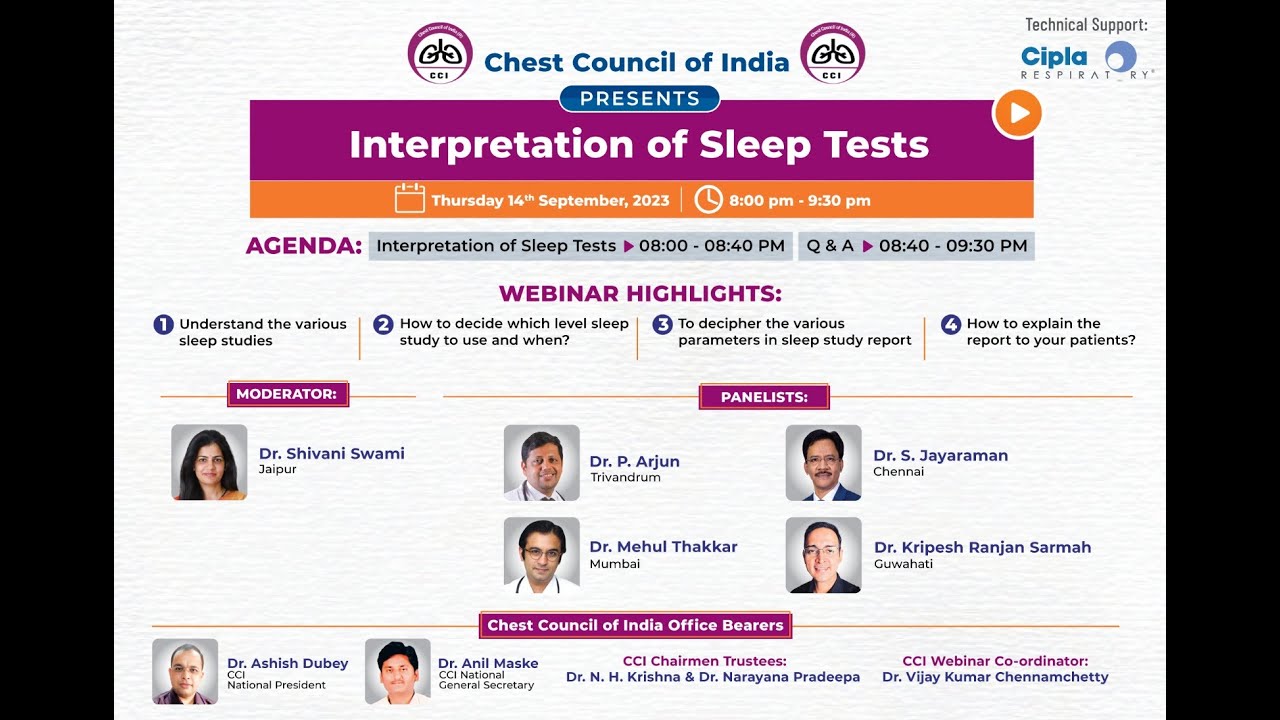
Sleep-wake control is regulated by two competing processes: Process S (sleep pressure/homeostatic drive) that builds as waste products like adenosine accumulate during wakefulness, and Process C (circadian alerting signal) generated by blue light exposure through melanopsin-producing retinal ganglion cells that feed back to the suprachiasmatic nuclei to inhibit melatonin production; the balance between these processes, along with orexin/hypocretin's role in inhibiting GABA production in the ventrolateral preoptic nucleus and activating wake-promoting neurotransmitters, determines the transition between sleep and wake states, with core body temperature minimum and dim light melatonin onset serving as key circadian markers for sleep timing.
Sleep Medicine Board Review: Sleep-Wake Regulation Explained
Added:Basic neuroanatomy of the brainstem, hypothalamus, and thalamus, specifically focusing on the ascending reticular activating system (ARAS).
Fundamental principles of neurochemistry, including the classical excitatory and inhibitory neurotransmitters (e.g., GABA, glutamate, acetylcholine, and monoamines).
The Two-Process Model of Sleep Regulation, explaining the interplay between homoeostatic sleep pressure (Process S) and the circadian drive (Process C).
The basic stages of human sleep architecture, including the physiological distinctions between Non-REM (N1, N2, N3) and REM sleep.
The pathophysiology, clinical presentation, and diagnostic criteria for central disorders of hypersomnolence, such as Narcolepsy Type 1 and Type 2.
Pharmacotherapy in sleep medicine, focusing on the mechanisms of action of wake-promoting agents, orexin receptor antagonists, and sedative-hypnotics.
Clinical evaluation and management strategies for Circadian Rhythm Sleep-Wake Disorders (CRSWDs), including the therapeutic use of actigraphy, light therapy, and exogenous melatonin.
Advanced interpretation of diagnostic sleep studies, including Polysomnography (PSG) and the Multiple Sleep Latency Test (MSLT) for board level certification.
161 views2likes16:18Original Release: 2024-12-10
[Music] all right so the control of sleep this is uh a recurring theme you'll see this throughout your lectures I think it's an important uh um an important slide to review and to memorize we basically are we have two competing interests that balance our sleep wake cycle as we get closer to as we wake up in the morning we have uh exposure to Bright Light mainly blue light so blue light of wavelengths you know 460 480 nanometers and the blue light has an effect on uh special cells in our retina that produce a substance called melanopsin melanopsin can feed back through Pathways that connect the retina and the hypothalamus to uh cells in the super kosmic nuclei or the this the main sleep pacemaker or main paac maker uh of our sleep cycle and this in turn can um control the release of melatonin from the pineal gland so as long as we have blue light and it's affecting these uh activating these ganglion cells and they're producing melanopsin there is a feedback that decreases the amount of melatonin that's produced this is called process C so this is a circadian alerting signal and this helps balance our increasing sleep pressure which builds as we get further and further away from our wakeup it helps balance that out and helps us keep awake now the Sleep pressure is um is basically basically increases and is associated with an increase in waste products H through brain metabolism adenosine is the one that's most most identified but there are a variety of other cyto kindes that build up but the further and further away we move from our lost sleep the more the Sleep pressure mounts at some point usually in the late afternoon or early evening the Circadian alerting signal the blue light starts to fade so there's less and less melanopsin and suddenly the super kosmic nuclei can unleash the pineal gland to make more melatonin so melatonin starts to be elaborated the Sleep pressure is higher and higher and higher at the point that and we will see this as we go through some of our other lectures at the point where you reach an onset for dim light melatonin so when melatonin is starting to um starting to be produced in a meaningful way you have um usually about 2 hours before you have sleep onset and that's one way that we can monitor the Circadian process you go to sleep the Sleep pressure decreases as you uh as you have more and more sleep melatonin also starts to decrease and then in the morning as you sort of meet uh sort of meet or come to a core body temperature minimum uh you'll start the process for waking up and this has again a lot to do with uh the balance of neurotransmitters that we'll look at in just a few slides uh and how the alerting and the um uh how the alerting neurotransmitters start to uh be activated to wake you up in the morning as I mentioned adults require about 7 to eight sleeps uh uh 7 to eight hours of sleep per night to feel fully rested this is a spectrum across the lifespan uh infants uh require much much more sleep um most teenagers really require 8 to 10 hours of sleep um but certainly as you go through these lectures I think the one of the important themes of sleep medicine is that insufficient sleep contributes to a host of uh inflammatory and um uh and autoimmune diseases and is also very strongly associated with um with um uh cognitive decline all right so this is a pretty complex slide I put it here for your review but this is another uh illustration a cartoon of how we go through the Sleep Cycle again when the brain does start to wake up up so early in the morning the first thing that happens is that there are alerting signals um that go to the upper ponds and this is where uh in the PPT uh ldt PPT area of the upper ponds where neurons live that produce acetycholine and acetycholine is a very important neurotransmitter it's one of the chief trans neurotransmitters of wake the acetylcholine will then activate an area of this the thalamus and signals go up towards the cerebral cortex through this ascending Bal system um in the lateral hypothalamus there are special cells that make ere rexin and and as you know from previous lectures or rexen is likely the Sleep switch but probably a master uh protein in a lot of different uh is in has a interplay with a lot of different uh physiologic functions but these cells in the lateral hypothalamus make ere rexen ere rexen actually inhibits uh sleepiness so inhibits the production of Gaba which is the Sleep neurotransmitter and um and subsequently also activates the other uh neurotransmitters for Wake like neopine serotonin histamine um these continue to be at play as again the adenosine builds up the brain will start to Tire this again is um is a consequence of sort of metabolism adenosine accumulates um the part of the brain that is very important and we'll have this sort of outline in subsequent lectures or subsequent slides is a ventrolateral preoptic nucleus the VPO an important area to know about because this is where the Gaba producing um neurons live this is where the Sleep neurotransmitter Gaba is really elaborated again the super kosmic nucle nuclei is the Master Clock this is uh the area that's going to mediate uh the signals both from external the blue light signals the internal signals from erex dependent mechanisms and prepare the brain to start to fall asleep fall asleep um and then as uh as the brain falls asleep as Gaba is produced as other neurotransmitters such as acetylcholine and glycine work in REM sleep to give that virtual paralysis we move through our sleep cycle when we reach a core body temperature minimum we start the process C of waking up and then our brain starts uh then it sort of repeat then our brain starts to send wake signals um uh again via the upper ponds so a very uh I think elegant diagram one that has a lot of information a lot of uh anatomic and physiologic information and something that you could use for your review so I mentioned ereen or hypocretin and again we thought of it as a sleep switch we know as more and more basic research has done that it's likely to be much more ereen these these these cells that live in the lateral hypothalamus uh have connections to multiple systems um the the overall purpose of sleep is homeostasis right so we're trying to keep that balance between energy utilization and energy consumption so or or energy um uh Rejuvenation so um a lot of sleep is based on on getting um getting energy using energy and then replenishing energy and that's why a lot of the uh connections between the lateral hypothalamus and the ereen producing cells have uh far and wide implications for metabolism um for things like um uh for things like uh gastrointestinal function cardiac function um elimination of waste lung function there are connections between ereen and most major body symptoms or most uh major body uh uh systems um while the major pacemaker or timekeeper the clock is located in the super kosmic nuclei there are many peripheral clocks and other tissues that also help with this homeostatic uh balance and of course neurotransmitters are really the uh effectors of the different functions so um this is a busy slide but I hope it emphasizes for you the fact that ere rexen has multiple functions has multiple connections and has um uh a profound impact on all of the sort of metabolic processes of the body and this is another cartoon just again to illustrate that ere rexen as you were starting to wake up as ereen is being elaborated from those uh lateral hypothalamic cells um it travels to there there are connections with the um ventrolateral uh preoptic area and ereen works on those Gaba producing cells to actually inhibit them so ereen is inhibiting the Sleep neurotransmitter and and therefore uh facilitating wake wakefulness so um these are this is um I think a a basic cartoon that can help you understand uh one of uh Rex's roles at least in the Sleep Cycle again eat seek rest sort of what I said before this is a recurring cycle that allows us rats and humans to maintain homeostasis uh we have to have energy stores to explore seek and and and actually obtain food um we have to have ability to ingest food and neurotransmitters and and hormones are released through a digestion that feeds back to uh either help us find more food or give us time to rest and digest um and then the cycle repeats itself so the real key the probably one of the major functions of sleep is uh maintaining this homeostasis now ereen um the research into ereen is pretty extensive and we are increasingly finding that sleep deprivation as I mentioned in the very beginning of this talk sleep deprivation has a lot of implications for physical and uh neurologic disease one of the more exciting areas of research right now is the role of ere rexen in Alzheimer's disease we know that uh that sleep deprivation causes the accumulation of both beta ameloid and toao and this accumulation uh puts uh p uh puts people more at risk for Alzheimer's so this um uh this sort of uh contribution that ere rexen has uh in uh sleep uh duration and uh and and and sleep maintenance is a very important component of uh not just not just mental health but also brain health one of the major functions of sleep that was probably touched on in earlier lectures was a housekeeping function so we think that in in order to clear up these these these uh protein byproducts that are broken down during the day when our brains are actively working part of the the the clearance of that uh happens during sleep and maybe specifically during REM sleep as we process stuff so um so this is another important connection that has been sort of out there for a few years now and may show up on your test erex and antagonists are also uh very very exciting um uh advances in terms of insomnia treatment these be again because or rexin inhibits Gaba production in the VPO ere rexen antagonists can counteract that and actually lead to sleep and many of the rexin antagonists suent was the first one but now there are a number of different ones that are either on the market in the US or or uh abroad or underdevelopment um can be used at bedtime they are all known to to decrease wake after sleep onset increase Total Sleep Time and decreas sleep latency and have relatively uh few side effects at least in people that don't have uh symptoms of other Sleep Disorders uh such as um such as narcolepsy you want to obviously use these with great caution again just another illustration of process s and process C the counterbalance in wake and sleep um and this is just another way of looking at it from the first graph that we saw but again the Sleep load builds the alerting signal circadian signal um uh so the the Sleep load builds here it's ups upside down the alerting Circadian signal generated by Blue Light continues to help with alertness and awake um but then as blue light fade you sort of see this uh opposite effect melatonin suddenly is being elaborated blue light is fading and the patient falls asleep um there are couple of key things and I think we'll look at this more in more detail in the Circadian rhythm section but there are a couple of key um uh things to look at when you're looking at circadian rhythm one one um aspect is the dim light melatonin onset which usually occurs about um uh as the blue light Fades so it's going to occur around you know 9 8 or 9:00 and most people with traditional sleep cycles um usually people are ready to fall asleep 1 to two hours after that dim light melatonin onset uh and then the other um topic that we will cover in more depth is the core body temperature minimum this usually occurs about 2 hours before um habitual wakeup and when we look at circadian rhythm disorders and especially the treatment of circadian rhythm disorders that becomes quite important because bright light applied before or after has have different implications on the Sleep Cycle so the control of sleep as I said very elegant this uh concept repeats over and over again it's really behooves you to understand the control of sleep and um the difference between process s and process C and the interplay between them here's a nice illustration just quickly uh it's dense we don't need to go through all of it but just illustrating that on the retina you have these uh um these uh melanopsin producing ganglion cells uh when blue light shines and hits the retina these ganglion cells have this connection to the super kosmic nuclei through the retina hypothalamic tract um when the super kosmic nuclei senses the the Mel melanopsin is increasing it will actually feed back uh on the pineal gland and inhibit melatonin production and again as blue light Fades the melanopsin decreases and this process reverses itself Mel melatonin starts to be elaborated so a nice cartoon just to go through at the end
Up Next
8:20
Understanding Dementia Risk: The Role of Sleep and the Glymphatic System
@M4KChannel
549.4K views•2024-10-06

48:47
Graphic Medicine: Comics for Collaborative Healthcare Communication
@nationalpatientadvocate
189 views•2023-12-04

10:28
Neuroanatomy: Central and Peripheral Nervous System Divisions Explained
@AKLECTURES
136.2K views•2014-09-20
3:05
Stages of Labor and Vaginal Birth | Childbirth Animation
@nucleusmedicalmedia
52.1M views•2017-08-18
Related Study Plans & Knowledge Roadmaps
Structured learning paths in Medicine
medicine
Abnormal LFTs: Diagnostic Workup & Pathology
01Liver Anatomy and Basic Physiology
02Introduction to Liver Function Tests (LFTs)
03Hepatocellular vs. Cholestatic Patterns
+ 3 more learning modules
12h6 modules
Explore Roadmap
medicine
Analyzing Blood Smears: RBC, WBC & Platelets
01Introduction to Blood Components & Smear Preparation
02Normal Morphology of Blood Cells
03Erythrocyte Pathologies & Morphological Variants
+ 2 more learning modules
12h5 modules
Explore Roadmap
medicine
Mechanical Ventilation: Waveforms & Alarms
01Anatomy and Physiology of Breathing
02Introduction to Mechanical Ventilation & Core Modes
03Ventilator Settings and Waveform Interpretation
+ 2 more learning modules
12h5 modules
Explore Roadmap
medicine
Neuro Exam: Localization & Stroke Syndromes
01Foundations of Neuroanatomy and Vascular Supply
02The Neurological Examination: Step-by-Step
03Principles of Neurological Localization
+ 3 more learning modules
18h6 modules
Explore Roadmap