











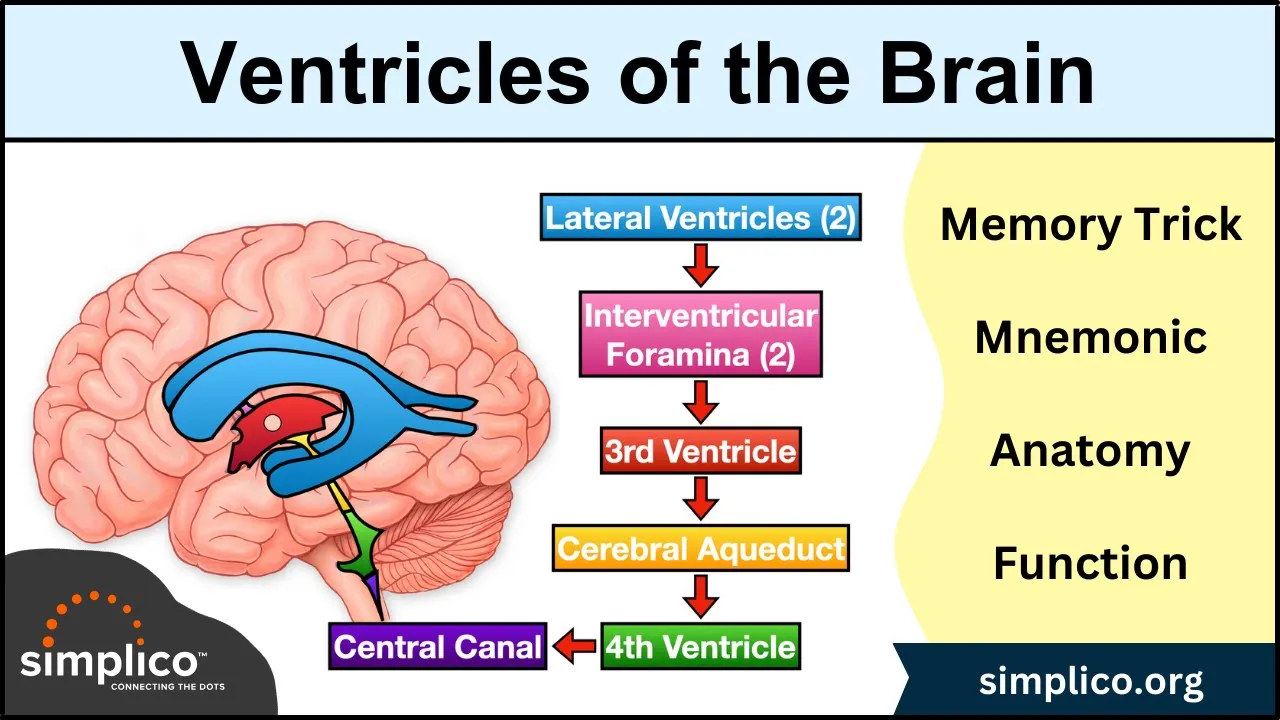











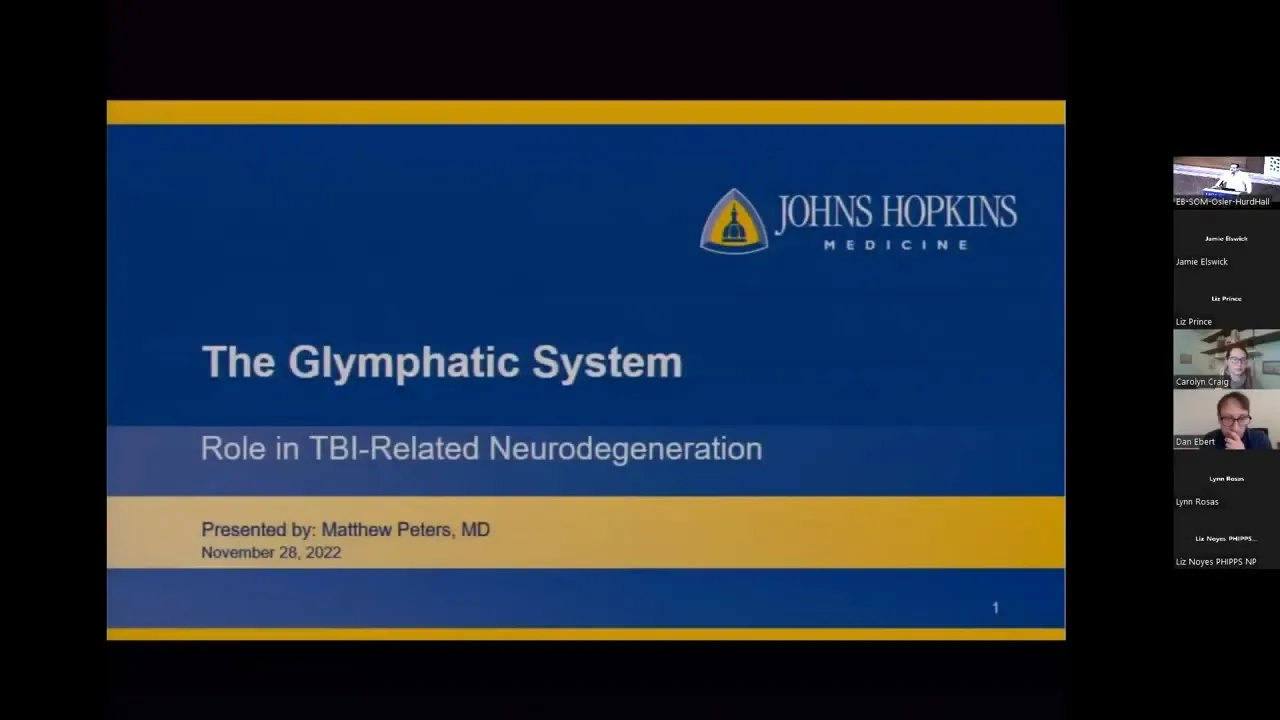



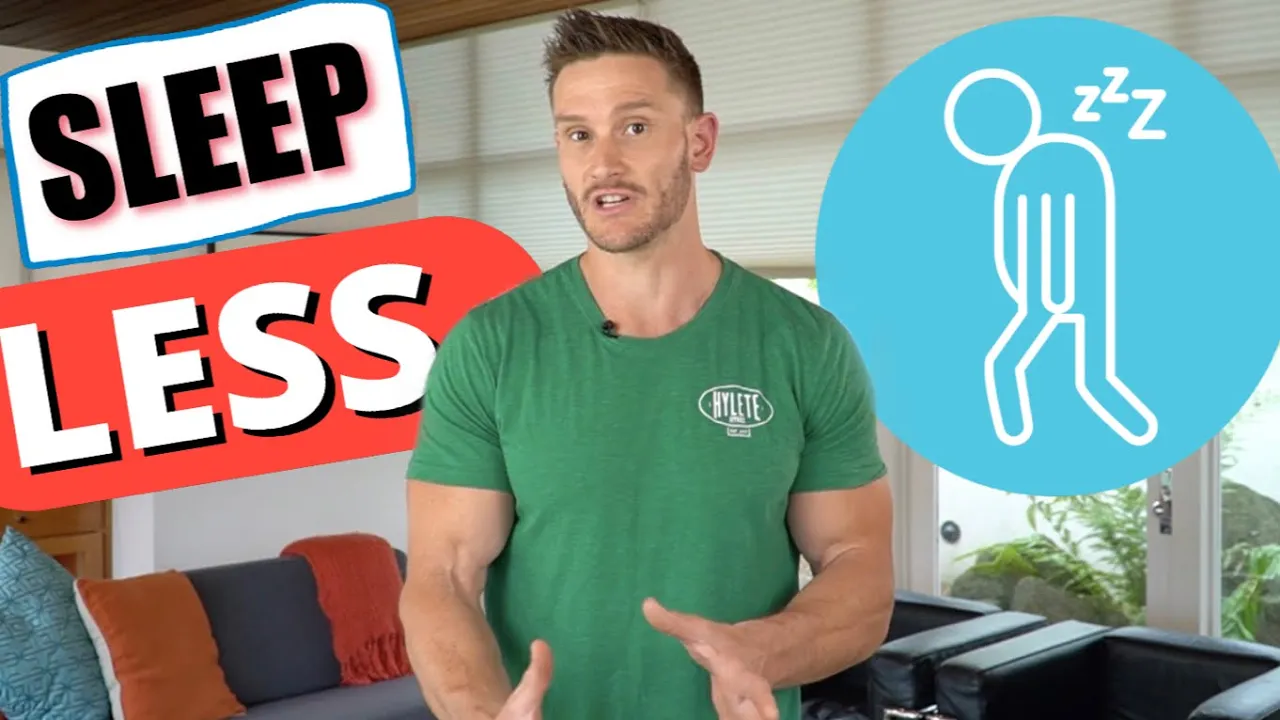



The glymphatic system, a brain-wide fluid transport network discovered in 2012, clears neurotoxins from the brain primarily during sleep, with over 95% of its activity occurring while we sleep; research indicates that sleeping on one's back (supine position) for more than 2 hours per night quadruples the risk of developing dementia, while sleeping on the right side optimizes blood outflow and glymphatic drainage, thereby supporting brain health and reducing the risk of neurodegenerative diseases.
Understanding Dementia Risk: The Role of Sleep and the Glymphatic System
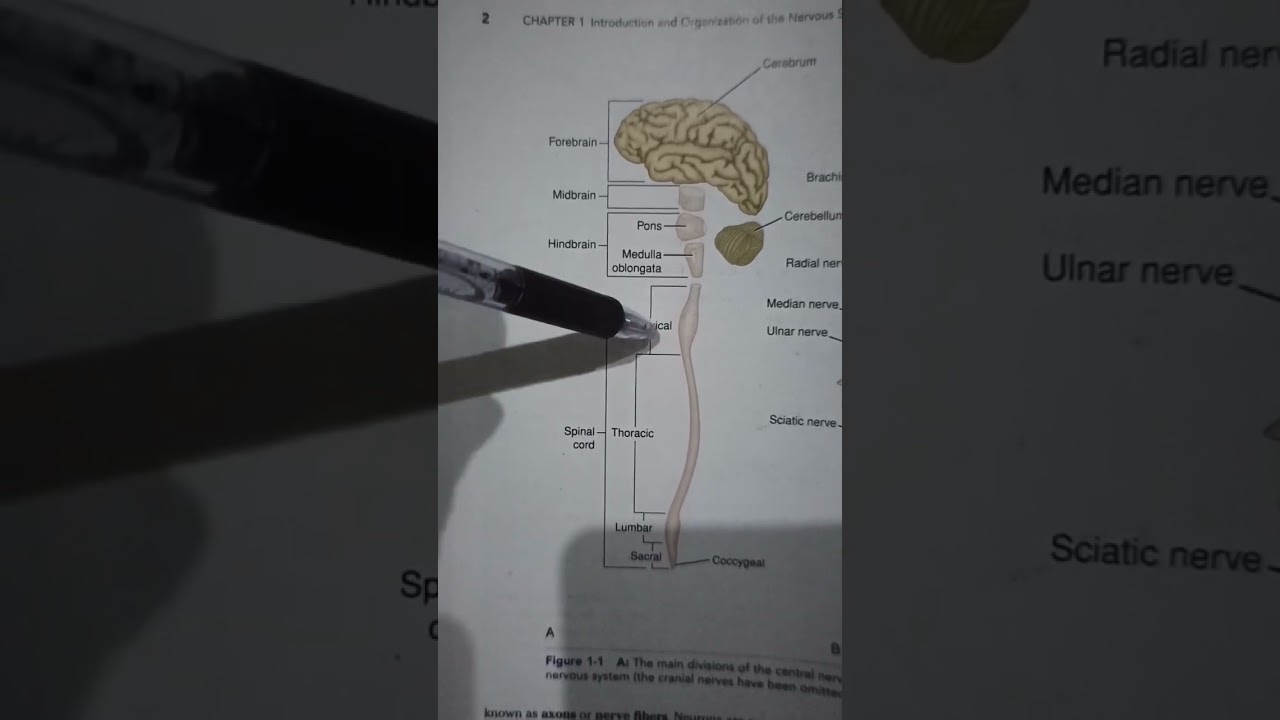
Added:Basic neuroanatomy, specifically the distinction between the peripheral lymphatic system and the central nervous system (CNS).
The fundamental stages of human sleep, particularly the distinction between REM and Non-REM (specifically deep slow-wave) sleep.
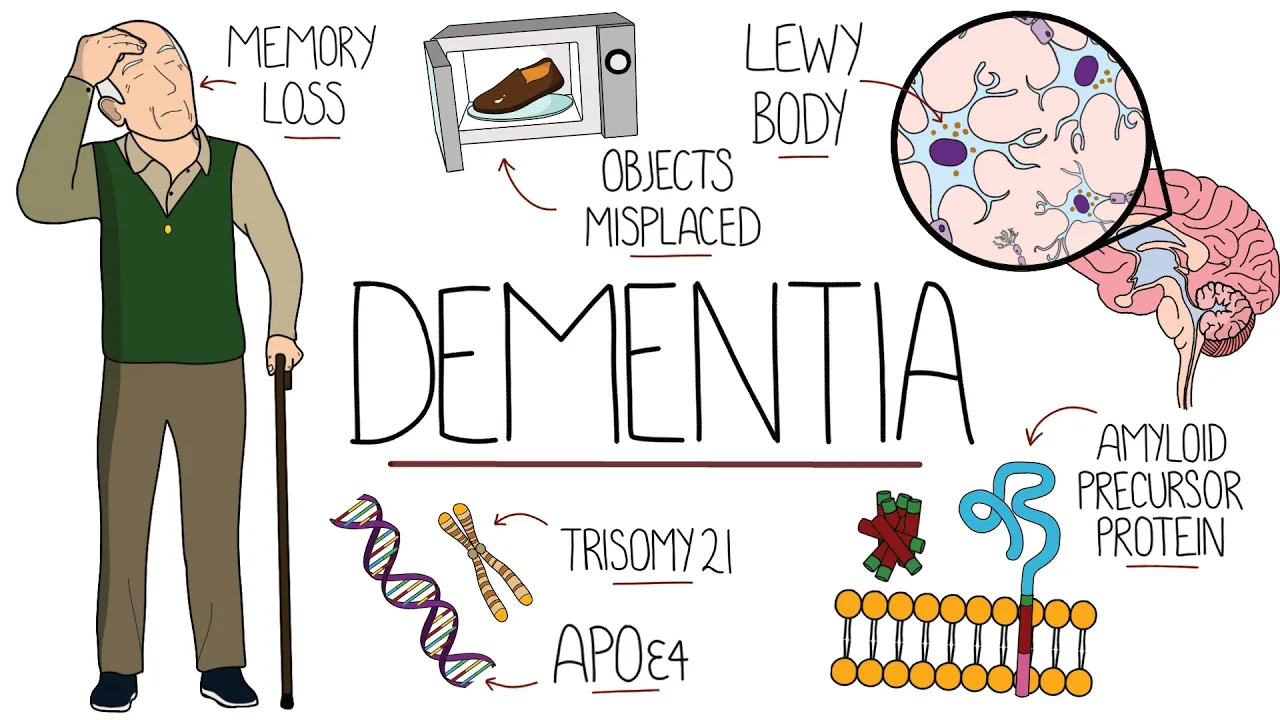
The general pathophysiology of dementia, including the accumulation of neurotoxic proteins like beta-amyloid and tau.
The concept of cerebrospinal fluid (CSF) circulation and its role in protecting and maintaining the brain.
The biomechanics of sleep posture (lateral vs. supine vs. prone) and its quantitative impact on glymphatic clearance efficiency.
Advanced clinical sleep therapies, such as Cognitive Behavioral Therapy for Insomnia (CBT-I), and their efficacy in long-term dementia prevention.
The role of glymphatic system dysfunction in other neurodegenerative disorders, such as Parkinson's disease and traumatic brain injury (TBI).
Emerging pharmacological and non-invasive technological interventions aimed at enhancing glymphatic flow and waste clearance during sleep.
549.4K views9.4Klikes8:20Original Release: 2024-10-06
do you know that the way you sleep your entire life might contribute to neurological disorders have you ever imagined that the position that you sleep in every night can impact your memory and brain health imagine if a secret to safeguarding brain health lay in the simple Act of changing your sleeping position the way you sleep is more important than you imagine it is so important that recent Studies have found a link between dementia risk and sleeping position you may or may not be aware that our brains engage in a cleansing process that gets rid of metabolic waste when we go to sleep neurotoxins are generated as a result of using our brain during the daytime and are flushed from our brain when we sleep until 2012 we thought the brain was the only organ that recycled almost all its own waste it had to do this because it's separated from the rest of the body by the bloodb brain barrier however the same barrier that keeps toxins out of the brain also traps toxins inside then in 2012 a brainwide fluid transport network was discovered called the glymphatic system the glymphatic system can be described as tunnels filled with fluid that surround the brain's blood vessels with every heartbeat blood pressure pushes fluid through these tunnels clearing neurotoxin waste from the brain the drainage system is key when it comes to brain health and optimal cognitive functioning neurotoxin waste includes beta amalo tow proteins and chemicals that negatively affect brain processes if they build up so they must be taken out when we're awake these tunnels are inactive over 95% of glymphatic activity happens while we sleep that's why sleep is much more than just rest it's when this lymphatic system kicks into gear cleaning our brain so sleep deprivation insufficient sleep time and untreated sleep apnea also contribute to long-term risk of neurodegeneration that's why getting good sleep is so important the cleansing process that gets rid of neurotoxins starts to become less efficient around midlife typically 15 to 20 years before people notice any early signs of cognitive decline related to neurod degeneration people who regularly sleep fewer than 7 hours a night are at higher risk of developing cognitive disorders like dementia this happens because the glymphatic system system doesn't have enough time to clear the brain's waste leading to a buildup of potentially neurotoxic substances as we age we also tend to sleep less and our arteries stiffen reducing the pulsations that drive the glymphatic system this could explain the connection between aging and dementia besides getting enough sleep we can improve the clearing of waste from our brains by keeping our blood pressure under control and exercising physical activity improves blood flow and enhances glymphatic function helping to reduce amalo deposits and improve cognition after understanding the importance of the glymphatic system scientists began exploring the best sleeping position to maximize glymphatic activity and Aid in clearing toxic metabolites from the brain potentially preventing or reducing the risk of neurodegenerative diseases in the future studies on Rats show that their natural sleeping position curled up on their sides allow ows for better glymphatic transport than sleeping on their backs or stomachs people also tend to spend most of their time sleeping on their side particularly their right side versus left compared to their backs or stomachs this may maximize blood outflow from the brain when we sleep on our right side our right internal jugular vein the main blood vessel in our neck draining blood from the head is wide open sleep posture may impact the level of risk a senior has for developing a neurological disease like Alzheimer's and memory loss in fact sleeping in the Supine position with the head at body level for more than 2 hours per night is found to quadruple a senior's risk of developing dementia despite age gender snoring or a diagnosis of sleep apnea this heightened risk for dementia remains consistent a wide range of dementias are associated with disturbances in sleep such as insomnia or difficulty falling asleep these sleep disturbances in turn quickly accelerate memory loss in older people suffering from dementia people with neurodegenerative diseases such as Alzheimer's also tend to sleep more on their backs which can hinder glymphatic drainage researchers found that about 72% of people with dementia spent at least 2 hours a night on their back compared to 37% of those with healthier brains seniors who sleep on their backs are urged to change their normal sleep position the goal during sleep is to improve blood flow and oxygen saturation in the brain and this is best achieved when older adults habitually sleep on their side preferably their right side beyond the glymphatic system s sleeping has other advantages such as keeping the spine aligned and aiding digestion side sleeping is also recommended during pregnancy especially the last trim so sleeping on the right side keeps pressure off internal organs and promotes healthy blood flow for those with sleep apnea it also helps reduce snoring there's still much to learn about the glymphatic system and the connection between sleep and neurodegenerative diseases while there may be a more beneficial way to sleep not everyone will feel comfortable in that position for various reasons if that's the case for you don't worry just try to prioritize good sleep apart from our sleeping position there are a few easy things that can help us have a better and more relaxing sleep the first is stay away from your smartphone in bed a study revealed that people who use their smartphones or tablets before going to sleep have a worse quality of sleep than people who do not use their smartphones before bed the study found that the problem is in fact the light of the tablet or smartphone that negatively affects our Sleep Quality second is don't drink alcohol before bed contrary to what we might think alcohol can actually damage our Sleep Quality as it robs our body of REM sleep and other deeper stages of our sleep cycle that are responsible for ensuring that we wake up feeling rested third is regular exercise additionally to all the other health benefits we already know of regular exercise also helps us sleep better feel less depressed and have more energy if you find it difficult to exercise right before try squeezing in a morning run or a lunchtime yoga class it doesn't matter when you exercise as long as you do it regularly fourth is practice meditation regular meditation is a powerful tool for insomniacs the Y part is still largely Unknown by scientists but we do know that meditation sends signals to the sympathetic nervous systems fight ORF flight response commanding it to relax there are many ways to keep our brain in good shape but sleep s comes naturally without any effort get a good night's sleep and try to optimize the quality of your Slumber to keep your brain healthy and decrease the risk of developing neurological diseases in later years sleep is an investment in your brain health so make sure to get a good night's rest to keep your brain functioning at its best if you found this video helpful don't forget to like And subscribe to the channel you can also encourage others to take care of their brain by sharing the video see you next time time [Music] [Music]
Up Next

104:57
The Science of Sleep: Why Sleep Matters for Your Health
@harvardmedicalschool
1.7M views•2019-05-02

48:47
Graphic Medicine: Comics for Collaborative Healthcare Communication
@nationalpatientadvocate
189 views•2023-12-04

10:28
Neuroanatomy: Central and Peripheral Nervous System Divisions Explained
@AKLECTURES
136.2K views•2014-09-20
3:05
Stages of Labor and Vaginal Birth | Childbirth Animation
@nucleusmedicalmedia
52.1M views•2017-08-18
Related Study Plans & Knowledge Roadmaps
Structured learning paths in Medicine
medicine
Abnormal LFTs: Diagnostic Workup & Pathology
01Liver Anatomy and Basic Physiology
02Introduction to Liver Function Tests (LFTs)
03Hepatocellular vs. Cholestatic Patterns
+ 3 more learning modules
12h6 modules
Explore Roadmap
medicine
Analyzing Blood Smears: RBC, WBC & Platelets
01Introduction to Blood Components & Smear Preparation
02Normal Morphology of Blood Cells
03Erythrocyte Pathologies & Morphological Variants
+ 2 more learning modules
12h5 modules
Explore Roadmap
medicine
Mechanical Ventilation: Waveforms & Alarms
01Anatomy and Physiology of Breathing
02Introduction to Mechanical Ventilation & Core Modes
03Ventilator Settings and Waveform Interpretation
+ 2 more learning modules
12h5 modules
Explore Roadmap
medicine
Neuro Exam: Localization & Stroke Syndromes
01Foundations of Neuroanatomy and Vascular Supply
02The Neurological Examination: Step-by-Step
03Principles of Neurological Localization
+ 3 more learning modules
18h6 modules
Explore Roadmap