
















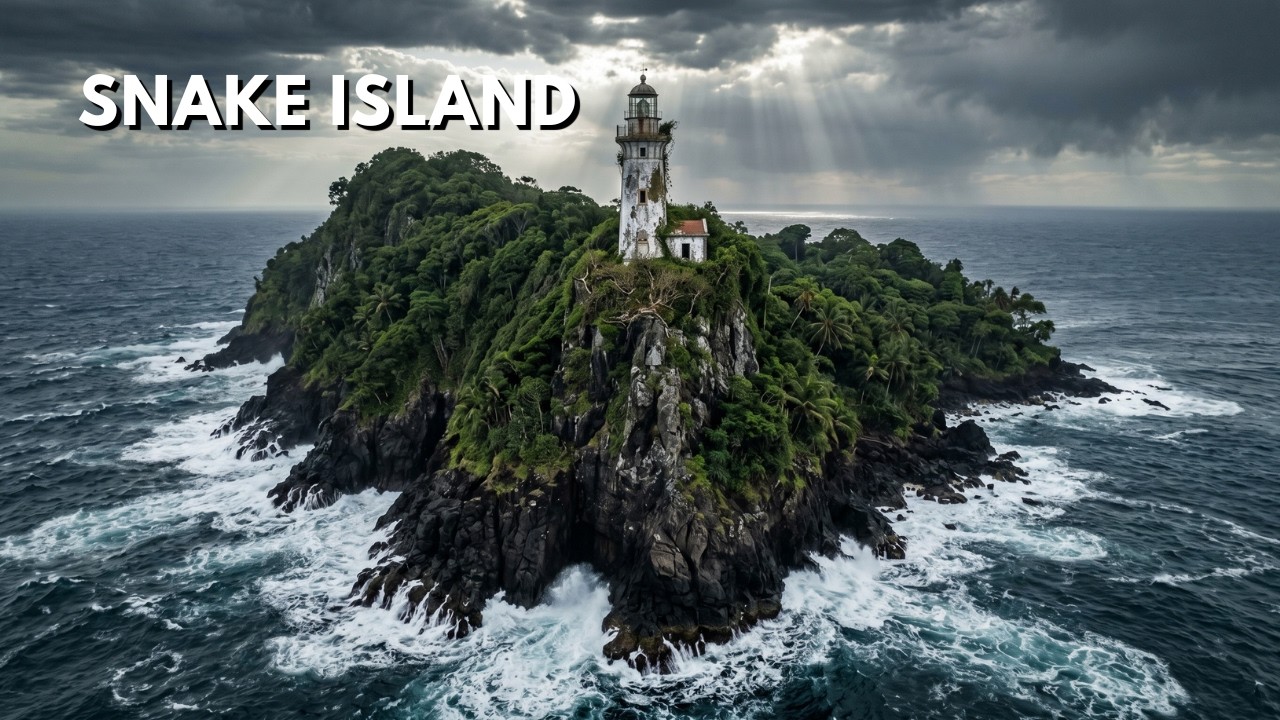

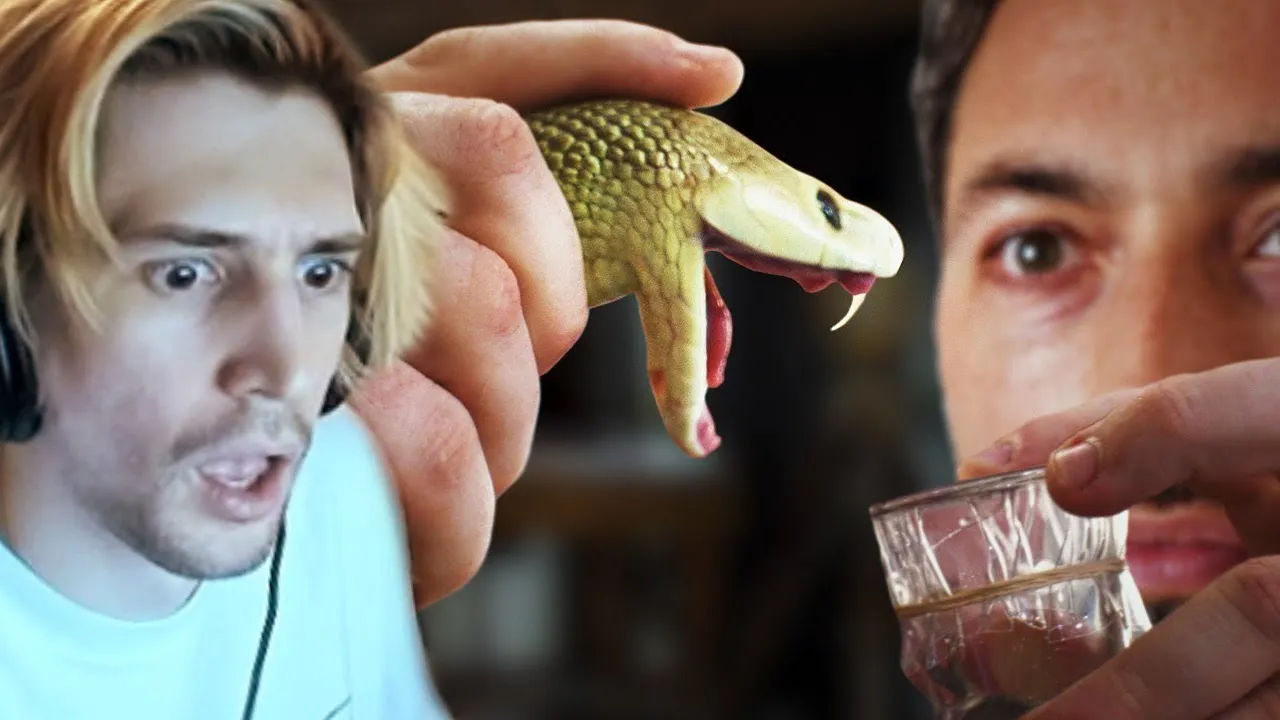





The golden lancehead vipers of Snake Island, Brazil—one of the world's deadliest snakes—are being studied by scientists to develop life-saving medications, including drugs for high blood pressure derived from viper venom toxins; this demonstrates how venom research contributes to medical advancements worth billions of dollars annually, underscoring the importance of conserving biodiversity as potential future medicines may come from any species.
Inside Snake Island's Deadly Viper Venom Research | 60 Minutes Australia
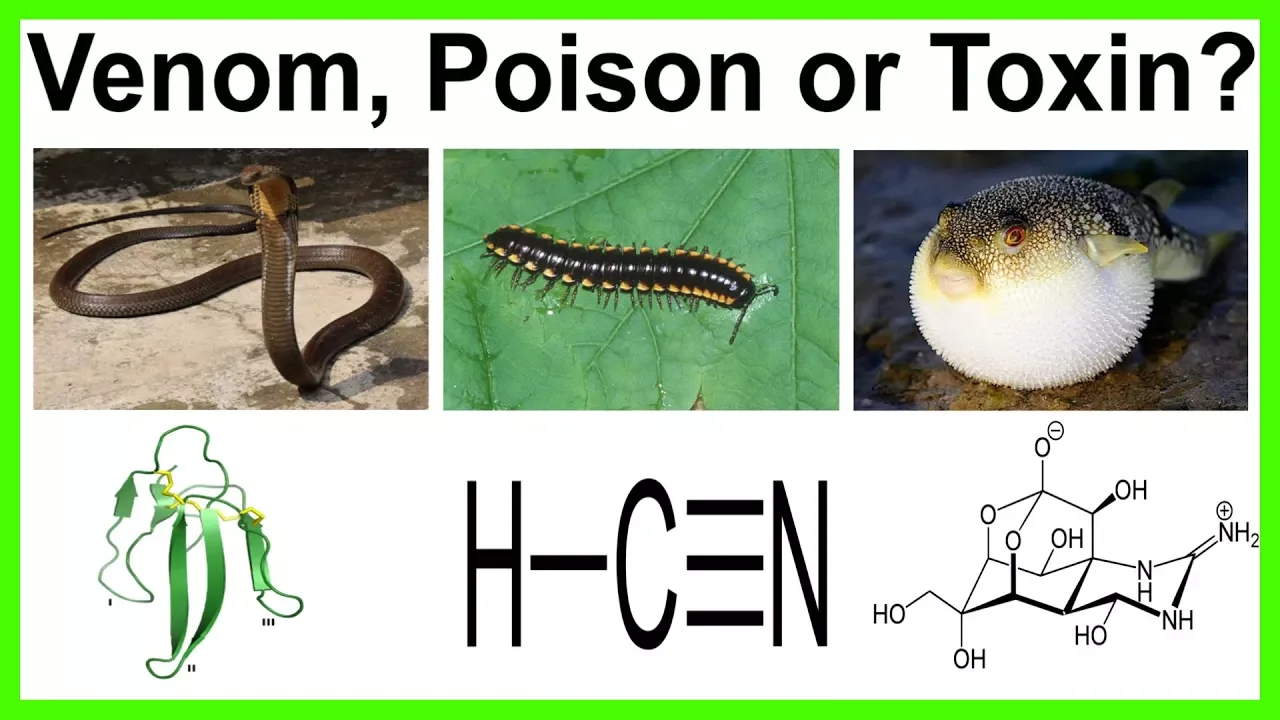
Added:Fundamentals of toxicology and pharmacology, specifically the biological distinctions between venoms, poisons, and toxins.
The ecological principles of island biogeography, genetic isolation, and rapid evolutionary adaptation in confined ecosystems.
Basic human circulatory physiology, particularly the mechanisms of blood clotting (coagulation cascade) and blood pressure regulation.
The concept of bioprospecting—the systematic search for natural biochemical resources that can be developed into pharmaceutical drugs.
Advanced molecular toxinology: Investigating how hemotoxic proteins physically bind to and disrupt cellular receptors in human blood vessels.
The biochemistry of venom-derived pharmaceuticals, such as studying how the Golden Lancehead's venom contributes to hypertension treatments (ACE inhibitors).
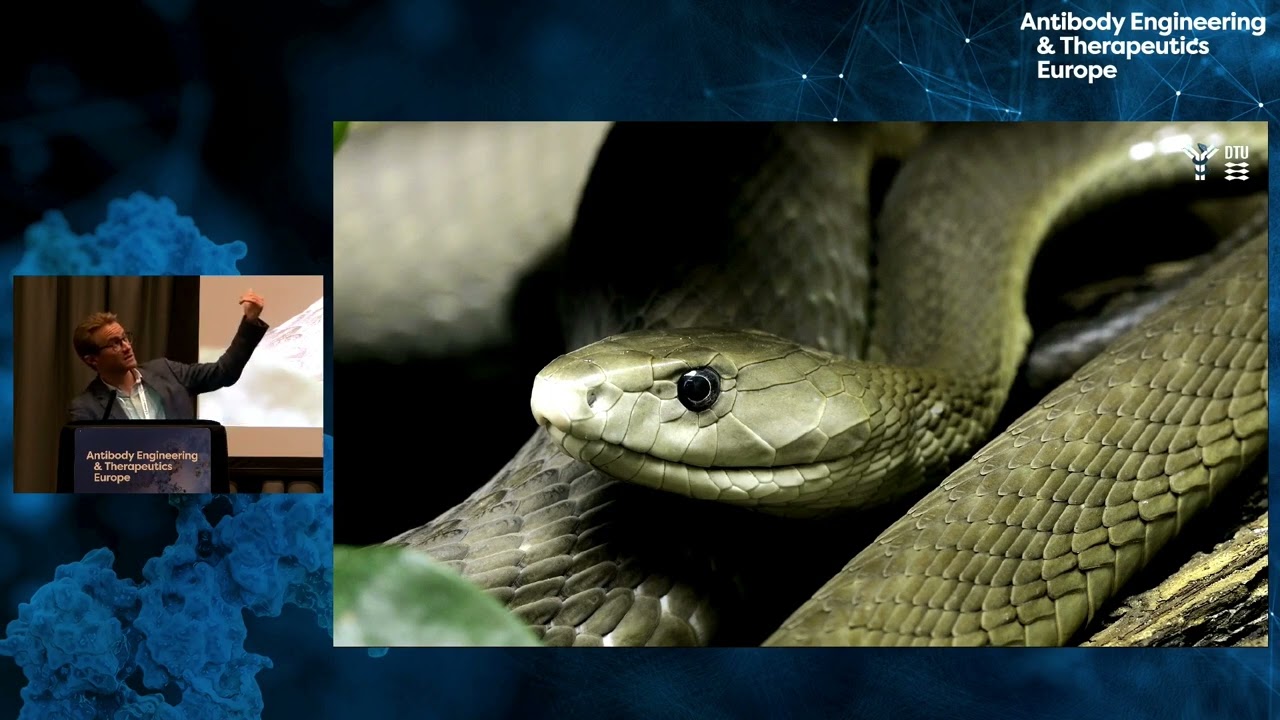
Modern antivenom design, focusing on the transition from traditional animal-derived serum to synthetic monoclonal antibodies.
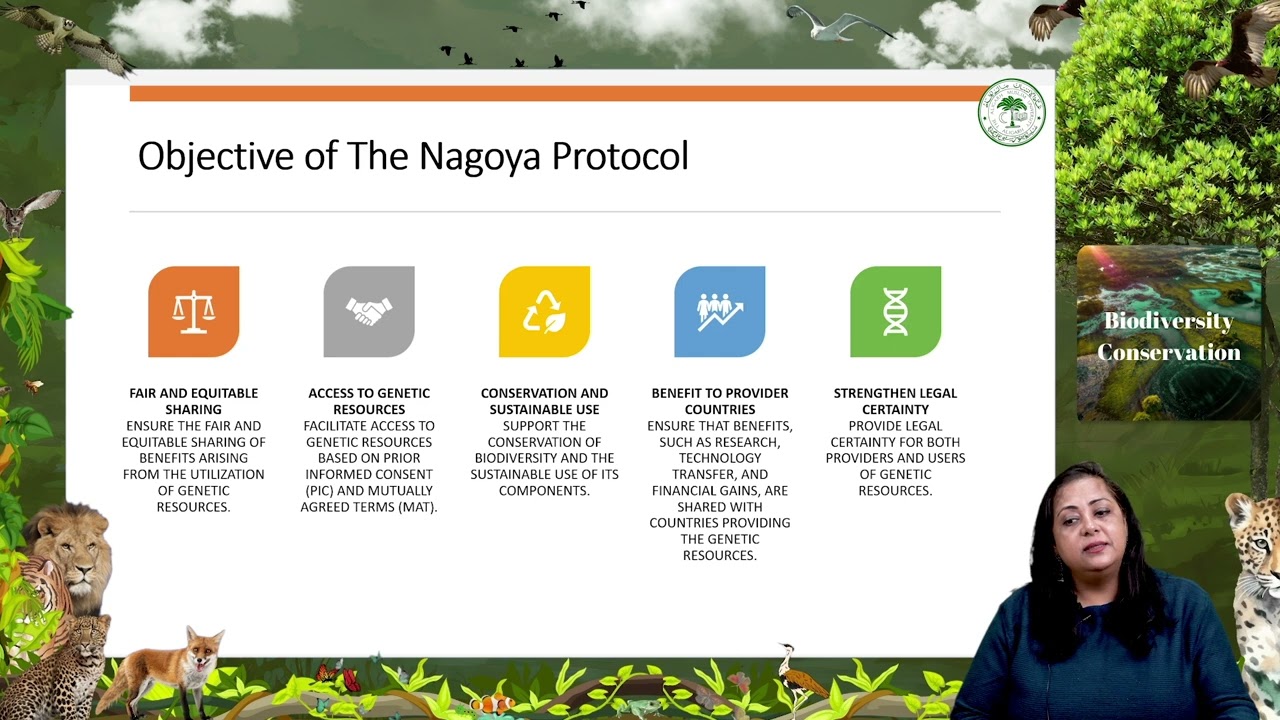
The ethical, environmental, and legal frameworks of bioprospecting, including the international regulations (e.g., the Nagoya Protocol) governing genetic resources.
13.6M views100.6Klikes14:01Original Release: 2019-03-25
what do you think of snakes for me not a problem I quite like them that is as long as they're behind a thick glass so being told I was going to a tiny speck of land off Brazil inhabited by thousands of the most venomous Vipers in the world had me a little freaked out not surprisingly it's known as snake island and it's probably the most dangerous place on the planet but as deadly as they are the golden lancehead Viper czar actually saving lives because their venom is being used to produce new blockbuster medications so with science leading I agreed to follow even though I was always ready to run a stunning splash of green in a sea of brilliant blue Kumada Grande off the coast of Brazil is a tempting patch of paradise for this place better known as snake island is off-limits [Music] all a band from landing here unless you have special clearance if the signs don't warn you off the residents will all 4,000 of them hidden in the trees and camouflaged on the ground these are the golden lancehead Viper 's one of the top 10 deadliest snakes in the world you don't want to be bitten by these snakes with these snakes it will be a particularly painful death you're going to die screaming you're going to die screaming great so why do you want to come anywhere near them tomorrow grande is the mecca for venomous snakes but talk to the local fisherman on the mainland and snake island is a place of legend a place Only Fools would venture to one of the main legends of the island is a terrible story there was a family living there the lighthouse keepers and one night they were all bitten by the snakes and died it makes people scared about going there I believe the Pirates had the snakes there for protecting their treasure would you ever brave the snakes to hunt for the treasure to hunt for gold no I would not choose to do that because it's fatal I will not risk my life to any gold to any treasure I don't think it's a good idea so ignoring good local advice early the next morning we prepare to head to snake island with a research team which will capture tag and milk the snakes so case of beer early bird catches in this case yeah well we want to get out before it gets too hot my guide is Australian molecular biologist Brian fry a scientist mad about snakes who calls himself the venom doc but as a sign of how seriously we and the authorities take this we're traveling with a full medical crew armed with anti-venom and artificial respirator and defibrillator they also have an ambulance on standby hope for the best and plan for the this will be Brian's third trip to snake island as a scientist he is one of only a handful of people allowed to go there one of my favorite places to go to it's such a beautiful island the snakes are so unique [Music] don't betray that's the fun part [Music] I don't work on butterflies we are the first Australian media granted special access to the island and so now we're heading 30 nautical miles off the coast of Brazil as we approach our destination brian is right visually the island is striking but from here on in things become hazardous with the help of Brian's Brazilian colleague Philippe the first test is getting on the slippery island snakes here we come before we head off into the wild we need to protect ourselves snakes only well basically they don't start fights they in them so as long as they don't feel threatened they won't just bite you our aim is to get to the top once we get into the forestry area we'll be straight into our ideal habitat but while our search for the Vipers starts off easy enough there are certain white predator kind of think of them as a venomous land line the climb becomes steeper and steeper Sun come around here add in the 70% humidity and 40 degree day and this is not a walk in the park there step on it it'll try to bite you what makes it harder is knowing that every time you grab onto a rock or tree branch to pull yourself up you could be grabbing a killer snake I've been told if you want to spot a snake here to look for yellow or brown leaves so I've been looking wherever I look up down to the side all I see are dead leaves so to my untrained eye these snakes could be anywhere and and then we see our first we're on the ground in front of us moving up towards the rock Filipe and Bryne quickly baguette for the research team before spotting another less than a meter away this one appears to be feeding on a dead bird the main food source for the small but potent golden lancehead snakes nice little wine either juvenile female or medium-sized male but that other one we got as a female because the females are much larger than males as we get deeper into the jungle it's clear with the visitors here Brian and Filipe still want to find more snakes to collect to milk their Venom's gosh they're hard to see out there so you can see by their camouflage how they look just like a pile of dead leaves yeah in amongst all the other dead leaves oh sorry so this one's prime for milking for venom yeah it's a nice large female she'll be in this bag only temporarily after the venom is collected she'll be released back into the wild we could have stepped on that easily yeah yeah they're so incredibly cryptically colored just makes you wonder about all the ones we haven't oh definitely for every one that we've seen probably didn't see five doesn't make me feel good at all but a healthy population of snakes is just what these scientists led by philippe gracio team want they're collecting the snake's venom for research as well as checking the well-being of the lance-heads so what they're doing is they're collecting all the information they can the size of it the weight is it a male is it a female are there a lot of ticks on it is the body condition healthy so all of these things long-term records will give us an impression of what is the ecological health of the island while the work is serious the fun part for these two snakes scientists is escaping the lab my first true love you know those venomous snakes my father was a snake farmer so I think that I was born with this DNA you're genetically predisposed but to work with these killers they first must be immobilized they can't move most importantly they can't bite with it asleep like this it's hard to believe that I'm actually holding one of the deadliest snakes in the world but if it was to wake up and if it was to bite it would not be good would it the golden lance-heads do not exist anywhere else but on camarda grande their isolation has given them some evolutionary quirks they're five times more poisonous than their mainland cousins and they hunt and eat birds they may be some of the most venomous creatures on the planet but the real threat is to them not us as idyllic as snake island might seem for snakes its isolation is no guarantee protection for its unique inhabitants land clearing on the mainland is reducing the number of birds that used to stop here on their migration path fewer birds means less food and less food ultimately means less snakes just in the five-year cycle that I've been studying I can see changes on this island and its really really depressing for someone like me who is just in love with these kinds of animals but this is an unnatural disaster this is a man-made catastrophe that is symptomatic of what is going to happen for the rest of the world even if you're not so fond of snakes there are good reasons to care about their future because their health could ultimately affect ours so what are we protecting the snakes from because these necks are very special for us and then contamination can happen at the center for the study of venomous and poisonous animals Rui Seabra is taking me into his venom lab where Vipers including the golden lance-heads are studied they're also milked to create anti-venom for a country that suffers thirty thousand snake bites with 150 deaths a year this is a brush of liquid often the golden lance-heads the golden liquid of the golden land yes like a gold how much damage could this cause yes enough to took you three or five people that's enough to kill us they may be more but this deadly liquid is also the key to saving human lives we are developing a new medicine to avoid clotting in human so one of the most dangerous snakes in the world could help save people's lives yeah to save your lives these types of snakes lancehead Viper 's have already been responsible for life-saving medications where for example if you know of anybody who's taking high blood pressure medication odds are they're taking captopril or one of its derivatives this is a drug class built off of a toxin from Land's headed Vipers it was invented 40 years ago but remains today a 10 billion dollar a year market and this reinforces why we need to conserve all of biology because we can't predict where the next wonder drug is going to come from so even if we don't know it now it could be responsible for medical miracles down the track and that's exactly the key is that we can only harvest what is still around so if we lose the golden lancehead we might lose the next wonder drug as a scientist but a snake lover first Brian Frey relishes what many would love I think they're sweethearts they're very gentle dispositions getting up close and personal with this highly toxic creature in it's rare and remote habitat it's a really special place and it's somewhere that I feel a real emotional connection with because I'm completely in my element on a place like this there's no annoying sounds of human habitation it's just us in the jungle doing our thing with the snakes [Music] hello I'm Tara brown thanks for watching to keep up with the latest from 60 minutes Australia make sure you subscribe to our Channel you can also download the 9 now app for full episodes and other exclusive 60 minutes content
Up Next
41:46
Venom Biochemistry: Therapeutics from Nature's Toxins | Expert Interview
@TheSheekeyScienceShow
1.3K views•2024-08-31

13:15
Cottonmouth Venom Effects on Human Blood: A Scientific Analysis
@MyWildBackyard
757.7K views•2025-04-12

5:35
Enteric Nervous System Explained: The Gut's Brain | Neurobiology Lecture
@alumniu6029
438 views•2018-09-12
7:08
Bacteriophages: Earth's Deadliest Killers and Future Antibiotics
@kurzgesagt
34.6M views•2018-05-13
Related Study Plans & Knowledge Roadmaps
Structured learning paths in Biology
biology
Analyzing Animal Venoms: Genetics & Pharma
01Molecular Biology & Physiology Foundations
02Venom Evolution & Toxin Gene Recruitment
03Neurotoxins & Ion Channel Pharmacology
+ 2 more learning modules
18h5 modules
Explore Roadmap
biology
RNAi: Biogenesis, RISC & Gene Silencing
01Molecular Biology Foundations: DNA to Protein
02Introduction to RNA Interference (RNAi)
03Molecular Biogenesis of miRNA and siRNA
+ 2 more learning modules
10h5 modules
Explore Roadmap
biology
Mycorrhizae: Signaling, Biophysics & Ecology
01Foundations of Mycorrhizal Symbiosis
02Molecular Signaling and Root Colonization
03Biophysics and Bioenergetics of Nutrient Exchange
+ 1 more learning modules
11h4 modules
Explore Roadmap
biology
Circadian Clocks: TTFL, SCN & Periphery
01Foundations of Molecular Biology & Gene Expression
02Introduction to Chronobiology and Actograms
03The Core TTFL: Molecular Architecture of the Clock
+ 3 more learning modules
14h6 modules
Explore Roadmap